
There’s something special about sitting by the ocean in Hawaii and listening to the sound of the waves. When I meditate with ocean views, I feel more relaxed and connected with nature.

This makes it easier for me to clear my mind and breathe deeply. The beauty of the coastline and the gentle breeze help me focus, even when my mind wanders.
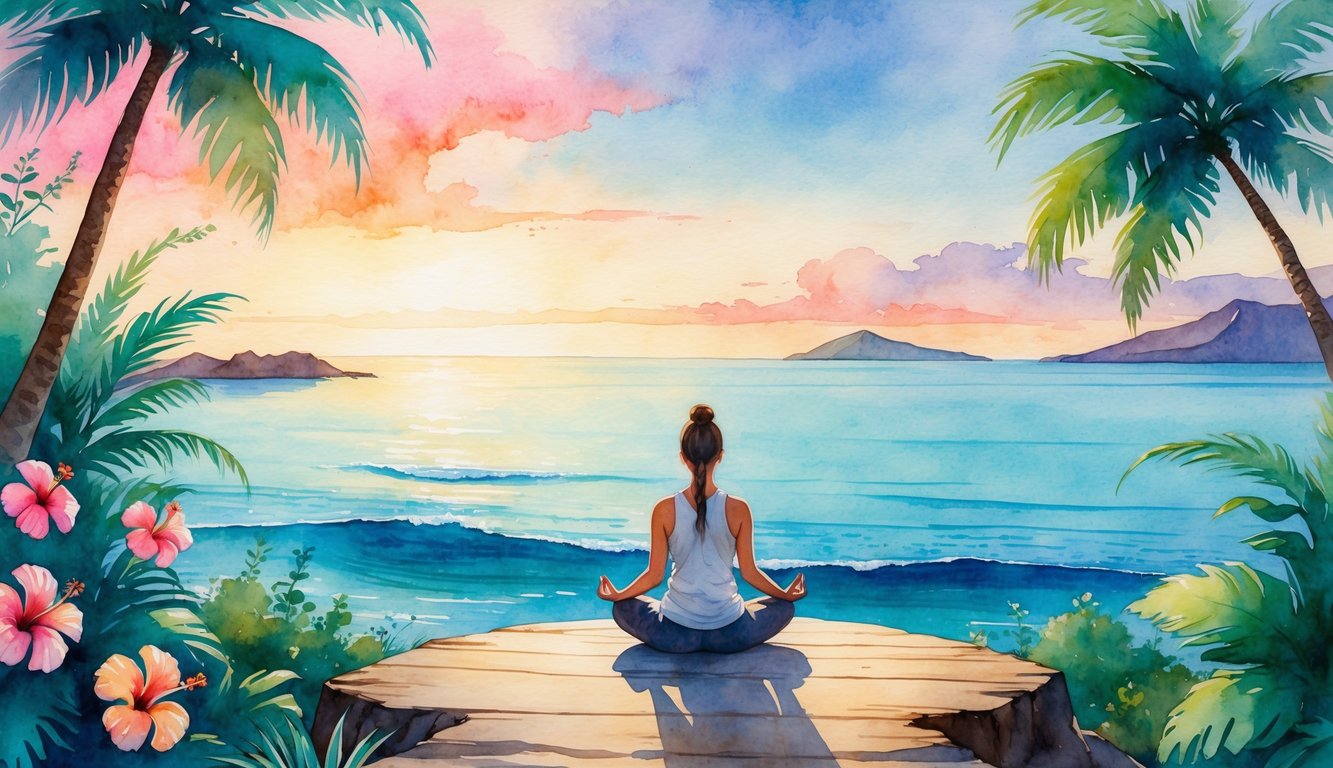
When I want to meditate with ocean views, I find a peaceful spot where I can see and hear the waves. Sometimes, I follow a simple guided mindfulness meditation or just close my eyes and listen.
The mix of ocean sounds, fresh air, and warm sunlight makes every session feel special. Each time, I feel the simplicity and beauty of the moment.
If you want to let go of stress or enjoy a quiet moment, Hawaii’s ocean views are the perfect backdrop. Sitting by the water helps me feel calmer and recharged.
Benefits of Meditating with Ocean Views in Hawaii
When I meditate by the ocean in Hawaii, I notice positive changes in my mood and focus. The mix of fresh salt air and calm ocean waves creates the perfect setting for peaceful meditation.
This encourages a strong connection to my surroundings.
Enhanced Relaxation
The steady sound of the waves relaxes my body and mind almost right away. I find my stress levels go down when I hear the gentle crash and retreat of water.
This natural background noise works better for me than any app or recording. Sitting on the soft sand or a warm rock, I can feel the breeze cooling my skin.
The salty air helps me breathe more deeply, which calms my nervous system. My muscles let go of tension faster when I meditate here.
I have an easier time letting go of worries as my breathing becomes slower and more even. The peaceful setting makes it simple to leave busy thoughts behind and focus on the present moment.
Balance by BuddhaGroove explains that ocean air and sounds create a unique environment ideal for meditation. You can see more about this experience in their guide on meditating with the ocean.
Deepened Mindfulness
Practicing mindfulness by the ocean helps me focus on real sensations instead of distractions. I listen to every sound and watch the movements of birds or waves.
I feel the sand or pebbles under my hands. Nature’s simple rhythms make it easier to stay in the present.
Hearing the ocean, I return my attention to my breath any time my mind wanders. Each wave gives me a new chance to notice my thoughts and let them go.
During meditation, the bright sunlight and open sky help me pay attention to small details. I become more aware of my breath, heartbeat, and feelings.
This deeper awareness improves my focus. I carry this sense of mindfulness into the rest of my day.
Connection to Nature
Meditating by the ocean in Hawaii gives me a comforting sense of being part of something greater. The wind, sun, and waves help me feel grounded in the present moment.
I notice how the natural world supports my meditation in ways a closed room cannot. Looking at the endless water, I remember nature’s power and beauty.
This setting helps me feel grateful and calm. Hawaii’s unique landscape and spirit, often called the “Aloha spirit,” encourages reflection and growth.
This environment supports self-care, as highlighted by retreats focusing on inner peace in Hawaii. Spending time in nature by the ocean increases my sense of peace.
It helps me feel connected to the land and life around me. Each meditation session becomes more meaningful.
Choosing the Ideal Oceanfront Meditation Spot
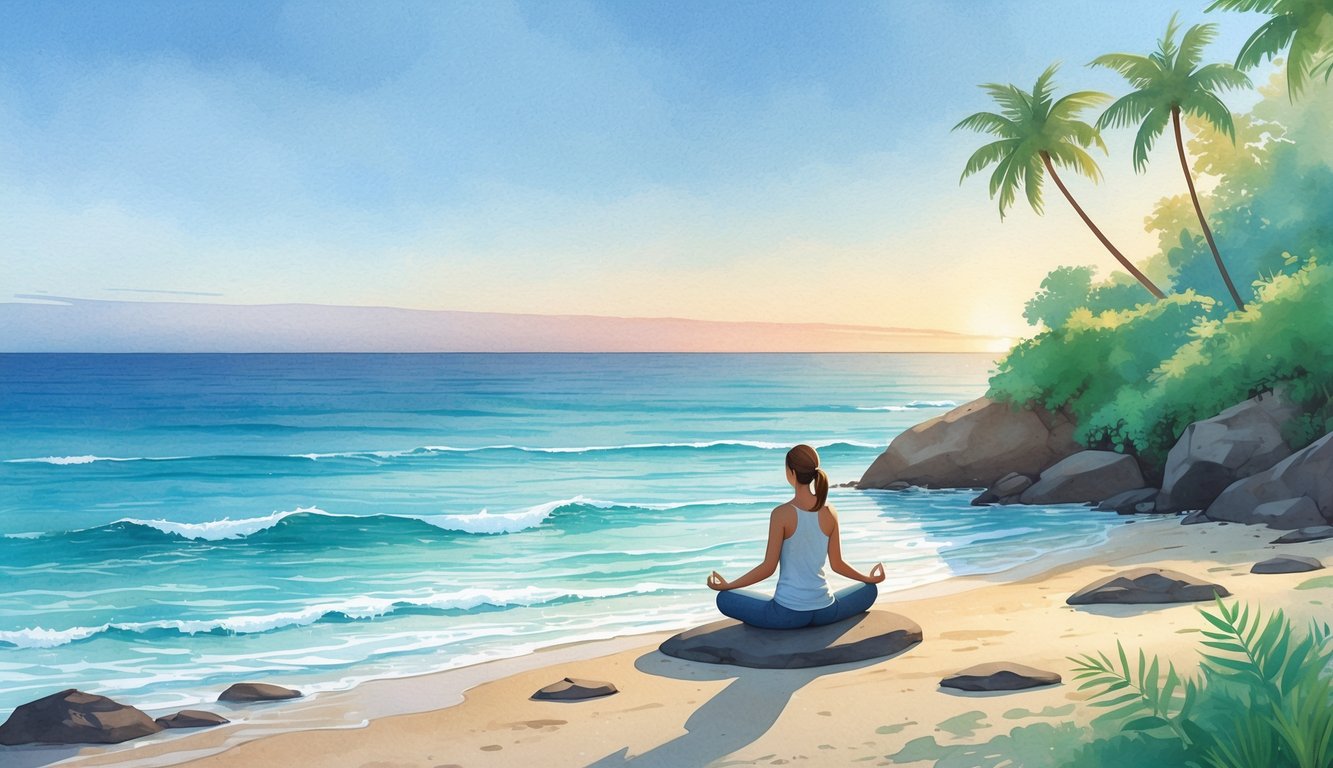
Where I meditate makes a real difference. In Hawaii, the right spot gives me natural beauty, soothing sounds, and space to relax.
Best Beaches for Meditation
When I look for the best beach to meditate in Hawaii, I want a place that’s peaceful and not crowded. My favorites often include Oneloa Beach and the beaches near Haleakalā Crater.
These spots combine soft sand, gentle waves, and open areas where I can sit or lie down without being disturbed. Kauai’s north shore has beautiful beaches lined with trees, giving me shade and privacy.
On some mornings, I like to sit under an umbrella, watch the sunrise, and gaze at the green peaks in the distance. Meditating with the sound of the ocean helps me clear my mind and find calm.
If you’re interested in discovering more about top locations, you can learn about serene meditation spots on Kauai’s tranquil beaches.
Selecting Secluded Locations
Privacy is important to me when I meditate because it lets me focus better. Hawaii has many hidden spots along the coast, away from the crowds.
I look for small coves, shaded areas under palm trees, or rocky outcrops where I won’t be disturbed. Sometimes, I walk farther down the beach to get away from busy areas.
Early mornings and evenings are also quieter, letting me meditate in peace. Even on popular beaches, I can usually find a secluded patch if I explore or arrive at off-peak times.
Being alone by the ocean, I listen to the waves and feel completely relaxed.
Resort Settings with Ocean Views
For extra comfort, I enjoy meditating at resorts with direct ocean views. Hawaii’s luxury hotels, like the Four Seasons Resort Oahu, offer guest rooms and lounges facing the Pacific.
From my balcony or a quiet corner of the resort’s garden, I watch the waves and practice mindfulness. Some resorts have meditation gardens or yoga decks by the water.
These spots are well-maintained and private, giving me an easy, scenic place to relax. At the Four Seasons Resort Oahu, I get oceanfront rooms, peaceful patios, and access to private beaches that are perfect for meditation.
Essential Preparation Before You Meditate
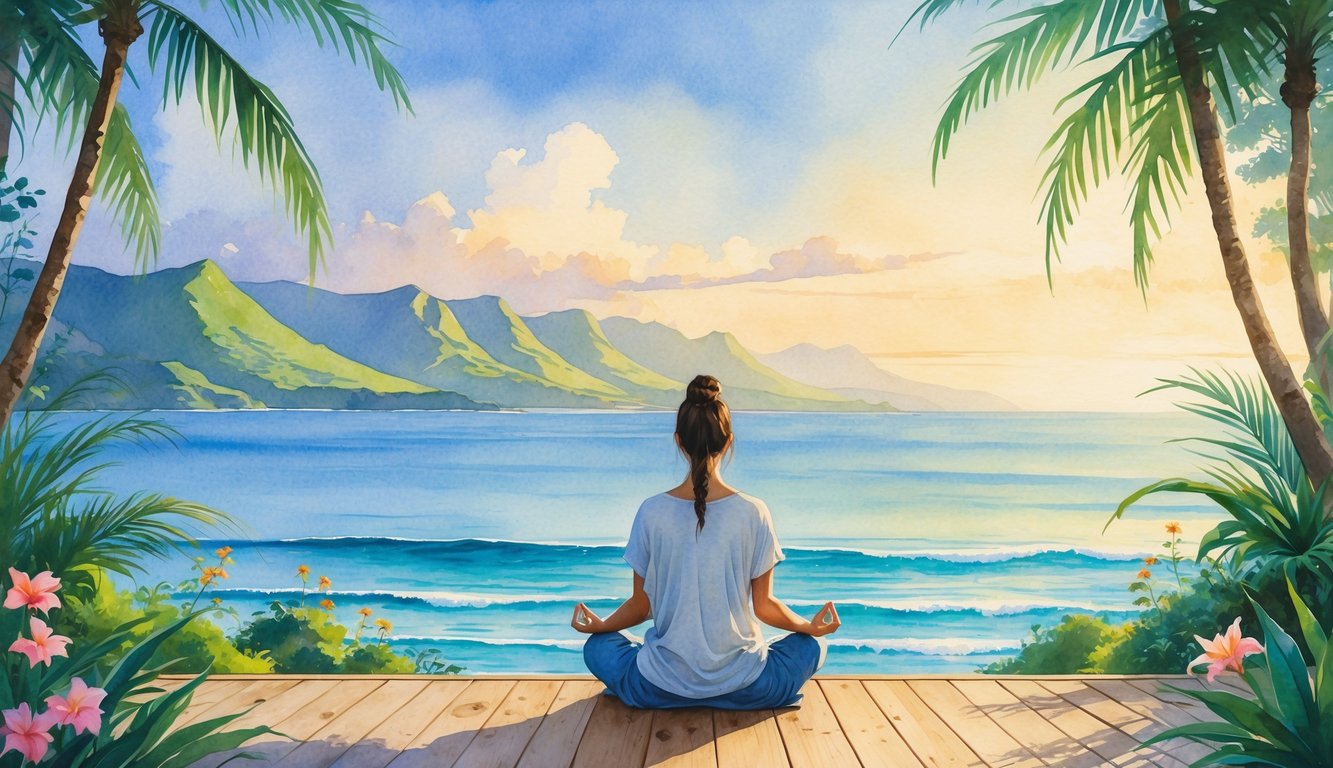
Getting ready for ocean meditation in Hawaii means planning what to wear, what to bring, and how to set the right mood. Small comforts help me focus and enjoy the connection with the ocean.
Comfortable Attire
Wearing the right clothes helps me stay relaxed and focused. I choose lightweight, breathable fabrics that keep me cool under the Hawaiian sun.
If there’s a breeze or the weather changes, I pack a light jacket or hoodie. Loose pants or shorts let me sit cross-legged without feeling restricted.
I avoid anything with rough seams or tags that could cause discomfort. A wide-brimmed hat or sunglasses keeps glare out of my eyes, especially if I meditate at sunrise or midday.
Shoes are optional. I like bare feet for grounding, but sandals are easy to slip on and off if the sand or rocks are too hot.
I always bring a towel, yoga mat, or small blanket for extra comfort and to avoid sitting directly on the sand.
Bringing a Journal
Having a journal helps me capture thoughts and feelings before or after meditation. Sitting near the ocean inspires me, and jotting down my reflections right away helps me notice patterns or changes in my mood.
I pick a small, sturdy notebook that’s easy to carry and a pen that writes even if it’s humid. Weather can change quickly by the water, so I use a zip bag to protect my journal from spray.
Writing just a few sentences, a word, or even a quick sketch can be meaningful. I might write about sounds I hear, textures under my hands, or an idea that surfaces during my session.
This habit helps me track what brings me peace or distraction over time.
Tea or Coffee Rituals
I start some mornings with a cup of tea or coffee before heading out. Sipping a warm drink while watching the waves sets a gentle tone.
If I meditate at sunset, I bring iced tea in a reusable bottle for refreshment. Bringing tea or coffee is a simple ritual that slows me down.
I often choose herbal teas for calming effects, like chamomile or mint, or a mild coffee if I want some energy. Using a thermos keeps drinks warm, while iced bottles stay cool.
This small ritual helps mark the transition between daily life and meditation. It gives me a few mindful minutes to breathe, savor the flavor, and get ready to tune into the ocean’s rhythm.
For more on setting up the ideal place to meditate, including tips on creating calm surroundings, check out advice for finding the perfect meditation spot by the water.
Step-By-Step Guide to Meditating by the Ocean
Meditating by the ocean in Hawaii helps me relax deeply and connect with nature. Using breathwork, guided imagery, floating in the water, or gentle yoga, I make the most of my experience at the shore.
Breathwork Techniques
I start my meditation by focusing on my breathing. Sitting or lying down on the sand, I listen to the rhythm of the waves.
As each wave comes in, I slowly breathe in through my nose. When the wave pulls back, I breathe out gently through my mouth.
To keep my mind from wandering, I sometimes count my breaths or imagine the air moving in and out like the tide. Practicing deep, slow breathing helps me feel calm and steady.
I find it easier to relax my body when I follow the pattern of the ocean waves. Many people use box breathing: inhale for four counts, hold for four, exhale for four, and hold again for four.
The steady ocean sounds make it easier to focus on this simple rhythm. Beach meditation is a good way to practice basic breathwork and enjoy natural surroundings at the same time.
Guided Meditation Practices
Sometimes, I use a guided meditation to help me focus. I listen to a recording or use my imagination to guide myself.
I might picture the sound of the waves washing over my thoughts, letting each wave carry away my worries. One method is to sit comfortably, close my eyes, and notice the details around me: the smell of salt, the sound of seagulls, and the feel of the breeze.
Then, I bring my attention to the rise and fall of each wave, letting that natural rhythm lead me into a peaceful state. If I want more structure, I follow a guided ocean meditation.
This usually includes prompts to notice sensations and to breathe with the waves. Guided meditations help when my mind feels busy or distracted by the outdoors.
Floating Meditation in the Water
The warm Hawaiian sea makes floating meditation possible. I use a floatation device, gentle swimming motions, or simply lie on my back where the water is calm and shallow.
The ocean’s gentle movement helps me release tension. As I float, I focus on how the water supports me and how the waves rock me.
With my eyes closed, every sound and sensation grows stronger. I breathe slowly, matching my breath to the gentle bobbing of my body.
Floating meditation helps me practice mindfulness because I feel weightless and safe in the water. I spend a few minutes paying attention to the water’s temperature and the way my body moves with each wave.
Mindful Movement and Yoga
Yoga on the sand gives me a strong sense of grounding. I start with simple poses, like Mountain Pose or Child’s Pose, which help me feel steady and relaxed.
The uneven sand makes balancing a bit harder and keeps me focused on each movement. I prefer sunrise or sunset for yoga by the ocean.
Sometimes, I join a local yoga class right on the beach for guidance. The sound of the waves provides a natural soundtrack, and breathing in the ocean air deepens my calm.
When I practice mindful movement, I focus on how each part of my body feels. Even simple stretches feel more rewarding near the water.
Gentle stretching and yoga make meditation easier, especially with the calming energy of the ocean nearby.
Integrating Meditation into a Hawaiian Wellness Retreat
I join a wellness retreat in Hawaii to combine meditation with peaceful ocean scenery. Each morning, movement and breakfast help me relax and feel refreshed.
Daily Wellness Routines
Each day at a Hawaiian retreat begins with sunrise and the sound of waves. I wake up early to meditate outside, sometimes in a yoga pavilion overlooking the ocean.
Fresh air and the scent of tropical flowers clear my mind. Many retreats include yoga or gentle stretching before or after meditation.
This helps my body wake up and keeps me flexible. Afterward, I walk along the shoreline or practice mindful breathing while watching the tide.
I follow a schedule that balances group activities and quiet time alone. Some retreats offer guided meditations or mindful movement sessions in ocean-view studios, like those at KMEC Yoga and Meditation Center.
I also attend workshops on breathing or stress relief, which support my well-being.
Post-Meditation Breakfast Ideas
After meditation, I want a fresh, healthy meal. Most wellness retreats serve breakfasts inspired by local ingredients.
Here’s a table of simple breakfast options I often find:
| Breakfast Dish | Description |
|---|---|
| Tropical Fruit Bowl | Pineapple, papaya, banana, and coconut flakes |
| Acai Bowl | Acai blended with berries and topped with granola |
| Avocado Toast | Fresh bread with mashed avocado and herbs |
| Oatmeal with Macadamia | Warm oats with macadamia nuts and honey |
I enjoy my breakfast outside, listening to the waves. Eating mindfully after meditation keeps me relaxed and helps me savor every bite.
In many places, breakfast is shared as a group, which adds to the sense of community from the morning session, as described by wellness retreats in Hawaii.
Enhancing Your Meditation Experience
To get the most out of meditating with ocean views in Hawaii, I mix relaxing activities. I combine body wellness, time in nature, and moving in water to lift my mood and focus.
Spa Treatments for Relaxation
Spa treatments before or after meditation help me relax and prepare for calm. In Hawaii, many spas offer massages and body scrubs focused on deep relaxation.
The scents of coconut oil or tropical flowers fill the room and help me feel grounded. Some treatments use local volcanic stones, which soothe my muscles.
I choose treatments with slow, gentle movements to calm my body and mind. This leaves me ready for meditation or helps me enjoy the peaceful feeling after.
Other options include facials with cooling aloe or outdoor massages where I can hear the waves. I look for treatments that help me slow down and become more aware of my senses.
Benefits Table:
| Treatment Type | Main Benefit |
|---|---|
| Massage | Releases tension |
| Body Scrub | Refreshes the skin |
| Hot Stone Therapy | Deep muscle relaxation |
| Outdoor Massage | Soothes with ocean sounds |
Forest Bathing Adventures
Forest bathing, or “Shinrin-yoku,” connects me to nature before meditating. I pick a quiet forested area in Hawaii and walk slowly among the trees.
I listen for birds and the sound of leaves moving in the wind. I touch the bark of old trees and sometimes walk barefoot to feel the earth.
The air smells fresh after rain, and I notice how different plants look and feel. Surrounded by greenery, my breathing slows down.
I use all my senses, taking in the colors, shapes, and sounds. This makes it easier to focus when I meditate later.
Studies show forest bathing lowers stress and helps me be more mindful. You can read more about meditating with the ocean in this guide on forest meditation and the ocean.
Taking a Swim After Meditation
After meditation, I swim in the ocean. The cool water feels great and clears my head.
I pick a safe, calm beach and wade in slowly. Swimming stretches and relaxes my body after sitting still.
It feels peaceful to float and look at the sky. I pay attention to how the water feels on my skin and how sunlight dances on the surface.
Sometimes, I just float and focus on my breath. Other times, I swim short distances and let the saltwater refresh me.
Swimming after meditation helps me stay calm and mindful for the rest of the day. This routine pairs well with guided meditations focused on ocean sounds, like those on ocean sound meditation sessions.
Exploring Nature-Based Meditation Activities
Hawaii’s natural landscapes give me peaceful ways to deepen my meditation. The ocean, volcanos, and geothermal pools each offer unique ways to connect with nature and quiet my mind.
Meditative Hikes with Scenic Views
On a meditative hike in Hawaii, I focus on my steps and breath. The sound of ocean waves and the sight of green cliffs help me stay grounded.
Walking slowly on a coastal trail or forest path, I tune into fresh scents and the feeling of sun and wind on my skin.
Tips for meditative hiking:
- Walk at a gentle pace
- Pause often to breathe deeply
- Notice small details like leaves, rocks, and bird songs
Trails like the Makapu’u Point Lighthouse Trail or Diamond Head have sweeping ocean views. I pause at overlooks, sit quietly, and let the scenery bring my mind to the present.
Sometimes, I practice mindful observation, simply watching the water and clouds as meditation. For more ideas, outdoor guides suggest nature observation and quiet reflection for peace and grounding.
Visiting Hawaii Volcanoes National Park
Hawaii Volcanoes National Park inspires me with its old lava fields, forest groves, and steam vents. I find that the wide, open spaces help me let go of worries and focus.
I pick a quiet spot near the Jaggar Museum overlook or along the Kīlauea Iki Trail. I pay attention to the sounds of shifting earth or the gentle wind across the crater.
The volcano’s energy reminds me of nature’s power and my place in the world. I breathe slowly and let the sights and smells surround me.
Relaxing in Geothermal Pools
Geothermal pools in Hawaii offer another way to meditate with nature. Some natural pools on the Big Island are heated by volcanic energy, creating warm water all year.
I dip my feet or sit quietly in the shallow end. In the pool, I close my eyes and listen to the bubbling water.
The warmth loosens my body and calms my mind. Focusing on my breath and the sensations turns even a short soak into a mindful experience.
Benefits of geothermal pool meditation:
- Soothes sore muscles
- Promotes relaxation and calm
- Deepens the connection with natural elements
Spending time in these unique waters lets me unwind and meditate surrounded by Hawaii’s beauty.
Tips for Maintaining Mindfulness Beyond the Beach
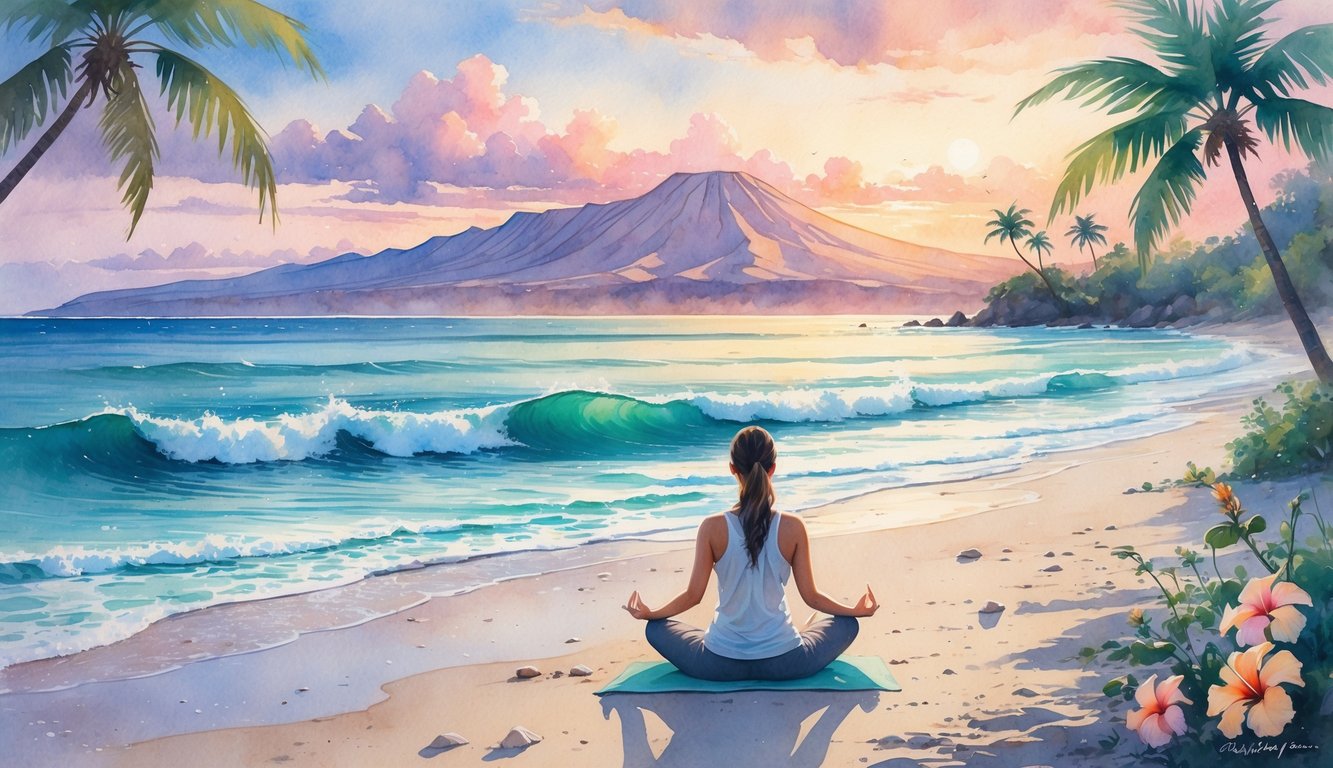
I stay mindful by keeping small habits from my time by the ocean. Writing down my thoughts and practicing at home helps me stay calm even after leaving the beach.
Journaling Your Experiences
Journaling each day helps me keep the peaceful feelings from my beach meditation. I write about what I noticed—the sound of waves, the feeling of sand, and the smell of the ocean wind.
Keeping a journal lets me remember these moments when I feel stressed or busy. I also use it to track my mood over time.
Sometimes, I add small sketches or lists to capture what made my time special. My journal becomes a simple tool for mindfulness because it encourages me to notice more in daily life.
For those who want to start, I suggest setting aside five minutes each evening to write about one mindful moment. Making this a routine brings mindfulness into my regular life, even when I’m far from the ocean.
Continuing Practices at Home
I try to bring the calm I feel at the beach into my home by using everyday objects and routines. For example, I play ocean sounds in the background when I meditate or stretch.
I sit on a soft rug and close my eyes. This reminds me of sitting on warm sand.
Sometimes, I practice simple breathing exercises that I learned while listening to the waves. I also keep small beach items like shells or stones in places I’ll see them often.
When I touch these objects, I remember to pause and breathe. Setting aside a few quiet minutes each morning or evening helps me practice mindfulness.
If I need ideas, I look for meditation guides online that focus on natural environments, like the ones found in Hawaii beach meditations. These small steps help me stay mindful, no matter where I am.


