Five days on Maui gives you enough time to see the volcano, rainforest, and reef without spending your whole vacation in the car. Group your days by region so you drive less and swim more. Maui is only about 48 miles long, but the roads twist, the speed limits are low, and a 30-mile drive can take 90 minutes.

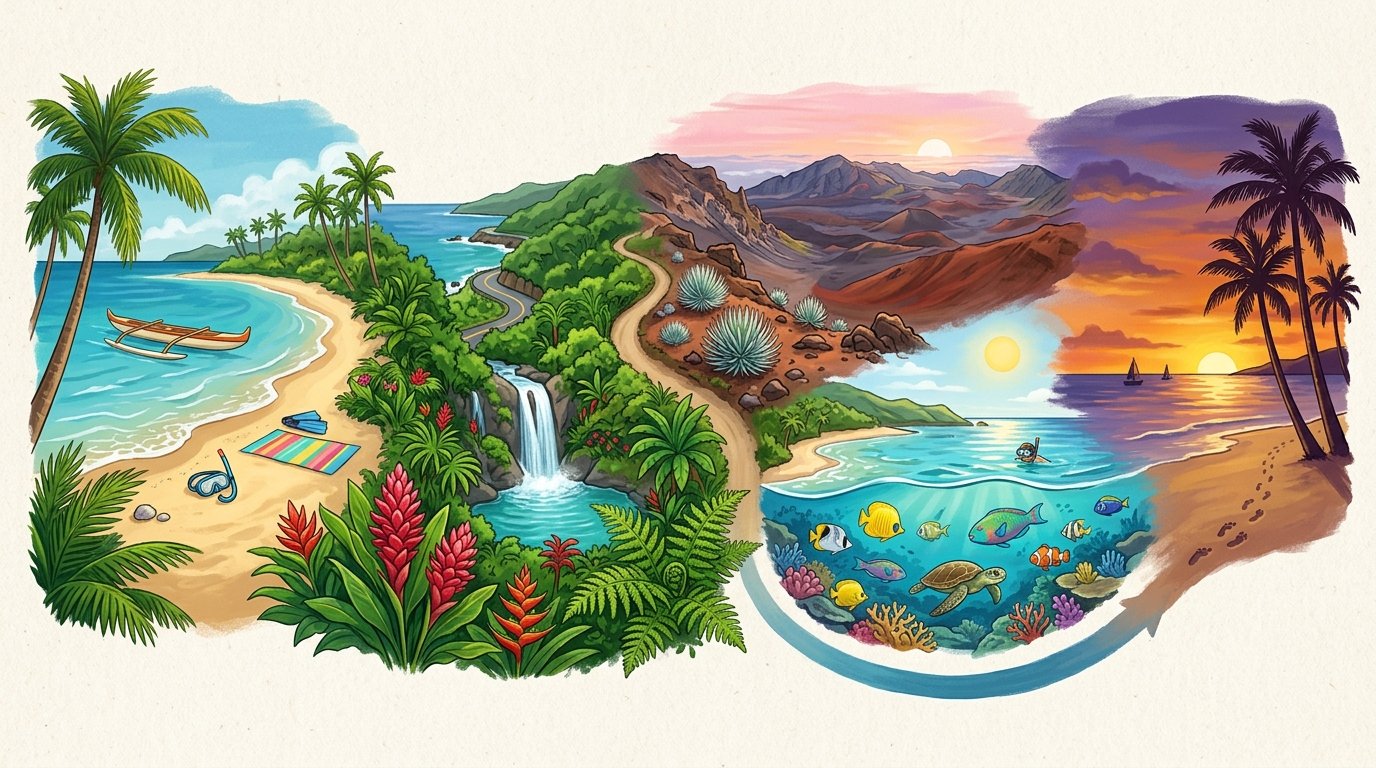
The plan below keeps you based in South Maui and gives each day one big anchor: sunset on arrival, Haleakalā, the Road to Hāna, a snorkel boat, and a flexible final day. One anchor per day sounds slow on paper. In practice it’s the difference between remembering Maui and remembering traffic.
This 5 day Maui itinerary works best if you land at Kahului Airport before mid-afternoon on Day 1 and fly out late on Day 5. You’ll be able to decide which stops to keep, which to skip, and what needs a reservation weeks ahead.
Your Five-Day Route at a Glance
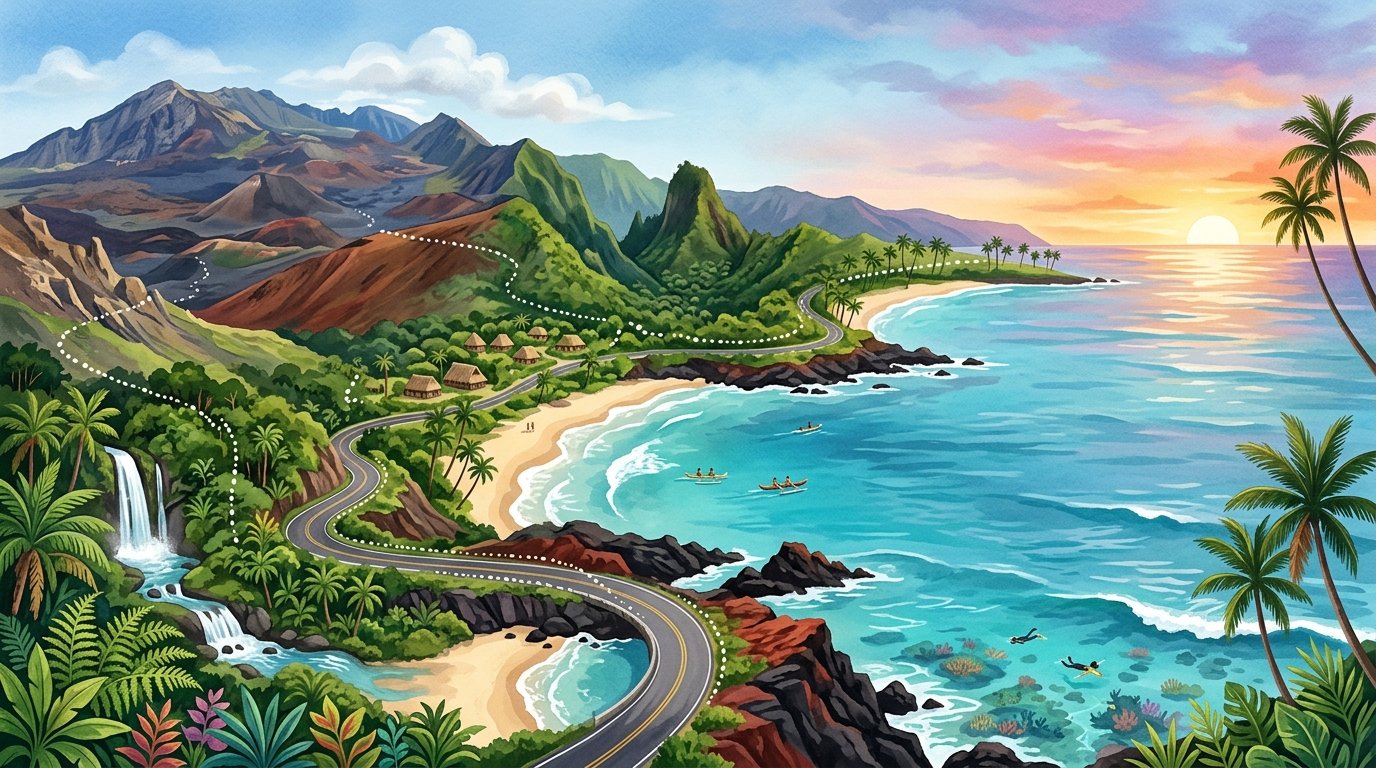
Each day pairs one major experience with easy beach time nearby. The order matters: the big drives fall on Days 2 and 3 while your body clock still wakes you early. Days 4 and 5 slow down on purpose.
| Day | Anchor | Region | Book ahead? |
|---|---|---|---|
| 1 | Beach + sunset | South Maui | No |
| 2 | Haleakalā + Upcountry | Upcountry / summit | Yes (sunrise) |
| 3 | Road to Hāna | East Maui | Yes (Waiʻānapanapa) |
| 4 | Molokini snorkel + Mākena | South Maui | Yes |
| 5 | West or Central Maui | West / Wailuku | No |
Day 1: Settle Into South Maui and Watch the Sunset
Pick up your rental car at Kahului, drive 30 to 40 minutes south, and get to the water before you unpack. Kihei and Wailea are both fine bases, and Wailea Beach or Keawakapu is a five-minute stroll from most South Maui hotels.
Grab groceries in Kihei on the way in. Buying water, fruit, and breakfast supplies saves you about an hour every morning after this.
Day 2: Haleakalā and Upcountry Maui
Haleakalā National Park sits above 10,000 feet, and the summit runs 30 to 40 degrees colder than the beach. Sunrise there requires a reserved entry ticket. Sunset does not.
On the way down, stop in Kula and Makawao for coffee, pie, and cool air. You’ll be back at sea level by early afternoon with a full day still left.
Day 3: Drive the Road to Hāna
The Hāna Highway has 620 curves and 59 bridges, and you want to be on it by 7 a.m. Leave Paia by then, and you’ll stay ahead of the tour vans all morning.
Pick four or five stops, not twelve. Turning around at Waiʻānapanapa or pushing on to Kipahulu are both good calls. There’s no version where you see everything.
Day 4: Molokini Snorkeling and Mākena Beaches
Morning boats to Molokini Crater leave from Mā’alaea and Kihei, and the water is calmest before 10 a.m. Most trips run three to five hours and include gear.
Spend the afternoon at Mākena State Park or Polo Beach. You’re already in South Maui, so nothing requires another drive.
Day 5: Choose West Maui or Central Maui Before Departure
If your flight leaves after 6 p.m., drive to West Maui for Kaanapali Beach and a snorkel at Black Rock. Central Maui suits earlier flights: ʻĪao Valley State Monument and Wailuku sit 15 minutes from the airport.
Plan the Trip Before You Go
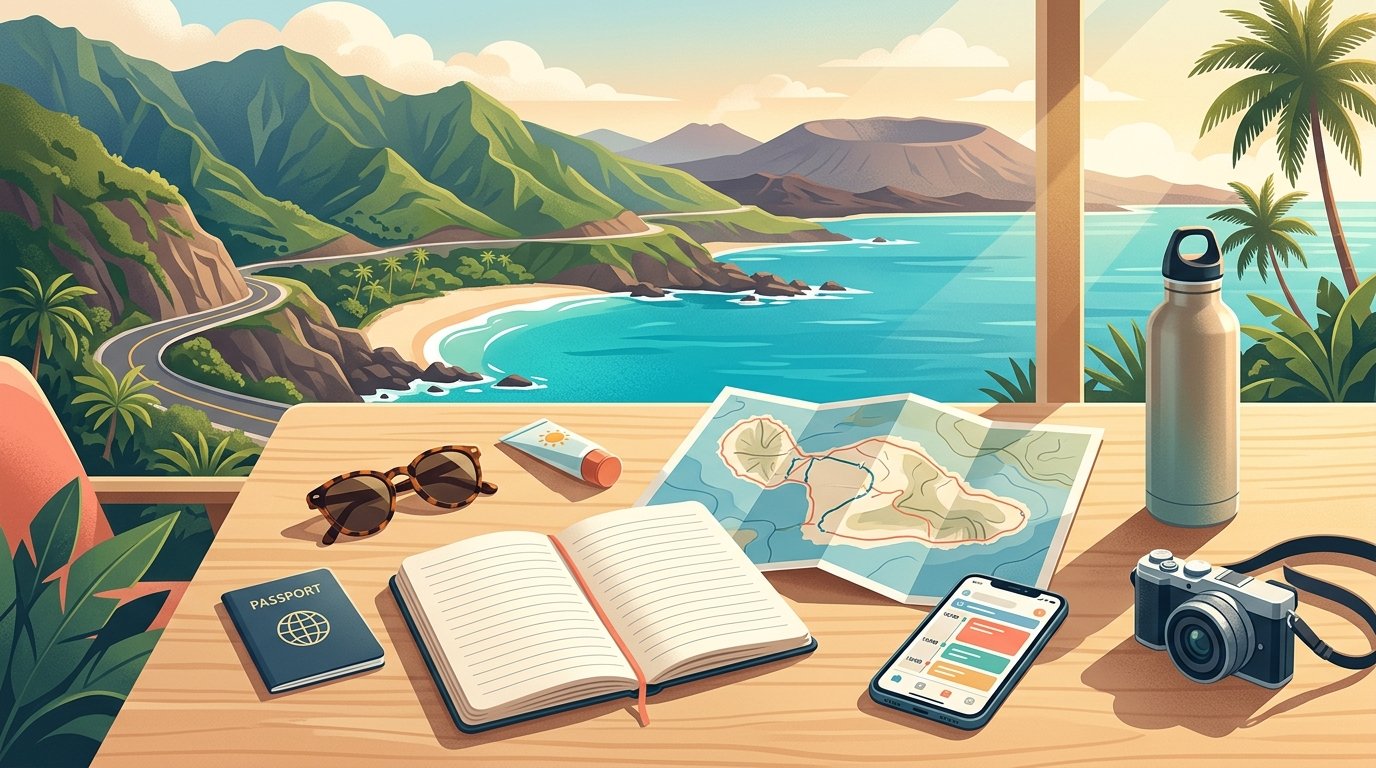
Two decisions shape everything else: which side of the island you sleep on, and whether you booked Haleakalā sunrise and a Molokini boat before you left home. Both sell out.
Where to Stay on Maui: South Maui, West Maui, or Somewhere Quieter?
South Maui wins for a five-day first trip. Kihei and Wailea sit closest to the Molokini boat harbors, the drive to Haleakalā, and the start of the Hāna Highway. That means less backtracking every day.
Kihei runs cheaper with condos and food trucks. Wailea has the resorts, including the Grand Wailea, and calmer beaches for kids.
West Maui (Kaanapali, Kapalua, Napili) has gorgeous sand and better winter whale watching from shore. It also adds 40 to 60 minutes each way to your Haleakalā and Hāna mornings.
Staying overnight in Hāna Town or up in Kula solves one specific problem: it lets you skip the return drive. For five days, the packing and unpacking costs more than it saves. A closer look at where to stay for relaxed beach days on Maui can help you match a base to the beaches you care about most.
Do You Need a Rental Car on Maui?
Yes. There’s no useful public transit to Haleakalā, Hāna, or Mākena, and rideshare gets thin outside Kihei, Wailea, and Kaanapali.
Book the car the same day you book your flights. Maui rental supply is tight, and last-minute rates climb fast. A standard sedan handles the entire itinerary, including the Hāna Highway, which is paved the whole way.
What to Reserve Before Your Travel Dates
Put these on your calendar now:
- Haleakalā sunrise entry (recreation.gov, opens 60 days out, and again 48 hours out)
- Waiʻānapanapa State Park parking and entry time slot
- Molokini snorkel tour through the operator or a platform like Viator
- A luau, if you want one, since the popular shows fill weeks ahead
- Your rental car and airport pickup window
Check flight prices across a few dates before locking anything in. Shifting your arrival by one day sometimes drops the fare enough to cover a snorkel trip.
When to Visit for Beach Days, Whale Watching, and Lower Crowds
April through May and September through early November bring the best mix of warm water, lighter crowds, and lower prices. Humpback whales arrive roughly December through April, peaking in February.
Summer and the December holidays are busiest. Book everything earlier if those are your dates.
Daily Stops, Timing, and Smart Swaps
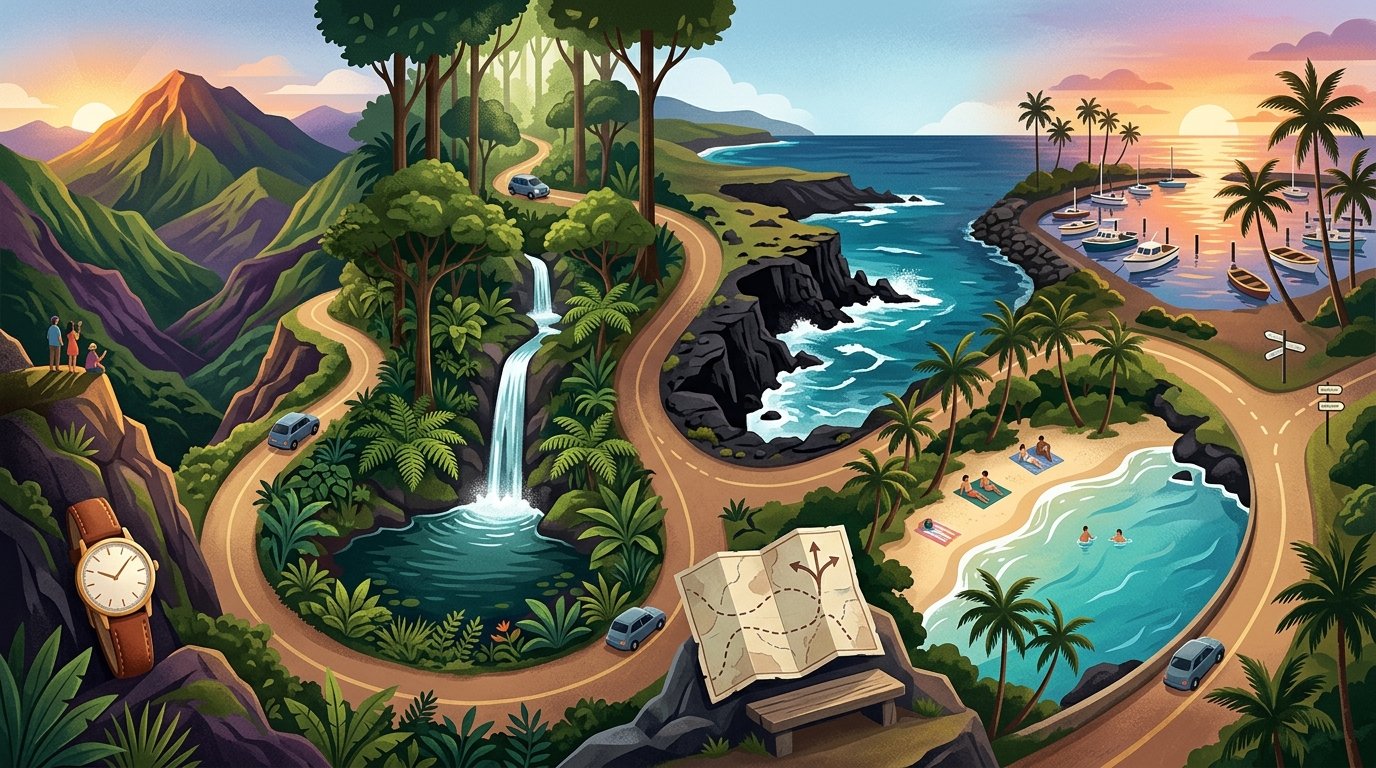
The stops below are worth your limited hours, with realistic timing and a swap for each in case weather, seasickness, or a tired kid changes the plan.
How to Experience Haleakalā Without Overloading the Day
Choose sunrise or sunset at the Haleakalā crater, then build the rest of the day downhill. Sunrise means leaving South Maui around 3:30 a.m. and standing in 40-degree wind, so bring a real jacket, gloves, and a hat.
Walk 15 to 20 minutes down the Sliding Sands Trail for the crater view most people miss from the parking lot. Turn around when you’ve used half your energy; the climb back out at 10,000 feet is slow.
Stop at Hosmer Grove on the descent for the cool cedar forest and native birds. Then drop to Kula for the Kula Botanical Garden, Maui Gold pineapples in Makawao, and lunch with a view at Kula Lodge.
Swap: if 3 a.m. sounds miserable, do sunset instead. No reservation is needed, the colors are just as good, and you can sleep in. It’s one of the top attractions on Maui either way.
Which Road to Hāna Stops Are Worth Your Time?
Limit yourself to five Road to Hāna stops. Every guide lists twenty, and every honest traveler admits they made six.
The keepers:
- Paia Town for breakfast and gas before mile marker 0
- Twin Falls (mile 2) if you arrive before 8 a.m., since parking fills fast
- Garden of Eden Arboretum for the Keopuka Rock overlook
- Waiʻānapanapa State Park black sand beach, reservation required
- Kipahulu and the Pipiwai Trail, a 4-mile round trip through a bamboo forest to 400-foot Waimoku Falls
Wailua Falls is a roadside pull-off past Hāna and takes four minutes. Skip the crowded Seven Sacred Pools swimming holes; they’re closed to swimming much of the year anyway.
Swap: book a small-group tour if the driver in your group wants to look at the scenery too. A complete Road to Hāna driving guide covers the pullouts and one-lane bridge etiquette in detail.
Where to Snorkel With Sea Turtles Safely
Hawaiian green sea turtles show up reliably at Ulua Beach, Keawakapu Beach, and the reefs south of Mākena that boat crews call Turtle Town. Go before 10 a.m. when the water is glassy and the trade winds haven’t kicked up.
Stay at least 10 feet away. Touching or chasing a green sea turtle is illegal under federal law, and the animals stop surfacing when people crowd them.
Molokini Crater itself is better for fish and visibility, often 100 feet or more, than for turtles. Most tours stop at both, which makes the boat worth it. Compare the operators in this rundown of Maui’s best excursions before you pick.
How to Spend a Flexible Beach and Culture Day
Anchor the afternoon at Mākena State Park. Big Beach has two-thirds of a mile of sand and a shorebreak that’s fun for bodysurfing and rough on small kids. Little Beach sits over the rocky point to the north.
Polo Beach and Keawakapu offer gentler water and easier parking. Both work when Big Beach surf is up.
Swap: trade an afternoon of sand for ziplining above Kaanapali, or drive up to the Waiheʻe Ridge Trail for a 5-mile hike with 1,500 feet of climbing and ridge views over the north shore.
What to See in West Maui and Central Maui
West Maui gives you the best beach day of the trip. Kaanapali Beach runs three miles, and Black Rock at its north end holds fish, turtles, and a cliff-jumping tradition. Napili Bay is smaller and calmer.
Drive north for Honolua Bay (summer snorkeling, winter surf), Makaluapuna Point, and the Nakalele Blowhole, which shoots seawater up to 100 feet on a good swell. Stand well back from the edge; people have been swept in.
Lahaina and Front Street continue rebuilding after the 2023 fire. Check current business openings before planning a meal there, and give the area respect if you visit.
Central Maui packs a lot into a short drive: ʻĪao Valley State Monument with the 1,200-foot ʻĪao Needle, plus Kepaniwai Park’s gardens next door. On clear days you’ll see Lānaʻi and Molokaʻi from the West Maui coast road. For more options, this list of day trips worth taking on Maui fills a spare afternoon.
Food, Ocean Safety, and Respectful Island Travel
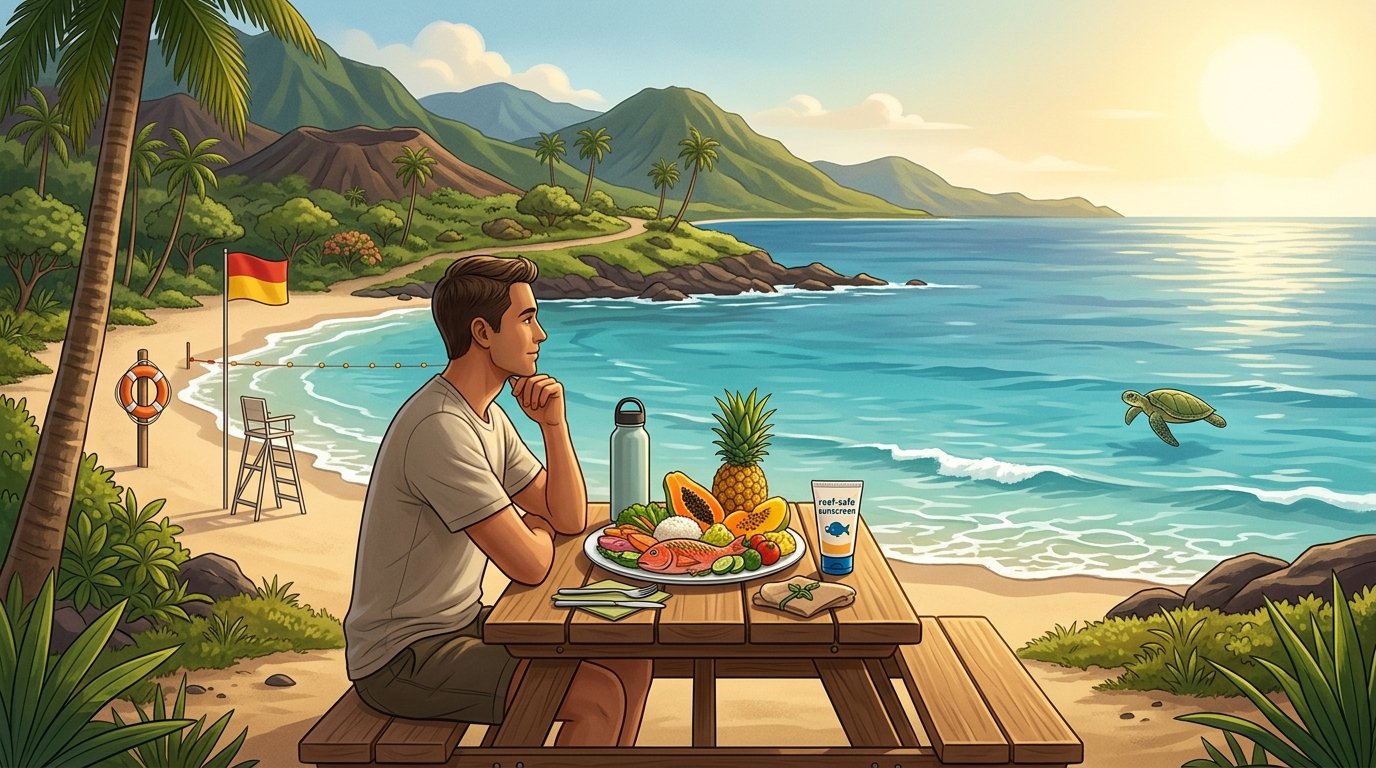
Eating well on Maui takes almost no planning if you know which stops sit along your daily routes. Reading the ocean takes about two minutes at the shoreline.
Where to Eat Between Major Stops
Paia Fish Market in Paia is the single most useful restaurant on this itinerary. It’s on the way to Hāna and on the way down from Haleakalā. The fish tacos come with a mound of cabbage for around $20.
Monkeypod Kitchen in Wailea handles the sit-down dinner slot, with a mai tai topped in lilikoi foam. Reserve a table or plan on the bar.
For a hawaiian luau, Old Lahaina Luau and Drums of the Pacific are the two most-recommended shows. Both need booking two to four weeks out in high season.
Otherwise, eat plate lunch from food trucks in Kihei. Two people eat for the price of one resort entree.
How to Read Maui’s Ocean Conditions
Watch the water for five full minutes before you get in. Count how far the biggest waves push up the sand, and look for water pulling sideways or churning brown, which signals a rip current.
Winter surf hits north and west shores hardest, roughly October through April. South shores get their swell in summer. That’s why South Maui snorkeling shines in winter and West Maui shines in summer.
Never turn your back on the shorebreak at Big Beach. Snorkel with a partner, and skip the water entirely when lifeguards post warning signs.
How to Visit Maui Responsibly
Use mineral reef-safe sunscreen with zinc oxide or titanium dioxide. Hawaii banned oxybenzone and octinoxate sunscreens in 2021 because they damage coral.
Keep 10 feet from sea turtles, 50 yards from monk seals, and 100 yards from humpback whales. Park only in marked spaces on the Hāna Highway. The shoulders are private property, and residents drive that road daily.
Buy from local farms and small shops when you can. Before your trip, consider the sustainable travel practices Hawaii residents ask visitors to follow.
Make the Five Days Feel Like Maui, Not a Checklist
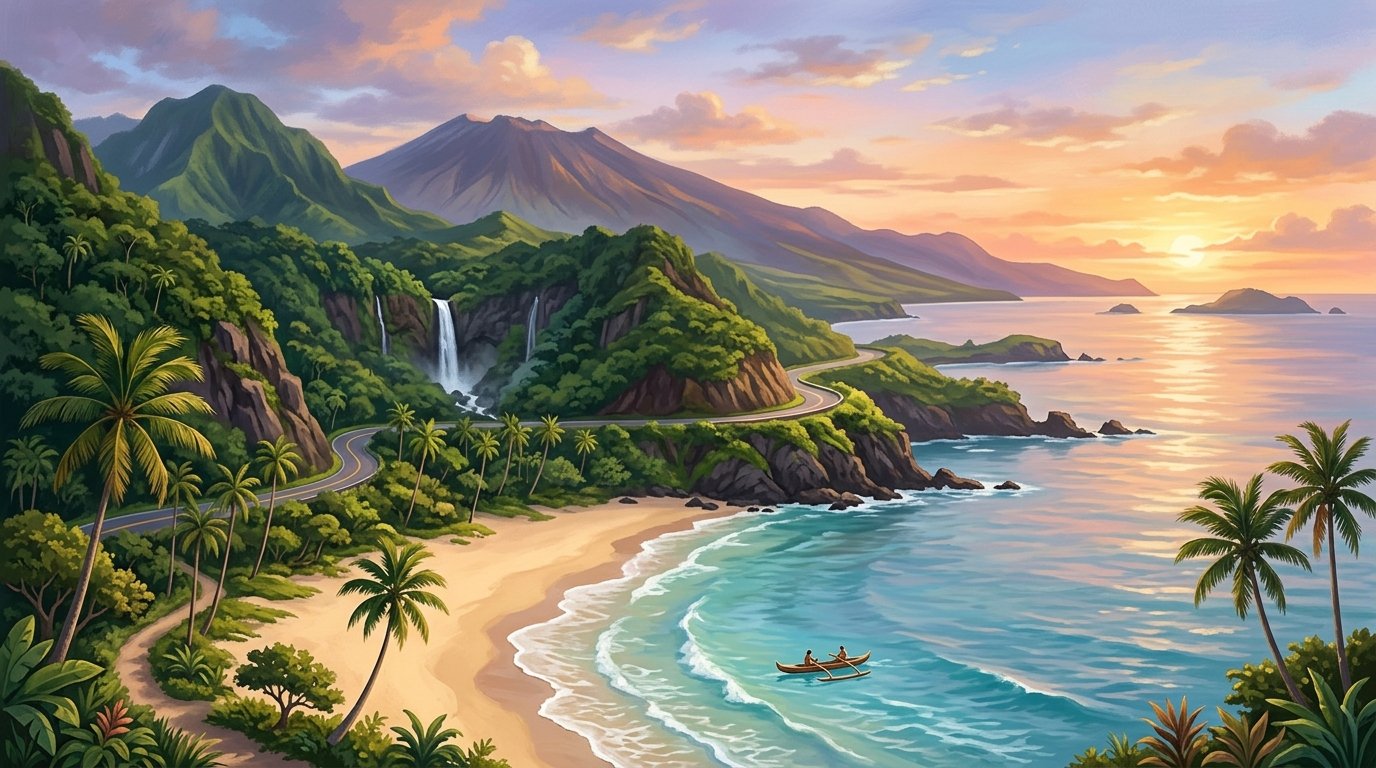
Five days gives you one big thing per day. That’s the whole secret to a 5 days in Maui itinerary that works: sunset on arrival, Haleakalā, the Hāna Highway, a Molokini boat, and one flexible day. Everything else is a bonus.
Base in South Maui to cut driving. Book Haleakalā sunrise, Waiʻānapanapa, and your snorkel tour before you fly. Bring a warm layer for the summit and reef-safe sunscreen for everything else.
Leave gaps on purpose. The best hours on this island are usually the unplanned ones: a turtle surfacing 20 feet away at Keawakapu, or a rainbow over north Maui that stops you on the roadside. Build in one empty afternoon and let the island fill it.
Frequently Asked Questions
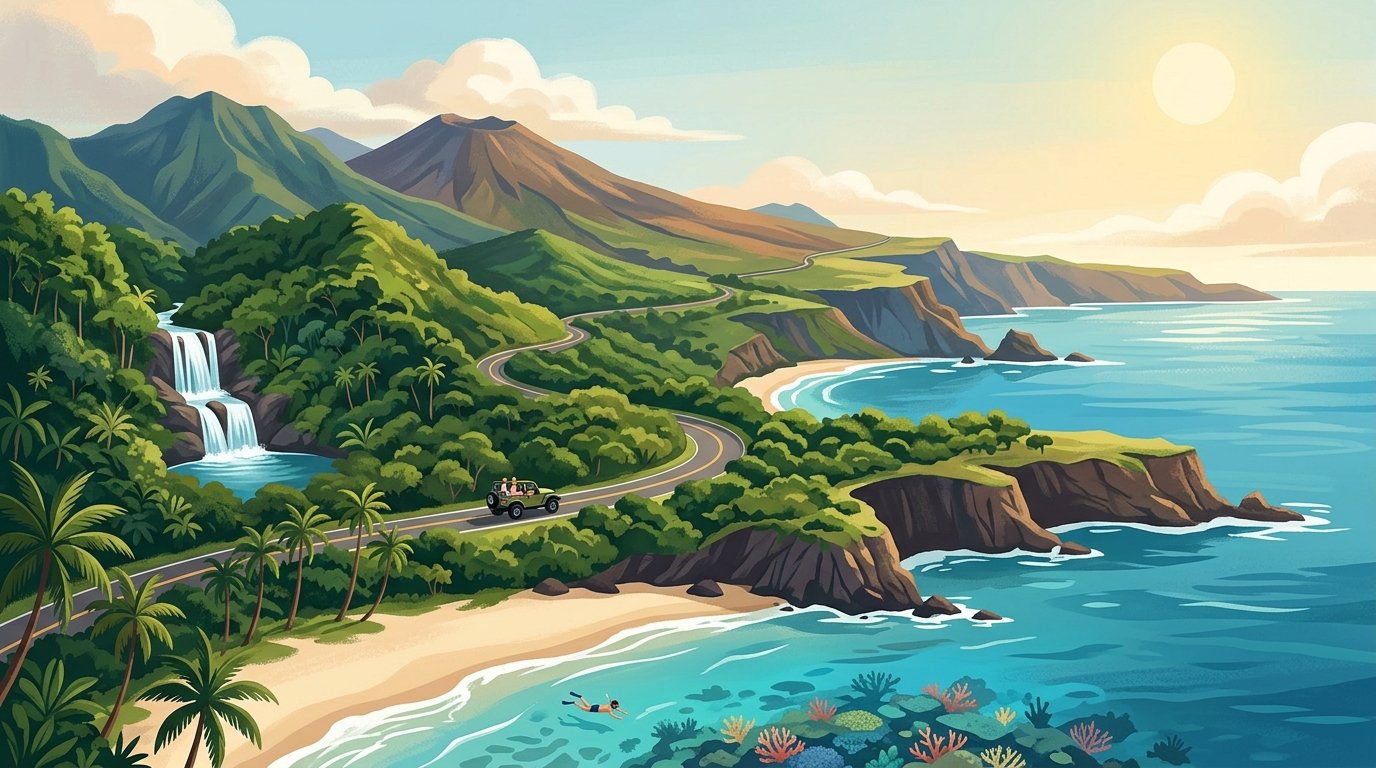
Is five days enough time to see Maui?
Five days in Maui covers the three signature experiences (Haleakalā, the Road to Hāna, and a snorkel trip) with two days left for beaches. You’ll skip West Maui’s northern coast or a second Hāna day. Seven days lets you add both without rushing.
What is the best area to stay in for a five-day Maui trip?
South Maui, specifically Kihei or Wailea. It puts you closest to the Molokini harbors, the Haleakalā road, and the start of the Hāna Highway. This location saves 40 to 80 minutes of driving on three of your five days.
Should I drive the Road to Hāna in one day or stay overnight in Hāna?
Drive it in one day on a five-day trip. Leave Paia by 7 a.m., pick five stops, and you’ll be back in South Maui by dinner. An overnight in Hāna makes sense on trips of a week or longer.
Do I need to book Haleakalā sunrise and Molokini snorkeling in advance?
Yes. Haleakalā sunrise entry requires a reservation released 60 days ahead on recreation.gov, with a small batch reopening 48 hours before. Popular Molokini boats fill two to three weeks out in peak season.
What should families with kids change in this five-day Maui itinerary?
Swap Haleakalā sunrise for sunset so nobody wakes at 3 a.m. Turn around at Waiʻānapanapa on the Hāna drive instead of continuing to Kipahulu. Choose calm Ulua Beach or Napili Bay for snorkeling over open-water Molokini.
What is the one Maui experience I should not miss?
Morning snorkeling on a calm South Maui reef. The clear water, colorful fish, and chance to see a green sea turtle cost nothing beyond a mask. You can enjoy this experience every day of the trip.