When I visit Kauai, I want to experience the unique animals and beautiful nature the island offers. Kauai has wildlife sanctuaries where I can see rare birds, stunning scenery, and protected habitats up close.

I appreciate that these sanctuaries protect native species and the environment. Visiting a wildlife sanctuary lets me enjoy Kauai’s natural beauty while supporting conservation efforts.
Hanalei National Wildlife Refuge
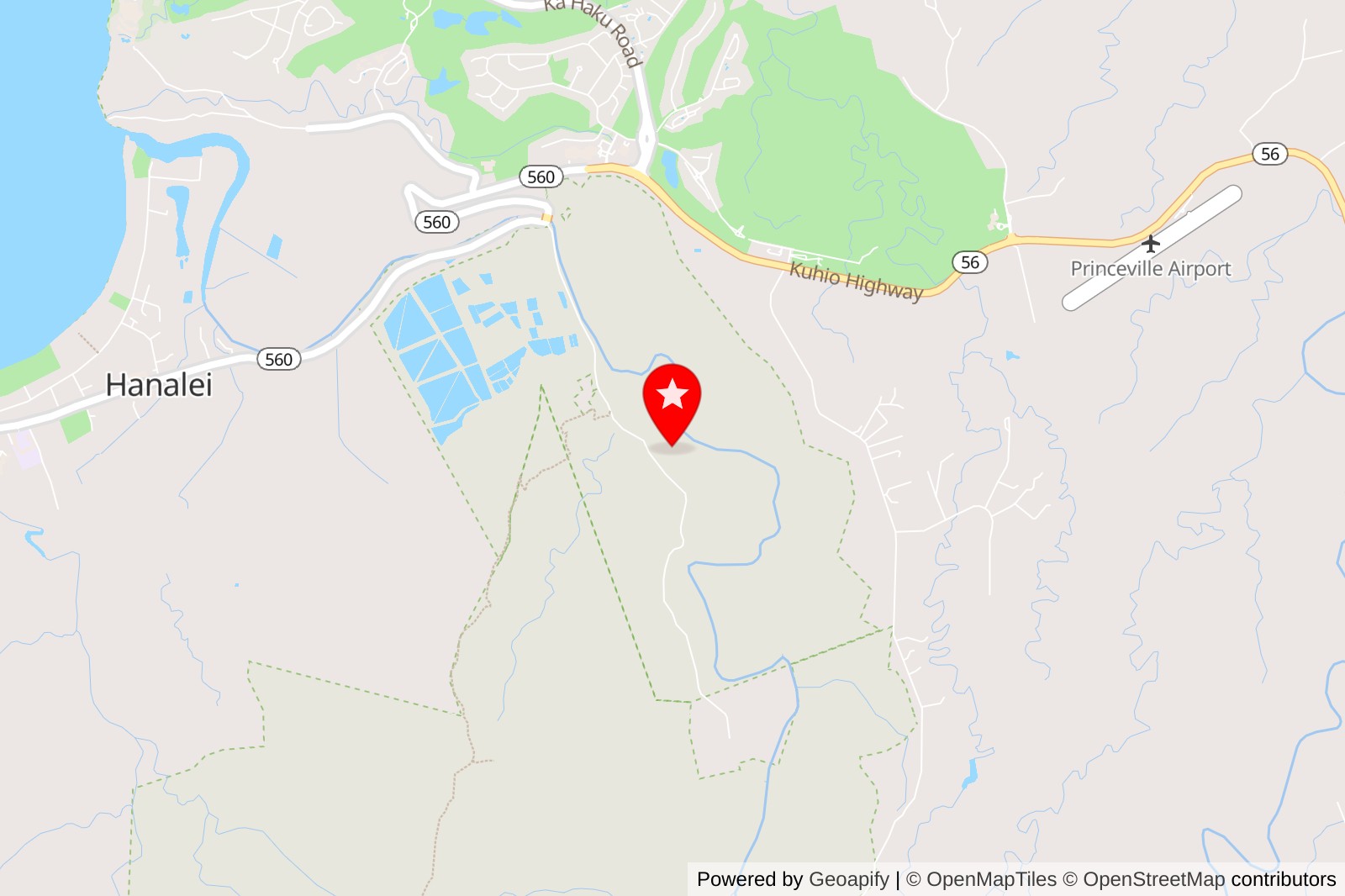
When I stopped by the Hanalei National Wildlife Refuge, I was amazed by the lush scenery and the calm atmosphere. The viewpoint near Princeville gives a wide look over fields, rivers, and waterfalls, with jagged mountains behind.
Even though I cannot walk through the refuge, the overlook lets me see many kinds of native plants and watch for endangered birds. Helpful signs at the viewpoint make it easy to spot the Hawaiian goose and other rare waterbirds.
I learned how this area protects threatened species like the Hawaiian duck and coot. Local kalo (taro) farming helps keep the wetlands healthy.
As I drove through the area on Ohiki Road, I saw signs asking drivers to go slow for wildlife. The trailhead to Okolehao Trail is along this road, but parking is limited.
The sense of peace at Hanalei NWR makes it a special place to watch nature from a safe spot.
Rating: 4.7 (314 reviews)
Location: Hanalei National Wildlife Refuge, Kaua’i, HI
Contact: (808) 828-1413
Website: Visit Website
Kawaiʻele Waterbird Sanctuary
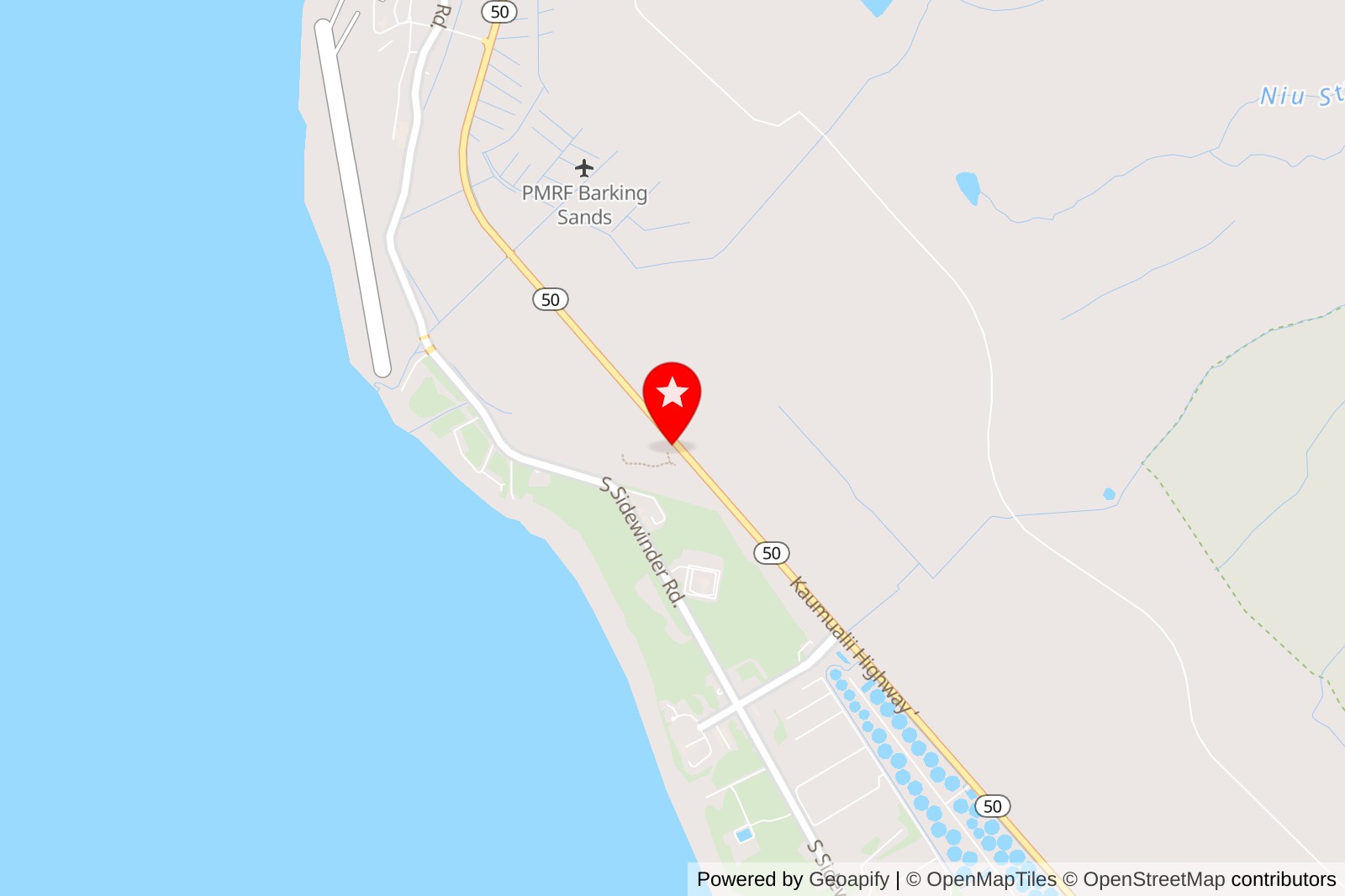
I enjoyed my walk around Kawaiʻele Waterbird Sanctuary. The area is calm, with well-kept paths and open spaces.
Native birds often gather around the ponds and grasslands. I saw several waterbirds I had never seen before.
The sanctuary offers a safe spot for endangered Hawaiian birds, so I stayed quiet and watched closely. Signs by the trails helped me learn more about the birds and plants.
Parking is close and easy to find, which made my visit simple. I liked that the whole area felt peaceful.
Families and solo travelers can walk at their own pace and enjoy the views.
Rating: 4.4 (84 reviews)
Location: Kaumualii Hwy, Kekaha, HI 96752
Huleia National Wildlife Refuge
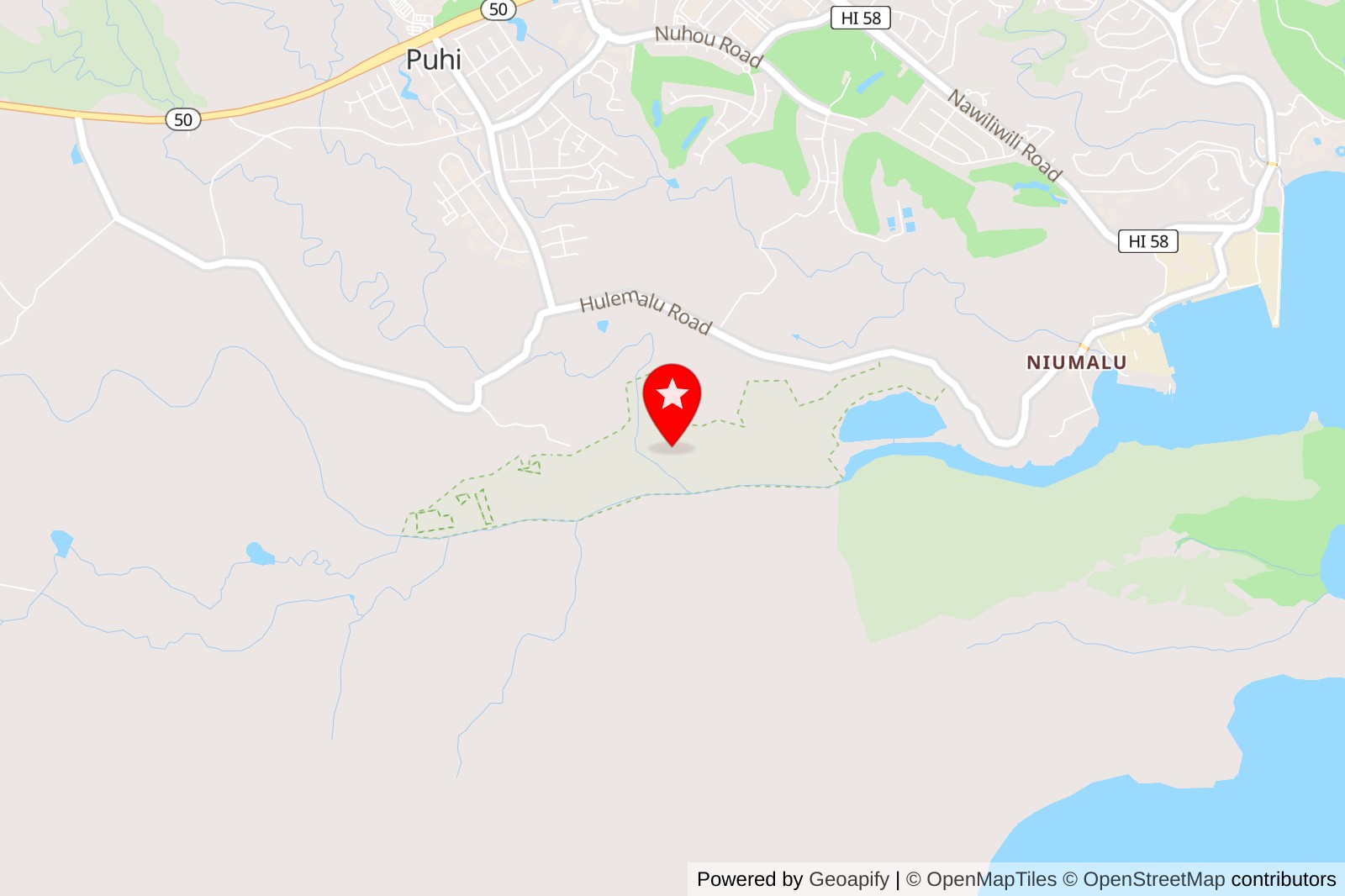
When I went to the Huleia National Wildlife Refuge, I learned right away that I couldn’t go inside. The area is closed to the public to protect rare Hawaiian birds, but I got a great view of the land from the overlook at Menehune Fish Pond.
The pond offers beautiful water and quiet views. The refuge sits in a green valley along the Huleia River.
Steep, tree-covered hills surround the area. I felt peaceful standing at the overlook and thinking about all the birds living below.
Over thirty species of birds live here, including endangered ones like the Hawaiian stilt and Hawaiian duck. People used to farm taro and rice in these wetlands years ago.
Today, these fields serve as a safe home for wildlife. Even though I couldn’t walk through the refuge, I enjoyed watching birds flying in and out of the wetlands from a distance.
If you want to see native Hawaiian birds, the overlook is a good spot. I brought my binoculars and saw a few waterbirds moving in the distance.
Rating: 4.6 (45 reviews)
Location: 433001014, Lihue, HI 96766
Website: Visit Website
Kauai Wildlife Reserve
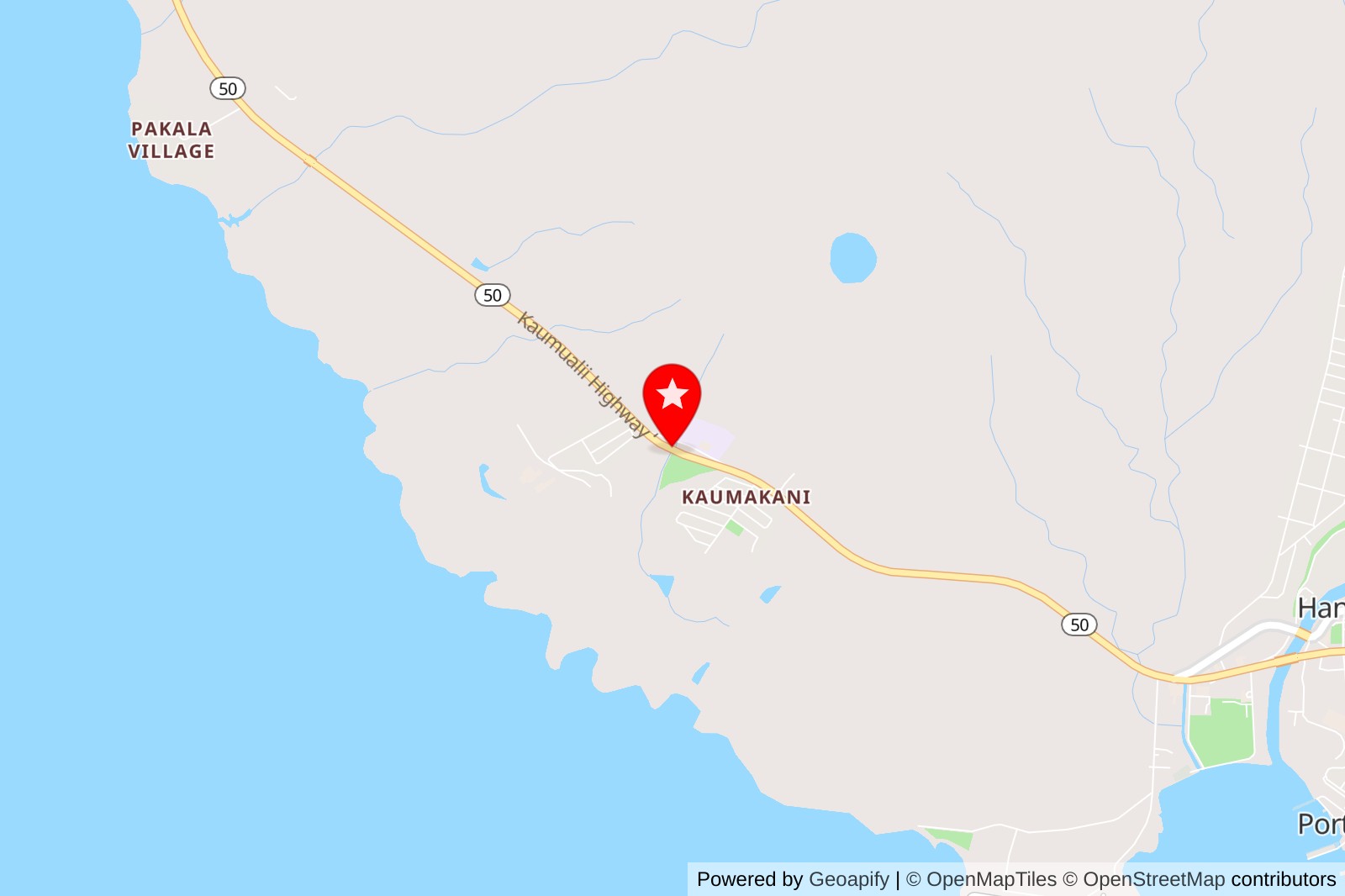
I spent a quiet afternoon at the Kauai Wildlife Reserve and enjoyed the peaceful atmosphere. The reserve is surrounded by lush greenery, making it feel like a hidden gem on the island.
I saw many different plants and trees. Walking along the trails gave me chances to spot birds and other small animals.
The garden area felt well cared for, and it wasn’t crowded when I visited. I found several benches where I could sit and relax, just listening to the sounds around me.
The staff members welcomed me and answered my questions about local plants. They knew a lot and happily shared information.
Rating: 4 (10 reviews)
Location: Kaumakani, HI 96769
Contact: (808) 338-1856
Kauai Animal Education Farm (KAEF)
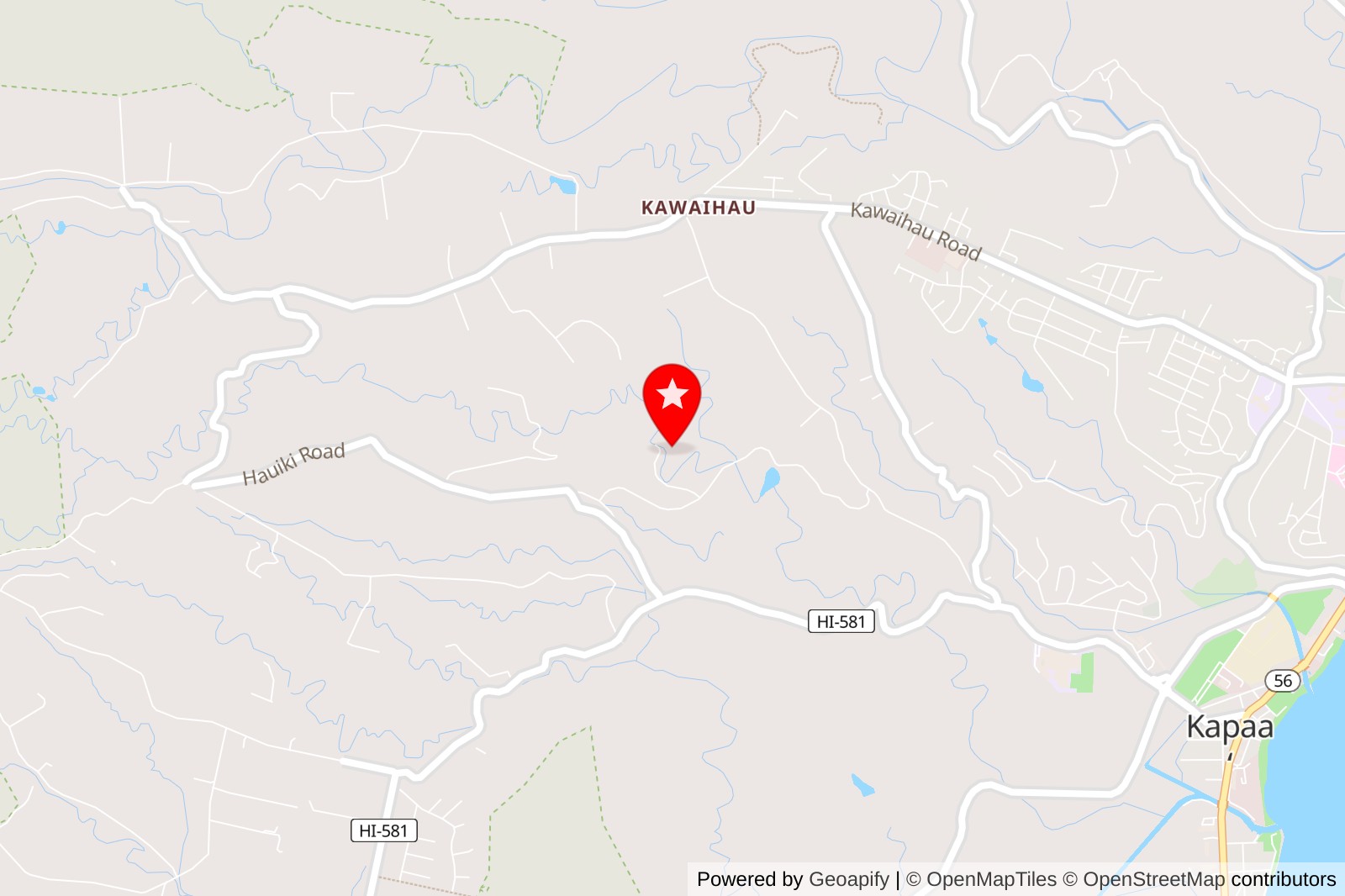
When I arrived at Kauai Animal Education Farm, I felt welcomed right away. The staff greeted me and explained their mission.
They rescue animals and offer hands-on education to visitors of all ages. I met goats, pigs, and some adorable bunnies.
The staff encouraged me to feed the animals and learn about how each one arrived at the farm. They set up everything so people could interact safely with the animals.
Signs around the farm shared easy-to-understand facts about animal care and protection. I noticed a few families with children, and everyone seemed to be learning and having a good time.
The farm feels open, with lots of space to walk around. My visit helped support a good cause, and the staff truly care about their work.
If you are curious about animal rescue and enjoy being close to animals, this is a great spot to check out.
Rating: 4.8 (74 reviews)
Location: 1234 Uilama Rd, Kapaʻa, HI 96746
Contact: (808) 822-0881
Website: Visit Website
Kilauea Point National Wildlife Refuge Visitor Center
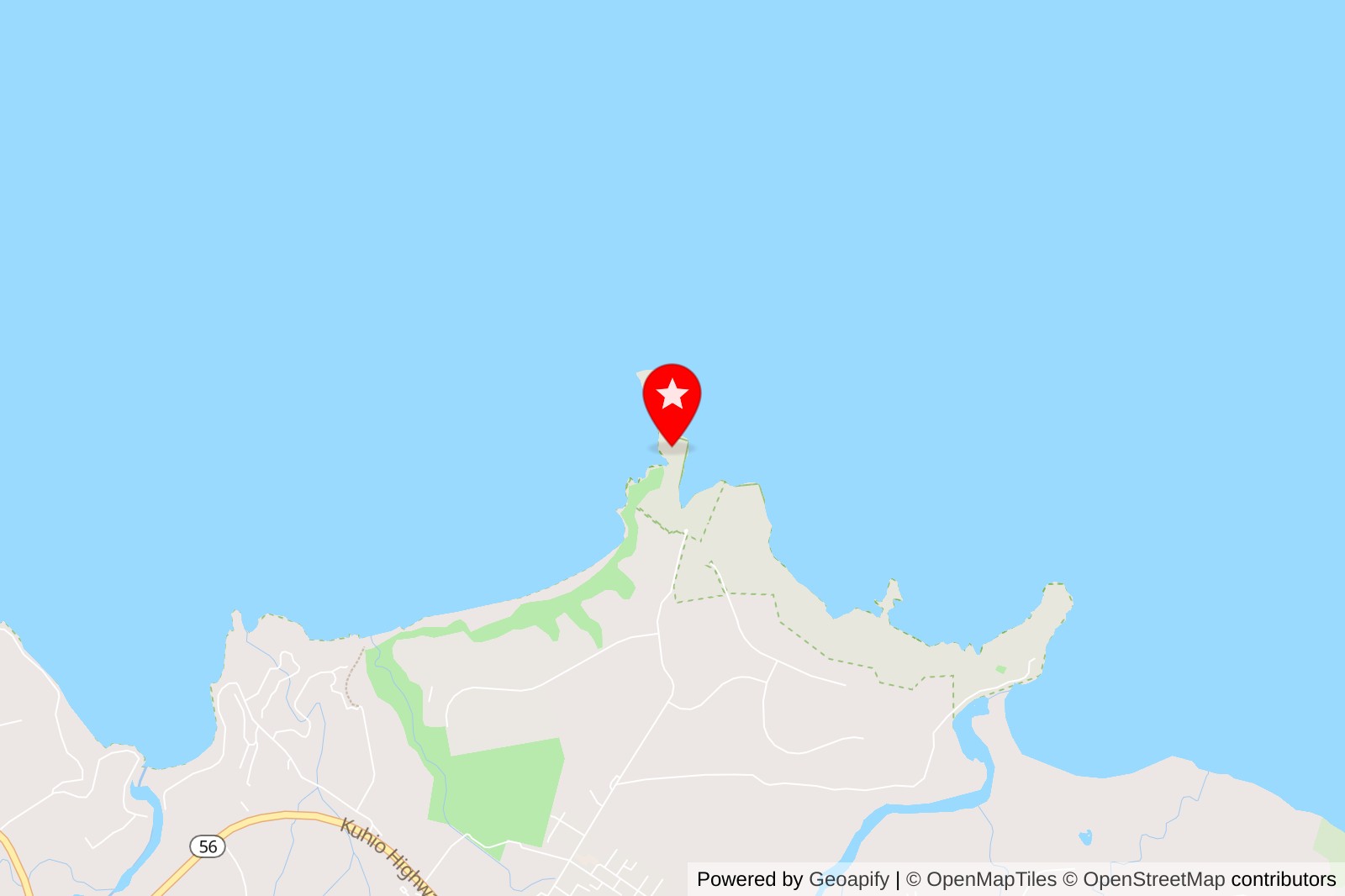
When I stopped by the Kilauea Point National Wildlife Refuge Visitor Center, the views amazed me. The ocean stretches out below while seabirds circle the cliffs.
I saw red-footed boobies, albatross, and even a few nene geese while walking the paths around the center. Inside, displays share information about the birds and the area’s history.
A friendly staff member answered my questions and pointed out a few birds through their binoculars. I liked how I could get close to nature and learn new things at the same time.
It felt peaceful to stand by the overlook, listen to the waves, and look for wildlife. Bring binoculars if you want a closer look at the birds nesting on the cliffs.
Rating: 4.7 (12 reviews)
Location: Kilauea Point National Wildlife Refuge Visitor Center
Contact: (808) 828-1413
Website: Visit Website
Alakaʻi Wilderness Preserve
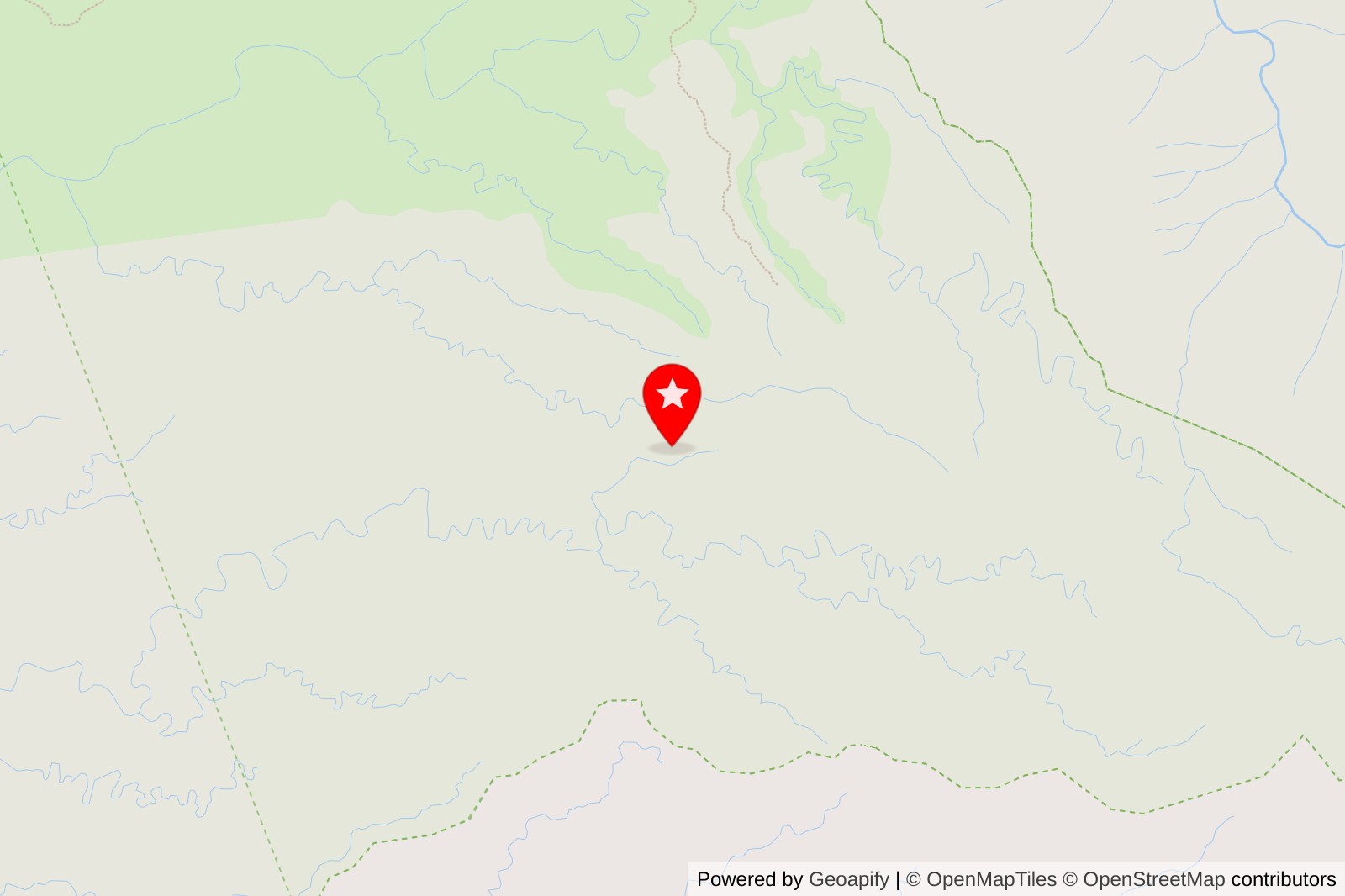
When I visited Alakaʻi Wilderness Preserve on Kaua‘i, I felt like I had stepped into a unique and untouched part of the island. The rainforest is thick and green.
The trails wind through some of the wildest landscapes I’ve seen here. The reserve is famous for its bird-watching.
I saw colorful native Hawaiian birds that don’t live anywhere else in the world. Waterfalls and misty views appear everywhere, especially after it rains.
Hiking here feels like exploring another planet. The ground is often muddy, and the weather changes quickly.
Some trails are challenging, but the scenery is worth the effort. I made sure to stick to the marked paths to protect the rare plants and animals living here.
Getting to the preserve takes some planning. There aren’t major roads straight into the area, and I followed small roads off Waimea Canyon Drive.
Four-wheel drive helps if you want to go further, but a regular walk on the trails gives you a real sense of adventure.
Rating: 4.7 (38 reviews)
Location: Hanapepe, HI 96716
Contact: (808) 587-0166
Website: Visit Website)
Hanalei National Wildlife Refuge Viewpoint
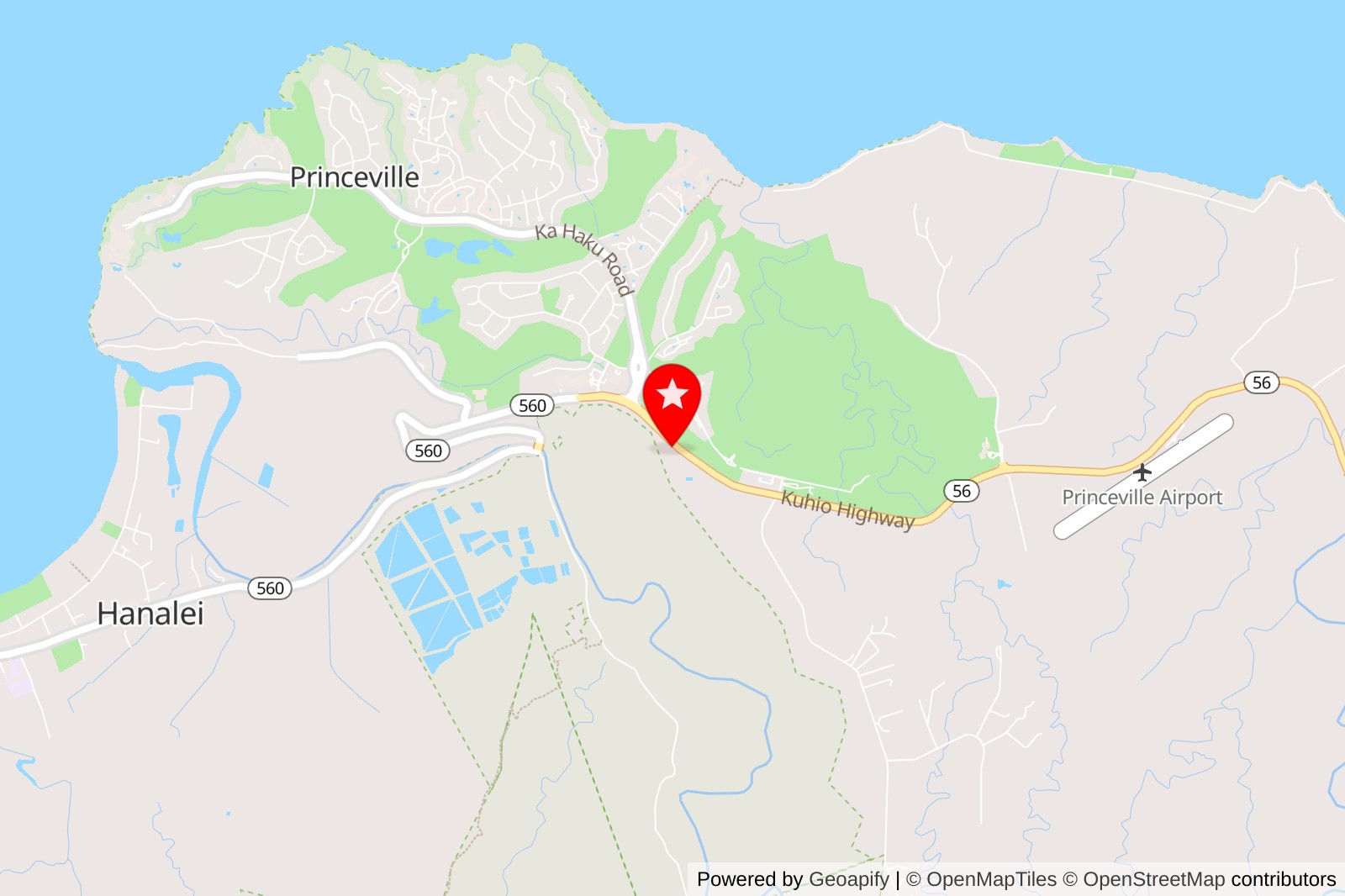
When I stopped at the Hanalei National Wildlife Refuge Viewpoint, I felt how peaceful the area was. This spot sits right off Kūhiō Highway in Princeville and offers a great view of Hanalei Valley, Hanalei Bay, and Halele‘a Forest Reserve.
Green taro fields and waterways fill the scenery, and the 917-acre refuge protects them. From the two lookouts, I could clearly see the different habitats and wetlands.
Signs explain the birds and plants living there, like the endangered koloa maoli (Hawaiian duck), Hawaiian coot, and Hawaiian goose. Even from a distance, I spotted a few native waterbirds in the valley below.
The viewpoint has plenty of parking for cars and a few small buses. Clean restrooms and native plants surround the area, making it feel inviting.
The site opens to visitors Tuesday through Saturday, from 9 a.m. to 3 p.m., making it easy to plan a stop. I learned a lot about local wildlife and history just by reading the displays.
Rating: 4.6 (12 reviews)
Location: Kuhio Hwy, Princeville, HI 96722
Contact: (808) 828-1413
Website: Visit Website
Na Pali-Kona Forest Reserve
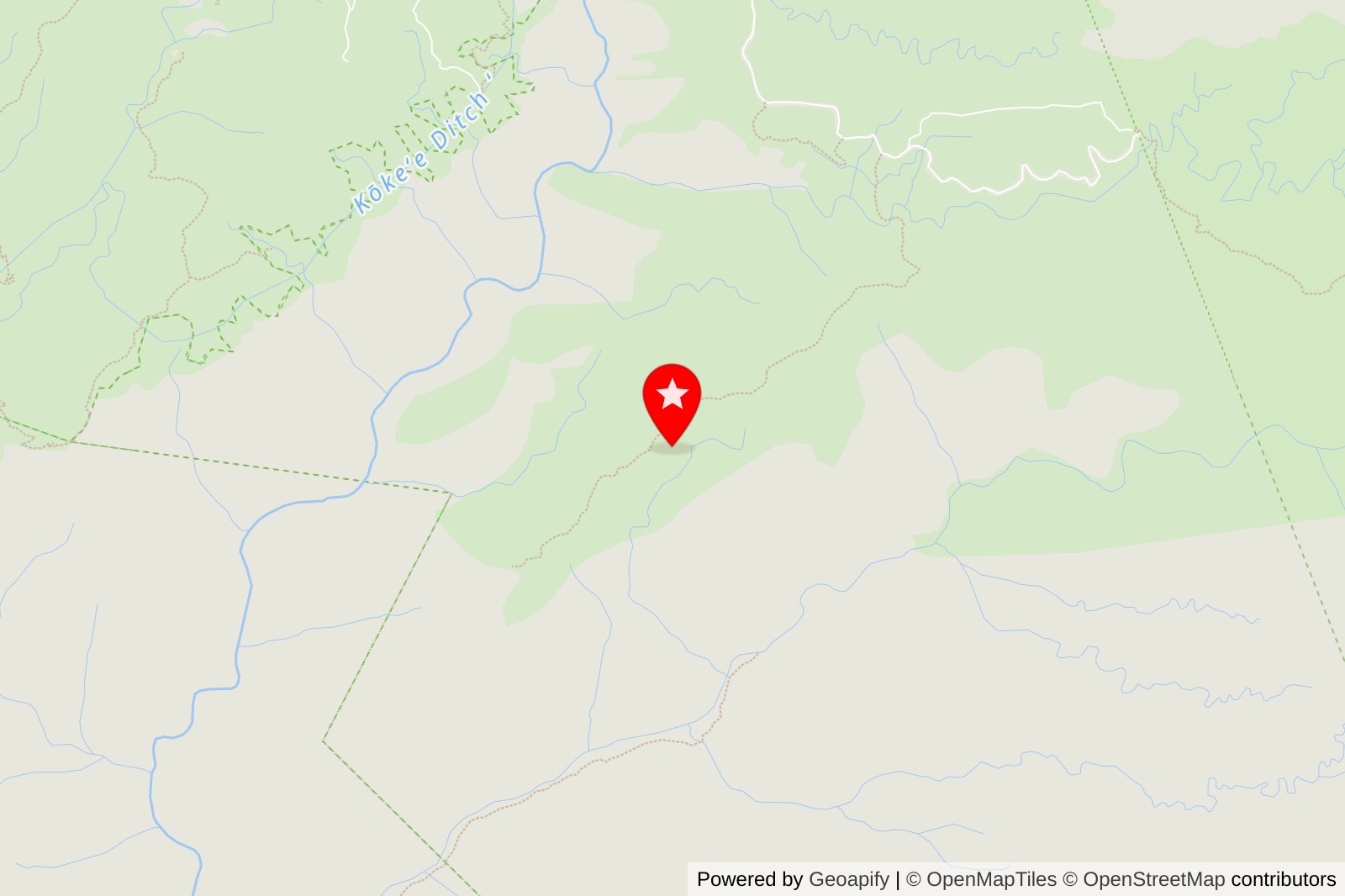
When I explored the Na Pali-Kona Forest Reserve, I saw how wild and untouched it is. The area covers over 23,000 acres and stretches from the center to the northwest side of Kauai.
Few people visit, so my experience felt peaceful and adventurous. I needed to plan my route since no big roads lead straight into the reserve.
I followed Waimea Canyon Drive and then used smaller roads, which made the trip feel like a real escape. Some parts of the reserve are easier to reach with a four-wheel drive, especially if you want to try the Mōhihi-Camp 10 Road.
Inside the reserve, the forests are lush, and the mountain views are dramatic. I walked through areas filled with native plants and saw birds I’d only heard about before.
The nearby Alaka‘i Wilderness is part of the reserve and is known for being one of the wettest places on Earth. The reserve protects rare and native species, and my visit helps support the forest’s preservation.
Rating: 4.8 (131 reviews)
Location: Kaumakani-Hanapepe, Kilauea, HI 96754
Contact: (808) 241-3770
Website: Visit Website
Kilauea Point National Wildlife Refuge Viewpoint (public)
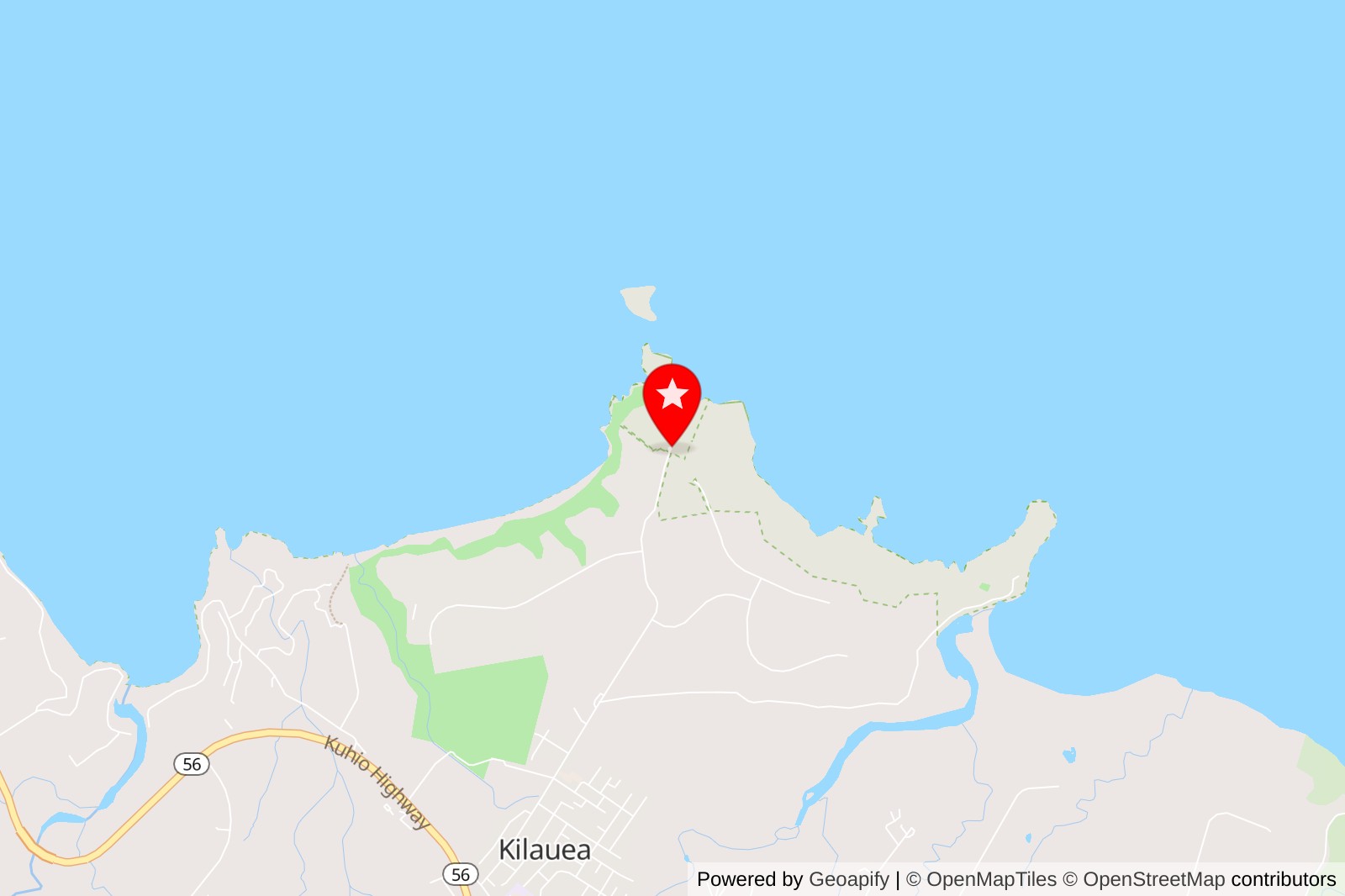
When I arrived at Kilauea Point, I first noticed the wide view of the ocean and cliffs. Birds flew everywhere, especially seabirds like red-footed boobies and frigatebirds.
The area is open to the public, so I easily found a good spot to stand and watch. I enjoyed being close to the wildlife.
I could see birds nesting on the cliffs and gliding above the waves. The strong wind made the air feel fresh and clean.
Signs helped me learn about the birds and the refuge’s history. The viewpoint gave me a chance to take many photos.
I saw people with binoculars and cameras looking for Hawaiian geese and other rare birds. The short walk up to the viewpoint gave me a great sense of what makes Kauai’s coast so special.
Rating: 4.7 (65 reviews)
Location: Kilauea Point National Wildlife Refuge Viewpoint (public)
Unique Habitats Found in Kauai’s Wildlife Sanctuaries
Kauai’s wildlife sanctuaries have amazing plants and animals, many of which you can’t see anywhere else in Hawaii. The island has a mix of lush forests, high mountains, and coastal marshes.
Every visitor can see different landscapes in one trip.
Rainforests and Mountain Ecosystems
When I walk through Kauai’s rainforests, I notice the cool, damp air and the songs of tropical birds. Places like the Alakai Swamp Trail and Kokee State Park have native plants, rare Hawaiian ferns, and tall koa trees.
The forests shelter birds like the apapane and iwi, which dart between blossom-filled branches. The mountain regions rise with misty cliffs and deep valleys.
These areas get a lot of rain, making the plants always green and thick. Waterfalls and clear streams hide in these high places.
Many animals living up high exist nowhere else. The mix of elevation and wet weather creates different microclimates.
I find many types of habitats for plants and birds in a single hike.
Coastal Wetlands and Marshes
By the coast, I explore wetlands like the Hanalei National Wildlife Refuge and Kilauea Point. These areas have open ponds and muddy marshes that attract birds needing safe places to nest and feed.
The wetlands are important for endangered Hawaiian ducks and the rare Hawaiian stilt. I see native reeds and water-loving plants growing along the edges.
In the early morning or evening, I often spot egrets and coots wading in the shallows, searching for small fish or insects. This is also a good place to see flocks of geese or migratory birds stopping for a rest.
The mix of freshwater and saltwater in these coastal spots creates a rich habitat. These areas help keep bird species safe and give them a chance to raise their young in peace.
Conservation Efforts and Visitor Guidelines
Wildlife sanctuaries on Kauai need active support to keep native animals safe. When I visit, I follow good guidelines to help protect rare birds and sensitive habitats.
How Local Organizations Protect Native Species
Conservation teams restore natural areas every day. The Kīlauea Point National Wildlife Refuge provides a home for seabirds like the red-footed booby, Laysan albatross, and wedge-tailed shearwater.
Staff and volunteers remove invasive plants, restore coastal zones, and track bird populations to help these birds nest safely. Other groups teach people why each species is important.
On parts of the island like Hanalei National Wildlife Refuge, some areas close to protect endangered birds. These efforts help birds and plant life stay healthy for the future.
Responsible Wildlife Viewing Tips
I always try to follow these main rules when I visit a wildlife sanctuary:
- Keep at least 50 feet away from animals or nests.
- Stay on marked trails so I don’t trample plants.
I never feed wild birds or other creatures.
I use binoculars or a camera zoom for a closer look.
The sanctuary does not allow visitors to bring home shells, rocks, or plants because these items are part of the ecosystem.
When I stay quiet and patient, wildlife feels less stressed and I can watch them act naturally.
I read the posted signs because each refuge may have special rules for its habitats.
Rangers often share helpful information or post it at the entry of places like the Kilauea Lighthouse and Wildlife Refuge.