The Na Pali Coast on Kauai’s north shore features rugged cliffs, remote beaches, and turquoise waters. You can reach these places only by trail or by sea.
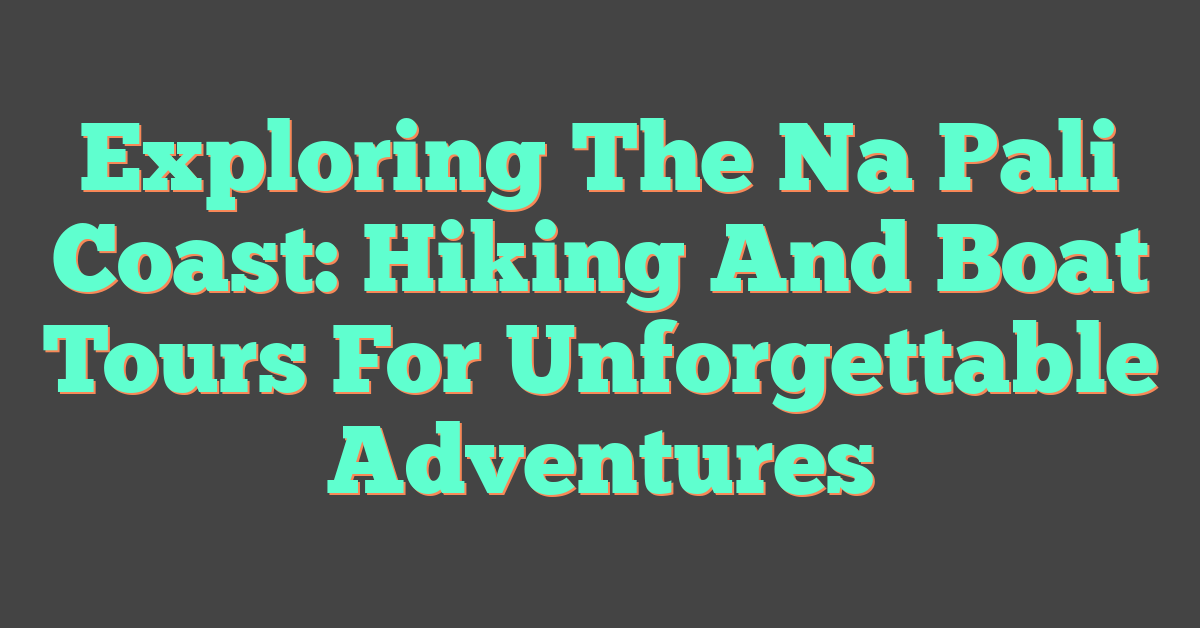
You can explore the coast by hiking its coastal paths or joining a boat tour. Boat tours reveal hidden caves and bring you close to marine life.
Each option gives a unique perspective of this 17-mile stretch of untouched shoreline. You can choose based on your time, ability, and interests.
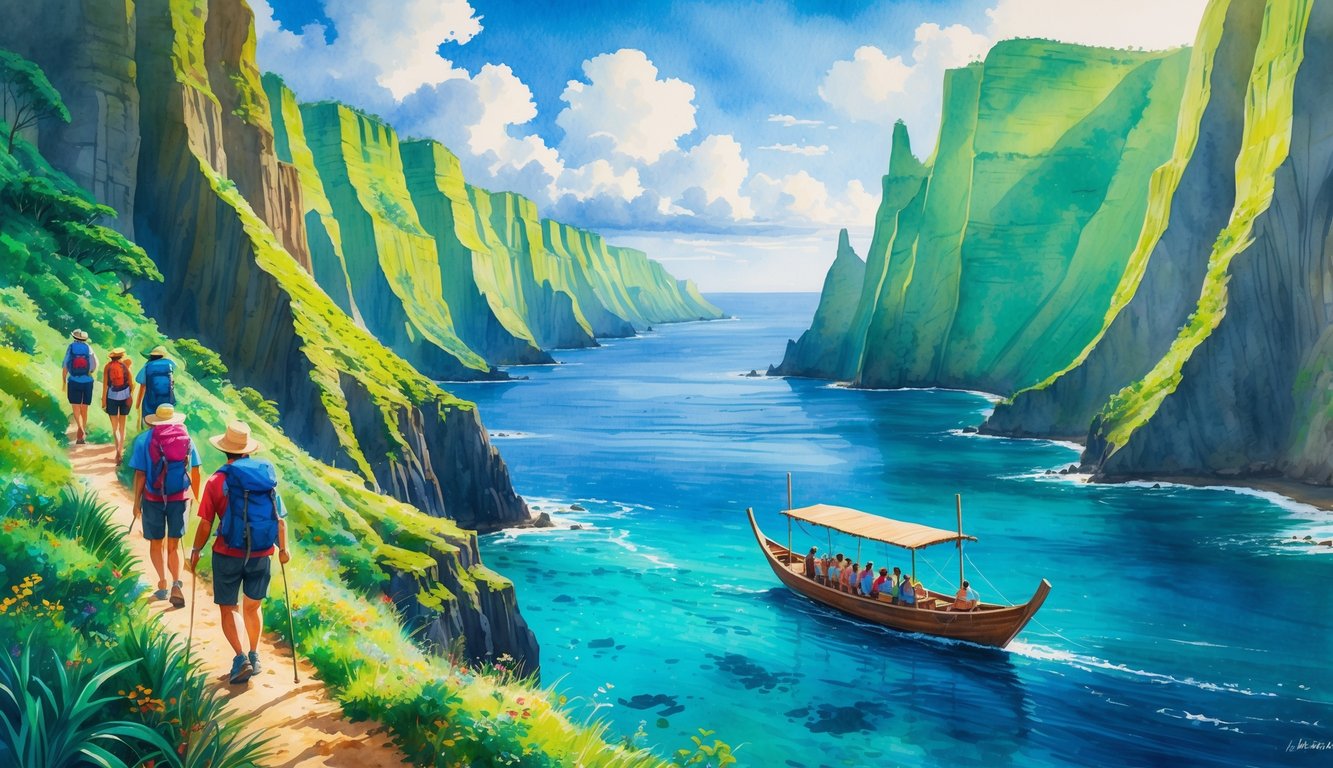
When you hike, you follow routes that pass valleys, waterfalls, and panoramic viewpoints. Trails like Kalalau and Hanakapiai challenge you but reward you with scenery far from the island’s busier spots.
A boat tour along the Na Pali Coast gives you access to places unreachable by trails. Small boats navigate sea caves, stop at secluded beaches, and let you spot dolphins, sea turtles, or seasonal whales.
Discovering the Na Pali Coast
The Na Pali Coast on Kauai’s northwest shore has steep sea cliffs, narrow valleys, and remote beaches. Roads do not reach these areas.
Visitors see rugged natural beauty, traces of early Hawaiian life, and native wildlife on land and in the ocean.
Geography and Landscape
The Na Pali Coast stretches about 17 miles along Kauai, Hawaii. Its cliffs rise up to 4,000 feet above the Pacific Ocean.
Sharp ridges and deep valleys shape the coastline, carved by centuries of erosion. Several valleys, such as Kalalau and Hanakapiai, open to hidden beaches.
You can reach these beaches only by boat, kayak, or hiking the Kalalau Trail. Seasonal waterfalls cascade down the cliffs, especially after heavy rain.
The coastline belongs to the Na Pali Coast State Wilderness Park. No roads cross this area, so you must hike, take a boat tour, or fly by helicopter.
This isolation helps preserve the natural state and protect fragile ecosystems.
Historical and Cultural Significance
Native Hawaiians lived in the valleys along the Na Pali Coast for centuries. They built small communities and practiced fishing and taro farming.
Some sites still show remnants of these early Hawaiian fishing villages. The area once served as a hub for trade between Kauai and the Forbidden Island of Niʻihau.
Canoes carried goods across the channel, and the valleys offered safe landing spots. Many place names along the coast have meanings tied to Hawaiian legends, agriculture, or the sea.
These stories are a key part of Hawaiian culture and show how people once lived in this remote region.
Wildlife and Marine Life
The Na Pali Coast supports many native species. On land, you may see seabirds like the red-footed booby and great frigatebird nesting on cliff ledges.
In the ocean, you might spot spinner dolphins and humpback whales during certain seasons. Coral reefs shelter fish such as butterflyfish, parrotfish, and Moorish idols.
Sea turtles often rest on secluded beaches or feed in shallow waters. The marine environment here is protected, making it a popular spot for snorkeling and wildlife observation on boat tours.
Hiking Adventures on the Na Pali Coast
The Na Pali Coast offers some of Hawaii’s most challenging and scenic hikes. Trails pass through steep ridges, remote valleys, and beaches accessible only on foot.
Hikers should expect rugged terrain and changing weather. Careful preparation is important.
Kalalau Trail Overview
The Kalalau Trail runs for 11 miles along Kauai’s north shore, from Ke’e Beach to Kalalau Beach. It is the only land route through the Na Pali Coast State Wilderness Park.
Many hikers complete only the first 2 miles to Hanakapi’ai Beach, which does not require a permit. Hiking the full trail to Kalalau Beach requires an overnight camping permit.
The route includes steep ascents, descents, and narrow cliffside paths. You will see sea cliffs, valleys, and remote shoreline.
The full hike can take 1–2 days each way, depending on your pace and trail conditions.
Essential Hiking Tips and Safety
Carry at least 2–3 liters of water per person per day. Bring a water filter to refill at streams.
Wear sturdy shoes with good traction for slippery sections. Weather can change quickly, bringing heavy rain or strong sun.
Pack lightweight rain gear, a hat, and sunscreen. Follow Leave No Trace principles to protect the environment.
Pack out all trash, avoid damaging plants, and camp only in designated areas. Check for trail closures before starting, as the state may close sections due to flooding, landslides, or maintenance.
Stream Crossings and Trail Challenges
You will cross several streams along the Kalalau Trail, including the Hanakapi’ai Stream. After heavy rain, water levels can rise quickly and make crossings dangerous.
Cross at the widest, shallowest point and unbuckle your backpack straps for safety. Wait for water to recede if needed.
Other challenges include loose rock, muddy slopes, and narrow ledges with steep drop-offs. Trekking poles help with balance and stability.
The final section into Kalalau Valley requires a steep descent to the beach. This area is remote, so you must be self-sufficient and ready for limited rescue access.
Na Pali Coast Boat Tours
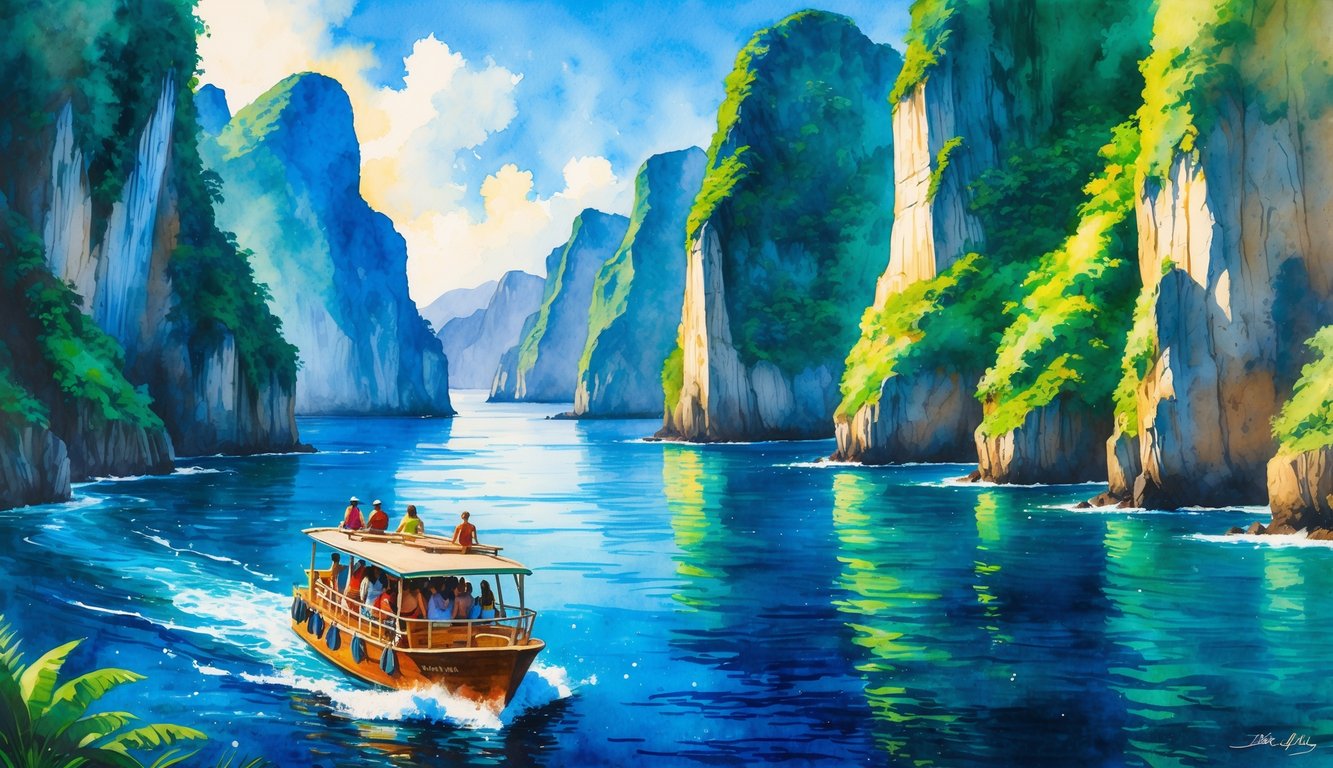
Travelers can see Kauai’s Na Pali Coast by boat, viewing rugged cliffs, hidden beaches, and offshore wildlife. Boat tours provide close views of sea caves, waterfalls, and marine life.
Catamaran and Zodiac Tours
Catamaran tours are popular for their stability and comfort. They often have shaded seating, restrooms, and food service.
Companies like Blue Dolphin Charters operate large catamarans along the coastline. Passengers can move around and enjoy the views.
Zodiac tours use smaller inflatable boats that maneuver into tight spaces. These high-speed rides get closer to cliffs and sea caves but feel bumpier.
Travelers who want a more adventurous experience often pick Zodiac tours. Both catamaran and Zodiac tours usually depart from Port Allen on Kauai’s south shore.
Some seasonal trips leave from Hanalei on the north shore. Departure location affects the length and route of the trip.
Exploring Sea Caves and Waterfalls by Boat
The Na Pali Coast has dramatic lava-formed sea caves and cascading waterfalls. Many boat tours include stops or slow passes at spots like the Open Ceiling Cave, where sunlight shines through a collapsed roof.
Pirate’s Cave is accessible only in calm seas. Boats often travel near waterfalls that drop directly into the ocean.
In summer, calmer waters make it easier to enter caves or pass under falls. In winter, rougher seas may limit access, but the scenery remains impressive.
Some tours visit remote beaches such as Nualolo Kai. Passengers can go ashore for guided exploration when conditions allow.
These landings usually happen on smaller vessels, not large catamarans.
Snorkeling and Marine Encounters
Many tours combine sightseeing with snorkeling stops at sites like Nualolo Kai or Lehua Crater. These spots offer clear water, coral reefs, and plenty of fish.
Snorkeling gear is usually provided, and crew members often give basic instruction to beginners. Wildlife encounters are common.
Travelers may see green sea turtles, Hawaiian monk seals, spinner dolphins, and, in winter, humpback whales. Snorkeling tours often pause when marine life appears, giving you time to watch or take photos.
Water conditions change, so snorkeling is more reliable in summer. Some tours adjust their route to find the calmest, clearest spots for the day.
Sunset Cruises and Specialty Experiences
Sunset cruises along the Na Pali Coast move at a relaxed pace with fewer stops. These trips focus on evening scenery.
Catamarans are the most common choice for sunset cruises. They provide open decks for viewing and comfortable seating for dining or drinks.
Passengers often enjoy light meals or beverages during these cruises. The timing lets everyone watch the cliffs change color as the sun sets over the Pacific.
Specialty experiences include photography-focused trips or whale-watching tours in winter. Some operators offer private charters for small groups.
A few companies also pair boat rides with activities like kayaking or hiking. These combination packages create a fuller day on the coast.