
Watching the sun rise above the clouds at Haleakalā National Park is one of Maui’s most memorable experiences. The summit stands over 10,000 feet high and gives clear views of the volcanic crater and the changing sky.

To enjoy this moment, you should know when to go, how to prepare, and what to expect once you arrive.
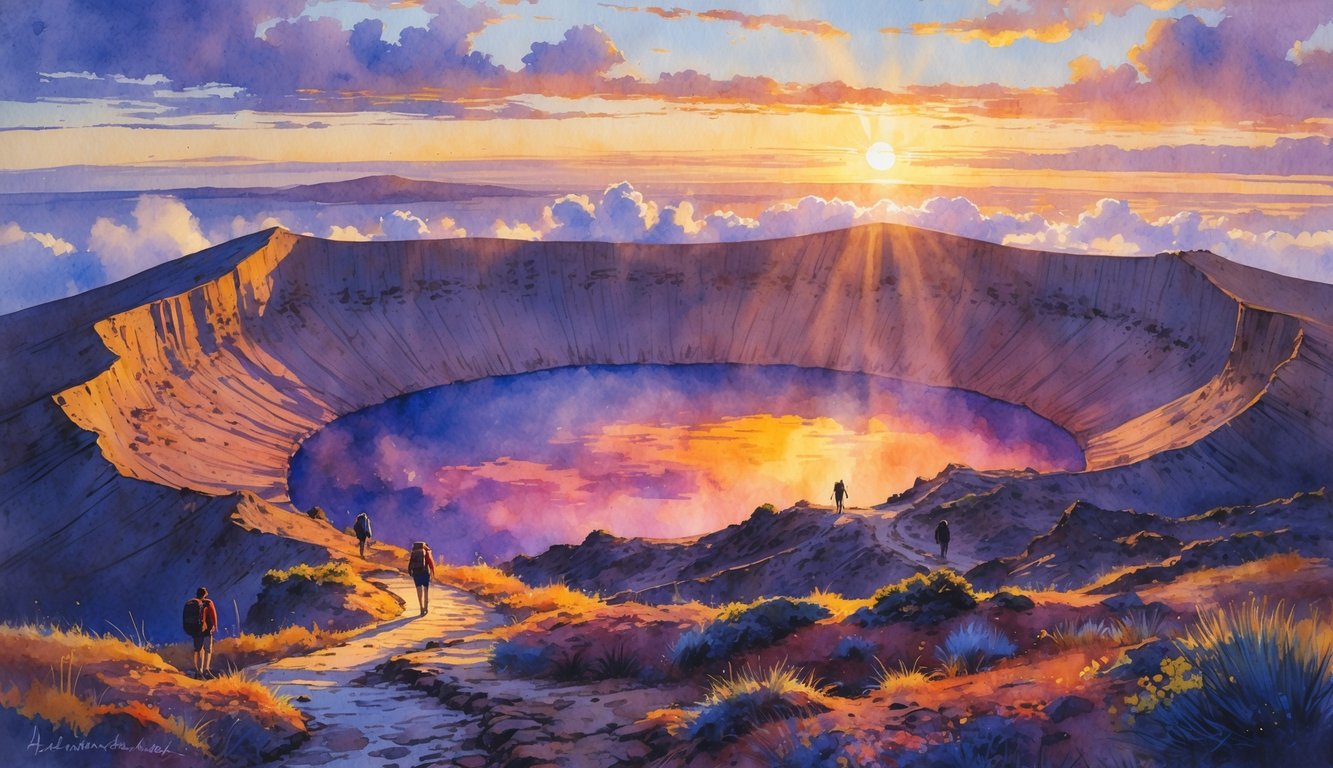
Many people plan their Maui trip around this early morning adventure. The park also offers much more than sunrise.
Scenic trails wind through volcanic landscapes, native forests, and coastal areas. You can choose from short walks or challenging hikes.
Exploring beyond sunrise reveals waterfalls, cultural sites, and quiet overlooks. You might enjoy a peaceful hike through the crater or a visit to the Kipahulu District.
The National Park Service tips for visiting Haleakalā help you plan a safe and smooth trip.
Haleakalā Sunrise Experience
Travelers often drive up to the Haleakalā summit in the early morning to watch the first light. The air feels crisp, the landscape is volcanic, and the views stretch far beyond the island.
Why Sunrise at Haleakalā is Special
Haleakalā means “House of the Sun” in Hawaiian. Local tradition says the demigod Maui slowed the sun here to make the days longer.
The summit horizon glows in orange, pink, and gold as the sun rises above the clouds. On clear mornings, you can see nearby islands in the distance.
The high elevation and lack of city lights make the colors more vivid. The crater floor below adds texture, with cinder cones and rugged terrain visible in the morning light.
The experience is often quiet and reflective. The wind can be strong, and temperatures often drop near freezing, so bring warm clothing.
Reservation and Entry Requirements
The National Park Service requires a sunrise reservation for vehicles entering the summit area between 3:00 a.m. and 7:00 a.m. This system controls the number of visitors.
You can make reservations online at Recreation.gov for a small fee. They often sell out weeks ahead, especially during busy seasons.
You must also pay the standard park entrance fee or show a valid park pass. The fee covers entry for three days, so you can return for hiking or sunset viewing.
Rangers check reservations at the entrance before you drive to the summit. Without a reservation, you cannot enter during sunrise hours.
You can find more details in the Haleakalā sunrise guide.
Best Viewing Locations at the Summit
The Haleakalā Visitor Center overlook is the most popular spot, just below the summit. You get a direct view east toward the rising sun.
Puʻu ʻUlaʻula Overlook at the true summit also offers an excellent view. At 10,023 feet, you get a 360-degree panorama, including the crater and the West Maui Mountains.
A short walk from the parking areas can lead you to quieter vantage points. These spots may offer more privacy while still capturing the full sunrise view.
Arrive at least 30 minutes before first light to park, find a spot, and get used to the cold. For more tips, see this complete guide to Haleakalā sunrise.
Essential Tips for Sunrise Visitors
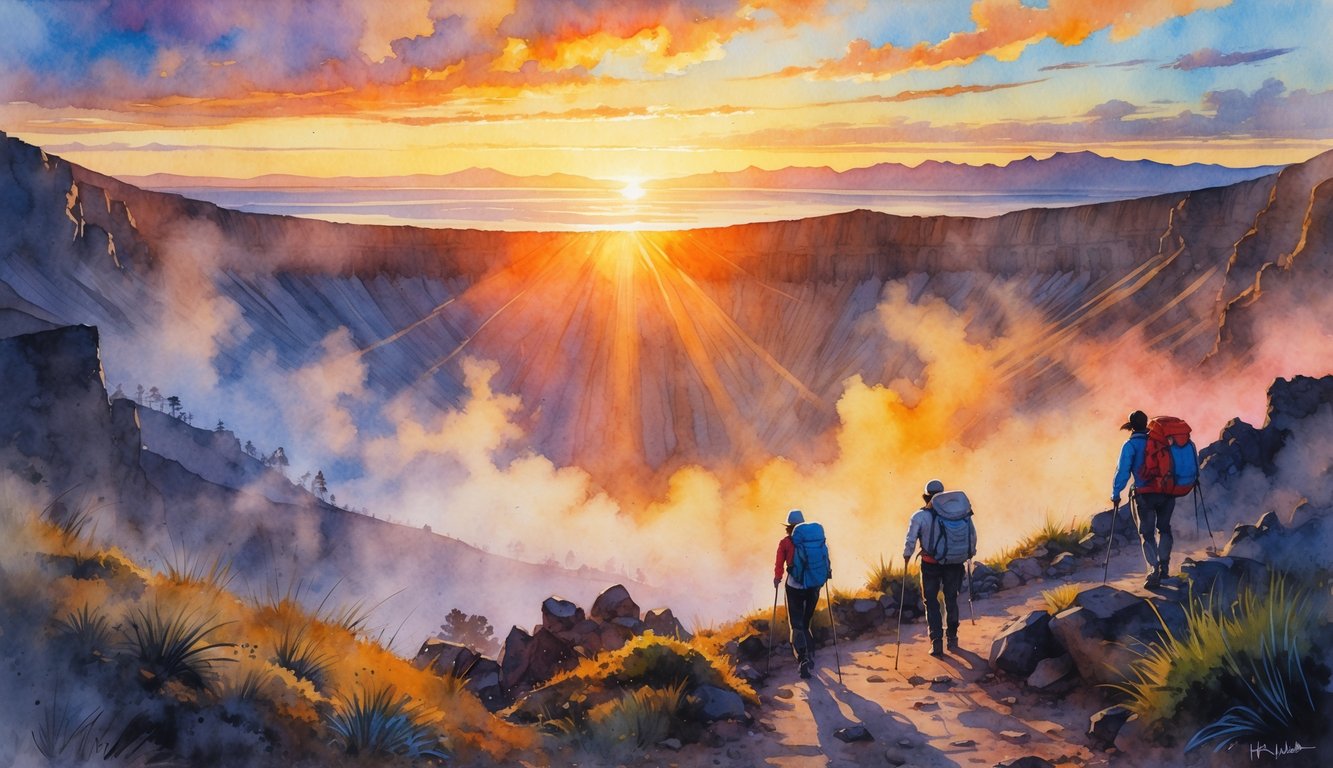
You may face cold temperatures, limited parking, and early morning driving on your way to the summit. Preparing the right gear, arriving on time, and knowing how to handle the weather can make your trip smoother.
What to Bring and Wear
At over 10,000 feet, the summit can feel near freezing before sunrise. Wear layered jackets, gloves, hats, and scarves.
A small backpack helps you carry extra layers, snacks, and water. Wear sturdy shoes with good grip for walking on rocky paths.
Bring a flashlight or headlamp to navigate in the dark. Pack a camera or phone with extra batteries to capture the sunrise.
If you are coming from warmer parts of Maui, pack ahead because summit temperatures are much lower.
Arrival Timing and Parking
The drive from Upcountry Maui to the summit takes about 1.5 to 2 hours. If you stay in Kihei, allow even more time.
Entry between 3 a.m. and 7 a.m. requires a sunrise reservation through the National Park Service. Without one, you cannot enter during those hours.
Arrive at least 30 minutes before sunrise to find parking, walk to a viewing spot, and watch the colors change. Parking fills quickly, so early arrival is important.
If summit parking is full, you can use lower elevation viewing areas, but the view may be less panoramic.
Weather and Safety Considerations
Weather at the summit can change quickly. Clear skies can turn to fog or rain in minutes.
Wind speeds can be high, so secure hats and loose items. Check the official Haleakalā National Park forecast before you leave.
The high altitude may cause shortness of breath for some people. Walk slowly uphill to reduce discomfort.
Sun protection is still important after sunrise. UV rays are stronger at higher elevations, so use sunscreen and sunglasses even on cool mornings.
Top Hiking Trails and Exploration
You can explore trails that range from short, paved paths to rugged routes deep into the crater. The park’s landscapes shift from volcanic rock to lush rainforest.
You might see rare plants and wildlife found only on Maui.
Best Hikes After Sunrise
After sunrise, many hikers head to the Sliding Sands Trail. This route starts at the Haleakalā Visitor Center and descends into the crater for close views of cinder cones and colorful volcanic soil.
For a shorter walk, the Pa Ka‘oao Trail offers a 0.4-mile round trip with panoramic views. If you want waterfalls and rainforest, drive to the Kīpahulu District and take the Pipiwai Trail through a bamboo forest to Waimoku Falls.
Some visitors prefer the Leleiwi Overlook for a quieter walk with sweeping crater views. Check trail conditions before starting, as the park’s best hikes vary in difficulty.
Unique Flora and Fauna
Haleakalā is home to the rare ʻāhinahina or silversword plant. This plant grows only at high elevations and can live for decades before blooming once.
You can spot silverswords near the summit along marked trails.
Native birds such as the nēnē (Hawaiian goose) may appear in open areas. Forested regions shelter honeycreepers like the ʻiʻiwi.
The park’s climates—from alpine desert to coastal rainforest—support many species.
Stay on designated paths to protect fragile habitats and avoid spreading invasive plants. Respectful exploration helps preserve the flora and fauna of Haleakalā National Park for the future.
Guided Tours and Independent Exploration
You can join guided hikes led by park rangers or local tour companies. Guides share cultural history, geology, and tips for spotting wildlife.
Guided tours help those unfamiliar with the terrain or who want to learn more about Maui’s natural heritage.
Independent hikers set their own pace and explore quieter spots. Plan carefully—bring water, dress in layers, and prepare for sudden weather changes.
Whether you join a tour or hike solo, Haleakalā National Park offers diverse scenery, from volcanic craters to coastal waterfalls.
Beyond Sunrise: Sunset and Nearby Attractions
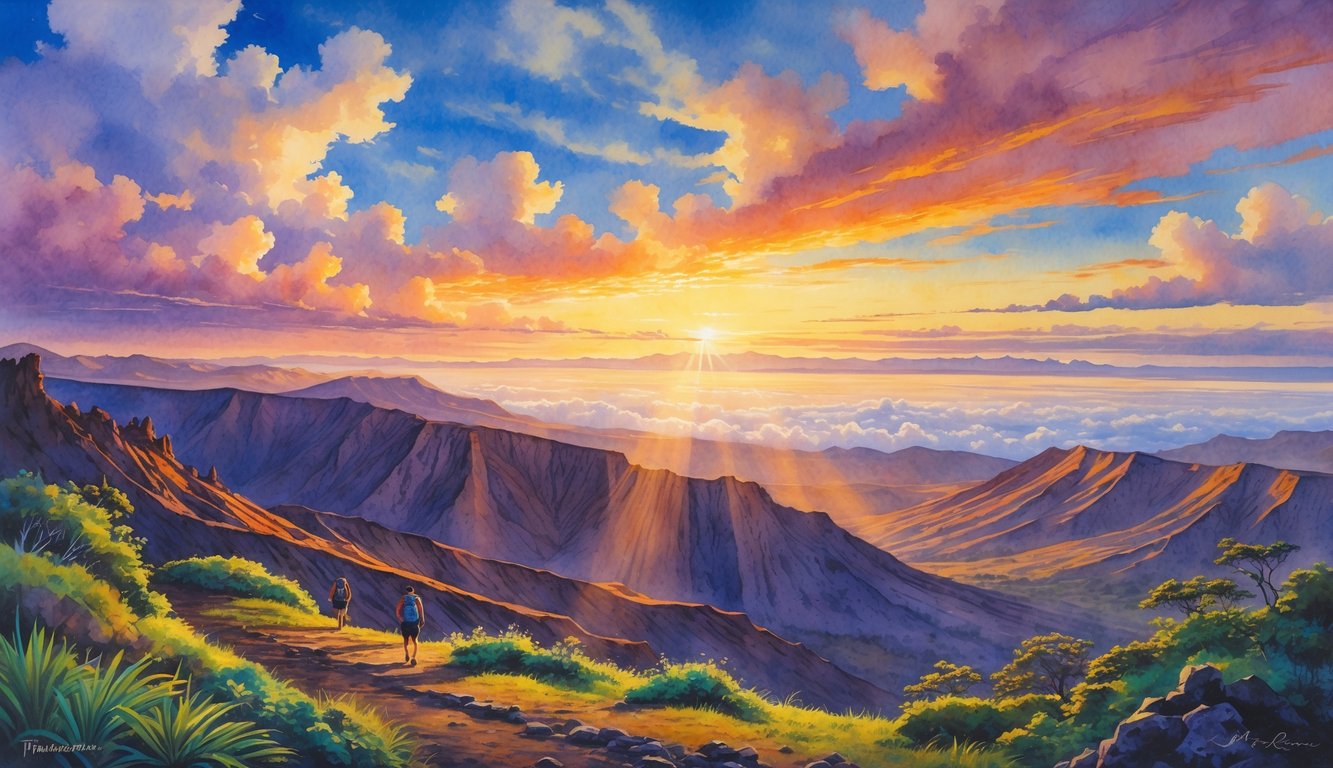
You can enjoy late-day views from high elevations, quiet rural landscapes, and small towns with strong local traditions. The area offers cooler temperatures, varied scenery, and a chance to see parts of Maui that are less crowded than the beaches.
Haleakalā Sunset Viewing
The Haleakalā sunset offers a calmer experience than sunrise. Fewer visitors mean more space at the summit and parking areas.
Colors shift from gold to deep red as the sun sets over the West Maui Mountains. On clear days, you may see nearby islands like Lana‘i and Moloka‘i.
Temperatures drop quickly after sunset, often into the 40s°F. Bring warm clothing.
Many travelers choose sunset to avoid the early morning drive. You can also hike during the day before heading to the summit.
For tips on timing and best viewing spots, check the Haleakalā sunrise and sunset guide.
Exploring Upcountry Maui
Upcountry Maui stretches along the slopes of Haleakalā and includes farms, gardens, and ranchlands.
The region has cooler air and open views of both coasts. You can stop at the Ali‘i Kula Lavender Farm, Surfing Goat Dairy, and local produce stands.
Drive scenic routes lined with jacaranda trees in spring. Small cafés serve fresh coffee and baked goods made with local ingredients.
Hiking trails in the Makawao Forest Reserve offer a different view from the summit. Many travelers add Upcountry stops before or after a Haleakalā visit to enjoy more of their Maui vacation.
Nearby Towns and Local Culture
Towns near Haleakalā, such as Kihei, Makawao, and Pā‘ia, have distinct personalities.
Kihei offers sunny beaches and casual dining. You can find a range of accommodations there.
Makawao features paniolo (Hawaiian cowboy) history. The town also has art galleries.
Pā‘ia blends surf culture with boutique shopping. Healthy cafés are popular in the area.
Each town hosts events and markets. Visitors can meet local artisans at these gatherings.
You can explore Maui beyond its resorts by visiting these areas. This helps you gain a better sense of its history and community life.
For ideas on combining park visits with nearby towns, see this Haleakalā activities guide.


