
Nestled in central Maui, ʻĪao Valley State Park offers lush scenery, a rich history, and easy access to some of the island’s most scenic trails. People visit for fresh air, the sound of flowing streams, and the chance to see the famous ʻĪao Needle rising above the valley floor.

Hiking here lets you experience Maui’s natural beauty and cultural heritage in one place.
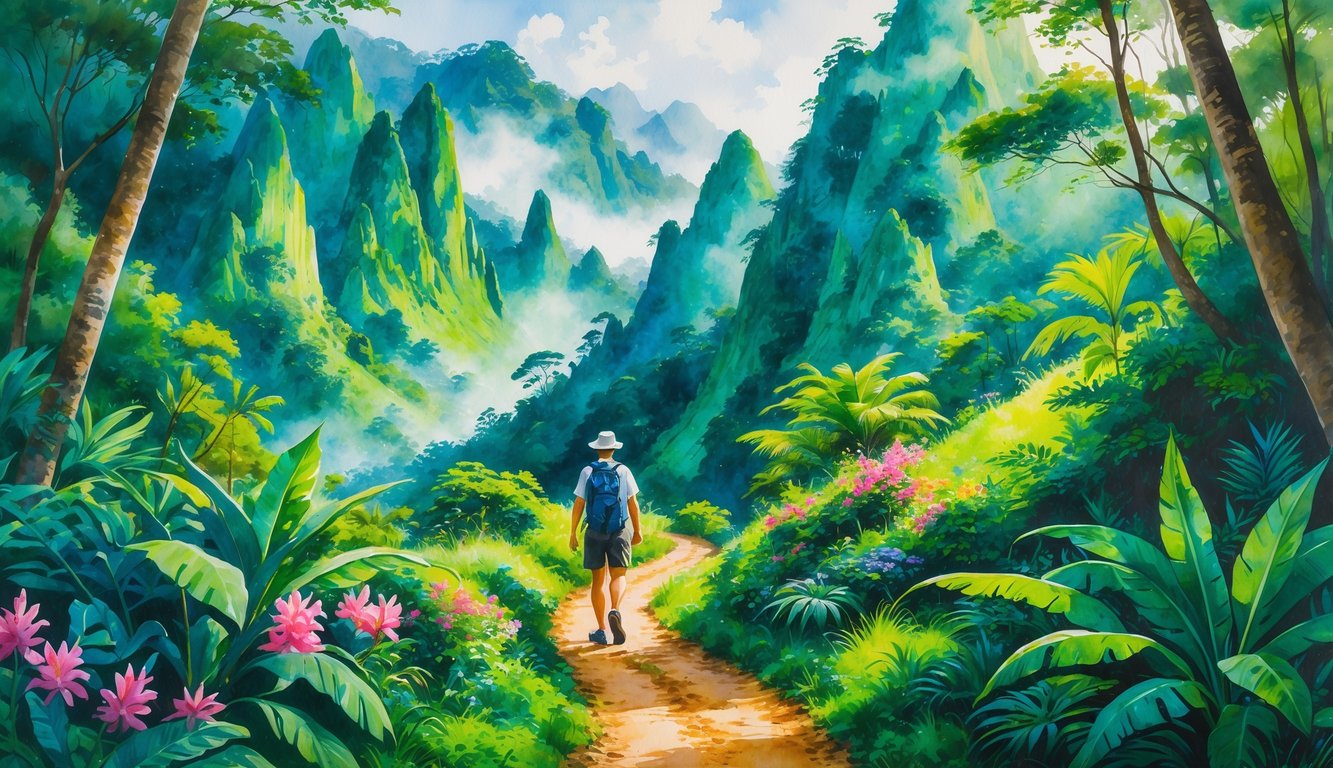
The park has both short paved walks and longer, rugged paths that go deeper into the rainforest. Trails like the ʻĪao Needle Lookout Trail and Waiheʻe Ridge each show off different views of the valley’s steep ridges and thick vegetation.
Some trails are easy for families, while others give a challenge to those seeking adventure.
The valley holds deep cultural meaning for Native Hawaiians and once hosted important historical events. Exploring here combines outdoor adventure with a connection to the island’s past.
Essential Information for Hiking in Iao Valley State Park
Iao Valley State Park in central Maui has short, scenic trails, cultural history, and easy access from nearby towns. Visitors find paved paths, rest areas, and views of the famous Iao Needle, making it a convenient stop for locals and travelers.
Location and Directions
Iao Valley State Park, also called ʻĪao Valley State Monument, sits in Wailuku, at the heart of Central Maui. The park is about 3 miles west of downtown Wailuku and roughly 5 miles from Kahului Airport.
From Kahului, you can take HI-32 (Kaʻahumanu Avenue) toward Wailuku, then follow HI-320 (Iao Valley Road) to the park entrance. The drive usually takes less than 20 minutes in light traffic.
Public transportation is limited, so most people arrive by rental car or tour shuttle. On-site parking is available, but it fills up quickly during busy hours.
Arrive early in the morning to avoid congestion and secure a parking spot.
Park Hours, Fees, and Reservations
As of recent updates, ʻĪao Valley State Park opens daily from 7:00 a.m. to 6:00 p.m. Hours may change due to weather, maintenance, or special events, so check the official Hawaii State Parks website before visiting.
Non-residents pay an entrance fee, and there is a parking fee for non-resident vehicles. Hawaii residents usually enter for free.
Staff collect fees at the entrance station, and you can pay by cash or card.
On some days, you may need to make advance reservations, especially during busy seasons or after park improvements. Booking online helps guarantee access and reduces wait times.
Facilities and Accessibility
The park has restrooms, water fountains, and a small visitor area near the entrance. Picnic tables let you enjoy a meal surrounded by the valley’s greenery.
The main trail to the ʻĪao Needle lookout is a paved, 0.6-mile round trip path. This trail is accessible for most visitors, including families with strollers.
Some side trails are unpaved and can get muddy after rain. If you have mobility concerns, stick to the paved sections and use handrails where available.
Wear sturdy shoes, as even paved areas can be slippery when wet.
Top Hiking Trails and Experiences
You can explore short, well-maintained trails that highlight Maui’s lush vegetation, volcanic history, and cultural heritage. The area has clear paths, scenic lookouts, and places to learn about native plants and local history.
Iao Needle Lookout Trail
The Iao Needle Lookout Trail is the park’s most popular walk. This paved, 0.6-mile round trip path takes about 30 minutes.
The trail leads to a viewing platform facing the 1,200-foot Iao Needle, a striking lava remnant that rises from the valley floor.
Along the way, you pass gardens filled with taro, banana, and other native plants. Signs share details about the valley’s role in Hawaiian history, including the 1790 Battle of Kepaniwai.
The lookout gives panoramic views of the valley’s steep, green cliffs. On clear mornings, you can see the sharp contrast between rugged rock and dense rainforest.
This trail is suitable for most ages and fitness levels, making it a good choice for families.
Iao Stream Path
The Iao Stream Path follows a gentle route along the clear waters of the Iao Stream. Rainfall from the West Maui Mountains feeds the stream year-round.
Shallow pools and smooth boulders make this a popular spot for wading and photography. Benches along the path offer places to rest and listen to the water.
The area feels especially peaceful in the early morning before crowds arrive.
In some sections, the trail runs under the shade of kukui and hala trees. These plants give habitat to native birds and help stabilize the stream banks.
Avoid entering the water after heavy rain, as flash floods can happen.
Heritage Gardens Loop
The Heritage Gardens Loop is near Kepaniwai Park and offers a short walk through landscaped areas representing Maui’s immigrant communities. Small pavilions, statues, and garden plots reflect Hawaiian, Japanese, Chinese, Portuguese, and Filipino influences.
This loop is an easy stroll with paved walkways and shaded seating. It’s a good spot for a picnic before or after hiking other trails.
The gardens feature native species and tropical flowers. Nearby, the Hawaii Nature Center offers educational displays and programs about the island’s ecosystems, making it a useful stop for families with children.
For more trail details and maps, check the Iao Valley State Park hiking guide.
Natural Wonders and Unique Flora
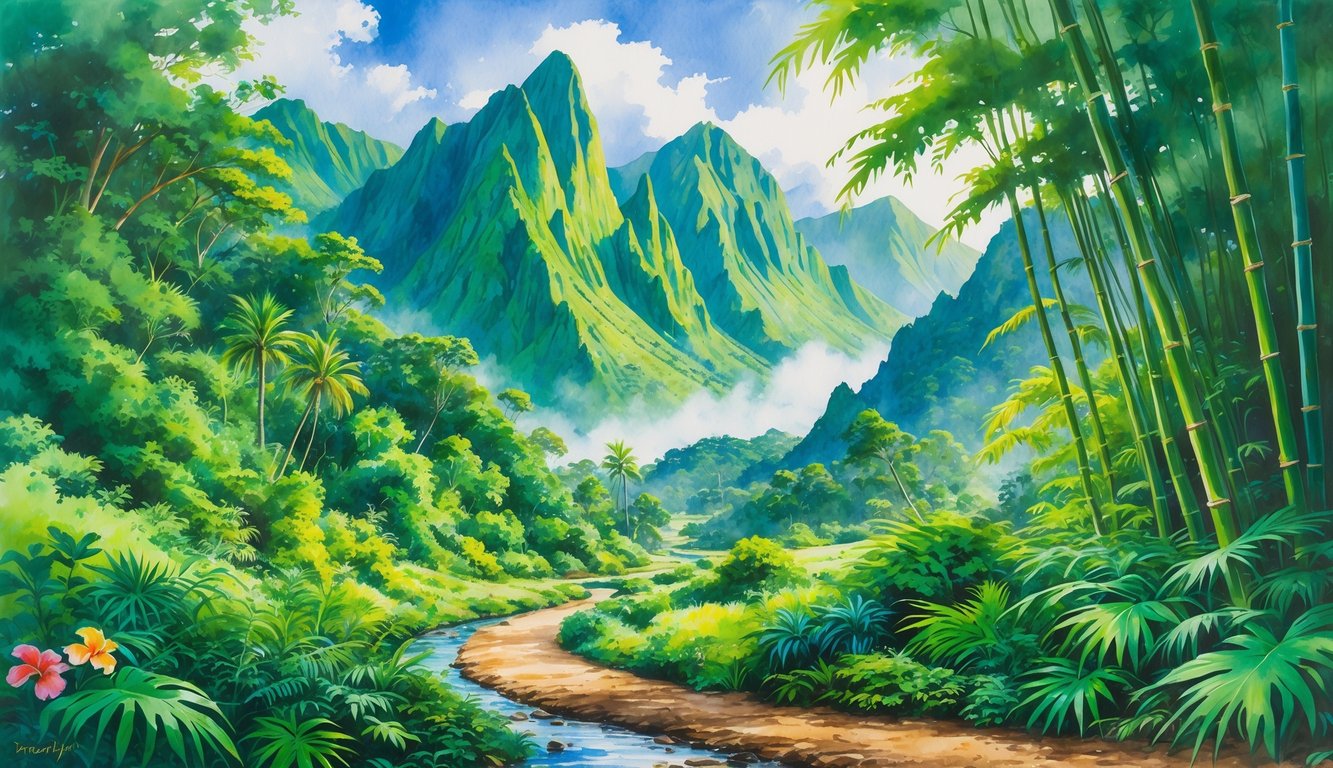
Iao Valley features dense rainforest landscapes, rare native plants, and striking geological formations shaped by centuries of erosion. You’ll find lush greenery, flowing streams, and wildlife that thrive in the area’s mild, wet climate.
Rainforest Ecosystem and Microclimate
The valley’s rainforest stays green all year thanks to frequent rain and cooler temperatures. Moist air from the coast rises into the valley, creating a humid microclimate that supports thick vegetation.
Streams run along the valley floor, fed by rain from the West Maui Mountains. These waterways help plants thrive that cannot survive in drier parts of Maui.
The Hawaii Nature Center teaches visitors about how this ecosystem works. The center also highlights how invasive species threaten native plants and how conservation teams work to restore balance.
Koa Trees and Native Plants
Koa trees stand out as one of the most recognizable native species in Iao Valley. Their tall canopies provide shade for smaller plants and shelter for birds.
In Hawaii, people once used koa wood for canoes and tools.
Other native plants include ohia lehua with its red blossoms and hapuʻu tree ferns that thrive on the moist forest floor. Many of these species grow only in Hawaii.
The valley’s botanical areas, similar to those at the Maui Tropical Plantation, let you see these plants up close without going deep into the forest. Signs describe their role in Hawaiian history and daily life.
Wildlife and Scenic Views
Birdwatchers might spot native species such as the apapane and amakihi feeding on nectar from flowering trees. Insects and small reptiles live in the understory, adding to the valley’s biodiversity.
The famous Iao Needle rises 1,200 feet from the valley floor, surrounded by steep, green cliffs. You can see this landmark from several viewpoints along the trails.
From some spots, hikers see the contrast between dense rainforest and open lowlands beyond Wailuku. Morning visits often bring mist around the peaks, creating soft light for photography.
Cultural and Historical Significance
Iao Valley holds an important place in Hawaiian history due to major battles, influential leaders, and sacred traditions. Its past includes events that shaped the islands politically and spiritually, as well as places tied to deep cultural beliefs.
The Battle of Kepaniwai
In 1790, the Battle of Kepaniwai took place in the valley. King Kamehameha I’s forces fought the army of Maui.
Both sides suffered heavy losses in the intense fighting. The name Kepaniwai means “the damming of the waters,” because fallen warriors blocked the Iao Stream.
Today, you can still see the valley where this historic battle happened. It stands as a reminder of the struggle for control during a pivotal time in Hawaiian history.
King Kamehameha I and the Unification of Hawaii
King Kamehameha I aimed to unite the Hawaiian Islands under one rule. His victory at Iao Valley marked a key step in that mission.
After the battle, Maui came under his control, strengthening his position against other islands. This was not the final step in unification, but it showed his growing power and skill.
People still study his leadership and strategy during this period in Hawaiian history. The events in Iao Valley helped shape Hawaii’s political landscape for years to come.
Sacred Sites and Mana in Iao Valley
Beyond its military history, Iao Valley holds a sacred place in Hawaiian culture. Ancient Hawaiians saw it as a site filled with mana, or spiritual power.
People once buried high chiefs in the valley. They hid these burial sites to protect the remains and keep the land’s sacred energy intact.
Visitors today can learn about the valley’s cultural role at places like the Hawaiʻi Nature Center. The valley’s natural beauty and spiritual significance attract those interested in Hawaiian traditions.


