The Kalalau Trail stretches 11 miles along Kauai’s rugged Na Pali Coast. This challenging route climbs steep cliffs, winds through lush valleys, and leads to remote beaches.

Kalalau Beach is only accessible by land via this trail. Hikers experience one of Hawaii’s most stunning coastlines in a unique way.
You pass through five valleys, cross streams, and walk narrow cliffside paths that require focus and preparation.

Most hikers plan for multiple days and carry camping gear for designated areas. You need permits, careful packing, and must stay aware of changing weather and trail conditions.
With the right preparation, you’ll reach views and experiences not accessible by car or boat.
This guide shares essential planning tips and a detailed route overview. You’ll learn what to expect on each section, how to stay safe, and where to camp.
The guide also highlights wildlife and natural features that make the Kalalau Trail a memorable hike in Hawaii.
Essential Planning for the Kalalau Trail
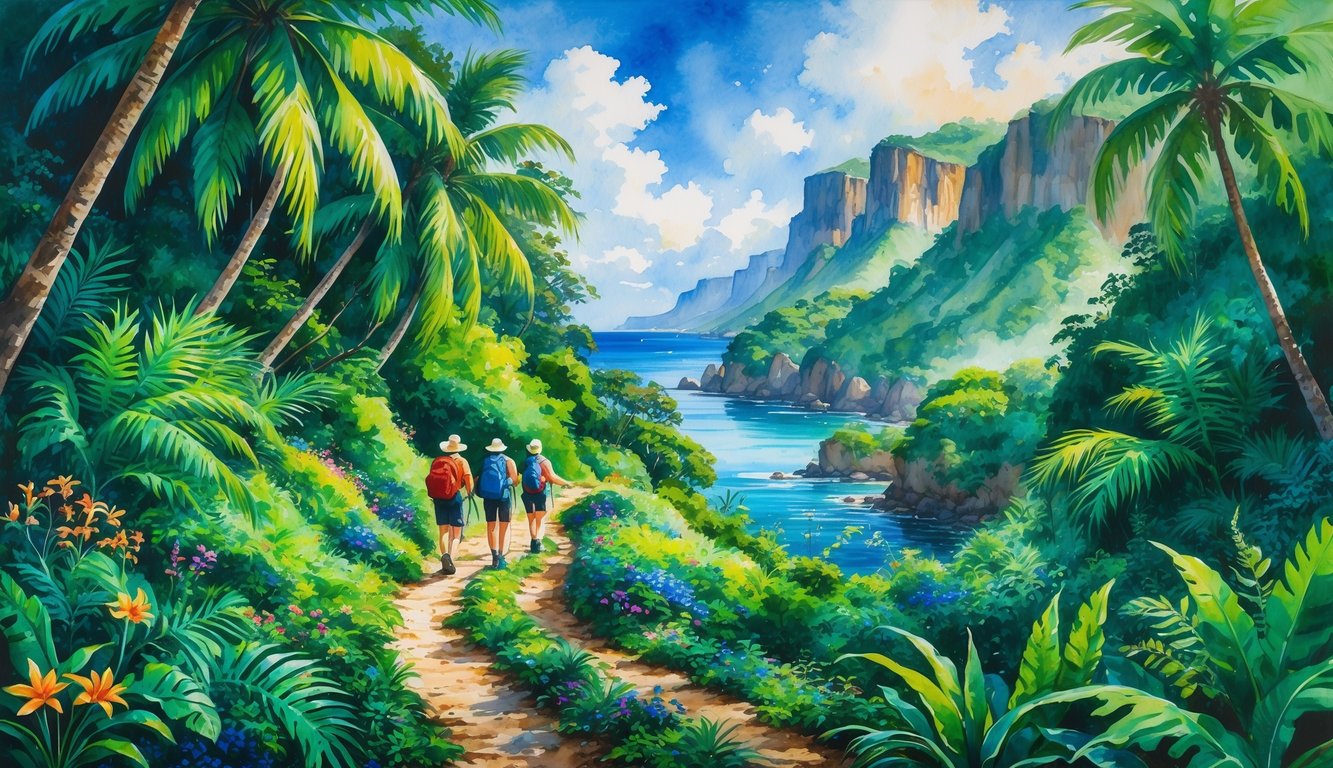
You must secure the right permits, pick a safe season, and arrange transportation before starting. The trail begins in a remote area, so planning ahead helps you avoid delays and surprises.
Permits and Reservations
If you hike past Hanakāpī‘ai Valley, you need a valid camping permit for Kalalau or Hanakoa. Day hikers who turn back before Hanakāpī‘ai do not need a permit.
The Hawaii Department of Land and Natural Resources issues permits, and they often sell out months in advance. You can book permits online, and each one includes camping fees.
A parking reservation is required for vehicles at the trailhead at Ke’e Beach, inside Hā‘ena State Park. If you don’t have parking, you can use shuttle services from nearby towns.
You must carry a printed or digital copy of your permit. Rangers check permits at the start and along the trail.
Best Time to Hike
The Kalalau Trail is open all year, but weather and ocean conditions change with the seasons. Summer, from May to September, usually brings drier weather and calmer seas.
Winter, especially November to March, often brings heavy rain, strong surf, and slippery trails. Stream crossings can become dangerous after storms.
Many hikers choose late spring or early fall for fewer crowds and dry weather. Always check the weather forecast before you leave, since storms can happen any time.
Consider daylight hours when planning your hike. Longer summer days give you more time to cover tough sections before dark.
Trailhead Access and Transportation
The Kalalau Trail starts at the Kalalau Trail trailhead in Hā‘ena State Park, near Ke’e Beach. You’ll drive about an hour from Hanalei to reach the trailhead.
Parking inside the park requires an online reservation. Spaces fill quickly, so many people use the North Shore Shuttle from Hanalei or Princeville.
Public transportation does not go to the trailhead. Your options are private vehicles, taxis, or shuttles.
The road to Hā‘ena is narrow and winding. Plan for extra travel time and try to arrive early to secure parking and start before the midday heat.
Kalalau Trail Route Overview
The Kalalau Trail follows the rugged Nāpali Coastline for 11 miles one way. It starts at Ke’e Beach and ends at Kalalau Beach.
You’ll pass through valleys, beaches, and cliffside paths. The terrain changes often and can be both scenic and physically demanding.
Ke’e Beach to Hanakapi’ai Beach
The trail begins at Ke’e Beach in Hā’ena State Park. The first stretch is about 2 miles, climbing steadily before dropping toward the shore.
Many hikers explore this busy section since you don’t need an overnight permit. The path offers views of the Nāpali Coastline right away, with some steep drop-offs.
At the end of this segment is Hanakapi’ai Beach. Swimming here is dangerous because of strong rip currents, especially in winter.
Many people rest here before turning back or continuing farther. Facilities are minimal, so carry enough water and snacks.
A small stream crossing at the beach may swell after rain, making it tricky to cross.
Hanakapi’ai Falls Side Trip
From Hanakapi’ai Beach, you can take a 4-mile round trip detour to Hanakapi’ai Falls. The side trail follows the valley floor and crosses the stream several times.
The path is often muddy and slippery after rain. Wear footwear with good grip.
The waterfall drops over 300 feet into a pool where some hikers wade or swim if conditions are calm. There are no facilities, so pack out all trash.
This detour adds several hours. It’s best for hikers with extra time and energy.
Hanakoa Valley and Hanakoa Falls
The next major point is Hanakoa Valley, about 6 miles from the trailhead. Many backpackers camp here overnight on the way to Kalalau Beach.
You’ll find a designated campsite with composting toilets and a water source from a nearby stream. Always filter water before drinking.
A short side path leads to Hanakoa Falls, which is less visited than Hanakapi’ai Falls. The valley is lush and shaded and offers relief from the sun.
Trail conditions here can be narrow, with landslide zones. Move carefully through these areas.
Crawler’s Ledge and Challenging Sections
Beyond Hanakoa, the trail becomes more exposed and demanding. One of the most talked-about spots is Crawler’s Ledge, a narrow section carved into the cliff above the ocean.
The ledge is not technically difficult, but its steep drop-offs and lack of guardrails can feel intimidating. Move carefully and watch your footing, especially if it’s wet or windy.
This part of the trail also includes steep climbs, descents, and some loose rock. Trekking poles can help with balance.
After these sections, you’ll descend toward Kalalau Beach. Here, permitted campers can set up for the night on a long, sandy shoreline backed by cliffs.
For a detailed map and logistics, review this complete guide to the Kalalau Trail.
Safety, Trail Conditions, and Preparation
The Kalalau Trail includes steep climbs, narrow cliffside paths, and stream crossings that can change quickly after rain. Hikers face shifting weather, high surf near beaches, and limited access to help in emergencies.
Trail Difficulty and Fitness
The Kalalau Trail is 11 miles one way along the rugged Nāpali Coast, making a 22-mile round trip. The path has steep inclines, slippery descents, and exposed cliff sections.
You’ll cross five valleys, several streams, and walk on uneven, muddy ground. After rain, the trail becomes slick and unstable.
This hike is not for beginners. Most backpackers take 2–4 days to finish the trip.
Good balance, endurance, and strong legs help you complete the hike. Many experienced hikers use hiking poles for stability on steep or wet areas.
Shorter day hikes, like the first 2 miles to Hanakāpī‘ai Beach, are an option if you don’t have an overnight permit.
Weather Hazards and Flash Floods
Weather on the Nāpali Coast changes quickly. Heavy rain can arrive with little warning, especially in winter.
Flash floods are a major risk at stream crossings. Water can rise fast and currents may sweep hikers away.
If streams look dangerous, wait for water levels to drop before crossing. High surf is common, especially in winter, and can make beaches like Kalalau and Hanakāpī‘ai unsafe for swimming.
Large waves and strong currents can appear suddenly. Check trail conditions and weather forecasts before you start.
The Hawaiian State Parks website posts closure notices when conditions are unsafe.
Essential Hiking Gear
A safe trip depends on having the right gear. At minimum, pack:
| Item | Purpose |
|---|---|
| Sturdy footwear | Grip on wet, rocky surfaces |
| Hiking poles | Stability on steep and slippery terrain |
| Water filter or purifier | Safe drinking water from streams |
| Rain jacket | Protection from sudden showers |
| Map and compass | Navigation without cell service |
| First-aid kit | Basic medical needs |
Backpackers should carry food for the full trip, extra clothing, and a lightweight shelter. Even day hikers should bring water, snacks, sun protection, and emergency layers.
Leave No Trace Principles
The Kalalau Trail passes through sensitive wilderness. Following Leave No Trace principles helps protect the area.
Key practices include:
- Pack out all trash, including food scraps.
- Use designated campsites to avoid damaging vegetation.
- Avoid disturbing wildlife and do not feed animals.
- Stay on marked trails to prevent erosion.
Bury human waste at least 6 inches deep and 200 feet from water sources. In high-use areas, you may need to pack out waste.
Respecting these guidelines keeps the trail clean and safe for everyone.
Camping and Wildlife Along the Trail

You can camp overnight at two designated camping areas. You must follow strict rules to protect the land and wildlife.
The route passes through habitats for seabirds, native plants, and streams. Take care when crossing streams or using them for water.
Designated Campsites and Permits
Backpackers can camp only at Hanakoa Valley (about 6 miles in) or Kalalau Beach at the end of the trail. Both sites have composting toilets and water sources, but you must filter or treat the water.
You need a valid Kalalau Trail camping permit to camp. Permits often sell out months ahead, especially during summer.
Day hikers do not need a camping permit unless they go past Hanakāpīʻai Valley.
Permit Quick Facts:
| Location | Distance from Start | Permit Needed | Facilities |
|---|---|---|---|
| Hanakoa Valley | ~6 miles | Yes | Toilets, water source |
| Kalalau Beach | 11 miles | Yes | Toilets, waterfall water |
Campers should avoid camping near cliffs or unstable ground. Fires are not allowed, so you must use portable stoves.
Wildlife Encounters and Flora
Seabirds like the red-footed booby nest on cliffs along the Na Pali Coast. Goats roam parts of the trail, and you may see them on open slopes.
You will find native plants such as hala trees, naupaka shrubs, and hibiscus along the route. Some areas have invasive species, so avoid disturbing them.
Streams, including Hanakoa Stream, can rise quickly after rain. Wait for water levels to drop before crossing during high water.
Strong currents make snorkeling or swimming at Kalalau Beach unsafe. Observe wildlife from a distance and never feed them.
Tips for an Enjoyable Overnight Experience
Pack light, but bring essentials like a sleeping pad, rain gear, and a water filter. A sleeping pad makes rocky ground more comfortable at night.
Pick campsites early in the day to find a safe, level spot. Store food in sealed containers to keep animals away.
Plan meals that are easy to carry and high in calories. Many hikers choose dehydrated meals and snacks.
Respect quiet hours. Pack out all trash to keep the trail and campsites clean for future visitors.