
Hawaii is a special place, known for its beautiful nature and strong sense of well-being. When I first visited, I noticed how local traditions focused on harmony, relaxation, and connection to the land.

If you incorporate Hawaiian healing into your trip, you can feel more relaxed, clear your mind, and create deeper memories during your stay.
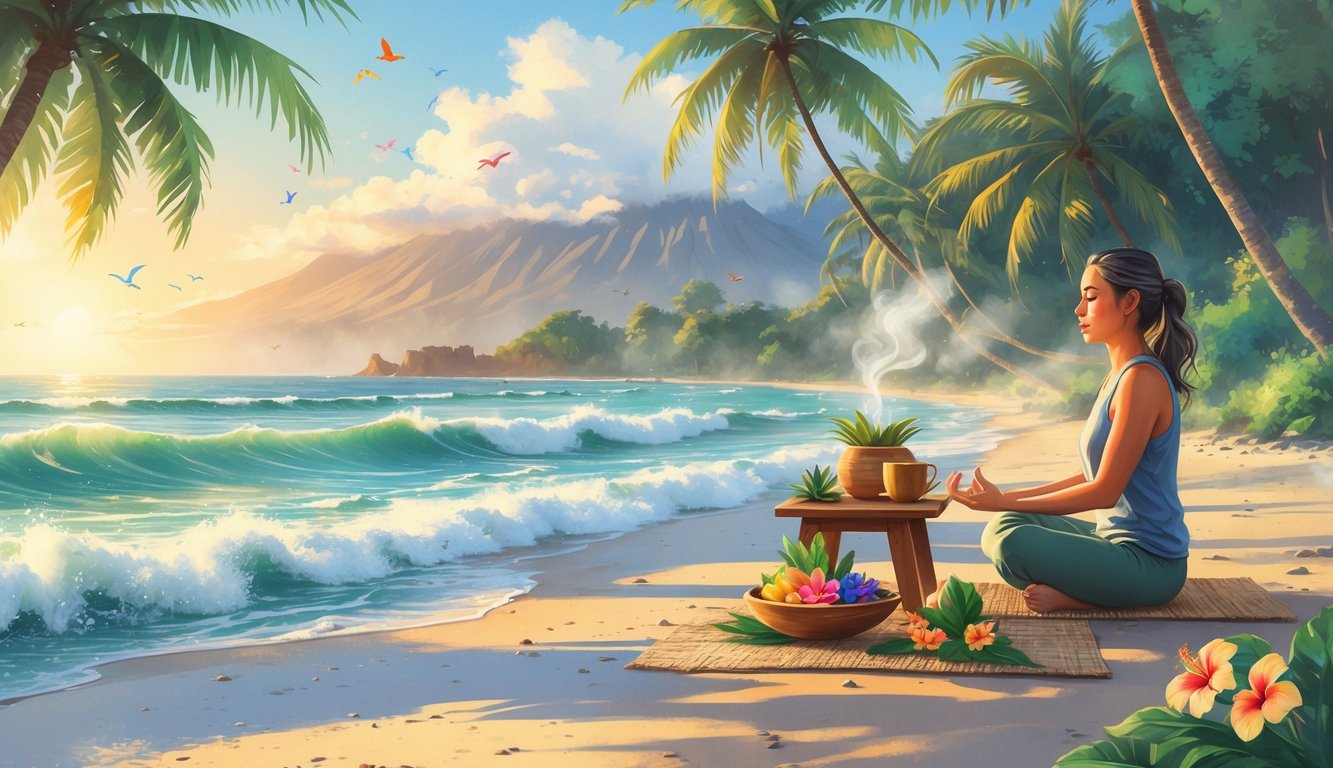
Simple things like walking barefoot on the grass, joining a local yoga class, or learning Hawaiian massage (lomilomi) can make a big difference in how I feel.
I spend quiet moments by the ocean or explore traditional healing practices, which are part of Hawaii’s rich cultural heritage.
If you want ideas, you can check out wellness retreats that focus on natural healing and mindfulness, such as those found in this guide to wellness-focused Hawaiian retreats.
Feeling good in Hawaii goes beyond sightseeing. The local approach to wellness invites me to slow down, enjoy the fresh air, and connect with the aloha spirit all around.
Understanding Hawaiian Healing Traditions
Hawaiian healing blends history, values, and sacred beliefs. Hawaiians focus on spiritual power, the breath of life, and strong ties to legends when they approach wellness and harmony.
Historical Roots and Hawaiian Culture
Hawaiian healing grew from the island’s history and the people’s close bond with nature. For centuries, Native Hawaiians used plants, chants, and rituals to treat sickness and maintain health.
The islands’ isolation helped Hawaiians create unique healing practices and beliefs. Traditional teachings, or ‘ike, guided many choices about plants, prayers, and respect for ancestors.
Kahuna, or teachers, learned these arts through years of training. Physical and spiritual care blended into everyday Hawaiian life.
Cultural values like aloha (love and compassion), ohana (family), and respect for nature are central to Hawaiian wellness. Using Hawaiian words in daily life helps me connect more to these roots.
Core Principles: Mana, Ha, and Healing Energy
Three concepts shape Hawaiian healing: mana, ha, and healing energy. Mana means a sacred life force or spiritual power.
It flows through all people, animals, and nature. When I honor mana by acting with respect and keeping my mind clear, I feel healthier.
Ha describes the breath of life. Ancient Hawaiians greeted each other by sharing breath in a gesture called honi.
They saw breath as the source of life and spirit. Practices like deep breathing and mindful presence treat both the body and the spirit.
Healing energy in this culture is more than herbs or massage. Hawaiians combine prayer, intent, and hands-on treatments.
Many healing arts, such as lomi lomi massage, use the flow of energy to restore balance. You can learn about the importance of mana in Hawaiian healing practices.
The Role of Pele in Hawaiian Beliefs
Pele is the goddess of volcanoes and fire. She plays a major role in Hawaiian beliefs about life, energy, and sovereignty.
Her story appears throughout the islands’ landscapes and rituals. In many legends, Pele brings both destruction and new life, reminding me that change is constant and natural.
People turn to Pele for signs during important times or seek her protection before big events. Many offer chants or simple gifts at a lava flow or sacred spot to show respect for her power.
Learning about Pele helps me respect the stories and spiritual world that shape healing on the islands. Honoring Pele also means respecting the land and its forces.
This connection to place and spirit is a key part of how many Hawaiians seek wellness, grounding their health in both the earth and their own traditions.
Experiencing Hawaiian Healing Practices During Your Trip
Hawaiian healing traditions are hands-on, spiritual, and deeply connected to nature. When I visit Hawaii, I relax my body, clear my mind, and discover the meaning behind local practices.
Participating in Lomilomi and Massage Rituals
Lomilomi is a Hawaiian massage that uses long, flowing strokes to relax muscles and move energy through the body. Practitioners often add hot stones or warm towels to help with deep tension.
This massage feels different because it heals both the body and spirit. During many lomilomi sessions, the space smells like fresh herbs or flowers.
Sometimes, the practitioner uses local coconut oil to soften the skin. Before or after the massage, a cleansing ritual or short prayer may set a healing intention.
Lomilomi feels gentle and personal, never rushed or forceful. If I want to try lomilomi, I look for certified practitioners at local wellness centers or spas that offer traditional Hawaiian healing.
For more information and where to find authentic lomilomi, I check guides about Hawaiian healing practices.
Joining Ho’oponopono and Pule Sessions
Ho’oponopono is a group or personal practice focused on forgiveness, reconciliation, and restoring balance with others. It helps solve conflicts and heal relationships in Hawaiian culture.
Elders or cultural practitioners lead sessions with dialogue, reflection, and sometimes shared stories or chanting. Pule means prayer.
At the start or end of a ho’oponopono session, someone may offer a pule to invite guidance or give thanks. These prayers can be spoken, sung, or chanted.
It feels calming and helps me focus on what matters most. When I want to join a session, I look for wellness retreats or cultural centers that include ho’oponopono experiences.
Some programs welcome visitors to join small groups or one-on-one sessions as a way to learn and heal. Details on these sessions are found at local Hawaiian healing retreats.
Learning Through Mele and Oli
Mele are traditional Hawaiian songs, and oli are chants. Both are powerful forms of storytelling, praise, and prayers.
During my travels, I have joined workshops and tours where I learn simple mele or oli from Hawaiian teachers. Learning these songs and chants helps me connect to the land and understand Hawaiian values.
I am encouraged to listen for the rhythm and meaning more than just memorize words. Sometimes, mele and oli are part of welcome ceremonies or follow a cleansing ritual.
I find classes or performances in cultural centers, at community gatherings, or through wellness programs. After practicing mele or oli, I feel more connected and respectful toward Hawaiian traditions.
Incorporating Hawaiian Healing Into Your Wellness Routine
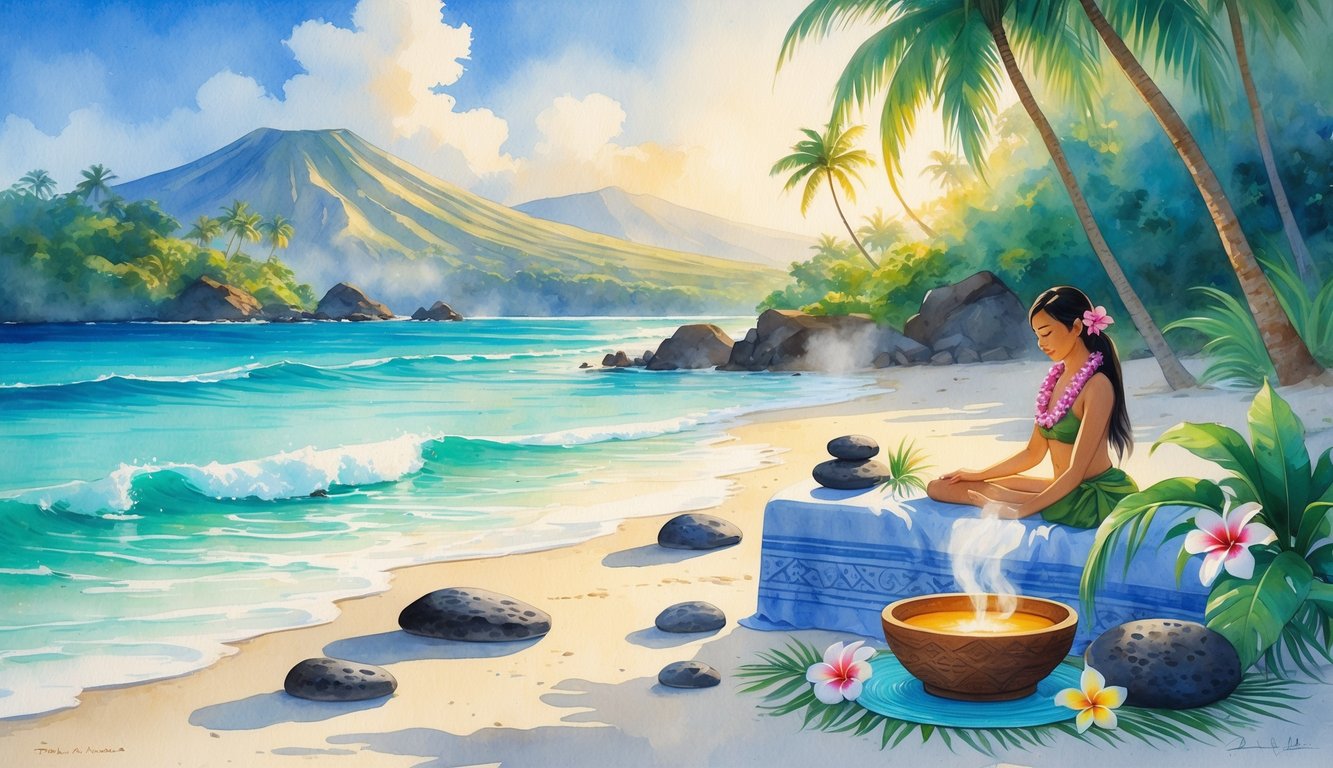
Hawaiian healing blends traditional practices with a deep respect for mind, body, and the natural world. It shows me ways to feel balanced, ease stress, and bring more joy to daily life.
Mindful Breathwork and Meditation Techniques
I like to start with mindful breathwork, known as ha in Hawaiian. Ha means breath of life, and simple breathing exercises help calm my anxiety and focus my mind.
To practice, I sit or stand comfortably. I close my eyes and take slow, deep breaths in through my nose, then out through my mouth.
I picture fresh, positive energy filling me on each inhale. On each exhale, I imagine letting go of tension or worries.
Meditation in Hawaiian tradition often goes hand-in-hand with breathwork. I sometimes choose a quiet spot and focus on sounds of nature or repeat a positive Hawaiian word like “aloha.”
This simple meditation helps me feel grounded, peaceful, and connected to my surroundings. I use this routine for just a few minutes, especially when I am feeling overwhelmed.
Even short moments of ha and meditation can support my emotional balance every day. More information on Hawaiian meditation and spiritual healing is available at Lomilomi Han Lima.
Outdoor Healing: Connecting With Nature
Being outdoors is a key part of Hawaiian wellness. I enjoy walks on the beach or short hikes among native plants.
The sights, smells, and sounds help clear my mind and lift my spirits. I pause often to soak in the sun, listen to birds, or touch a tree.
This slows me down and reminds me to appreciate the small details around me. It’s not just about exercise; it’s about mindful connection.
Water also plays a big role. I might swim, wade, or let my feet feel the ocean.
This reminds me of Hawaii’s deep respect for the healing power of nature. For those interested, there are tours and programs that teach these traditional approaches, like those listed at Halau Mohala Ilima.
Exercise and Physical Wellness
Hawaiian healing traditions value an active lifestyle. I look for ways to move my body that bring me joy, like hula, swimming, or a gentle beach walk.
These activities increase my energy and help me feel less anxious. Lomilomi massage is another practice I sometimes try.
It uses flowing movements to help relax muscles and support overall healing. When I can, I schedule a session with a skilled practitioner.
Even at home, simple stretching or mindful movement can add to my wellness. By mixing movement with attention to breath and the beauty of nature, I create a routine that supports my mind and body every day.
This approach helps me maintain balance and makes each day feel brighter. For more ideas, visit Hui Mālama Ola Nā ʻŌiwi.
Enhancing Your Diet for Holistic Health
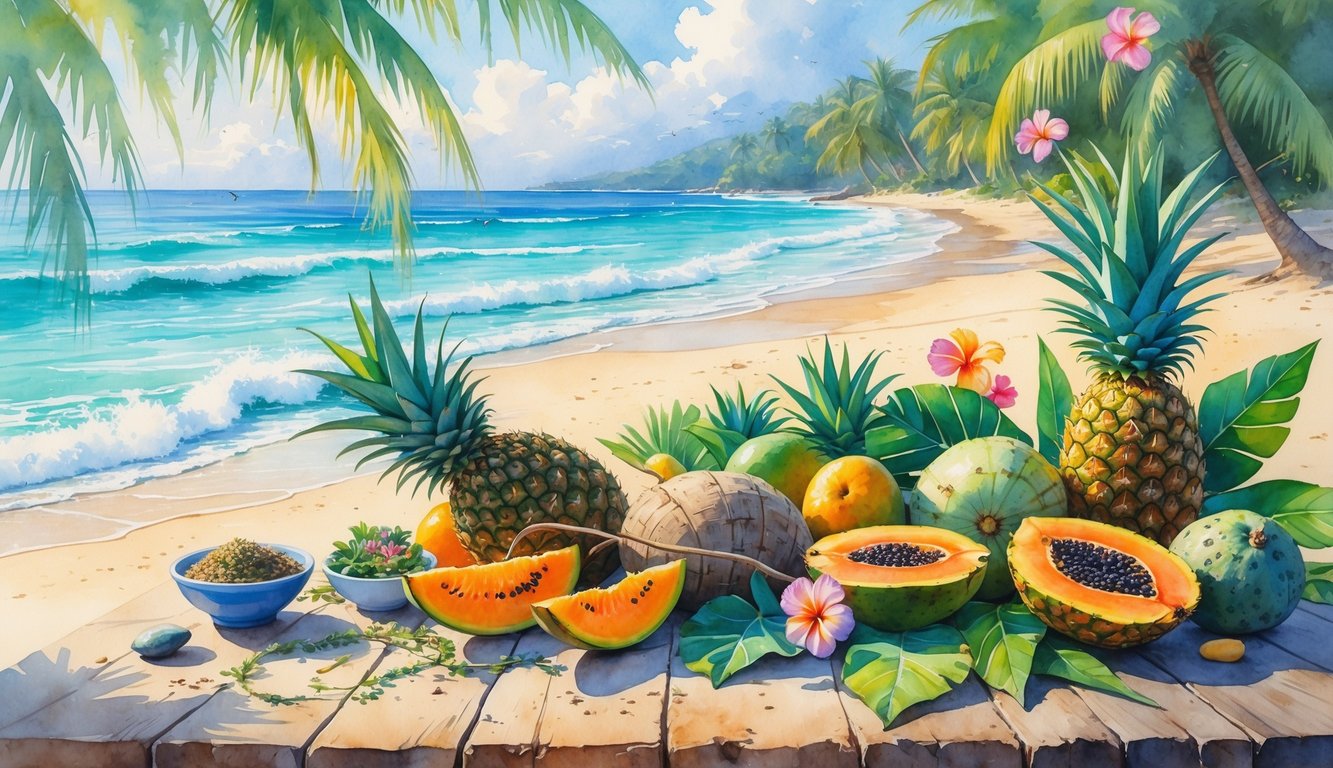
Eating traditional Hawaiian foods helps balance my body and supports overall wellness during my trip. Focusing on fresh, local ingredients also gives me a stronger connection to Hawaiian culture and natural healing.
Traditional Hawaiian Foods and Cleansing Diets
I like to start by eating foods that are important in Hawaiian culture. Poi comes from taro root and is a famous staple that is easy to digest.
I also enjoy fresh fruits like papaya and mango. These fruits are full of vitamins.
Fish such as ahi and tuna give me lean protein.
In Hawaii, a cleansing diet means eating fewer processed foods and choosing what is grown or caught locally.
I drink plenty of water and eat fresh vegetables. These habits help my body feel clean and energized.
Traditional Hawaiian diets teach me about maintaining balance and health in daily life.
Eating this way helps me respect and participate in Hawaiian culture. Simple, nourishing foods help me feel more in tune with the place and people around me.
Integrating Healing Lessons After Your Trip
After I return home, I want to keep the spirit of healing and joy alive in my daily life.
Practicing what I learned in Hawaii helps me find more balance and mindfulness wherever I am.
Bringing Practices Home
I remember a few simple Hawaiian healing practices and make them part of my routine. For example, I use deep breathing from lomilomi massage before bed to relax.
I keep a journal and write down positive things each evening. Many Hawaiians focus on gratitude in the same way.
Sometimes, I play traditional Hawaiian music or prepare meals using local fruits when I can. This helps me feel connected to the culture.
I also look for guided mindfulness videos or books inspired by Hawaiian wisdom, like those in primary care programs in Hawaii.
Cultivating Joy
Feeling joy is a big part of Hawaiian healing. Each week, I make time to spend outside, even if it’s just for a short while.
Walking barefoot in the grass or sitting in the sun lifts my mood. I focus on my relationships with friends and family.
I reach out to say thank you or simply check in. These actions help me feel more connected.
Here are a few daily actions that help me bring joy and healing into my routine:
| Action | Why It Matters |
|---|---|
| Mindful breathing | Lowers stress and calms my mind |
| Journaling gratitude | Reminds me of my blessings |
| Being in nature | Refreshes my spirit |


