
Growing up in Hawaii, I always looked forward to going to a baby luau. It’s not just any birthday party—it’s a big celebration for a child’s first birthday and a special way families come together to wish the baby good fortune and happiness.

When I take part in a Hawaiian baby luau, I join a tradition that honors Hawaiian culture and the joy of new life.
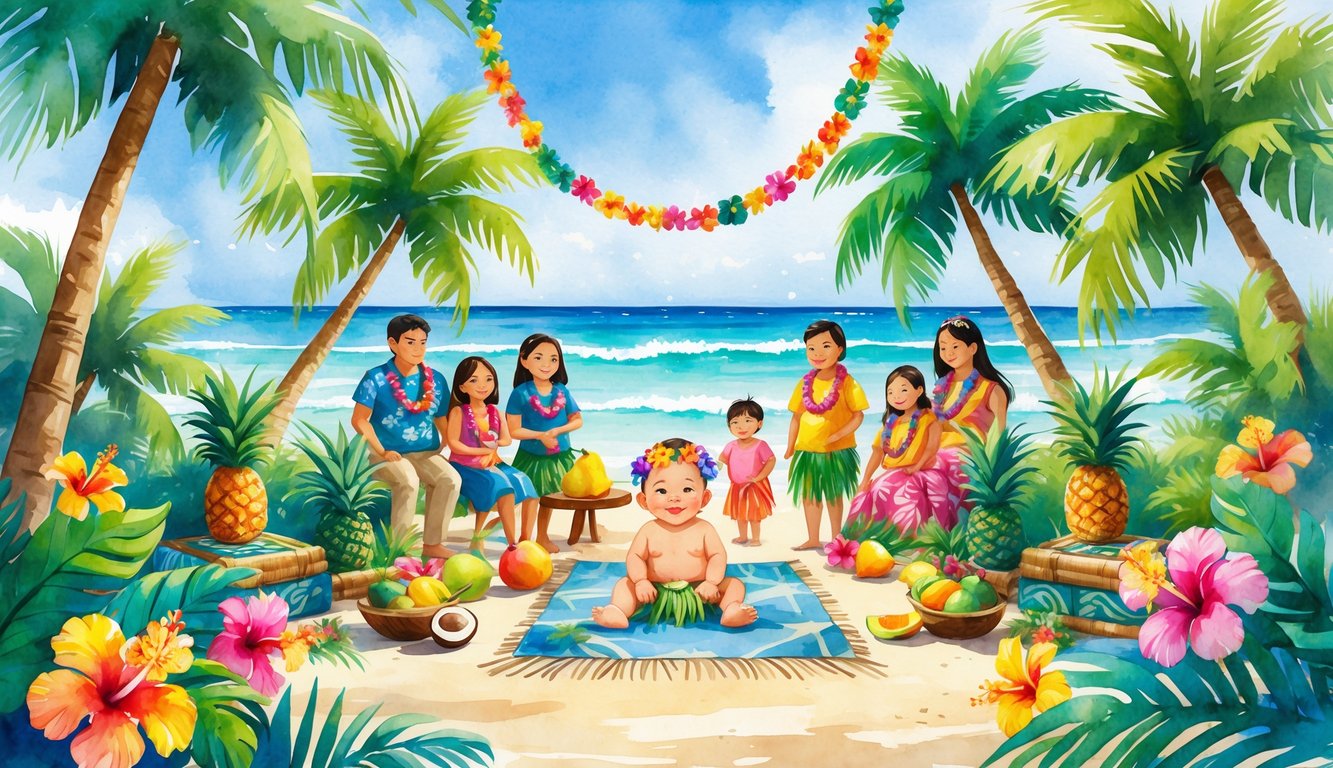
I love seeing all the decorations and tasting local foods like kalua pork and chicken long rice. Watching families and friends share laughter and music makes the event feel warm and welcoming.
Whether you’re local or new to the islands, you can join in respectfully by showing aloha and learning what to expect. Understanding the tradition helps you celebrate fully and create lasting memories.
Find out what makes a Hawaiian baby luau special and how you can take part at your best by reading on. You can also learn more about the custom at The Baby Luau – Kaʻahele Hawaiʻi.
Understanding the Hawaiian Baby Luau Tradition
The Hawaiian baby luau is a special feast that celebrates a child’s first birthday. This event honors family, history, and community through traditions passed down in Hawaii.
Cultural Significance and Origin
The roots of the baby luau come from a time when many children in Hawaii did not reach their first birthday. Families celebrated a child’s first year with a grand feast because the baby had survived the most vulnerable time.
The term “luau” developed in the mid-1800s and comes from a dish made of taro leaves and coconut milk, which families often serve at these gatherings. A Hawaiian luau features shared meals, music, and a sense of gratitude.
Today, families continue the baby luau to honor heritage and connect with their roots in Hawaii. You can learn more about these traditions by visiting this guide to Hawaiian baby luaus.
Importance of Ohana
Ohana, which means family in Hawaiian, stands at the heart of every baby luau. These celebrations bring together relatives, neighbors, and friends to support and welcome the baby into the community.
The gathering also honors parents, grandparents, and elders who care for the baby. Families share food, tell stories, and show respect for elders.
This focus on togetherness makes the baby luau different from other birthday parties outside Hawaii. More about the role of ohana appears in this article about first birthdays in Hawaii.
Traditions Unique to Baby Luaus
Several customs set a baby luau apart. Families prepare traditional Hawaiian foods like kalua pig, poi, laulau, and fresh seafood together, often starting early in the day.
During the celebration, you might see hula performances, hear Hawaiian music, or witness special blessings for the child. Decorations often include Hawaiian flowers, lei, and local art.
Guests usually give gifts to the baby, but the main focus stays on gratitude, unity, and honoring the child’s journey. Details about these unique practices are in this overview on the baby luau.
Planning Your First Birthday Party
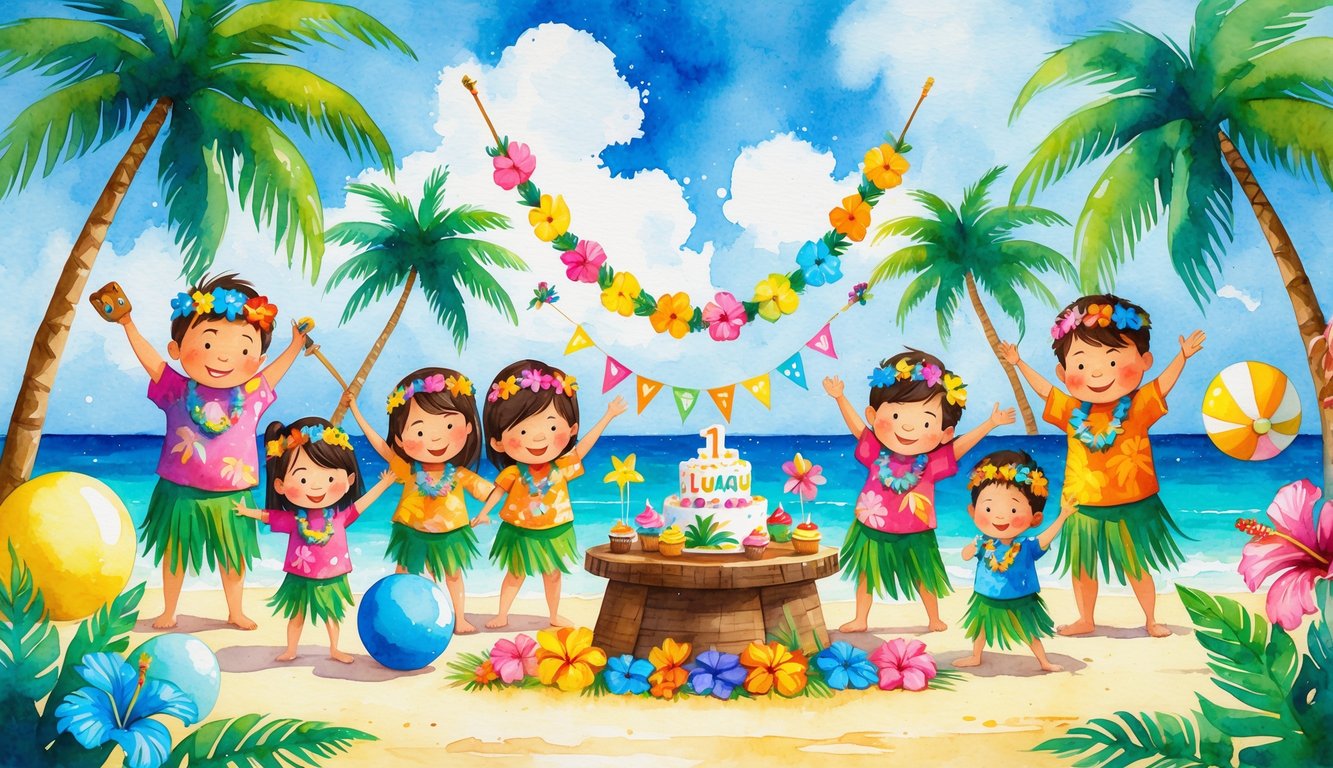
When I plan a Hawaiian baby luau, I focus on creating a joyful and welcoming party. Picking the right spot, theme, and guest list helps everyone feel like part of the ohana.
Choosing the Right Date and Venue
I check family calendars and community events to pick a date when my closest friends and family can join. For the perfect luau, I consider both indoor and outdoor spaces.
A backyard, beach, or local park can be great choices, especially if they remind me of real Hawaiian celebrations. If the weather looks uncertain, I plan a backup option like a rental hall or community center.
Access to restrooms and shade matters, especially for young kids and grandparents. Setting up tables and chairs helps with serving food, and picnic blankets add a casual touch.
I want everyone to have a comfortable place to sit, relax, and enjoy the memories.
Selecting a Luau Theme
For the party theme, I use bright tropical colors, palm leaves, and pineapple décor. Plates and napkins with hibiscus flowers or island prints make the party lively.
Leis for everyone make guests feel welcome. Classic party games with a tropical twist, like “hot potato” with a coconut or a lei ring toss, keep kids entertained.
I add touches like tiki torches or a grass table skirt for an authentic vibe. For more ideas, I check out luau party tips for kids.
Food is a big part of my luau theme. I serve fruit kabobs, Hawaiian rolls, sweet treats, and non-alcoholic punch with pineapple juice.
Inviting Friends and Family
When inviting guests, I include everyone close to my family. First birthday parties are big milestones, and sharing them with my ohana feels special.
I send invitations at least a month ahead to help everyone plan. Colorful invites with palm trees or surfboards add a festive touch.
I mention any dress code, like bright shirts or floral dresses. If the guest list is large, I use digital invites for convenience.
I keep a list so I don’t forget anyone, especially family visiting from out of town. If the party is big and the venue allows, I invite neighbors or coworkers who have become friends.
What to Wear to a Luau
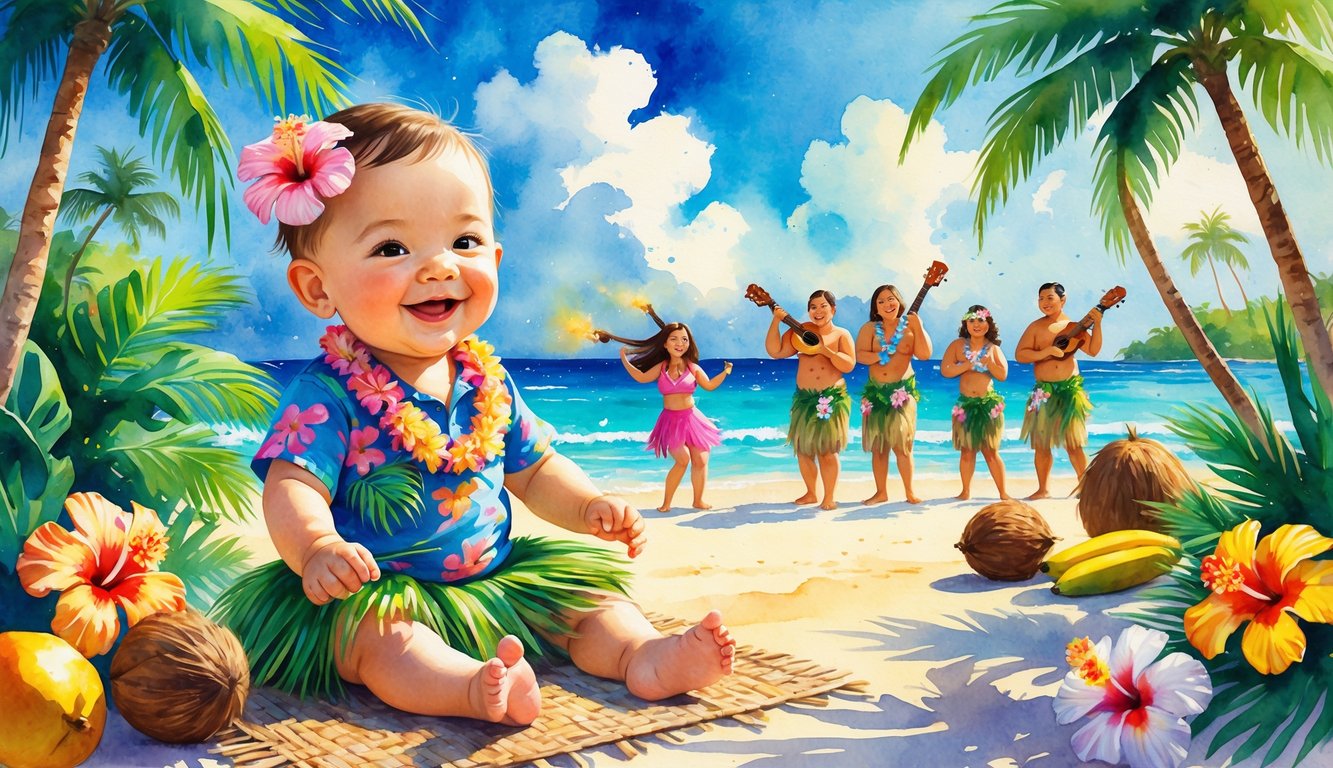
Choosing the right outfit makes a baby luau more fun and comfortable for everyone. Bright colors, light fabrics, and local touches help guests show respect for Hawaiian customs.
Traditional Attire for Adults
When I go to a Hawaiian baby luau, I wear an aloha shirt with bold floral or island patterns. These shirts feel light and cool.
Men often pair aloha shirts with nice shorts or khakis. Women usually wear a floral dress, a sundress, or a traditional muumuu.
I avoid dark colors and heavy fabrics since most luaus are outdoors. For shoes, I pick sandals, flip-flops, or go barefoot if it’s on grass or sand.
High heels sink into the ground, so I leave those at home. I add a flower lei or a flower in my hair to complete the look.
You can find more ideas for adult outfits at this guide on luau attire.
Quick Checklist for Adults
- Aloha shirt or floral dress
- Comfortable shorts or a flowy skirt
- Sandals or flip-flops
- Lei or flower accessory
Dressing Children for the Celebration
Kids can join in by wearing clothes that match the relaxed and joyful mood of a luau. I dress my child in a bright Hawaiian shirt or a cute sundress.
Matching family sets are popular and look great in photos. Comfort matters most for children, so I choose soft, loose fabrics.
Shorts, dresses, or a mini aloha shirt work well. For footwear, I pick simple sandals or let kids go barefoot, especially if the party’s on the beach or grass.
Accessories like child-sized leis or a hair flower add a festive touch. These tips help little ones feel included and comfortable.
To find more on what kids should wear, this luau clothing guide for families offers great ideas.
Essential Elements of a Baby Luau
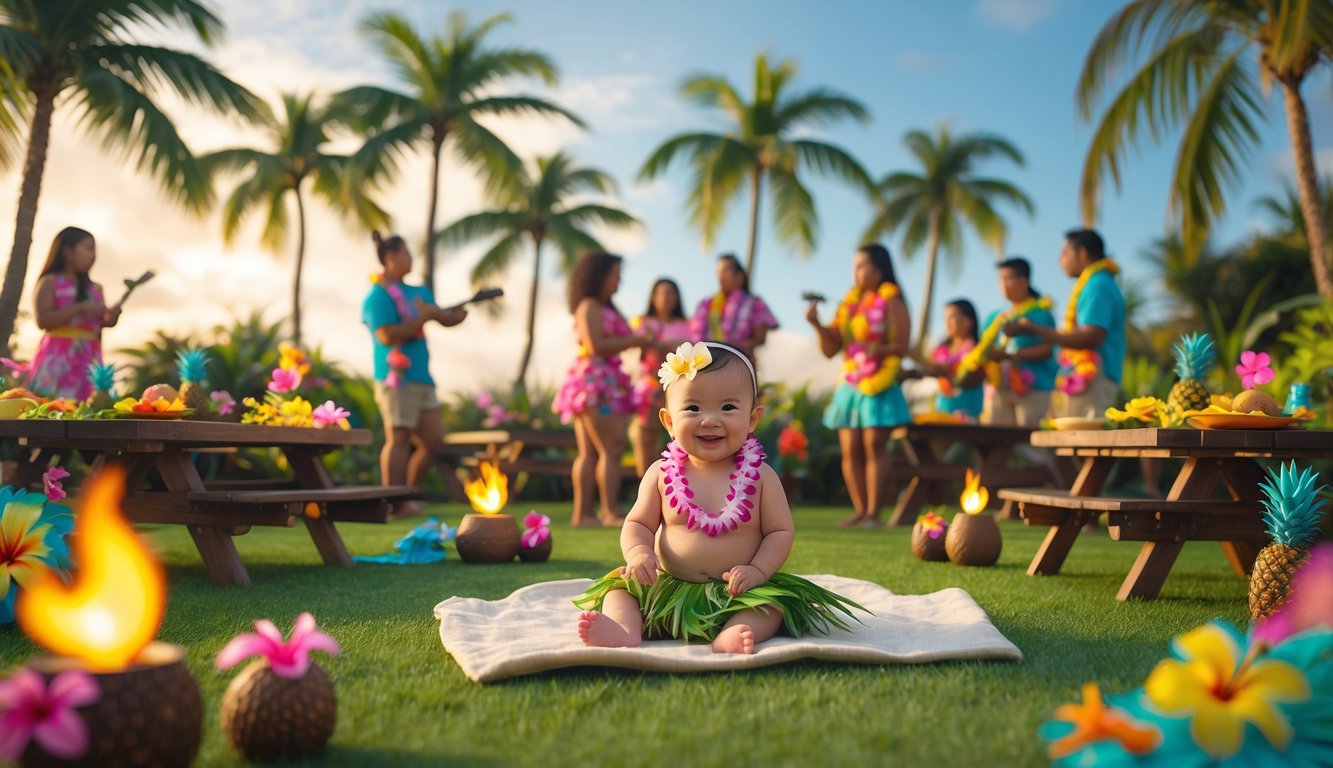
A baby luau celebrates a child’s first birthday with thoughtful decorations, traditions, and a welcoming atmosphere. The small details, from seating to showing the aloha spirit, matter most.
Luau Decorations and Setting
When I help set up a baby luau, I focus on how the space looks and feels. Bright flowers, tropical plants, and Hawaiian patterns make up the main decorations.
I use fresh plumeria or hibiscus flowers on tables and hang leis around the room. Colorful banners or signposts with welcoming messages add a fun touch.
I set up long tables for groups to sit together as ohana (family). Tablecloths in ocean colors like blue or green make the space feel relaxed.
Small palm leaves as placemats or shells as centerpieces bring the island feel to the party. These details tie the party together and give guests a sense of Hawaii.
Creating a Welcoming Atmosphere
The heart of a baby luau is sharing the aloha spirit with every guest. When people arrive, I greet them with a lei and a warm smile.
Giving a lei symbolizes love and friendship and helps everyone feel included. I arrange seating so no one feels left out.
Mixing families and friends makes it easy to meet new people. Sharing food, telling stories, and watching hula dancing brings everyone together.
I encourage guests to join in group games or singing to keep the mood light. I make sure elders feel respected and children have a place to play.
In every detail, I show kindness and help create memories that last. For more tips, I find ideas for making everyone feel welcome at a luau.
Hawaiian Food and Drinks
At a Hawaiian baby luau, food and drink are a big part of the celebration. I always look forward to tasting the mix of old traditions and tropical flavors that make these parties special.
Traditional Hawaiian Dishes
When I join a Hawaiian celebration like a baby luau, I see certain foods served often. Kalua pig is almost always the main dish. Cooks prepare the pork in an underground oven called an imu, which makes the meat smoky and tender.
Another favorite is laulau. Cooks wrap pork, fish, or chicken in taro leaves and steam it. The taste is earthy and comforting.
I also enjoy lomi salmon. This cold salad mixes salted salmon, tomatoes, and onions. It gives a salty and fresh flavor to the meal.
Sticky white rice and sweet potatoes often come on the side. If you want more ideas about what to serve, I like to browse lists like this Hawaiian luau party food guide.
Island-Inspired Desserts and Beverages
Desserts and drinks add even more color and taste to a Hawaiian baby luau. I love haupia, a simple coconut pudding cut into squares.
Sometimes, I see cakes made with tropical fruits like pineapple or mango. Macadamia nuts often appear in cookies and sweet breads.
For drinks, I might have a fruity punch or a traditional Mai Tai for adults. Kids usually sip juice with flavors like passion fruit or guava.
At bigger gatherings, hosts sometimes set up a special drink area so everyone can try something new. If you’re planning your own party, you can find a whole variety of luau-inspired desserts and drinks.
Entertainment and Activities
At a Hawaiian baby luau, there are many ways to keep everyone engaged. I like to see a mix of traditional entertainment and hands-on activities that fit guests of all ages.
Live Hawaiian Music and Hula Dancers
I always look forward to live Hawaiian music at a luau. The sound of ukulele, slack key guitar, and island songs sets a festive mood right away.
Sometimes, local musicians perform traditional chants or invite the crowd to sing along. Hula dancers add a special touch to the celebration.
Their graceful movements tell stories from Hawaiian culture. Dancers often give a short hula lesson for anyone interested in learning basic steps.
I notice even shy guests enjoy watching or trying a few moves with the group. Many party hosts offer a mini-show with dancers in floral skirts and leis.
This is fun to watch and lets everyone feel part of an authentic Hawaiian experience. For more ideas about luau entertainment, I sometimes check luau party ideas.
Games and Luau Activities for Kids
Kids have lots of energy at luaus, so I like to see hands-on games and activities for them. Classic luau party games include limbo and pass-the-coconut, which let kids move and laugh together.
Popular Luau Activities
- Face painting with tropical designs
- Lei making stations for kids to craft their own necklaces
- Pineapple ring toss
- Hawaiian Pictionary™ or charades using island-themed words
Craft tables are always a hit. Children make keepsakes like paper flowers, palm trees, or mini surfboards.
Some parties offer short lessons on hula or let kids try simple instruments. I’ve seen families use inspiration from luau activities for kids to spark new ideas.
Capturing the Memories
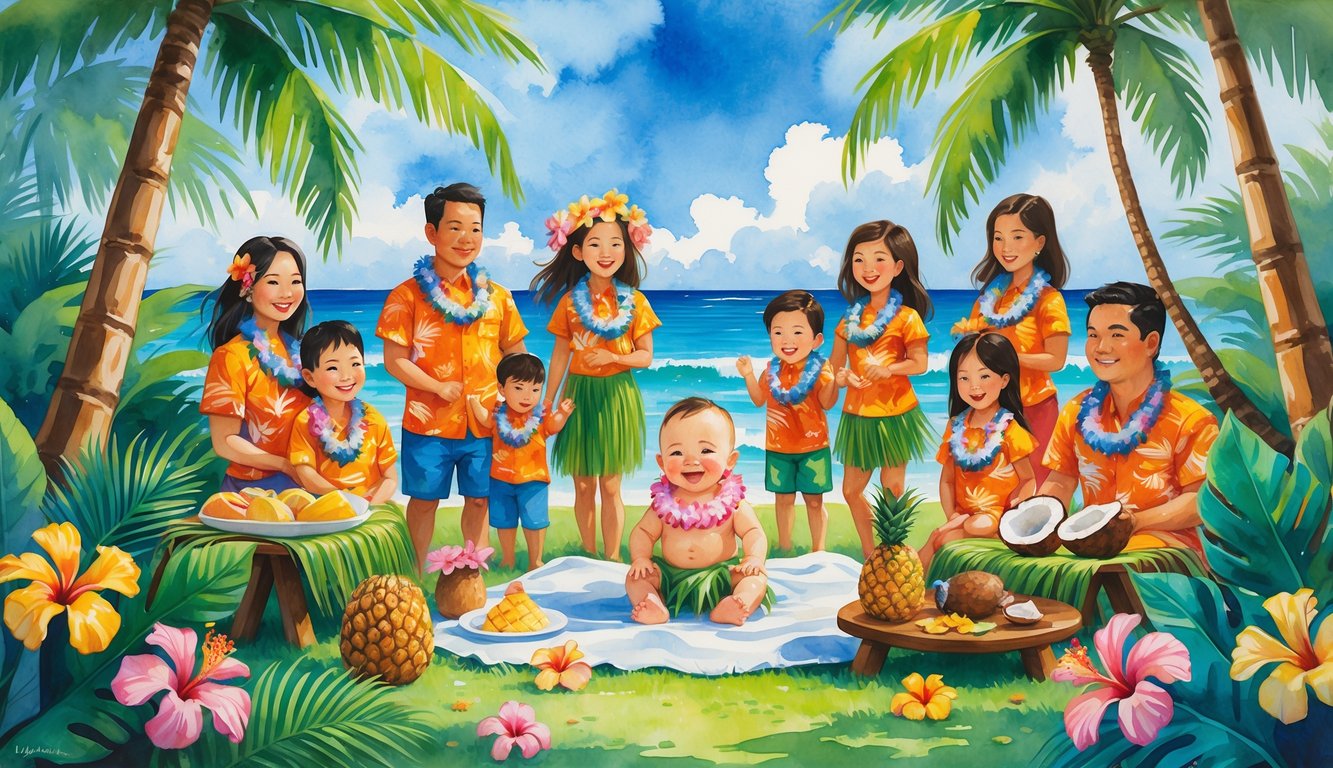
I want to remember every special moment at a baby luau, from the laughter to the tiny details that show my love for my child. Making memories helps me celebrate with everyone, so I always try to capture the luau experience in meaningful ways.
Hiring a Photographer
When I plan a baby luau, I often hire a professional photographer. A good photographer captures candid moments, group photos, and the important traditions that make each luau unique.
They use cameras and lighting to bring out bright colors and happy faces. I research local photographers who have experience with luaus or family events.
I look through their portfolios and read reviews to make sure they match my style and needs. I always talk to them about the schedule and important moments I want captured, like birthday wishes or blessing ceremonies.
A photographer helps guide us in posing for group photos and catching candid shots. This lets me focus on enjoying the day.
Later, I receive high-quality images that I can print or share with my family.
Creating Keepsakes
Besides photos, I love making keepsakes that remind me of the baby luau for years to come. Simple crafts can include guest books where friends and family write notes or wishes for my child.
For a creative touch, I might set up a table with markers, stickers, and instant cameras so guests can snap, decorate, and add their photos to the book. Sometimes I use clay or ink to make handprint or footprint art with my baby.
These keepsakes become treasured items that bring back memories each time I see them. If we exchange leis at the luau, I like to dry and press flowers from mine and frame them at home.
I also put together a photo album, scrapbook, or a memory box with tickets, napkins, or small pieces of décor. This helps me remember the sights and traditions of the luau and makes it easy to share these memories with others.
For more ideas and tips, I like to see how others document their luau celebration.
Transportation and Guest Logistics
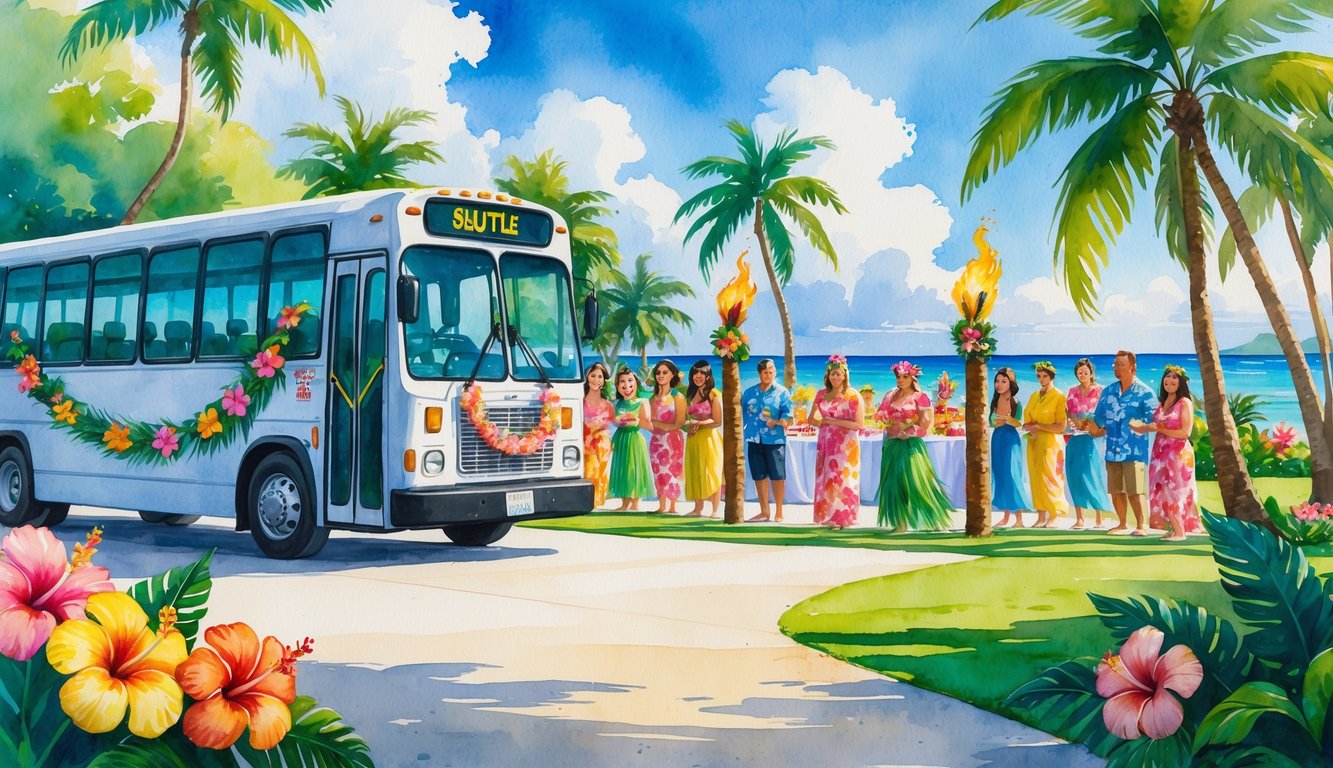
Planning transportation makes a Hawaiian baby luau less stressful for everyone. Good logistics also help guests arrive on time and find their seats easily.
Coordinating Guest Arrivals
I always suggest letting guests know the start time, location, and any parking tips ahead of time. This can be done with a simple text, email, or invitation card.
For larger luaus, I might arrange a shuttle or carpool. Some venues provide transportation for an extra fee, which helps big groups or parties far from town.
I make a guest list table with names, RSVPs, and arrival times to keep track of who’s coming and when. Early arrivals get first pick of luau seating.
It’s kind to have someone greeting and guiding guests as they arrive. When kids and grandparents come, I check with families to see if they need extra help or time getting settled.
I want everyone to feel welcome and cared for.
Accessible Parking and Transportation Options
I check parking availability well before the party. If parking spaces are limited, I let guests know in advance so they can carpool or use shuttle services near some venues.
Some luaus offer private vans or bus transport, which helps if we invite many people or have guests who don’t drive. Secure, marked drop-off spots help guests who use wheelchairs or walkers.
When venues have accessible parking, I include clear directions in my invitations. If valet or early parking is available for seniors or parents with babies, I highlight this as well.
Making arrival and seating easy means guests can focus on enjoying the special day.
Tips for a Successful Celebration
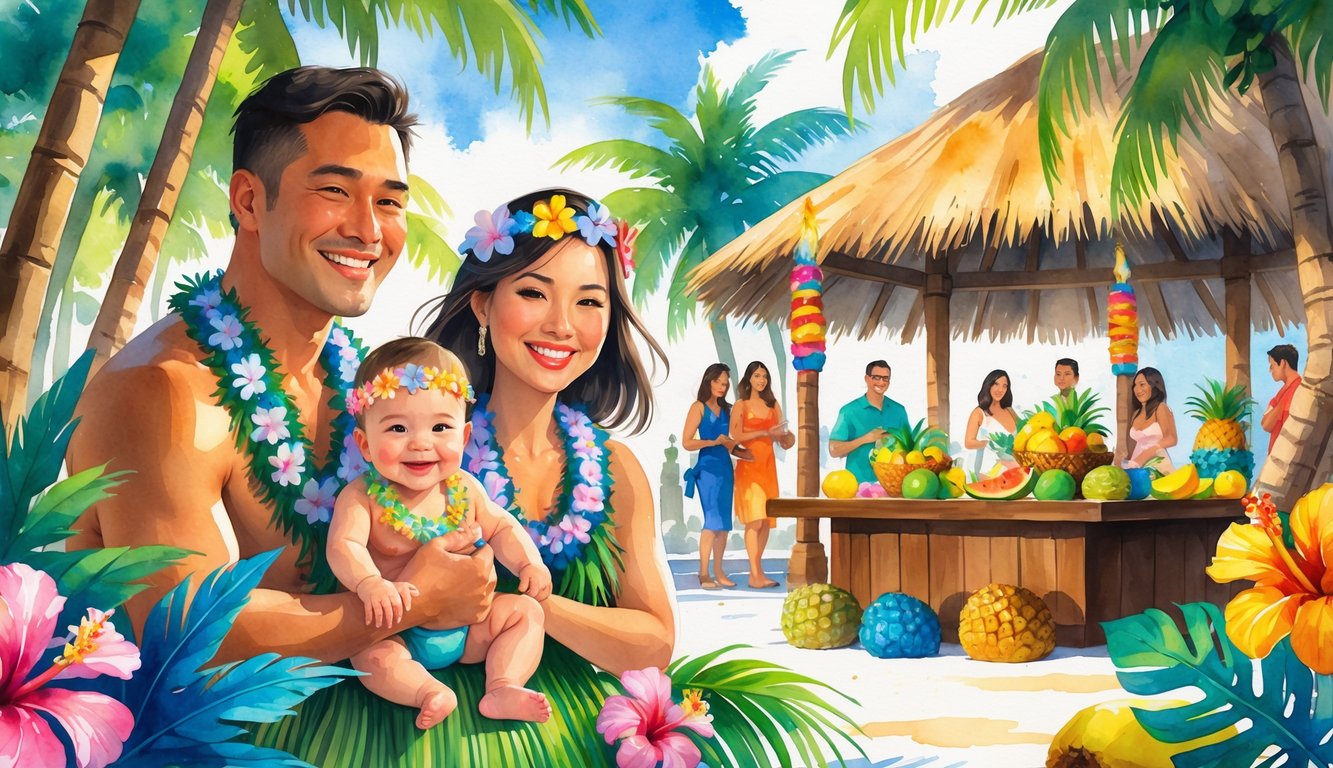
I want the luau to feel welcoming for everyone while staying true to Hawaiian roots. My goal is to create memories that bring people together and honor the spirit of ohana—family.
Blending Tradition and Modern Fun
When I plan a luau, I include both old and new traditions. I often set the mood with colorful leis, island music, and tropical decorations like palm leaves and hibiscus flowers.
In the food area, I serve classic Hawaiian dishes like shredded pork with rice, fresh fruit platters, and coconut desserts. These reflect the blend found in Hawaiian gatherings.
I also add modern snacks so everyone can find something they like. To keep the energy fun, I introduce games and activities inspired by island culture.
A favorite is a “Baby Around the World” game, where guests match the word “baby” in different languages—this printable game is both educational and entertaining. Hula dancing lessons or simple dance-offs add a lively touch and include everyone in the luau experience..
Ensuring Comfort for All Ages
Making sure everyone—kids, parents, or grandparents—has a good time matters to me.
I offer comfy seating, such as low tables with cushions.
I keep shaded areas available using umbrellas or tents to protect guests from the sun.
Since the event is for a baby, I set up a quiet spot for diaper changes and naps.
This setup makes things easier for parents.
I choose music that’s upbeat but not too loud.
This way, people can talk easily and relax.
Kids get their own activities, like coloring tiki masks or playing simple relay games.
Older guests enjoy easy-going conversation or gentle music.
Restrooms are easy to find.
I keep cold drinks and water stations filled to help everyone stay cool.


