
Living in Hawaii, I see how the weather shapes every part of our daily life, especially when it comes to growing food. Weather patterns on the Hawaiian Islands cause droughts, heat waves, floods, and strong storms that challenge farmers to keep their crops healthy.

The rain and sun aren’t always predictable, which leads to challenges like water shortages or fields getting washed out.
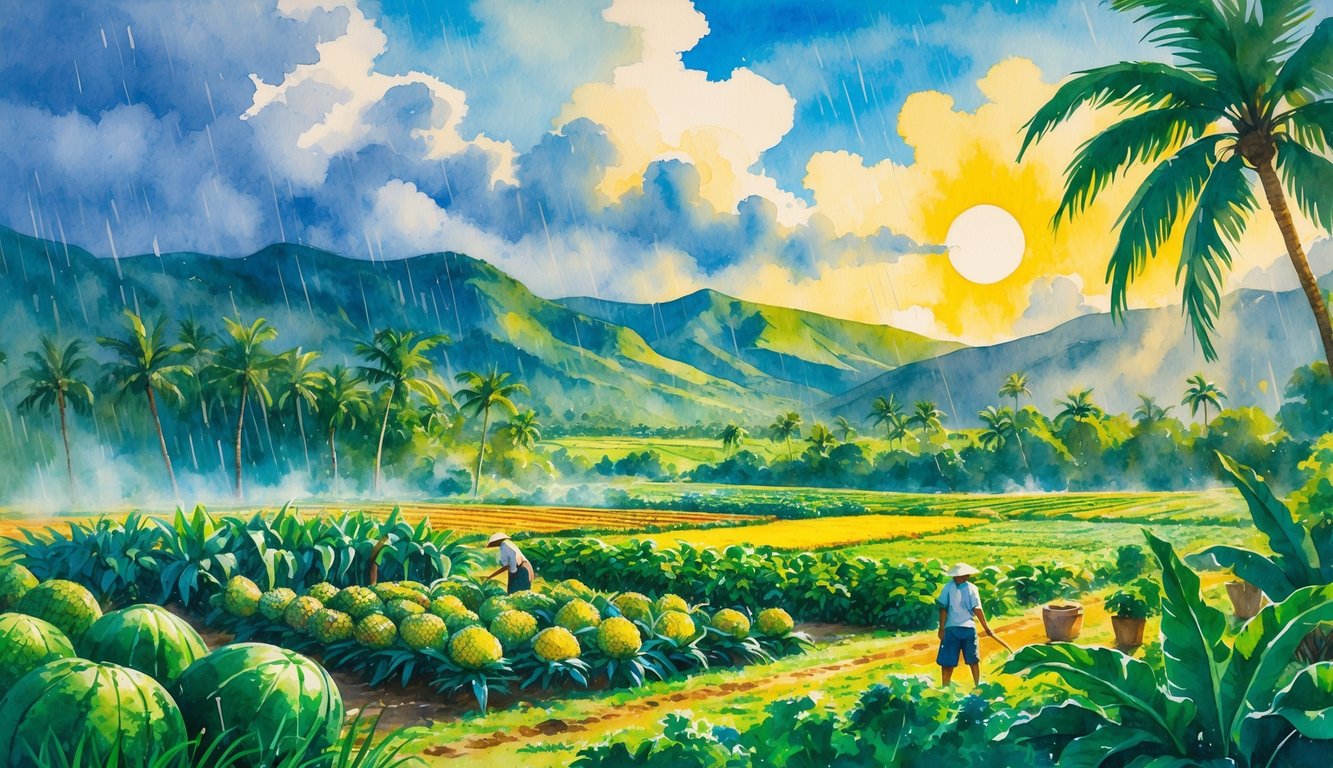
Some days, the weather changes quickly, and I know many farmers have seen their hard work ruined by unexpected floods or long dry spells. Adapting to shifting weather patterns is something anyone connected to agriculture in Hawaii must consider every day.
If you’re interested in how the unique climate affects what ends up on your table, keep reading to learn more about the trials and solutions facing local farming.
Hawaiian Climate and Weather Patterns
Hawaii’s climate has mild temperatures, steady trade winds, and big contrasts in rainfall. These weather patterns shape the growing conditions for crops and livestock across the islands.
Overview of Typical Weather Variables
I notice that air temperature in Hawaii usually stays between 72°F and 82°F at sea level all year. These steady temperatures mean crops don’t face harsh winters or extreme heat.
Rainfall varies a lot. Some spots get over 400 inches of rain a year, while others get less than 10 inches.
This difference affects what farmers can plant. Trade winds from the northeast keep things cool and bring clouds, dropping rain on the windward sides of the islands.
There is a dry season from May to October (the “kau” season) and a rainy season from November to April (“ho‘oilo”). Humidity stays moderate.
Intense storms are rare, but heavy rain can cause flash floods that damage crops and soil. You can find more climate detail in the National Weather Service’s summary for Hawaii.
Regional Differences Across the Hawaiian Islands
Each Hawaiian island has its own weather zones because of the way mountains and valleys are shaped. The windward sides get much more rainfall, leading to lush forests and wetter farmland.
The leeward (southwest) sides are much drier, so farmers there need irrigation or drought-tolerant crops. Kauai’s north side is one of the wettest places on earth, while parts of the Big Island have desert-like areas with little rain.
Temperature drops as I go up in elevation. High areas on Maui and the Big Island are much cooler, so growers can raise crops like tea and strawberries that need colder nights.
The pattern of local weather can change from one mile to the next, so farmers must plan carefully for their land. The Rainfall Atlas of Hawai‘i shows these big differences across regions.
Influence of Pacific Islands Location
Hawaii’s place in the central Pacific Ocean controls much of its climate. Warm ocean water keeps temperatures steady and prevents freezes, which allows tropical fruit and flowers to grow year-round.
The ocean feeds moisture to the trade winds, which then drop rain on the islands as they rise up mountain slopes. This is why windward sides are wet.
Weather in Hawaii connects to larger Pacific patterns like El Niño and La Niña, which can change rainfall and storm risk. The islands’ isolated position means storms are less frequent than on mainland coasts, but when they do hit, they can bring strong winds, heavy rain, or flooding.
Changes in ocean temperature also influence rainfall and growing seasons. Studies from the Hawaii Conservation Alliance show that future temperature increases and changing weather patterns could affect local agriculture.
Major Weather Events and Their Impact on Agriculture
Hawaii’s unique climate means its farms face different types of extreme weather. Each event—like drought, floods, or high winds—hits crops, livestock, and the land in different ways.
These issues damage food production, hurt the local economy, and change how we grow and harvest.
Drought and Water Scarcity
During droughts, I see fields turn dry and streams run low. Crops like taro and leafy greens wilt without enough water.
Fruit trees stop growing as fast, and sometimes entire harvests are lost. Ranchers struggle to feed cattle when pastures dry up.
Less rain means higher costs for irrigation. Some farmers dig new wells or buy water, stretching tight budgets.
In the past decade, droughts have caused lower yields and financial stress for many growers in Hawaii. When water is scarce, soil health gets worse, making recovery hard even after rain returns.
Long-term drought also puts native plants and forests at risk, leading to more erosion and fewer natural habitats. Keeping crops alive during drought means making hard choices about what to plant and how much to grow.
Flooding and Rainfall Extremes
Sometimes, too much rain falls in a short time, causing flooding. I have seen farms underwater after heavy downpours or storms.
Fields of vegetables can disappear almost overnight. Roads and equipment may be damaged, making it hard to harvest crops or move supplies.
Flooding and rainfall extremes wash away seeds and soil. Erosion strips nutrients from fields and leaves them less fertile.
Flooded soils create muddy conditions that lead to plant diseases or attract pests. In 2021, parts of Hawaii dealt with severe floods that ruined both crops and farm infrastructure.
Some crops, like taro, can handle a lot of water, but too much is still a problem. Standing water drowns roots and slows recovery.
When heavy rain is coming, I check for blocked streams and try to protect the most valuable crops first.
Wind and Storms
Strong winds and storms, including hurricanes, threaten our islands. I brace for high winds by staking young trees and covering fragile plants.
Hurricanes, which reach Hawaii less often than some places but still pose a big risk, can flatten whole rows of banana or papaya trees. Wind breaks branches, strips leaves, and can blow fruit off before it is ready.
Some years, strong Kona winds destroy greenhouses or plastic tunnels, leaving crops exposed. The impact of strong storms on livestock is also serious.
Fences and shelters for cattle and poultry can collapse or blow away, leading to animal loss and extra repair costs. After big storms, salt spray sometimes coats fields near the coast.
This salt harms soil and delays replanting for weeks or months. I try to plan ahead, but each storm brings new surprises.
Heat Waves and Temperature Spikes
Hot spells are getting more common and last longer than when I was young. During a heat wave, leafy greens wilt fast and fruits can sunburn.
Cattle and poultry may drink extra water but still get stressed, which impacts growth and egg-laying. Temperature spikes disrupt flower and fruit development.
Crops like strawberries, tomatoes, and lettuce are very sensitive to high heat. Yield and quality both drop if fields stay above average temperatures for too long.
Climate changes, including warmer days and nights, have already shifted when some crops bloom or are ready for harvest. High temperatures speed up water loss from soil, making droughts even harder to manage.
When I notice a heat wave coming, I try to shade young plants or water them early in the morning. Adaptations take extra work and money, and not every farmer can keep up with these changes.
Weather Effects on Crop Growth and Yield
Weather shapes every part of how well crops grow in Hawaii. Changes in rainfall, sunlight, and temperature directly decide how much food and produce farms provide each year.
Crop Production Cycles
Hawaii’s tropical climate allows for year-round farming, but weather patterns still make a big difference. Wet and dry seasons tell me when to plant and harvest.
Heavy rains during the wet season can cause flooding or waterlogged fields, delaying planting or damaging young seedlings. Dry periods can cause stress for crops if there isn’t enough water.
For example, I’ve seen lower yields in times of drought because the plants didn’t have enough moisture to grow strong. Some crops, like pineapple, need specific weather conditions for fruit to develop properly.
Fast changes in temperature or storms can harm flowers or fruits, lowering the amount I can harvest. I adjust my planting schedule to match the forecast.
Farmers in Hawaii closely track weather to protect and get the most out of their crops.
Sunlight and Photosynthesis
Sunlight drives photosynthesis, the process that lets crops turn light into energy. In Hawaii, I rely on steady sunlight for good crop growth.
Too many cloudy days slow photosynthesis, so plants grow slower and may produce less. Each crop needs a certain amount of daily sunlight.
Sugarcane and corn require full sun, while some leafy vegetables can grow with less. If storms or cloudy weather cover the sky for days, I notice slower plant growth and smaller harvests.
The angle and intensity of the sun change through the year. During certain months, sunlight is stronger, improving growth.
Monitoring sunlight hours helps me decide when to plant specific crops for the best results. Crop production is influenced by shifts in sunlight and weather patterns across the seasons.
Irrigation Practices
Rainfall in Hawaii is different from area to area. Some regions get frequent showers, while others are much drier.
I depend on natural rain whenever possible, but I use irrigation systems if the rain is not enough. It’s important for me to track rainfall data every week.
During dry spells, I need to water crops more often. This means using drip irrigation or sprinklers to make sure each plant gets enough moisture.
Too much rain can hurt roots and cause diseases, while too little can cause plants to wilt or stop growing. Managing water is key for healthy crops and strong yields.
Adaptation, like changing my irrigation schedule or using water-saving methods, helps during unpredictable weather. Irrigation practices in Hawaii must respond quickly to weather changes to support crop growth and yield.
Impacts on Key Agricultural Sectors
Weather on the Hawaiian Islands influences what and how much food I can produce. Temperature, heavy rain, drought, and storms all affect staple crops, animal farming, and seafood availability in different ways.
Sugarcane and Sugar Production
Farmers grow sugarcane best when rainfall is steady and the weather stays warm. Drought years make it tough for sugarcane fields to get enough water, which means harvests might shrink.
Too much rain can cause floods that wash away soil and nutrients and hurt root systems. Hotter days can make sugarcane grow faster, but extreme heat or unusual storms stress the plants.
Strong winds from storms might lay stalks flat, making harvest impossible. When rainfall patterns change, many farms spend more money on irrigation or let some fields rest.
In the past, large sugar plantations covered Hawaii. Now, only a few remain because of weather changes, high costs, and competition.
This shift has changed how farmers produce and ship sugar out of the state. For more on local effects of climate on crop production, you can read about the impact of climate change on Oahu’s farms.
Cattle and Livestock
Ranchers in Hawaii rely on healthy grasslands and regular rainfall to raise cattle. Dry spells hurt pasturelands and make it harder for cattle to find enough food.
In severe droughts, ranchers buy feed, sell cattle early, or bring in water for the animals. Flooding after storms makes grazing difficult and can spread disease.
Heat stress lowers milk production and makes cattle lose weight or get sick faster. The health of herds depends on reliable weather, so ranchers use weather forecasts to plan and protect their animals.
Grass grows best in steady, moderate weather. Inconsistent conditions force ranchers to adjust when and where cattle graze.
When rainfall is too heavy, muddy ground can injure hooves or lead to infections.
Aquaculture and Fisheries
Farmers raising fish and other aquatic life need stable ocean and freshwater conditions. Storms and heavy runoff raise water temperatures or lower oxygen, which hurts sensitive fish species and shrimp in ponds.
Major floods cause sudden changes in water quality, making it tougher to keep stocks healthy. Bad weather sometimes damages nets, cages, or coastal tanks.
Heavy waves and runoff may bring in pollution or diseases that can wipe out entire batches of fish. Droughts lower the flow of freshwater, raising salt levels and stressing stock.
Farmers monitor both short-term storms and longer, drier spells. They also pay attention to long-term weather trends and environmental impacts on Hawaii because these change harvest timing and seafood health.
This helps plan restocking and ensure quality for buyers.
Climate Variability and Change
Seasonal shifts and large climate patterns like ENSO shape Hawaii’s weather. These changes have lasting impacts on farming, while better forecasting helps farmers manage risks.
ENSO and Seasonal Weather Shifts
The El Niño–Southern Oscillation (ENSO) is a natural event that causes big swings in Hawaii’s seasons. During El Niño years, farmers often see drier winters and warmer temperatures.
This can mean drought, making it tougher to grow crops that need lots of water. In contrast, La Niña events usually bring more rain.
Sometimes, heavy downpours cause flooding, which can damage fields and delay planting. Some Hawaiians use traditional agriculture, and sudden shifts can hurt their yields or make planning hard.
The table shows common ENSO effects on Hawaiian agriculture:
| ENSO Phase | Likely Weather | Key Agricultural Impact |
|---|---|---|
| El Niño | Drier, warmer winters | Drought stress, reduced yields |
| La Niña | Wetter winters | Flooding, soil erosion, lost crops |
Knowing these patterns helps farmers plan for the coming season.
Long-Term Climate Change Effects
Since the 1950s, Hawaii’s average temperature has risen by about 2 degrees Fahrenheit. This makes it harder to predict what the growing season will be like.
Rainfall patterns have changed too, with some areas getting less rain and others experiencing floods. Longer heat waves put stress on both plants and people.
More extreme weather, like wildfires and storms, is a growing concern. When droughts last longer, soils dry out and crops can fail, reducing harvest and profits.
Higher sea levels threaten farmland near the coast. Saltwater can get into the soil, making it unsuitable for many crops.
Forecasting and Adaptation Strategies
Weather forecasting tools have improved. Farmers use apps and local reports to watch for storms or drought, giving extra time to prepare fields.
Forecasts let farmers change planting schedules or pick different crops that can handle the expected weather. Some in Hawaii turn to drought-resistant plants or use drip irrigation to save water.
Other strategies include building barriers against floods and restoring stream channels to handle heavier rain. Sharing information with neighbors and joining community groups helps farmers learn new ways to deal with shifting weather.
Local governments in Hawaii work to develop strategies that involve the community, protect water sources, and respond to threats quickly.
Risks from Extreme Weather and Environmental Stress
Hawaiian farms face many unique challenges from rough weather and environmental changes. These risks affect crops, soil quality, and even the amount of freshwater available for farming.
Hailstorms and Storm Damage
Hailstorms are rare in Hawaii, but when they happen, they can ruin crops like lettuce, taro, and sugarcane. The impact depends on the size and amount of hail.
Even a short hailstorm can shred leaves, bruise fruit, and break plant stems. Wind and heavy rain that come with storms can flatten young crops and topple trees.
Storm damage often means lower yields and higher repair costs. For some farmers, insurance and disaster aid do not always cover the losses.
Extreme weather can also disrupt transportation and supply chains. This can delay sales and spoil produce that cannot reach the market quickly, as seen with severe weather impacts in recent years.
Frost and Temperature Extremes
Frost is not common in most of Hawaii, but farms at higher elevations, like on Mauna Kea or Haleakalā, face higher risks. Frost can kill young plants or stunt their growth.
Some tropical crops, including bananas and papayas, are very sensitive to cold snaps. Sudden drops or spikes in temperature can stress plants and lead to weaker harvests.
Extreme heat dries out soil and increases the need for irrigation. If the weather stays too hot or cold, some crops might not pollinate or set fruit at all.
Farmers in these areas use frost cloth, mulch, or other barriers to protect against cold nights. Keeping a close eye on weather forecasts is important, especially when sudden temperature changes can happen with little warning.
Soil Erosion and Saltwater Intrusion
Strong rainfall can wash away the top layer of soil, taking nutrients with it. Soil erosion leaves fields less fertile and can block streams with mud, hurting fish and plants downstream.
In places with steep slopes or loose soil, the risk of erosion increases a lot during heavy downpours. Saltwater intrusion is another problem, especially on low-lying land near the ocean.
When sea levels rise or storm waves push saltwater inland, salty water can seep into freshwater wells and fields. This makes the soil sour and harder for crops to grow.
To fight these problems, farmers plant grass along field edges and build terraces to slow water runoff. Water testing is important to catch early signs of coastal erosion and saltwater damage, which are getting worse with climate change.
Economic and Social Implications
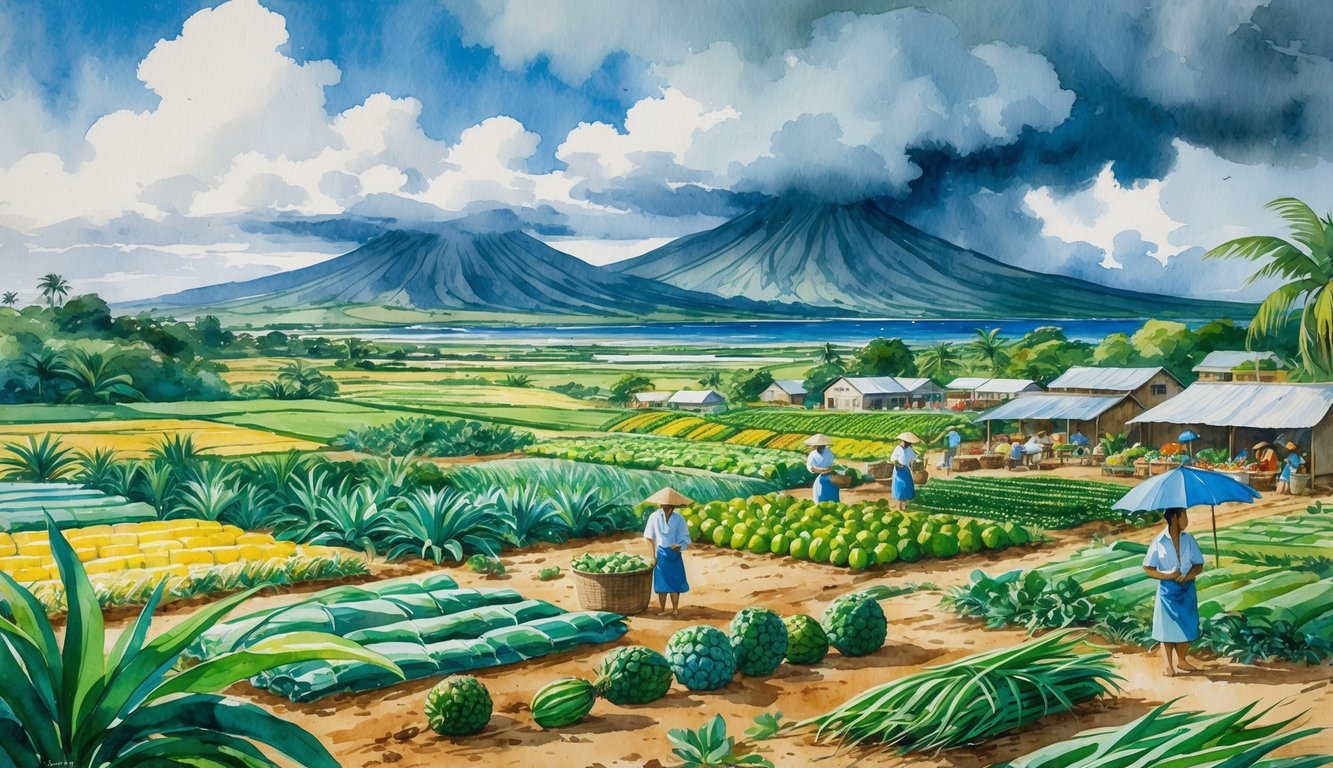
Changing weather has affected farmers’ incomes, food supply, and the way crops are grown in Hawaiʻi. Extreme conditions hurt not just the economy but also the daily lives of local communities.
Economic Impact on the Agriculture Sector
Weather disasters like drought and flooding can damage crops and reduce harvests. When this happens, many farms lose income, and the whole state’s economy feels the hit.
In 2022, agriculture brought in about $0.7 billion to Hawaiʻi’s economy. That was just 1.1 percent of the state’s total, but it supports thousands of jobs.
Severe weather can make it hard to deliver farm products, leading to supply chain problems. Businesses that rely on local produce may need to import more food, which costs more money.
Flooded fields and prolonged droughts also cost farmers extra in repairs and lost time. Crop failures mean less money to invest back into farms and equipment, which slows future growth.
Food Security and Diversified Agriculture
When weather disrupts farming, food security drops. If local crops fail, Hawaiʻi must rely even more on imports.
Imported food often costs more and is less fresh. If shipping gets delayed, stores might run low on fresh produce.
Diversifying crops helps. If farmers plant more than one type, a bad storm won’t wipe out everything at once.
Many have started growing new fruits, vegetables, and even coffee. This makes it less likely for one bad event to ruin the whole harvest.
By focusing on diversified agriculture, farmers can keep the local food supply steady, even when the weather is unpredictable.
Sustainable Practices and Diversification
Sustainable farming practices help protect against weather risks. This means using less water, planting cover crops to keep soil healthy, and avoiding chemicals that hurt the land.
Many farmers invest in drip irrigation and harvest rainwater, which helps during dry spells. Diversification is another key.
If farmers rely on just one crop, risk goes up. By raising different plants and animals, farmers can better handle weather changes.
Sustainable and diverse farming helps keep people employed and supports a stronger local economy. It also means families can get more of their food from nearby farms, which is better for everyone and helps reduce economic consequences from severe weather.
Challenges for Indigenous and Local Communities
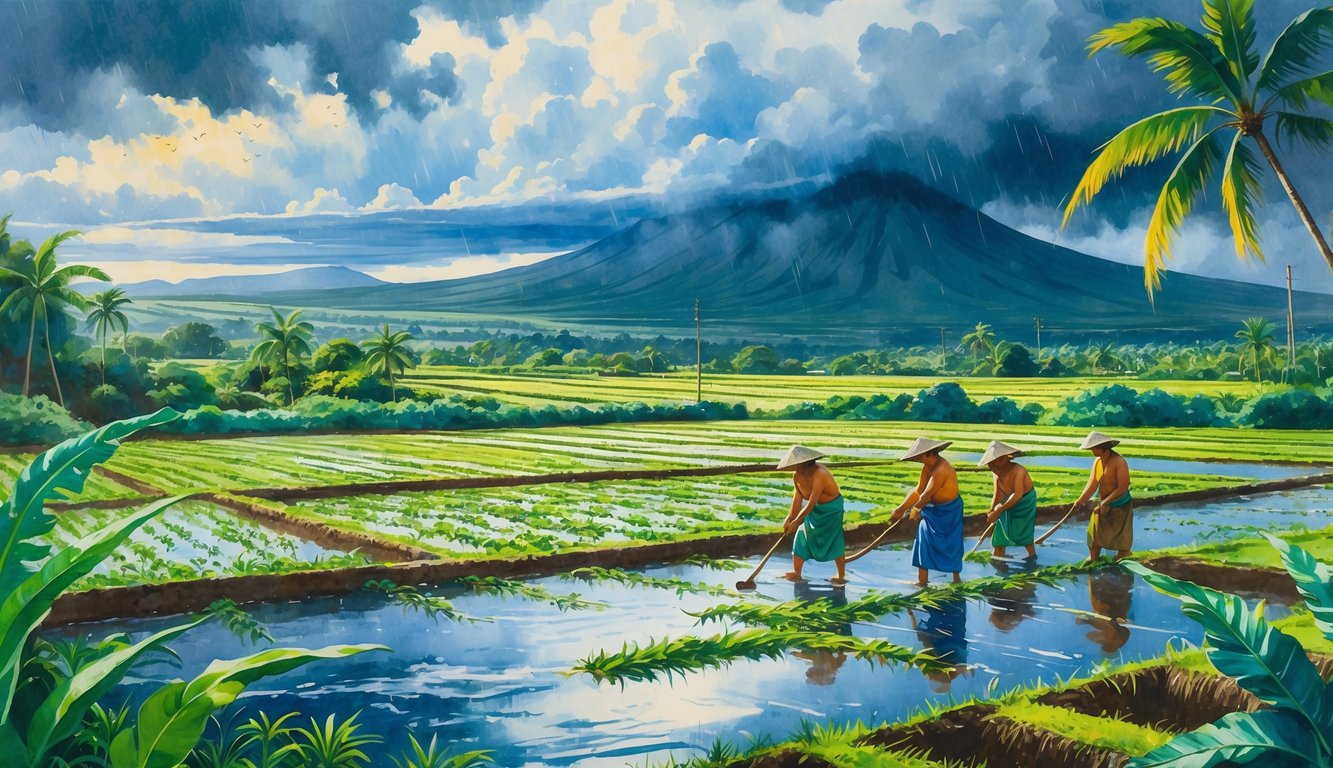
Weather changes in Hawaii have made it harder for farms to follow old traditions. New problems threaten food security and change the way families use the land.
Traditional Farming Knowledge
Native Hawaiian farmers use techniques passed down for generations. These include taro (kalo) patches and fishponds (loko iʻa) designed to fit island weather patterns.
Today, unpredictable weather like drought and heavy rains disrupt this balance. When a drought dries up streams, taro fields cannot flood enough.
Sudden floods can damage soil and ruin crops, making it hard to keep centuries-old practices going. Some families now balance new technology and traditional ways to keep their lands productive.
Workshops and community groups share advice to help farmers adapt. Many fear losing traditional knowledge if conditions keep changing.
Efforts blend kupuna (elder) wisdom with new methods, so farming can still support families in changing times. More about climate impacts on Native Hawaiian agriculture and culture can be found online.
Cultural and Social Adaptations
Weather affects more than just fields and farms in Hawaii. When the land cannot provide as before, families pay higher food costs and lose access to local produce.
Indigenous communities show resilience. Elders lead community meetings to discuss water rights and share stories about adapting to change.
People adjust traditional ceremonies to honor the land and crops so cultural values stay strong.
Community gardens and school programs teach keiki (children) to plant and harvest using Indigenous methods. These lessons help the next generation feel connected to their heritage, even as Hawaiʻi faces new climate threats.
For more about how local and Indigenous knowledge shapes adaptation, see this federal climate report.
Emerging Issues and Future Outlook
Hawaiian farmers face new challenges from changing weather patterns. Rising temperatures, shifting rainfall, and stronger storms all affect how people grow food and care for animals.
Pest and Disease Pressure under Changing Weather
As the climate warms, some pests stay around longer each year. For example, fruit flies and other insects that damage crops now have longer breeding seasons.
Increased rain and humidity bring more fungal diseases to plants. These challenges threaten food harvests and increase the cost and labor needed for farming.
Managing pests and diseases gets harder and sometimes requires extra chemicals or new techniques.
Below is a quick view of changing threats:
| Weather Pattern | Effect | Main Concern |
|---|---|---|
| Higher humidity | Boosts fungal and bacterial growth | Fungal plant diseases |
| Warmer winters | More pests survive | Longer pest infestations |
| Heavy rain | Spread of crop diseases | Crop losses and spoilage |
Recent climate studies show that these risks will likely keep growing if weather trends continue.
Heat Stress on Crops and Livestock
Higher temperatures cause heat stress, which makes crops wilt or stunts their growth. When crops get too hot, fruit and vegetable yields drop.
Prolonged heat increases water needs, but rainfall can become unpredictable. Livestock, like cattle and chickens, also suffer during heat waves.
Milk and egg production fall when animals overheat. Animals drink more water and may get sick more often when it stays hot for a long time.
If water is scarce, it puts extra strain on everyone involved.
Prospects for Weather-Resilient Agriculture
To manage these risks, I am trying new strategies.
I use shade structures, drought-resistant plant varieties, and improved water systems to protect my crops and animals.
For livestock, I rely on fans, water sprinklers, and cool shelter areas.
Many farmers switch to crops that need less water or that can handle salt from rising sea levels.
Teams at universities and research centers work with growers like me to find more solutions for a future with more extreme weather.


