
I never get tired of snorkeling in Hawaii. The islands have clear water, colorful fish, and coral reefs that make every swim exciting.

You can find the best snorkeling in Hawaii at places like Hanauma Bay, Tunnels Beach, and Poipu Beach. I’ve seen sea turtles, bright fish, and even dolphins up close at these spots.
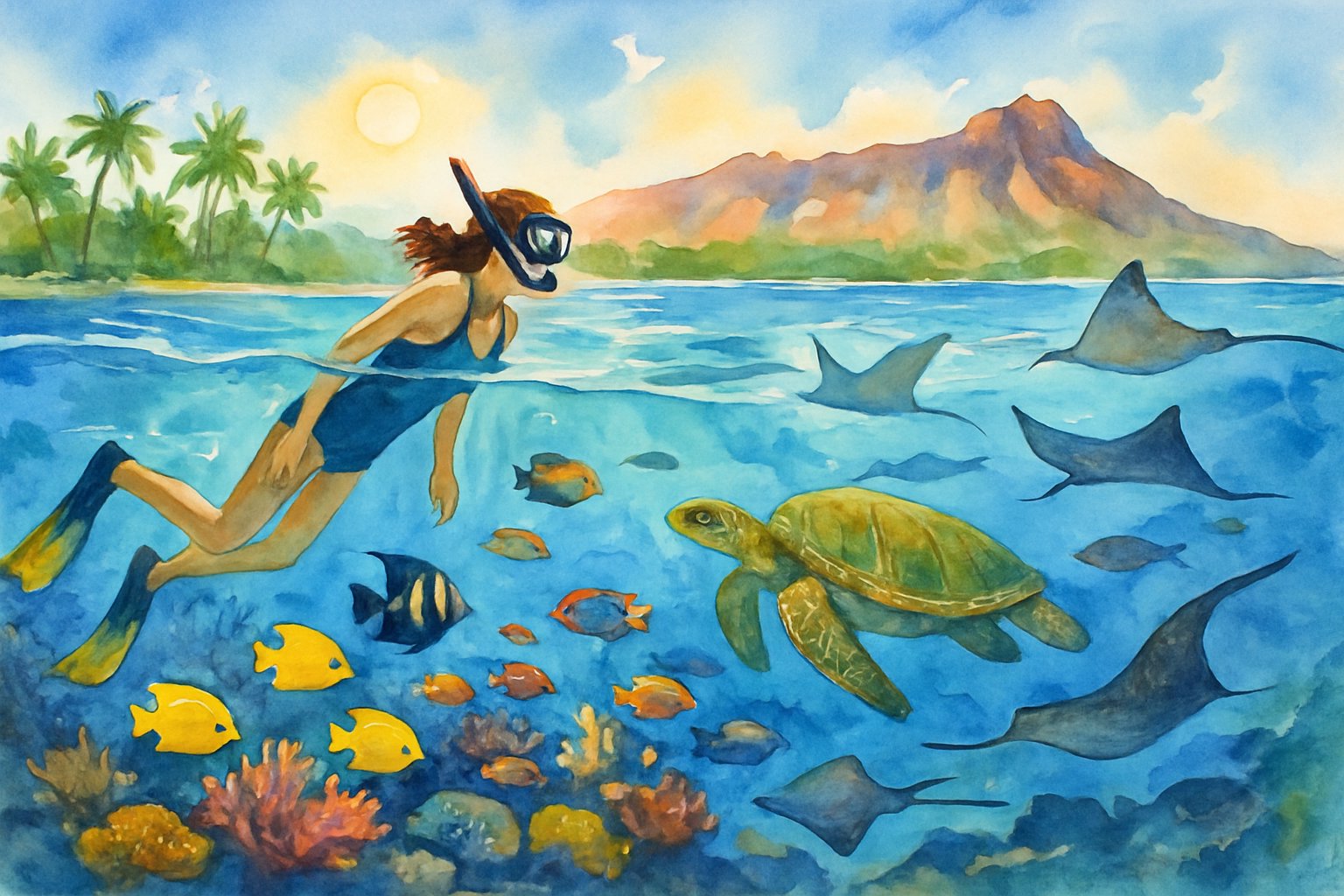
If you’re planning a trip, it helps to know where to go and what to expect. I’ll share my favorite spots and give you tips so you can have an amazing experience, whether you’re a beginner or have snorkeled before.
Floating above a reef and seeing all the life below you is special. Hawaii makes it easy to discover this world, and I want to help you find the best locations for your snorkeling adventure.
Why Hawaii Is a Top Snorkeling Destination
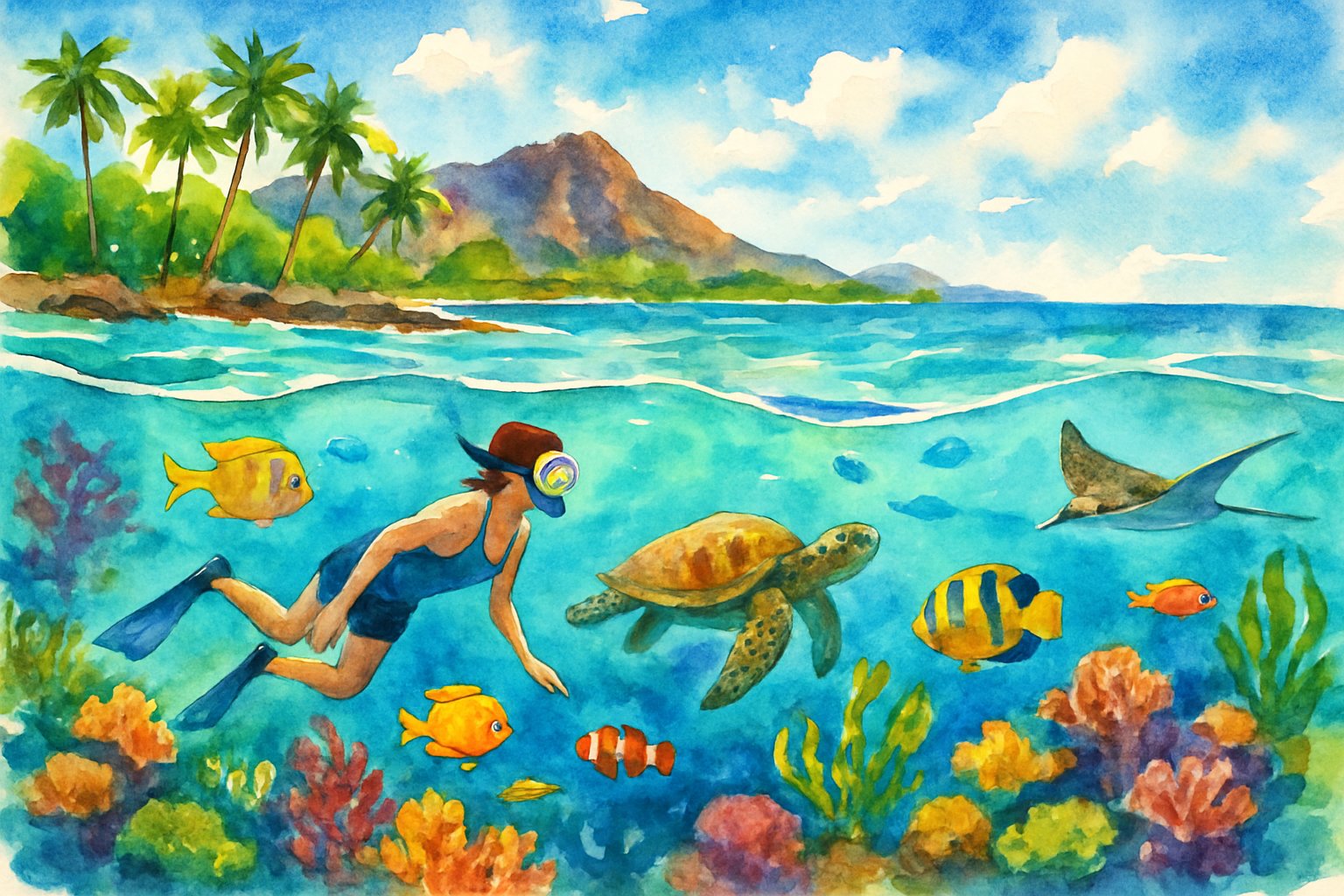
I love snorkeling in Hawaii because the water is clear, the marine life is lively, and the beaches are welcoming. Each island offers something different, from unique fish to colorful coral and gentle ocean conditions.
Unique Marine Ecosystems
When I snorkel in Hawaii, I notice how rich and varied the marine life is. These islands are home to hundreds of fish species, and many live only here.
I often spot bright yellow tangs, butterflyfish, and green sea turtles swimming by. Hawaii’s isolated location in the Pacific means many marine species have adapted just for this region.
I sometimes see the Hawaiian monk seal, one of the rarest seals in the world. Seeing these creatures up close makes each snorkeling trip memorable.
For more details, check out Hawaii’s unique marine biodiversity.
Abundance of Coral Reefs
Hawaii’s coral reefs are beautiful and easy to reach from many beaches. Sometimes, I just swim a short distance from the shore to find large coral formations.
These reefs give shelter to fish and other sea life, creating a colorful underwater scene. Common reef-building corals include rice, finger, and lobe corals.
These reefs support many fish and invertebrates. Healthy reefs also help keep the water clear and protect the coastline.
Top snorkeling spots like Hanauma Bay and the Kona coast are known for their abundant coral reefs and protected areas. Exploring these reefs feels like swimming through a natural aquarium.
Year-Round Ideal Snorkeling Conditions
Hawaii’s weather is reliable for snorkeling. The islands have warm temperatures all year, so I don’t worry much about timing my trip.
The water is usually calm, especially on the leeward (west and south) sides of the islands. On the Big Island’s Kona side, rain and rough surf are less common, making it one of the best places for consistent snorkeling.
Clear water lets me see farther, and early mornings often have the calmest seas. These gentle and warm conditions help me focus on exploring the reefs and enjoying the sea life.
Essential Snorkeling Tips for Hawaii
Before I snorkel in Hawaii, I focus on having the right gear, knowing how to act around sea life, and protecting my skin from the sun. These steps help me enjoy my time in the ocean and stay comfortable.
Choosing the Right Equipment
I always pick good snorkeling gear. My mask should fit snugly without leaks, and I test it by pressing it to my face and inhaling lightly.
A fog-free mask helps me see clearly. For fins, I look for ones that fit well—too tight hurts, and too loose can fall off.
I sometimes rent gear, but if I plan to snorkel more than once, I bring my own mask and snorkel from home. Shops like Snorkel Bob’s have quality rentals, which helps me avoid equipment problems.
If I’m a beginner, I choose beginner-friendly beaches with gentle waves and clear water.
Swimming Safely with Marine Life
Hawaii has beautiful creatures like sea turtles and the Hawaiian monk seal. I always keep a safe distance—at least 10 feet from sea turtles and 50 feet from monk seals.
If a sea turtle swims toward me, I stay calm and let it pass. I never touch or chase turtles.
With monk seals, I move away and give them space. If I join a snorkeling tour, guides remind me about these rules and help me recognize different animals.
Sun and Skin Protection
Hawaii’s sun is strong, so I protect my skin before snorkeling. I use a rash guard or swim shirt to cover my back and shoulders.
Clothing blocks the sun and stays on in the water. When I use sunscreen, I choose a reef-safe type without oxybenzone or octinoxate.
I put on sunscreen at least 15 minutes before entering the water. If I need to reapply, I do it after drying off.
Staying shaded when I’m not in the ocean also helps. Sun shirts and reef-friendly sunscreen let me enjoy snorkeling without worrying about sunburn or harming the reefs.
Best Snorkeling Locations in Maui
Maui has some of the clearest water and largest coral reefs in Hawaii. I find this island perfect for seeing tropical fish, sea turtles, and sometimes a reef shark.
Molokini Crater
When I visit Maui, I often snorkel at Molokini Crater. This crescent-shaped volcanic crater sits a few miles off Maui’s southern shore.
Boats leave from Maalaea Harbor or Kihei in the morning. Early trips give the best visibility.
At Molokini, I can spot hundreds of fish species, including yellow tangs, butterflyfish, and triggerfish. The water is usually clear, sometimes with visibility over 100 feet.
The reef has colorful corals and sometimes monk seals. Molokini is only accessible by boat, and most tours provide gear and instructions for beginners.
There is very little current inside the crater, which feels safe even for new snorkelers. While I don’t usually see large animals like dolphins or sharks inside the rim, the variety of marine species is amazing.
Kaanapali Beach
Kaanapali Beach has a long stretch of soft sand and clear blue water. I think it’s easy to access, with parking and resorts nearby.
The beach is kid-friendly and calm on most days. When I swim out from the shore, I see schools of small fish, sea cucumbers, and coral patches.
The northern part of the beach is best for snorkeling. It’s easy to find places to rent gear or get a quick lesson.
I like the mix of sandy entry and rocky reefs. The water gets busy in the afternoon, so I try to start early.
I always use reef-safe sunscreen to protect Maui’s coral. Kaanapali may not have as much wildlife as Molokini, but it’s a beautiful and easy option for all ages.
Black Rock
At the north end of Kaanapali Beach, I find Black Rock—an area with dark lava rock cliffs and great snorkeling right off the sand. I like that I can walk straight into the water.
Snorkeling by Black Rock lets me see fish and Hawaiian green sea turtles. I have also spotted parrotfish and wrasse swimming through the coral.
The water is usually calm, but I watch out for currents near the tip of the rock. Black Rock is also a popular place for cliff jumping, so I stay clear of the jumping area.
The reef hugs the base of the rocks, making marine life easy to find. Black Rock is highly rated for its views and the chance to see turtles up close.
Oahu’s Top Snorkeling Spots
Oahu has some of the best snorkeling in Hawaii. The island offers beginner-friendly waters, colorful marine life, and easy access from popular beaches.
Hanauma Bay
Hanauma Bay is a famous marine sanctuary and one of my favorite places to snorkel. The curved bay creates calm, clear waters that are gentle for beginners and families.
I love seeing vibrant coral reefs and spotting bright tropical fish, such as parrotfish and butterflyfish, swimming below. Entry comes with a fee, and I need to reserve a spot in advance since the bay limits visitors to protect its ecosystem.
There are lifeguards, restrooms, and equipment rentals onsite, making it easy and safe for everyone. I find that arriving early in the morning helps avoid crowds.
It’s important to follow the rules here. Touching coral or feeding the fish is not allowed.
For full details on rules and reservations, I check the official Hanauma Bay guide.
Waikiki Beaches
Waikiki is most famous for its surf, but I’ve found that snorkeling here works too—especially near the reefs close to the shore.
The water near the breakwalls is usually calm, making it easy to see sea turtles, small schools of fish, and the occasional eel.
I don’t need to make a reservation or pay an entrance fee to snorkel at Waikiki.
The beach is open to everyone and offers plenty of places to rent snorkel gear.
There’s public access and lifeguards on duty.
Lots of restaurants and shops are nearby if I want a snack after swimming.
Waikiki sits right in Honolulu, so I can walk or take the bus easily.
Even though it’s not as sheltered as Hanauma Bay, the convenience and lively atmosphere make it a great choice.
I’ve seen sea turtles here a few times, which is always a highlight.
More info from snorkelers is in this Waikiki snorkeling discussion.
Big Island: Kona, Kealakekua Bay, and Beyond
I found snorkeling on the Big Island full of exciting spots, each with something special to see.
There are shaded beaches great for families, historical sites with unique marine life, and vibrant reefs close to shore.
Kohala Coast Highlights
When I travel along the Kohala Coast, I notice the water is especially clear.
This makes it easy for me to spot tropical fish and even green sea turtles.
Popular snorkeling beaches here include Hapuna Beach and Waialea Bay (also called Beach 69).
Both have easy entry points and gentle waves most of the year.
In the mornings, the water feels calm and perfect for beginners.
I like to check out the rocky patches where parrotfish and butterflyfish dart around.
The sand is soft, and there are shady spots under trees for relaxing after a swim.
I always come early because parking fills up fast during busy months.
Showers and restrooms make trips with kids much easier.
I keep an eye out for strong currents, especially if I go farther from shore.
Kahalu’u Beach
Kahalu’u Beach Park stands out as one of the top snorkeling spots in Kona.
The shallow water and natural rock walls protect the inner bay from strong waves, which helps me feel safe close to shore.
Colorful fish, sea turtles, and even eels are common sightings here.
I recommend bringing reef-safe sunscreen and wearing water shoes since some spots are rocky.
The beach gets busy at times, but when I swim out just a little further, I see vibrant coral gardens.
Volunteers often give reef safety tips, helping protect the marine environment.
Facilities like bathrooms, picnic tables, and parking make it a practical spot for a full day of snorkeling.
Early mornings are best if I want fewer crowds and calmer waters.
Pu’uhonua o Honaunau
I love snorkeling at Pu’uhonua o Honaunau, also called Two Step.
The entry is easy—people use two natural steps in the lava rock to get into the water.
The water is deep and clear, so I see spinner dolphins and schools of tangs and angelfish.
This spot sits next to a National Historical Park, adding a cultural touch.
After I snorkel, I like to walk through the park and learn about ancient Hawaiian life.
The area is a marine sanctuary, so the reefs and fish stay healthy and abundant.
I always remember not to fish or touch marine life here, which helps keep nature balanced for future visitors.
Shade is limited, so I pack extra water and a hat for sunny days.
Snorkeling Adventures on Kauai
Kauai is home to clear water, colorful reefs, and unique underwater views.
Each location has its own highlights, from calm, family-friendly beaches to dramatic sea cliffs and even waterfalls in the distance.
Tunnels Beach
When I snorkeled at Tunnels Beach, I saw why it’s famous for its crescent-shaped reef and variety of fish.
The water is clear, and large coral formations attract many tropical species like butterflyfish and wrasses.
Visibility is best in summer when waves are small.
The reef is shallow near shore, so I can explore easily without swimming far.
The scenery is stunning, with lush mountains as a backdrop.
Lifeguards are often on duty during the day, which helped me feel safe.
I recommend bringing snorkel gear since there aren’t any rentals right on the beach.
It’s best to get there early for parking, as spots fill up quickly.
If you want a detailed guide on what to expect, check out Tunnels Beach on snorkeling spots in Kauai.
Na Pali Coast
Snorkeling along the Na Pali Coast gave me a different experience.
The coastline is rugged, with towering green cliffs that drop into blue water.
I joined a boat tour because the area isn’t reachable by car.
Many tours leave from Hanalei or Port Allen.
The marine life here is impressive.
I saw turtles, colorful fish, and on some tours, dolphins swimming nearby.
The boats anchor in calm bays where it’s easier to snorkel.
The view from the water includes steep cliffs, hidden coves, and even waterfalls that tumble down the mountains.
If you enjoy adventure and want to see untouched nature, this is a top spot.
For more tips and tour options, see information about visiting the Na Pali Coast for snorkeling.
Marine Life and What to Expect Underwater
When I snorkel in Hawaii, I see a variety of colorful marine species in clear water.
The reefs hold sea life, from amazing corals to graceful sea turtles and sometimes the rare Hawaiian monk seal.
Colorful Coral Gardens
As soon as I look underwater, I notice the coral reefs bursting with color.
These living structures house many kinds of fish, crabs, and other tiny creatures.
Here are some common sights I see in Hawaii’s coral gardens:
- Butterflyfish and parrotfish feeding on coral
- Brightly colored sea urchins hiding in cracks
- Moray eels slipping through the rocks
The corals come in shapes like branches, brains, and plates.
Some reefs in popular snorkeling spots offer visibility of more than 100 feet, so I can see a lot even from the surface.
Coral reefs are delicate and easily damaged by contact, so I swim around them and avoid touching anything.
Local rules ask me to use reef-safe sunscreen, which helps keep the coral healthy for future snorkelers.
Hawaii’s coral reefs support over 7,000 marine species, making each snorkeling trip different.
For more information, I check out this snorkeling guide to marine life in Hawaii.
Encountering Sea Turtles
When I glide over the reefs, I often spot Hawaiian green sea turtles, or honu.
These gentle creatures move slowly as they feed on algae growing on the rocks and corals.
It’s common to see sea turtles coming up for air every few minutes.
Sometimes I find them resting under small ledges or gliding close to shore.
Although it’s tempting to get close, state laws tell me to stay at least 10 feet away.
I avoid chasing or touching turtles since this can stress them and is also illegal.
Watching them in their natural habitat is one of the highlights of snorkeling in Hawaii.
If I want to learn about good places to see turtles, I look at lists of the best snorkeling spots in Hawaii.
Rare Hawaiian Monk Seal
Every now and then, I get lucky and see a Hawaiian monk seal resting on the sand or swimming along the reef.
These seals are among the rarest marine mammals in the world, with fewer than 1,500 left in the wild.
Monk seals are best left alone.
If I spot one, I watch quietly from at least 50 feet away, as required by local rules.
They spend a lot of time sleeping on beaches or floating near the surface.
It’s important not to block their path or make noise, as monk seals are protected under federal and state laws.
Seeing a monk seal is special and reminds me how unique Hawaii’s marine life is.
For more about monk seals and other local animals, I sometimes read guides for first-time snorkelers in Hawaii.
Snorkeling Tour Options and Guided Experiences
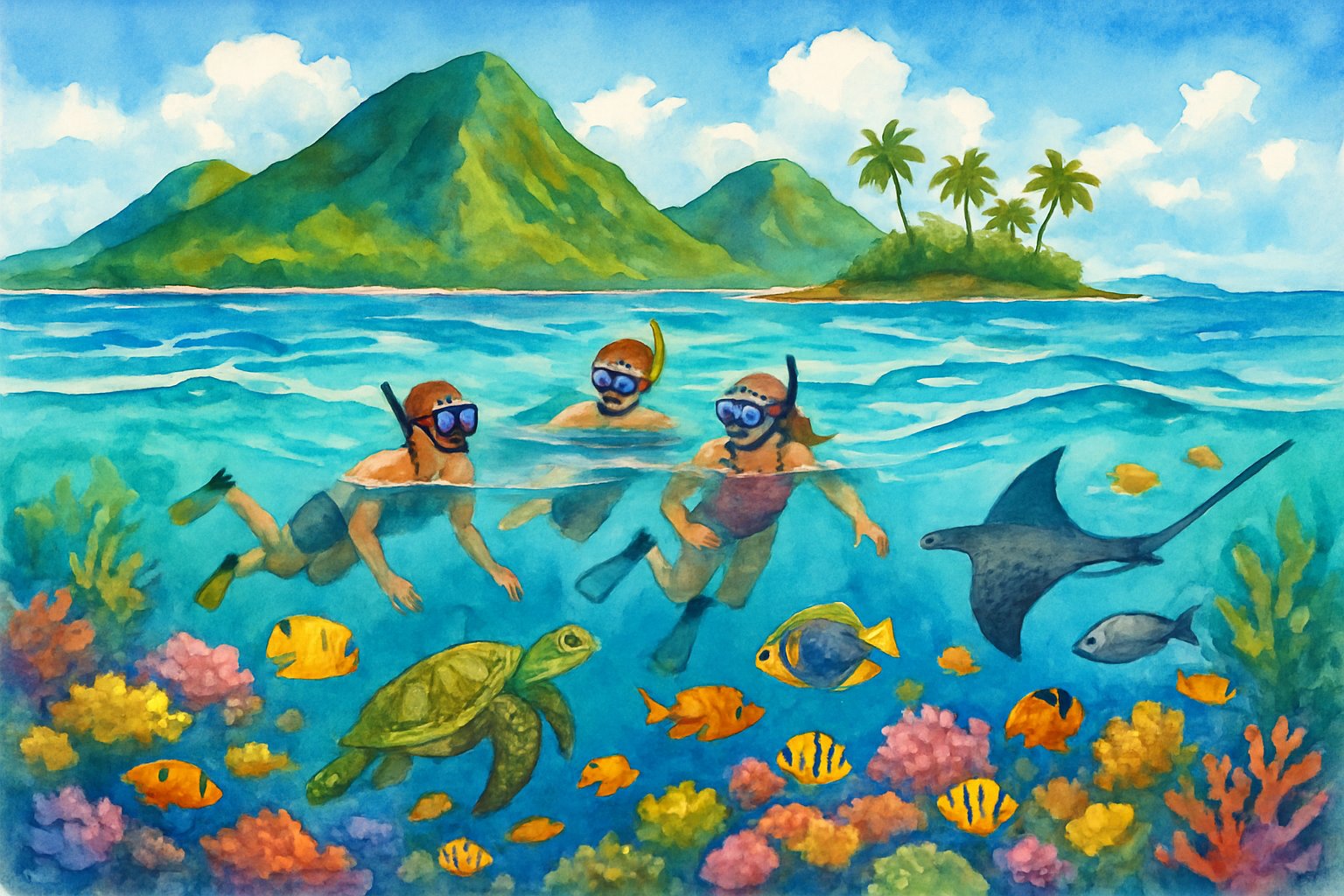
Guided snorkeling tours in Hawaii offer different experiences depending on your location, the time of day, and what you want to see.
Picking the right tour helps me make the most out of my trip, whether I want to see turtles, vibrant reefs, or glowing night creatures.
Choosing a Snorkeling Tour
When I pick a snorkeling tour, I look for locations known for clear water and plenty of sea life.
Tours to places like Hanauma Bay in Oahu or Kealakekua Bay on the Big Island usually include gear, transportation, and a safety briefing.
Many tours stop at top spots like Turtle Canyon or the North Shore, where I can swim with turtles, tropical fish, or even sharks.
Local companies often offer small-group tours, which I find more personal and less crowded.
Some tours focus on beginners and provide floatation devices for extra comfort.
More advanced snorkelers can join trips to places with deeper reefs or stronger currents.
I always check reviews, what’s included (like meals or photos), and group size before I choose a tour.
A few companies offer combination experiences, such as boat rides, dolphin watching, or beach visits as part of the package.
For more information, I check websites that list the best snorkel tours to do on Oahu and on the Big Island.
Nighttime and Sunset Snorkel Tours
Nighttime and sunset snorkel tours give me a different perspective of the ocean.
After the sun sets, many sea creatures come out that I wouldn’t see during the day.
Popular spots like the Kona coast have tours where I can watch manta rays glide by at night.
For sunset tours, I get to snorkel as the sky changes colors and the water becomes calmer.
These tours sometimes have fewer people, making it more relaxed.
Afternoon and sunset snorkel tours are a great way to end my day, and they often include snacks or drinks.
When I join a night snorkel, guides give me special lights for safety and to help me see fish and coral that glow in the dark.
I make sure to follow all the safety rules and always stay with my group.
Night and sunset snorkeling tours add a magical twist to my island visit.
Responsible Snorkeling and Conservation
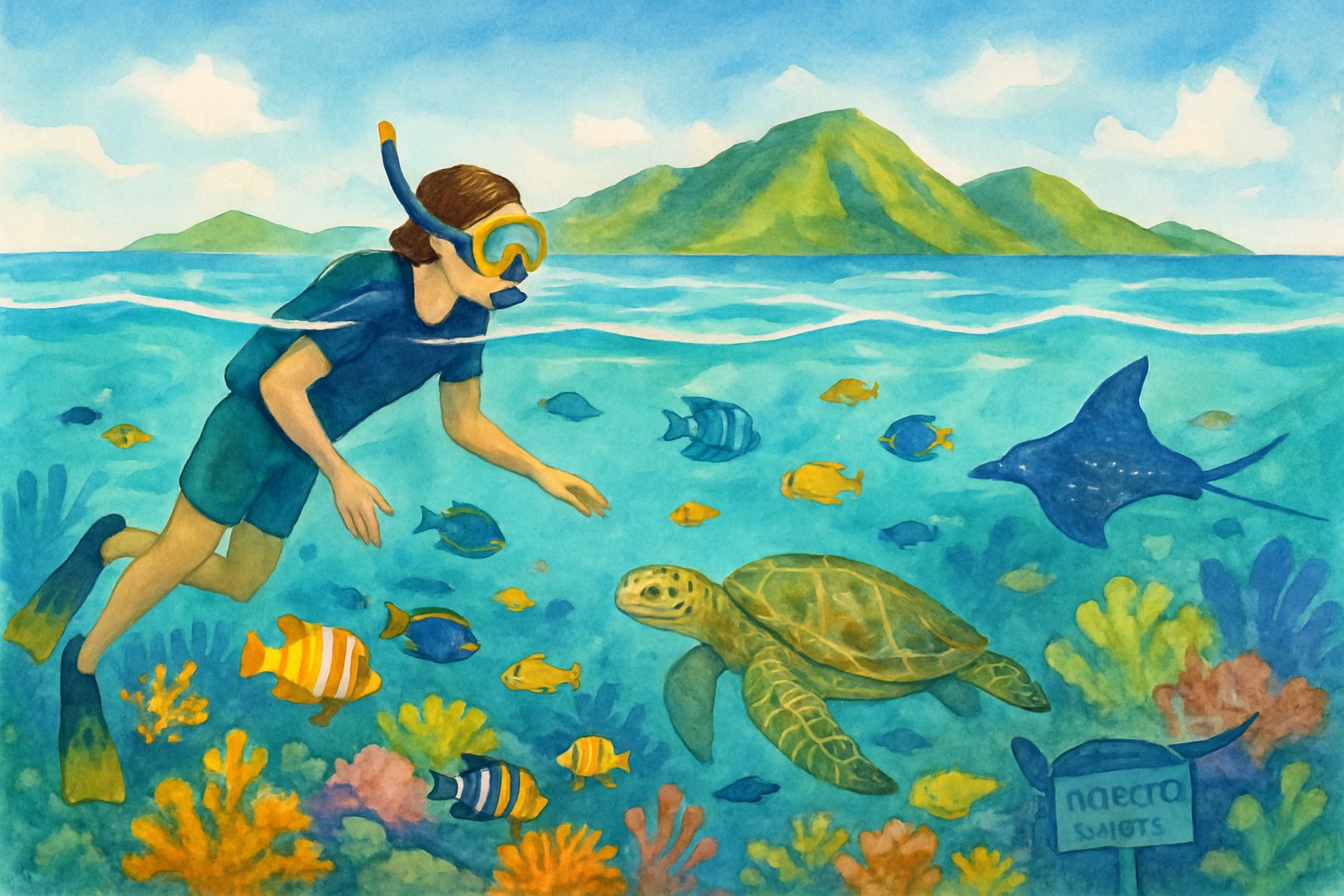
When I go snorkeling in Hawaii, I want to enjoy the beautiful ocean and protect it. Healthy coral reefs and safe marine life make every visit special for me and future visitors.
Protecting Coral Reefs
Coral reefs are alive and very fragile. I never touch or step on the corals because even a small bump can cause damage.
When I swim, I keep my fins away from the bottom and avoid standing on the reef. I use reef-safe sunscreen because some chemical sunscreens can harm coral.
Hawaii bans ingredients like oxybenzone and octinoxate since they bleach coral and disrupt sea life. I choose mineral-based sunscreens with zinc oxide or titanium dioxide.
Here’s a quick checklist I follow to protect reefs:
- Never touch, stand on, or take pieces of coral
- Float gently and keep a safe distance
- Use reef-safe sunscreen only
- Do not feed fish or break the reef with gear
Respecting Marine Life
Marine life in Hawaii is unique. I never chase, touch, or feed animals I see.
I keep at least 10 feet away from turtles, fish, and rays. When I see a Hawaiian monk seal, I give it extra space—at least 50 feet as local guidelines suggest.
If I spot dolphins or a sea turtle, I stay quiet and watch from a distance. Feeding wild marine life can harm them by changing their behavior and diet.
I pick up any trash or fishing lines I find. This helps stop animals from getting tangled or eating things that might hurt them.
Other Water Activities to Enjoy in Hawaii
Hawaii is more than just a place for snorkeling. I enjoy the clear water, colorful fish, and beautiful, pristine beaches.
Scuba Diving
Scuba diving in Hawaii lets me see more of the underwater world than snorkeling. Many dive sites welcome both beginners and experts.
Some of my favorites are the Molokini Crater and Coral Gardens near Maui. These spots have vibrant reefs and a chance to see sea turtles, eels, and rays.
You can take a boat tour to visit several sites in one trip. For first-timers, local dive shops offer lessons and guided dives.
Scuba diving is different from snorkeling. I need special training to use the equipment safely.
Before I went out, I checked with a certified instructor and reviewed the safety rules. Many beaches in Hawaii have dive shops nearby, so renting gear is easy.
Scuba diving gives me a fun, safe way to explore deeper parts of Hawaii’s ocean. I discover marine life I might not see near the surface.
To learn about top locations, I recommend checking out Maui’s Molokini Crater.
Combining Snorkeling with Beach Adventures
When I’m at the beach for snorkeling, I also try other activities. Many Hawaiian beaches have calm waters, so I can swim, paddleboard, or kayak between snorkeling sessions.
For a simple and relaxing time, I walk along the soft sand. I also explore tide pools or enjoy a picnic under the palm trees.
Some of my favorite spots, like the lagoons at Ko Olina on Oahu, offer great opportunities for both snorkeling and relaxing on the shore. These beaches have showers, bathrooms, and grassy areas for family fun.
Many beaches rent equipment, so I don’t have to carry my own gear. Clear, shallow waters at popular beaches let me watch colorful fish or sea turtles close to shore.
I always bring sunscreen, a hat, and plenty of water to stay comfortable during a full day at the ocean and beach.


