
When I think of fishing in Hawaii, Molokai stands out as a peaceful spot away from the crowds. From the long stretch of Kaunakakai Pier to the quiet waters of Hale O Lono Harbor, this island offers many great places to cast your line.

Molokai has some of the best fishing spots in Hawaii for anyone looking for good catches and quiet moments in nature.
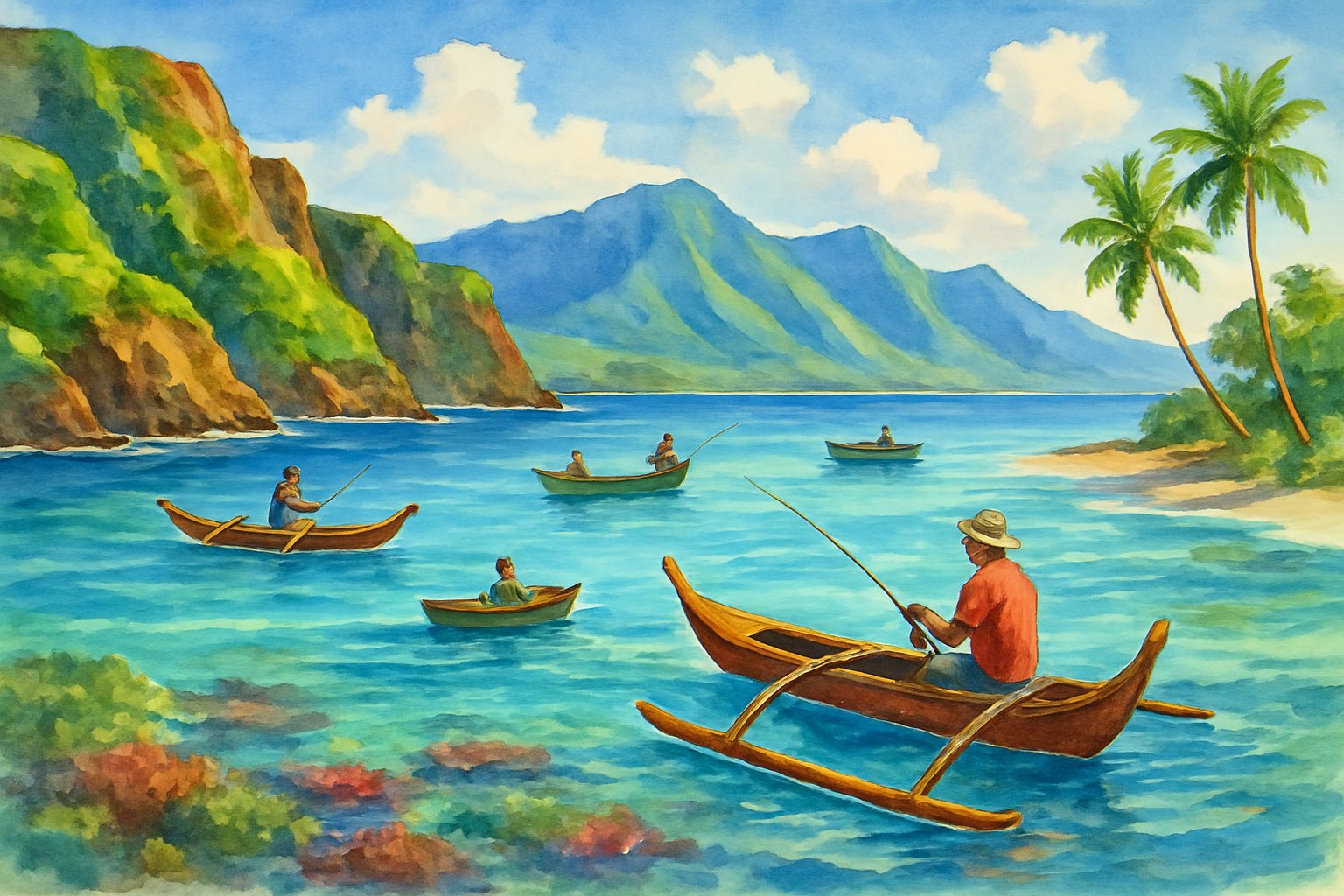
The calm environment on Molokai helps me relax while I wait for a bite, whether I’m at the North Shore or trying my luck at Halawa Valley. Each spot has its own charm and types of fish, so I always find somewhere new to try.
If you want to know where to go for the best fishing experience in Molokai, you’re in the right place.
I’m excited to share some favorite locations like Puko’o Reef, Papohaku Beach, and Kawela Bay. Keep reading as I take you through the top fishing spots and what you can expect at each one.
For more ideas and tips, check the list of the best fishing spots in Molokai.
Top Fishing Spots in Molokai
I discovered that Molokai is an amazing place for fishing because of its mix of long sandy beaches and quiet rocky shores. Each spot feels connected to Old Hawaii and has its own unique vibe.
Papohaku Beach Park
Papohaku Beach Park sits on the west side of Molokai. It’s one of the largest white sand beaches in Hawaii.
Every time I visit, I see how few people are around, making it peaceful and perfect for a relaxing day by the ocean. I like this spot because there’s plenty of space for surfcasting.
Sometimes, the water gets rough, so I always check the surf before starting. Besides fishing, the park is a good choice if I want sunbathing or swimming breaks.
I’ve also seen native Hawaiian plants growing along the trails. I usually target species like jack, snapper, and goatfish.
Early mornings and late afternoons bring the best bites. There are picnic tables and facilities, which make it easy to spend a full day here with family or friends.
Kepuhi Beach
Kepuhi Beach is another beautiful area known for its views and strong surf. I stay careful here because the currents can be tricky, but fishing can be rewarding for those who know how to read the water.
Most anglers target trevally (papio) and bonefish in the sand channels. I get the best chances by casting near rocky areas or the drop-off.
Some people come here for surfing, so I keep a safe distance out of their way. Kepuhi is close to old resort areas, making it easy to access with parking nearby.
If I’m lucky, I spot sea turtles or even dolphins while waiting for a bite. Shade is limited, so I always bring plenty of water and sun protection.
East Molokai’s Hidden Shores
East Molokai stays quieter and still feels like Old Hawaii. I love exploring this side because many hidden fishing spots along the coast can only be reached by hiking or asking locals for directions.
The shoreline has tide pools, rocks, and small sandy patches. I’ve caught smaller reef fish, o’io (bonefish), and sometimes barracuda here.
Most of these secluded areas have lush trees and native plants, adding to the feeling of being close to nature. The current is usually gentle, making it safer for kids or beginners to fish here.
I respect local traditions and always leave each spot as I found it. Sometimes, local fishermen share tips or stories with me, which makes my fishing trips even more memorable.
Best Types of Fishing on Molokai
On Molokai, I notice two types of fishing stand out for both locals and visitors: sight-casting on the flats for bonefish and shoreline adventures using plugs. Both methods offer unique challenges and the chance to catch memorable fish in beautiful locations.
Fly Fishing for Bonefish
I enjoy fly fishing for bonefish, which locals call o‘io. The flats on the south shore of Molokai have clear, shallow waters, making it easy to spot large bonefish cruising over sand and coral.
These flats stretch for miles, giving me plenty of space to stalk fish quietly. I usually go early in the morning or during a rising tide, since bonefish move closer to shore as the water gets deeper.
Light flies that look like shrimp or small crabs work best. These fish are very wary and have sharp eyesight, so I approach with patience and care.
Bonefish here are strong and fast, sometimes weighing over 10 pounds. When one takes my fly, the line peels off my reel in seconds.
Shoreline and Plug Fishing Adventures
Shoreline fishing on Molokai lets me cast for a variety of fish without needing a boat. I use plugs to target species such as trevally (ulua), barracuda, snapper, and sometimes giant rainbow runner.
Popular spots include rocky points, reefs, and beaches along the coast. Early morning or late afternoon is the best time, since fish patrol the shallows and hunt for food.
Tides play a big role—high tide brings fish closer to shore. I use bright, sturdy plugs and change my retrieve speed to mimic fleeing baitfish.
I like this type of fishing because I can hook into a hard-fighting fish directly from shore. Using fresh bait like octopus strips or squid also helps, especially for bigger fish.
Ocean fishing here doesn’t require a license, so I can just grab my gear and head out whenever I want. For more on shoreline and sport opportunities, the Penguin Banks area is known for marlin, mahi-mahi, ahi, and ono.
For shoreline tips and bait suggestions, I found useful advice here.
How to Plan a Successful Fishing Trip
When I fish in Molokai, I pay attention to timing, tides, and working with an experienced local. Details like weather, tide charts, and choosing a knowledgeable guide make a big difference.
Choosing the Right Time and Tides
I always check the tide chart before planning my fishing trip. Tides matter a lot in Molokai because certain fish are more active at specific times.
I look for rising or falling tides, as that’s when fish tend to feed near the shore. If I want to catch bonefish or snapper, early morning or late afternoon usually works best.
Weather is another big factor. I try to avoid windy days, since Molokai is open and breezy.
Calm mornings bring a sense of tranquility, making my time on the water better. I pack sunscreen, water, and a light rain jacket because the weather can change.
Knowing the forecast helps me stay safe and comfortable.
Working with a Local Guide
Fishing with a local guide can really improve my chances of having a good day. Many guides know the best spots, from shore fishing to reef and offshore trips.
A good guide shares tips about the right bait and gear, teaches me about the area, and helps me read the tides. On Molokai, some guides offer custom trips for visitors who want to experience “Old Hawaii.”
They know how to find peaceful, quiet spots where I can enjoy the island’s unique beauty. Booking a reputable Molokai fishing charter, especially with positive reviews, makes for a stress-free and fun day.
Other Outdoor Activities Near Fishing Spots
When I spend time fishing on Molokai, I often find plenty of nearby activities that let me enjoy the island’s beauty. Popular spots also offer good chances for snorkeling, swimming, and learning about native plants.
Snorkeling and Swimming Opportunities
I like to visit beaches near fishing spots for swimming and snorkeling. Murphy’s Beach and areas near the Kaunakakai Pier have calm waters most of the year, making them safe for both beginners and kids.
Colorful fish and clear water make snorkeling here very rewarding. Sunbathing on the soft beaches is relaxing after an active morning casting lines.
I often see families wading in the shallow water, searching for shells or just cooling off. When I want a break from fishing, I bring my snorkel gear to look for sea turtles or small reef fish near the rocks.
Many beach areas around Molokai are good for activities like paddleboarding and kayaking. Those who enjoy diving might find guided tours out to deeper spots, but the calm shorelines are best for casual snorkeling or swimming.
For more details, the list of outdoor activities in Molokai highlights the most popular beaches for these adventures.
Exploring Hawaiian Plants and Kamakou Preserve
I enjoy visiting the Kamakou Preserve, which shows off Molokai’s rare Hawaiian plants and lush forests. This area sits in the mountains and is reached by a scenic drive from the fishing coastline.
Hiking trails wind through native ohia and koa trees, with lookout points that show off deep valleys. Guided tours are sometimes available, helping me learn about endangered plants found only on Molokai.
The preserve is also a good place to spot native birds, making it ideal for nature lovers. While hunting is less common in this area, exploring the Kamakou Preserve offers a different outdoor experience than fishing or swimming.
I always bring my camera because the views and plant life are unique and beautiful. For more information about what to see and do on land, you can look up Molokai’s best land activities.
Traveling to Molokai for Fishing
I can reach Molokai by flying from several Hawaiian islands. Exploring nearby islands gives me new fishing spots and local sights to discover.
Getting There by Air
Molokai does not have large, direct international flights. I usually fly into Hawaii through Honolulu or Maui.
Small commuter airlines like Mokulele Air offer most of the flights between Molokai and the other islands. The main airport on Molokai is Molokai Airport (MKK), just west of Kaunakakai.
Most flights are short and take less than an hour. When I travel from the Big Island, Kauai, or Lanai, I often connect in Honolulu or Maui.
Mokulele Air runs several flights each day. Seats fill up quickly during busy seasons, so I try to book my ticket early if I plan to travel during holidays or summer.
I check baggage guidelines before flying, since most commuter flights limit fishing gear size and weight.
Neighboring Islands to Explore
When I plan my fishing trip, I also look at neighboring islands. Each island has its own fishing scene and unique waters.
Honolulu, on Oahu, is just a short flight away. The city offers deep-sea charters and a busy city life.
Maui is close by. It has many outfitters and scenic fishing spots.
Lanai has quiet beaches and sits only a brief flight from Molokai. The Big Island and Kauai are farther away, but they have large fishing communities and different types of fish.
For a more remote trip, I can visit Christmas Island. This unique atoll is famous for bonefishing.
Here’s a comparison of travel times from Molokai by air:
| Island | Approx. Flight Time |
|---|---|
| Oahu (Honolulu) | 30-45 minutes |
| Maui | 25 minutes |
| Lanai | 25 minutes |
| Big Island | 70-90 minutes* |
| Kauai | 70-90 minutes* |
*Usually with a layover
I compare flight schedules and book ahead. Seats can be limited, especially if I bring a lot of fishing gear.


