
Growing up in Hawaii, I noticed that coming-of-age rituals are a special part of Hawaiian culture. These traditions show how Native Hawaiians honor important milestones in life and connect with their roots.

Some of the most respected rites of passage include unique ceremonies and celebrations that welcome children, guide teens, and mark new responsibilities.
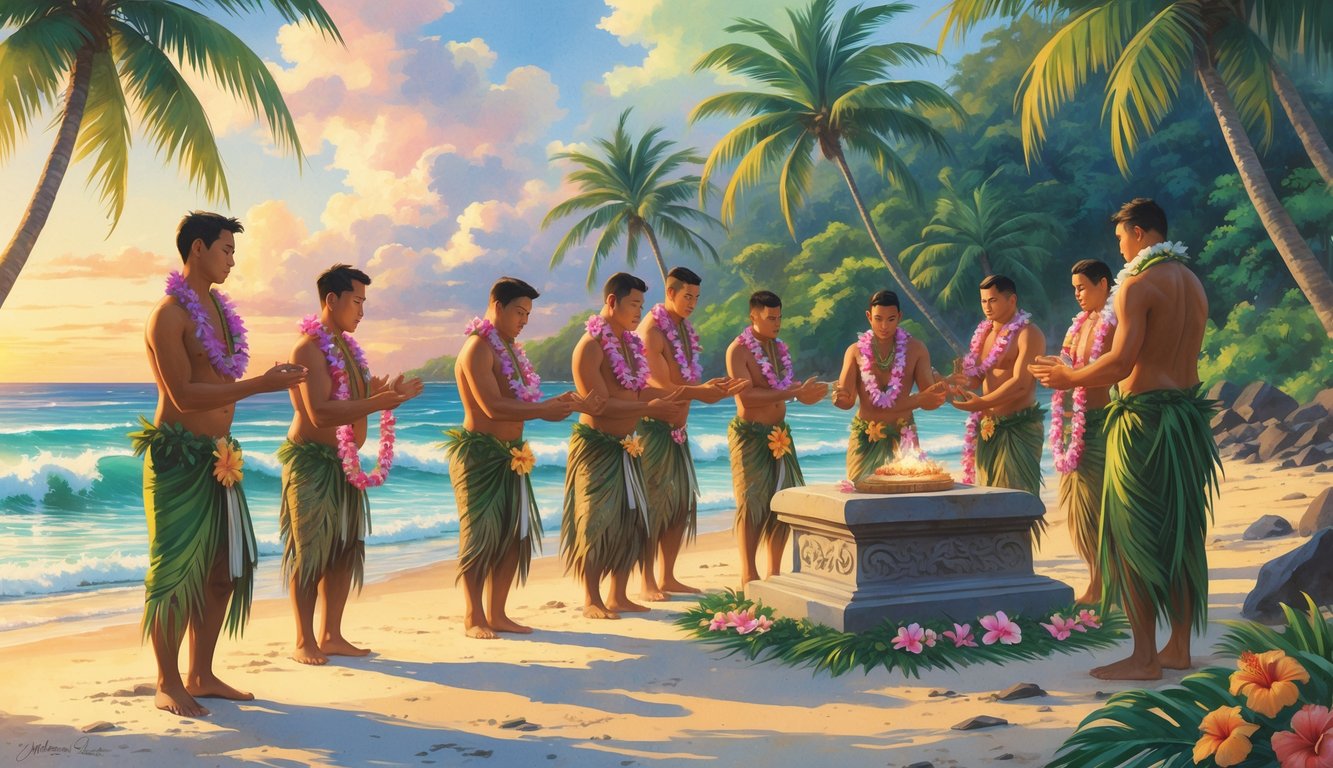
Each ceremony is filled with meaning, family, and community spirit. For example, the ʻahaʻaina māwaewae happens 24 hours after a baby is born and celebrates both the child and their future.
Other rituals like Hula Kahiko celebrate growth and tradition during teen years. If you want to know which Hawaiian coming-of-age rituals stand out and why they matter, you’ll enjoy reading more.
Learning about these traditions helps me feel closer to my own culture. These rites of passage are still important today.
The Meaning of Coming-of-Age in Hawaiian Culture
Growing up in Hawaii means more than just celebrating birthdays. My community, family, land, and elders all help mark important life changes.
These milestones are filled with tradition, meaning, and respect.
Understanding Rites of Passage
In Hawaiian culture, rites of passage guide me from childhood to adulthood. These special events or rituals show my growth and teach me what it means to be part of my community.
One famous example is Hula Kahiko, a traditional dance that marks big life events with chanting and movements. Ceremonies like these celebrate my personal milestones and connect me with stories from the past.
The Hiʻuwai ceremony uses water to cleanse and symbolize a fresh start. Each ritual is a time to reflect, learn, and step into my new role with guidance from those who came before me.
Connection to ʻOhana and Elders
Family, or ʻohana, is at the heart of every coming-of-age tradition for me. My elders pass down cultural knowledge through songs, stories, and practical lessons.
During these rituals, they lead, advise, and support me, showing me how to carry on our traditions. Elders are deeply respected.
When I move through a rite of passage, my whole family gathers for support. These events build trust and keep our community strong.
Some traditions include special foods, chants, or gifts, but the most important part is the bond we all share.
The Influence of ʻĀina (Land)
ʻĀina, or land, is a living part of every Hawaiian ritual. Many coming-of-age traditions happen outdoors, with the ocean, forests, or mountains playing a big part in the ceremony.
The land gives me a sense of place and helps me understand my connection to all living things. When I enter a new stage of life, I honor my relationship with ʻāina through chants, offerings, or by gathering certain plants.
These acts remind me to respect and care for the environment. Celebrations often connect with natural cycles, making the land a central and sacred part of my journey.
Traditional Hawaiian Coming-of-Age Rituals
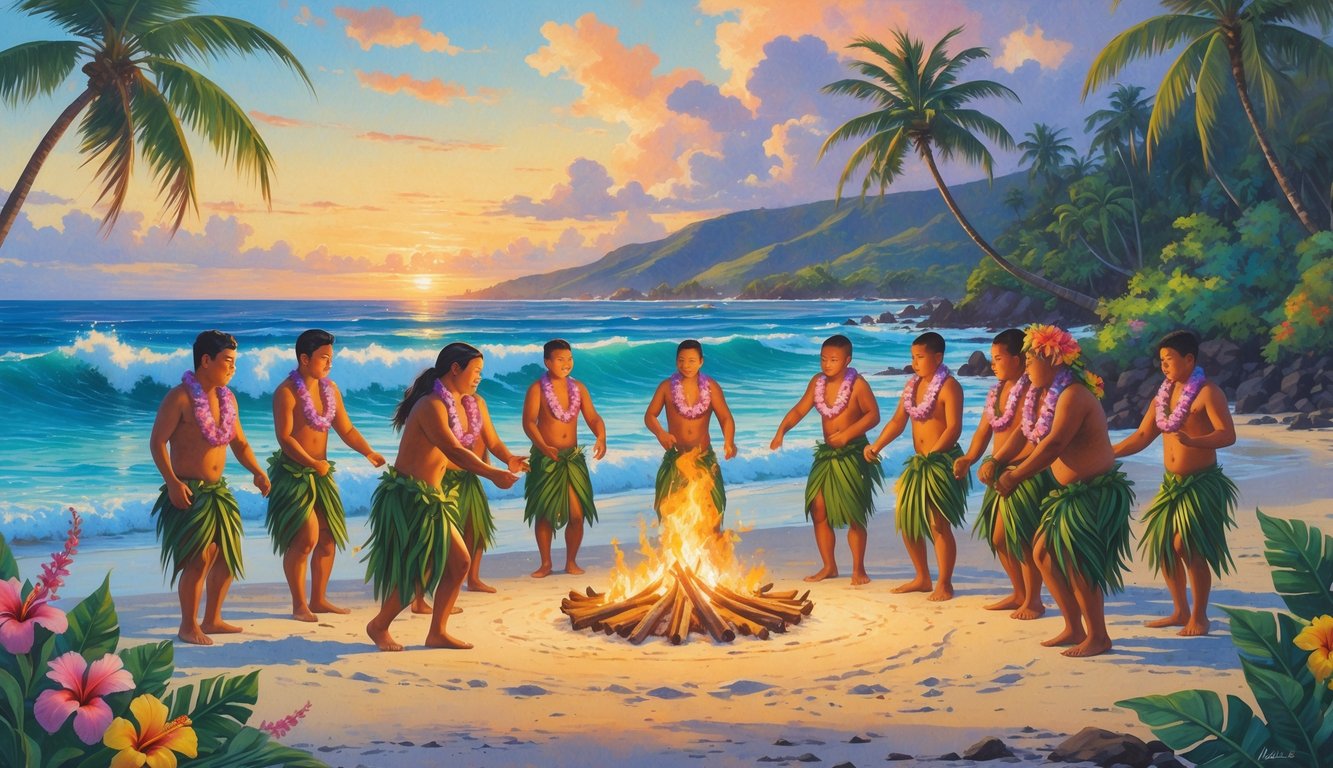
In Hawaiian culture, growing up is marked by unique customs that show respect, unity, and new responsibility. These rituals highlight family bonds, the value of tradition, and the special ways Hawaiians honor major life changes.
The ʻAhaʻaina and Lūʻau Celebrations
The ʻahaʻaina and lūʻau are two of the most important celebrations for young people. The ʻahaʻaina is a traditional gathering filled with songs, hula dancing, and local foods, where families celebrate milestones like a child’s first birthday or a teenager entering adulthood.
These events may be large or small, but always include extended family and the wider community. The lūʻau, famous for dishes like laulau, poi, and kalua pig, brings everyone together at a feast.
It marks shifts in a young person’s life and shows the importance of family support. In the old days, these gatherings honored ancestors and taught young Hawaiians about their heritage.
The community shared stories, chanted, and passed down traditions through generations. Today, lūʻaus remain a strong part of Hawaiian culture and customs.
Bestowal of the Lei and Its Significance
The giving of a lei is one of the most touching Hawaiian traditions I have seen. A lei is not only a necklace of flowers, shells, or leaves—it’s a symbol of love and respect.
When someone turns a certain age or reaches a big life event, family and friends often give them leis. The giving of a lei at birthdays, graduations, or first luaus shows acceptance and pride.
Each type of lei carries its own meaning, sometimes based on the material or color used. Placing a lei around someone’s neck is deeply personal and is done with care.
For me, wrapping a lei means offering my best wishes and celebrating someone’s achievements. The lei marks major transitions and reminds me how important milestones are in Hawaiian coming-of-age rituals.
Shaka and Honi Ihu: Symbols of Respect
Hawaiian culture uses special gestures to show respect during important times. The shaka sign, made by extending the thumb and little finger, is a friendly way to say “aloha” and express goodwill.
Another key ritual I see in Hawaiian gatherings is the honi ihu, the traditional nose-to-nose greeting. It is a respectful way to welcome someone and share breath, symbolizing a deep connection.
The honi ihu is used between close family or at major gatherings to highlight unity and understanding. During coming-of-age moments, both shaka and honi ihu help young people feel included and valued.
They reflect the kindness that makes Hawaiian traditions so special. These symbols show how much respect and aloha are at the heart of every celebration.
Core Values and Responsibilities in Coming of Age
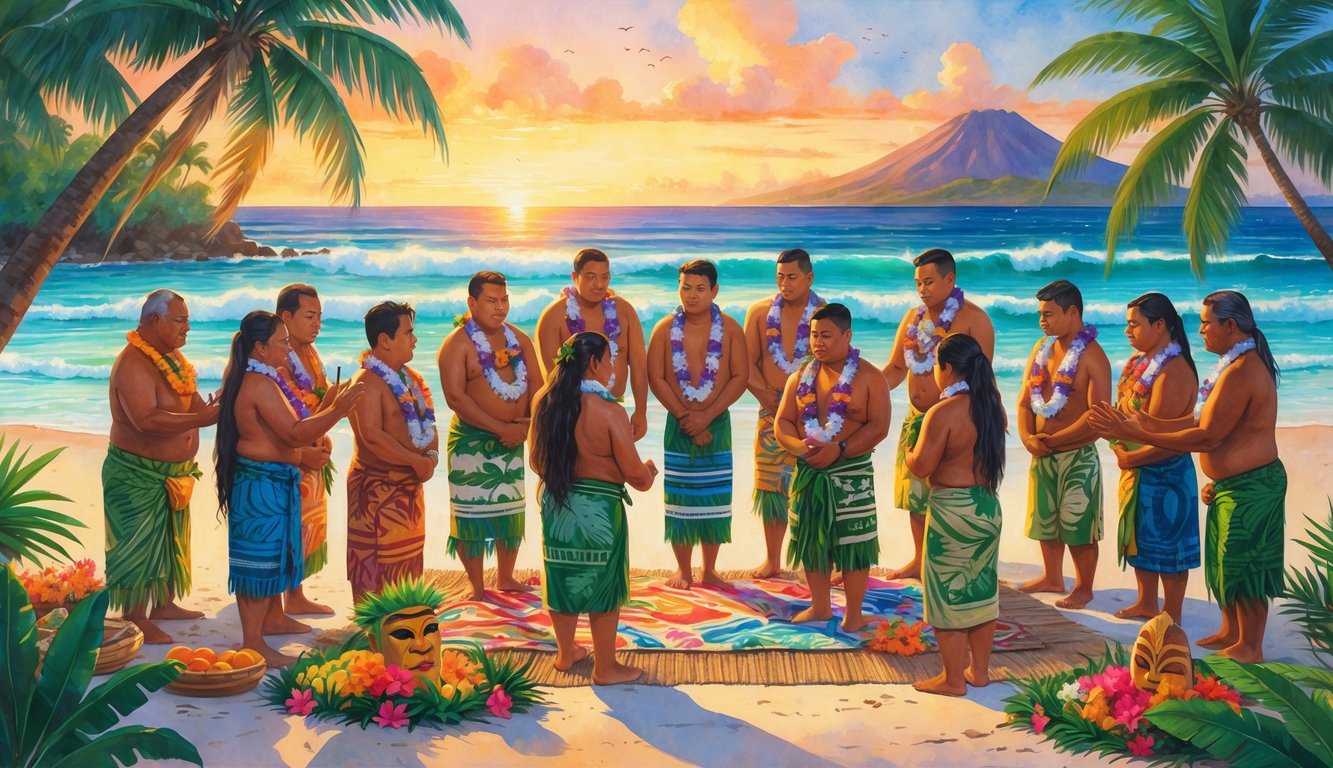
Core values like kuleana, mālama, and aloha shape how I see my place in the world and my duties to others. These ideas guide me as I grow and help me build strong character and courage.
Kuleana: Embracing Responsibility
Kuleana means responsibility. For me, it is more than just a duty.
It is a way of life that helps define my identity in my family and community. From a young age, I learn that kuleana brings both rights and duties.
I see that what I do affects others. My actions can help or harm the people around me.
Because of this, I must act with care and respect. Kuleana also means I own my choices.
I am expected to follow through on promises and do what I say. If I make a mistake, I need to fix it.
This shapes my character and gives me the courage to make better choices. Taking kuleana seriously means I show respect to elders, help neighbors, and keep my word.
These expectations help me gain trust and become a dependable part of my community.
Practicing Mālama and Mālama ʻĀina
Mālama means to take care or to protect. Mālama ʻāina means to care for the land.
These are important values that connect me to my surroundings and remind me of my duty to nature. When I practice mālama, I care for my family, friends, and all living things.
It is about showing kindness and being helpful in daily life. Simple actions like cleaning up after myself or helping someone in need come from this idea.
Mālama ʻāina teaches me that the land gives us food, water, and space to live. In return, I must treat it with care.
Some families still pass on traditions to plant trees or clean streams to honor this bond with nature. Caring for people and the land helps me see the link between responsibility and the health of my community.
To learn more about values like mālama ʻāina, these Hawaiian values offer other good examples.
Living the Aloha and Aloha Spirit
Aloha means love, peace, and compassion. It is one of the deepest values in Hawaiian culture.
The aloha spirit is about how I treat others every day. Living the aloha spirit means I show warmth, patience, and understanding.
It means using kind words, helping others without expecting something in return, and showing gratitude for life. When I practice aloha, I help build strong relationships.
I make people feel welcome and valued. This gives me the courage to work through problems and build commitment to my community.
Aloha is not just a word but a guide to behavior. It asks me to listen, forgive, and share joy with those around me.
The aloha spirit is a daily commitment that helps shape my actions even in small ways.
The Role of Art, Music, and Dance in the Transition
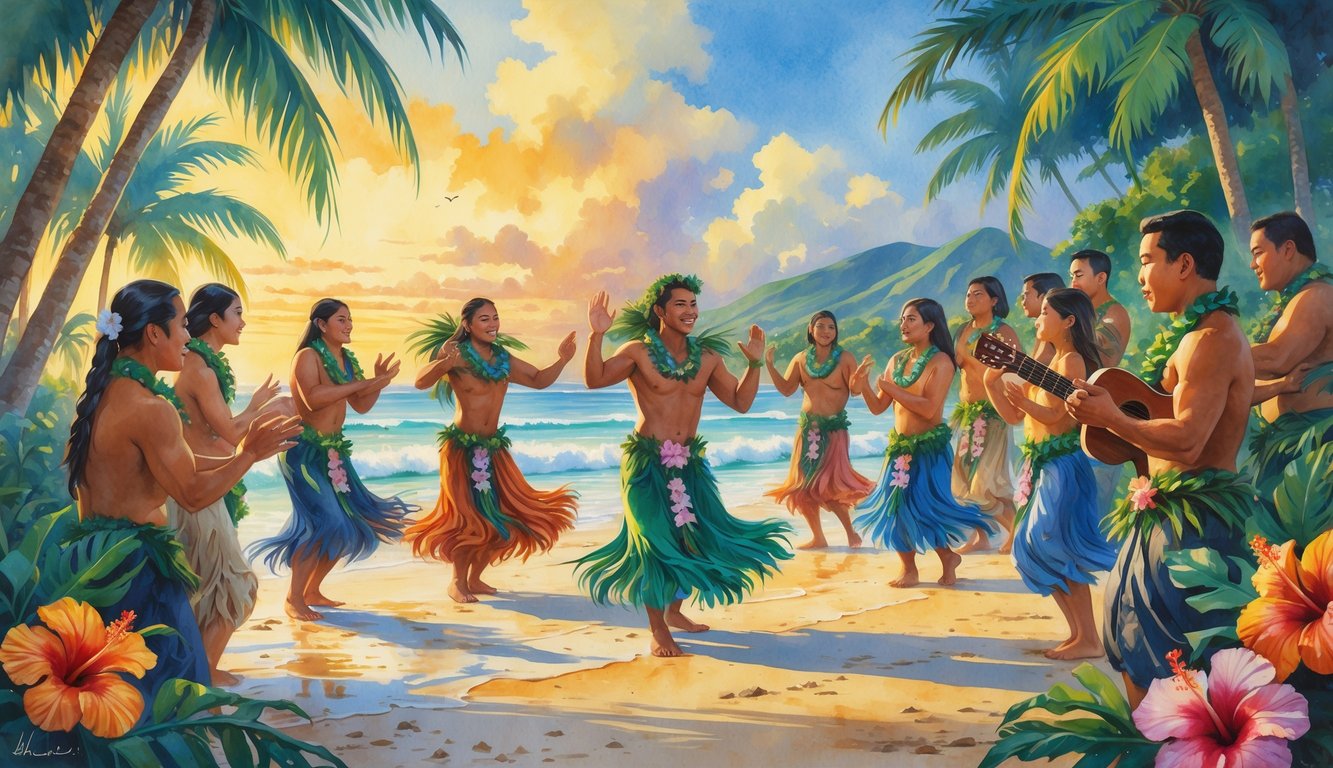
The journey into adulthood in Hawaiian culture is full of creative expression. Art, music, and dance are not just activities but important traditions that pass on cultural knowledge and strengthen community ties.
Hula: Storytelling Through Movement
Hula is more than just a dance; it’s a way to share history and values. When I watch or perform hula, I see stories from long ago brought to life through body movements, gestures, and expressions.
Each motion has meaning. For example, a wave of the hand can symbolize the ocean or a leaf blowing in the wind.
Traditional hula, called Hula Kahiko, uses chants and percussion instruments like the pahu drum. These performances often accompany ceremonies for youth coming of age.
Hula helps me feel a direct link to Hawaiian ancestors and legends. It is a way to teach respect, patience, and the deep beauty of Hawaiian culture.
The Significance of the Ukulele and Hawaiian Music
Music shapes much of what I experience in Hawaiian life, especially during key life moments. The ukulele, with its bright and cheerful sound, often fills the air during gatherings and celebrations.
It brings people together for singing and dancing, creating a strong sense of unity. When I celebrate a coming-of-age ritual, traditional songs often include falsetto singing, known for its emotional quality and high notes.
These songs can express joy, hope, and memories. Music, whether from guitars, ukuleles, or the human voice, is a core part of ceremonies and everyday life.
The role of Hawaiian music in these transitions is to uplift, comfort, and unite everyone present.
Embracing Visual Art and Craft Traditions
Visual art connects me with my heritage in a personal way. I see this in the making of leis, kapa cloth, and wood carvings.
These crafts play a special role in coming-of-age celebrations. Each handmade item carries cultural and spiritual meaning.
Leis at these ceremonies show love, honor, and welcome. The patterns on kapa cloth or carvings tell stories about family and important moments.
When I learn these arts, I gain skills and knowledge that help me honor my ancestors. I blend creativity with respect for the past.
Language, Communication, and Storytelling
Language shapes Hawaiian coming-of-age. For me, these rituals show how culture and identity are tied to the words and stories we share.
Both Hawaiian and Hawaiian Pidgin English shape how knowledge passes down and how people connect.
Passing Down Knowledge Through Moʻolelo
I’ve learned that moʻolelo means much more than just “stories” in Hawaiian culture. This word combines moʻo (succession) and ʻōlelo (language or speaking).
Moʻolelo is the “succession of language.” It keeps history, family values, and important lessons alive across generations.
These stories contain legends, histories, and personal experiences. Elders tell moʻolelo at gatherings or special events, giving younger people a sense of identity and belonging.
When I hear these stories, I see how they shape my view of myself and the world. Storytelling also keeps the Hawaiian language alive, especially when told in the native tongue.
You can learn more about this tradition from National Geographic’s section on Hawaiian storytelling and traditions.
Role of Hawaiian and Hawaiian Pidgin English
Hawaiian and Hawaiian Pidgin English connect people of different backgrounds. I notice that ʻŌlelo Hawaiʻi (Hawaiian language) is used for formal rituals, chants, and deep cultural knowledge.
For everyday talk, Hawaiian Pidgin English mixes words from many languages, making it easier for everyone to communicate. Hearing Pidgin growing up, I feel it helps people bond because it’s casual and welcoming.
It gives each ritual and story a personal touch that feels like home. Different sounds in Hawaiian, like the glottal stop and long vowels, matter for correct pronunciation and meaning in stories.
You can read more in this guide on traditional Hawaiian storytelling and language.
Through these languages, I see that communication in Hawaiʻi is more than talking—it’s about sharing identity and building strong relationships.
Adapting to Modernity and Preserving Hawaiian Identity
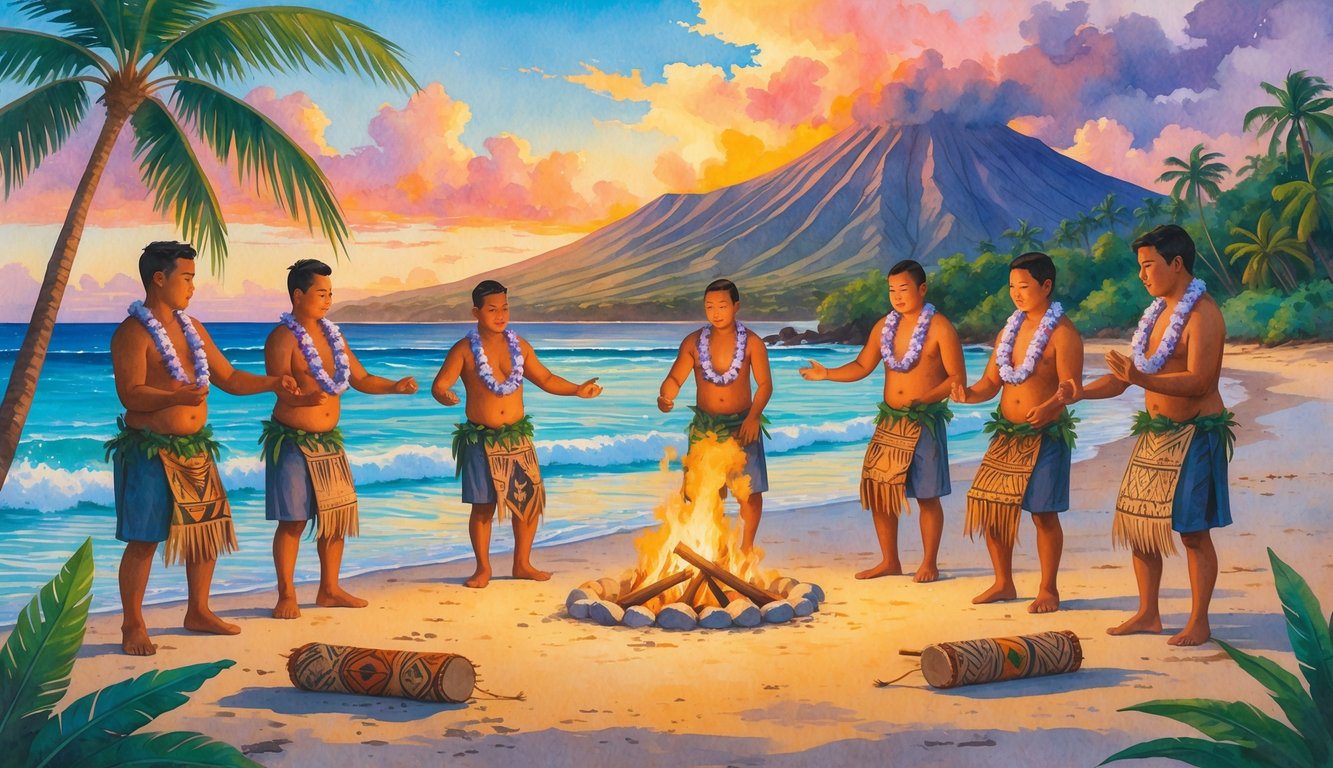
Growing up in the Hawaiian Islands, I see how local customs face new challenges and opportunities. Hawaiian coming-of-age rituals keep their spirit while adapting to today’s world.
Balancing Assimilation and Preservation
In daily life here, I notice how many families blend their Hawaiian roots with modern practices. This mix shows up in language, clothing, and daily habits.
Schools teach both English and Hawaiian, so kids grow up hearing and speaking the native tongue. This helps them feel connected to their identity.
Many communities hold cultural festivals where people practice traditional dances, chants, and stories. These gatherings celebrate and share our heritage.
People use smartphones and social media to invite friends to these events or share what they have learned. The state uses official Hawaiian in mottos, signs, and songs.
Organizations educate both locals and visitors about why our traditions matter. To know more, learning about Hawaii’s diverse heritage gives a good view of how these customs continue today.
Innovation and Adaptation of Traditions
Modern life changes how families hold ceremonies, but innovation helps keep them alive. Some families use livestreams so faraway relatives can join coming-of-age events.
Others post videos of hula or lei-making lessons for everyone to see. Artisans and teachers share Hawaiian arts—like weaving and carving—on websites and social platforms.
This makes it easier for teens to learn old crafts and share their progress. Technology lets me practice these skills at home and connect with other learners.
Digital spaces also support the use of Hawaiian language. Video calls and online groups let older experts teach kids anywhere.
We can preserve these customs while trying new ways of celebrating them. To dive deeper into how Hawaiian traditions influence the modern world, there are several resources available online.
Community Gatherings and the Role of Omiyage
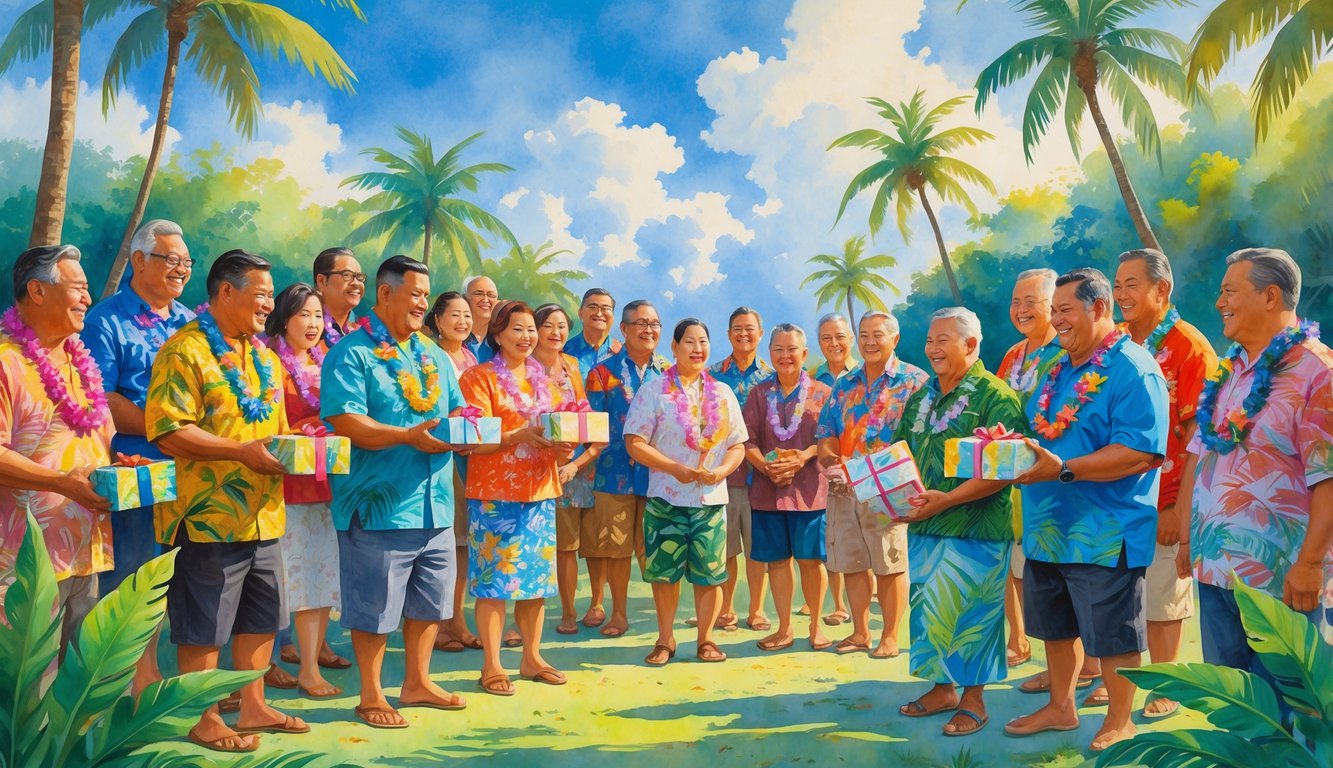
Hawaiian coming-of-age rituals bring people together for events that highlight friendship, family, and community ties. Key traditions like the pāʻina and giving omiyage help everyone feel included and valued.
Importance of the Pāʻina in Social Life
A pāʻina is a gathering or party with food, music, laughter, and storytelling. People celebrate important life moments such as birthdays, graduations, or another year of growing up.
Food always plays a major role. Dishes like poke, laulau, and poi fill the table, and everyone brings something to share.
This makes sure no one person carries all the work or burden. Sharing resources helps everyone feel cared for, especially the person being honored.
These events are about welcoming everyone, showing kindness, and learning from elders. Pāʻina are more than parties—they help me feel supported and embraced by my community.
You can learn more about how these gatherings bring people together at thishawaiilife.com.
Omiyage: Sharing and Reciprocity
Omiyage means bringing small gifts or treats to share at a gathering. This custom comes from Japan but is strong in local Hawaiian culture too.
Giving omiyage shows respect and appreciation for others’ hospitality. Omiyage should reflect the culture, often featuring local food or something unique to Hawaii.
Typical omiyage includes special snacks, sweets, or items made with Hawaii-grown resources like sea salt or macadamia nuts. Bringing omiyage shows I care about my relationships and value what others do for me.
Giving omiyage creates a cycle of kindness. Everyone gets a chance to give back.
Local etiquette says omiyage should be thoughtful but not extravagant. The focus is on sharing, not the size of the gift.
Japanese-style omiyage, as described by Hawaiian Airlines, is about connection and gratitude. These values matter a lot in Hawaii.
Symbolic Foods and Their Cultural Significance
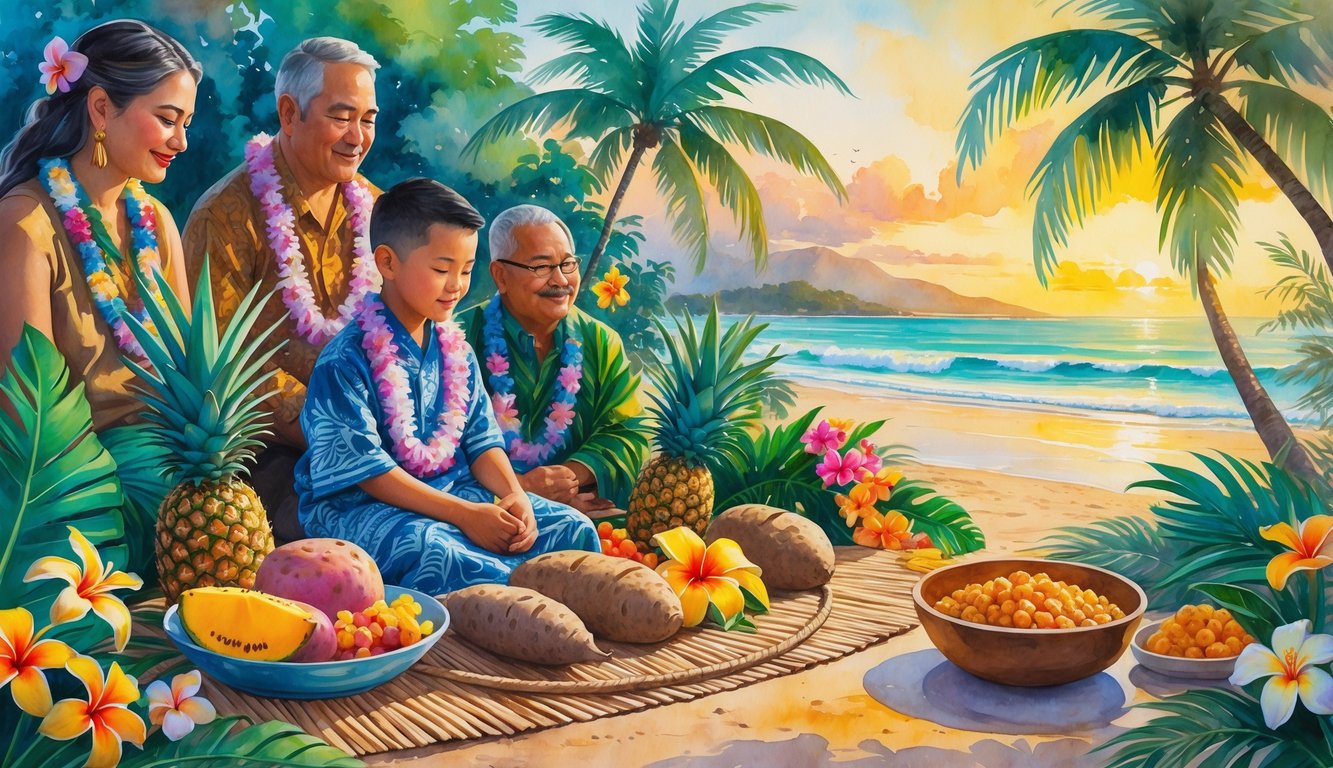
Traditional Hawaiian foods carry deep cultural meaning during coming-of-age events. The connection to land and sea, family, and values shows in how these foods are prepared and shared.
Kalo and Its Importance in Hawaiian Identity
Kalo, or taro, is more than just a staple food in Hawaii. It stands at the heart of Hawaiian cultural identity.
Hawaiian stories say that kalo grew from the body of Hāloa, the ancestor of the Hawaiian people. Eating kalo, or poi (pounded kalo root), often shows respect for one’s family and ancestors.
At many important gatherings, especially those marking a young person’s transition into adulthood, kalo dishes are always present. Poi sits at the center of the table, reminding everyone of their roots.
It unites those who eat it and stands as a symbol of community and unity. Sharing poi is also an act of love and connection, strengthening bonds between family members.
You can read more about the meaning of kalo and poi to Hawaiians at Poi for the People: A Staple Food and its Cultural Significance.
The Role of Fish and Kala
Fish play a vital role in Hawaiian rituals, especially the kala, a type of surgeonfish. The kala holds an important place in both diet and tradition.
The word “kala” means “to forgive” or “to release” in Hawaiian. This meaning makes it significant during rituals of growth and transition.
During coming-of-age celebrations, families share kala to represent maturity and the release of childhood. Eating kala reminds young people to forgive mistakes and move forward with wisdom.
Fish like kala often appear in these events to symbolize abundance and a strong connection to the sea. These traditions show how food shapes values and memories.


