When I visit Hawaii, I want my trip to make a positive impact. The best sustainable resorts in Hawaii let me enjoy beautiful beaches and lush mountains without harming the environment.

These eco-friendly resorts use solar energy, reduce waste, and support the local community. I can relax with peace of mind.
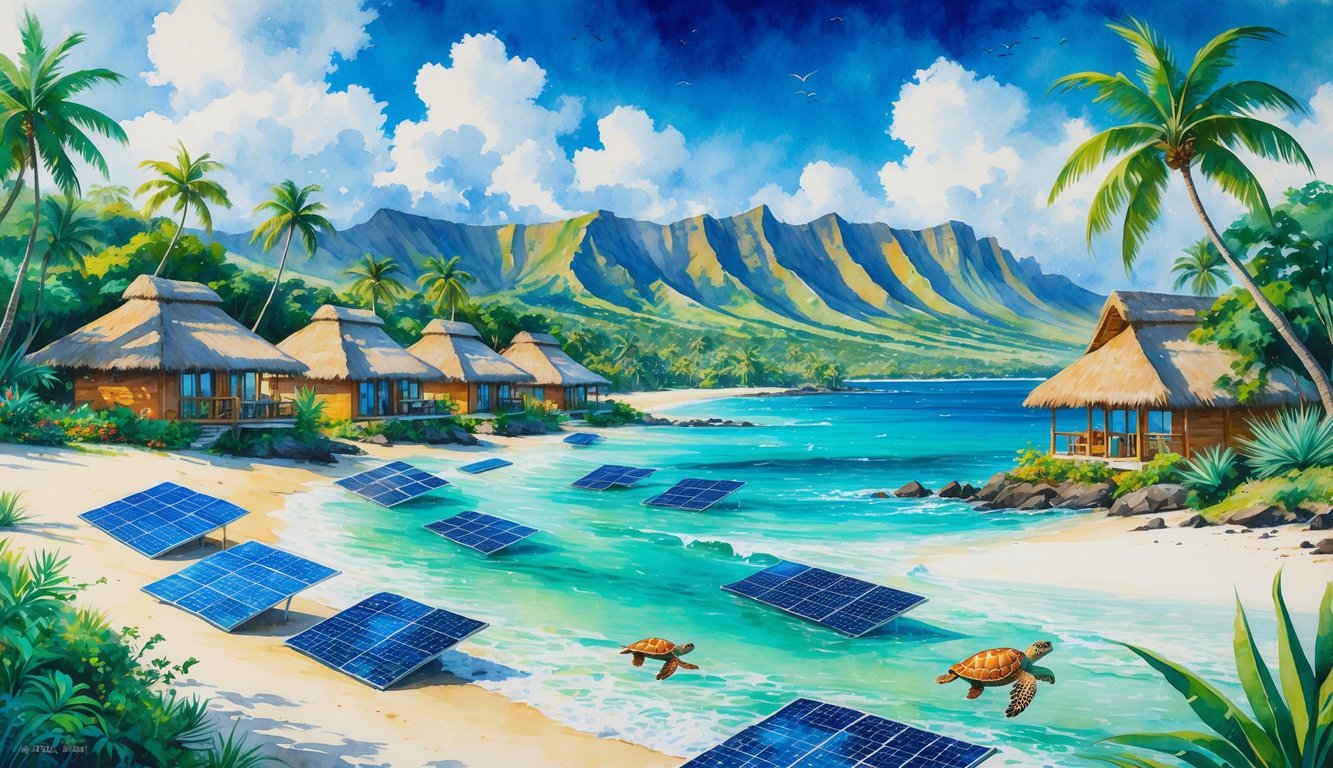
I’ve learned that staying at a green hotel doesn’t mean giving up comfort. Places like the Four Seasons Resort Hualalai and other eco-lodges blend luxury with eco-friendly practices.
Each spot on my list lets me wake up to stunning views and delicious food. I know my stay is making a difference.
If you want a getaway that’s both relaxing and responsible, check out my list of the best eco-resorts and eco-lodges in Hawaii.
Why Choose Sustainable Resorts in Hawaii?
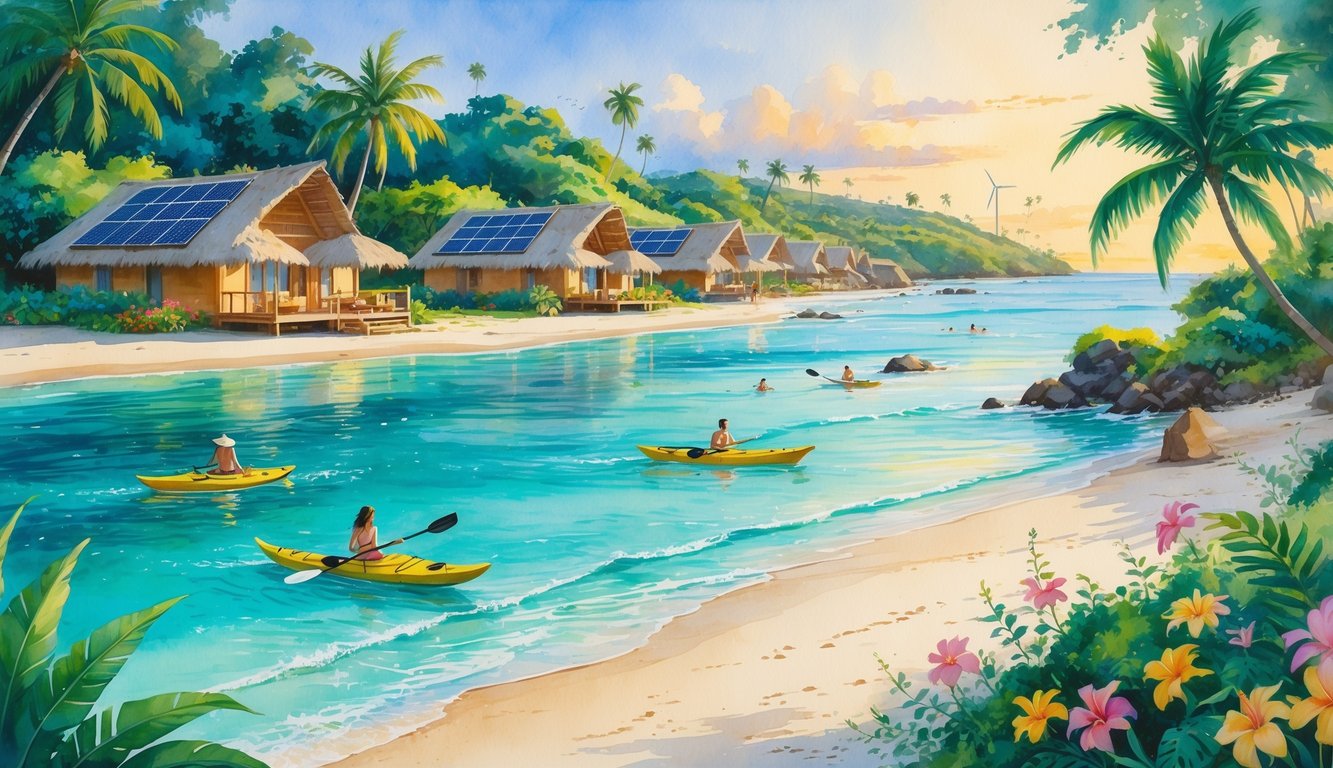
When I visit Hawaii, I want to enjoy its natural beauty while making choices that protect the islands. By staying at a sustainable resort, I support eco-friendly practices and local conservation efforts.
This helps me keep my carbon footprint low during my trip.
Eco-Friendly Practices and Green Initiatives
Sustainable resorts in Hawaii use many eco-friendly practices to keep the islands clean and healthy. Many hotels install solar panels to create renewable energy for rooms and common spaces.
Some resorts use smart room technology to reduce energy use by adjusting air conditioning and lighting only when needed. Water-saving systems and recycling programs are common at eco resorts.
Some places collect rainwater to water gardens or flush toilets. Restaurants often serve organic or locally grown food, which supports Hawaii’s farmers.
Resorts offer reusable water bottles to guests instead of plastic. Many use natural cleaners to avoid harsh chemicals.
These steps help protect the land, oceans, and unique wildlife of Hawaii. For more details and examples, check out these eco-friendly resorts and lodges in Hawaii.
Environmental Stewardship and Local Conservation Efforts
When I choose a sustainable stay, I can join real conservation work. Eco resorts often team up with local organizations to restore beaches, native forests, or coral reefs.
Some offer guests a chance to join in beach cleanups or plant native trees. Resorts protect native species by using native plants in their gardens and removing invasive ones.
This helps local animals find food and homes. Some places lead educational tours where I can learn about local ecosystems and responsible tourism in Hawaii.
These resorts hire local staff and buy from local businesses. This supports the community and helps preserve Hawaii’s traditions and natural beauty.
Learn more about these efforts at some of Hawaii’s leading eco-lodges.
Reducing Carbon Footprint During Your Stay
My travel choices directly affect Hawaii’s environment, so I look for ways to lower my carbon footprint. Many sustainable resorts use renewable energy sources and efficient appliances to cut down on emissions.
Some places offer bike rentals or shuttle services to reduce car use on the island. Menus often feature seasonal and plant-based dishes, which use less energy to grow and transport.
Resorts minimize waste by composting, encouraging recycling, and reducing single-use plastics. A few even have zero-waste goals.
Choosing responsible travel practices helps create a sustainable future for Hawaii. Opting for an eco-friendly resort makes it easier to travel mindfully and leave a lighter footprint.
To see top picks for a sustainable stay, visit this list of Hawaii’s best eco-friendly resorts.
Top Sustainable Resorts and Eco-Lodges in Hawaii
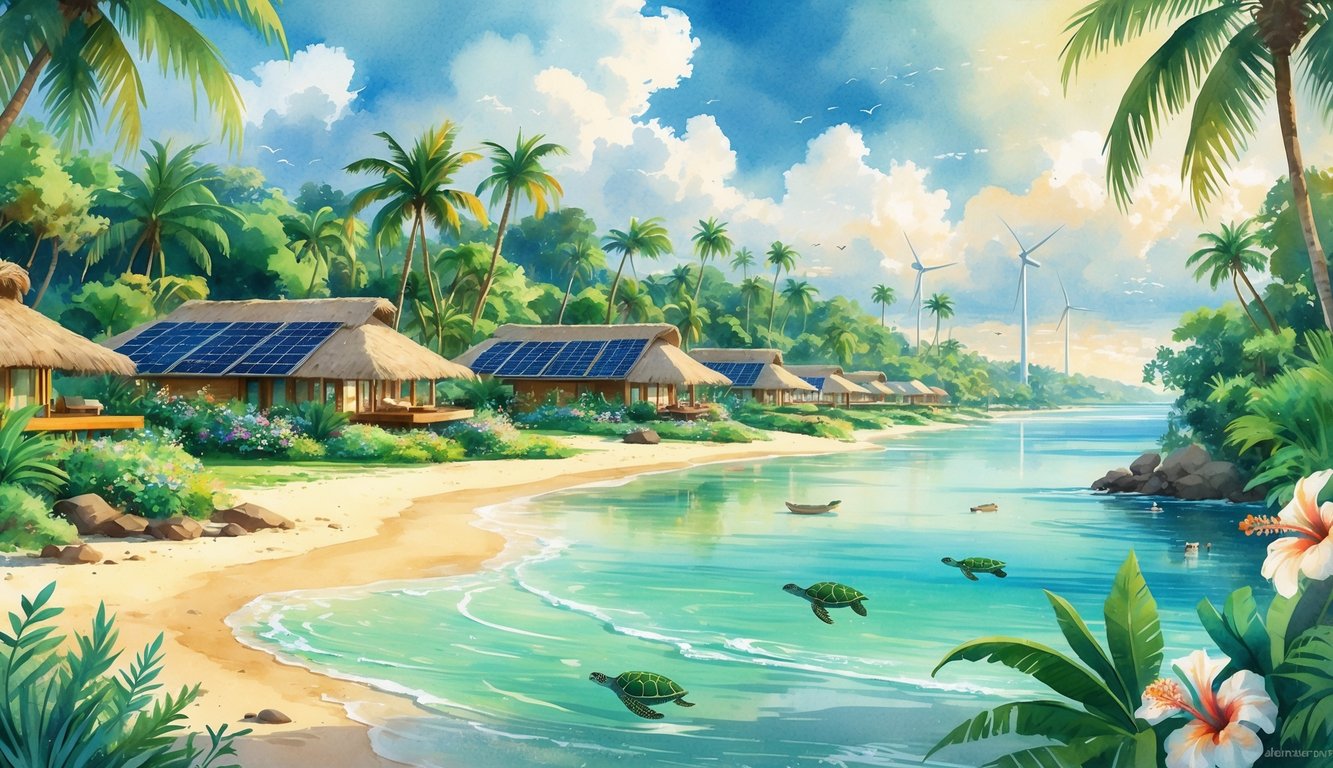
When I plan a Hawaiian vacation, choosing a place to stay is just as important as picking which island to visit. If you’re looking for eco-resorts in Hawaii, there are several great options that let you enjoy the islands while supporting sustainable travel.
Turtle Bay Resort
Turtle Bay Resort sits on Oahu’s famous North Shore, surrounded by miles of coastline and lush greenery. The resort focuses on environmental conservation.
Staff work to protect local wildlife and native plants by restoring natural habitats on the property. They use filtered seawater for air conditioning, which saves fresh water each year.
Electric vehicle charging stations and a commitment to renewable energy can be found across the site. Dining options include local and organic foods, supporting both sustainability and the community.
Turtle Bay organizes cultural programs and offers guided nature walks. These activities help guests connect with Hawaiian traditions and learn about caring for the environment.
For more information, visit this eco-friendly resort in Hawaii.
Four Seasons Resort Hualalai
Four Seasons Resort Hualalai is on the Big Island and goes beyond simple recycling. The resort makes energy efficiency a top priority, using LED lighting, high-efficiency appliances, and water-saving measures.
I like their unique accommodation options, such as bungalows set in tropical gardens or right on the beach. The resort uses onsite solar power and partners with local conservation groups.
Landscaping features native plants, helping preserve Hawaii’s fragile ecosystems. There’s a natural pond on the property where guests can learn about marine life conservation.
Restaurants use fresh, local ingredients, supporting farmers and reducing the resort’s carbon footprint. Find out more about the Four Seasons Resort Hualalai’s sustainability practices.
Maui Eco Retreat
Maui Eco Retreat is a top eco-lodge in Hawaii for travelers who want a quiet, nature-focused stay. The retreat runs entirely on 100% renewable energy.
Buildings use natural materials, such as bamboo and recycled wood, keeping the space cozy and environmentally friendly. The property collects rainwater and uses composting toilets to reduce waste.
A small organic farm onsite grows food for guests. Living in this peaceful setting lets me reconnect with nature and enjoy Hawaii travel in a mindful way.
For details about this unique eco-lodge on Maui, I check their website to plan my next trip.
Other Notable Eco-Resorts on the Islands

Some resorts in Hawaii blend sustainability with comfort by using energy-saving systems and supporting local farms. They also protect beautiful natural areas.
These properties focus on eco-friendly features without giving up quality. They are a smart choice for eco-minded travelers.
Fairmont Kea Lani
The Fairmont Kea Lani on Maui stands out for its solar power system and water conservation. Staff use smart irrigation technology to limit water use on the grounds.
The resort sources food from local farmers and fishermen, giving guests fresh flavors and helping the community. Biodegradable cleaning products are used throughout the property.
Each suite has energy-saving features like automatic lighting and climate control. The hotel offers educational programs about Hawaiian culture and the local environment.
For families, there are kid-friendly activities that teach about protecting nature. The Fairmont Kea Lani balances comfort, culture, and sustainability.
The Westin Hapuna Beach Resort
The Westin Hapuna Beach Resort is along the Kohala Coast on the Big Island. The resort includes sustainability in nearly every aspect of its operations.
Their waste program focuses on composting and recycling. Guest rooms use LED lighting, and staff work to reduce single-use plastics.
Electric vehicle charging stations are available for those who rent EVs. The hotel supports local initiatives and native plant restoration near Mauna Kea Beach Hotel.
Dining options highlight seasonal produce and seafood from nearby farms. Guests can join tours focused on local wildlife and Hawaii’s environment.
The Westin Hapuna Beach Resort gives options for those who want an eco-friendly stay by the ocean.
The Fairmont Orchid
The Fairmont Orchid is on the Kohala Coast and works to conserve Hawaii’s natural resources. The resort uses solar panels to power much of its operations.
They have strong partnerships with nearby farms, allowing their restaurants to serve farm-to-table meals. Landscaping features native and drought-tolerant plants, which reduces the need for extra watering.
The Fairmont Orchid runs reef protection programs and supports local marine life initiatives. Staff teach guests about traditional Hawaiian practices and the importance of ocean health.
This resort offers luxury combined with visible efforts to protect Hawaii’s environment.
Hotel Wailea
Hotel Wailea is an adults-only eco-resort on Maui, set on a hillside with ocean views. The property uses solar power and is designed to use less energy.
Organic gardens supply herbs and vegetables to the kitchens, making meals extra fresh. Rainwater catchment systems and efficient water use are found across the site.
Suites include natural materials and eco-friendly products. Hotel Wailea hosts sustainability-focused events, like garden tours and cooking classes with local produce.
Guests can explore the area by electric car or bike, which the hotel provides. This property shows that luxury and protecting Maui’s beauty can go together.
Sustainable Practices and Eco-Friendly Features
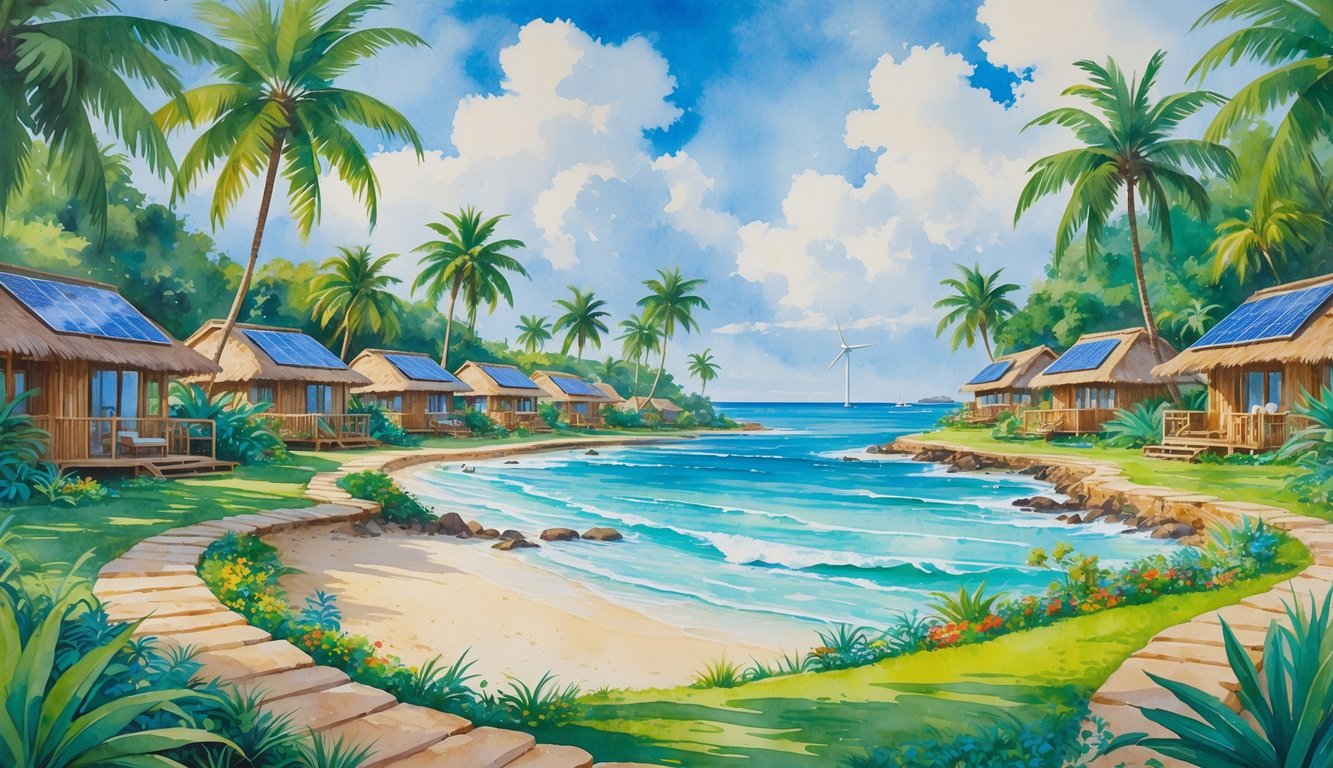
The top sustainable resorts in Hawaii use clean energy, save water, and grow organic food on-site. These steps help keep Hawaii’s ecosystems healthy and let guests enjoy their stay with less impact on nature.
Renewable Energy Sources: Solar, Wind, and More
Many eco-friendly resorts in Hawaii use renewable energy like solar and wind power. Solar panels and wind turbines often meet much of a resort’s energy needs.
Some resorts install large solar arrays on rooftops to capture Hawaii’s strong sunlight and reduce fossil fuel use. Others add small wind turbines to harness ocean breezes.
These resorts use energy-efficient lighting and appliances to lower energy consumption. This reduces strain on the environment and cuts energy bills.
Some resorts display real-time energy use or offer tours to teach guests about renewable energy. If I want to find destinations with these features, I check the top eco-friendly resorts in Hawaii for green energy options.
Water Conservation and Rainwater Harvesting
Water is often scarce on islands, so conservation matters. Many Hawaiian resorts install low-flow fixtures in sinks, showers, and toilets to save water.
Some resorts recycle greywater for landscaping. Rainwater harvesting systems collect water from roofs and store it for gardens, restrooms, or laundry rooms.
Large water catchment systems often sit behind main buildings and feed irrigation for native plants and organic gardens. These water-saving practices help protect Hawaii’s freshwater sources.
Organic Food and On-Site Organic Farming
I enjoy eating fresh, local food, so I love when resorts grow their own organic produce. On-site organic farms use gardening methods without harsh chemicals.
These gardens supply much of the fruit, vegetables, and herbs for the resort’s kitchens. Some places offer farm-to-table dining, where I can taste food picked the same day.
A few resorts invite guests to tour the gardens, help harvest, or join cooking classes. Guides like the top 10 eco-resorts in Hawaii often highlight these green dining experiences.
Waste Reduction and Eco-Initiatives
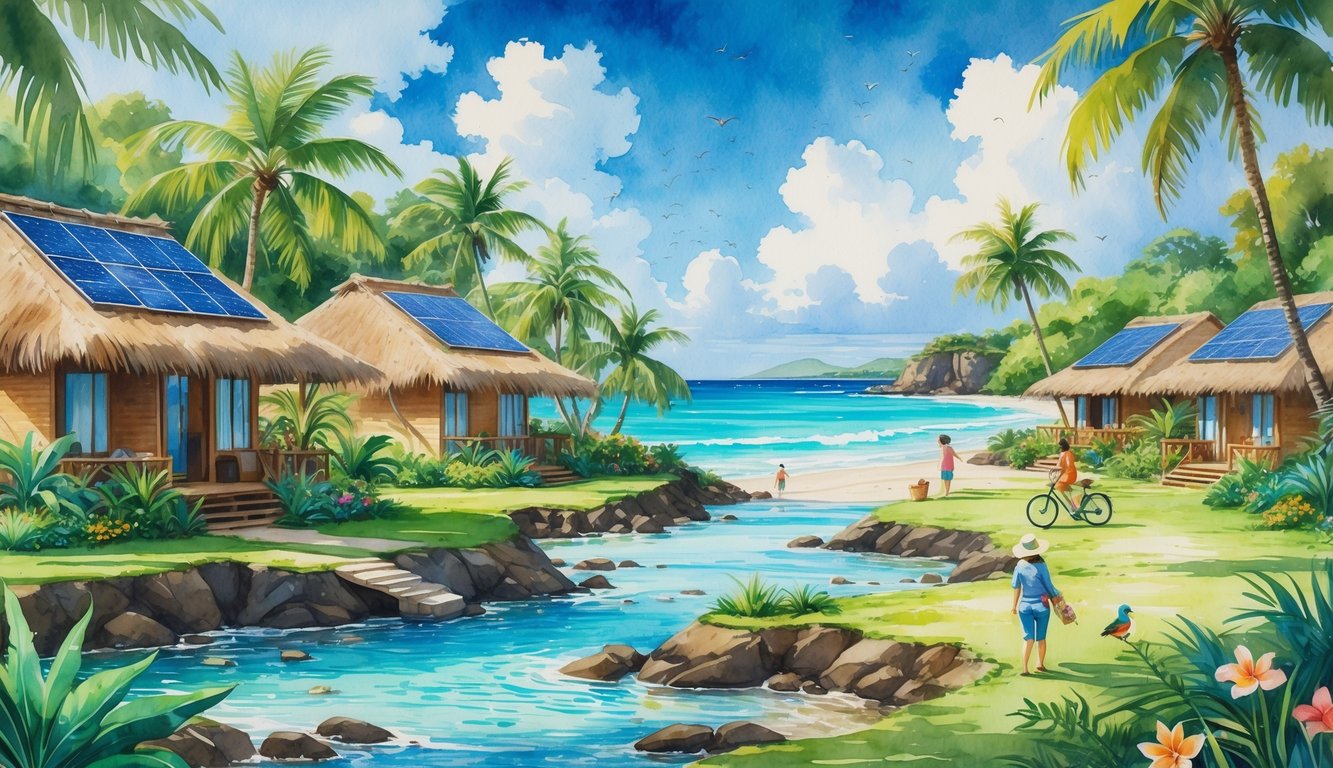
Hawaii’s top sustainable resorts work to cut waste, use greener materials, and eliminate single-use plastics. These efforts help protect Hawaii’s nature and offer guests a more responsible way to travel.
Composting and Waste Management
During my last trip, I saw many eco-resorts collect food scraps and yard waste to make compost. Resorts turn leftovers into rich soil for their gardens.
Clear sorting stations in guest areas make it easy to separate food, recyclables, or landfill trash. Bins are labeled with icons and descriptions.
Resorts use waste audits to learn what gets thrown away. This helps them reduce, reuse, or donate items.
Some places, like those in the best eco-resorts in Hawaii, train staff and guests about composting. A few partner with local farms to share extra compost.
Sustainable Building Materials and Design
Resort buildings often use materials that have less impact on the environment. Certified wood, recycled metal, and low-VOC paints are common choices.
Local stone or bamboo appear in walkways, decks, and furniture. Many resorts use smart design to save energy and reduce waste.
Large windows let in natural sunlight, so rooms stay bright without extra lighting. Roofs collect rainwater, which is filtered and reused for gardens and lawns.
Insulation made from recycled or natural products lowers the need for air conditioning. These steps save energy and resources while keeping guests comfortable.
Eliminating Single-Use Plastics
Sustainable resorts are moving away from single-use plastics. Instead of plastic water bottles, I receive a refillable glass or stainless steel bottle at check-in.
Water stations in common areas make refilling easy. Toiletries come in bulk dispensers, not small plastic bottles.
Restaurants and bars use paper straws, compostable cups, or reusable plates and utensils. Some resorts organize beach cleanups to collect plastic waste and raise awareness.
These changes help everyone avoid single-use plastics every day. For more tips, see these sustainable beach resorts worldwide.
Experiencing Hawaii’s Natural Beauty Responsibly
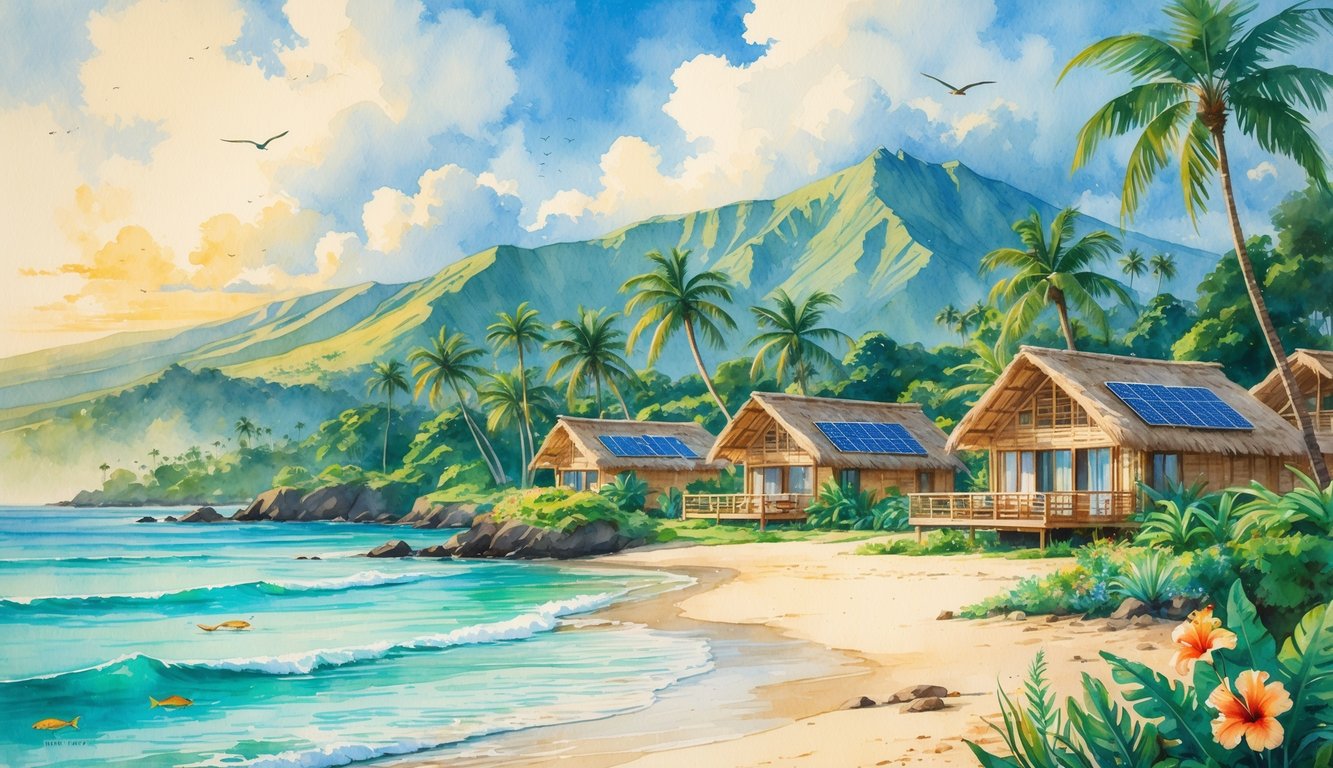
I enjoy exploring Hawaii because I can join activities that protect the land and sea. Sustainable resorts offer ways to see rare wildlife, join eco-friendly adventures, and learn about the islands’ natural heritage.
Guided Hikes and Outdoor Activities
When I visit an eco-friendly resort in Hawaii, I often join guided hikes through rainforests and scenic valleys. Local guides share their knowledge of native plants and animals.
Resorts like Four Seasons Resort Hualalai arrange tours that follow trails built to prevent soil erosion and protect rare species. I also enjoy outdoor activities such as waterfall swims and birdwatching.
Many eco-resorts limit group sizes for hikes. This reduces disturbance for wildlife and gives me a better chance to spot native birds.
Some resorts offer volunteer days for beach or trail cleanups. These activities let me give back to the island while enjoying nature.
Snorkeling, Kayaking Tours, and Wildlife Conservation
Snorkeling over coral reefs is always a highlight for me. Resorts on the Big Island and Maui partner with local conservation groups to offer eco-friendly snorkeling and kayaking tours.
Guides teach me about reef-safe sunscreen and how to avoid harming marine life. I see sea turtles, colorful fish, and sometimes dolphins from a safe distance.
Some tours include citizen science projects, where I help collect data about fish or spot invasive species. Wildlife conservation is a big focus at sustainable resorts.
At places like Hilton Waikoloa Village, I learn about efforts to protect endangered animals and restore habitats. By following simple rules, like not touching wildlife, I help protect Hawaii’s unique biodiversity.
Biodiversity and Eco-Tourism Opportunities
Hawaii is home to plants and animals found nowhere else. On eco-tours, I see native birds like the ‘i’iwi and flowers such as hibiscus and lehua.
Some resorts offer biodiversity walks with naturalists who explain how climate and geography shaped Hawaii’s forests and reefs. Printed guides or small field stations help me spot native species without harming the land.
I look for eco-tourism opportunities that support conservation projects and respect cultural traditions. Staying at eco-lodges in Hawaii helps me choose responsible activities each day.
Connecting with Hawaiian Culture and Local Communities
When I visit a sustainable resort in Hawaii, I want more than just a place to sleep. Cultural experiences and support for the local community make my stay memorable.
Hands-on workshops, performances, and mindful travel choices help me connect with Hawaii’s unique spirit. At several eco-friendly resorts, I can try lei-making workshops guided by local experts.
I learn about the flowers and plants used to make leis and the meanings behind each design. For me, it’s not just a craft—the process shows respect for Hawaiian culture.
Resorts like Turtle Bay and Four Seasons Resort Hualalai also offer hula dance lessons, ukulele classes, or storytelling sessions. These activities teach me about Hawaiian values, history, and respect for the land.
Each session usually supports local artists or teachers. Some places hold traditional Hawaiian luaus as part of their programs.
These events highlight local food, music, and legends. My experiences at these events help me understand the connection Hawaiians have with nature and community.
There’s always an invitation to ask questions and try new things. I know my choices matter when I travel.
By picking locally owned, eco-conscious resorts, I help keep traditions strong and money in the community. Places like Mauna Lani Bay Hotel & Bungalows and Turtle Bay Resort are good examples.
They run cultural immersion programs while using green practices like solar power and recycling. When I buy locally made crafts or eat at small restaurants, I support Hawaiian artists and farmers.
Some resorts host weekly markets with handmade jewelry, woven baskets, and traditional art. I’ve also enjoyed guided excursions where local guides explain the land’s history and its importance to their families.
I look for opportunities that respect local customs and protect Hawaii’s environment. Supporting cultural preservation is as important as enjoying the islands’ natural beauty.
Choosing mindful travel options lets me give back while learning and growing during my stay.
Tips for Eco-Conscious Travelers
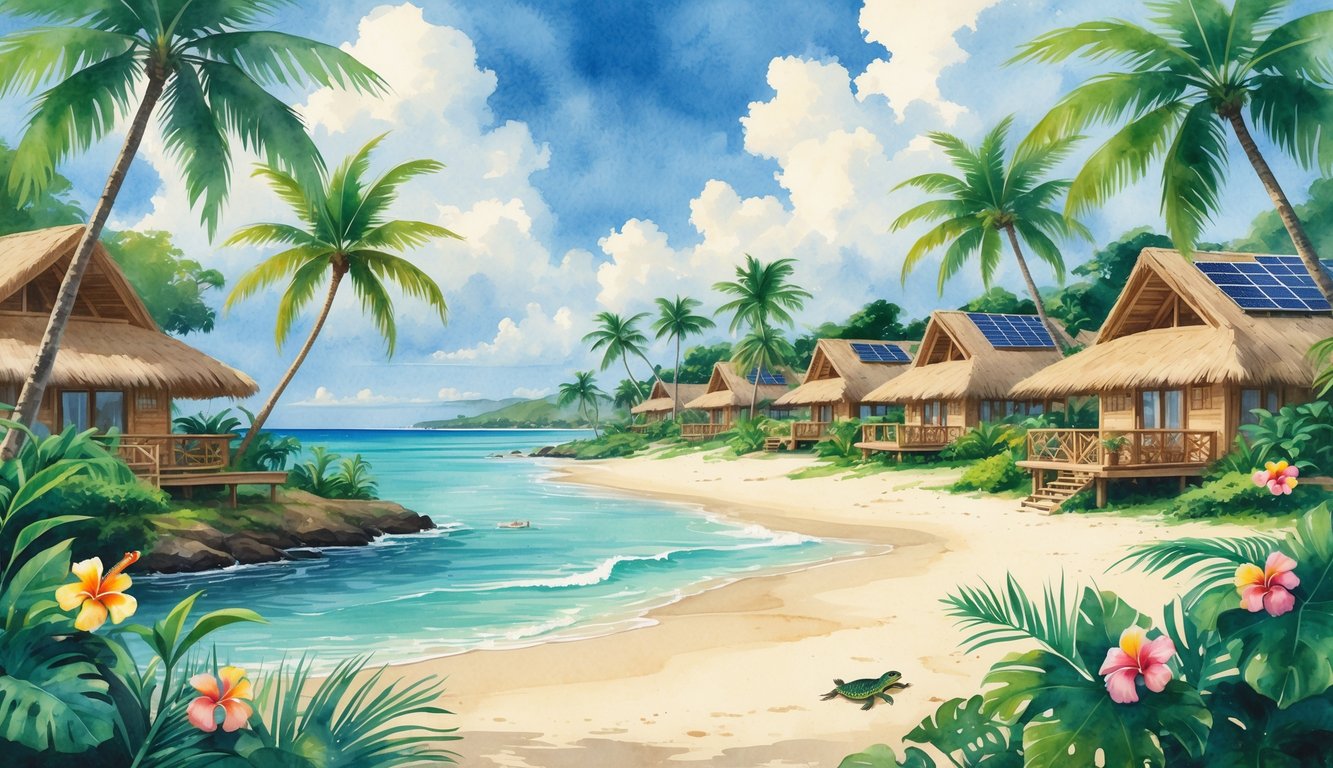
When I visit Hawaii, I want my vacation to have a positive impact. I know my choices—from where I stay to how I interact with nature—affect local people and the environment.
Planning Your Sustainable Hawaiian Vacation
I think about my carbon footprint before I arrive. I look for nonstop flights because takeoff and landing use the most fuel.
Packing light helps reduce emissions since planes use more fuel for heavier loads. I plan activities that support local culture and conservation.
Guided tours run by local experts show me the real Hawaii and help small businesses. I skip activities with captive wildlife and avoid single-use plastics by bringing my own water bottle and tote bag.
Here’s what I pack:
- Reusable water bottle and utensils
- Reef-safe sunscreen
- Lightweight, eco-friendly clothes
- Digital tickets instead of printed ones
I check if the places I’m visiting have special rules. Certain areas protect rare plants, birds, or sea life, and I want to follow all guidelines.
Choosing Eco-Friendly Accommodations
I make finding eco-friendly places to stay a key part of my trip. I look for hotels and resorts that use solar power, recycle, and cut down on waste.
Some places harvest rainwater or hold certifications from groups like LEED. I check trusted lists, like these eco-resorts in Hawaii.
I prefer lodges that grow their own food or use local materials. I also choose places that protect wildlife habitats.
Whenever possible, I pick smaller or locally owned properties because my money supports the community.
Here are features I look for:
- Energy-saving lighting and appliances
- Organic or local foods in their restaurants
- Water-saving showerheads
- Programs for beach clean-ups or tree planting
If I’m not sure a place is truly sustainable, I send an email to ask about their efforts before I book.
Sustainable Living and Responsible Tourism
While traveling, I stick to trails and avoid picking plants or touching coral.
I use reef-safe sunscreen because ordinary sunscreen can harm Hawaii’s reefs.
I respect quiet spots and make sure not to leave behind trash.
I shop at local farmers markets and eat at family-run restaurants so my money supports local people.
I use public transportation, rent bikes, or walk instead of renting a car.
I follow the rule: “Leave it better than you found it.”
Sometimes I join a beach cleanup or pick up litter I see along the way.
I ask questions about island culture so I can be polite and responsible wherever I go.