I love spending time outdoors in Hawaii because the islands offer many adventures, from hiking lush trails to snorkeling in clear water.

Choosing the right time to visit helps you get the best weather and activities.
The best time for outdoor adventures in Hawaii is during April, May, September, and October when conditions are usually sunny, warm, and less crowded.
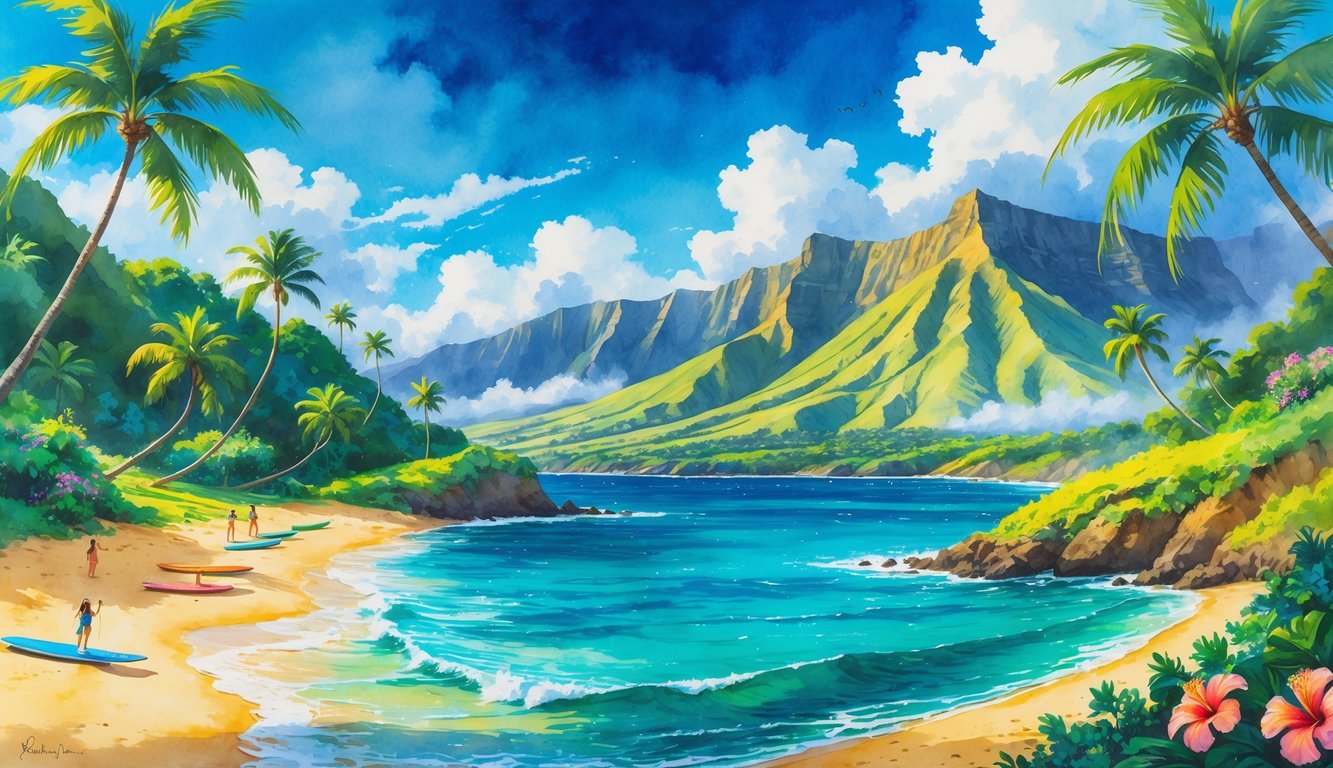
During these months, the weather feels just right—not too hot or rainy. I can explore beaches, trails, and waterfalls comfortably.
The “shoulder seasons” allow me to enjoy favorite spots with fewer people. The trade winds keep everything cool and refreshing.
If you want to see Hawaii’s beauty and enjoy outdoor fun, these months are great for adventure.
You’ll experience the best of Hawaii, whether you like hiking, snorkeling, or relaxing outside.
For more ideas about timing your visit, check out this month-by-month guide on Hawaii adventures and advice on outdoor activities in Hawaii.
Understanding Hawaii’s Outdoor Adventure Seasons
When I plan outdoor activities in Hawaii, I check how the weather changes each month, stay aware of hurricane risks, and review ocean conditions before going out.
These factors help me decide which adventures to enjoy, from hiking to snorkeling and surfing.
Weather Patterns Throughout the Year
Hawaii’s weather stays pleasant most of the year, but small changes matter for outdoor plans.
The islands have a dry season from April to October and a wet season from November to March.
Daytime highs are usually 80-88°F, while lows stay between 65-75°F.
Rain falls most in winter, especially on the northern and eastern sides of each island. I prefer drier months for long hikes or camping trips.
During the shoulder months of April, May, September, and October, the weather feels warm but not too humid.
Trails and parks are less crowded, making these months ideal for surfing, paddleboarding, or hiking.
You can read more about picking the best months for Hawaii’s weather.
Impact of Hurricane Season
Hurricane season in Hawaii lasts from June through November.
Hurricanes rarely hit the islands, but I always check the forecast, especially in late summer and early fall.
Most years, hurricanes only bring higher humidity, stronger winds, and more rain.
This can close trails, make ocean conditions rough, or delay outdoor plans.
I prepare a backup indoor activity during hurricane season just in case.
Heavy rain from storms can cause flash floods in valleys and on hiking trails.
Staying updated with local news and weather apps helps me stay safe.
Ocean Conditions and Safety
Hawaii’s ocean can change quickly—calm one day, rough the next.
In summer, the south shores have bigger waves for surfers.
In winter, the north shores on Oahu and Maui attract professionals with huge swells, but these can be dangerous for swimmers.
Before swimming or snorkeling, I look for posted warnings, check surf reports online, and ask local lifeguards.
Some beaches have gentle water in protected coves, while others have strong rip currents.
Using this information helps me stay safe and enjoy Hawaii’s incredible beaches.
For more safety tips on ocean conditions in Hawaii, I check local guides and beach reports.
Best Months for Outdoor Adventures in Hawaii
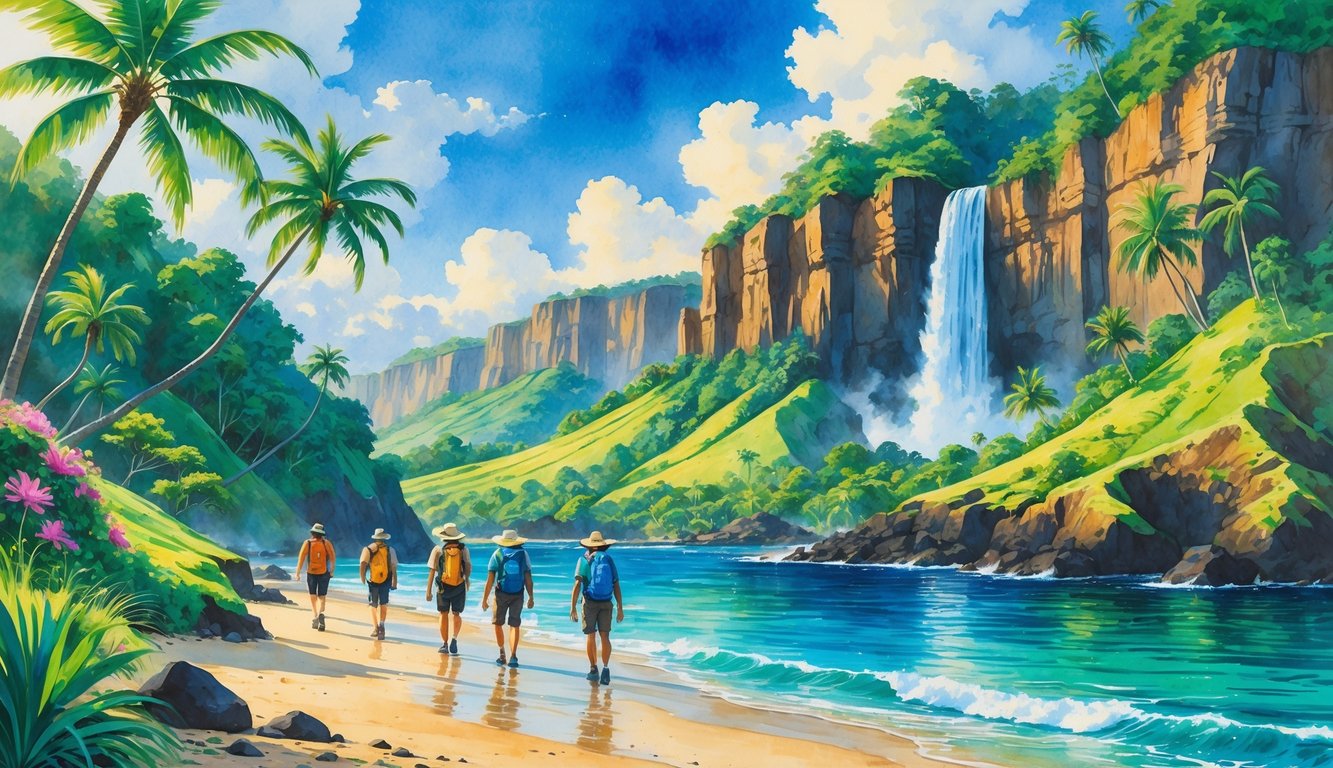
When I plan outdoor activities in Hawaii, I consider weather patterns, crowd levels, and costs.
Choosing the right month helps me get good weather, quieter beaches, and better hotel rates.
Best Time to Visit Hawaii
From my experience, the best time to visit Hawaii for outdoor adventures is April, May, September, or October.
These months usually have nice weather, less rain, and comfortable temperatures.
The skies are mostly sunny, and trade winds bring a cool breeze.
Hotels and flights often cost less during these months than in summer or winter holidays.
Hiking trails and beaches have fewer people, so I can explore easily.
If I want to try water sports like snorkeling or surfing, conditions are usually reliable in these months.
Exploring the Shoulder Seasons
The periods from mid-April to June and September to early November are called Hawaii’s “shoulder seasons”.
I like these months because the weather is warm but not too hot, and there’s less rain than in winter.
The ocean is usually calm, which is perfect for swimming, kayaking, and paddleboarding.
Crowds are smaller since these months fall between busy seasons.
I enjoy places like Hanauma Bay or Haleakalā National Park trails without feeling rushed.
Sometimes, I find travel deals and discounts for activities during this time, making it easier to try more adventures.
Highlights of Winter in Hawaii
Winter in Hawaii, from November to March, brings unique experiences.
I often watch big waves on Oahu’s North Shore, which is exciting for surf fans.
Watching top surfers compete is a highlight for me.
Winter is the wet season, but showers are often brief, especially on the leeward sides of the islands.
Winter is also great for whale watching, as humpback whales visit Maui.
If I’m okay with some rain and wind, winter still offers many outdoor options.
Temperatures stay mild, and many trails remain open.
Top Outdoor Activities and When to Enjoy Them
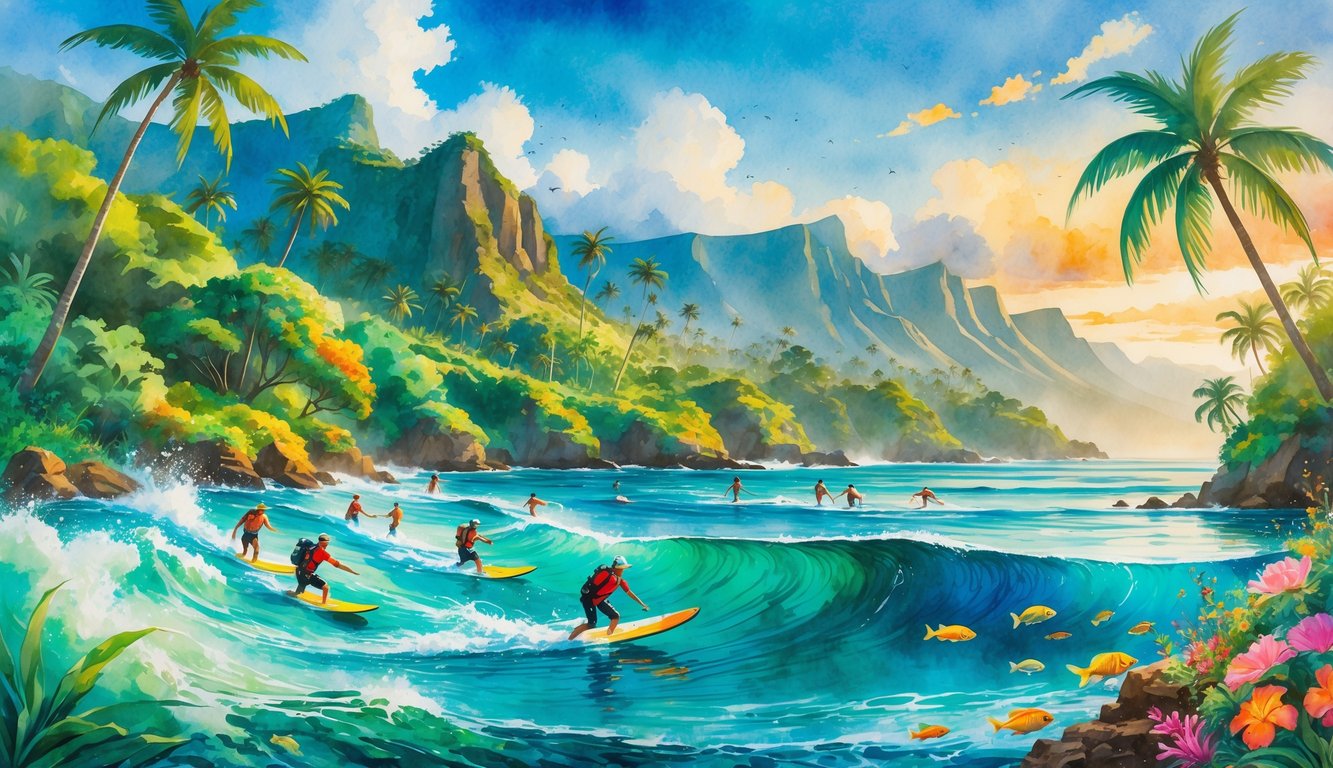
Hawaii offers many outdoor activities for different seasons and times of day.
I want to help you choose when to try the most popular adventures.
Snorkeling and Snorkeling Tours
Snorkeling is my favorite way to see Hawaii’s coral reefs and marine life.
The best time to go is in the morning when the water is calm and clear.
I always check forecasts because strong winds and rough surf can make snorkeling unsafe.
Spring and summer bring warmer water and smaller waves, which are good for beginners.
Many beaches, like Hanauma Bay and Molokini Crater, have marked snorkeling zones.
Snorkeling tours usually leave early and have guides who help you spot turtles, fish, and sometimes dolphins.
For more tips on activity timing and safety, read this article on Hawaii outdoor adventurer activities.
Hiking Trails and Nature Experiences
Hiking is available all year in Hawaii, but I think April through October is best.
Trails are usually drier, and there’s less risk of mud or sudden rain.
Mornings and late afternoons are cooler, which is ideal for longer hikes.
Popular trails like Diamond Head and the Pipiwai Trail offer views of waterfalls and forests.
Many trails are close to beaches, so I sometimes plan a beach day after hiking.
If you’re hiking with kids or are new to hiking, choose well-marked paths for safety.
Weather can change quickly, so I bring water, sunscreen, and a light rain jacket.
For more details about the best times for outdoor activities, see this guide about outdoor adventures in Hawaii.
Paddleboarding and Stand-Up Paddleboarding
Paddleboarding and stand-up paddleboarding (SUP) are easiest in the morning before trade winds start.
Flat water makes balancing easier, especially for beginners.
Local shops rent boards and offer lessons for all skill levels.
Summer is the best season for these activities since the ocean is calmer.
Ala Moana Beach Park on Oahu and Napili Bay on Maui are top spots for gentle waves and sandy shores.
I always use reef-safe sunscreen and wear a hat for sun protection.
Watching sunrise or sunset from a paddleboard is peaceful and a great way to spot sea turtles.
For more adventure ideas on Oahu, see this list of must-do activities.
Island-Specific Adventure Timing
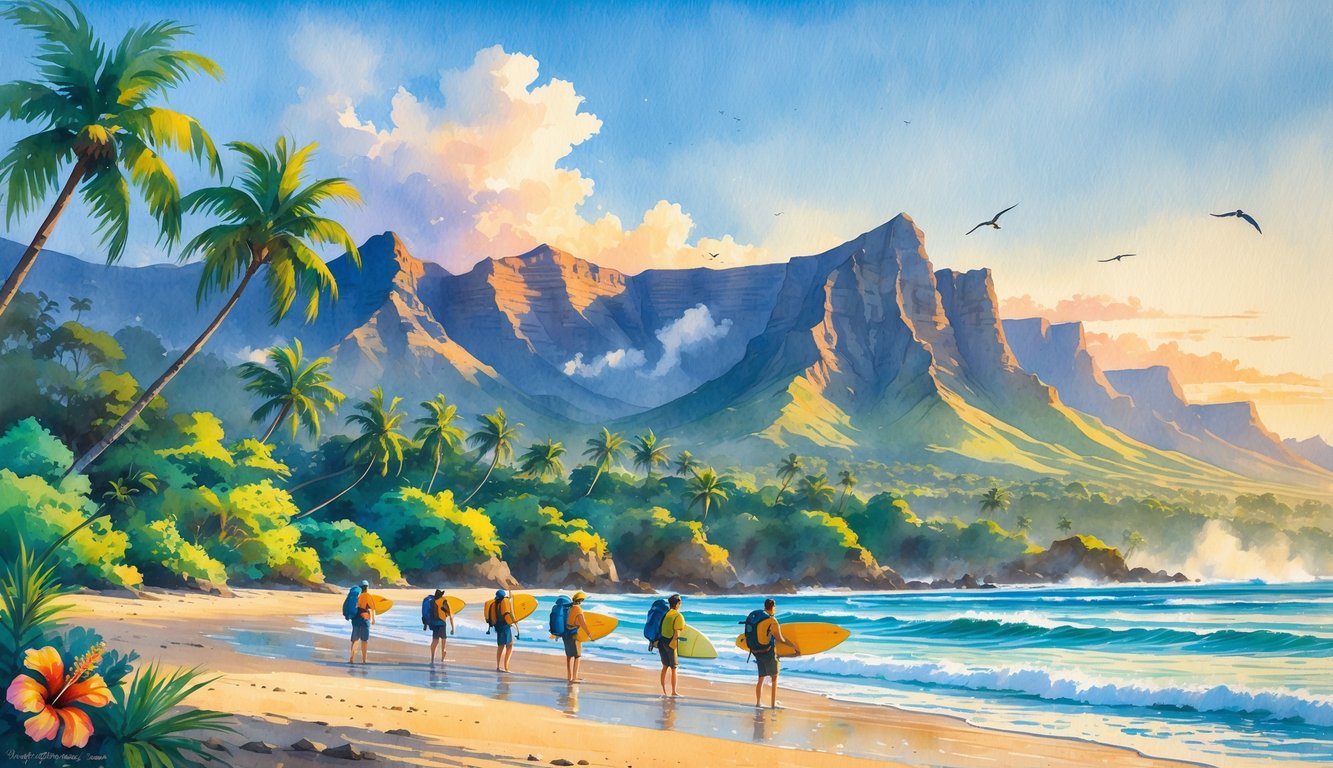
Each Hawaiian island offers different adventures for outdoor lovers.
The timing of your trip shapes the kinds of activities you’ll find, from peaceful hikes to exciting surf breaks.
Adventure Highlights on Maui
Maui offers many options for outdoor fun.
When I visit in spring or fall, the weather feels mild and crowds are smaller.
These months are great for hiking through Iao Valley or driving along the Road to Hāna.
In summer, the ocean stays warm and calm on the west and south shores, perfect for snorkeling at Molokini Crater.
Kayaking and paddleboarding are also popular during these months.
One of my favorite sights is the sunrise at Haleakalā. It’s cold at the summit, so I pack a jacket.
The crater trails are best from April to October when rain is less likely and views are clear.
Whale watching is another highlight. Winter, especially from December to April, brings thousands of humpback whales close to Maui’s shores.
Seasonal Wonders on the Big Island
The Big Island’s landscape changes a lot from coast to coast. In summer, I like to explore the clear waters near Kona for snorkeling and diving.
The warm, dry months from April through October are the best times for hiking the lava fields. I also enjoy seeing the rainforest in Waipi‘o Valley during this season.
I visited Hawaiʻi Volcanoes National Park to watch the lava flow from Kīlauea Volcano. I check the park’s daily updates because volcanic activity changes throughout the year.
Cooler months make hiking around the craters more comfortable. From November to March, rain increases on the Hilo side, so it’s a good time to see waterfalls like Akaka Falls at their fullest.
I avoid hiking in upland areas during the wettest months. Instead, I stick to Kona’s drier south and west coasts.
Discovering O‘ahu and Waikiki
O‘ahu offers a mix of fun in the city and nature escapes. I love exploring Waikiki’s beaches year-round.
The water is warmest and the surf is calmest from May to September. This is perfect for beginners trying surfing or stand-up paddleboarding.
I enjoy hiking the Diamond Head trail. Early mornings or late afternoons between April and October feel less crowded and cooler, making the hike much more enjoyable.
Pearl Harbor tours and historical sites are best on weekdays to avoid crowds. Waikiki hosts lively festivals in the spring and fall, such as the Aloha Festivals and hula performances at Kūhiō Beach.
These months have fewer visitors, so there’s more space on the beach and shorter lines at popular brunch spots.
Secrets of the North Shore of Oahu
The North Shore is famous for big winter surf. From November to February, I see massive waves at Waimea Bay, Sunset Beach, and the Banzai Pipeline.
This is the best time to watch pro surfers take on world-class breaks. In summer, the waves calm down, making the North Shore perfect for swimming, snorkeling, and exploring tide pools.
I like to snorkel at Shark’s Cove when the sea is gentle. Farmers’ markets and food trucks along the North Shore are best in late spring and early fall.
The weather is pleasant, and the crowds are smaller. Walking or biking the coastal paths is especially nice during these quieter months.
A trip to Waimea Valley in spring reveals the botanical gardens in full bloom. The waterfall usually flows well, so I bring water shoes for rocky streams and trails.
Wildlife Encounters and Seasonal Events
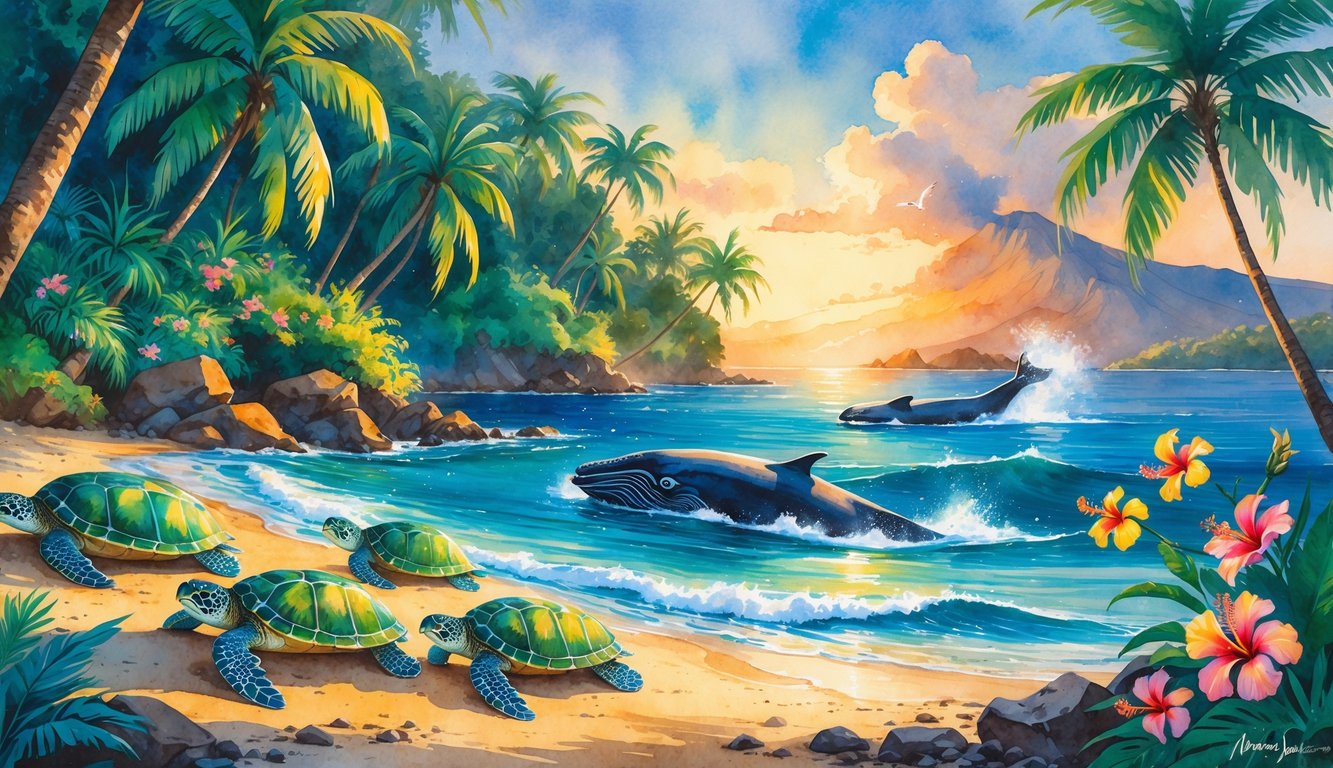
Hawaii’s unique wildlife and natural events make every trip special. From seeing whales up close to watching surfers compete, there is a lot to enjoy outside in every season.
Whale Watching Opportunities
One of the biggest highlights of winter in Hawaii is whale watching. Each year, humpback whales travel from Alaska to Hawaii’s warm waters.
The best months are December through April, with January and February as the peak. On Maui, it’s easy to spot these huge animals from the shore or on a boat tour.
Guides share facts about whales and help spot mothers with their calves. Hawaii is known for baby whale sightings because the whales come here to breed and raise their young.
For families, I recommend bringing binoculars. Morning tours are often less crowded, so I get better views and more chances to ask questions.
Learn about the best wildlife experiences in Hawaii, including whale watching.
Surf Competitions and Ocean Sports
Winter brings big waves to Hawaii, especially on the North Shore of Oahu. Surf competitions like the Vans Triple Crown take place during this time.
I love the energy as beaches fill with fans watching expert surfers tackle waves up to 30 feet tall. While I’m not a pro surfer, I enjoy trying other ocean sports during these months too.
Snorkeling, paddleboarding, and watching boogie boarders can be exciting when the swell is up. Local surf schools offer lessons, but beginners should stick to calmer beaches during high surf.
The mood is lively during competitions. Traffic can be busy, but the excitement is worth it.
Some events are free to watch, so I always check the schedule before planning my beach day.
Tropical Flowers and Natural Beauty
Spring in Hawaii brings a burst of color. Many of the islands’ tropical flowers, like plumeria, hibiscus, and orchids, bloom during this season.
I enjoy walking through botanical gardens and seeing bright blooms around hotels and parks. The weather in spring is mild, and trails are less crowded.
Photographers and walkers like me can get great photos of landscapes and rare flowers. Local farmers’ markets often sell fresh lei made from these blossoms, so I make sure to stop by and pick one up.
Wildlife is active too, as birds return from migration and animals come out in the warm weather. Spring is a vibrant time for wildlife watching, with birds, insects, and plants all easy to spot.
I never forget my camera when heading out on a spring hike.
Hawaiian Cultural Festivals and Local Experiences
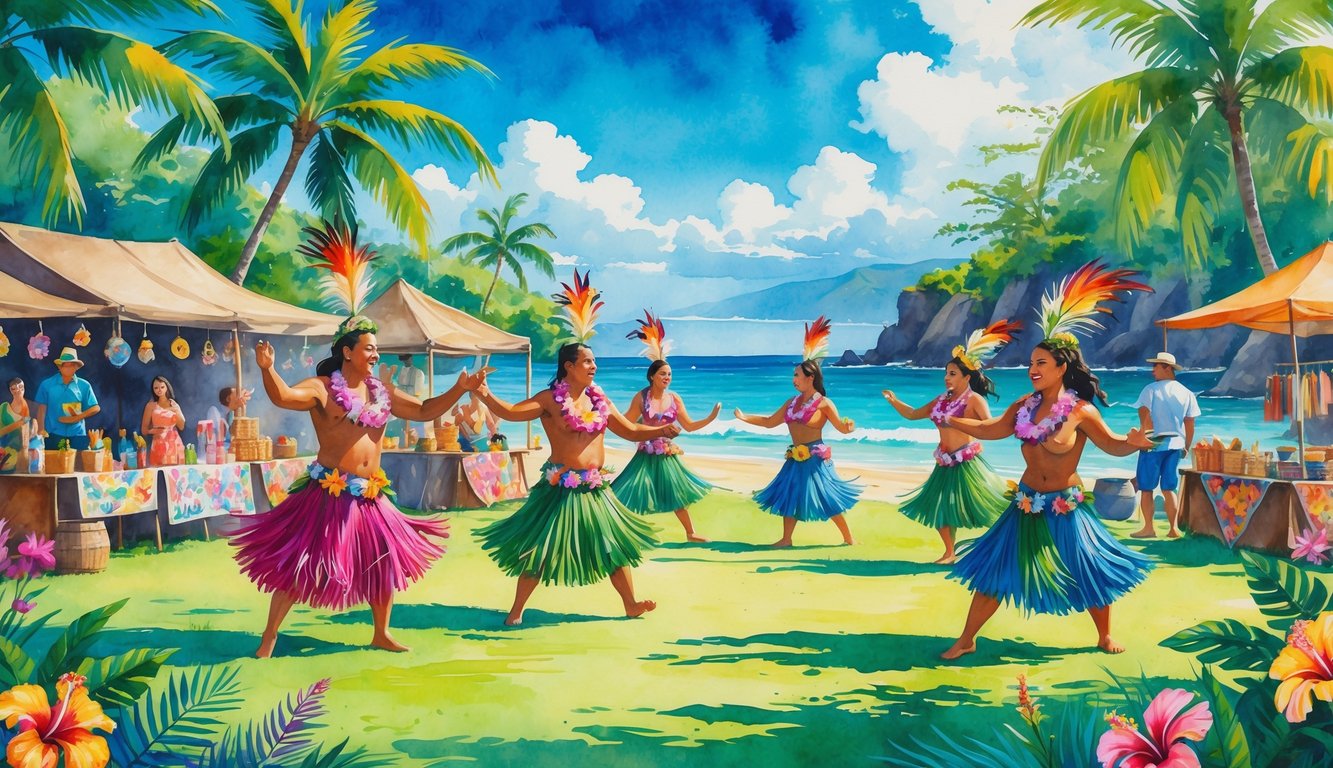
Hawaii is full of unique events that celebrate music, hula, and family fun. By joining these local experiences, I get to feel the spirit of aloha and learn about Hawaii’s rich traditions.
Merrie Monarch Festival
The Merrie Monarch Festival is one of Hawaii’s most popular cultural festivals. Every spring, I head to Hilo on the Big Island to watch the state’s top hula dancers gather for a week-long celebration.
This festival honors King David Kalākaua, who revived hula and Hawaiian arts. The highlight for me is the hula competition, where dancers perform both ancient and modern styles.
There are also parades, Hawaiian art shows, and craft fairs that fill the streets. The energy is joyful, and everyone is welcome to join.
I try local food and shop for handmade crafts to connect with the local community. The Merrie Monarch Festival is a great chance to see traditional Hawaiian culture in action.
Lei Day Celebrations
May 1st is Lei Day in Hawaii. The whole state comes alive with fresh flower leis and music.
People fill the streets and parks, making, wearing, and exchanging leis. Everyone is welcome to join lei-making workshops, watch live music, and see hula shows.
Queen Kapiʻolani Park in Honolulu is the main gathering place, but Lei Day is also celebrated in schools and small towns. I visit craft booths to see award-winning lei designs up close or listen to local musicians perform traditional songs.
This is a time when I feel the true aloha spirit. Making and sharing leis is about kindness and friendship.
Aloha Festivals and Community Events
Aloha Festivals are the largest celebration of Hawaiian culture in the islands. Every September, I join locals and visitors at parades, block parties, and outdoor concerts.
Waikiki on Oʻahu turns into a huge stage for dance and music, including the colorful Floral Parade. I enjoy walking through open markets that sell food, crafts, and clothes from local businesses.
These festivals honor Hawaiian traditions and bring communities together across all islands with storytelling, ukulele contests, and hula. Other events, like the Ukulele Festival Hawaii and Kona Coffee Cultural Festival, let me discover more about music and food in Hawaii.
Each celebration shares a part of local life you can’t find anywhere else.
Embracing Hawaiian Culture in Outdoor Adventures
Outdoor adventures in Hawaii become more meaningful when I add a local experience or festival.
I plan hiking, surfing, or paddling trips around event days. This way, I enjoy nature and culture on the same journey.
For example, after I explore a volcano or rainforest, I join a nearby hula show or craft fair.
Many events take place at parks, beaches, or scenic spots. I experience Hawaii’s landscape while I learn from local artists and performers.
Quick tips for making the most of these experiences:
| Tip | How It Helps |
|---|---|
| Check festival calendars | Plan trips around special events |
| Arrive early | Find good spots for shows |
| Join workshops | Learn skills from locals |