
Snorkeling in Hawaii is one of my favorite ways to explore the islands’ beauty. Swimming above colorful coral reefs and spotting tropical fish in the clear water feels special.

Summer months, from May to October, offer the best time for snorkeling in Hawaii. The ocean stays calm and the water feels warm, so visibility is high and conditions are safe.
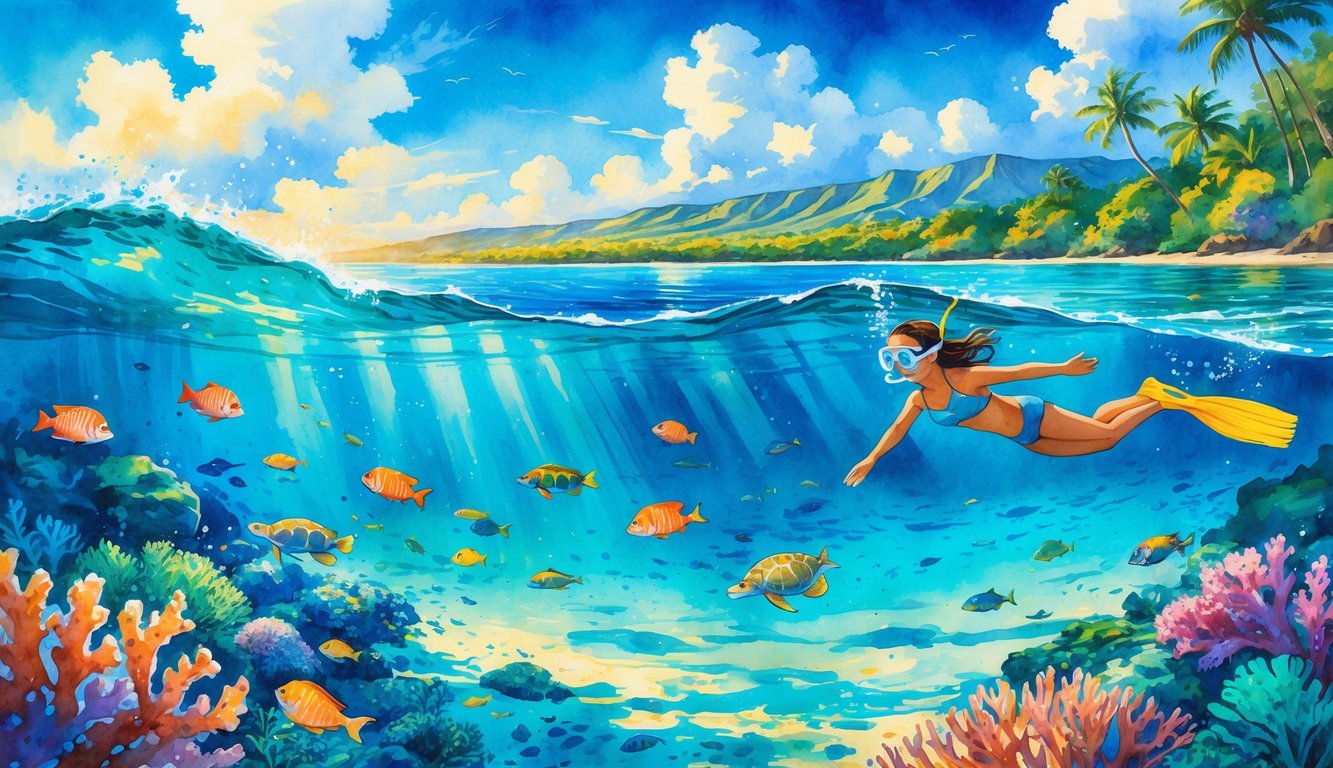
Each Hawaiian island offers its own unique snorkeling experience. You can find coves, bays, and reefs to discover.
Weather and waves change by season and location. If you know the best time to snorkel, you’ll enjoy a more memorable adventure.
For trip planning, I use this Hawaii snorkeling guide for more details.
Why Timing Matters for Snorkeling in Hawaii
The time of day and year changes how safe, clear, and enjoyable snorkeling can be. Weather, water clarity, and wildlife patterns shift with the seasons.
Seasonal Water Conditions
Hawaii’s water conditions change a lot with the seasons. In winter, large ocean swells hit the north shore of islands like Oahu and Kauai, making them rough and unsafe for snorkeling.
During winter, I stick to south or west-facing areas, which provide more protection. In summer, calmer seas open up spots on all the major islands, including the north shores.
Table: Typical Seasonal Water Conditions
| Season | Best Islands/Shores | Wave Height | Snorkeling Quality |
|---|---|---|---|
| Winter | Maui (West/South) | Higher on North Shores | Limited in North |
| Summer | Oahu, Kauai (North) | Lower nearly everywhere | Excellent most places |
Morning hours work best because trade winds pick up later, making the water choppy and reducing visibility. By choosing the right time and spot, I avoid strong waves and dangerous currents.
For more about year-round best spots, I check resources like the Hawaii Vacation Guide.
Visibility and Water Clarity
Clarity is key. Water usually stays clearest early in the morning before winds increase.
Calm conditions let sediment settle, so I see more tropical fish and corals. Heavy rain or strong winds stir up sand and debris, making the water cloudy.
Tides also affect clarity. A rising tide brings in clean ocean water, improving visibility. Outgoing tides may carry sand and debris from shore, lowering clarity.
I plan morning snorkeling sessions for the cleanest views. I always check local weather and water reports before heading out, since sudden rain or wind can make even clear spots murky.
For detailed advice on timing, I trust guides like KONASTYLE and Greatever.
Marine Life Activity
The time of day changes which marine creatures I see. Many tropical fish are most active in the morning, feeding around the coral reefs before the water gets crowded.
Sea turtles and eagle rays also appear more often when there are fewer people in the water and the ocean is calm. Different times of year bring chances to spot unique marine life.
During winter, I might hear or see humpback whales while snorkeling near Maui. Water temperature in Hawaii stays steady, but fish and sea life move depending on spawning seasons and tides.
To see the most vibrant underwater world, I aim for mornings with calm water and good sunlight. This helps me enjoy colorful reefs, schools of fish, and sometimes a sea turtle gliding by.
Best Months for Snorkeling in Hawaii
Snorkeling in Hawaii depends on the time of year and time of day. Ocean conditions, crowds, and marine life all change with the seasons.
Summer vs. Winter
Summer (May to September) is the best time for snorkeling across most Hawaiian Islands. Water stays calm, especially on northern shores that are too rough in winter.
Spots like Hanauma Bay on Oahu and Kealakekua Bay on the Big Island are clear and peaceful, making them perfect for beginners.
Winter (November to February) brings bigger waves, mainly on north-facing beaches. Surf swells can make it dangerous or close some famous areas.
For example, the Na Pali Coast on Kauai is often off-limits for snorkeling when waves are high. Maui offers protected bays that stay calm even during winter, making it a safer option for best snorkeling in Hawaii in winter, according to The Hawaii Vacation Guide.
Shoulder Seasons for Snorkelers
Spring (April to early June) and fall (late September to October) are often called shoulder seasons. These months are great for snorkeling.
The water remains calm and the islands are less crowded. Prices for hotels and flights are usually better too.
During these months, calm conditions can be found on both north and south shores. The wind is usually lighter and visibility in the water can be excellent.
Coral reefs and fish tend to be active since there are fewer swimmers. If I want the best snorkeling without summer crowds, these shoulder seasons are hard to beat, as detailed by Splash Spiral.
Monthly Water Temperature Overview
Here’s a simple water temperature table I use when planning:
| Month | Water Temp (°F) |
|---|---|
| January-March | 74-76 |
| April-June | 75-78 |
| July-September | 77-80 |
| October-December | 76-78 |
The water stays warm enough for snorkeling all year. It feels a bit cooler in early spring and winter.
To make the most of my day, I snorkel in the morning. The wind picks up in the afternoon, stirring up sand and making the water cloudy.
Mornings offer warmer water and calmer conditions, especially in summer and early fall.
Ideal Times of Day for Snorkeling
When I plan a snorkeling adventure in Hawaii, I pay close attention to the time of day. Water clarity, wind speed, and sunlight all shape the underwater scenery.
Morning Conditions
I always try to snorkel in the morning. Winds are usually calm, and the ocean surface is smoother, making it easy to spot fish and coral.
Visibility is at its best during early hours, so I can see farther underwater. This is the safest time for beginners, since fewer waves mean less worry about strong currents.
Many tour guides also schedule morning trips because the conditions are more dependable. By heading out early, I often avoid crowds and enjoy a more relaxed experience.
The chances of storms or sudden weather changes are lower in the morning. Local guides and travel websites often recommend the morning as the best time to snorkel in Hawaii.
Impact of Winds and Tides
The wind usually picks up as the day goes on. When the trade winds get stronger in the afternoon, they create choppy waves and rougher water.
Choppy seas stir up sand, lowering water clarity and making it harder to see underwater life. Tides can also change the depth and strength of the water around reefs.
High tide might make it easier to float, but low tide often reveals more marine life close to shore. I check tide charts before setting out.
Watching wind and tide conditions helps me pick the safest and most comfortable time for snorkeling, as explained by snorkeling experts.
Sunlight and Underwater Scenery
The sun’s position changes how everything looks underwater. When the sun is high—usually around midday—it shines straight down, making the water brighter and clearer.
Sunlight brings out the colors of tropical fish and coral, making for better photos and more enjoyable views.
If the sun is low or it’s cloudy, colors look muted and details are harder to spot. Sunlight also helps me see hidden marine life more easily.
On some days, bright sunlight turns the reef into an aquarium, with fish swimming clearly in the water. Sites like travelwiththegreens.com recommend snorkeling when the sun is shining for the best underwater scenery.
Hawaii’s Best Snorkeling Spots by Island
Let me break down where I think the best places to snorkel are across Hawaii. Each island stands out for different reasons, from seeing bright coral gardens to swimming with sea turtles.
Top Locations on Oahu
Oahu is famous for easy snorkeling, even for beginners. My favorite spot is Hanauma Bay, a protected marine life conservation area.
The clear, shallow water makes it easy to spot colorful fish and you can often see turtles gliding by. Another popular place is Shark’s Cove, especially in the summer.
The cove has impressive underwater rock formations and attracts many marine creatures. For something unique, try Electric Beach.
The water here is warm due to the nearby power plant’s outflow, which attracts large schools of fish and sometimes dolphins. If you want to swim with turtles, check out Turtle Canyon.
Boats leave from Waikiki and take you right where green sea turtles gather. Oahu’s mix of easy access, safe waters, and variety of sea life always impresses me.
You can read more about top Oahu snorkeling destinations at The Hawaii Vacation Guide.
Iconic Maui Snorkeling Beaches
Maui is famous for crystal clear water and good conditions all year. I think Molokini Crater is Maui’s most remarkable spot.
Molokini is a crescent-shaped volcanic crater just a few miles off the coast. Over 250 marine species live here, and the shallow, protected water lets you see living corals up close.
At Turtle Town, I often spot Hawaiian green sea turtles. This area stretches from Maluaka Beach to Nahuna Point and has many calm pockets to explore.
I also love Kapalua Bay and Honolua Bay. Both have reefs full of bright fish, especially early in the morning.
Coral Gardens, near Olowalu, lets me see huge coral heads and plenty of tropical fish. West Maui is famous for world-class snorkeling, and any beach between Kaanapali and Wailea offers great experiences.
If you want more details about Maui snorkeling favorites, check out recommendations at jotzle.com.
Big Island’s Renowned Sites
The Big Island has some of the clearest water in Hawaii. My top pick is Kealakekua Bay, where Captain Cook first landed in Hawaii.
Colorful fish, healthy coral, and even dolphins fill the bay if you visit early. I’ve had amazing underwater visibility here.
Honaunau Bay (also called Two Step) is another excellent choice. I find it easy to enter the water from the flat lava rocks, and I often see turtles, reef fish, and eels.
Kahalu’u Beach Park is perfect for beginners because of its calm, shallow water and easy entry.
For a real adventure, visit Hulopoe Bay on the nearby island of Lanai, just a short ferry ride from the Big Island. This spot has clear water and vibrant reefs.
If you want to kayak and snorkel, try paddling along the protected shoreline at Ka’awaloa, on the north end of Kealakekua Bay. More on Big Island choices is available through guides like Islands.com.
Kauai’s Hidden Gems
Kauai offers more rugged and less crowded snorkeling than other islands. My top spot is Tunnels Beach (Makua Beach), famous for underwater lava tubes and lively reef fish.
The snorkeling is best in summer when the water is calm. Poipu Beach Park is great for families.
A protected shallow reef lets kids learn to snorkel next to schools of colorful fish. Anini Beach has one of the longest and widest coral reefs in Hawaii, creating very calm water and a wide range of sea life.
I suggest checking out Lawai Beach for adults. It’s small, but packed with marine activity.
If you want privacy, explore the reefs around Hideaways Beach or hike to the isolated beaches near Kilauea Lighthouse. For more hidden spots, read up at Hawaii Guide.
Marine Life Encounters Throughout the Year
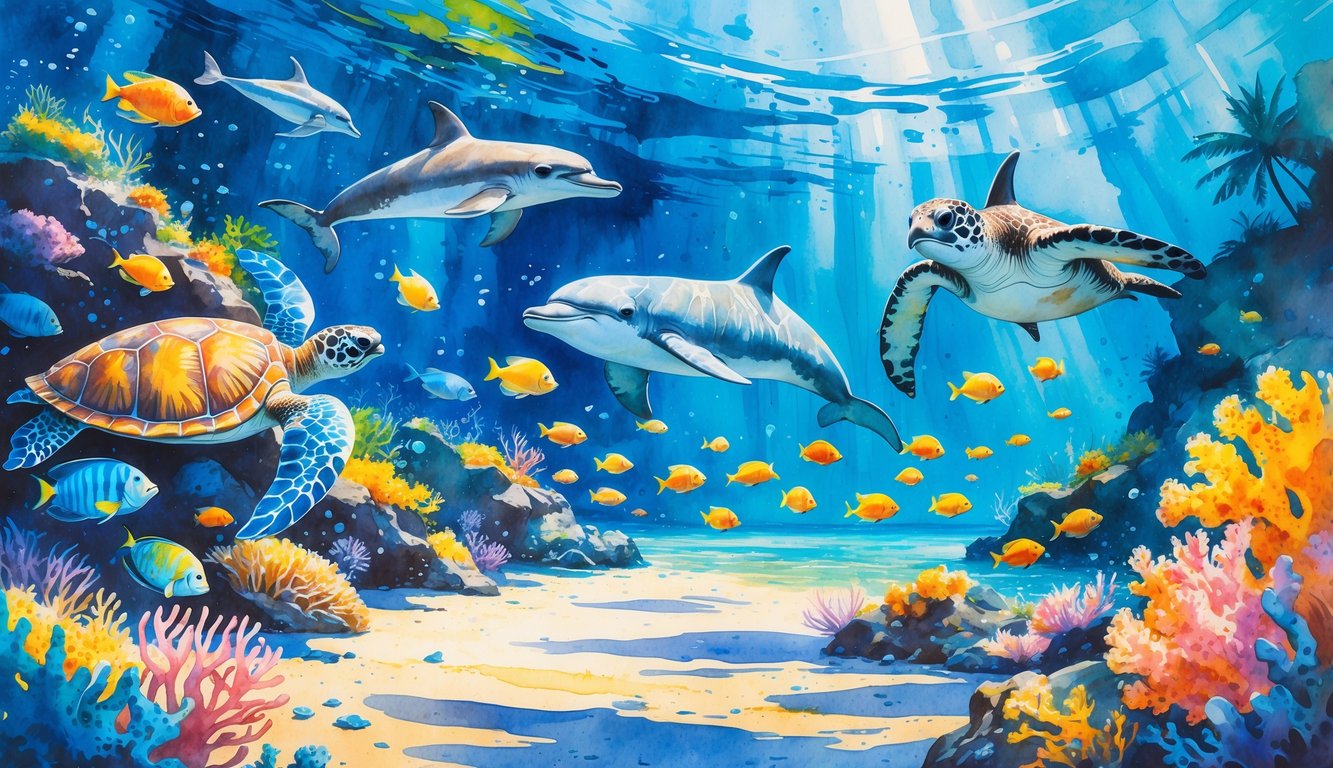
Hawaii’s warm waters host many marine animals, including green sea turtles, manta rays, humpback whales, and colorful reef fish. The best wildlife encounters depend on both the season and the location.
Hawaiian Green Sea Turtles
I often see Hawaiian green sea turtles lounging on sunny beaches or gliding through the water while snorkeling. Locals call these turtles “honu,” and you can find them year-round on every major island.
Green sea turtles graze on seaweed in shallow waters. Early morning and late afternoon are the best times to spot them swimming near the shore or coming up for air.
Some beaches, like Laniakea Beach on Oahu, attract many turtle sightings. When I snorkel in these spots, I give turtles plenty of space, since they are a protected species and it’s important not to touch or chase them.
Green sea turtles are gentle and calm, making encounters safe and memorable for both adults and kids.
Seasonal Sightings: Manta Rays and Humpback Whales
Certain animals appear only during specific months. Winter is special because humpback whales visit Hawaii from Alaska to give birth and nurse their calves.
Between December and April, I sometimes hear whale songs while snorkeling, especially off Maui, which is a top spot for whale watching. Seeing these massive creatures breach or swim past in the distance is always stunning.
Manta rays live in Hawaii year-round, but I have the best chance for a close encounter at night, especially on the Big Island. Guided night snorkels take me to spots where lights attract plankton, which then brings in manta rays.
Watching their wings glide silently through the water feels magical and peaceful.
Colorful Reef Fish and Coral Reefs
Hawaii’s coral reefs are home to hundreds of tropical fish species. Parrotfish, butterflyfish, triggerfish (like the state fish, humuhumunukunukuāpua‘a), and many more fill the reefs with color and movement.
The calmest snorkeling conditions and best visibility for seeing fish and coral are usually from May to October. This is when I enjoy exploring places like Hanauma Bay on Oahu and Kealakekua Bay on the Big Island.
Here are some common reef fish you might see:
| Fish Name | Unique Feature |
|---|---|
| Parrotfish | Bright beak-like mouth |
| Butterflyfish | Thin, colorful bodies |
| Triggerfish | Odd shape, striking colors |
| Moorish Idol | Long dorsal fin |
Coral reefs are alive and delicate. I avoid stepping on or touching the coral to help protect it for future snorkelers.
Watching all the activity among the rocks and branching corals is one of my favorite parts of snorkeling in Hawaii.
Choosing the Right Snorkeling Equipment
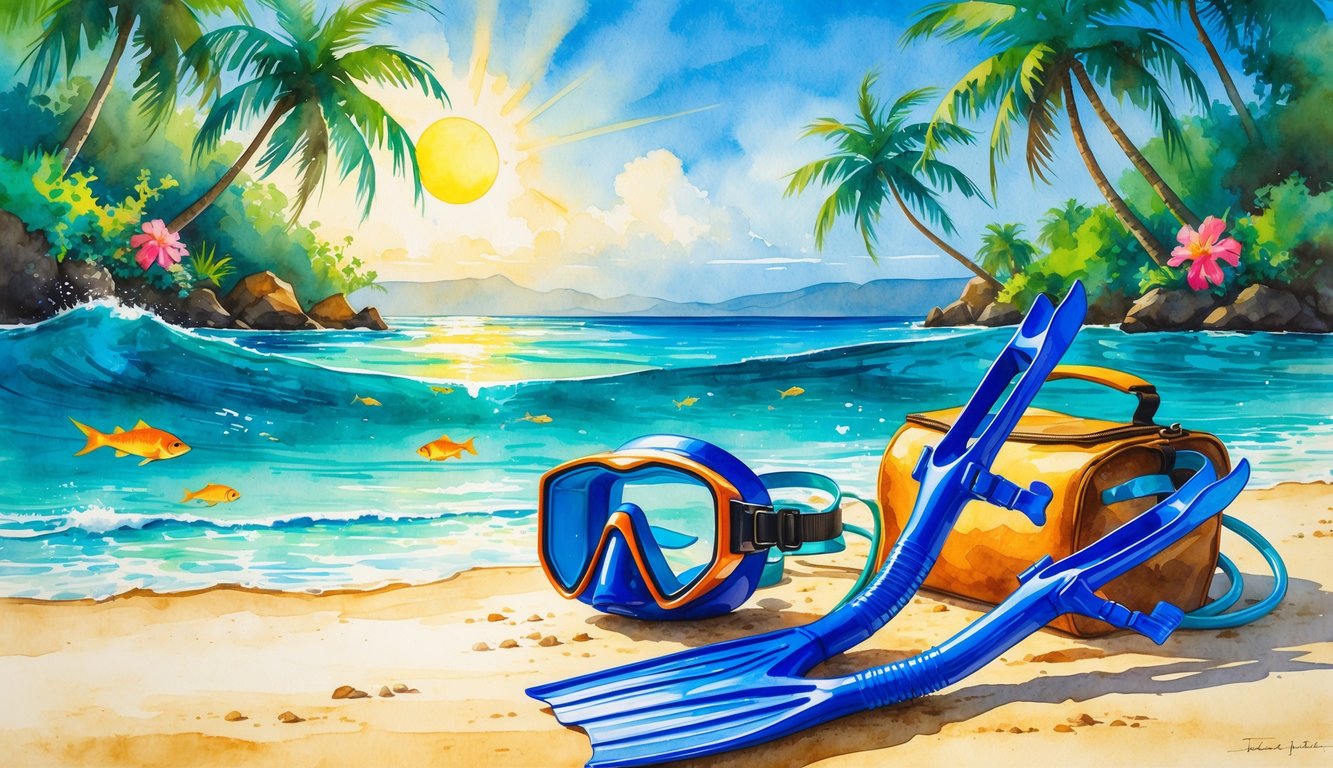
Having comfortable, safe snorkeling gear helps make every trip to the water fun. I pick equipment that lets me explore Hawaii’s reefs and marine life without worries about leaks or discomfort.
Essential Gear for Comfort and Safety
I always start with the basics: a well-fitting mask, snorkel, and fins. A snug mask keeps water out and gives me a wide view underwater.
I check that the mask skirt makes a full seal on my face without being too tight. For best results, I look for tempered glass lenses.
A dry-top snorkel helps stop water from getting in when I dive under. I pick one with a soft silicone mouthpiece to avoid jaw fatigue.
Fins are just as important. I need them to fit securely but not pinch my feet.
Open-heel fins with adjustable straps work great for different foot sizes. Adding an anti-fog spray can help keep my mask clear.
I also consider a thin wetsuit or a rash guard for sun protection and a bit of warmth. Bringing my own equipment that fits makes for a safer and more enjoyable experience.
For more detail about snorkel gear basics, I use this snorkel gear guide.
Reef-Safe Sunscreen
Protecting Hawaii’s delicate reefs matters to me. I choose sunscreens labeled as “reef-safe” to help limit harm to coral and marine life.
These sunscreens avoid harmful chemicals like oxybenzone and octinoxate. Mineral-based sunscreens with zinc oxide or titanium dioxide work better.
I apply sunscreen at least 15 minutes before getting in the water and reapply after swimming. Covering up with a rash guard or wetsuit helps reduce the need for a lot of sunscreen.
Bringing my own reef-safe sunscreen means I can protect my skin and the ocean at the same time. I keep a small bottle in my beach bag for easy access.
Tips for Renting or Bringing Your Own Gear
When I decide between renting or bringing gear, I focus on fit and hygiene. Renting can be convenient if I don’t want to travel with equipment.
Most rental shops in Hawaii offer masks, snorkels, and fins at reasonable prices. I test everything for fit and function before leaving the shop.
If I bring my own gear, I know it fits me well and is comfortable. I pack my mask, snorkel, and fins in a mesh bag for easy carrying and drying.
Some travelers bring just a mask and snorkel, then rent fins on the island for less luggage. For extra snorkeling tips about gear fit and comfort, I check out this snorkel equipment buying guide.
I clean all my gear thoroughly after each use. This keeps it fresh and ready for the next adventure.
Snorkeling Tours and Guided Experiences
When I explore Hawaii’s reefs, I often join a guided snorkeling tour to make my underwater adventure safer, easier, and more fun. There are many ways to snorkel Hawaii, and knowing what to expect helps me pick the right experience for my needs.
Types of Tours Available
I see plenty of options for snorkeling tours in Hawaii. Boat tours often take me to deeper waters with better visibility and unique marine life.
These tours usually include gear, instructions, and sometimes snacks and drinks on board. I might choose a shore-based tour if I’m just starting out, since they happen near shallow reefs close to the beach and include a simple walk-in entry.
Private snorkeling adventures let me explore quieter spots with just my family or friends. Some tours combine snorkeling with other activities like dolphin watching or catamaran cruises.
For example, the popular Oahu snorkeling tours offer options like Turtle Canyon excursions and dolphin swim combos. These different types offer something for every comfort level—from first-timers to experienced snorkelers.
Benefits of Guided Snorkeling
Guided snorkeling tours give me expert instructors nearby. This makes me feel safer, especially in unfamiliar waters.
Guides provide safety briefings, show me how to use the equipment, and point out local fish and sea turtles. Tours often include access to stunning reefs that aren’t crowded and may be hard to reach on my own.
I don’t have to carry or rent my own gear, since top-rated companies provide everything I need. On tours, guides share tips about ocean wildlife, helping me spot hidden creatures and learn more about marine life.
Some tours, like those around Kona and Maui, are known for their clear water, frequent animal encounters, and helpful staff. You can find details about locations with the best visibility in Hawaii.
Booking Tips for Tour Adventures
When I book a snorkeling tour, I check reviews to find a reputable company.
I make sure the guides have experience and the company keeps a good safety record.
I look for tours that include equipment rental, easy meeting spots, and small group sizes for a more personal experience.
Booking early helps, especially during peak travel months or for special tours like private charters.
If I’m new to snorkeling, I choose tours designed for beginners.
Some tours also help non-swimmers by providing flotation devices and shallow water support.
When I want extra activities, I pick tours with combination packages like snorkeling with dolphins or taking a scenic boat ride to unique reefs.
For specific options and prices, I use this list of Oahu’s best tours.
Safety and Environmental Considerations
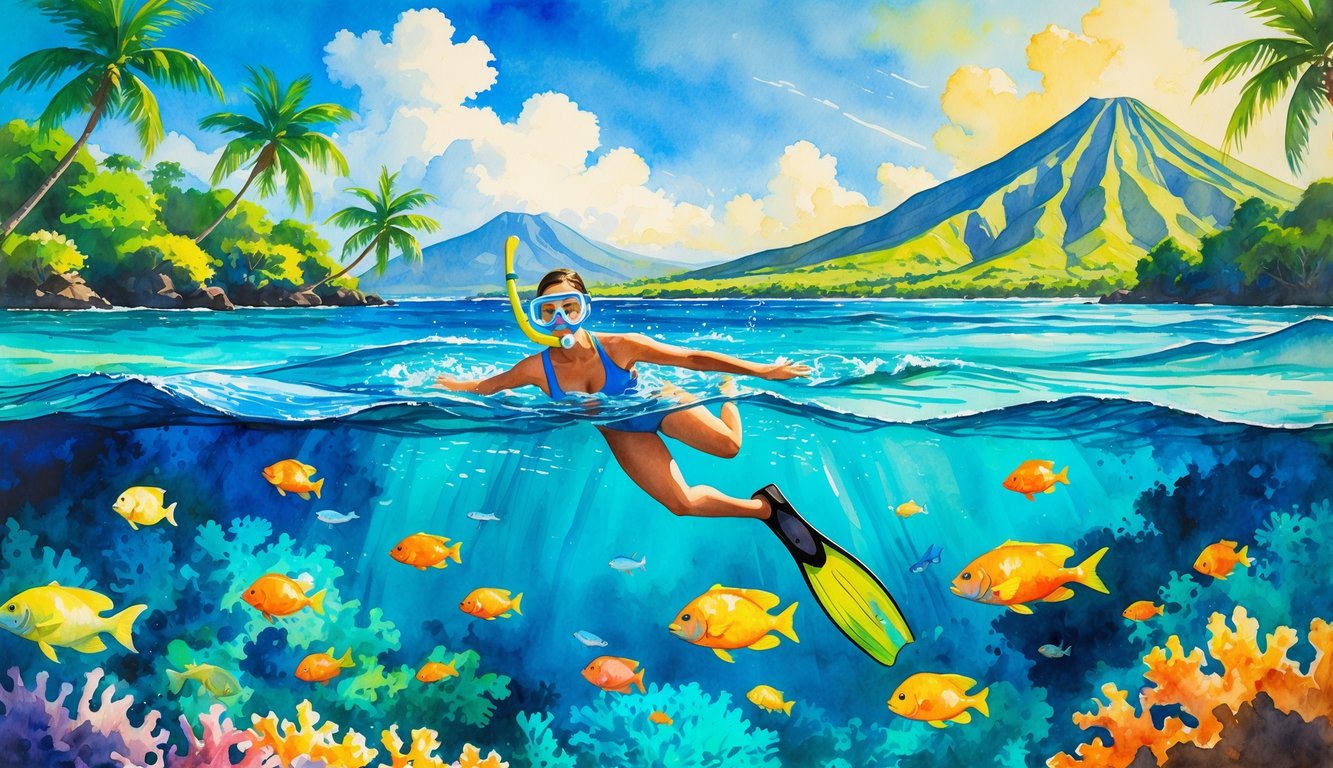
When I snorkel in Hawaii, I focus on staying safe, protecting coral reefs, and choosing eco-friendly tour companies.
With so many beautiful places to explore, I want to protect myself and the environment.
Understanding Weather and Ocean Hazards
I always check the local weather and ocean conditions before I go snorkeling, because both can change quickly in Hawaii.
High surf, strong currents, and sudden storms can make snorkeling dangerous.
For example, winter often brings big waves to north-facing beaches, especially on Oahu and Kauai, making some areas unsafe.
To lower my risk, I snorkel in the morning when the ocean is usually calmer and visibility is better, as suggested by Hawaii Ocean Safety guidelines.
I avoid snorkeling alone and stay out of the water at dawn, dusk, or if I see warning signs.
Wearing a brightly colored rash guard helps others spot me easily.
Here are a few quick snorkeling tips I follow:
- Observe posted warnings.
- Pick sheltered bays for calmer water.
- Monitor changing tides and weather.
Protecting Coral Reefs and Marine Life
Coral reefs in Hawaii are fragile and grow slowly.
Touching or standing on coral can kill it, even if I don’t see damage right away.
I always use reef-safe sunscreen, since regular sunscreen contains chemicals that can harm corals and fish.
When I snorkel or scuba dive, I float and keep my fins up so I don’t hit the reef.
I never chase, feed, or touch marine life.
This keeps the animals safe and lowers my risk of injury.
I respect all posted signs that protect sensitive environments and remind other snorkelers to do the same.
Choosing Responsible Tour Operators
When I book a snorkeling or scuba diving tour, I look for companies that care about the environment.
Responsible tour operators train their guides on safety rules. They provide eco-friendly equipment and teach me about local marine life.
I ask if tours follow guidelines that protect coral reefs. I never support businesses that allow touching or collecting marine animals.
Some tours support conservation projects or local education efforts.
I read reviews online and pick companies with a record of safe practices and strong environmental values. This choice helps keep my snorkeling trip safe and helps preserve Hawaii’s reefs.


