
I always put Hawaii Volcanoes National Park at the top of my list when I’m on the Big Island.

The best times to visit the park are during the dry season, from May to October. The weather is sunny and perfect for hiking and sightseeing.
Trails are less muddy and scenic drives are more enjoyable during these months. I find it much easier to explore the park’s unique volcanic scenery.
If I want to avoid big crowds but still enjoy good weather, I plan my trip for May or September. The park stays open year-round, and volcanic activity can happen at any time.
Every visit has the chance to be exciting. For a quieter experience, I visit the Kahuku Unit because it’s rarely crowded.
Whether I want to see active lava flows, hike through craters, or just enjoy the natural beauty, choosing the right time to go makes my trip better.
Understanding the Climate and Weather Patterns
Hawaii Volcanoes National Park has a mix of warm temperatures, rainfall, and changing weather. Knowing what to expect helps me plan a smoother trip.
Tropical Climate and Rainy Season
The park’s tropical climate means it stays warm all year. Temperatures feel cooler at higher elevations, especially around the summit of Kīlauea.
At about 4,000 feet, Kīlauea’s summit is often 12–15 degrees cooler than the coast. This holds true even during summer.
The rainy season usually lasts from November to March. Rain showers can appear quickly, so I always pack a rain jacket or poncho if I visit during these months.
Sometimes the rain lasts only an hour or two. On some days, it comes and goes all day.
Checking the daily weather helps because the climate can be unpredictable, especially at higher elevations. For more details, I read the official park weather info.
Weather Variations by Month
Each month brings different weather patterns. The summer months—June through September—are warmer and drier, which is great for exploring.
In months like March, I notice more rainy days, so trails may be muddy and views less clear.
Here’s a simple breakdown:
| Month | Temp Range (°F) | Rainfall | Notes |
|---|---|---|---|
| June–Sept | 70–80 | Low | Warm, drier |
| Nov–March | 60–75 | High | Rainiest period |
| April, May, Oct | 65–78 | Moderate | Mix of rain sun |
At higher elevations, weather changes quickly. Fog or mist can roll in and cool the area fast.
I always layer my clothes and stay ready for temperature shifts, especially if I plan to hike or see lava flows. Weather changes affect both comfort and safety.
Detailed monthly averages are available at Climate-Data.org.
Impact of Weather on Volcanic Activity
Weather directly affects what I can see at the park. Rain and clouds can block views of the crater or hide lava.
Volcanic fumes sometimes settle in low areas when the air is still, making some trails harder to hike. Strong wind can clear the air and improve visibility of volcanic landscapes and lava flows.
If the volcano is erupting, clear and dry nights are the best for seeing the glow. I always check park alerts, especially after heavy rain, because flooding or rock slides can close roads or trails.
Planning ahead is important. I check the best times to visit based on volcanic activity and recent weather.
Peak Season vs Off-Peak Season
When I visit Hawaii Volcanoes National Park, the time of year changes the whole experience. Crowds, prices, and what’s open can all vary depending on the season.
Crowds and Visitor Experience
During peak season, especially in summer (June to August) and around winter holidays, the park gets much busier. I see packed parking lots at attractions like Kilauea Overlook and Jaggar Museum.
Trails like the Kilauea Iki Trail fill up, and tour groups move through the visitor center one after another.
If I visit during off-peak months like April, May, September, or October, it’s much quieter. I can take photos without people in the background and enjoy the sounds of the volcano.
The experience feels calmer and more personal. These “shoulder months” bring fewer visitors and shorter wait times.
I also notice staff have more time to answer questions.
Entrance Fees and Passes
The entrance fee is $30 per private vehicle, valid for 7 days. I can use an America the Beautiful annual pass.
During peak season, ticket lines at the entrance gate are longer. Sometimes, I wait behind dozens of vehicles.
Off-peak times mean getting my entrance pass is quick and easy. If I plan to visit more than one national park in Hawaii, I consider the Hawaii Tri-Park Annual Pass.
Having my pass ready in advance helps me skip lines and spend more time exploring.
Accommodation Availability
Finding a place to stay, like Volcano House inside the park or lodges in Volcano Village, is much harder during peak season. Popular hotels and rentals book out months ahead, and prices go up.
I have fewer choices on room types and dates. If I want to stay close, I plan well in advance and prepare to pay more.
During off-peak months, I find more options and better rates. I can book last-minute and sometimes get rooms with better views or more space.
Sometimes, I find discounts that aren’t available during busy times. Staying in Volcano Village is more relaxed and peaceful.
Advantages of Visiting During Off-Peak
Traveling during off-peak months has real perks. The weather is still pleasant, and I can explore at my own pace without crowds.
Lines for the visitor center or restrooms are shorter, and it’s easier to park near trailheads.
Hiking trails are more peaceful, and I can see wildlife that might hide when it’s busy. Photography is easier without people in the shot.
Off-peak visits mean less traffic on the drive from Hilo or Kona. Spring and fall are the best time to visit Hawaii if I want to avoid crowds and enjoy more of the islands.
Seasonal Highlights in the Park
Spring and fall offer comfortable weather, less crowded trails, and special activities. I find unique cultural events and wildlife experiences during these seasons.
Spring Adventures
In spring, the weather is mild and trails are less crowded than in summer. Daytime temperatures usually range from 66°F to 75°F, so I can hike comfortably.
Rain is lighter compared to winter, making the paths easier to walk.
I love exploring the Kīlauea Iki Trail in spring. The forest is full of blooming ʻōhiʻa lehua flowers and native ferns.
I often see native birds like the bright red ʻapapane and ʻamakihi, especially in the rainforests.
Spring is also a great time for guided hikes. Park rangers sometimes lead group activities and teach about volcanic features and habitats.
The fresh growth and cool air make hiking more enjoyable.
Fall Activities
In the fall, the air cools a bit more and there are fewer tourists. September to November offers sunny and dry days, perfect for exploring lava tubes and crater overlooks.
I enjoy hiking the Devastation Trail in the fall when it’s quiet. I like to pack a lunch and spend extra time at the steam vents, which are more visible in the cooler mornings.
With lighter crowds, I can take photos without waiting for groups to pass. Local guides say fall is a popular choice for hikers and photographers who want to avoid summer crowds.
I also find more available park lodging and accommodations nearby. This makes last-minute trips easier to plan.
Merrie Monarch Festival
In April, Hilo hosts the Merrie Monarch Festival, a world-famous celebration of hula and Hawaiian culture. The festival takes place outside the park, but I like to combine visits since Hilo is less than an hour away.
The festival draws performers and spectators from all over the world. I can see traditional hula competitions and art fairs with local crafts.
During this week, the whole island feels festive. Park rangers sometimes offer special presentations or cultural demonstrations at the park.
When I visit in April, I learn about hula traditions while enjoying volcanic landscapes.
Wildlife Watching Opportunities
Hawaii Volcanoes National Park is a great place to spot native wildlife, especially birds found nowhere else. The park is home to the nēnē goose, Hawaii’s state bird.
I often see nēnē near open grasslands or along park roads. Birdwatching is rewarding in both spring and fall.
Cooler months bring out ʻapapane, ʻamakihi, and other honeycreepers that rely on flowering plants. I always bring binoculars and a camera.
Early mornings are best for spotting birds when the trails are quieter. If I walk quietly through the forest, I sometimes hear native birds calling from the treetops.
Nature lovers can also see rare plants and insects. Each season brings new opportunities to see Hawaii’s special wildlife.
Best Times of Day to Explore
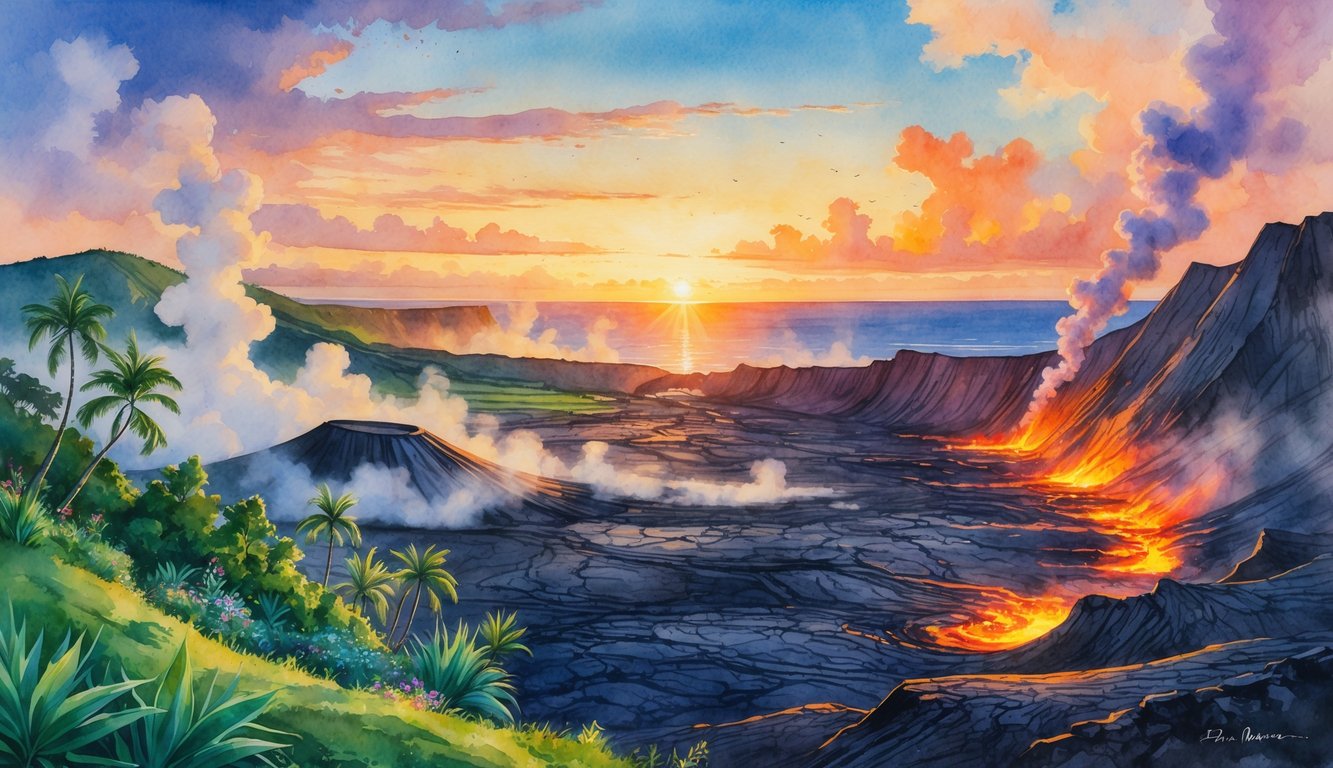
Choosing the right time of day to visit Hawaii Volcanoes National Park makes a big difference. The park changes from cool, quiet mornings to bright afternoons and colorful sunsets before the stars come out.
Morning Visits
I like to arrive in the early morning. The air feels cool, and the sun starts to rise.
Fewer people walk the trails at this time, so I enjoy a peaceful atmosphere. Animals become active in the morning, and I often hear birds singing as I walk near the rainforest or crater’s edge.
Mornings are great for hiking because the air is cooler. The soft light helps me take better photos.
I see steam vents more clearly when it’s cool outside. The mist looks dramatic against the green landscape.
Morning light makes tree ferns and old lava flows appear bright and detailed. Popular trails like Kīlauea Iki stay uncrowded if I start early.
Starting early helps me avoid parking problems. My visit stays relaxed this way.
Afternoon Hikes
By midday, the park gets warmer. I bring extra water and sunscreen because the sun feels strong, especially on exposed lava fields.
Afternoons are good for shorter hikes or visiting shaded areas. I stop by the visitor center for ranger talks or to grab a map.
If I plan a longer hike, I make sure to bring the right gear because the heat can be tiring. Some overlooks offer great lighting for photos in the afternoon.
Shadows from trees and craters grow longer, making textures stand out. I like to watch crater activity from a safe distance and take clear pictures.
I plan my afternoon walks near tree cover or along the rim. Benches along these routes let me rest and enjoy the view.
Evening and Night Sky Viewing
Evenings at the park are one of my favorite times. The air cools down and the trails become quieter.
Around sunset, the sky turns pink and orange, lighting up the clouds over the caldera. At night, I see great stargazing opportunities because there is little city light.
I can spot stars, planets, and sometimes even the Milky Way. If there’s volcanic glow, it looks brightest after dark.
I enjoy taking night photos with long exposures to capture stars and the red glow from the crater. I always bring a flashlight and stay on marked paths because it gets very dark.
To stay safe and comfortable, I check park rules and bring layers for warmth. Evening and night visits give me unique memories.
Top Things To Do During Your Visit
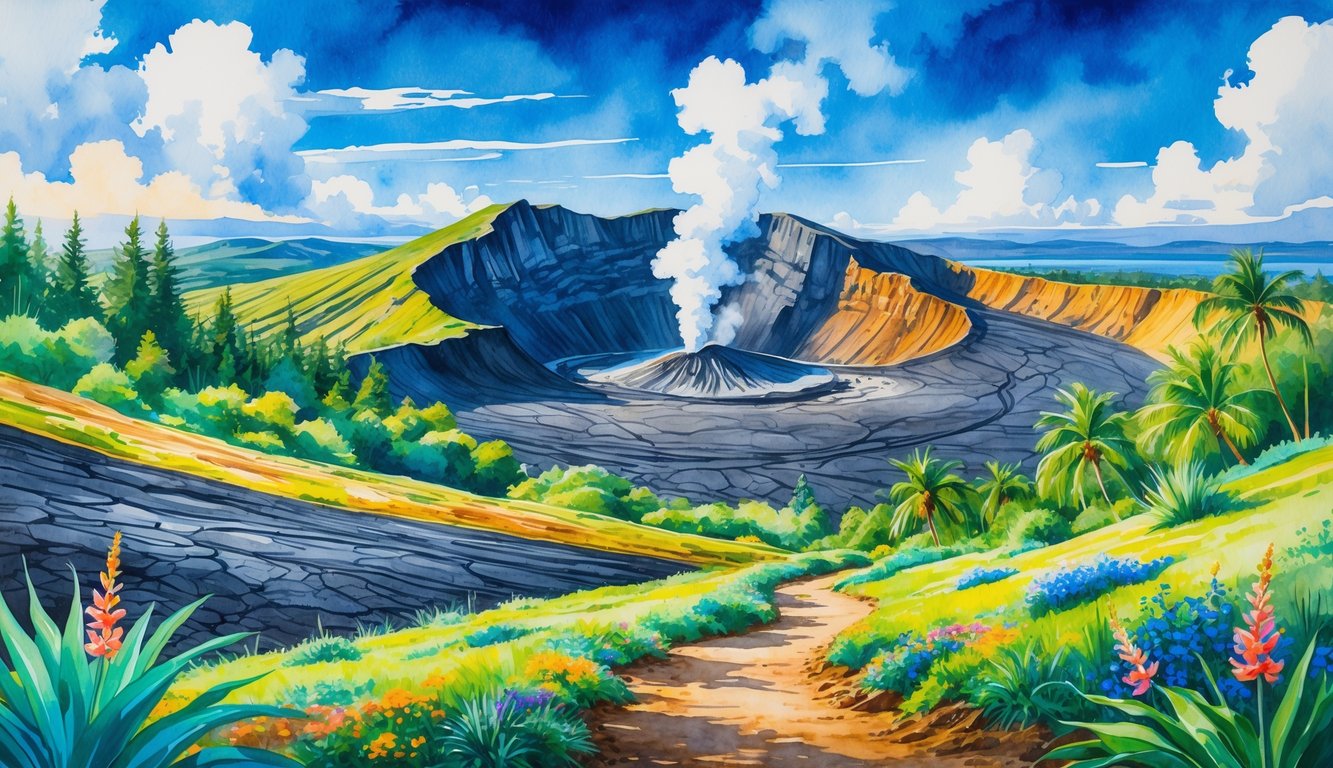
Hawai‘i Volcanoes National Park always has something exciting for me. I explore active volcanic sites, peaceful forests, and beautiful landscapes.
I can choose easy or challenging hikes. The park’s displays about volcano science keep me interested.
Kīlauea and Halemaumau Crater
When I visit the park, I always go to see Kīlauea volcano. Kīlauea is one of the world’s most active volcanoes, and its summit holds Halemaumau Crater.
The crater’s size and the volcanic steam amaze me every time. I get the best view of Halemaumau from the Kīlauea Overlook or on ranger-led hikes.
During eruptions, I feel safe because park rangers post barriers and updates. Watching an eruption or seeing the glow at night is unforgettable.
I bring a camera and binoculars to spot new features in the changing landscape. Nearby, I walk easy paths with signs that explain the area’s history, eruptions, and cultural meaning.
I always respect posted signs and stay on marked trails to protect myself and the environment.
Chain of Craters Road
I enjoy driving the Chain of Craters Road, a 19-mile route from Kīlauea’s summit to the coast. The road has many overlooks and short hikes along old craters, lava flows, and volcanic arches.
Walking across cooled lava fields lets me see how eruptions have changed the land. At the end of the road, the Hōlei Sea Arch stands by the ocean and makes a great photo spot.
Facilities are limited along this route. I always bring food, water, and sunscreen.
Chain of Craters Road is one of the best places to see the difference between new and old volcanic rock. The drive is easy but weather can change fast, so I check updates before I go.
You can find more details for planning your drive at Earth Trekkers.
Thurston Lava Tube and Nāhuku
Exploring the Thurston Lava Tube (Nāhuku) feels like entering another world. Flowing lava formed this natural tunnel, leaving a hollow cave behind.
When I walk through the tube, I feel the smooth, cool walls. The lighting helps me see, but I sometimes bring a flashlight for extra fun.
A short, paved loop trail through rainforest leads to the tube entrance. I like spotting native birds and big tree ferns along the way.
Nāhuku is a good escape from the sun or rain. I stay quiet inside to hear natural sounds and respect the area.
The tube can get slippery after rain, so I wear sturdy shoes. I find mid-morning visits less crowded and more peaceful.
Jaggar Museum and Visitor Center
I always start or end my visit at the Kīlauea Visitor Center and the Jaggar Museum area. Friendly rangers share eruption news and maps for hiking trails.
I stop here first to ask about safety, trail closures, and lava activity. The Jaggar Museum area helps me learn about volcano science.
Indoor exhibits show how volcanologists track eruptions and measure gases. Outside, I get a great view of Halemaumau Crater and, during eruptions, the nighttime glow.
Ranger talks happen here throughout the week and answer my questions about Hawaiian culture and geology. For opening hours and current services, I check this planning guide.
Hiking and Nature Trails
Hiking in Hawaii Volcanoes National Park lets me see volcanic craters, rainforests, and old lava fields. Different trails need different fitness levels.
Some routes have dramatic steam vents or cooled lava lakes. I pick trails that match my interests and ability.
Kilauea Iki Trail
The Kilauea Iki Trail is one of my favorite hikes in the park. This 4-mile loop takes me through rainforest and across the Kilauea Iki Crater, a hardened lava lake from the 1959 eruption.
Walking on the crater floor, I see steam vents and cracks in the surface. These remind me the volcano is still active underground.
The trail is well-marked but can be steep, especially when going into and out of the crater. I always wear sturdy shoes, bring water, and carry a camera.
Trekking poles help with the steep parts. The crater gets hot on sunny afternoons, so I hike early or late when it’s cooler and less crowded.
For more details, I use this Hawaii Volcanoes National Park trail guide.
Crater Rim Drive Routes
Crater Rim Drive is a scenic road with several hiking trails and viewpoints. I like to drive a section, then park and explore short trails like Sulphur Banks, Devastation Trail, and parts of the Crater Rim Trail.
Many parts are easy to walk, with paved or level gravel paths. I get great views of the Kilauea Caldera and sometimes see steam from Halemaʻumaʻu crater.
Interpretive signs share information about the volcano’s history, plants, and geology. Some areas may close due to volcanic activity or air quality, so I always check with rangers before hiking.
Maps and updates are available on the National Park Service’s hike planning page.
Designated Trails and Fitness Levels
The park has both short and long designated trails. I can pick a hike that matches my fitness level and time.
Families or anyone wanting an easy walk can try the 1.2-mile Sulphur Banks trail or the paved Devastation Trail. For a moderate hike, Kilauea Iki and parts of Crater Rim Trail are good options.
Experienced hikers can try Mauna Ulu or Napau Crater hikes, which go through open lava fields and rough terrain. Some hikes require good stamina, sun protection, and plenty of water.
Trailhead signs list the length, expected time, and difficulty. If I’m new to hiking or with kids, I choose shorter routes with clear markings.
For more options and tips, I check the best trails rated by other hikers at AllTrails’ Volcanoes National Park page.
Volcanoes and Volcanic Activity
I love seeing the power and beauty of Hawaii Volcanoes National Park. Two of the world’s most famous volcanoes shape this place.
Every visitor should learn about the eruptions of Kīlauea and the history of Mauna Loa. Knowing about the volcanic landscapes helps me enjoy my trip safely.
Kīlauea Eruptions
Kīlauea is one of the most active volcanoes on Earth. It has erupted many times in recent decades.
Some eruptions last for days, while others continue for years. The 2018 eruption changed the park and the island, adding new land and making new craters.
When lava flows are visible, I view them from safe overlooks or on guided tours. Watching glowing lava at night is a special experience.
Experts closely monitor Kīlauea and give warnings if eruptions affect trails or roads. If I want to see volcanic activity, I check updates before my visit because lava flows are never guaranteed.
For the latest eruption news or safety alerts, I start at the National Park website.
Mauna Loa Significance
Mauna Loa is the largest volcano in the world by volume. It rises almost 13,700 feet above sea level.
This giant has erupted more than 30 times since written records began. Mauna Loa’s most recent eruption happened in late 2022.
Its eruptions can cover huge areas with lava. I can drive close to Mauna Loa’s summit for amazing views across the crater and the island.
Scientists study Mauna Loa because it can affect weather and the land. Its eruption patterns help me understand Hawaiian geology and what makes the Big Island unique.
To learn more about Mauna Loa’s history, I read information at BEST TIME 2 TRAVEL.
Volcanic Landscapes and Safety
The park has craters, old lava flows, steam vents, and volcanic rock. These features create a unique landscape.
I hike trails like the Kīlauea Iki Trail, where I walk across a cooled lava lake. The ground can be hot and uneven, and sometimes sulfur gases fill the air.
I bring sturdy footwear, water, and a jacket because the weather can change quickly. Park rangers put up signs and close areas when they find it dangerous.
I follow the park’s safety guidelines and avoid closed trails. I also check updates about volcanic air quality, especially during eruptions, since volcanic gases may cause breathing problems.
For more safety tips, I use the guide at Day Trip Nomad.
Cultural and Community Experiences
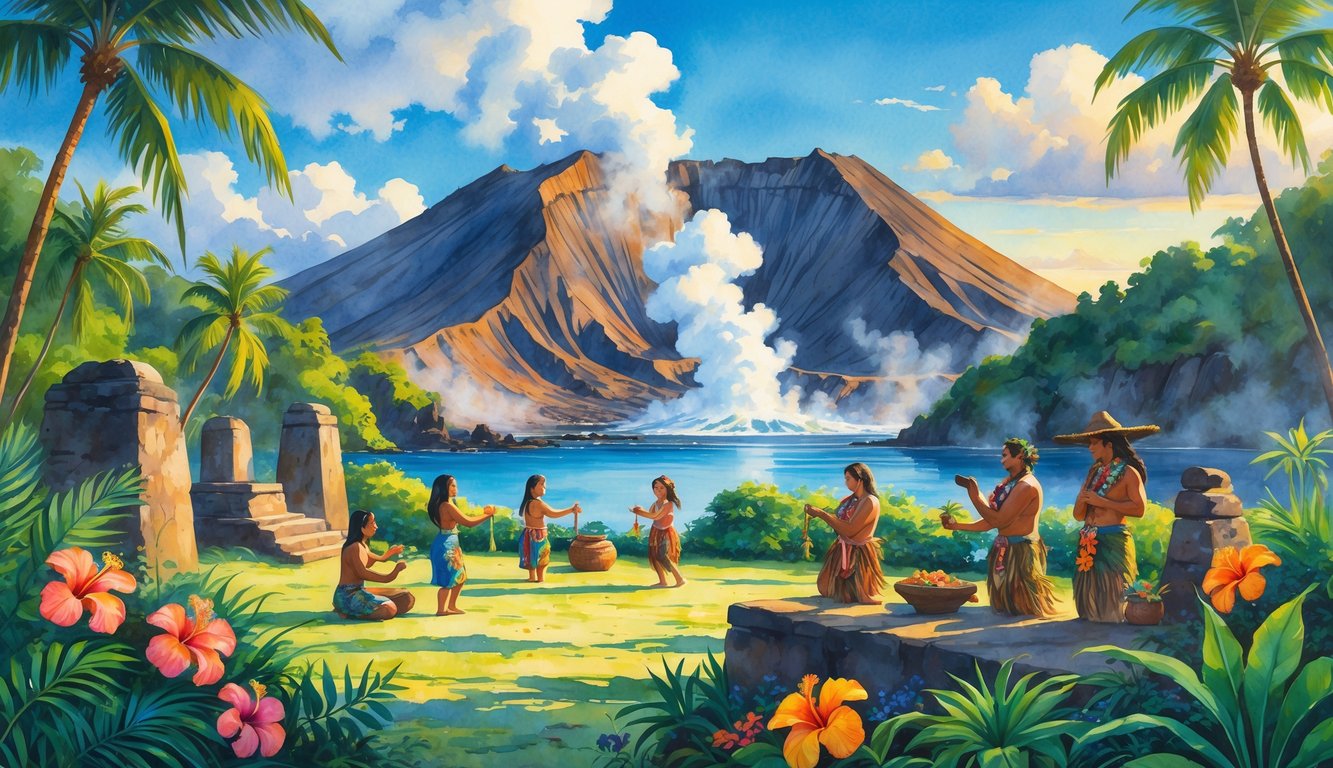
When I visit Hawaii Volcanoes National Park, I discover more than nature. The nearby village, local art, and traditions help me connect with the spirit of the Big Island.
Local events, galleries, and gatherings bring the park’s deeper meaning to life. These experiences make each visit memorable.
Exploring Volcano Village
Volcano Village is a small community near the park’s main entrance. I enjoy walking through this quiet area, surrounded by native forests, gardens, and cozy cafes.
Many buildings blend with the natural setting, making the village peaceful and inviting. Local shops offer hand-made crafts and gifts.
I like to try fresh pastries at a bakery or sip coffee made from local beans. The Saturday farmers market is a great place to try local fruit and meet residents.
Volcano Village is also a hub for artists and writers. I often find art shows or craft sales, which add to the village’s charm.
If I want a break from hiking, this community is a relaxing place to rest and explore.
Hawaiian Culture and Traditions
Learning about Hawaiian culture is important to me during my visit. The area has sacred sites, and the land holds special meaning for Native Hawaiians.
Park rangers share stories about Pele, the volcano goddess, and explain the deep respect for nature in Hawaiian beliefs. Sometimes, I watch live hula performances or hear traditional Hawaiian chanting.
These events teach me about ancient customs and the connection between people and the land. Cultural demonstrations show how Hawaiians used natural materials for daily life, from weaving to wood carving.
Meeting kupuna (elders) or cultural practitioners gives me insight into traditions that are still valued.
Volcano Art Center Exhibits
The Volcano Art Center is one of my favorite places in the park. It sits in a historic building near the Kīlauea Visitor Center.
The gallery features art inspired by Hawaii’s landscapes, wildlife, and stories. I see paintings, ceramics, photography, and carvings by local artists.
Sometimes, artists give live demonstrations or talks. These events help me understand their creative process.
Visitors can join workshops to try making art themselves. The Volcano Art Center also offers classes on Hawaiian crafts and leads nature walks to highlight native plants and geology.
For me, this center is a great way to connect with the creativity and history of the area.
Planning Your Visit
I enjoy Hawaii Volcanoes National Park more when I know where to park, how to explore, and where to stay. Planning ahead helps me have a stress-free trip.
Parking and Accessibility
Parking at Hawaii Volcanoes National Park fills up fast, especially during holidays or weekends. I arrive early in the morning or later in the afternoon to find a spot near the Kilauea Visitor Center or Thurston Lava Tube.
Some lots fit oversized vehicles like campervans, but not all are easy for RVs. If I need accessible parking, the main visitor areas have marked accessible spots.
The park has paved paths and boardwalks at popular sites, which help wheelchairs and strollers. I check current parking conditions online or at the visitor center.
During busy times, I may have to park farther away and walk extra, so I bring patience.
Guided Tours and Expert Advice
Several guided tour options are available at Hawaii Volcanoes National Park. I can join a ranger-led walk, hire a private guide, or take a small group tour.
Certified guides share local stories, point out volcanic features, and give current eruption information. For expert advice, I visit the Kilauea Visitor Center.
Rangers answer my questions and share tips about trail safety and where to see active lava. Tours can be booked in advance, which helps during the busy season.
Guided park tours are a great way to learn more and avoid planning stress.
Nearby Destinations: Hilo and Accommodation Tips
Hilo is the closest big town to the park and has many places to stay, from budget hotels to bed-and-breakfasts. I like staying in Hilo because it’s about a 45-minute drive to the park entrance.
Hilo has grocery stores, restaurants, and tours, making it a convenient base for my trip. If I’m visiting during peak times, I book my accommodation early since hotels fill up fast.
Some visitors also choose Pāhoa or Volcano Village for a quieter stay closer to the park. For more lodging options, Hilo and the surrounding area have detailed lists and tips.
Namakanipaio Campground
Namakanipaio Campground sits within the park and partners with the National Park Service. If you want to camp near the volcano, this spot offers a popular and budget-friendly option.
The campground provides tent sites, cabins, restrooms, and picnic tables. You can reserve each site online ahead of time, and some spots remain available for walk-ups.
The cool upland air means you should pack a warm sleeping bag, even in summer. While there are no showers onsite, the location feels peaceful, and wild turkeys sometimes wander through in the morning.
You can wake up close to hiking trails and main park features, making sunrise walks easy.


