
When I think of Hawaii, I picture warm sands, clear water, and palm trees swaying by the shore. Beaches play a huge role in Hawaiian tourism because they are one of the main reasons people want to visit the islands.
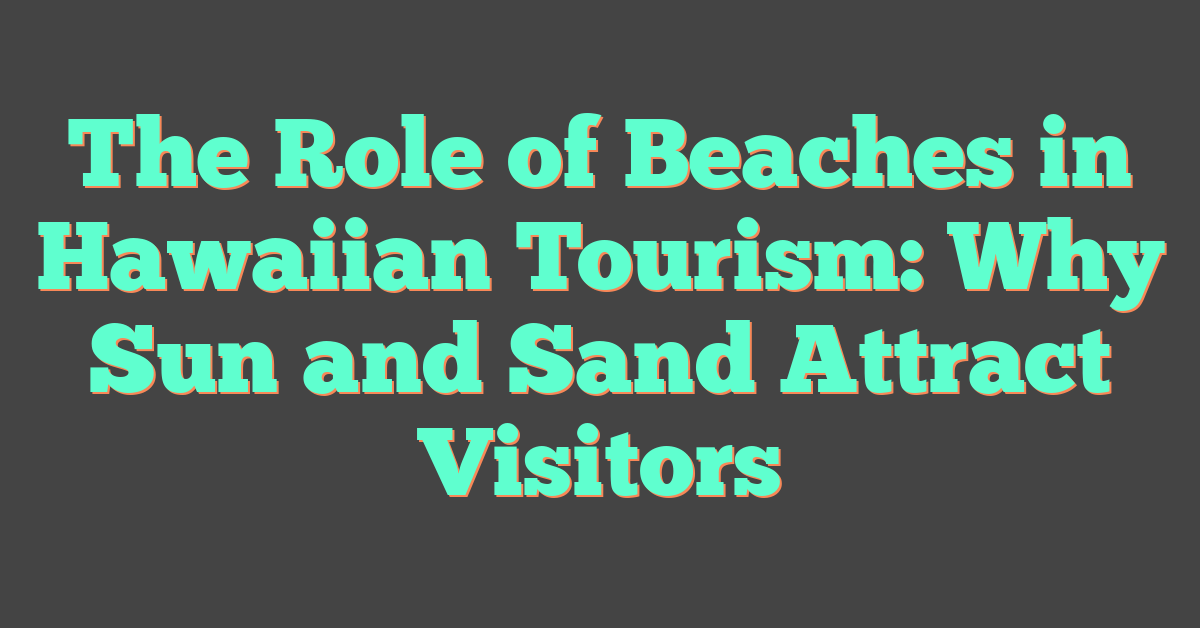
From snorkeling with sea turtles to watching the sunset, these beautiful shorelines offer experiences visitors remember for a lifetime.
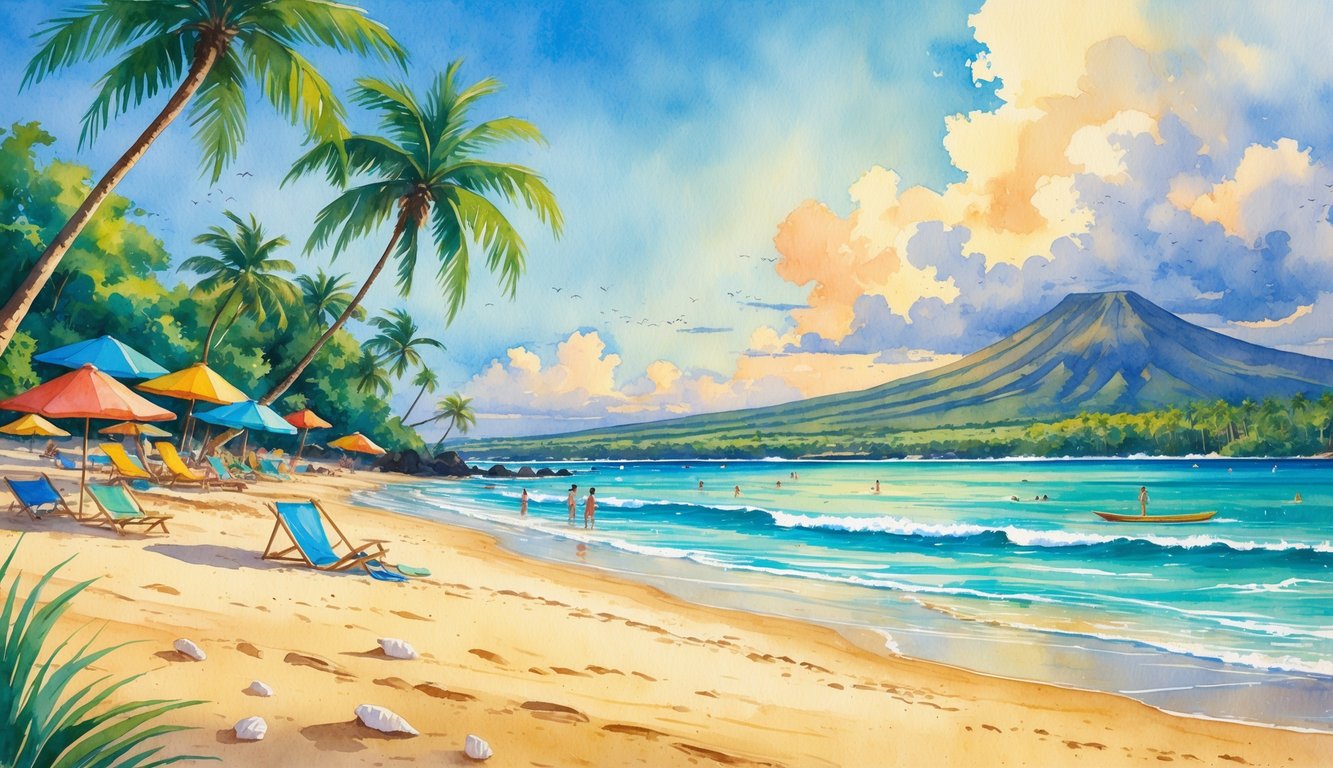
Hawaii’s beaches come in many shapes, sizes, and colors. Some have white sand, while others shine with black or even red sand.
Whether I explore quiet coves, relax with family, or enjoy lively beach parks, I always find a beach that fits my mood. The variety of beaches in Hawaii means everyone can find something to love.
Tourists visit the islands for the scenery and for the many activities beaches offer, like swimming, surfing, and hiking by the coast. Beaches shape the Hawaiian vacation experience and keep people coming back.
The Significance of Beaches in Hawaiian Tourism
Beaches shape what makes tourism in Hawaii special. They connect visitors to the culture, natural beauty, and unique experiences of the islands.
Historical and Cultural Connections
When I visit the beaches in Hawaii, I see how deeply they are tied to the islands’ heritage. Hawaiians have used these shores for fishing, ceremonies, and gatherings for generations.
Many legends and traditions began along the coastline. Hula dancing, storytelling, and canoe racing often happen at or near the ocean.
These beaches are more than beautiful spots—they’re living pieces of Hawaiian culture. Spending time on these sands helps me appreciate the value of preservation.
When visitors learn about the land’s history, they often want to protect and respect it. Local festivals and workshops give hands-on ways to explore cultural heritage and the connections between people and the sea.
Natural Beauty and Iconic Scenery
The beaches here are famous around the world for their beauty. Hawaii’s clear blue water, warm sand, and lush greenery create scenes I remember long after I leave.
Popular spots like Waikiki and Hanalei Bay stand out for their views and unique style. Travelers come for the variety—white, black, and even green sand line the shores.
Wildlife like sea turtles and tropical fish make the experience magical. The mix of colors, sunsets, and ocean create perfect settings for photos and inspiration.
I notice how much the natural beauty matters to people. Protecting this scenery is important since millions of visitors come each year.
Conservation efforts keep beaches clean and safe for everyone.
Role in Shaping Tourist Experiences
Beaches are at the heart of many activities in Hawaii. Surfing and snorkeling attract people from all over.
Many try stand-up paddleboarding or swim in the gentle waves. The coast offers spaces for picnics, beach volleyball, and family gatherings.
Local food trucks and small shops set up near the sand, giving a taste of island life. Events like bonfires or sunset luaus let me experience Hawaiian traditions with others.
Most of my favorite memories in Hawaii come from the beaches. They are more than vacation spots—they help me connect, learn, and enjoy the best parts of the islands.
Beaches as Economic Drivers
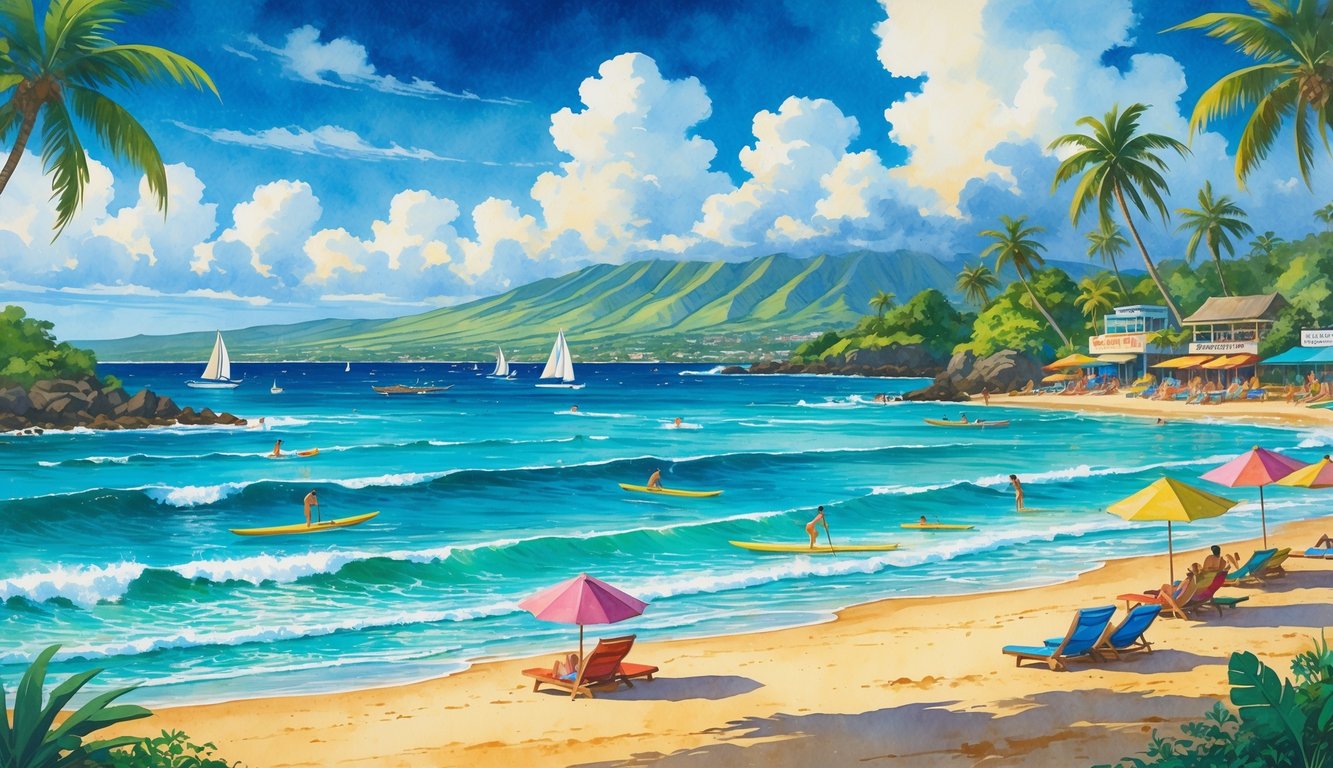
I see beaches in Hawaii doing much more than just attracting visitors. They power the tourism industry, create jobs, and help local stores and families thrive.
Tourism Revenue and Economic Growth
When people travel to Hawaii, beaches are often the main reason they visit. Tourists spend money on hotels, food, beach activities, and souvenirs.
Visitor spending brings billions of dollars into the state each year. Tourism is one of Hawaii’s most important economic sectors.
For example, tourism brings in over $15 billion annually, keeping Hawaii’s economy strong, according to the Hawaii Tourism Authority.
Tourist spending creates a “multiplier effect.” Every dollar spent at the beach helps other businesses across the islands.
As demand rises for goods like beach gear and local products, prices and economic growth rise too. Tourism stays a cornerstone for Hawaii’s prosperity.
Job Creation and Local Business Support
Beaches help create jobs for people in many sectors. I meet workers at hotels, tour companies, food trucks, and surf shops whose jobs depend on visitors coming for the ocean and sand.
The tourism industry supports small local shops, many of which are family-owned. These businesses depend on beachgoers for steady income.
When tourist numbers are high, I see more job opportunities for the local community, from lifeguards to cleaners and restaurant staff. This support helps families afford everyday needs.
Beaches create a cycle—more visitors mean more jobs and stronger local businesses, improving life for residents across Hawaii.
Cultural Importance of Hawaiian Beaches
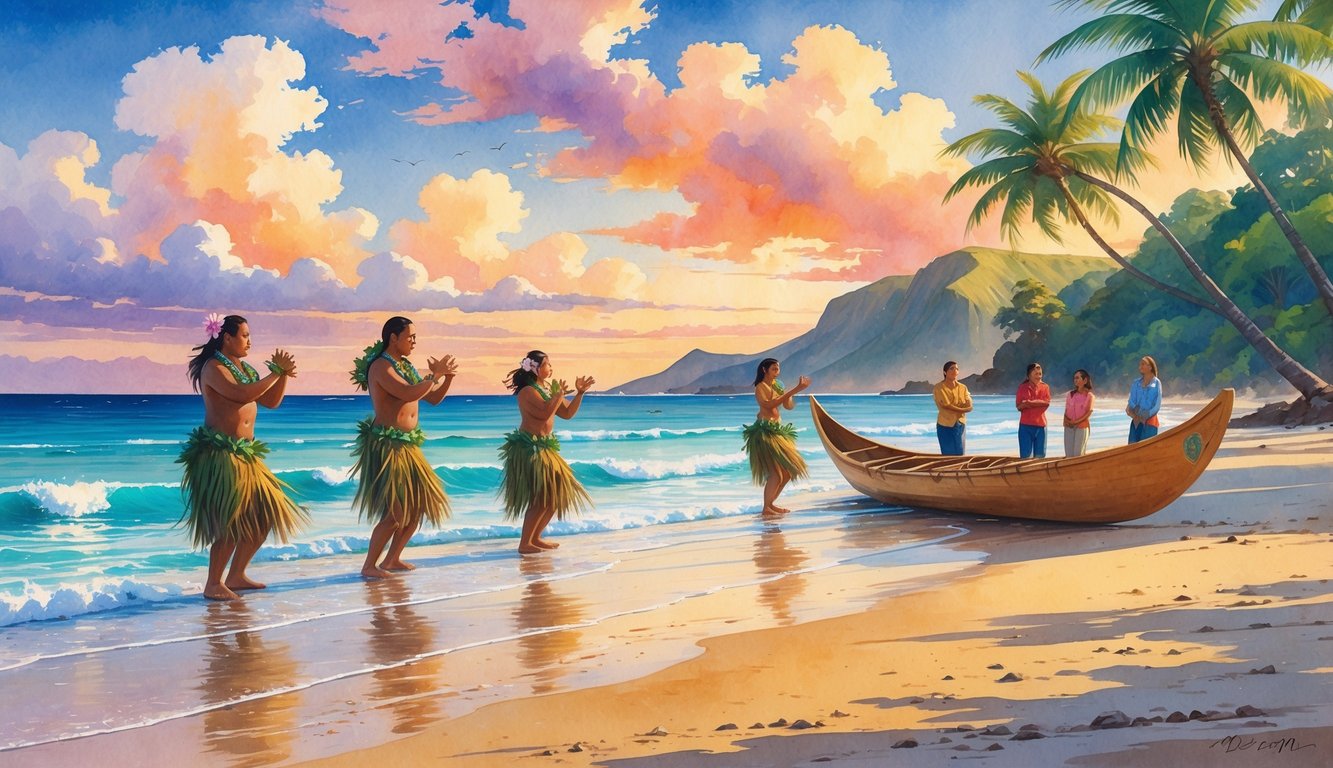
Hawaiian beaches hold a special place in my heart and community. They are not just scenic places, but living spaces where history, family, and language come together.
Traditional Customs and Practices
Beaches in Hawaii are at the center of tradition. I see families gather for luau and celebrations, sharing food, songs, and stories right on the sand.
Traditional fishing, throw net casting, and building imu (underground ovens) are skills families pass down through hands-on practice. Many rituals, like cleansing in the ocean (hi‘uwai), connect me and my community to our ancestors.
Early mornings might start with chants or offerings to respect the land, sea, and spirits. These customs teach values about sharing resources and the importance of aloha ʻāina (love for the land).
Whenever I walk the shoreline, I feel part of something old and meaningful. Preserving these customs keeps our Hawaiian identity strong.
If you want to read more about how beaches are part of daily life and tradition in Hawaii, check out this look at Hawaiian beach culture.
Native Hawaiian Culture and Ohana
Beaches help define what ohana (family) means to me. These spaces bring generations together to teach respect, storytelling, and teamwork.
It’s normal for several families to share a gathering spot, which helps foster a sense of community and responsibility. My relationships with elders grow stronger through time spent at the shore, learning about our environment and heritage.
In my experience, beaches are as important as homes or schools in shaping values and strengthening bonds. Community events, canoe paddling, and celebrations always feel richer with the ocean as a backdrop.
Tourism brings new opportunities, but it can also put a strain on these family traditions. That is why cultural preservation, especially around beaches, needs to stay a priority.
You can discover how the growth of tourism is affecting native Hawaiian identity at this overview of the impact of tourism on Hawaiian culture.
Hula and the Hawaiian Language
Hula is more than a dance—it is a living language about our land, history, and gods. The rhythm of waves, the feel of the sand, and the setting sun all inspire hula performances.
Many dances began and are still performed at the beach, with chants that speak to the ocean, wind, and mountains. Beaches are also where I hear and practice the Hawaiian language.
Songs and chants in ʻōlelo Hawaiʻi are common at ceremonies, helping keep the language alive for younger generations. Hearing ancient words tied to the land while looking out across the water makes the experience even more real.
I know that hula and language are closely linked to Hawaiian values and identity. Protecting beachfront spaces where these arts are practiced matters to me and to many others.
These living traditions help strengthen the spirit of my community.
Environmental Value and Challenges
Hawaiian beaches are home to unique marine life and beautiful coral reefs. They face serious problems from tourism, pollution, and rising sea levels.
These challenges put pressure on wildlife and natural resources that are important to both locals and visitors.
Marine Life and Coral Reefs
When I walk on a Hawaiian beach, I often see healthy coral reefs just offshore. Coral reefs provide food and shelter for fish, turtles, and sea urchins.
They help protect the shoreline from big waves and storms. Tourism brings rewards but also problems.
More people swim and snorkel, which causes damage from sunscreen chemicals and people stepping on the coral. Plastic waste is a big issue, with some beaches having an average of 484 pieces of plastic in one area.
This plastic can harm fish and turtles who live near the reefs. I know some local groups host cleanups and ask visitors to use reef-safe sunscreen to reduce harm.
Protecting coral reefs helps the whole ecosystem stay healthy. For a closer look, see this overview of tourism’s impact on marine environments.
Fragile Ecosystems and Endangered Species
Hawaiian beaches are fragile environments where rare species live. The Hawaiian monk seal, green sea turtle, and native birds all depend on the coast for breeding and feeding.
Sometimes, tourists get too close to these animals or disturb their habitats by walking on nesting grounds. Too much foot traffic damages plants that keep the sand from blowing away.
Native species struggle when their homes are changed or lost. Local parks use signs and fences in nesting areas to teach people how to give animals space.
Getting people involved helps keep these delicate ecosystems and special species safe.
Coastal Erosion and Climate Change
Climate change speeds up changes on Hawaiian beaches. I see coastlines lose sand because stronger waves, rising sea levels, and more frequent storms wash it away.
Coastal erosion shrinks beaches or destroys them. Native plants and animals that depend on the beach may not survive these fast changes.
Beachfront hotels, roads, and construction make erosion worse. People remove sand or block its natural movement.
Warmer water kills coral reefs, leaving coasts less protected from storms.
Communities now restore sand and protect beach areas from new development. These actions help slow down erosion and climate threats to Hawaiian beaches.
Tourism Impact on Hawaiian Beaches
Tourism shapes daily life in Hawaii. It fuels the economy and creates jobs, but it also changes how people use and care for beaches.
Overcrowding and Overtourism
When I visit popular beaches in Hawaii, I often see large crowds during peak seasons and holidays. This increase in visitors causes overcrowding on the sand and in the water.
More people can make it hard for tourists and locals to enjoy the beach. Overtourism also strains parking, restrooms, and lifeguard services.
Quiet beaches can become packed, leading to noise and space conflicts. Overcrowding can make beach trips less relaxing.
Heavy use of some beaches stresses natural features like coral reefs, sand dunes, and native plants. This speeds up erosion and destroys habitats for wildlife.
Managing visitor numbers is important for safety and quality. You can learn more about these challenges on The Impacts of Tourism on Hawaii.
Pollution and Waste Management
Tourists bring more trash and waste to Hawaii’s beaches. I often see food wrappers, plastic bottles, and sunscreen containers left on the shore.
Pollution spoils the scenery and can make swimming unsafe. Local waste systems can get overwhelmed during busy times.
Some waste stays too long, causing litter and bad smells. Marine life is at risk when trash ends up in the ocean, harming fish, turtles, and birds.
Communities install more trash cans, increase clean-up efforts, and teach visitors to “pack out what they pack in.” Education about recycling and proper disposal is helping, but more work remains. Read more about how tourism in Hawaii affects the environment.
Environmental Degradation and Conservation
Heavy tourism wears down natural spaces faster than they can recover. Beach plants get trampled, and coral reefs suffer from too many visitors and boat tours.
Local groups and leaders protect these areas through conservation. They restore native plants, put up signs for visitors, and close some beaches when wildlife like sea turtles need to nest.
Education programs and volunteer cleanups help visitors learn how to care for these places. Many in Hawaii make it a top priority to balance welcoming visitors and preserving natural beauty.
Promoting Sustainable and Responsible Tourism
I know that enjoying Hawaii’s beaches means thinking about my impact. By choosing greener places to stay and supporting local efforts, I help keep Hawaii’s coastlines beautiful.
Eco-Friendly Accommodations and Practices
When I visit, I look for eco-friendly accommodations that care about their impact. Many hotels and vacation rentals use solar panels, low-flow water fixtures, and energy-saving lights.
Some offer recycling, compost bins, and refillable toiletry stations. Here’s what I look for:
- Use of renewable energy (solar or wind)
- Waste reduction policies
- Water-saving devices
- Support for local farms and food
These places often share their programs on their websites or during booking. Choosing them encourages more businesses in Hawaii to adopt sustainable habits.
Responsible Travel Initiatives
Responsible travel in Hawaii means respecting local culture and nature. I learn about Hawaiian customs and follow rules at beaches and parks.
The Hawaii Tourism Authority launched Qurator to help travelers find responsible activities and businesses. I choose tours and experiences that support local communities and protect wildlife.
Simple choices, like using reef-safe sunscreen and joining small group tours, help keep beaches clean and safe.
Conservation Efforts and Regenerative Tourism
Eco-tourism in Hawaii means giving back, not just avoiding harm. I find many beach clean-up events and conservation projects open to visitors.
Groups teach about Hawaii’s unique plants and animals and encourage protecting fragile habitats. I join programs that restore sand dunes, plant native trees, or reduce pollution.
These efforts address over-tourism and support Hawaiians who care for their land. By helping, I make sure beaches stay healthy for the next generation.
Social and Cultural Impacts on Local Communities
Tourism in Hawaii puts beaches at the center of local culture and daily life. Visitors from around the world interact with the land and people, bringing both positive and challenging changes.
Commercialization and Cultural Appropriation
Hawaiian beaches attract tourism businesses like resorts, restaurants, and entertainment. These create jobs and income, but can turn cultural traditions into performances for visitors.
Hula dancing, luaus, and other ceremonies can lose meaning when performed as attractions. Cultural appropriation is also a concern.
When tourists buy or wear symbols like leis or traditional clothing without knowing their meaning, locals can feel disrespected. This can cause misunderstandings or stereotypes about Hawaiian culture.
The challenge is sharing authentic culture, not just what visitors expect. Commercialization and the misuse of cultural traditions can weaken the true importance of these practices.
Balancing Tourism with Cultural Preservation
Many communities in Hawaii work to balance welcoming visitors and preserving their culture. Some groups offer tours and experiences led by local people, sharing real stories and supporting communities.
Educational programs and community events help residents and visitors learn about the culture’s history and meaning. Involving local voices in tourism decisions protects traditions and important places.
The pressure to make money from tourism can push aside cultural preservation. This can harm traditional practices like fishing, taro farming, and ceremonies connected to beaches.
Perspectives of Local Residents
When I talk to people in Hawaii, their feelings are mixed. Some welcome the jobs and business tourism brings, while others worry about losing special places and traditions.
Beach access can disappear when hotels and resorts take over the shoreline. Many locals feel frustrated when cultural practices are changed or ignored for tourists.
They want their way of life respected and their voices heard in decisions. Some call for stricter rules, while others encourage respectful tourism.
Pollution, crowded beaches, and community changes can make locals feel pushed out. Visitors like me need to remember that Hawaii is more than a vacation spot—it is home to unique cultures, histories, and people who deserve respect.
Popular Tourist Destinations and Unique Beach Experiences
When I plan a Hawaii trip, I look forward to discovering beautiful beaches and unique activities. Some beaches are famous for their scenery and crowds, while others offer special experiences.
Notable Beaches Across the Hawaiian Islands
I have visited many beaches, but a few stand out for their beauty and popularity. Waikiki Beach in Oahu is famous for its golden sand and gentle waves, perfect for swimming and learning to surf.
For a quieter time and rich marine life, Hanauma Bay is great for snorkeling. I always arrive early since it gets crowded.
On Maui, I enjoy Kaanapali Beach for its clear water and resorts along the shore. Makena Beach, or Big Beach, offers a wide stretch of sand and a less commercial feel.
Kauai’s Poʻipu Beach is among the best Hawaii beaches for its scenic views and family-friendly vibe. If I want remote beauty, the Big Island’s Hapuna Beach and the dark sands of Punalu’u Beach are must-sees.
Each island gives visitors a different mood and a range of activities.
Unique Activities for Visitors
Hawaii offers more than just sunbathing. When I visit, I find that every beach has something unique.
Popular spots like Hanauma Bay are perfect for snorkeling. I swim among colorful fish and coral close to the shore.
At Waimea Bay, I watch people jump from the big rock. This is a favorite activity for many.
Sunset Beach on Oahu is famous for surfing. The waves get huge in the winter months.
I join stand-up paddleboarding lessons along Maui’s calm beaches. Early mornings are best because the water is smooth.
In the late afternoon, some beaches are less crowded. This is a great time for a quiet walk or family picnic.
Many beaches offer cultural lessons, like lei making or hula dancing. These activities connect visitors with Hawaiian traditions.


