Kilauea Lighthouse and Wildlife Refuge sits on the northern tip of Kauai. It offers a unique combination of history, ocean views, and native wildlife.

Workers built the lighthouse in 1913 to guide ships safely along the rugged coastline. Now, it stands as a landmark within a protected refuge that shelters seabirds, coastal plants, and marine life.
You can see both Hawaii’s natural beauty and its cultural heritage in one visit.
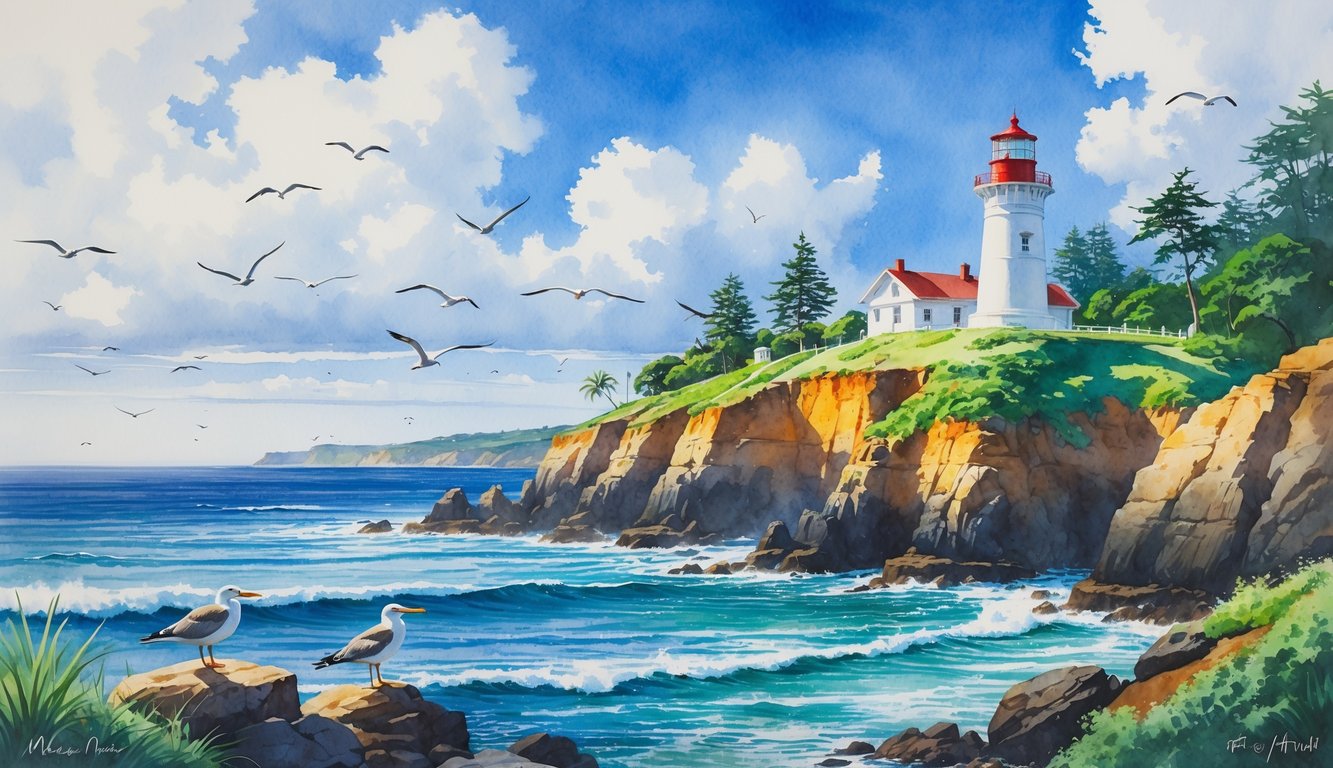
Kilauea Point National Wildlife Refuge covers over 200 acres of cliffs, meadows, and shoreline. Visitors often spot red-footed boobies, Laysan albatrosses, and wedge-tailed shearwaters nesting nearby.
You can enjoy sweeping views of the Pacific from the high vantage point. Dolphins and humpback whales sometimes appear during migration season.
Planning a trip is simple with set visiting hours and ticketed entry. Whether you come for the history, wildlife, or scenery, the experience is peaceful and educational.
Overview of Kilauea Lighthouse and Wildlife Refuge
Kīlauea Point on Kauai’s north shore features a historic lighthouse and a protected wildlife refuge. You can see native seabirds, dramatic coastal cliffs, and panoramic views of the Pacific Ocean.
This spot is one of Hawai‘i’s most scenic locations.
Location and Scenic Setting
Kīlauea Point National Wildlife Refuge sits at the northernmost tip of the main Hawaiian Islands. It covers over 200 acres of coastal cliffs, grassy slopes, and open ocean views.
From the lookout, you can often spot red-footed boobies, Laysan albatross, and great frigatebirds. The area also offers seasonal views of humpback whales offshore.
The point rises about 180 feet above sea level, giving the Kīlauea Lighthouse a commanding position. On clear days, the horizon stretches for miles.
Photography is popular here. Parking is limited, and entry requires a small fee.
A short, paved path leads from the entrance to the lighthouse. Interpretive signs explain the area’s wildlife and geology.
Historical Background
Workers built the Kīlauea Lighthouse in 1913 to guide ships traveling between Asia and North America. At the time, it featured the largest hand-blown clamshell lens of its kind in the world.
The lighthouse served as a navigational aid until the 1970s. A modern beacon replaced the original light then.
Crews restored the structure, and it now appears on the National Register of Historic Places.
During its service, the lighthouse helped prevent shipwrecks along Kauai’s rugged north shore. The location was chosen for maximum visibility, as the point juts far into the ocean.
Today, you can walk around the base of the lighthouse and view it from the outside. The original lens is preserved inside for display on special occasions.
Significance to Kauai and Hawai‘i
The refuge protects critical nesting areas for seabirds that are rare or endangered in Hawai‘i. It also safeguards native coastal plants and provides habitat for Hawaiian monk seals and green sea turtles.
As part of the National Wildlife Refuge System, the site plays a role in national conservation efforts. Staff offer public education programs.
Kīlauea Lighthouse and Wildlife Refuge is one of Kauai’s most visited landmarks. It blends cultural heritage with environmental stewardship.
For more details about visiting, including hours and fees, see the official Kīlauea Lighthouse and Wildlife Refuge guide.
Wildlife and Conservation
Kīlauea Point National Wildlife Refuge protects rare coastal habitats. These areas support seabirds, marine life, and native Hawaiian species.
Visitors often see wildlife in their natural environment. Staff and volunteers lead conservation and research efforts to help these species thrive.
Nesting Seabirds and Birdwatching
The refuge is one of the best places in Hawaii to view nesting seabirds up close. From the lighthouse bluff, you can spot red-footed boobies, Laysan albatross, and wedge-tailed shearwaters gliding over the ocean.
During the breeding season, the Hawaiian goose (nēnē) is also present. This endangered bird is Hawaii’s state bird and nests in protected areas within the refuge.
Staff or volunteers sometimes provide free binoculars, making it easier to observe the birds without disturbing them. Interpretive signs along the walk to the lighthouse help identify species and explain their behaviors.
Peak birdwatching months are late winter through early summer, when many species are nesting or raising chicks.
Marine Life and Endangered Species
The waters below the bluff are home to a variety of marine life. In winter, you may see humpback whales breaching offshore as they migrate through Hawaiian waters.
The Hawaiian monk seal, one of the rarest marine mammals in the world, sometimes rests on nearby beaches or rocky outcrops. Sea turtles feed in the area’s coastal waters.
Tide pools and nearshore reefs provide habitat for fish and invertebrates. These animals support the refuge’s seabird populations.
Steep cliffs and ocean currents create a productive feeding area for many species. Visitors should keep a safe distance and follow wildlife viewing guidelines.
Conservation Efforts and Research
The refuge was established in 1985 to protect seabird colonies and restore native coastal ecosystems. Staff and volunteers remove invasive plants and replant native vegetation that provides nesting cover.
Researchers track seabird populations, migration patterns, and breeding success rates. This data helps guide management and habitat improvements.
Local schools and community groups partner with the refuge to encourage education and stewardship. Public programs focus on the importance of protecting species like the nēnē and Hawaiian monk seal.
For more details about the refuge’s conservation mission, visit the official Kīlauea Point National Wildlife Refuge website.
Planning Your Visit
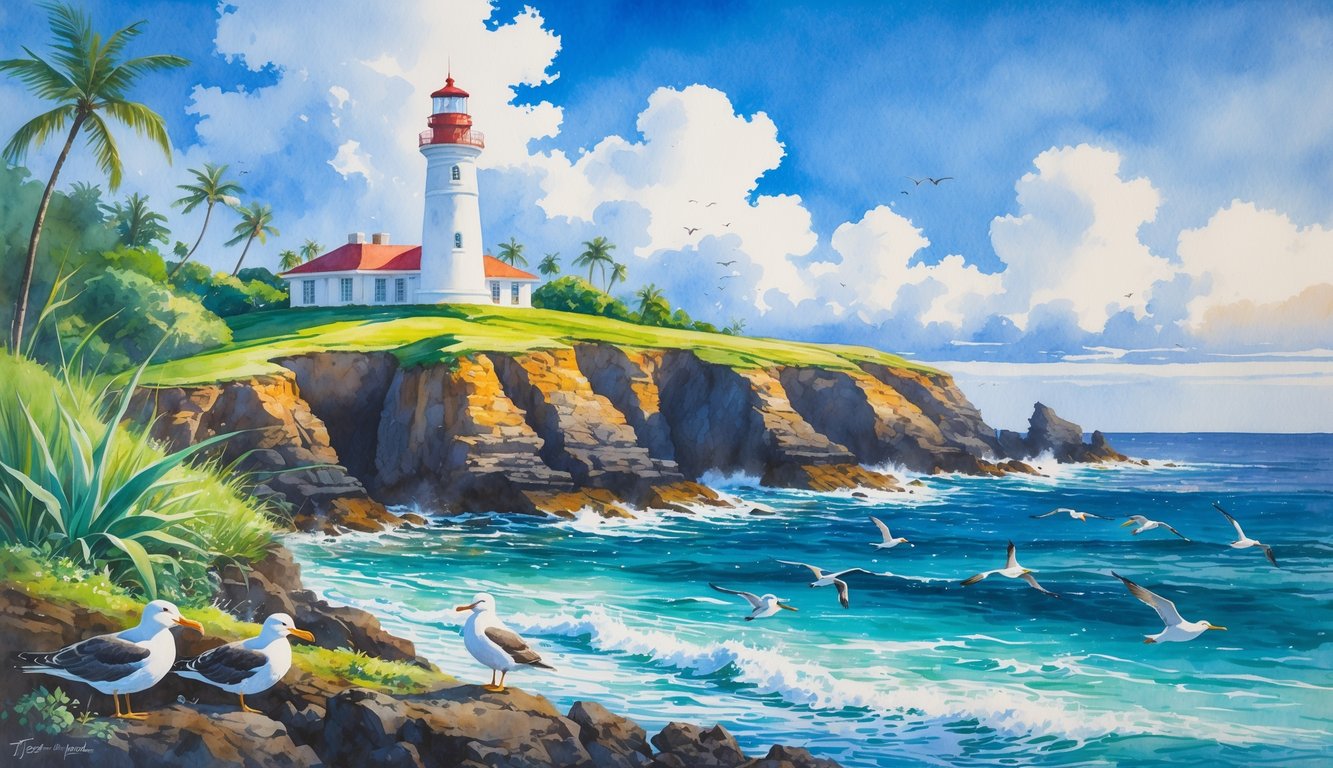
You can enjoy both the historic Kīlauea Lighthouse and the surrounding Kīlauea Point National Wildlife Refuge by preparing ahead. Entry requires a reservation, and the site offers basic facilities, clear visitor rules, and accessible paths.
Reservation and Entry Fees
All visitors must make an advance reservation to enter the refuge. You can book reservations online through the official Kīlauea Point National Wildlife Refuge page.
The standard entry fee is $10 per adult. Children aged 15 and under enter for free.
Reservations include a specific time slot to help manage crowd levels. The entrance is at the end of Kīlauea Road, with parking available near the visitor station.
Guests should arrive 15 minutes before their scheduled time for check-in. The site accepts annual passes for U.S. National Parks and Federal Recreational Lands, including the America the Beautiful Pass, Senior Pass, and Access Pass.
Visitor Guidelines and Accessibility
The refuge protects seabird nesting areas, so visitors must stay on marked trails. Feeding or disturbing wildlife is not allowed.
Photography is welcome, but tripods should not block walkways. Drones are prohibited.
Loud noises can disrupt bird activity, so a quiet environment is encouraged. Paths to the lighthouse and viewpoints are paved and mostly level, making them accessible for wheelchairs and strollers.
Some areas may have slight slopes, so assistance may be helpful for some visitors. Service animals are permitted, but pets are not allowed.
Rest benches are placed along the main path for those who need breaks.
Facilities and Amenities
A small visitor center near the entrance offers educational displays and maps. Staff and volunteers answer questions about the lighthouse history and wildlife.
Restrooms are located near the parking area. Drinking water is not sold on-site, so guests should bring their own bottles.
The Kīlauea Lighthouse itself is not open for full interior tours. Visitors can view its exterior and enjoy panoramic ocean views from the surrounding grounds.
Gift items and educational materials are available for purchase at the refuge store. Proceeds support conservation programs.
Experiences and Activities
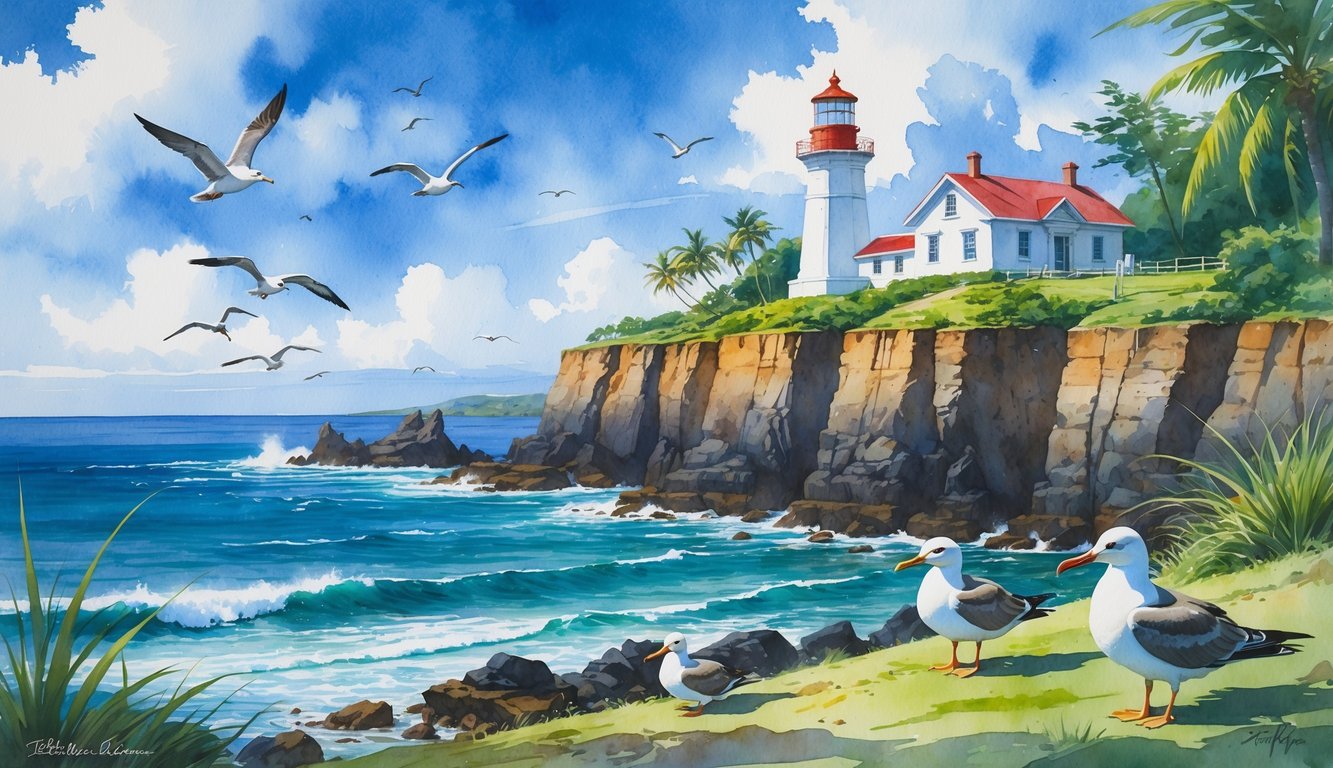
You can enjoy sweeping ocean views, learn about local wildlife, and explore the history of this northernmost point of the main Hawaiian Islands. The area offers opportunities for photography, wildlife viewing, and seasonal sightings of marine life.
Scenic Lookouts and Photography
The Kīlauea Lighthouse sits on a rugged peninsula that offers unobstructed views of the Pacific Ocean. Clear days provide sightlines to distant shorelines and deep blue waters.
Photographers often capture the contrast between the white lighthouse, red roof, and green cliffs. The site is also a great spot to photograph seabirds in flight, including red-footed boobies and Laysan albatrosses.
From December to May, you may spot humpback whales breaching offshore. Binoculars are helpful for close-up views of both birds and marine life.
A short walking path leads to several lookout points. Each offers a different angle of the lighthouse and surrounding cliffs, making it easy to find the best light and composition throughout the day.
Guided Tours and Interpretive Programs
Interpretive panels along the main path explain the history of the Kīlauea Lighthouse and the wildlife in the area. These displays are easy to read and placed at regular intervals.
Docents sometimes provide free binoculars for birdwatching. They can answer questions about the seabirds’ nesting habits and migration patterns.
Special programs may focus on conservation efforts to protect endangered species like the Hawaiian goose (nēnē). These talks highlight how the refuge supports native habitats.
Some tours include access to the lighthouse interior on select days. You can see the original Fresnel lens and learn about the role the beacon played in guiding ships around the Hawaiian Islands.
Best Times to Visit
Mornings usually have calmer winds and fewer visitors. You can enjoy the lookouts in peace during this time.
Early light brings out the colors of the cliffs and ocean.
You can spot humpback whales from the viewing areas during the winter months (December–May). In spring and summer, more seabirds nest nearby.
The refuge closes on certain holidays, so check the official schedule before you visit. Arrive early to secure parking near the entrance.
Cloudy days work well for photography. Softer light reduces glare on the water and cliffs.