Each winter, thousands of humpback whales travel to the warm waters around Maui. They come to breed, give birth, and nurse their young.

The best time to see whales in Maui is from mid-December to mid-April, when sightings are most frequent.
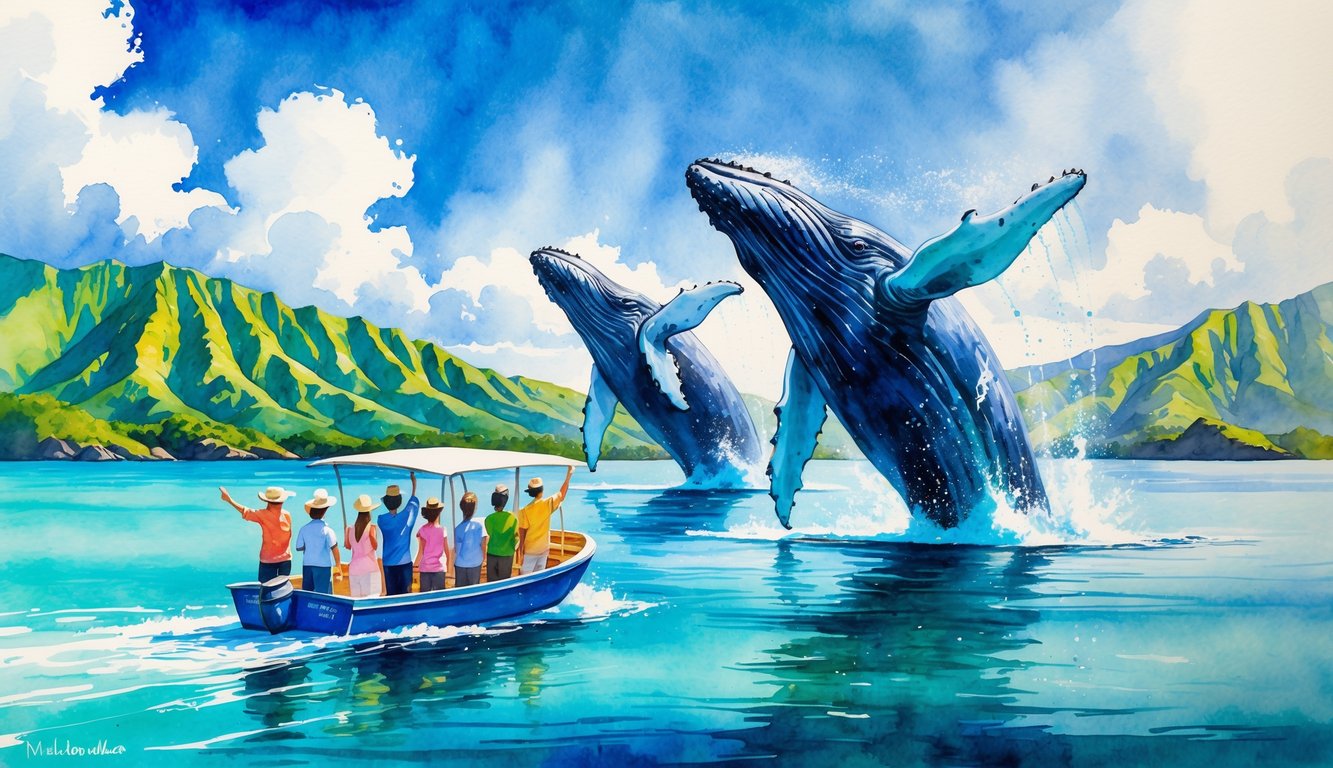
During these months, you can spot whales from shore. However, boat tours, rafts, and catamarans give you a closer look while following safe viewing guidelines.
You can choose from budget-friendly trips or premium tours with marine naturalists. Maui’s calm channels, especially between Lahaina, Maalaea, and Kihei, create ideal conditions for whale activity.
Knowing the best spots and tours can turn your outing into a memorable wildlife experience. The Maui Whale Watching Guide offers tips on tours, free viewing areas, and seasonal patterns.
When Is the Best Time for Whale Watching in Maui?
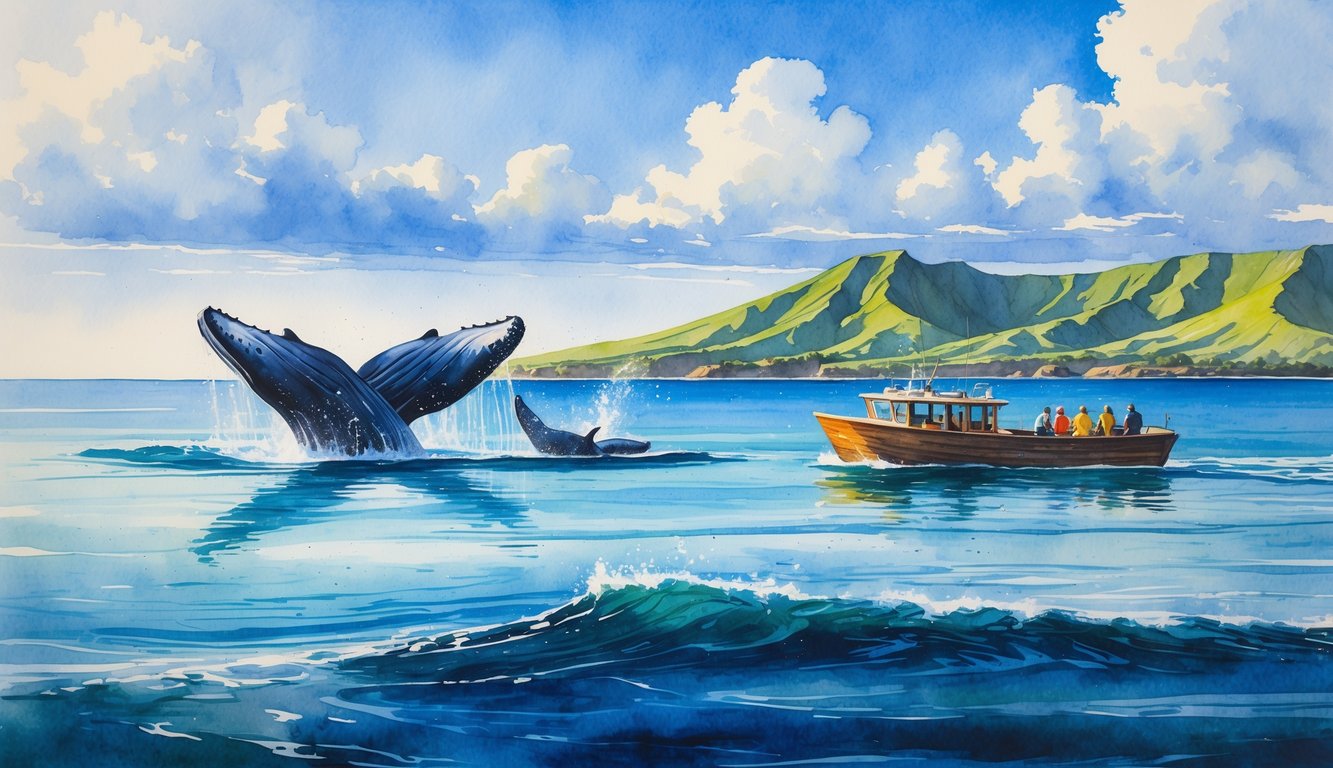
Maui gives visitors some of the most reliable humpback whale sightings in Hawaii. The waters between Lahaina, Kaanapali, and Maalaea Harbor are especially good.
Many travelers plan trips to match the migration patterns that bring whales close to shore. Whales come here for breeding, calving, and nursing.
Peak Season and Monthly Highlights
The official Maui whale watching season runs from December through April. The peak months are January, February, and March, when whale activity is at its highest.
In December, you might spot early arrivals, but sightings are less frequent. By January, large numbers of humpback whales gather in the Maui Nui Basin and Au‘au Channel.
February often brings the most surface activity, such as breaching, tail slaps, and competition pods. March is a great time to see mothers with calves before they return to Alaska.
By April, sightings decrease as whales migrate north.
Best Time of Day for Sightings
Mornings are ideal due to calm seas and good lighting. Many tour operators recommend trips between 8:00 AM and 10:00 AM for the smoothest conditions.
Wind usually increases later in the day, especially in the afternoon. This can make it harder to see whale behaviors from a distance.
If you prefer smaller crowds, early afternoon tours are an option, but expect rougher water. Sunset trips offer beautiful views, though sightings may be less frequent than in the morning.
Weather and Water Conditions
Winter in Maui brings mild daytime temperatures, usually between 70–80°F. The warm, protected waters around the island attract humpback whales for breeding and calving.
The Au‘au Channel between Maui, Lanai, and Molokai stays sheltered from large ocean swells. This creates calm conditions for whales and whale watchers.
Rain showers are common but often brief in winter. Trade winds can pick up in the afternoon, so many tours leave in the morning for smoother rides and better visibility.
Dress in layers and bring sun protection, even on cloudy days, for the most comfortable experience.
Top Locations for Whale Watching on Maui
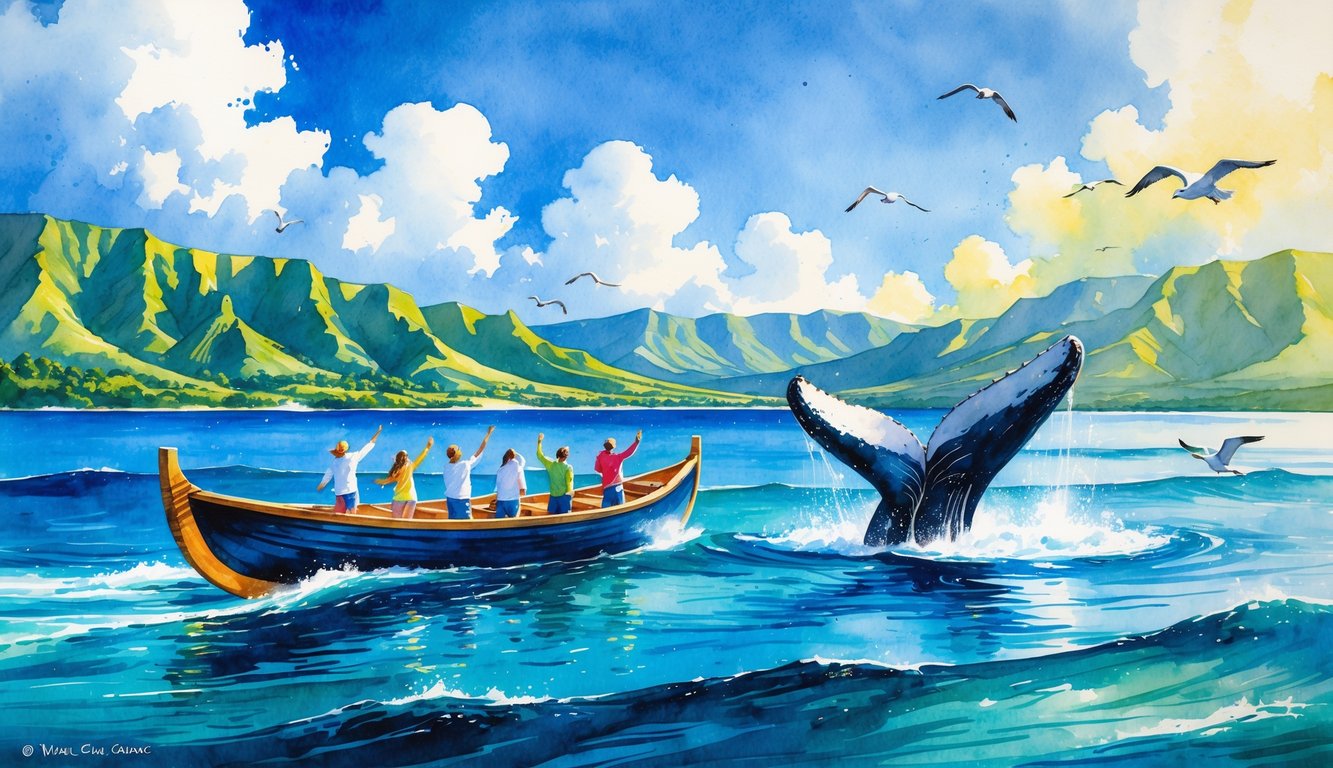
Maui has several coastal spots where you can reliably see humpback whales during winter. Calm waters, clear views, and easy access make these locations popular for both boat tours and shore-based sightings.
Lahaina Harbor and West Maui Hotspots
Lahaina Harbor serves as a major departure point for whale watching tours. Its West Maui location puts boats close to the shallow, protected waters where humpbacks gather.
Tours often head toward areas between Lahaina and Kaanapali. These waters belong to the Maui Nui Basin, a federally protected sanctuary.
You can also spot whales from shore near Lahaina’s Front Street seawall. Morning calm often provides the clearest views.
Ka’anapali Beach and Surrounding Areas
Ka’anapali Beach features a long, sandy shoreline with open views toward Lanai and Molokai. These channels are common whale migration routes.
Beachgoers often see whales breaching or tail-slapping from the sand. Binoculars help, especially on calm days.
Small group tours leave from nearby points, giving you a chance to get closer to the water in rafts or catamarans. Some operators combine whale watching with snorkeling for a half-day trip.
Maalaea Harbor and South Maui
Maalaea Harbor sits between West and South Maui, making it a central starting point for tours. Afternoon winds are common here, so many trips depart in the morning when the ocean is calmer.
From Maalaea, boats often travel into the Maui Nui Basin or along the South Maui coast toward Kihei and Wailea. These shallow waters attract humpbacks during calving season.
The harbor offers facilities, parking, and nearby restaurants, making it convenient for travelers planning a half-day excursion.
Maui Nui Basin and Olowalu
The Maui Nui Basin covers the waters between Maui, Lanai, Molokai, and Kaho’olawe. This sheltered marine environment makes it one of the best Hawaiian islands for whale watching.
Olowalu, along the basin’s edge, has calm, clear waters and coral reefs. It’s a popular snorkeling site and a good spot for whale viewing during peak season.
You can often see whales from the beach or roadside pull-offs along Honoapiilani Highway. Early morning light and low winds give the best conditions here.
Best Whale Watching Tours and Experiences
You can choose from high-speed rafts for close encounters, spacious catamarans for comfort, or guided kayak trips for a quiet approach. Some tours focus on small groups for a more personal experience, while others offer private charters with flexible schedules.
Ultimate Whale Watch and Small Group Rafting
The Ultimate Whale Watch experience uses small, rigid-hull rafts that seat fewer passengers than larger boats. This creates a quieter and less crowded environment, allowing guests to enjoy the sights without large group distractions.
Rafts move quickly, making it easier to follow whale activity during the peak Maui whale watching season. They sit low to the water, giving passengers an eye-level view of humpback whales.
Many trips include a marine naturalist who explains whale behaviors and conservation efforts. Some tours use hydrophones so guests can listen to whale songs.
Best for:
- Travelers who want a close-to-the-water perspective
- People who prefer smaller groups
- Those interested in active, fast-paced tours
Catamaran and Luxury Tour Options
Catamarans provide a stable, comfortable ride with plenty of deck space. Many offer shaded seating, restrooms, and refreshments, making them a good choice for families or those wanting a relaxed pace.
Luxury options may include premium food and drinks, cushioned seating, and fewer passengers for a more private feel. Some tours combine whale watching with snorkeling or sunset cruises.
During the Maui whale watching months of December through April, these vessels often spot mothers and calves in calmer waters. The higher deck vantage point also helps passengers see whales from farther away.
Best for:
- Guests who value comfort and amenities
- Families with young children
- Travelers who enjoy a slower pace
Kayak Adventures and Private Charters
Kayak tours offer a quiet, low-impact way to see whales. Small groups paddle along the coast, often near calm bays where whales rest or nurse calves.
Guides provide safety instructions and share information about local marine life. Private charters—by sailboat, powerboat, or luxury yacht—give travelers control over departure times and routes.
This flexibility helps you avoid crowds and focus on specific areas with whale activity. These options work well for photographers, couples, or anyone wanting a more personal experience.
Many operators limit group size to ensure safety and minimize disturbance to the whales.
Best for:
- Active travelers comfortable on the water
- Small groups seeking privacy
- Those wanting a customizable itinerary
What to Expect and Tips for an Amazing Whale Watching Trip
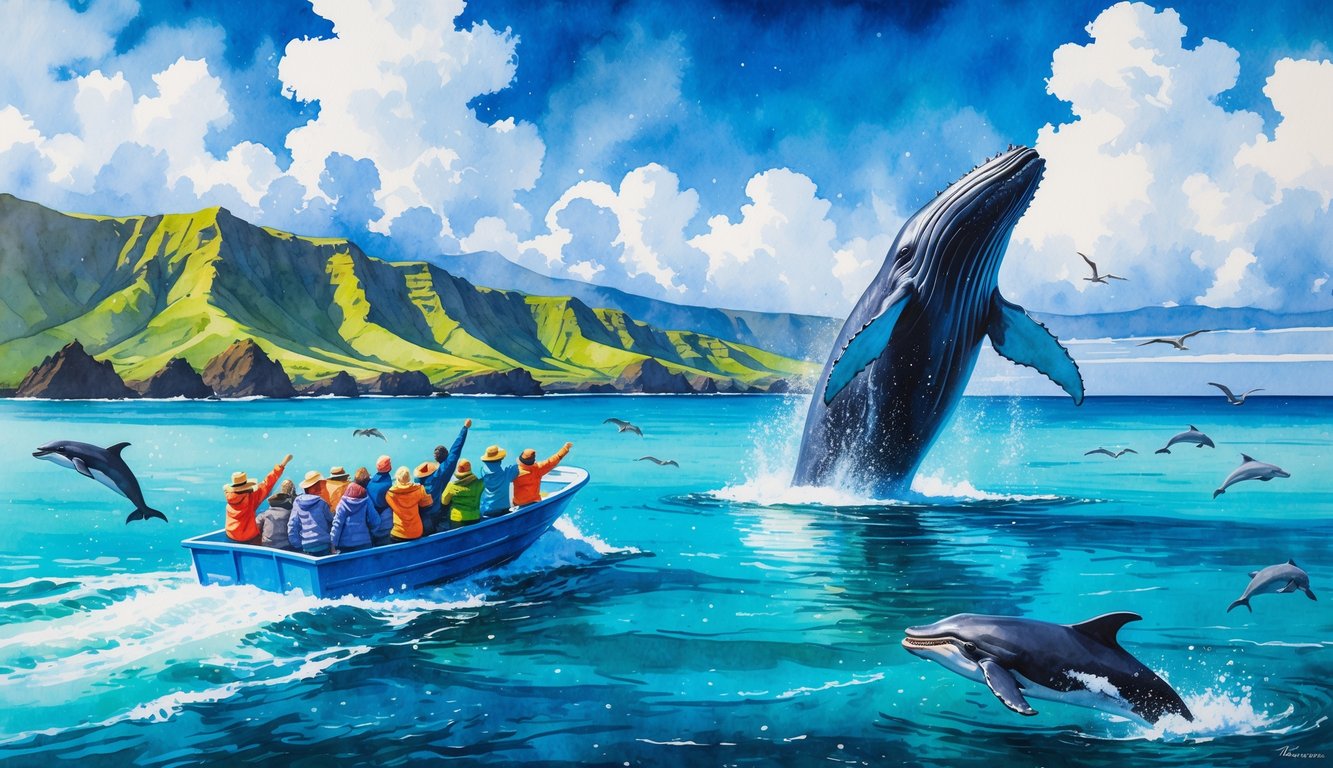
You can see humpback whales display unique behaviors, use the right gear for better viewing, and help protect the animals by following responsible practices. Small details like where to look and how to prepare can make your trip more rewarding.
Whale Behaviors: Breaching, Tail Slapping, and Blow
Humpback whales often breach, leaping out of the water and making a large splash. This can happen at any time, so keep scanning the horizon.
Tail slapping happens when a whale lifts its tail and smacks it against the surface. It can signal communication or play.
The blow is a visible spout of mist from the whale’s blowhole when it exhales. It can reach 10 feet high and is often the first sign a whale is nearby.
Many Maui whale watching tours provide guides who explain these behaviors in real time. This helps you understand what you are seeing and increases your chance of spotting more activity.
Essential Gear: Binoculars and Cameras
Binoculars help you spot whales from a distance, especially when looking for blows or splashes. A compact pair with at least 7x magnification works well on a moving boat.
A camera with a zoom lens can capture details like a whale’s tail fluke markings. Many photographers prefer a 70–300mm lens for flexibility.
It’s smart to pack:
| Item | Purpose |
|---|---|
| Binoculars | Spot whales farther away |
| Camera with zoom | Capture close-up shots |
| Waterproof case | Protect electronics from spray |
| Polarized sunglasses | Reduce glare on the water |
Bring a microfiber cloth to wipe lenses if sea spray lands on them.
Family-Friendly Advice and Safety
Families should choose tours with stable boats and shaded seating. Some operators offer shorter trips, which work better for young children.
Operators provide life jackets and require everyone to wear them when needed. Parents should explain to kids why they need to stay seated when the boat is moving.
Snacks, water, and sunscreen help everyone stay comfortable. Light jackets are useful because wind on the open water can feel cooler than on shore.
Families can also watch whales from land at places like McGregor Point for a calmer, no-boat option.
Conservation and Responsible Watching
Responsible whale watching means keeping a safe distance. In Hawaii, boats must stay at least 100 yards from humpback whales.
Guests should choose operators who follow guidelines from the Hawaiian Islands Humpback Whale National Marine Sanctuary. These companies do not chase whales or cut across their path.
Loud noises or sudden movements can disturb the animals, so people should avoid them. Even on shore, watchers need to respect restricted areas.
Travelers can learn about ethical practices from guides or resources like Whale Watching in Hawaii 101. These resources explain how to enjoy whale watching in an exciting and low-impact way.