The Big Island of Hawaii offers more than its famous volcanoes and popular beaches. Away from the crowds, you can find quiet stretches of sand, lush valleys, and cultural landmarks that many never experience.

These off-the-beaten-path spots let travelers see the island’s beauty in a peaceful and personal way.
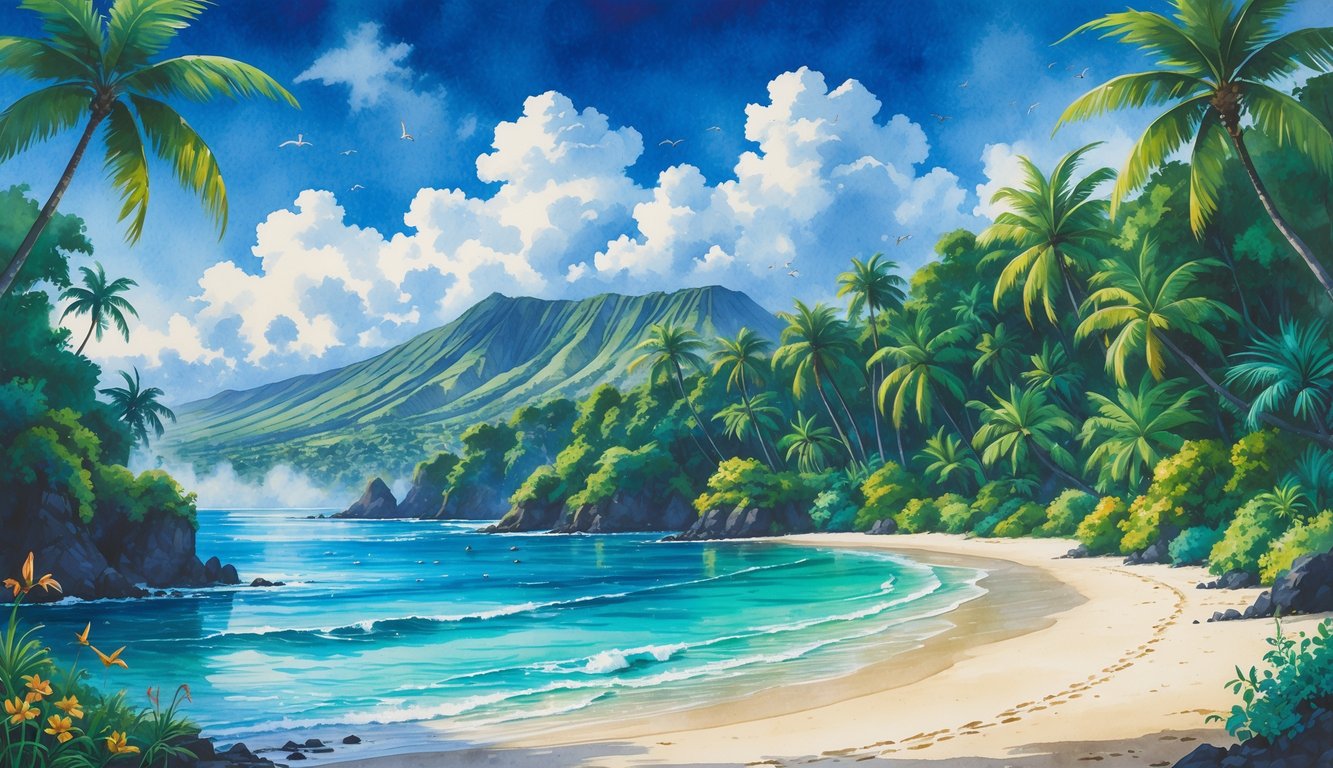
You can visit the rare green sands of Papakōlea Beach or the dramatic cliffs of Pololū Valley. Each hidden location offers something different.
Some spots require a short hike through lava fields. Others sit tucked behind small towns or deep in rainforests.
If you explore beyond the main roads, you’ll find places that reward your curiosity.
It’s not just about nature. The Big Island’s lesser-known temples, historic sites, and local gathering spots reveal authentic Hawaiian culture.
By stepping off the tourist trail, you can connect more deeply with the land and its people.
Top Hidden Beaches and Coastal Wonders
Some of the Big Island’s most remarkable coastal spots sit away from the busiest tourist areas. These places offer quiet shorelines, striking natural colors, and unique landscapes shaped by volcanic activity and ocean currents.
Makalawena Beach: Pristine Seclusion
Makalawena Beach stretches along the Kona Coast. Soft white sand and calm, clear water make it special.
You can’t reach it by paved road, so you need to hike or travel over a rough trail. This keeps the beach uncrowded.
Swimming and snorkeling are best in summer when the water is calm. In winter, stronger surf can make swimming unsafe, but the scenery stays beautiful.
Shade is limited, so bring umbrellas or sun protection. The beach belongs to a larger coastal preserve, which protects its natural beauty and wildlife.
Papakōlea Green Sand Beach: Olivine Marvel
Papakōlea Green Sand Beach is one of only a few green sand beaches in the world. Tiny olivine crystals from the nearby cinder cone, Puʻu Mahana, give the sand its unusual color.
The beach sits near South Point and requires a hike of about 2.5 miles each way. The walk follows a rugged shoreline with views of cliffs and open ocean.
Swimming here can be rough because of strong currents. Many visitors come mainly to enjoy the rare sand and striking scenery.
The green hue stands out in bright sunlight, especially near the water’s edge. You can find more details in guides to Papakōlea Green Sand Beach.
Kiholo Bay: Tranquil Waters and Marine Life
Kiholo Bay, on the Kohala Coast, combines turquoise water, black lava rock, and small sandy coves. The bay is partly sheltered, so calm areas are ideal for swimming and paddleboarding.
Green sea turtles often rest on the shore or swim in the shallows. You can spot schools of fish in the clear water.
Freshwater springs mix with the ocean, creating cool pockets in the bay. You can reach the bay by a short trail from a parking area off Highway 19.
Pololū Valley Beach: Dramatic Black Sands
Pololū Valley Beach sits at the end of the Kohala Coast highway, where the road stops and the cliffs rise above the ocean. You reach the beach by hiking down a steep but short trail into the valley.
The sand is black, made from volcanic rock worn down by waves. The beach is often windy, and the surf can be strong, so it’s better for walking than swimming.
From the shore, you can see lush valley walls and distant ridgelines. The lookout above the valley offers one of the most photographed views on the Big Island.
This spot is perfect for those who enjoy dramatic landscapes and less crowded black sand beaches.
Lesser-Known Hiking Trails and Natural Landscapes
The Big Island has trails that wind through volcanic terrain, lush rainforest paths, and high-altitude peaks. You can see geological features from past eruptions, walk under dense canopies near hidden waterfalls, and experience clear night skies far from city lights.
Exploring Lava Fields and Tubes
Some of the island’s most striking landscapes stretch across its lava fields. Trails near Hawai‘i Volcanoes National Park let hikers cross cooled flows from past Kīlauea eruptions.
The ground is uneven, so wear sturdy shoes. Many hikers enjoy entering ancient lava tubes, found off less-traveled paths.
These tunnels formed when the surface of a lava flow cooled while molten rock kept moving underneath. Inside, you’ll see smooth, rounded walls and mineral deposits.
Bring a flashlight, as natural light fades quickly after the entrance. For a quieter experience, smaller tubes outside main tourist areas give a more solitary look at this volcanic feature.
Makalawena Beach trails also cross lava fields before reaching the coast.
Rainforests and Waterfall Adventures
The island’s windward side has dense rainforests with rich plant life and cooler temperatures. Trails in Pololū Valley and less-visited gulches lead to streams and small cascades hidden from main roads.
Some hikes pass through areas with moist air and soft, mossy ground. Birds are often heard before they are seen.
Waterfall hikes range from short walks to longer treks that reach secluded pools. In some places, you can spot several waterfalls from a single viewpoint.
Paths near Hilo and the Hamakua Coast offer these experiences without large crowds. This makes it easier to enjoy the sounds and sights of the forest.
Stargazing at Mauna Kea Summit
The Mauna Kea Summit rises nearly 14,000 feet above sea level. It is one of the best places in Hawaii for stargazing.
Its high altitude and dry air create clear night skies. Many visitors stop at the Mauna Kea Visitor Information Station before heading higher to help with acclimatization and get updates about conditions.
At the summit, telescopes and observatories take advantage of the minimal light pollution. Even without equipment, you can see the Milky Way and countless stars.
Be prepared for cold temperatures, even in summer. The combination of altitude and open sky makes it a unique experience among hiking trails worldwide.
Authentic Hawaiian Culture and Local Experiences
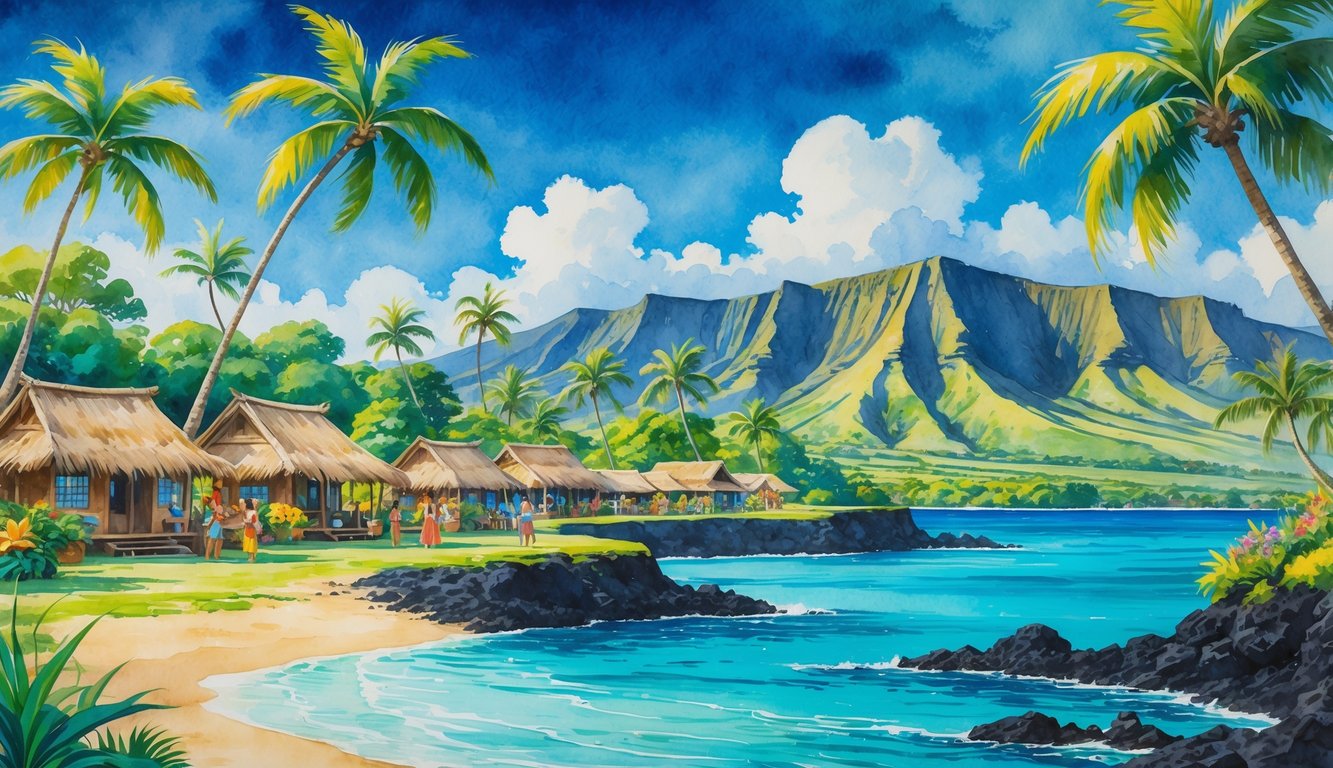
You can find rich traditions, unique foods, and vibrant arts on the Big Island. Many of these experiences happen in small towns, local markets, and community events that show true daily life in Hawaii.
Cultural Heritage and Traditions
Hawaiian culture is rooted in respect for the land, ocean, and ancestors. On the Big Island, communities keep traditions alive through festivals, ceremonies, and gatherings.
One of the most celebrated events is the Merrie Monarch Festival in Hilo. This week-long event honors King David Kalākaua and features world-class hula competitions, craft fairs, and cultural workshops.
You can join lei-making classes to learn the meaning behind each flower and style. Artisans and cultural centers often host these workshops.
Historic sites like Puʻuhonua o Hōnaunau National Historical Park offer insight into ancient Hawaiian law and sacred spaces. Guides explain the significance of stone temples, petroglyphs, and traditional fishing practices.
Local Cuisine: Poke, Poi, and More
The Big Island’s food scene reflects its diverse heritage. Fresh seafood is important, with poke—cubed raw fish seasoned with soy sauce, seaweed, and sesame oil—being a local favorite.
Poi, made from pounded taro root, is a staple in Hawaiian diets and often served at family gatherings or cultural events. Its smooth, slightly tangy flavor pairs well with savory dishes like kalua pig.
Farmers’ markets, such as the Hilo Farmers Market, offer tropical fruits, fresh fish, and homemade snacks. Plate lunches, which include rice, macaroni salad, and a choice of meat or fish, are also popular.
For hidden dining spots, try small family-run cafés and roadside stands. These places often serve some of the island’s most authentic meals.
Art Galleries and Creative Communities
The Big Island has a thriving art scene, especially in Hilo and small upcountry towns. Local galleries display paintings, wood carvings, and jewelry inspired by Hawaii’s landscapes and traditions.
Many artists use materials like koa wood, volcanic rock, and shells in their work. These choices highlight the island’s natural beauty and cultural heritage.
Visitors can explore creative hubs such as the East Hawaii Cultural Center in Hilo. This center hosts rotating exhibits, workshops, and performances.
Art walks and open studio events let travelers meet artists and see their process. Guests can purchase unique pieces directly from the creators.
Some galleries sit in historic plantation buildings or near scenic coastal areas. These locations offer both artistic and scenic experiences.