
Hawaiʻi Volcanoes National Park gives visitors a rare chance to see the raw power of nature up close. The park covers over 300,000 acres and stretches from sea level to the peaks of Kīlauea and Mauna Loa, two of the world’s most active volcanoes.

You can explore active volcanic landscapes, walk through ancient lava tubes, and witness ongoing geological change.
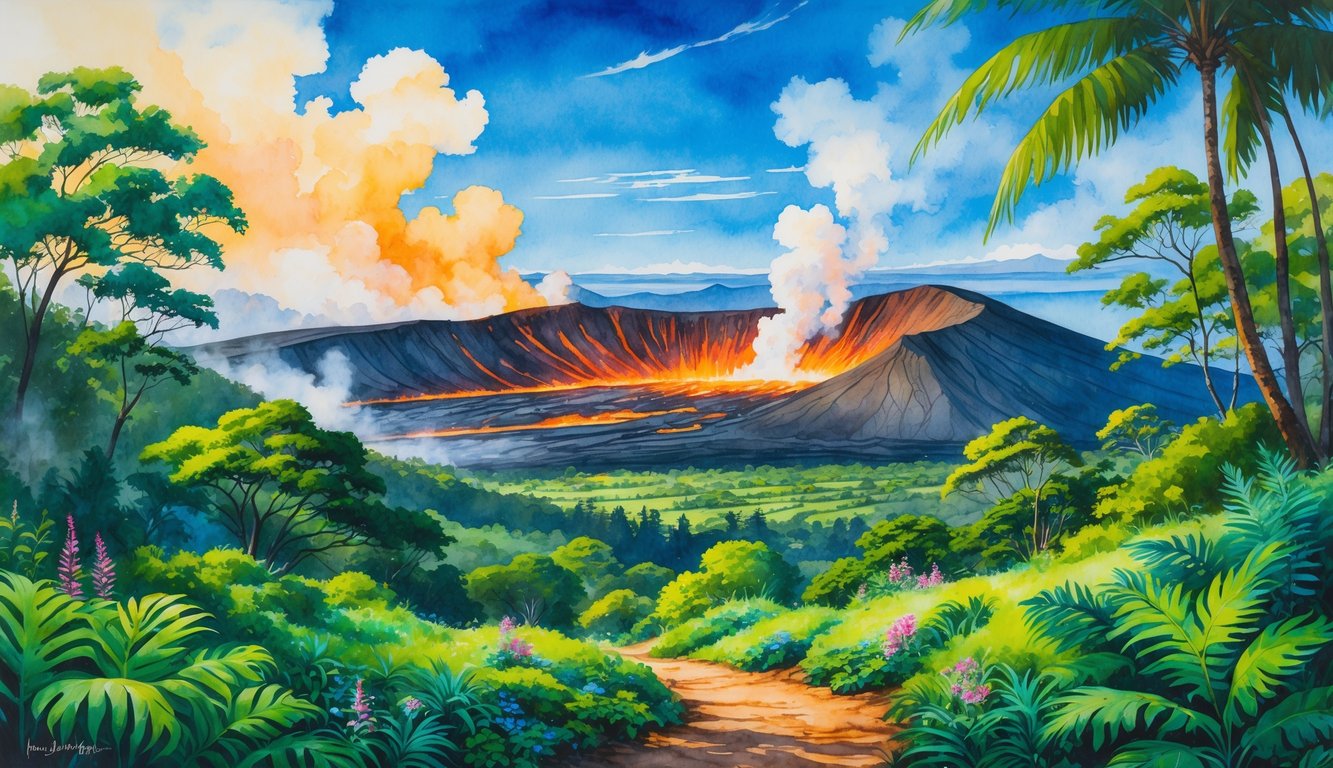
Visitors watch steam rise from craters and hike across hardened lava fields. Lush rainforests thrive in the volcanic soil, supporting unique wildlife and preserving important Hawaiian cultural sites.
The park offers both an outdoor adventure and a cultural experience. Whether you come for volcanic activity, scenic trails, or insight into Hawaiʻi’s natural history, you’ll find something special.
With the right planning, you can see glowing lava at night and trek through otherworldly terrain. You can also discover the stories behind this UNESCO World Heritage Site in a single trip.
Discovering the Volcanoes of Hawaiʻi Volcanoes National Park
Hawaiʻi Volcanoes National Park is home to two of the most studied active volcanoes on Earth. You can see landscapes shaped by recent eruptions and explore cooled lava flows.
Volcanic activity continues to change the island’s terrain, making each visit unique.
Kīlauea: The Most Active Volcano
Kīlauea is one of the world’s most active volcanoes. It has erupted many times in recent history, including a long eruption from 1983 to 2018.
These eruptions created new land along the coast and reshaped parts of the Big Island. The volcano’s summit, Halemaʻumaʻu Crater, often shows frequent lava activity.
Depending on conditions, visitors may see steam vents, glowing lava, or fresh volcanic rock. You can find accessible viewpoints along Crater Rim Drive and Chain of Craters Road.
These routes let you safely observe the volcano’s features. The Hawaiʻi Volcanoes National Park visitor center offers information about the science behind its eruptions.
Mauna Loa: The World’s Largest Active Volcano
Mauna Loa covers about half of the Island of Hawaiʻi. Its massive size and gradual slopes come from repeated lava flows over hundreds of thousands of years.
The most recent eruption happened in late 2022. Lava fountains and flows were visible from miles away, and the eruption lasted about two weeks.
Hikers can explore Mauna Loa using established trails like the Mauna Loa Summit Trail. Weather changes quickly at high elevation, so conditions may be challenging.
The park provides safety guidelines for visiting this area.
Volcanic Landscapes and Features
The park contains many volcanic landforms, from smooth pāhoehoe lava to rough, jagged ʻā‘ā flows. You can walk through the Thurston Lava Tube, a tunnel formed when the surface of a lava flow cooled while molten rock kept moving below.
Large craters like Kīlauea Iki show where past eruptions emptied magma chambers and caused the ground to collapse. Steam vents and sulfur deposits are common, giving clear signs of ongoing geothermal activity.
These features help you understand how active volcanoes shape the island over time. The park offers a unique place to study volcanic processes up close.
Eruption Viewing and Volcanic Activity
You can often see active lava, glowing crater vents, and steam plumes from safe viewing areas in Hawaiʻi Volcanoes National Park. Conditions change quickly, and visibility depends on weather, eruption location, and volcanic activity levels.
Best Spots for Eruption Viewing
The Kīlauea Overlook gives an accessible view of the Halemaʻumaʻu crater inside Kīlauea’s summit caldera. When activity is present, you may see a red glow or molten lava from the rim.
Keanakākoʻi Overlook offers a closer look at crater activity. Both areas are within the park’s road system, so you can reach them by car.
If you want to walk, the Crater Rim Trail connects several viewpoints. The glow from active vents is more visible at night, but be prepared for cooler temperatures and limited lighting.
During certain eruptions, you may spot lava from Chain of Craters Road or designated trails. Access to these spots depends on safety and can change without notice.
Safety Precautions and Guidelines
Volcanic areas release gases like sulfur dioxide, which can affect breathing. People with asthma, young children, and older adults should be extra careful.
Park rangers post warnings and may close areas when gas levels are high. You should stay on marked trails and behind barriers, as the ground near active vents can be unstable.
Cracks may not be visible from a distance. Wear sturdy shoes, bring water, and carry a flashlight for evening viewing.
Weather changes quickly at higher elevations, so layered clothing helps. The U.S. Geological Survey Kīlauea updates give daily information on eruption status, hazards, and access.
Check these updates before visiting to help ensure a safe trip.
Recent Eruptions and Ongoing Activity
Kīlauea has had several small eruptions within its summit crater since 2024. Activity continues on and off through 2025, often producing visible lava and crater glow, especially at night.
The eruption that began on December 23, 2024 has been episodic, with pauses lasting days or weeks before resuming. Most activity stays within closed areas of the park.
Mauna Loa is currently quiet but last erupted in late 2022. Scientists closely monitor both volcanoes for changes.
You can find the latest viewing updates through the Big Island Guide’s eruption reports to plan your visit.
Exploring Trails, Nature, and Wildlife
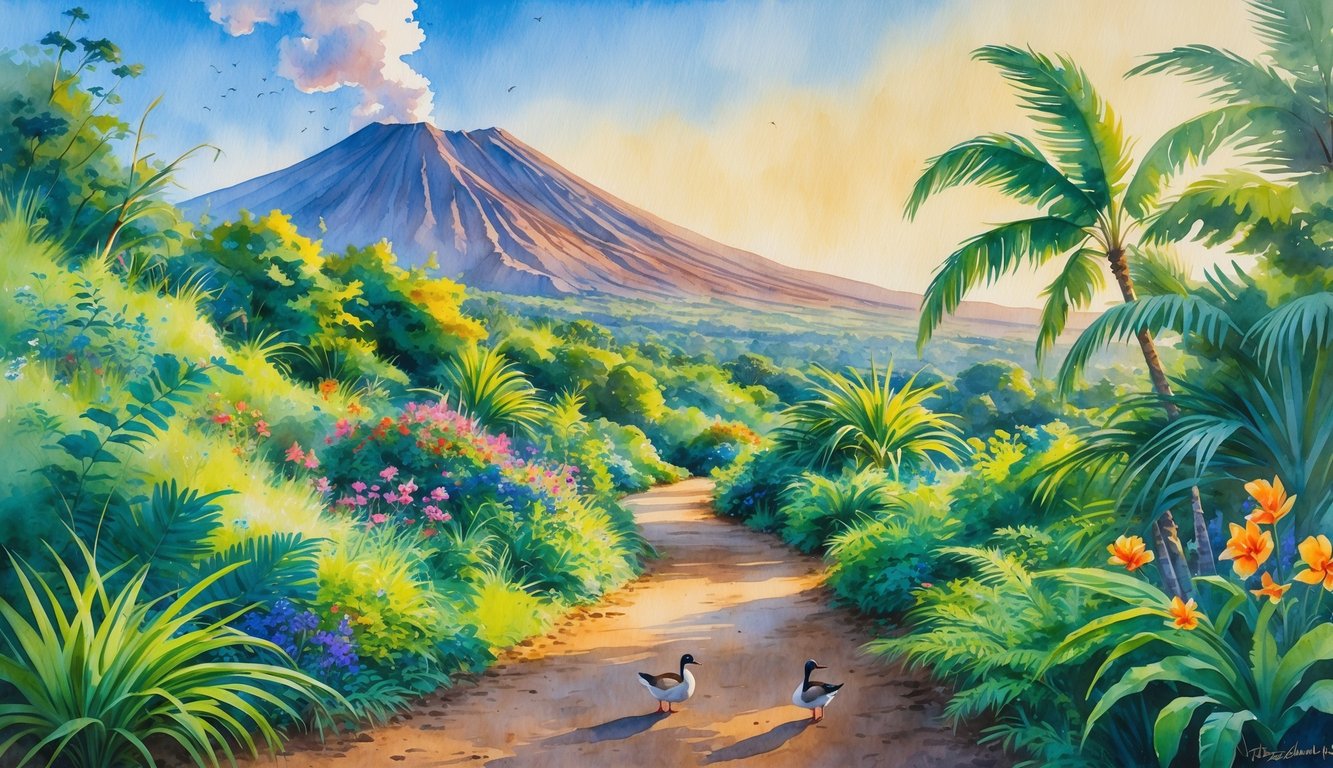
You can walk across cooled lava flows, hike through native rainforests, and see rare plants and animals found nowhere else. Step inside ancient lava tubes and explore areas shaped by eruptions from Mauna Loa and Kīlauea over centuries.
Top Hiking Trails and Scenic Walks
Hawaiʻi Volcanoes National Park has trails for all skill levels. Short walks like the Sulphur Banks Trail lead past steaming vents and colorful mineral deposits.
The Devastation Trail is a paved path through a stark landscape created by a 1959 eruption. For longer hikes, the Kīlauea Iki Trail goes through rainforest to a solidified lava lake.
The Mauna Loa Trail challenges experienced hikers with high-altitude terrain and wide views. Many trails have signs explaining volcanic features and native plants.
Carry water, wear sturdy shoes, and check for trail closures before starting. Maps are available at the National Park Service visitor center.
Unique Flora and Fauna
The park protects rare ecosystems, ranging from coastal lowlands to alpine slopes. Native ʻōhiʻa trees fill many areas, often covered in bright red lehua blossoms.
These flowers attract native honeycreepers like the ʻapapane and ʻamakihi. In drier regions, you may see silversword plants, which grow only in Hawaii.
Ferns such as the hapuʻu thrive in moist rainforest zones. The park also shelters endangered species, including the nēnē, Hawaii’s state bird.
To help protect these habitats, rangers ask visitors to clean their shoes before hiking. This prevents the spread of harmful seeds and fungi.
Learn more about the park’s biodiversity from the Hawaii Volcanoes National Park guide.
Lava Tubes and Geological Wonders
The Thurston Lava Tube is a popular feature. This tunnel formed when the surface of a lava flow cooled while molten lava kept moving underneath.
You can walk through the lighted section and imagine how lava once rushed through. Other geological sights include massive craters like Halemaʻumaʻu and Mauna Loa’s summit caldera.
These sites show the scale of volcanic activity that built the island. Steam vents, spatter cones, and solidified lava rivers are visible from many overlooks.
Geology fans can learn about the island’s formation from exhibits along Crater Rim Drive. The park’s official website provides updates on volcanic activity and safety guidelines.
Kahuku: A Hidden Gem
The Kahuku Unit sits on the slopes of Mauna Loa and is less crowded than other areas. It offers open pastures, native forest, and trails with views of old cinder cones and lava fields.
Popular routes include the Palm Trail, which loops through grasslands and ranch roads, and the Puʻu o Lokuana Trail, leading to a cinder cone summit with panoramic views.
Kahuku is a good spot for birdwatching and learning about the area’s ranching history. Rangers often lead guided walks here, and the park’s Kahuku page lists schedules and trail details.
Planning Your Visit to Hawaiʻi Volcanoes National Park
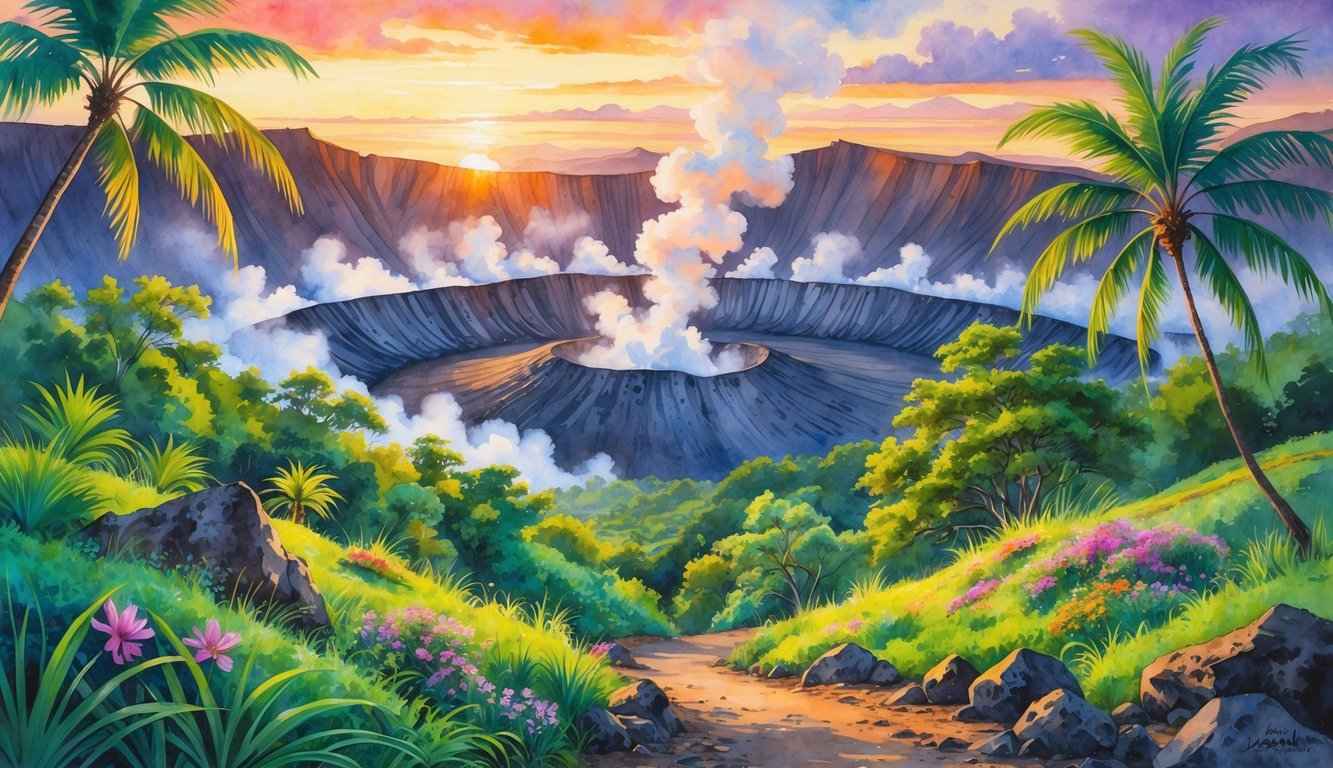
You can explore active volcanic landscapes, join ranger-led programs, and see unique geological features. The park offers facilities, trails, and safety guidelines to help you enjoy the area while protecting its fragile environment.
Visitor Centers and Park Facilities
Hawaiʻi Volcanoes National Park has two main visitor centers. Kīlauea Visitor Center sits near the main entrance and offers maps, exhibits, and daily ranger talks.
The 2018 earthquake damaged the Jaggar Museum, so it remains closed. However, visitors can still enjoy views of the Kīlauea Caldera from its overlook area.
Restrooms, picnic areas, and parking are at several points in the park. Some trailheads offer limited facilities, so visitors should plan ahead.
The Volcano Art Center Gallery displays local art inspired by the volcanic landscape. Campgrounds and backcountry sites need permits, which visitors can arrange in advance.
For more information, the National Park Service provides a plan your visit guide and current operating hours.
Entrance Fees and Accessibility
The park charges an entrance fee. Private vehicles pay a set amount for a 7-day pass, while pedestrians and cyclists pay less.
Annual passes are available for frequent visitors. Fee stations accept cash or credit cards.
Visitors can buy digital passes online before arrival to save time at the gate. Many areas, including the Kīlauea Visitor Center, some overlooks, and short paved trails, are wheelchair accessible.
Accessible restrooms are at major stops. The park works to keep access barrier-free, but some trails and overlooks have uneven terrain from volcanic activity.
Visitors can check the official park accessibility page for the latest information.
Tips for a Safe and Enjoyable Experience
The weather in the park can change quickly. Bring layers, rain gear, and sturdy shoes for walking on uneven ground.
Stay on marked trails to protect fragile plants. Avoid unstable volcanic surfaces.
Do not get too close to steam vents or lava, as they can be dangerous.
Cell service is limited in many areas. Carry water, snacks, and a printed map.
Check current eruption alerts and road closures before you visit. The Hawaiʻi Volcanoes National Park itinerary guide has updated tips for seeing key sites safely.


