
I love how Hawaii’s fusion cuisine brings so many flavors together on one plate.

Hawaii’s fusion food mixes local ingredients with cooking styles from Japan, China, the Philippines, and the mainland United States. This creates something special you can’t find anywhere else.
Just walking through a market or sitting in a local café, I can taste the mix of traditions in each dish.
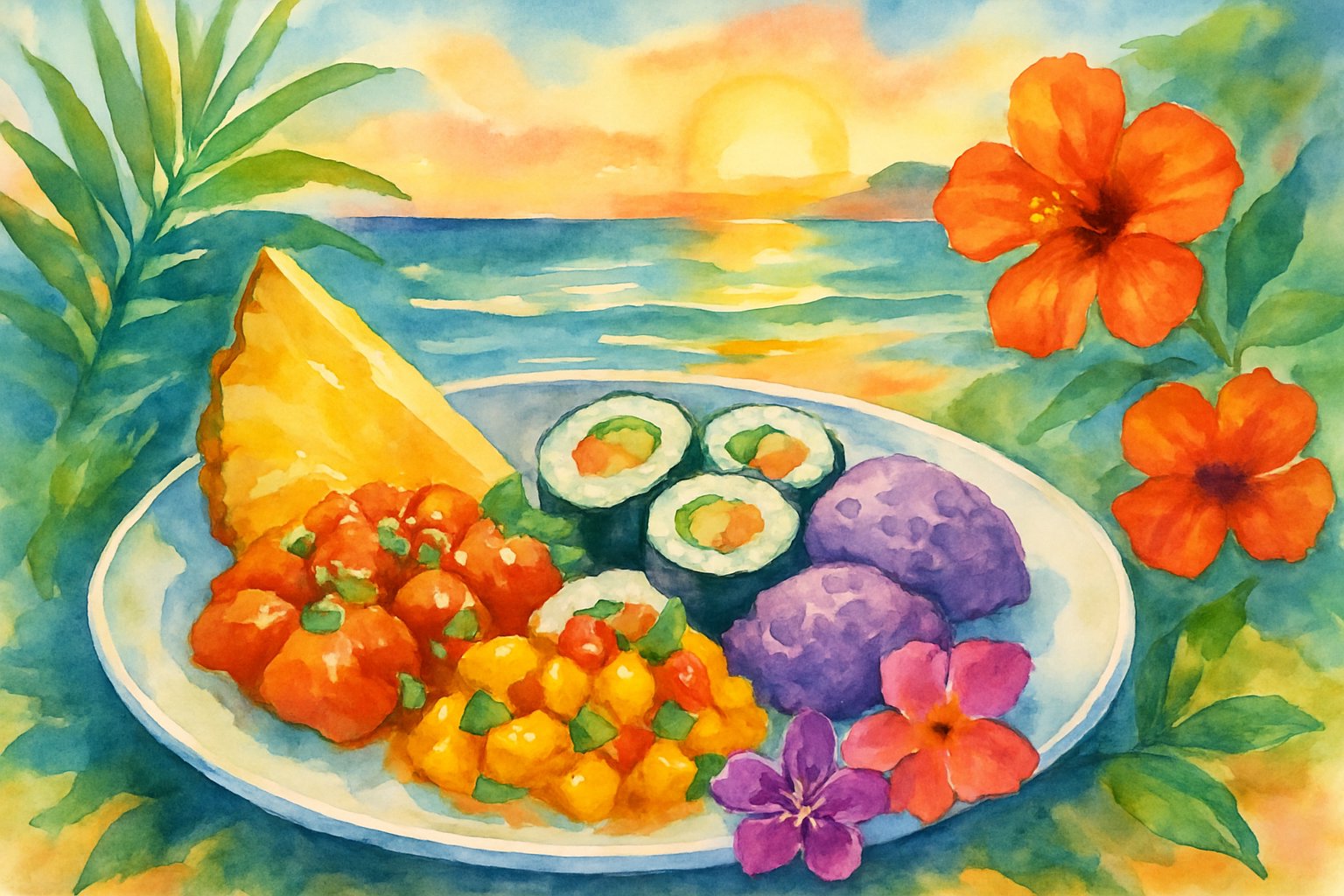
Eating in Hawaii means trying plates like loco moco, fresh poke, and creative island versions of tacos or pizza.
Chefs use fresh fish, tropical fruits, and farm-grown veggies. They blend different cultural recipes and cooking methods for amazing results.
Dining here feels like a culinary adventure, where every meal tells a story.
Each bite is a taste of Hawaii’s history and its welcoming spirit mixed with food ideas from around the world.
What Is Hawaii’s Fusion Cuisine?
Hawaii’s fusion cuisine mixes flavors, cooking styles, and ingredients.
It brings together traditions from Hawaiian, Asian, and Western cultures to create something new, but still rooted in local history.
This food blends the identities of everyone who calls Hawaii home.
Defining Fusion Cuisine
Fusion cuisine means combining different culinary traditions from around the world.
The goal is to create harmony between flavors, textures, and methods.
Hawaiian fusion blends styles from Japan, China, the Philippines, Korea, Portugal, and the United States, along with native Hawaiian ingredients and recipes.
Typical dishes use soy sauce, ginger, coconut, pineapple, and fresh seafood, all in one meal.
A good example is poke bowls, where raw fish comes with rice, seaweed, and a mix of seasonings from many cultures.
Another popular fusion dish is loco moco, which layers a hamburger patty, rice, fried egg, and gravy in one bowl.
The Origins of Hawaiian Fusion
Fusion in Hawaiian food started naturally, as people from different countries moved to the islands.
Early Polynesian settlers brought foods such as poi (made from taro), sweet potatoes, and pork.
Later, immigrants from Asia and Europe added their own ingredients and cooking styles.
Over time, these groups shared meals and recipes. This sharing created new dishes, such as spam musubi and plate lunch, which mix flavors and foods from several backgrounds.
In the 1990s, chefs began the Hawaii Regional Cuisine movement, focusing on local foods and creative combinations.
Today, farm-to-table is common in Hawaii. Chefs use ingredients grown or raised on the islands.
This practice supports local farmers and keeps dishes fresh, unique, and connected to the place.
The Culture Behind the Cuisine
Hawaiian fusion is about more than just flavors.
It reflects the islands’ community spirit and multicultural history.
Food has always brought people together in Hawaii—at luaus, family gatherings, or lunch breaks with coworkers.
Fusion cuisine in Hawaii honors each group’s traditions and creates a sense of togetherness.
Blending foods shows how cultures mesh in daily life.
Traditions are respected, but new ideas are welcomed, too.
Local chefs mix global influences while highlighting homegrown foods.
For many, eating Hawaiian fusion means celebrating the mix of backgrounds that make the islands special.
To learn more, check out this overview of Hawaiian-inspired dishes and modern fusion styles.
Primary Culinary Influences
Hawaii’s fusion cuisine comes from deep roots and global flavors.
The food blends local traditions with dishes from Asia, America, and Europe.
Each meal feels both unique and familiar.
Native Hawaiian Roots
The foundation of Hawaiian cuisine started with the islands’ original Polynesian settlers.
They brought taro, sweet potatoes, breadfruit, and sugarcane, making these foods a part of daily life.
Methods like imu (underground oven) cooking created staple dishes such as kalua pig.
Poi, made from pounded taro, dates back centuries.
Fresh seafood like ahi tuna and opihi, along with fruits, add to the vibrant flavors.
Traditional Hawaiian cooking focuses on simple, fresh ingredients and highlights natural flavors.
These roots still show up in many modern dishes today.
Asian Inspirations
Immigrants from Japan, China, Korea, and the Philippines brought new flavors and techniques to Hawaii.
Each group left its own mark on island cuisine.
Japanese workers introduced rice, soy sauce, and bento.
The Filipino community shared adobo and pancit.
Korean immigrants brought kimchi and kalbi short ribs.
The Chinese gave us dim sum and stir fry dishes.
These influences show up in popular plate lunches, poke bowls, and noodle soups across Hawaii.
I love how these Asian elements mix with other traditions, creating what many call true Asian fusion in every bite.
American and European Twists
After Hawaii became part of the United States, more American flavors shaped local cooking.
European immigrants also arrived, bringing dairy, bread, and new cooking styles.
Hamburgers, sandwiches, and loco moco—a burger patty on rice with a fried egg and gravy—show this influence.
Hawaii’s baked goods, like sweet rolls and pies, have their own twist.
Many chefs take ideas from French and Portuguese food.
Spices, sauces, and rich desserts are mixed in.
This blend of American and European flavors adds to Hawaii’s modern regional cuisine.
Signature Dishes in Hawaiian Fusion
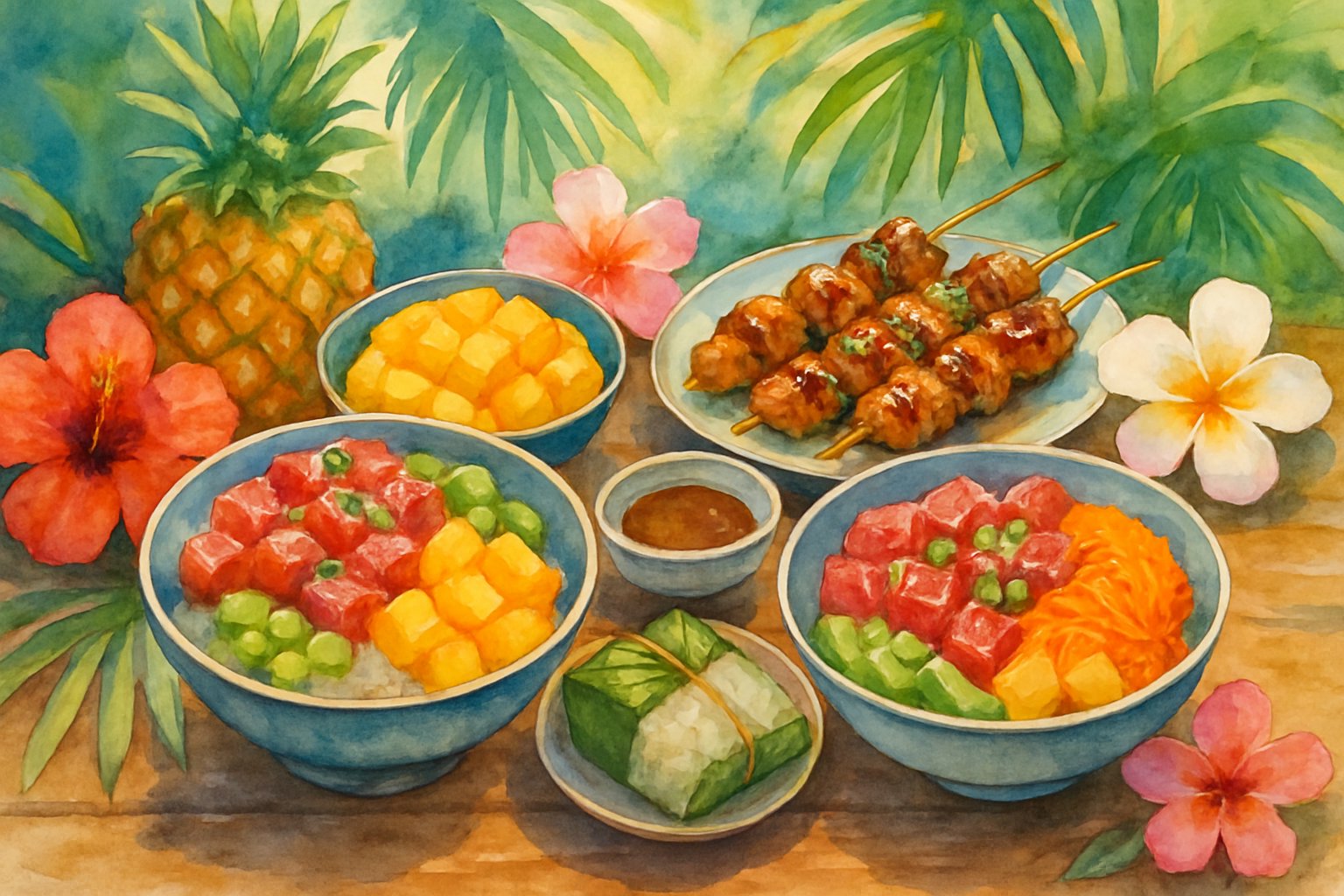
Hawaiian fusion food stands out because it mixes local island traditions with new ideas and global flavors.
These dishes feature fresh seafood, slow-cooked meats, and creative spins on classics.
Ahi Poke Variations
I love how much ahi poke has changed and grown over the years.
The classic version uses raw cubes of fresh ahi tuna, mixed with soy sauce, green onions, sesame oil, and sometimes seaweed.
Fusion poke bowls now often include spicy mayo, wasabi, or fruits like mango or avocado.
Some chefs add crunchy toppings such as wonton crisps or furikake for extra texture.
People experiment with different types of fish, like salmon or octopus.
They also swap in bases such as brown rice or quinoa instead of white rice.
The many modern versions of poke let me express personal tastes while still honoring a traditional staple.
For more about classic and modern poke, read about Hawaii’s fusion bowls.
Kalua Pig with Modern Flavors
Kalua pig has long been a favorite dish at luaus.
Traditionally, cooks wrap pork in ti leaves and cook it in an underground oven, giving it a smoky, tender taste.
Today, chefs use this slow-cooked pork in new ways.
I often find kalua pig in tacos with pineapple salsa or as sliders topped with Asian slaw.
Some restaurants pair kalua pig with unique sauces, like hoisin or teriyaki, for deeper flavor.
I’ve noticed it in fusion breakfasts too, like on loco moco—where the pork replaces hamburger patties, topped with gravy and eggs.
These creative dishes stay rooted in Hawaiian culture but fit easily into modern plates.
Lomi Salmon Reinvented
Lomi salmon is a side dish made of salted, shredded salmon, tomatoes, and onions, served cold.
It adds a fresh, cool balance to heavier meats and starchy foods.
Recently, I’ve seen lomi salmon blended into dips, layered on open-faced sandwiches, or added as a bright salad topping.
Some chefs use smoked salmon or butterfish for different textures or flavors.
It’s common to see avocado, chilies, or soy sauce stirred in for more taste.
These updates keep the dish exciting but still recognizable.
Lomi salmon remains a staple at events and gatherings, thanks to its versatility and refreshing flavor.
Contemporary Plate Lunches
The plate lunch brings comfort with its mix of protein, rice, and macaroni salad.
It features choices like fried chicken, beef teriyaki, or mahi-mahi, often alongside classics like kalua pig or loco moco.
Fusion plate lunches keep these basics but add international details.
I’ve tasted plate lunches with Korean barbecue, Japanese tonkatsu, or Filipino adobo.
Some use coconut rice instead of white rice, or add kimchi and pickled veggies for more flavor.
Menus may offer vegetarian or healthier twists, such as grilled fish or tofu.
For a deeper look at must-try plate lunches and their fusion transformations, see this look at Hawaiian plate lunch culture.
A sample fusion lunch might look like this:
| Item | Description |
|---|---|
| Kalua Pig Taco | Soft tortilla, slaw, pineapple salsa |
| Salmon Poke Bowl | Salmon cubes, brown rice, fresh greens |
| Miso Butterfish | Grilled, with pickled veggies |
| Loco Moco | Rice, kalua pork, gravy, fried egg |
With so many choices, I never run out of new flavor combinations to try.
Key Ingredients in Fusion Cuisine
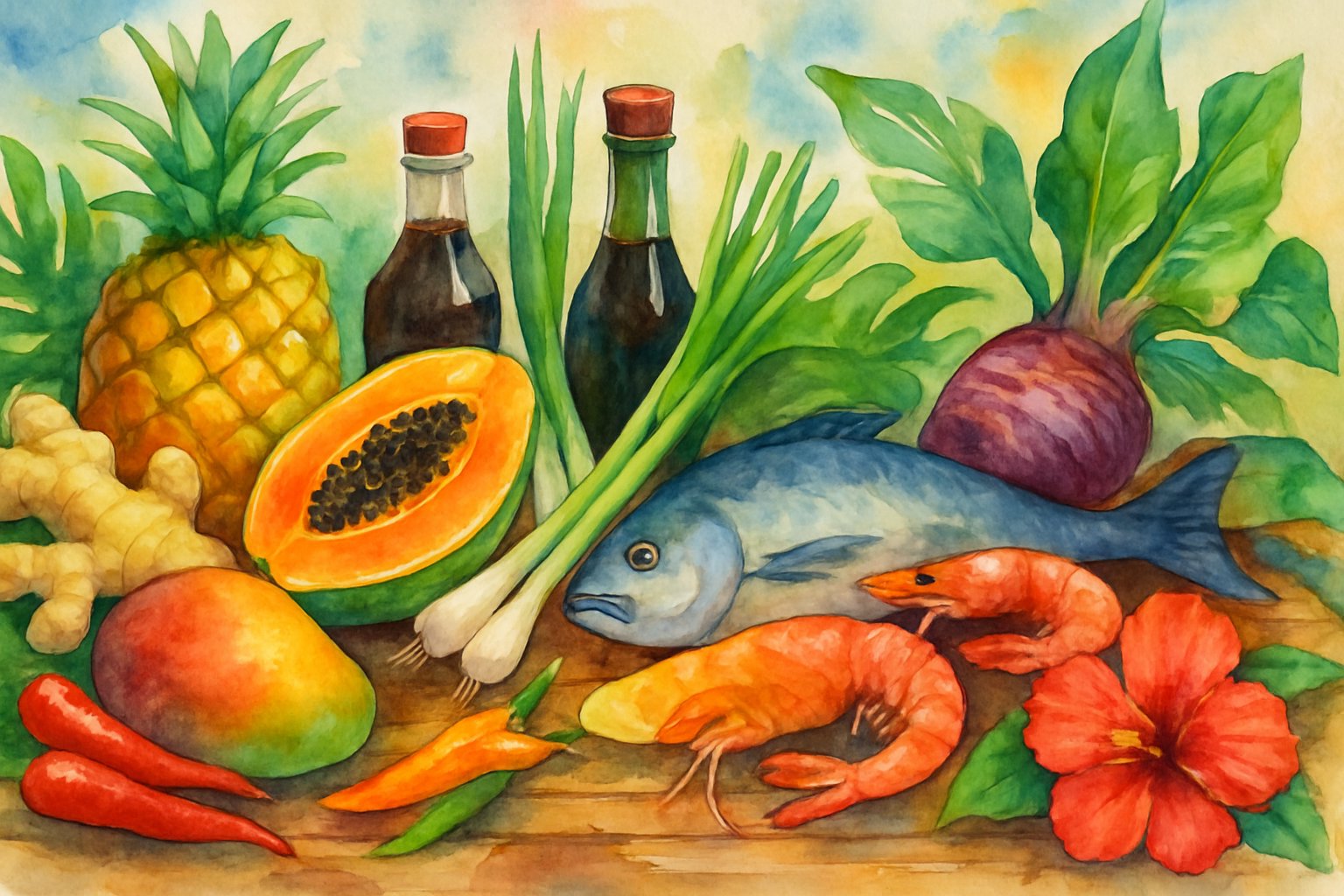
When I think about Hawaii’s fusion cuisine, a few key ingredients stand out.
They each play an important part in creating fresh and unique flavors that truly remind me of the islands.
Locally Sourced Ingredients
I always notice how fresh local ingredients give Hawaiian fusion cuisine its unique taste. Chefs use fresh fish like ahi tuna, local pork, sweet potatoes, and greens grown on the islands.
These ingredients often come straight from local farms or the ocean. This makes the food taste better and keeps the connection to Hawaii’s land and sea strong.
Some restaurants mix in other influences, but they use local products first. The benefits include:
- Fresher taste
- Support for local farmers and fishers
- Less travel, so food is better for the environment
Poke bowls use fish caught just off the coast and greens picked that morning. This local approach is about keeping tradition and community alive.
If you want more details, you can read about Hawaii’s fresh ingredients and Asian-inspired dishes.
Poi and Its Role
Poi is a famous staple in Hawaii’s cuisine that appears in both traditional and fusion dishes. Chefs make poi from taro root, cooking and mashing it into a thick, smooth texture with a slightly sour taste.
In fusion cuisine, chefs often serve poi as a side dish. Sometimes, they blend it into pancakes, bread, or modern desserts.
I like poi because it’s:
- High in fiber
- Gluten-free
- Full of cultural history
Restaurants serve poi with pork or as a dipping sauce. Its mild flavor and texture help balance richer foods.
Poi connects dishes to the native Hawaiian diet, keeping a sense of history in every meal.
Macadamia Nuts Usage
Macadamia nuts are a key ingredient in many Hawaiian fusion dishes. Their buttery crunch adds something special to both sweet and savory foods.
Some popular ways I enjoy macadamia nuts:
- Crusted on fish or chicken for an added crunch
- Mixed into cookies and cakes
- Sprinkled on salads for flavor and texture
Their rich, subtle taste blends with other island flavors. Hawaii grows many of these nuts, so they’re fresh and easy to find.
I enjoy supporting local growers while tasting classic treats in Hawaiian fusion cooking.
Tropical Flavors in Dishes
Tropical flavors fill Hawaii’s fusion cuisine. Mango, pineapple, coconut, and guava add sweetness and freshness.
I see tropical fruits in sauces, marinades, salads, and barbecue glazes. Coconut milk appears in soups and desserts, adding a creamy texture.
Here are a few examples I’ve tried:
- Pineapple salsa on grilled chicken
- Mango slices in poke bowls
- Coconut cream in traditional haupia desserts
These flavors give each bite a taste of the islands. Local fruits stand at the heart of many recipes.
If you want to dive deeper, you can check out the blend of tropical and fusion flavors in Hawaiian cuisine.
Regional Highlights of Hawaiian Fusion
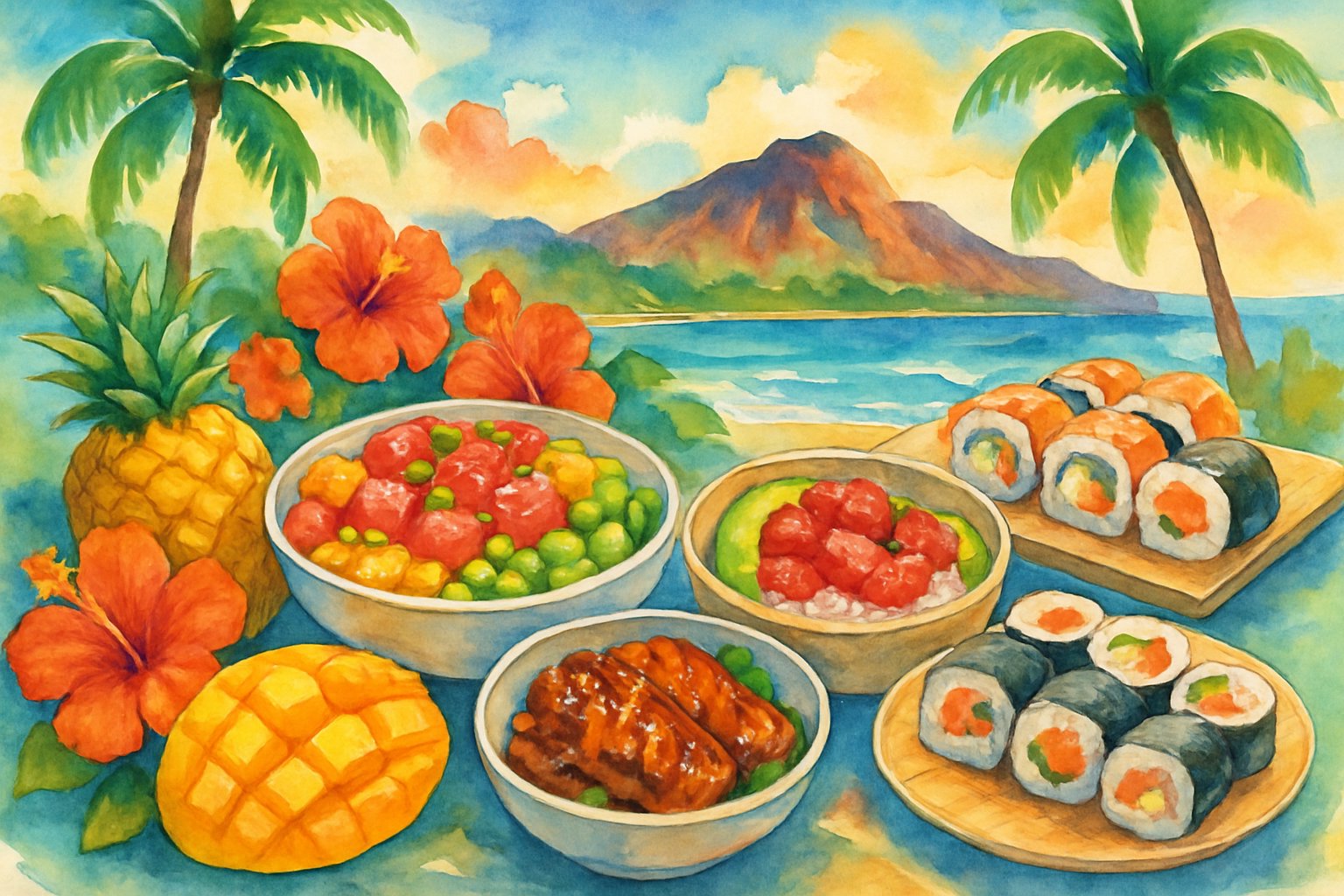
Hawaiian fusion cuisine brings together influences from Asia, the mainland United States, and the Pacific Islands. Local chefs mix traditional ingredients—like fresh fish, pork, pineapple, and taro—with new cooking styles and flavors.
Honolulu’s Food Scene
When I explore Honolulu, I notice that the city’s food scene is packed with variety. Local favorites like poke bowls, loco moco, and plate lunches are everywhere.
Many restaurants use fresh fish, rice, and tropical fruits. Japanese, Chinese, Filipino, and American flavors combine in creative ways.
Modern chefs focus on farm-to-table dining with ingredients grown on the islands. Well-known spots add twists, like kalua pig tacos or guava-glazed chicken, to show off local produce.
Tourists and locals line up for malasadas—Portuguese sweet donuts—or grab a quick spam musubi from food trucks. The city’s fusion cuisine is casual but always tasty.
You can learn more about Honolulu’s mix of fusion foods through guides to Hawaiʻi Regional Cuisine.
Maui’s Culinary Delights
When I visit Maui, I notice its food scene is shaped by the land and ocean. Chefs use ingredients like macadamia nuts, ahi tuna, and Maui onions in both traditional and modern ways.
Many restaurants sit along the coast, giving me a great view while I eat. I often see Asian and Hawaiian influences in dishes like misoyaki butterfish, coconut shrimp, and pineapple fried rice.
Some chefs blend French or Californian styles with local flavors, turning fresh fish into unique sashimi salads or taro pancakes. Maui’s farmers’ markets are full of fruit, vegetables, and honey, which end up in everything from poke bowls to desserts.
For a closer look at what makes Maui’s cuisine unique, I check out places known for their regional Hawaiian dishes.
Fusion Dining in Tempe
Fusion cuisine from Hawaii is starting to appear in places far from the islands. In Tempe, I find restaurants inspired by Hawaiian and Pacific Island flavors.
Menus here often feature dishes like poke bowls with a twist, spam sliders, or teriyaki chicken with a Southwestern spin. Chefs in Tempe mix pineapple, soy sauce, and sriracha with local Arizona specialties.
For example, ahi tuna tacos get a kick from desert spices. Tropical flavors show up in street food like Hawaiian-style barbecue.
Food trucks and casual eateries serve up fusion burritos and salads. These places appeal to people looking for something different from classic Hawaiian food.
They still use many of the same fresh ingredients and cooking ideas. I enjoy seeing how Hawaiian flavors adapt and grow in new places like Tempe.
Where to Enjoy Hawaiian Fusion Cuisine
You can find great Hawaiian fusion food if you know where to look. I use a mix of tips, restaurant picks, and helpful websites to guide my way.
Famous Restaurants and Chefs
Roy Yamaguchi leads the way in Hawaiian fusion cooking. His restaurants, like Roy’s at Pebble Beach, show how chefs mix Asian flavors with local island ingredients.
These spots often serve dishes like misoyaki butterfish, Hawaiian-style short ribs, and tropical desserts. If you’re near San Carlos in California, I like to visit Noelani’s Island Grill, which is known for its Hawaiian-Asian fusion dishes.
Places like this focus on fresh seafood, bright veggies, and sauces inspired by the islands. They make the Hawaii experience feel close to home.
When I want the most authentic experience, I watch for signs that chefs use traditional island products and cook with real knowledge of Hawaiian flavors.
Tips for Finding Authentic Spots
To spot a real Hawaiian fusion place, I look at the menu first. Words like poke, kalua pork, guava, and yuzu hint at authentic flavors.
I check if they use fresh, local seafood and fruits. Asking staff where their recipes come from can tell you a lot.
I avoid chains that water down classic recipes or overuse generic sauce blends. I trust restaurants with a chef who has Hawaiian roots or real kitchen experience in the islands.
I look for busy dinner hours or local families eating there—locals know best. When possible, I sample a few small plates first before ordering a big main course.
This helps me see how well the chef balances sweet, salty, and tangy tastes.
Helpful Websites for Foodies
I often use online guides before picking a spot. Restaurant websites usually list menus, chef backgrounds, and photos of the food.
For example, checking Roy’s Restaurant online gives a good feel for the style and dishes I might try. Food blogs and travel sites break down the best Hawaiian fusion restaurants state by state.
Many of these sites use simple layouts that list locations, opening hours, and sample menu prices. Reading user comments gives clues about which dishes are must-tries.
Some sites also feature ranking tables and star ratings, making it easy to compare options at a glance.
Using Tripadvisor for Reviews
I rely on Tripadvisor to check out unbiased reviews before a visit. Their listings include real photos, updated hours, and the latest customer experiences.
I scan the most recent reviews, looking for mentions of “authentic taste,” “fresh fish,” or “creative flavors.” Their useful search filters help me sort by highest-rated or newest, or look up spots by location or price.
Tripadvisor also shows maps and directions, which helps me plan my trip. I trust reviews with detailed feedback instead of just star ratings.
This way, I know what to expect before I even sit down at the table.
Experiencing the Hawaiian Fusion Lifestyle
When I visit Hawaii, I notice right away that food is more than just a meal—it’s a way people connect and celebrate together. Tastes from many cultures blend with island traditions, creating a unique fusion that makes Hawaii feel like paradise.
Cultural Traditions at the Table
In Hawaii, every meal feels special because of the strong sense of aloha. Friends and families gather for big potlucks, called paʻina or lūʻau, where sharing is a sign of respect and kindness.
I love how these gatherings often include a mix of food from different cultures, like Hawaiian, Japanese, Filipino, and Chinese dishes. When everyone brings their own favorites, I get to try things like poke bowls, sushi rolls, and laulau, all on the same plate.
Traditional food customs are still important. Taking off shoes before entering a home or saying a blessing matters here.
These small things remind me how much Hawaiians respect both their islands and each other.
Blending Local and Global Tastes
Hawaiian fusion cuisine brings together local flavors and ideas from around the world. I often enjoy fresh seafood and tropical fruits in one dish.
Asian-inspired sauces add unique flavors to these meals. Restaurants like Roy’s serve fusion plates that mix Hawaiian staples with global tastes.
I might order wasabi-buttered fish or pineapple-glazed chicken. Some places offer sushi topped with local avocado.
Popular dishes include fish tacos and California-style pizza. Chefs update classic Hawaiian plate lunches by adding flavors like guacamole or ceviche.
You can find these creative dishes in San Diego’s Hawaiian fusion spots. These foods celebrate both creativity and the welcoming spirit of the islands.


