Tucked away on the remote peninsula of Molokaʻi, Kalaupapa National Historical Park offers a rare chance to step into a place where history, culture, and nature meet. Towering sea cliffs and the Pacific Ocean surround it, making it one of Hawaiʻi’s most isolated communities.

The park preserves the stories of those who lived here during the era of Hansen’s disease isolation. It also protects the land’s unique beauty.
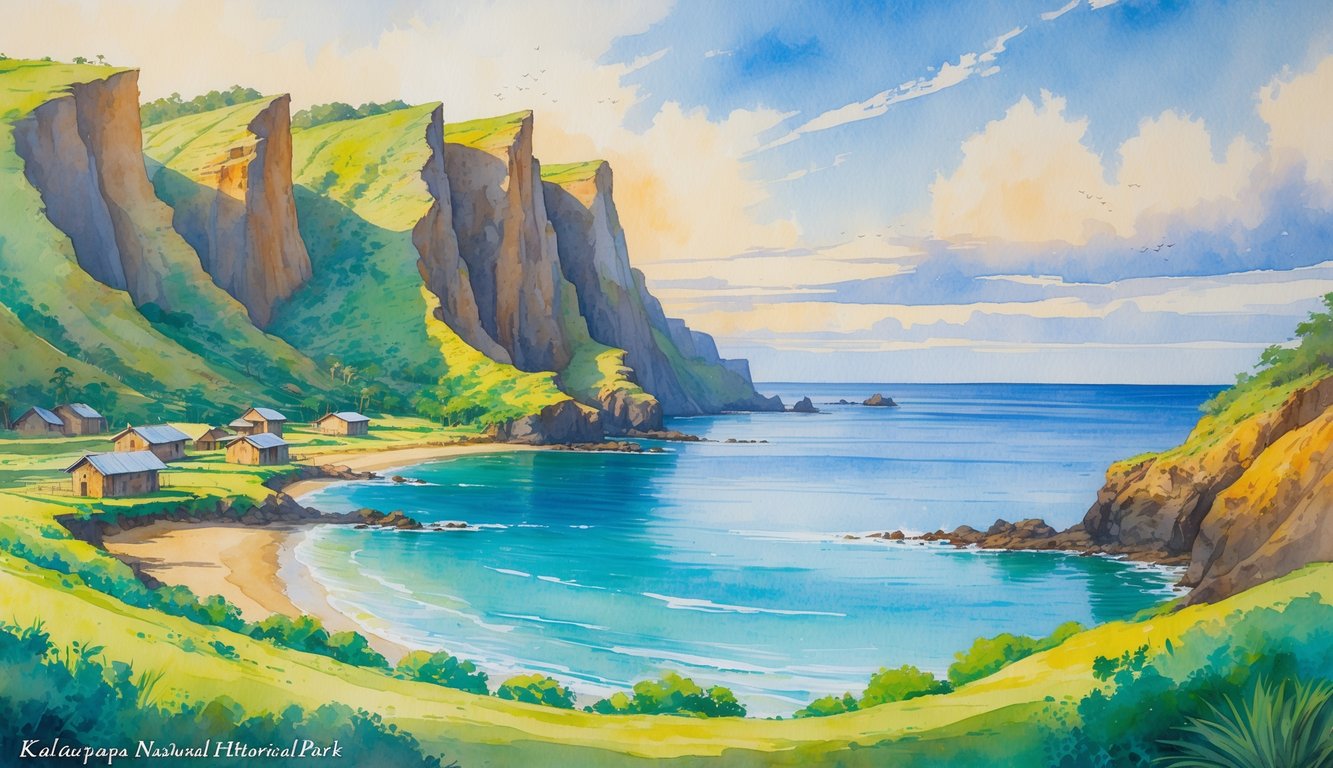
Visitors can walk through historic sites and learn about the people who once called Kalaupapa home. The park’s trails, coastal views, and preserved buildings make the past feel close and personal.
From cultural landmarks to rare wildlife habitats, exploring Kalaupapa reveals more than just scenic views. It’s a chance to experience a place shaped by resilience, tradition, and the natural world.
History and Legacy of Kalaupapa
Kalaupapa’s story blends ancient Hawaiian settlement, a public health crisis, royal decisions, and the compassion of dedicated individuals. Its history shows both the hardships of forced isolation and the resilience of a community that adapted to life in one of Hawaii’s most remote locations.
Origins of the Kalaupapa Settlement
Polynesians first settled the Kalaupapa Peninsula on Molokaʻi around the 9th century. They chose the area for its fertile soil, freshwater springs, and abundant fishing grounds.
These early residents built small coastal villages and grew taro, sweet potatoes, and other crops. Fishing and farming supported their communities for centuries.
Stone house foundations and agricultural terraces still mark the landscape. These remains show how people lived before Western contact.
By the 19th century, Native Hawaiian families still lived in the area, though the population had declined due to disease and migration. The Hawaiian Kingdom later designated it as a place of isolation for people diagnosed with leprosy.
Impact of Hansen’s Disease and Leprosy
In the 1800s, leprosy—now called Hansen’s disease—spread through the Hawaiian Islands. People feared the disease because there was no cure at the time.
The disease damages the skin, nerves, and extremities. Misunderstandings about how it spread led to strict isolation policies.
In 1866, the government began sending patients to the Kalaupapa Settlement. The ocean and steep cliffs made escape nearly impossible.
Patients faced harsh conditions in the early years. Many arrived alone, with little support.
Supplies were limited, and medical care was minimal. Over time, the settlement developed schools, churches, and farms, creating a functioning community despite many challenges.
King Kamehameha V’s Role
King Kamehameha V ruled Hawaii from 1863 to 1872. He approved the isolation law that created the settlement at Kalaupapa because he worried about the spread of leprosy.
Western doctors and Hawaiian officials advised the king to separate patients as the only way to protect public health. He chose Kalaupapa for its natural isolation.
The peninsula’s high sea cliffs and rough waters formed a barrier to the rest of Molokaʻi. The policy protected others but caused hardship for those sent away.
Families were separated, and many never saw loved ones again. The king’s order shaped Kalaupapa’s history for more than a century.
Father Damien and Community Support
In 1873, Belgian priest Father Damien arrived at Kalaupapa to help the patients. He volunteered from the Catholic mission in Hawaii.
Father Damien built houses, repaired water systems, and organized farming to improve life in the settlement. He also led church services and funerals, offering spiritual support.
He treated patients with dignity and cared for them directly when others would not. His work drew attention worldwide to the needs of people with Hansen’s disease.
Father Damien contracted the disease himself and died in 1889. People remember him as a symbol of compassion and service.
Visitors to the park can still see churches and buildings he helped construct. These are preserved as part of Kalaupapa National Historical Park.
Exploring the Park: Sites and Experiences
Kalaupapa National Historical Park protects a remote Molokai peninsula where history, culture, and nature come together. Visitors can see original settlement buildings and learn about the lives of patient-residents.
Historic Buildings and Landmarks
Many of the park’s important sites date back to the late 1800s, when people with Hansen’s disease were forcibly relocated here. Restored churches, such as St. Philomena, remind visitors of community life.
Other landmarks include the old hospital, staff housing, and the lighthouse that guided supply ships. Each structure shows the daily challenges and strength of those who lived in isolation.
Guided tours often stop at these buildings to share stories of the settlement’s past. Mule rides and walking tours give close-up views of the architecture and landscape.
The National Park Service provides more details about Kalaupapa’s history and landmarks.
Cultural Significance and Traditions
The park is not only a historical site but also a place where Hawaiian traditions matter. Residents and descendants honor those who lived here through ceremonies, storytelling, and music.
The concept of aloha is central, showing care, respect, and connection between people and the land. Visitors may learn about native Hawaiian practices like lei making or chanting during special events.
Ancient stone walls and taro patches show how people adapted to the peninsula’s environment. These features link the settlement’s history to the wider heritage of the Hawaiian Islands.
Those interested in cultural history can find more through park learning resources.
Visitor Guidelines and Access
Access to Kalaupapa is limited to protect patient-residents’ privacy and the fragile environment. All visitors must join an authorized guided tour, which can be arranged by mule, on foot, or by small aircraft.
Important rules include:
- No camping or overnight stays
- No unescorted exploration of the settlement
- Always respect residents’ privacy
Photography is allowed in certain areas but may be limited near homes. The park’s official site lists visitor guidelines and current tour options.
These rules help keep the community peaceful and allow visitors to learn from its history.
Natural Wonders and Wildlife
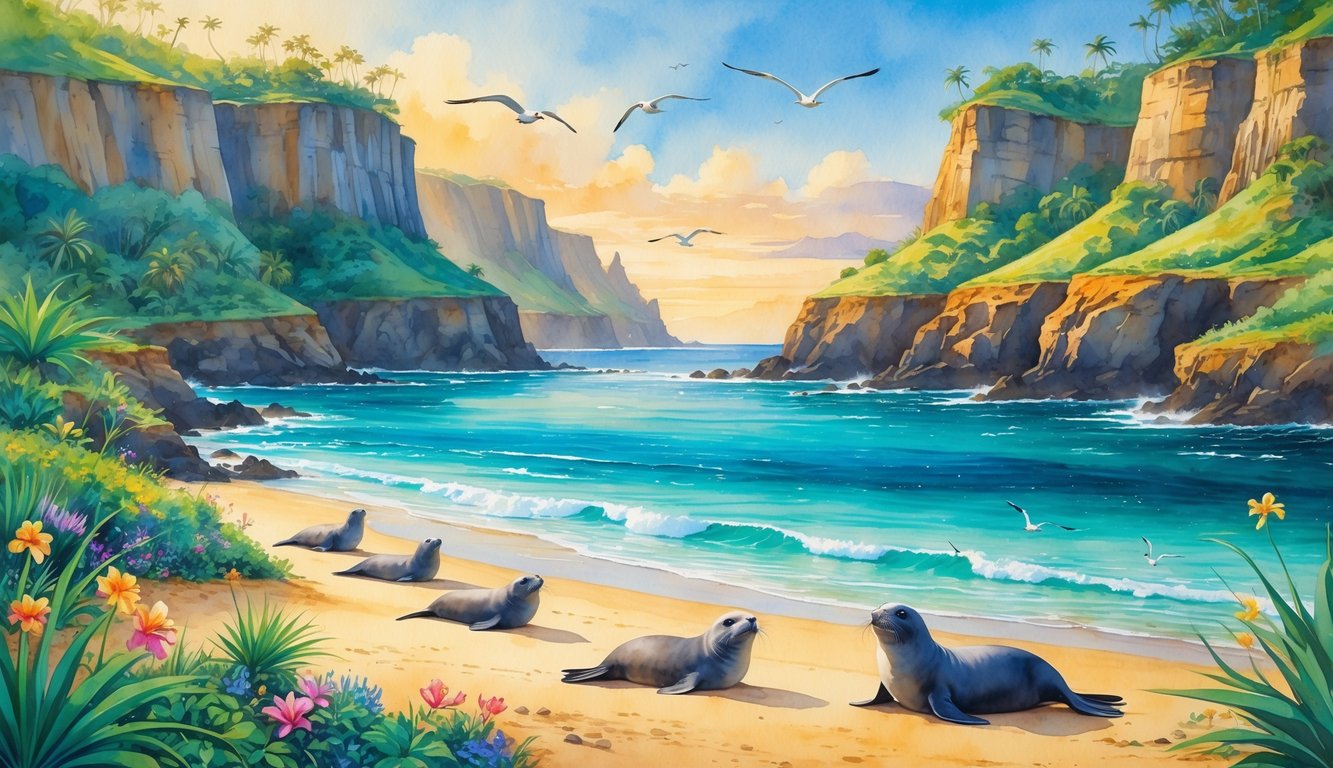
Kalaupapa National Historical Park offers dramatic geological features and diverse wildlife habitats. Its remote location on Molokai helps protect fragile marine ecosystems and supports species found only in Hawaii.
Visitors can see dramatic landscapes and thriving coastal and ocean life.
Sea Cliffs and Scenic Landscapes
The Kalaupapa Peninsula is surrounded on three sides by the Pacific Ocean and backed by tall sea cliffs. These cliffs rise over 2,000 feet, making them among the tallest in the world.
From the air or sea, the cliffs look like sheer walls of green and brown rock. Seasonal waterfalls flow down after heavy rains.
Hiking trails and lookout points offer views of the rugged coastline and open ocean. The area’s isolation has kept much of its natural beauty intact, with little modern development.
The peninsula’s flat terrain contrasts with the cliffs, creating a unique setting for plants and animals. Native coastal shrubs and grasses grow here, adapted to salty air and strong winds.
Marine Life and Coastal Ecosystems
The waters around Kalaupapa support a variety of marine life. Coral reefs remain well-preserved and shelter fish, invertebrates, and sea turtles.
Endangered Hawaiian monk seals often rest on the beaches. In winter, humpback whales migrate through the waters, and visitors can spot their spouts from shore.
Tide pools along the coast hold small crabs, sea urchins, and colorful fish. These habitats are sensitive, so visitors should observe without touching.
The National Park Service reports that the park is home to over 30 federally listed threatened and endangered species. Many of these species rely on these marine environments.
Wildlife Watching Opportunities
Kalaupapa offers excellent opportunities for wildlife watching both on land and at sea. Along the shoreline, visitors may spot green sea turtles basking in the sun or feeding in shallow waters.
Birdwatchers can see native seabirds such as the great frigatebird and red-footed booby soaring near the cliffs. The isolated location makes it easier to find these species because there are fewer people around.
Guided tours teach visitors how to identify wildlife and explain their role in the ecosystem. When visitors observe animals from a respectful distance, they help protect natural behaviors.
Many people visit Kalaupapa National Historical Park to see rare species in their natural habitat.