
Lahaina sits on Maui’s west coast, where history and daily life blend in one walkable town. Once the capital of the Hawaiian Kingdom and a busy whaling port, it now offers a mix of preserved landmarks, ocean views, and local culture.

You can experience historic charm and modern island life in the same visit.
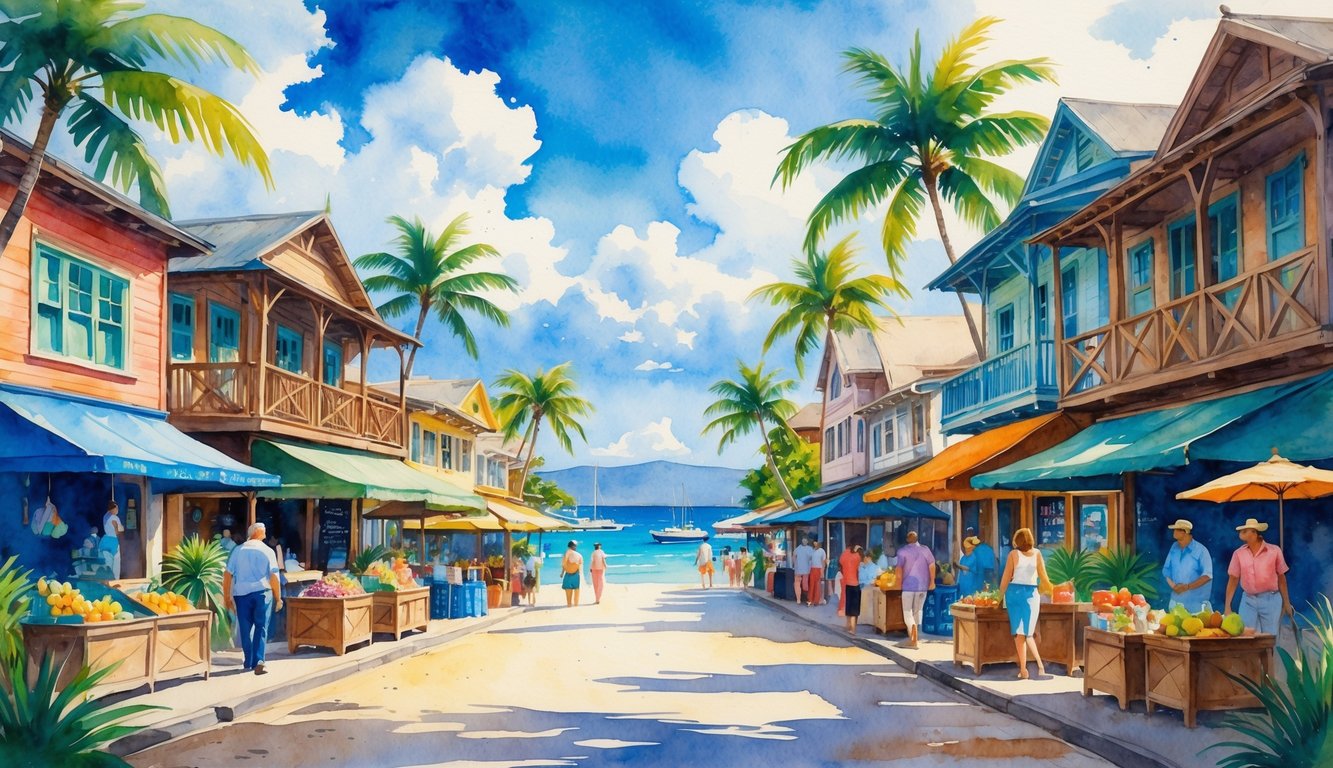
As you stroll along Front Street, you’ll see weathered storefronts, art galleries, and restaurants beside the harbor. The famous banyan tree shades the town square.
The Lahaina Historic Trail connects sites from its missionary, plantation, and whaling eras.
Today, Lahaina serves as both a heritage site and a lively hub for shopping, dining, and ocean activities. You can explore cultural landmarks, enjoy local flavors, and take in views of the Pacific—all within a few blocks.
Historic Significance of Lahaina
Lahaina in West Maui has served as a center of political power, cultural exchange, and economic activity for centuries. From royal rule under Kamehameha I to its role in global whaling, the town’s history shows major changes in Hawaii’s leadership, trade, and daily life.
Role as the Capital of the Hawaiian Kingdom
In 1802, King Kamehameha chose Lahaina as the capital of the Hawaiian Kingdom. The town’s location provided fertile lands, fresh water, and a protected shoreline.
For over 50 years, Lahaina served as the government seat. Royal councils met here, and leaders announced laws to the public.
In 1845, officials moved the capital to Honolulu because of its deeper harbor and growing trade. Lahaina continued as an important regional hub.
Key facts:
- Capital years: 1802–1845
- Reason for move: Better harbor in Honolulu
- Historic site today: Lahaina Historic District
Kamehameha I and the Royal Legacy
Kamehameha I unified the Hawaiian Islands and picked Lahaina as his royal base. He built a brick palace and other residences for the aliʻi (chiefs).
The palace grounds symbolized his authority. Ceremonies, feasts, and political gatherings happened here.
Later monarchs visited Lahaina, keeping it as a royal retreat even after the capital moved. Many of these sites appear on the Lahaina Historic Trail.
Notable royal-era landmarks include:
- Hale Piula: The unfinished royal palace
- Mokuʻula: Sacred island and royal residence site
Influence of Missionaries
In the early 1800s, Christian missionaries arrived in Lahaina. They built churches, schools, and printing presses.
Missionaries introduced Western education and literacy, often teaching in the Hawaiian language. They also shaped laws, including those about alcohol and public behavior.
The Waineʻe Church (now Waiola Church) still serves the community today.
Mission-era contributions:
- First printing press in Hawaii
- Schools for both aliʻi children and commoners
- Written Hawaiian language materials
Whaling Era and Maritime Heritage
From the 1820s to the 1860s, whaling ships from New England and Europe visited Lahaina’s port for supplies, repairs, and rest. The harbor bustled with trade in food, water, and goods.
This busy period brought economic growth and occasional conflict between sailors and missionaries.
Whaling shaped Lahaina’s culture and architecture. Many old storefronts along Front Street date back to this era.
You can learn more at the Lahaina Landmarks that preserve maritime history.
Important whaling-era facts:
- Peak years: 1820s–1860s
- Main exports: Whale oil, whalebone
- Legacy: Historic harbor and preserved buildings
Iconic Landmarks and Cultural Sites
Lahaina features preserved historic buildings, scenic waterfront views, and cultural points of interest. Many sites sit within walking distance, so you can explore history while enjoying shops, restaurants, and ocean breezes.
Front Street and Lahaina Town
Front Street runs along the shoreline and forms the heart of Lahaina Town. Historic storefronts, art galleries, and restaurants line the street.
Many buildings date back to the 19th century, when Lahaina thrived as a whaling port.
You can visit the famous banyan tree in Courthouse Square, which covers nearly an acre. The street provides views of the ocean and nearby islands.
Shops and eateries range from casual cafés to fine dining. Street performers and small markets create a lively atmosphere, especially in the evening.
Front Street in Lahaina attracts both locals and travelers as one of Maui’s most visited areas.
Baldwin House and Dwight Baldwin
The Baldwin House stands as one of Lahaina’s oldest homes. Reverend Dwight Baldwin, a missionary and physician, built it in 1834.
The two-story stone home displays original furnishings and artifacts from the Baldwin family. Exhibits explain how Baldwin provided medical care during smallpox outbreaks and supported the local community.
Today, the Baldwin House operates as a museum. You can walk through its rooms, learn about daily life in the 1800s, and see how missionaries adapted to island living.
The building’s preservation gives a rare look at Lahaina’s early missionary history.
Masters Reading Room and Pioneer Inn
Builders constructed the Masters Reading Room in 1916 as a place for ship captains to relax while in port. Its location near the harbor made it a convenient meeting spot for sailors.
Restorers have brought back the building’s original look, and it now houses historic photographs and maritime memorabilia. The reading room reflects Lahaina’s strong ties to its seafaring past.
Next door, the Pioneer Inn has welcomed guests since 1901. As one of Hawaii’s oldest continuously operating hotels, it keeps much of its original charm, with a wraparound porch and plantation-style architecture.
Lahaina Harbor and the Waterfront
Lahaina Harbor sits at the end of Front Street and serves as a hub for boat tours, fishing charters, and ferries to nearby islands. The harbor offers clear views of the Pacific and the West Maui Mountains.
Fishing boats, sailboats, and excursion vessels dock here daily. Many visitors book whale watching tours in winter or snorkeling trips to nearby reefs.
The surrounding waterfront features shaded benches, picnic spots, and easy access to restaurants. The harbor remains an active part of Lahaina’s economy and a scenic place to watch maritime activity.
Experiencing Lahaina Today
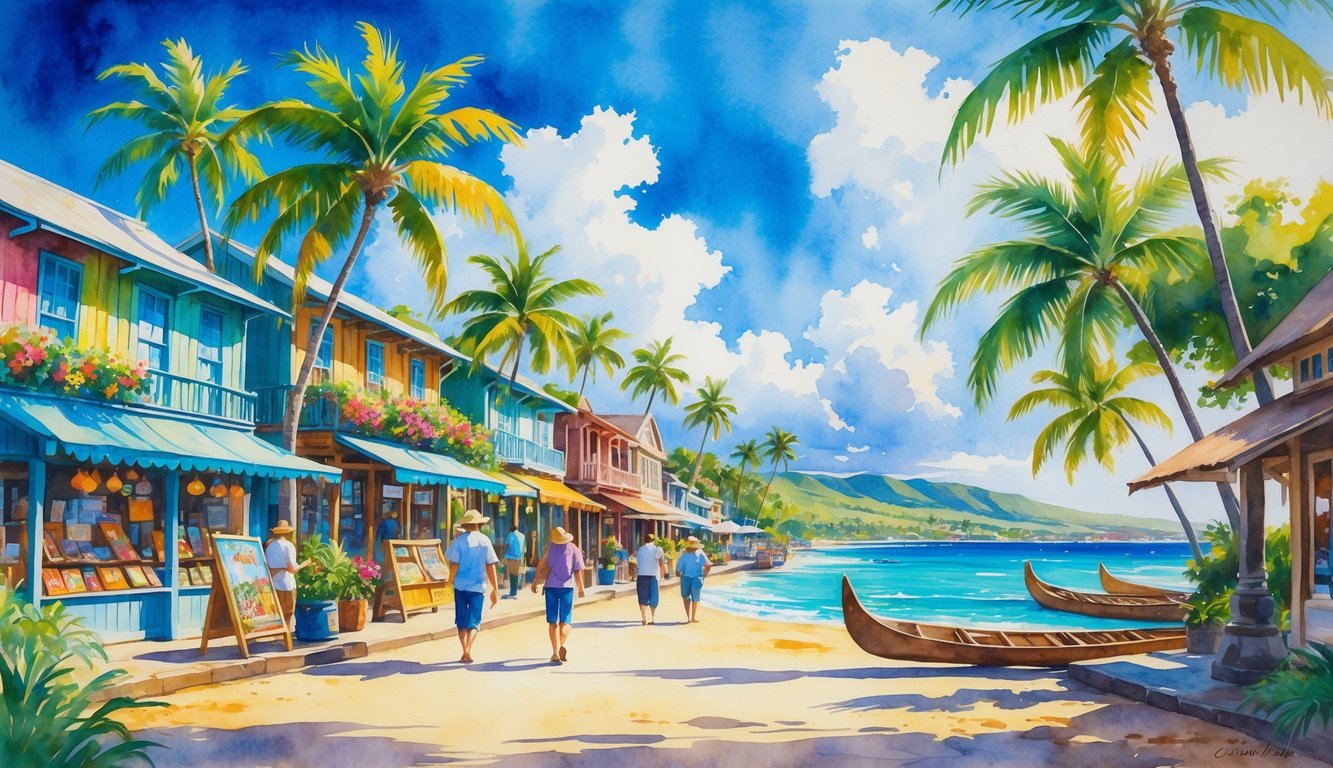
You can walk along the waterfront and find a mix of historic charm and modern attractions. The town offers places to view local art, enjoy fresh island food, and take part in cultural traditions that reflect Maui’s heritage.
Art Galleries and Local Shops
Lahaina is known for its vibrant arts scene. Dozens of galleries display paintings, sculptures, and photography from local and international artists.
Popular spots include the Lahaina Arts Society galleries in the Old Courthouse and the many storefronts along Front Street.
Shoppers can browse handmade jewelry, wood carvings, and Hawaiian quilts. Many stores are small, family-owned businesses.
Prices range from affordable souvenirs to fine art pieces.
A weekly event, Friday Night is Art Night, lets visitors meet artists, watch live demonstrations, and buy works directly. This event helps you connect with the creative community and support local talent.
For more on the town’s art scene and shopping options, see this guide to historic Lahaina.
Dining and Entertainment
Lahaina offers many dining choices, from food trucks to oceanfront restaurants. You can enjoy fresh seafood, Hawaiian plate lunches, and tropical desserts.
Many restaurants feature open-air seating with views of the harbor or the West Maui Mountains.
Front Street comes alive with live music in the evenings. You can listen to Hawaiian slack-key guitar, contemporary bands, or watch hula performances while dining.
Some venues offer dinner with entertainment, such as Polynesian dance shows or storytelling. This blend of food and performance creates a relaxed and memorable night out.
For more recommendations, check the local’s guide to Lahaina.
Old Lahaina Luau and Cultural Events
The Old Lahaina Luau stands out as one of the most respected traditional luaus in Hawaii. Guests sit at low tables by the ocean and enjoy a buffet of Hawaiian dishes.
Performers tell the story of the islands through hula and chant. You can also join other cultural events like guided history walks and canoe paddling experiences.
Seasonal festivals celebrate Lahaina’s past as a whaling port and former capital of the Hawaiian Kingdom. Evening torch lighting ceremonies along the waterfront create a special atmosphere.


