
Going on a volcano hike in Hawaii excites me every time. Walking across old lava flows, seeing steam rise from the ground, and looking out over the landscape is unforgettable.

To stay safe and enjoy my adventure, I pack the right gear, plan my route, and check the weather before heading out.

Hiking in Hawaii Volcanoes National Park often challenges me more than I expect. The weather changes quickly and the terrain is rocky.
Some trails cross hot, open areas. I stay hydrated, wear layers, and stick to designated trails to avoid surprises.
When I plan a volcano hike in Hawaii, I remind myself to respect the land and follow park rules. This keeps everyone safe and helps protect the beauty of the area.
Choosing the Right Volcano Hike in Hawaii
I choose the best volcano hike in Hawaii based on what I want to see and how much I want to walk. There are short, easy walks to amazing volcanic features, and long, tough hikes across rugged lava.
Picking the right trail means thinking about my experience, interests, and safety.
Overview of Hawaii Volcanoes National Park
Hawaiʻi Volcanoes National Park has two of Hawaii’s most famous volcanoes—Kīlauea and Mauna Loa. The park’s landscape includes rainforests, lava tubes, active craters, and steaming vents.
Each feature tells a story about the island’s changing land. Many hikes let me see volcanic sights up close, especially around Kīlauea.
I can also explore higher, drier areas on Mauna Loa’s slopes for a different view. The park stays open year-round, but some trails may close due to volcanic activity or safety concerns.
I always check current conditions before heading out.
Popular Hiking Trails
Kīlauea Iki Trail is one of my favorites because it crosses an old lava lake and heads through a lush rainforest. The Crater Rim Trail circles Kīlauea’s caldera and gives views of steam vents and pit craters.
For an easy, paved stroll, I walk the Devastation Trail through a landscape shaped by recent eruptions. The Thurston Lava Tube lets me walk inside a real lava tunnel lined with ferns.
Sulphur Banks Trail is a short path where I see steam rising from colorful mineral deposits. The Chain of Craters Road area has hikes with cliffside views of where lava meets the sea.
For a more remote experience, I explore the Palm Trail or the open landscapes of the Kahuku Unit at the southern end of the park.
Selecting Appropriate Trail Difficulty
I choose a trail that fits my ability to keep my hike fun and safe. Trails range from short walks like the Devastation Trail (paved and less than a mile) to challenging hikes like Kīlauea Iki (about 4 miles with steep steps and rocky sections).
The Mauna Loa summit trail is much longer and at higher altitude, best for those with experience and good fitness. I use the national park maps and signs to check the trail’s distance, steepness, and surface.
Trails marked “easy” are great for families or first-timers. “Moderate” or “strenuous” trails need more time, water, and stamina.
Before picking a hike, I think about the weather and how quickly it can change near an active volcano. For more advice, I check the official Hiking Tips page.
Planning Your Trip to the Volcano
When I plan my trip to Hawai’i Volcanoes National Park, I focus on safety, up-to-date volcano alerts, and knowing the rules for entry. This helps me get the most out of my hike and avoid surprises.
Checking Volcanic Activity and Safety Warnings
Before I go, I check the latest updates on volcanic activity. This is important because conditions around volcanoes like Kīlauea can change quickly.
I visit the official park website for real-time alerts, trail closures, and safety warnings. Park rangers close some areas to keep visitors safe during eruptions or high volcanic gas levels.
I bring a backup plan in case my first-choice trail is closed. If I see signs or warnings along the trail, I follow them and never cross into closed areas.
I let someone I trust know my trip details, including where I plan to hike and when I’ll return. I pack an emergency kit and check for weather updates before leaving.
Entrance Fees and Permits
For Hawai’i Volcanoes National Park, I pay an entrance fee. The fee covers access for seven days and applies to every vehicle or individual entering the park.
If I plan to visit more national parks, I consider getting a national parks pass to save money. I carry my entrance pass with me while exploring the park.
Information about fees, passes, and discounts is on the park’s official site or the National Park Service app. All permits must be bought online or at the entrance station—cash is not always accepted.
If I want to stay overnight or do backcountry camping, I check the website or ask park staff about special permits. Knowing the rules helps me avoid fines.
Weather Conditions and Best Time to Hike
Hiking in Hawaii’s volcano regions means dealing with quick weather changes. I always plan for rain, sun, and wind, sometimes all in one day.
Understanding Local Weather in Volcano
Weather in Volcano changes often. In the mornings, I might walk through misty rainforests and need a light jacket.
By midday, the sun can feel strong and hot, especially on exposed trails like Kaʻū Desert Trail. Sudden showers or windy gusts are common, so I keep a lightweight, waterproof jacket in my backpack.
I dress in layers to stay comfortable and add or remove clothing as needed. Sometimes temperatures drop fast, especially in higher areas.
Packing a rain jacket and extra dry clothes helps me stay warm and dry. For more on the park’s climate, I check out weather in Hawaii Volcanoes National Park.
Choosing the Right Month for Your Hike
Picking the right time to hike matters. The dry season, especially from April through May and September to November, usually gives the best hiking days.
There’s less rain and fewer crowds. January and March can bring more rain, so I plan for muddy trails and pack an extra waterproof layer during these months.
Here’s a simple overview:
| Month | Weather | What to Pack |
|---|---|---|
| January | Rainy, cool | Waterproof jacket, layers |
| March | Rainy | Rain jacket, dry socks |
| April-May | Drier, pleasant | Light layers, sunscreen |
| September-November | Drier, mild | Hat, sunscreen, light rain gear |
I check the local weather before I go. This helps me prepare for last-minute changes and get the most from my hike.
For advice on when conditions are usually best, I look at guides on the best time to visit Volcanoes National Park.
Essential Gear and Packing List

Before a volcano hike in Hawaii, I pack carefully. The weather can change fast and trails can be rough.
Being prepared adds to my safety and comfort.
Clothing and Footwear
I always wear layers. Mornings can be chilly, but it warms up as the day goes by.
I pack a light, breathable shirt and a warm layer like a fleece. A waterproof jacket is a must, since sudden showers are common.
I bring a hat to block the sun. If it’s cold or windy, I add a scarf for extra warmth.
For footwear, I wear sturdy hiking boots with good grip. The trails can be rocky and wet, so waterproof shoes keep my feet dry.
Here’s what I pack:
- Lightweight shirt
- Fleece or warm pullover
- Waterproof jacket or rain jacket
- Hat (wide-brimmed for sun)
- Scarf or neck gaiter
- Long pants
- Comfortable, thick socks
- Waterproof hiking boots
Safety and Navigation Items
I include basic first aid gear. I pack a small first aid kit with band-aids, antiseptic wipes, and pain relief.
I carry hand sanitizer to stay clean. For navigation, I bring a map of the area, a compass, and sometimes a GPS device if I’m on less-traveled trails.
My headlamp or flashlight stays in my bag even during the day. Clouds or volcanic fog can make the trails dark.
Here’s what I include:
- First aid kit
- Hand sanitizer
- Map and compass
- Headlamp or flashlight with extra batteries
- Whistle
- Fully charged cell phone
For more advice on volcano hiking safety, check out this packing guide for Volcanoes National Park.
Hydration and Nutrition
I always bring enough water—at least two liters for a day hike. If I’m hiking all day or it’s extra hot, I carry more.
A refillable water bottle or a hydration backpack lets me sip as I go. For snacks, I pack simple, high-energy foods.
Trail mix, granola bars, fruit, and sandwiches give me quick energy without weighing down my bag. I also bring a small trash bag to pack out all garbage.
My hydration and nutrition list includes:
- At least 2 liters of water
- Hydration pack or refillable water bottles
- Energy bars and trail mix
- Fresh fruit or sandwiches
- Small trash bag for waste
Staying Safe on the Trail
I take special care while exploring volcano trails in Hawaii. I watch for gas hazards, stay hydrated in the heat, and respect Hawaii’s unique wildlife.
Managing Hazards and Volcanic Gases
Volcanic gas is one of the main dangers on the trail. Active craters can release sulfur dioxide, which is harmful to breathe.
Before starting my hike, I check current air quality alerts and follow park advice. If the air smells bad or I see a haze, I move away from those areas.
I bring a mask or face covering to help reduce breathing in volcanic gases. Sulfur dioxide can bother my eyes, throat, and lungs, even if I am healthy.
People with asthma or other breathing problems should be extra careful. I never cross safety barriers and always listen for updates from park rangers.
Sometimes volcanic trails close for safety because of these hazards. I respect those closures to protect myself and others.
For more tips, I review the Hawaii Volcanoes National Park hiking guidelines.
Staying Hydrated and Avoiding Heatstroke
Hiking near volcanoes in Hawaii means strong sun and high temperatures. I carry and drink plenty of water.
For longer hikes, I pack extra so I never run low. I start hydrating before I reach the trail to avoid dehydration.
To prevent heatstroke, I wear a hat, sunglasses, and use sunscreen. Light, breathable clothes keep my body cool.
If I start to feel overheated or dizzy, I take breaks in shady spots. Recognizing early signs of heatstroke, such as headache, confusion, or nausea, helps me act fast.
I try to hike earlier in the morning or later in the day when it’s cooler. This helps me enjoy the trail without risking my health.
Wildlife and Native Birds Awareness
Hawaii’s volcano trails pass through areas home to many native birds and small animals. I watch quietly for birds like the nēnē goose, Hawaii’s state bird.
By staying on marked paths, I help protect fragile habitats. I never feed or approach wild animals, including birds.
This keeps the animals safe and prevents them from becoming too used to people. If I see a bird or animal blocking the trail, I wait and give it space to move away.
Most volcano trails do not allow pets, as pets can disturb local wildlife. By being aware of my surroundings, I enjoy the unique birds and animals without harming them or their home.
For more on how to protect wildlife while hiking, I visit volcano safety tips.
Highlights Along the Hike
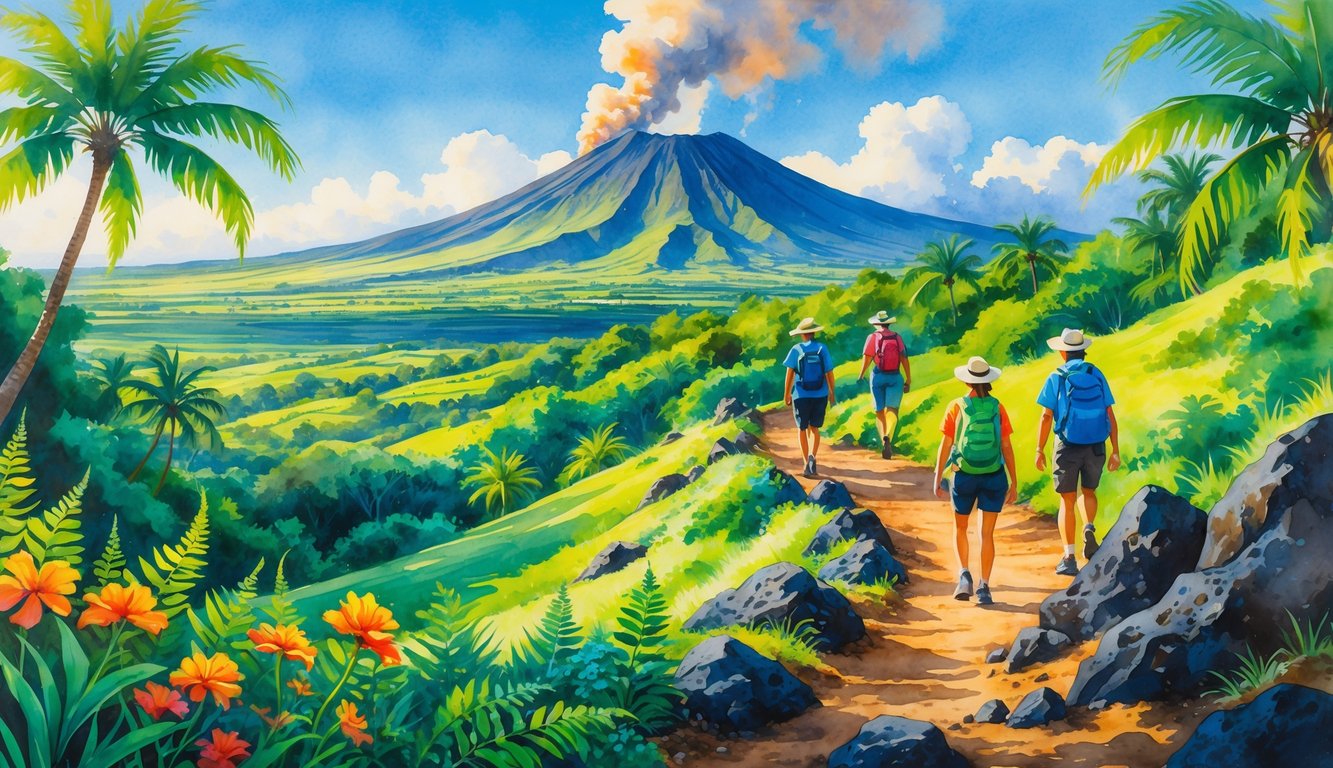
Hiking in Hawaiʻi Volcanoes National Park offers a unique blend of dramatic landscapes and rare sights. I always notice the mix of fresh lava flows, historic craters, and views you can’t get anywhere else.
Viewing Lava Flows and Volcanic Features
When I explore the park, I look for active volcanic features. Sometimes, I spot fresh lava flows, where the ground is still warm from recent eruptions.
If there’s no visible lava, I find other amazing features. Steam vents hiss along the Crater Rim Trail, and the wide Kīlauea Caldera is always stunning.
The Halemaʻumaʻu Crater often has a visible lava lake or glows at night, and the view from the rim is unforgettable. At Maunaulu, I walk across old lava flows and see interesting shapes frozen in stone.
If volcanic activity increases, eruption viewing is possible. Even without active lava, the rough volcanic landscape is full of beauty.
I always check for safety updates and stick to marked trails, since the volcanic environment can change quickly. More lava flow details are in this guide to Hawaii Volcanoes National Park hikes.
Points of Interest and Scenic Spots
There’s much to see aside from the lava. The park’s Crater Rim Drive and Crater Rim Trail give easy access to must-see locations.
At Nāhuku (Thurston Lava Tube), I walk through a tunnel formed by flowing lava. It’s dark, cool, and always fascinating.
The Waldron Ledge lookout lets me look over the caldera. Uēkahuna provides sweeping views of both the park and the ocean.
On the Kīpuka trails, I see patches of old forest surrounded by much younger lava flows. These green islands feel untouched and peaceful.
The Kīlauea Iki trail lets me cross a crater floor once filled with bubbling lava. Some hikes pass by ancient petroglyphs carved into the stone.
If I’m lucky, I might reach a stunning black sand area. The park’s many unique spots mean I find a new favorite each time I visit.
For a list of the park’s best trails and stops, see this helpful hiking overview.
Practical Information for Volcano Hikes

When I plan a volcano hike in Hawaii, I double-check details about how to get to the park, where to park, and which facilities will help make my trip easier. Knowing nearby spots to visit can turn my hike into a full adventure.
Parking and Transportation
Parking at Hawaiʻi Volcanoes National Park is usually easy, but lots fill up fast during busy seasons. I try to arrive early in the morning to grab a spot near the main trailheads.
There are a few main parking lots. The one by the Kīlauea Visitor Center is the most popular.
Rental cars work best for getting around since public transportation is limited. I sometimes see shuttles or tour vans near busy entrances.
If I’m staying nearby in Volcano Village, the short drive makes it easy to come and go at different times of the day. The roads in and out of the park are well maintained.
Signs make it simple to find parking for different trails or attractions. If I want a guided experience and don’t want to drive, I join a tour that handles the details.
Visitor Centers and Facilities
The first place I stop is the Kīlauea Visitor Center. Here, I find up-to-date trail conditions, maps, restrooms, and rangers ready to answer questions.
I also watch the short orientation film that helps me understand the area’s geology and current volcanic activity. The Volcano Art Center Gallery is nearby.
I like to check out local art or buy small souvenirs made by area artists. Further along Crater Rim Drive, I used to visit the Jaggar Museum for volcano science exhibits, but it is currently closed for repairs due to earthquake damage.
Restrooms, water stations, and shaded picnic tables are scattered around popular sites. These facilities help me take breaks, stock up on water, or wait out a rain shower.
Nearby Attractions and Activities
After my hike, I explore more of the area.
Volcano Village sits just outside the park. It offers great spots to grab a meal or coffee.
The village features local art shops and small markets. These places make for a relaxing stop.
I often take short walks to steam vents or visit lava tubes. Both are easy to reach from the main park roads.
Rangers lead programs and cultural demonstrations. Night hikes also catch my interest.
If I have extra time, I drive the Chain of Craters Road. This route has scenic lookouts and old lava flows.
The road ends at a dramatic cliff where lava once poured into the sea. It’s a unique spot with quieter views away from crowds.


