
Exploring art galleries in Hawaii lets you enjoy beautiful spaces and discover amazing artwork from local and international artists. Plan your route, check each gallery’s hours, and look for special exhibits or guided tours that match your interests.

With so many options, I always find new pieces that surprise me. I enjoy wandering through different places.
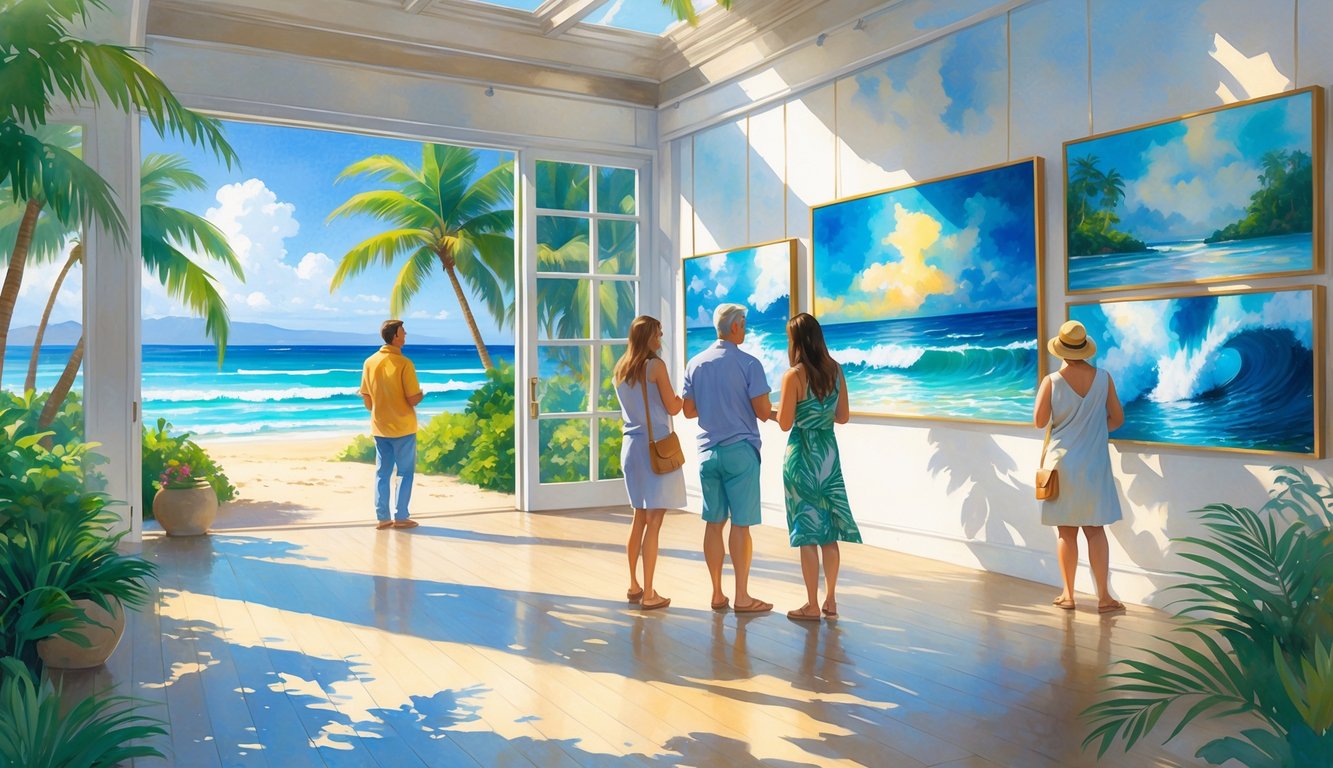
When I visit, I mix well-known museums like the Honolulu Museum of Art with unique spots such as the Downtown Art Center or the Park West Fine Art Museum & Gallery.
Some galleries, like Capitol Modern: The Hawaii State Art Museum, don’t charge an entry fee, making art easy to enjoy for everyone.
Whether I’m new to art or just want a relaxing afternoon, Hawaii’s art galleries give me plenty of reasons to keep coming back. Each visit feels like a mini adventure with new sights and creative ideas.
Overview of Art Galleries in Hawaii
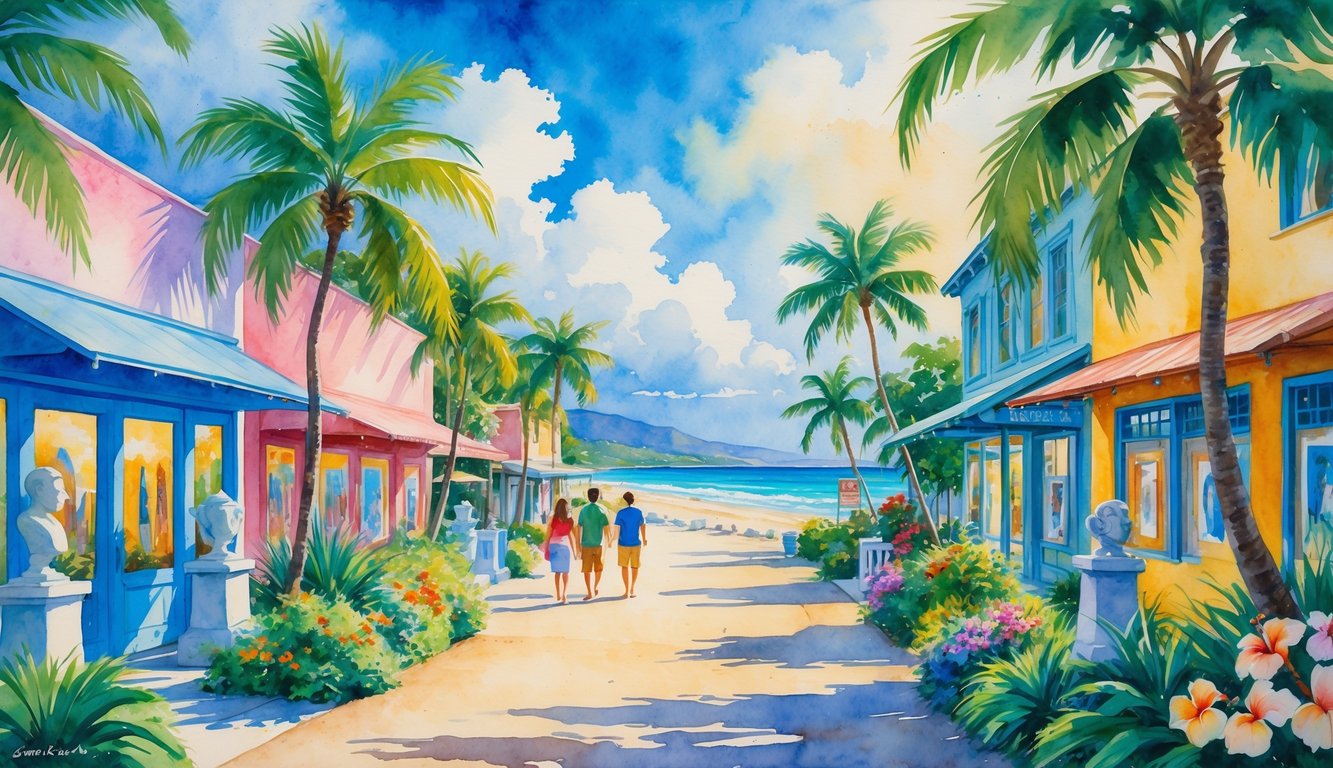
Hawaii has many different art galleries, from modern museums to local shops. Art in the islands is influenced by many cultures, with styles and themes that reflect Hawaii’s unique history and traditions.
Types of Galleries
When I travel across Hawaii, I notice several main types of art galleries. Some are large, like the Honolulu Museum of Art, which features art from both Hawaiian artists and international names.
This museum offers guided tours and events open to the public. Smaller private galleries focus on local talent, and I see many of these in tourist areas and small towns.
They might sell paintings, photography, handmade jewelry, or traditional Hawaiian crafts. I’ve also found specialized spaces, like galleries inside hotels, tattoo shops, and gardens.
Some galleries blend contemporary styles with native influences. Others, like Park West Fine Art Museum & Gallery in Honolulu, bring in pieces by global artists and run special exhibitions.
I enjoy how this gives visitors many options, from classic hula sculptures to modern wall art.
Artistic Diversity in the Islands
The art I see in Hawaii is very diverse. I find works that highlight the natural beauty of the islands, such as seascapes and volcanoes.
Many artists use bright colors and simple lines to show the ocean, forests, or sunsets. Hawaiian art often includes themes from mythology, daily life, and the environment.
I’ve visited galleries that display traditional wood carvings, kapa cloths, and featherwork, all showing skills passed down through families. Because people from Japan, China, the Philippines, and other places have made Hawaii their home, I notice their influence in the art too.
Sometimes, I see a mix of Western styles with Polynesian shapes, creating something new and special. For a broad look at the art scene, I use resources like the Hawaii Guide’s overview of art galleries to find new places to visit.
Role of Art in Hawaiian Culture
Art in Hawaii is more than just decoration; it helps keep culture and traditions alive. Artists use images, patterns, and stories that connect to the land, the sea, and the history of the aloha state.
Art connects people to their heritage. Galleries often share legends or the meanings behind symbols, like the honu (sea turtle) for long life or the taro plant for family roots.
Visiting a local gallery or museum is a great way to learn about Hawaii’s past and present. Many exhibits focus on themes like respect for nature, community, and the spirit of aloha.
As a visitor or local, I feel welcomed through art that tells the story of Hawaii’s people. Hawaiian art galleries play a big part in sharing these values.
Top Art Galleries to Visit
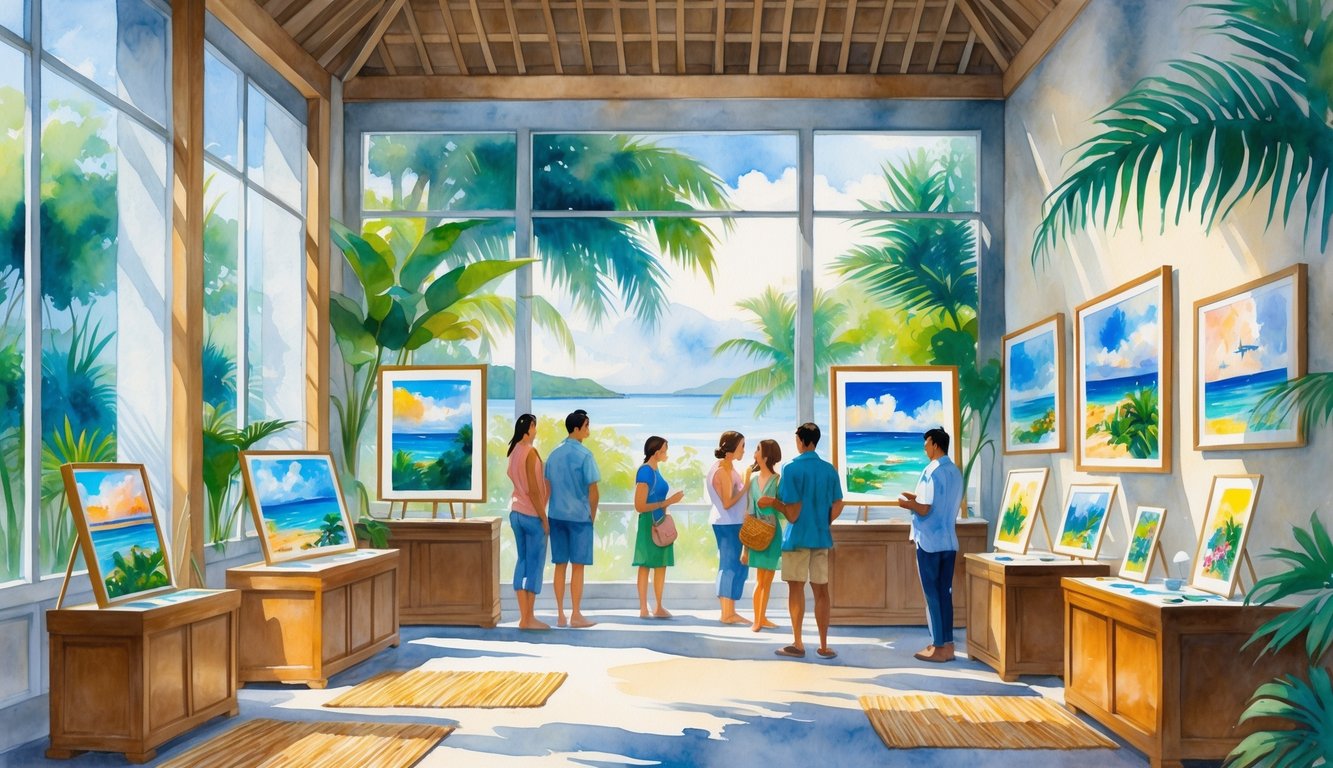
Hawaii has impressive art galleries that show the rich culture of the islands, unique local artists, and treasures from around the world. Each gallery gives me a different way to experience art, whether I want to see paintings, sculptures, or learn about the state’s history through creative works.
Honolulu Museum of Art
Whenever I visit Honolulu, I spend time at the Honolulu Museum of Art. With over 50,000 pieces, it has one of the largest collections in Hawaii.
I can see everything from Asian and Pacific art to European paintings and American classics. I enjoy exploring the different galleries.
Some rooms are filled with ancient Asian ceramics and textiles. Others feature bold, modern pieces.
The museum is known for its peaceful courtyards, making it easy to take a quiet break between exhibits. They also host rotating exhibitions, lectures, and art classes for all ages.
This museum is great for any art lover looking for a mix of local and international works. The central location in Honolulu makes it easy to access other parts of the city.
You can find current exhibit information on the Honolulu Museum of Art website.
Hawaii State Art Museum
I find the Hawaii State Art Museum, known as HiSAM, in downtown Honolulu. It’s the best place to see the work of Hawaii-based artists.
The museum focuses on contemporary art and highlights paintings, sculpture, and mixed media created by artists who live or have lived in Hawaii. Most gallery spaces are bright with natural light, which makes the colors and details stand out.
Entry is free, so I can return whenever new exhibits open. The museum also offers workshops, talks, and family events.
Located at 250 South Hotel Street, the Hawaii State Art Museum gives me the chance to connect with living artists and learn the stories behind the artworks.
Isaacs Art Center Museum and Gallery
When I travel to the Big Island, I stop at the Isaacs Art Center Museum and Gallery in Waimea. It’s inside a restored school building from 1915, which adds character to its cozy rooms.
The gallery features a broad mix of Hawaiian fine art, rare antiques, and furniture from the 19th and 20th centuries. The collection includes works by both well-known and emerging artists of Hawaii.
I can see paintings, sculpture, woodwork, and historic maps that tell the story of the islands. The Isaacs Art Center also supports local students, with all proceeds going toward scholarships for Hawai‘i Preparatory Academy.
For anyone interested in historic and local art, the Isaacs Art Center Museum and Gallery offers a mix of culture and history.
Exploring Regional Art Scenes
Hawaii offers unique art experiences shaped by local styles and breathtaking landscapes. Each island has its own art districts, galleries, and artist communities where I can see how local culture, nature, and history shape the works on display.
Honolulu Art District
When I visit downtown Honolulu, I find a lively art scene with many galleries. The Art District features a mix of traditional Hawaiian art, modern installations, and street murals.
Cedar Street Galleries focuses on local artists and handcrafted works. First Friday events let me explore several galleries in a single night while meeting artists and enjoying live music.
The Honolulu Museum of Art offers paintings, textiles, and sculptures from across Asia and the Pacific. Most galleries are easy to walk to, and I often find special exhibits inspired by Hawaii’s ocean, mountains, and city life.
I love how the vibe mixes urban style with strong connections to the islands’ traditions.
Maui’s Artistic Communities
Maui is home to creative pockets where artists display paintings, photography, and ceramics inspired by volcanic slopes and coastal views. In the towns of Paia and Lahaina, I explore small galleries run by local creators.
The beachside locations help me feel connected to the island’s landscape. Art walks take place in historic Lahaina before sunset, where galleries open late and showcase glass work, jewelry, and island-inspired paintings.
Local artists often talk about their pieces and what inspires them. Some Maui galleries also host workshops where I can try new techniques.
This makes Maui special, blending community life and creative expression. Find more inspiration for Maui’s art scene at this Hawaii art gallery guide.
Big Island Galleries
The Big Island’s galleries feel closely tied to its volcanic landscapes and local culture. In and around Volcano Village, I visit the Volcano Art Center near Hawaii Volcanoes National Park, which highlights art inspired by lava fields and native plants.
Many artists here create work that reflects the raw beauty of nature, including wood carvings and nature photographs. I also find galleries in small towns like Waimea and Hilo, where the themes often showcase island myths or rural life.
Some locations double as community spaces, holding art classes and local events.
| Gallery Name | Location | Focus |
|---|---|---|
| Volcano Art Center | Volcano Village | Local & volcanic themes |
| One Gallery | Hilo | Contemporary art |
When I visit Big Island galleries, I always feel a deep sense of place, thanks to art rooted in Hawaii’s environment.
Experiencing Hawaiian Art and Culture
Hawaii’s art scene lets me see traditions, stories, and the island’s history through painting, sculpture, and handmade crafts. Each style—traditional, native, and Polynesian—shows unique skills, meanings, and connections to the land and people.
Traditional Hawaiian Art
When I view traditional Hawaiian art, I notice a deep respect for the land and daily life. Artworks include kapa (barkcloth) with patterns and designs made from natural dyes, plus featherwork like capes and leis.
Carved wooden items such as bowls and statues, called ki‘i, are common too. These pieces show skill and patience, often taking weeks or months to finish.
Artisans use local materials like koa wood, feathers, and shells. Patterns and shapes in these works have meanings that tell family stories and beliefs.
Seeing these items in a gallery helps me understand customs and the importance of ritual in Hawaiian life. Each object is unique, with details that reveal the maker’s connection to culture and tradition.
Native Hawaiian Art
When I look at native Hawaiian art, I see both older traditions and new, modern touches. Many artists today use painting, photography, and sculpture to share stories from the past or current events.
Some artists create large murals that show heroes, nature, and local legends. Native Hawaiian artists focus on issues that matter in my community, like land, identity, and cultural heritage.
Their artwork is bold and colorful. These artists mix old symbols with fresh styles.
When I visit a gallery, I find exhibits that celebrate language, music, and daily life. Some artists blend Hawaiian words and images into their work.
Much of this art aims to inspire pride and teach others about Hawaii’s roots.
Polynesian Influences
My ancestors, the Polynesians, shaped Hawaiian art when they sailed to the islands long ago. These travelers brought techniques and styles shared across the Pacific.
I see these influences in tattoos, carvings, and weaving. Polynesian patterns use strong lines, triangles, and other shapes.
Artists include these patterns in tattoos called kakau, as well as in canoes, paddles, and jewelry. The similarities between Hawaiian and other Pacific island art show a rich, connected history.
I enjoy recognizing these influences because they link Hawaii to a larger family of island cultures. Many galleries on the Big Island and beyond, such as those listed in Hawaii’s art culture guide, display these shared styles.
This makes my gallery visits even more interesting.
Meeting Local Artists and Artisans
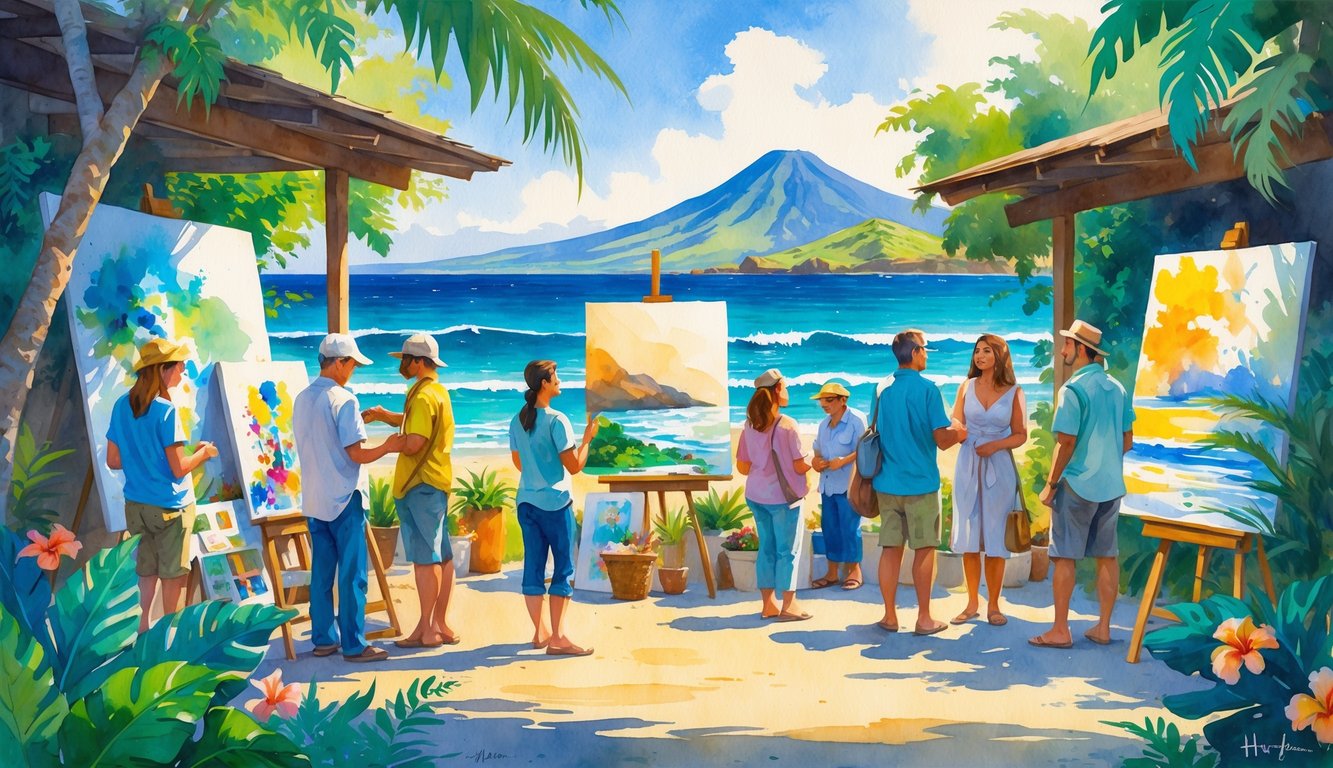
Getting to know the people behind the art helps me better understand Hawaii’s visual culture. When I meet artists in person, I see how their stories, backgrounds, and daily life shape the artwork I enjoy in galleries and markets.
I also love attending events that bring the whole creative community together.
Local Hawaiian Artists
When I walk into a gallery in Hawaii, I often meet the artists who created the pieces on display. Many spaces, like One Gallery Hawaii, feature over 150 local artists.
These galleries give me a unique look at original works that reflect the identity and spirit of the Hawaiian Islands. Sometimes a single conversation helps me appreciate the effort that goes into each painting, ceramic, or photo.
Artists on the Big Island, such as John D. Dawson, create wildlife and landscape artwork that shows deep respect for Hawaii’s natural world. Their stories reveal how their heritage, daily inspirations, and love for Hawaii come together in each piece.
Meeting these artists makes my visit feel more meaningful and personal.
Artistic Community Events
I notice that community events are great ways for me to meet groups of artists and artisans all at once. Farmer’s markets, pop-up shows, and gallery walks introduce me to new faces and styles.
The Ho’oulu Community Farmers & Artisans Market and festivals hosted by local galleries are lively places. I can watch artists at work, ask questions, and sometimes even join in hands-on demos.
Many events highlight traditional Hawaiian crafts, helping me see how art supports identity and community. These gatherings let me buy artwork straight from the people who made it.
The energy of these artistic events inspires me. I often discover hidden local treasures for myself or as gifts.
Highlight Exhibitions and Installations
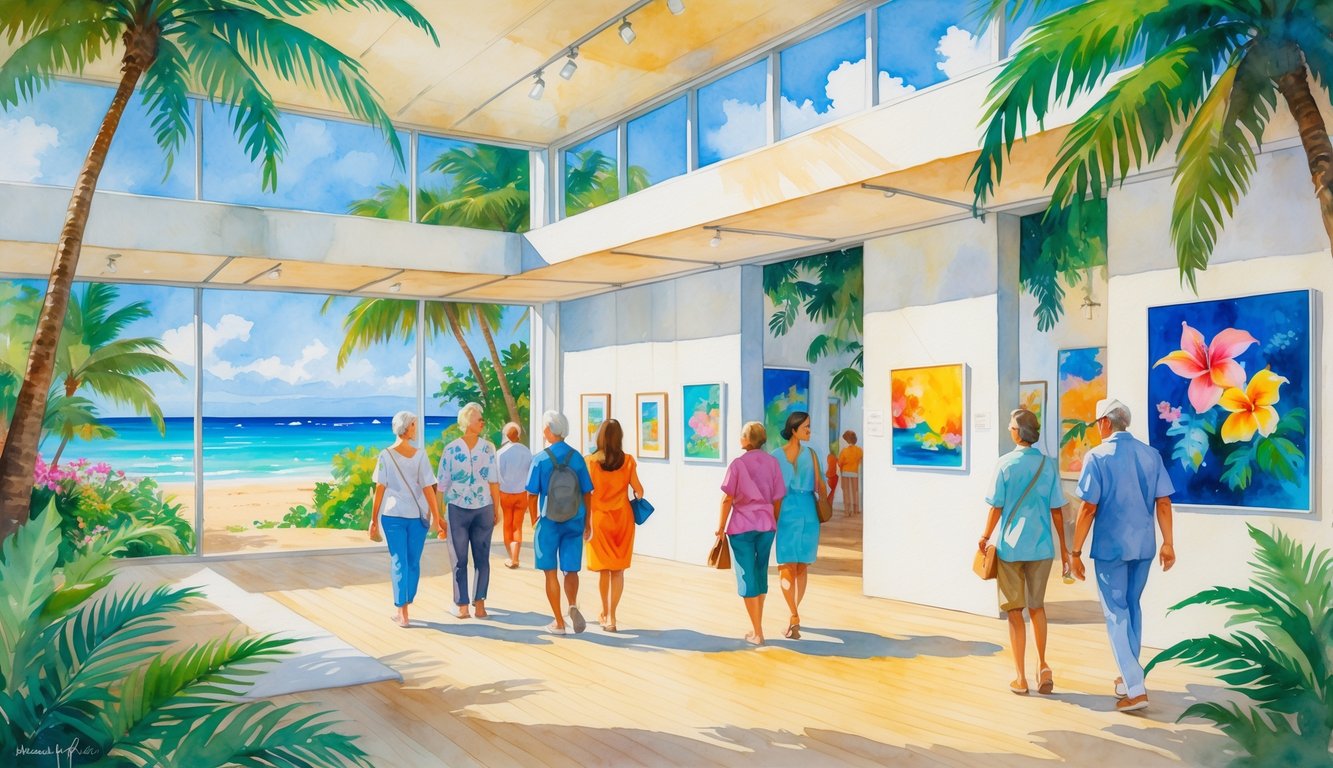
When I explore the art scene in Hawaii, I look for shows by local and international artists. I also search for public art that brings creativity to outdoor spaces.
Museums and galleries feature regular exhibitions, special installations, and film events at the Doris Duke Theatre.
Current and Upcoming Exhibitions
I always check for new exhibitions because they give me a chance to see fresh artwork and unique themes. The Honolulu Museum of Art often presents curated collections, highlighting both traditional and contemporary visual arts.
Their changing roster means I can revisit and see something different every time. If I plan a trip around annual events, I might catch the Hawaiʻi Triennial, which draws artists from all over the world for a major art showcase.
University galleries also offer themed exhibits and sometimes feature student work. This gives me a look at the newest voices in the artistic journey.
I like to use gallery websites for show dates so I don’t miss anything. Many galleries release calendars featuring events and opening nights.
Some even offer tours or artist talks. These experiences let me dive deeper into the stories behind the exhibits.
| Venue | Exhibit Focus | Tip |
|---|---|---|
| Honolulu Museum of Art | Local/International Artists | Check schedule |
| University of Hawaiʻi Art Gallery | Contemporary & Thematic | Student shows |
Noteworthy Installations
I enjoy seeking out public art projects and installations that transform city spaces and parks. One example is “Storied Places” in Honolulu, which was part of a public art challenge and brought outdoor art to local streets.
Many installations are temporary, so I pay attention to events listed by the city’s Office of Culture and the Arts. These pieces turn ordinary places into creative spots.
Sometimes I can interact with them or join community events. Inside, the Doris Duke Theatre at the Honolulu Museum of Art hosts film screenings and special events that connect cinema to the visual arts.
This adds a new dimension to my artistic journey. Some venues also showcase digital art, light displays, or immersive experiences.
I stay curious and open-minded when I visit both popular and lesser-known sites.
Incorporating Hawaiian Materials and Techniques
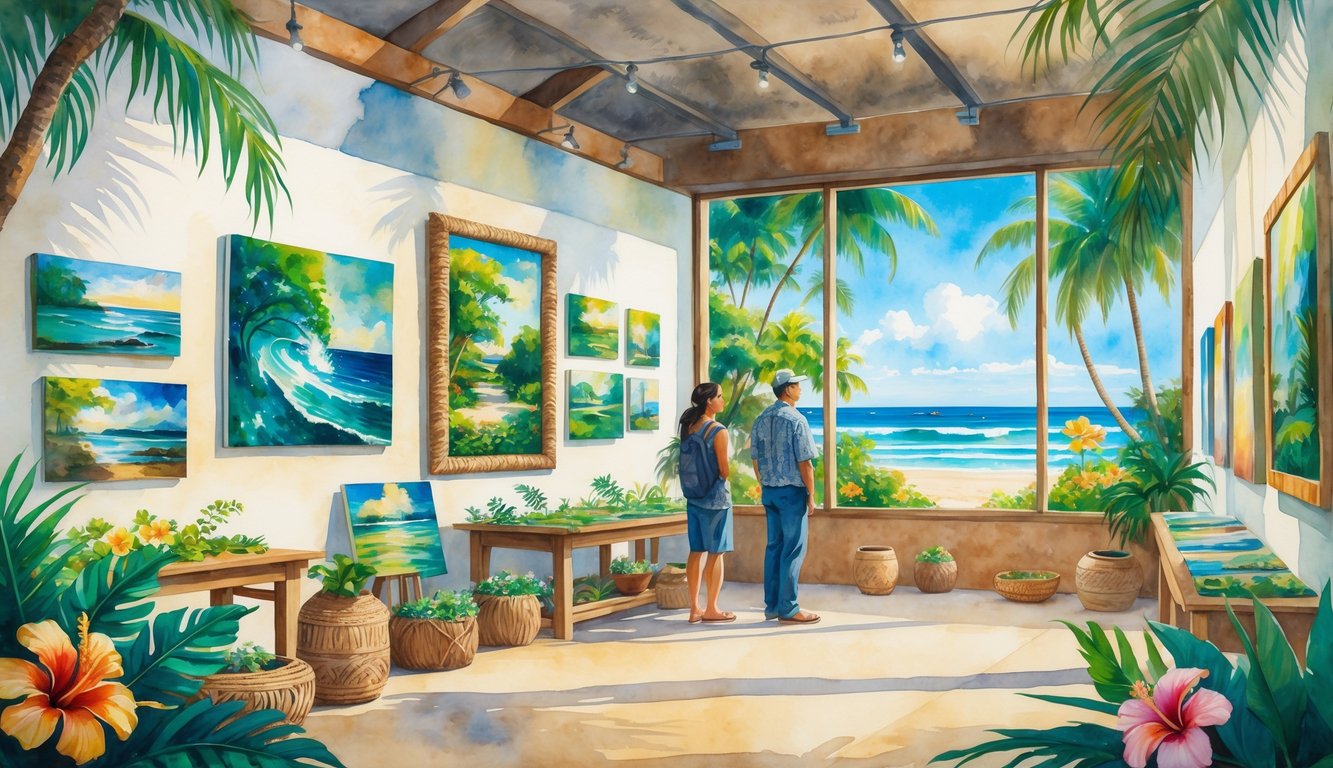
When I visit art galleries in Hawaii, I notice many artists use materials from the islands. The methods and resources they choose help show the beauty and culture of Hawaii in their work.
Wood Carvings
Wood carving is a key part of Hawaiian art. Artists often use native woods like koa, milo, or ‘ohi‘a.
These woods have deep colors and smooth grains, giving each piece a natural, vibrant look. I’ve seen artists craft detailed objects such as tiki statues, bowls, and jewelry.
Carvers use both simple tools and traditional patterns. Many pieces display forms from nature—like waves or leaves—tying the work to the land itself.
Some galleries offer displays and even demonstrations. Watching a carver at work helps me appreciate the mix of talent and tradition.
To learn about galleries that highlight these pieces, I check local guides such as Hawaii’s Best Art Galleries.
Lauhala and Natural Fibers
Lauhala weaving uses the leaves of the hala tree. I find these leaves woven into hats, baskets, mats, and bracelets.
Artists clean, dry, and cut the leaves into strips. Each strip is woven by hand, forming strong and beautiful patterns passed down for generations.
This craft is more than just making useful items. Every woven shape or design shares a piece of history and family tradition.
Sometimes, I see other natural fibers, like coconut or bamboo, used in galleries. These materials create art with texture and earth-toned shades.
Classes and workshops are available in some locations, letting me try weaving myself. If I want to know more about these methods and where to see them, guides like A Guide to Hawaii’s Art Galleries and Museums are helpful.
Connecting with Performing Arts
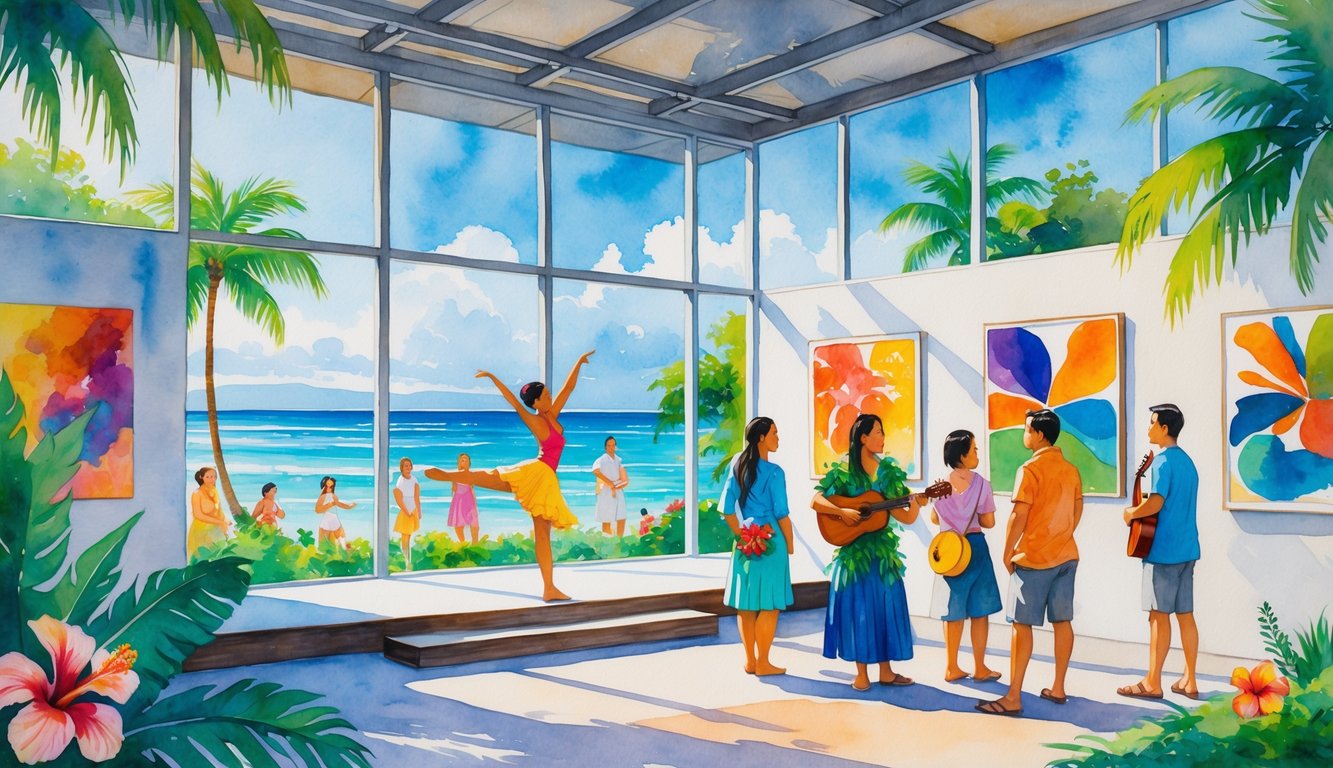
When I explore Hawaii’s art scene, I find an exciting mix of visual art and live performances. The islands give me a chance to enjoy everything from local plays to stage shows that blend music, dance, and storytelling.
Art and Performance Fusion
Hawaii blends traditional and modern art with live performances. I’ve seen exhibits where painting meets hula, and contemporary dance uses the gallery space as a stage.
Some art galleries collaborate with performers to create unique events that surprise and inspire me. At special venues like the Maui Arts & Cultural Center and the Doris Duke Theatre, I can catch shows ranging from jazz concerts to independent films and modern dance acts.
The Doris Duke Theatre, part of the Honolulu Museum of Art, often brings together film screenings and live talks. These events help me connect deeply with the artists’ ideas.
Galleries sometimes schedule open houses that include live music or improv. I look for gallery schedules online or ask about upcoming performance nights at the front desk.
Many of these events are free or low-cost, making it easy for me to try something new.
Community Theatre Experiences
Community theatres across Hawaii bring local stories and talent to the stage. Places like the Diamond Head Theatre in Honolulu and smaller playhouses on the neighbor islands give me a chance to see plays, musicals, and dance shows featuring local actors and dancers.
The relaxed settings help me feel like part of the community. Tickets are usually affordable, and many productions welcome families.
Box offices often offer student or senior discounts. Neighbors sometimes bring homemade leis for the cast.
I enjoy checking performance calendars for special events like opening nights. The excitement in the room is easy to feel.
Listings for local community theatres are available through venue websites and local event calendars. Feedback and Q&A sessions with the performers sometimes follow the shows.
This creates a friendly, personal connection between the audience and the performers. For detailed recommendations and upcoming events, I found helpful guides at Hawaii’s best art galleries and Hawaii’s rich performing arts scene.
Tips for Planning Your Gallery Visits
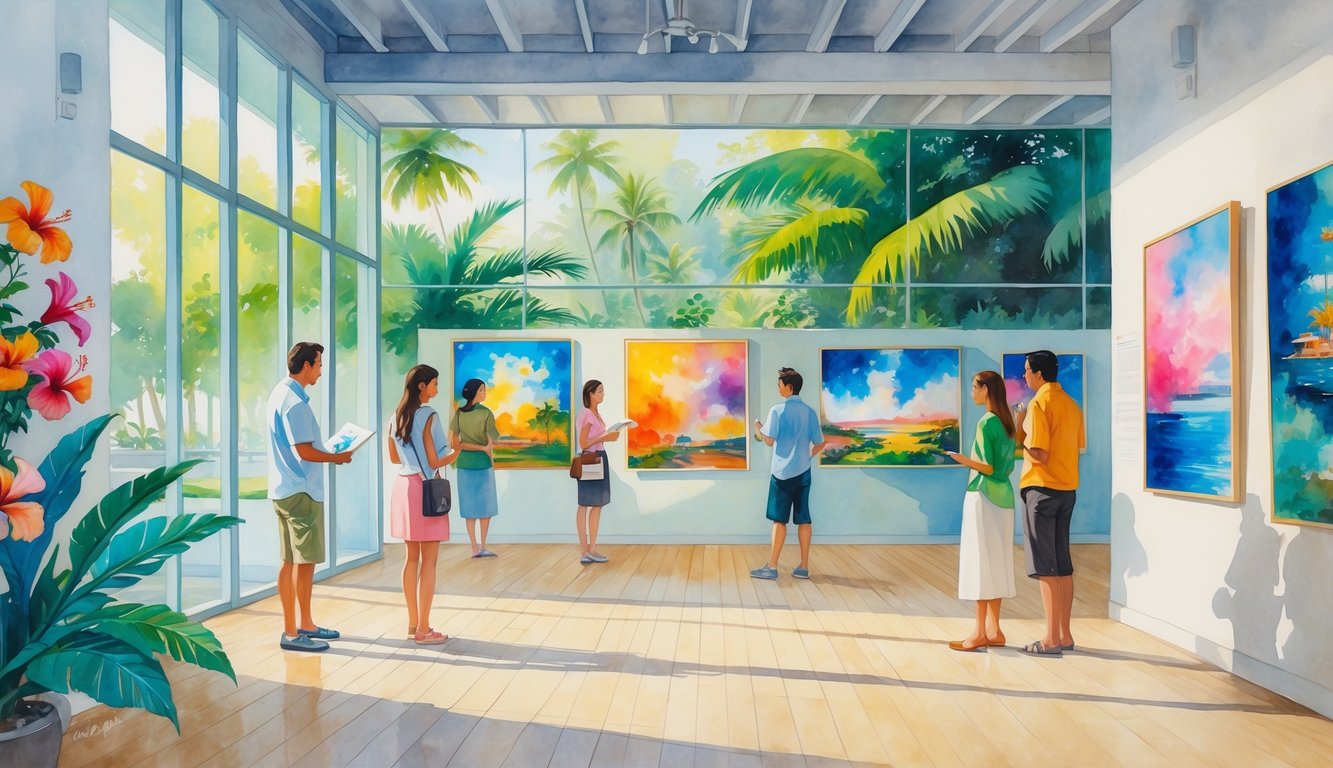
When I want to make the most of my time exploring art galleries in Hawaii, I look for a balance of preparation, flexibility, and respect. Knowing where to go, when to visit, and how to behave opens up a world of local beauty and creativity.
Choosing the Right Galleries
I start by looking up galleries that match my interests. Sometimes I want to see contemporary Hawaiian art, traditional works, or pieces from local artists.
It helps to explore neighborhood guides or city listings to find galleries with strong reputations or unique collections. Many art galleries in Hawaii highlight the islands’ beauty, often featuring works inspired by nature, ocean scenes, and local culture.
To find the right spot, I browse through gallery websites and social media pages. I make a simple checklist like:
- Is the gallery easy to reach from where I’m staying?
- Do they feature the kinds of art I enjoy?
- Is there a special event or showing happening soon?
Looking at reviews also helps me decide if the space has a welcoming atmosphere. I pay close attention to what past visitors say about the staff, lighting, and flow of each gallery.
For more tips, I check out guides like this one on choosing an art gallery show.
Navigating Hours and Locations
Before heading out, I always double-check the gallery’s open hours. Many Hawaiian galleries change their schedules based on the season or exhibits.
Some spaces open later in the day. Others close early on weekends.
I also map out locations before visiting. Some art galleries sit in historic districts, while others are in shopping centers or near beaches.
Transportation affects my schedule too. Traffic in Hawaii can be unpredictable, and parking near popular galleries is often limited.
To avoid disappointment, I call ahead or check the latest information on gallery websites. Planning helps me visit several galleries in one area without wasting time.
Some tips on planning your visit suggest researching exhibitions in advance. Staying flexible can help if an exciting event pops up.
Cultural Etiquette in Hawaiian Galleries
When I visit a gallery in Hawaii, I remember that I am entering a space that often celebrates Hawaiian heritage and traditions.
Quiet reflection and soft voices help create a peaceful atmosphere.
I always turn my phone to silent to avoid disturbing others.
I avoid touching any artwork, even frames, unless signs say otherwise.
The gallery sets boundaries to protect these works for everyone.
Some Hawaiian galleries display art with deep spiritual or cultural meaning.
If I am unsure about something, I ask a staff member.
They are usually happy to share stories or explain the significance of pieces, especially those tied to Hawaiian culture.
I read any posted signs about photography rules, since some artists don’t want their work photographed.
Showing respect for local customs and for other visitors helps everyone enjoy Hawaii’s art and beauty.
For more on gallery etiquette, I like to review articles such as this guide to being respectful at art galleries.


