
There’s something special about stepping onto a Kona coffee farm and breathing in the fresh mountain air mixed with the scent of roasting beans.

Visiting Kona coffee farms lets me taste world-famous coffee right where it’s grown and see the process from bean to cup.
A tour gives me a behind-the-scenes look at how local farmers pick, roast, and brew coffee.
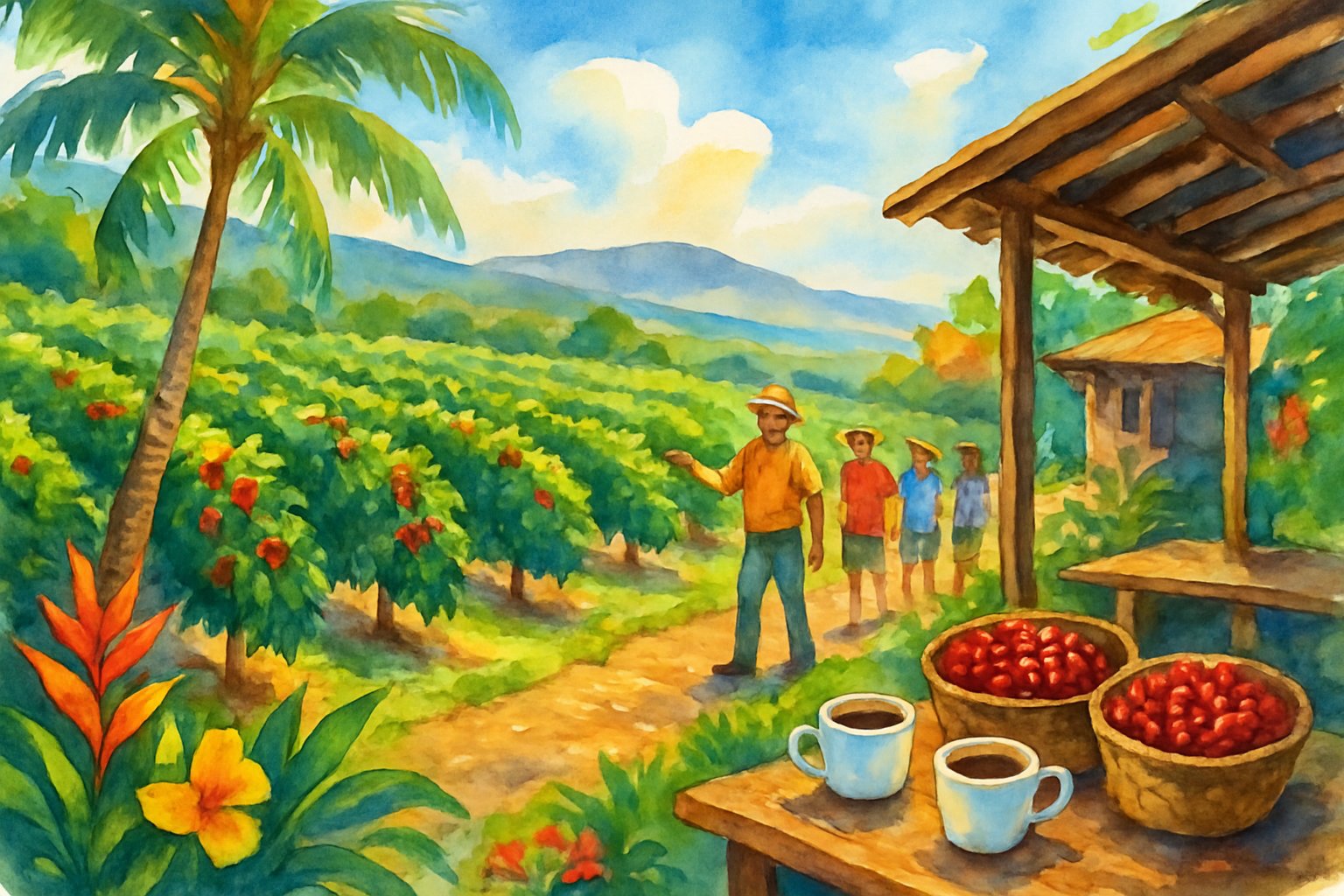
Tasting 100% Kona coffee during a farm visit is a highlight for me.
I learn about the island’s coffee history, discover flavor differences from farm to farm, and meet the people who care for each batch.
If I want a hands-on experience, some farms let visitors join parts of the process.
With so many Kona coffee tours and tastings available, everyone can find a way to explore.
Whether I choose a short tasting or a full guided tour, I dive into the world of Kona coffee and discover new favorites.
What Makes Kona Coffee Unique?
Kona coffee stands out because of its rare growing conditions and the care farmers give each step.
The location and strict quality rules create beans treasured by coffee lovers everywhere.
The Kona Coffee Growing Region
Kona coffee grows in a special area on the Big Island called the Kona coffee belt.
This region is about 30 miles long and only 1 mile wide, stretching along the gentle slopes of the Hualalai and Mauna Loa volcanoes.
The land has rich volcanic soil.
Warm sun in the morning, afternoon clouds, gentle rain, cool nights, and steady ocean breezes help the beans mature slowly.
These conditions create deep flavor that is hard to match.
Kona farmers often run small, family farms.
They give careful attention to every plant and harvest the cherries by hand.
This results in high-quality beans in every bag.
You can see this process up close by visiting one of the Kona coffee farms on the Big Island.
Flavor Profile and Quality Standards
Kona coffee has a smooth, mild flavor with hints of sweetness, nuts, fruit, or chocolate.
The finish is bright, not bitter, and each cup has a gentle aroma.
Only coffee grown in the Kona coffee belt can use the name.
The beans must meet strict rules and are graded by size, moisture, and lack of defects.
Top grades like Extra Fancy offer the best flavor and appearance.
When I visit Kona, I see the pride farmers have in their product.
Many offer free tastings and guided walks through their fields.
At some farms, you can learn about these unique production standards and taste Kona coffee for yourself.
Overview of Kona Coffee Farms
Kona coffee farms are famous for high-quality beans, unique growing conditions, and passionate farmers.
There are both small family-run farms and larger commercial operations, each with their own story.
Types of Farms: Small vs. Large
On the Big Island, more than 650 coffee farms operate.
Some cover just a few acres, while others are much larger.
Families often run the small farms and use hands-on methods.
They may produce enough for local or small-batch sales.
Large farms use more workers and machines to harvest and process beans.
They produce more coffee for people worldwide.
Some big farms offer free guided tours where I see everything from the trees to the roasting room.
Each farm size brings something special to the Kona region.
Small farms offer personal tours, while larger farms often have more to see, including visitor centers and on-site cafes.
To find a list of places that offer tours, I check guides like the BIG LIST of Kona Coffee Tours on the Big Island.
Farming Practices and Sustainability
Many Kona coffee farmers care deeply about their land.
Some use natural fertilizers, plant shade trees, and avoid harmful chemicals.
They hand-pick coffee cherries to keep only the best beans, following traditional and eco-friendly methods.
A number of farms let visitors see sustainable practices up close.
This includes composting, water-saving irrigation, and encouraging native birds and insects.
On some farms, shade trees protect both the coffee and local wildlife.
Farms like Greenwell Farms offer daily tours that show eco-friendly steps from seed to cup.
For more information, I look at places like Greenwell Farms.
Meet the Farmers
Meeting the farmers behind Kona coffee is a highlight for me.
Many are multi-generation growers who know every detail from plant to cup.
Their stories show why they care about quality and tradition.
By talking to them, I learn that growing Kona coffee is both a job and a way of life.
Some are happy to answer questions or let visitors try picking beans or tasting fresh brews.
Some farms, like Kona Coffee & Tea, are known for letting guests meet the farmers.
Tours often include a walk through the fields and a chat over a cup at their café.
To learn more about visiting real coffee farmers, I check places like Kona Coffee & Tea’s Farm Tour.
Top Kona Coffee Farm Tours
Kona is home to unique coffee farms, each offering different ways to learn, taste, and explore.
Some tours focus on hands-on experiences, while others highlight the area’s rich coffee history.
Visiting Mountain Thunder Coffee Plantation
When I visited Mountain Thunder Coffee Plantation, I saw how coffee is made from start to finish.
The plantation sits high on Hualalai Mountain, giving it cooler weather and lush scenery.
Guided tours run daily and let me walk through the fields, watch the roasting process, and sample fresh Kona coffee.
I saw how much care goes into picking and sorting the beans.
The guides explained each step, from growing the cherries to drying and roasting them.
I enjoyed the tasting session, where I tried different roasts and found my favorite.
There’s a small gift shop at the end with their coffee and local treats.
For those short on time, Mountain Thunder offers shorter tours as well.
Touring Historic Kona Coffee Estates
Some of the best Kona coffee farms have operated for generations.
When I toured these historic estates, I joined family-led tours that felt welcoming.
The guides shared stories about growing up on the farm and how tradition shapes their approach.
One popular stop is Greenwell Farms, where daily tours include free samples of different coffees.
At these estates, I learned about the region’s history and saw how farmers use both old and new methods.
I saw old roasting equipment and learned how harvesting has changed.
Tasting coffee where it’s grown made the experience special.
For those who want to explore local culture, guided tours at places like Greenwell Farms are a great choice.
Kona Coffee Tastings: What to Expect
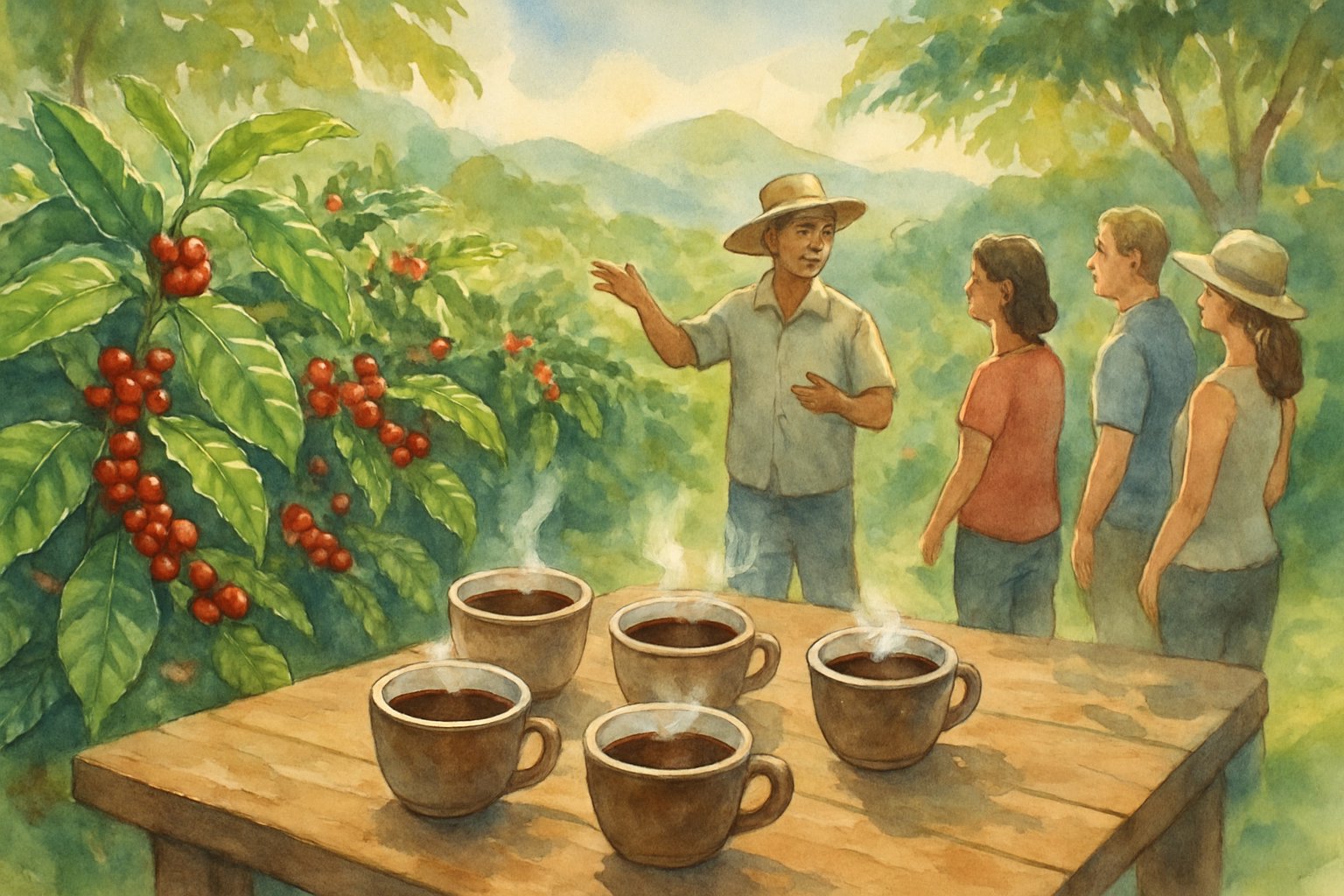
Visiting a Kona coffee farm means learning how famous Kona coffee is made and tasting it fresh.
Every farm does tastings a little differently, but most help me find the flavors I like best.
Guided Tastings and Cupping Experiences
At many farms, tastings let me try several coffee roasts side by side.
The guide explains how each roast is made and points out unique scents and flavors.
I often learn to spot hints like chocolate, fruit, or spice in my cup.
A common part of these tastings is a cupping session.
I watch coffee experts evaluate the beans.
I smell the freshly ground coffee, taste small sips, and compare notes with others.
The guide may teach me to slurp, which brings out all the flavors.
These sessions show the detail and care in Kona coffee-making.
For more on farm tastings, I check the overview of Kona coffee tours and cupping experiences.
Pairings and Unique Offerings
Some Kona coffee farms add extra touches to tastings.
I may try local foods with my coffee, like chocolate from the Big Island or fresh pastries.
Certain farms offer specialty drinks, such as cold brew flights or coffee jelly, for new ways to enjoy Kona coffee.
Some tours even serve tastings in the orchard, offering views of the trees while I sip.
A few places give short talks on food pairing and growing conditions.
This helps me see how climate, harvest time, and roasting affect flavor.
For unique tasting options and pairing experiences, this guide to Kona coffee tours and local farm tour lists help me plan my visit.
Planning Your Visit to Kona Coffee Country
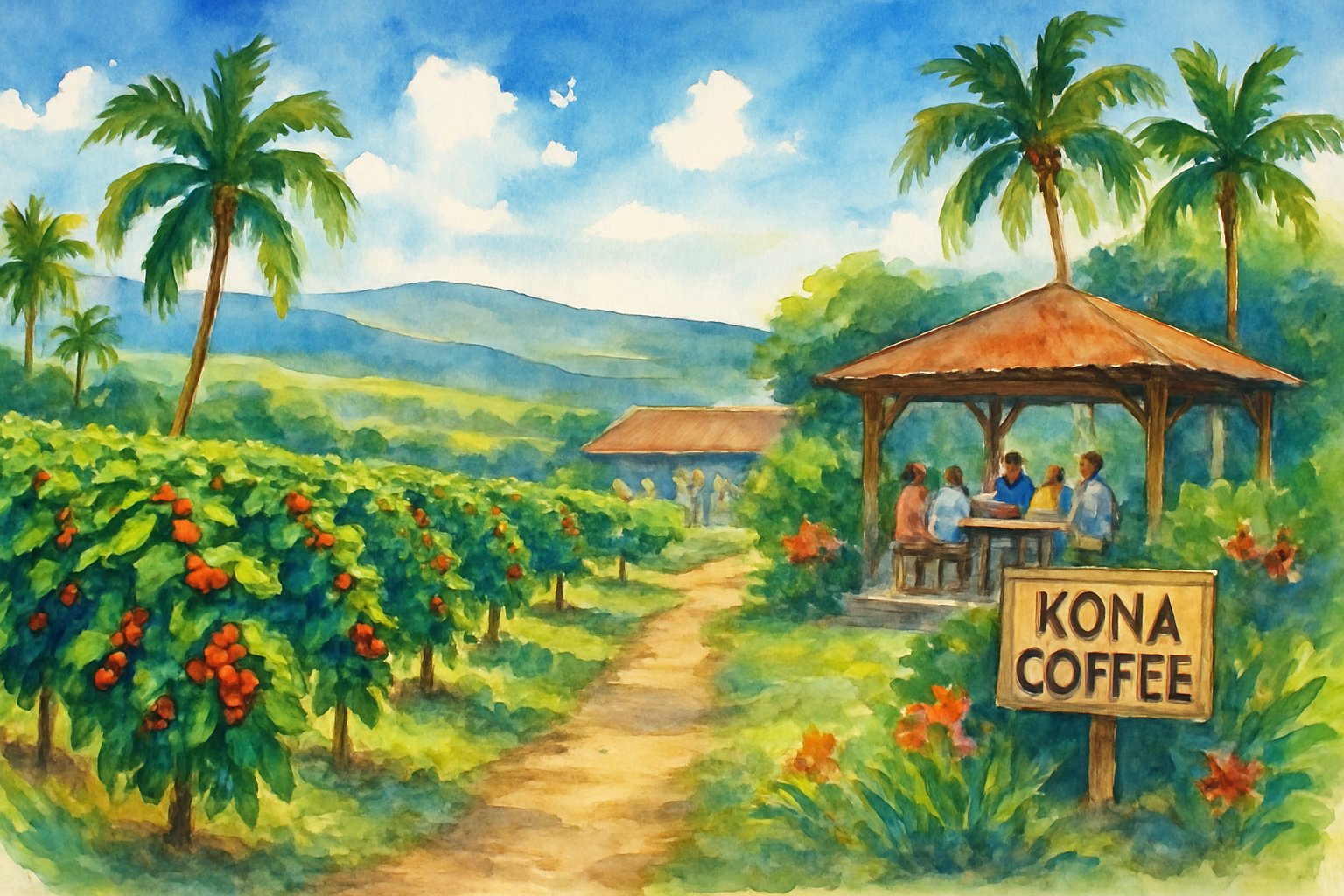
I make my Kona coffee farm visits easier and more enjoyable by preparing ahead of time. Planning details like timing, tour hours, and group sizes help me get the most out of my trip.
Best Times of Year to Visit
Kona’s peak coffee picking season runs from August to January. During these months, I see ripe red coffee cherries and often watch the harvest in action.
Some farms let me join hands-on experiences or take photos with pickers at work. In November, I can join the annual Kona Coffee Cultural Festival.
This festival features farm tours, parades, and local food vendors. Spring and summer, from March to July, feel quieter.
The weather stays drier, and fewer crowds make farm visits more relaxed. While cherry picking is over, I still enjoy roasting demonstrations and taste fresh brews on the Big Island.
Rainy months in Kona, usually January through March, can affect outdoor walking tours. However, farms stay open year-round.
If I want to add a coffee tour while in Honolulu, I need to fly to Kona since the main farms are all on the Big Island.
Tour Logistics and Reservations
Most Kona coffee tours on the Big Island run daily from 9 am to 3 pm. Tours usually last about an hour, but deluxe options include tastings or more time in the orchard.
I book tours ahead of time, especially during festival periods or when traveling in groups. Popular farms fill up fast.
Online booking makes it easy to pick tasting flights or roasting demos. When I make reservations, I check group size limits, extra tasting fees, and whether the farm has a shop or café.
Farms differ in accessibility. Some have easy pathways, while others use gravel trails.
If I have accessibility concerns, I contact the farm first. Tour guides explain growing, harvesting, and roasting.
They encourage me to ask questions, try samples, and buy beans to take home. For a deeper experience, farms like Heavenly Hawaiian Kona Coffee Farm offer special “from bean to brew” tours.
Beyond Kona: Exploring Coffee Culture in Hawaii
Hawaii’s coffee goes beyond Kona. Other regions like Kauai and Oahu offer unique beans and local traditions.
Comparing Kona to Other Hawaiian Coffees
Kona coffee has bold flavors with hints of nuts and fruit. Hawaii also grows coffee in areas like Kauai and Honolulu’s North Shore.
Each region has its own soil, weather, and farming style. This makes the flavor of their coffee different from Kona’s.
On Kauai, coffee farms are larger and often use machines to harvest beans. The beans taste smooth and mild, which works well for those who like a gentle cup.
Oahu’s smaller farms, especially near Honolulu, focus on unique blends. These coffees can be bright and floral.
Quick Comparison Table
| Region | Flavor Notes | Farm Size | Unique Feature |
|---|---|---|---|
| Kona | Nutty, fruity | Small, family-run | Hand-picked beans |
| Kauai | Smooth, mild | Large, mechanical | Sweeping plantation tours |
| Oahu | Floral, light | Small-scale | Focus on rare blends |
If you want to explore beyond Kona, many plantations offer tours and tastings. You can stroll through orchards and enjoy different island views, like on coffee plantation tours in Kauai.
The Impact of Coffee on Local Communities
Coffee plays a big role in the lives of people in these areas. Many families on the Big Island have farmed coffee for generations.
Their farms are small. Each family member often helps with every step.
Coffee creates jobs for pickers, roasters, and tour guides. Local shops in Honolulu and Kailua-Kona depend on tourists who want to taste fresh coffee and learn about its history.
Community events, like the annual Kona Coffee Cultural Festival, celebrate this important part of local life. Coffee brings together farmers, artists, and visitors.
It gives everyone a chance to share stories and traditions. Local coffee shops often sell beans from several regions.
This supports farmers from the Big Island and from places like Oahu. It also lets people try different flavors while helping keep Hawaiian coffee culture alive.


