
On the quiet island of Molokai, Hawaii, hidden waterfalls await discovery. These cascades flow through lush valleys and are sometimes only reachable by hiking, boat, or air.

Molokai’s hidden waterfalls offer peaceful escapes far from the crowded spots on other islands.
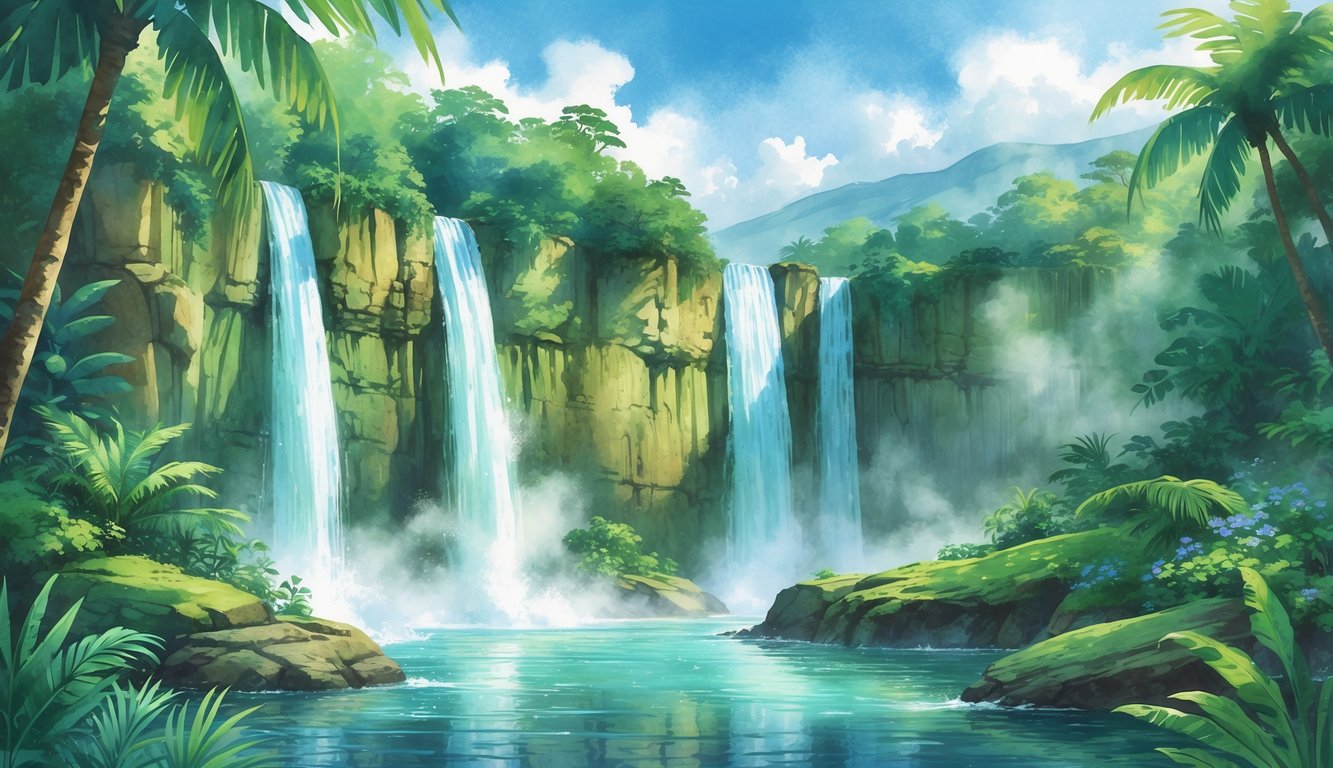
Halawa Falls, with its inviting swimming pond, is well-known. Oloʻupena Falls towers above all, standing as the tallest in the United States.
Some, like Moʻoula Falls, reward hikers willing to trek through ancient valleys. Others remain untouched, surrounded by cliffs and forests that feel frozen in time.
These quiet places showcase natural beauty. They also connect visitors to Molokai’s history and culture.
Exploring these waterfalls means stepping into landscapes shaped by centuries of wind, water, and tradition. Here, Hawaii’s wild side still thrives.
Why Molokai’s Hidden Waterfalls Are So Special
Molokai’s remote valleys contain some of the tallest and least disturbed waterfalls in Hawaii. Many cascades flow into streams surrounded by native plants and wildlife found nowhere else.
Their beauty and role in the island’s ecosystem make them stand out.
The Unique Beauty of Molokai’s Waterfalls
Molokai’s waterfalls range from small, shaded cascades to towering drops like Oloʻupena Falls, the highest in the United States at 2,953 feet.
Most waterfalls remain hidden deep in valleys such as Hālawa, with steep cliffs and thick vegetation blocking them from view. You can reach them only by guided hikes, boat, or helicopter.
The waterfalls often flow into clear pools fed by mountain streams. During the rainy season, water volume increases, creating stronger flows and cool mist.
Cultural and Spiritual Significance in Hawaiian Tradition
For Native Hawaiians, waterfalls are more than scenic landmarks. In traditional beliefs, they are connected to the life-giving force of water, or wai, which sustains people, crops, and the land.
Hālawa Valley’s Moʻoula Falls is considered sacred. Local guides share stories about the valley’s first Polynesian settlers and the spiritual meaning of its waters.
Ceremonies, chants, and offerings once honored gods and ancestors at certain falls. These practices show the deep relationship between the people of Molokai and their natural surroundings.
The Role of Streams and Ecosystems
Streams that feed Molokai’s waterfalls begin high in the mountains, where rainfall collects in narrow gulches. These streams carry fresh water through valleys to the ocean.
Along the way, they support native plants such as kalo (taro) and provide habitat for freshwater fish and shrimp. Birds rely on these areas for food and nesting.
Because many of Molokai’s streams remain free-flowing, they help keep coastal reefs healthy by delivering nutrients and preventing saltwater intrusion. Protecting these waterways is vital for the island’s ecosystems and communities.
Top Hidden Waterfalls and Where to Find Them
Molokai’s less-visited waterfalls often require effort to reach. The reward is peaceful scenery and a closer look at the island’s natural features.
Some waterfalls are accessible on foot with guided hikes. Others can only be viewed from the sea or air.
Halawa Valley’s Legendary Falls
Halawa Valley is home to two well-known waterfalls: Moʻoula Falls and Hipuapua Falls. Both sit deep in a lush valley with cultural and historical significance.
The Halawa Valley Falls hike is one of the few ways to reach a hidden Molokai waterfall on foot. The trail is about 4.5 miles round trip and crosses streams.
Moʻoula Falls is a two-tiered waterfall that drops into a clear pool where swimming is allowed with a guide. Hipuapua Falls is taller but less accessible because of the terrain.
Guided tours are required, as the land is privately owned and the route passes through sensitive cultural sites. Visitors should wear sturdy shoes and prepare for muddy paths.
Kahiwa Falls: Remote Marvel
Kahiwa Falls is among the tallest waterfalls in Hawaii, with multiple drops totaling over 2,100 feet. It flows down Molokai’s north shore sea cliffs, which rank among the highest in the world.
No road or trail leads to this waterfall. You can see it only by boat or helicopter.
Views from the ocean show the water streaming directly into the Pacific after heavy rain. During dry months, Kahiwa Falls slows to a trickle.
The remoteness keeps it untouched by crowds. Sightseeing flights along the coast often highlight this waterfall.
Other Notable Hidden Waterfalls
Molokai has several other waterfalls, though most are hard to reach without special access. Ecolodges Anywhere notes that only two waterfalls are accessible by foot, both in Halawa Valley.
Some hidden streams and falls lie deep in forested valleys or along cliffs. Many are unnamed and visible only on guided cultural tours or from offshore.
Helicopter tours reveal waterfalls tucked into narrow gorges. Boat trips along the north shore can also provide views after seasonal rains.
Exploring Molokai’s Waterfall Trails

Molokai offers a few accessible waterfall hikes that combine scenic beauty with cultural history. Visitors can walk through valleys with flowing streams and see native plants.
Some trails require guides, while others are part of protected areas with limited access. Local guides often share knowledge about the land’s traditions.
Halawa Valley Falls Hike Experience
The Halawa Valley Falls Hike is one of the island’s most well-known trails. It leads to Moʻoula Falls, a tall cascade with a natural swimming pool at its base.
The hike passes through one of Hawaii’s oldest inhabited valleys. Along the way, hikers may see ancient rock walls, taro patches, and small streams crossing the path.
The route is about 4.5 miles round trip and includes some uneven terrain. A guide is required to protect cultural sites and ensure safety.
The path can be muddy after rain, and river crossings may be slippery. Proper footwear and water are essential.
Those who complete the hike can enjoy a refreshing swim beneath the falls. More details are on the Halawa Valley Falls hike page.
Guided Tours and Local Insights
Guided tours often start with a short cultural introduction before the hike. Local guides share stories about the valley’s history and the meaning of certain landmarks.
Some tours include visits to family-run farms or small cultural sites. This gives hikers a better understanding of how people live in harmony with the valley.
Guides help identify native plants and wildlife along the trail. They also know the safest spots for river crossings and the best places to take photos.
Booking a guided experience in advance is a good idea, as access is limited and tours can fill up quickly. For more information, see Molokai’s waterfall trails.
Safety and Respect for Nature
Waterfall hikes on Molokai can involve slippery rocks, changing weather, and swift streams after rain. Hikers should check conditions before starting and avoid crossing rivers during high water.
Visitors should stay on marked trails to protect fragile plants and cultural sites. Littering or removing natural items is discouraged.
Near Kalaupapa National Historical Park, access may be restricted to protect the environment and historical landmarks. Always follow posted signs and local regulations.
Carrying enough water, wearing sturdy shoes, and hiking with a partner help ensure a safe trip. More tips are available on Molokai waterfall safety.
Hidden Waterfalls Across the Hawaiian Islands
Some waterfalls in Hawaii are easy to reach, while others require hikes through dense rainforest or guided tours. Many are tucked away in valleys or behind ridges, offering quiet spots where visitors can enjoy the sound of rushing water.
Secret Cascades on Oahu and Maui
On Oahu, Manoa Falls is one of the island’s most visited waterfalls. Nearby Lulumahu Falls offers a more secluded experience.
Reaching Lulumahu requires a short but muddy hike through bamboo groves and streams. Maui’s Pipiwai Trail in Haleakalā National Park leads to Waimoku Falls, a 400-foot drop surrounded by lush cliffs.
The trail also passes through a striking bamboo forest. Some waterfalls on these islands are only visible from the air or by boat.
For example, Maui’s Honokohau Falls plunges 1,100 feet into a remote valley. You can best see it on a helicopter tour, as there is no public trail.
Kauai’s Secluded Falls
Kauai’s Wailua Falls is easy to view from a roadside lookout. The island also hides lesser-known cascades deep in its interior.
Many of these require permits or guided treks due to rough terrain and private land access. The island’s heavy rainfall feeds multiple streams that form dramatic drops into green valleys.
Some falls, like those in the Hanakapiai Valley, involve challenging hikes along the Napali Coast. Visitors who want a quieter experience often explore smaller, unnamed waterfalls along Kauai’s backroads.
These spots may not match Wailua Falls in height, but they offer peaceful settings with fewer people.
Big Island’s Off-the-Beaten-Path Waterfalls
The Big Island has tall and powerful waterfalls. Many of these waterfalls get their water from the island’s wet eastern slopes.
Kahuna Falls sits in Akaka Falls State Park. You can reach it by walking a short paved path just downstream from the more famous Akaka Falls.
Some of the most remote waterfalls lie in the Waipiʻo Valley. To reach them, you need to drive on steep 4×4 roads or join a guided hike.
These falls drop into rivers that flow straight into the ocean.
Helicopter tours show even more hidden cascades in gulches and on lava cliffs. Some waterfalls can only be seen from the air because there are no trails.


