
When I visit Oʻahu, I always look for ways to experience the island’s unique blend of Hawaiian and local culture.

From vibrant street festivals in Honolulu to traditional performances and parades, I find many activities that help me connect with the people and stories of this special place.
The best cultural events on Oʻahu bring together music, food, dance, and history, giving me a true taste of what makes the island so welcoming and lively.
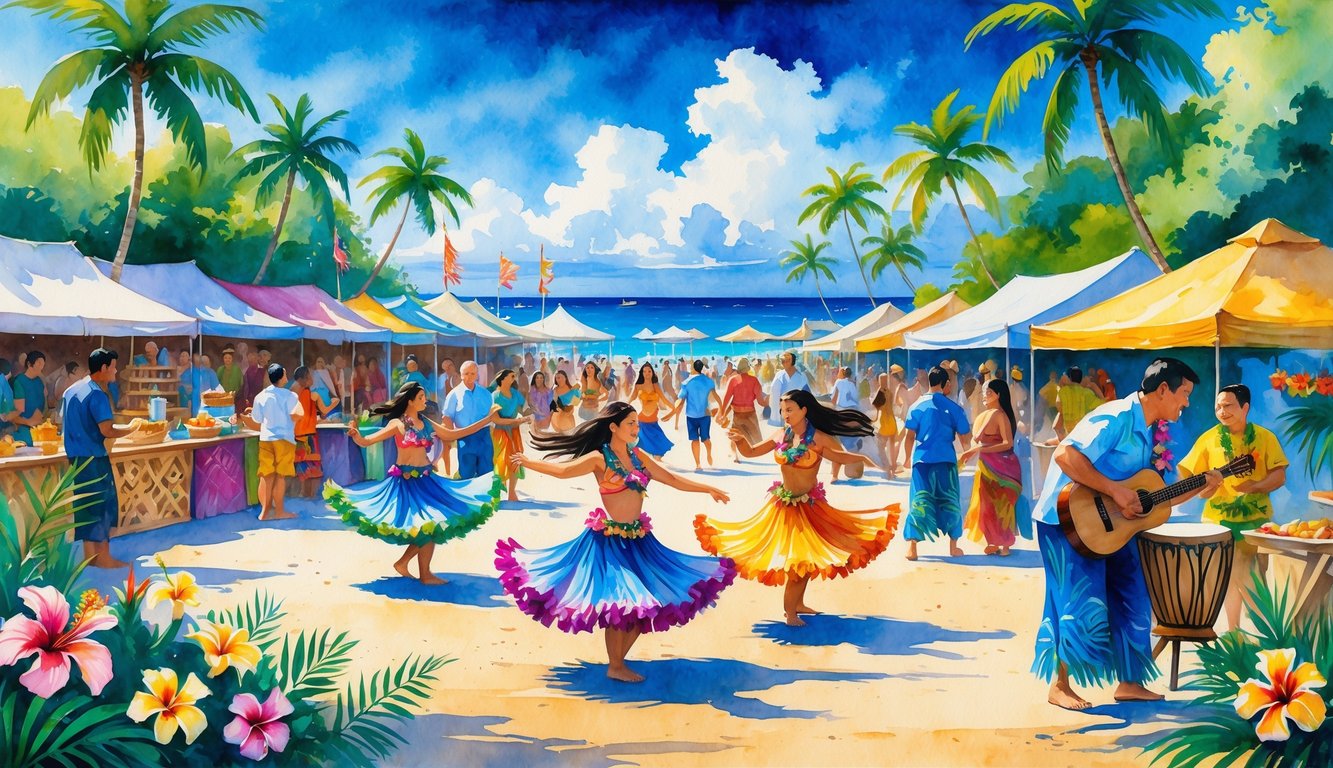
I often join lively celebrations at Waikiki, explore art and food festivals, or watch the Honolulu City Lights parade.
Learning about Hawaiian culture and meeting locals is always a highlight for me.
If you want to dive into Oʻahu’s local culture, you’ll find plenty of amazing options all year, including parades, stage shows, and cultural festivals.
Signature Cultural Festivals on Oahu
Oahu celebrates its community, traditions, and cultural diversity with many festivals throughout the year.
These signature events offer an authentic look into what makes the island special.
Honolulu Festival
The Honolulu Festival is one of my favorite annual events on Oahu.
It celebrates the unique bond between Hawaii and other Pacific Rim countries like Japan and Australia.
The event lasts three days each March and includes parades, live performances, and cultural displays.
I enjoy traditional music, dance, and crafts representing many Asian and Pacific cultures.
The grand parade through Waikiki features colorful costumes, taiko drummers, and marching bands.
A stunning fireworks show lights up the skies above Waikiki Beach at the end of the festival.
The Honolulu Festival is free for families and lets everyone experience Oahu’s role as a crossroads in the Pacific.
Aloha Festivals
Aloha Festivals is the largest cultural celebration on Oahu.
It started in 1946 and now features street parties, a royal court, and traditional Hawaiian music.
The main event each September is the Floral Parade, where I can see floats decorated with fresh flowers and watch paʻu riders in colorful gowns.
Streets in Waikiki come alive with live Hawaiian bands, hula dancers, and food booths.
Aloha Festivals also honors Hawaii’s royal history.
The Opening Ceremony introduces the royal court with chants and leis.
This festival reminds me of the meaning of aloha—sharing, kindness, and respect for Hawaiian culture.
For more information, check out the list of Oahu’s annual festivals.
Prince Lot Hula Festival
The Prince Lot Hula Festival is the biggest non-competitive hula event in Hawaii.
Organizers hold it each summer at Queen Emma Summer Palace or the hula mound at Iolani Palace grounds.
I enjoy this festival because it preserves and shares Hawaiian hula traditions.
Many hālau hula (hula schools) from across the islands come to perform.
There are no contests, so dancers share their stories and talent for the joy of it.
The event includes Hawaiian arts, crafts, and cultural demonstrations.
Entry is usually free, and families can sit on the grass to watch.
This festival helps keep the tradition of hula alive for new generations and celebrates Oahu’s cultural roots.
Okinawan Festival
Oahu’s Okinawan Festival highlights the many people of Okinawan descent on the island.
It takes place in Honolulu each fall and is one of my favorite cultural festivals for food and music lovers.
I can taste Okinawan dishes like andagi (sweet donuts) and Okinawa soba.
Performers travel from Okinawa to join local dance and taiko groups on stage.
I enjoy the vibrant eisaa drumming and the Bon Dance, which welcomes everyone to participate.
The event features cultural exhibits with crafts, folk art, and history.
Because of its food, music, and sense of community, the Okinawan Festival has become a tradition for many Oahu families.
Historic Parades and Celebrations
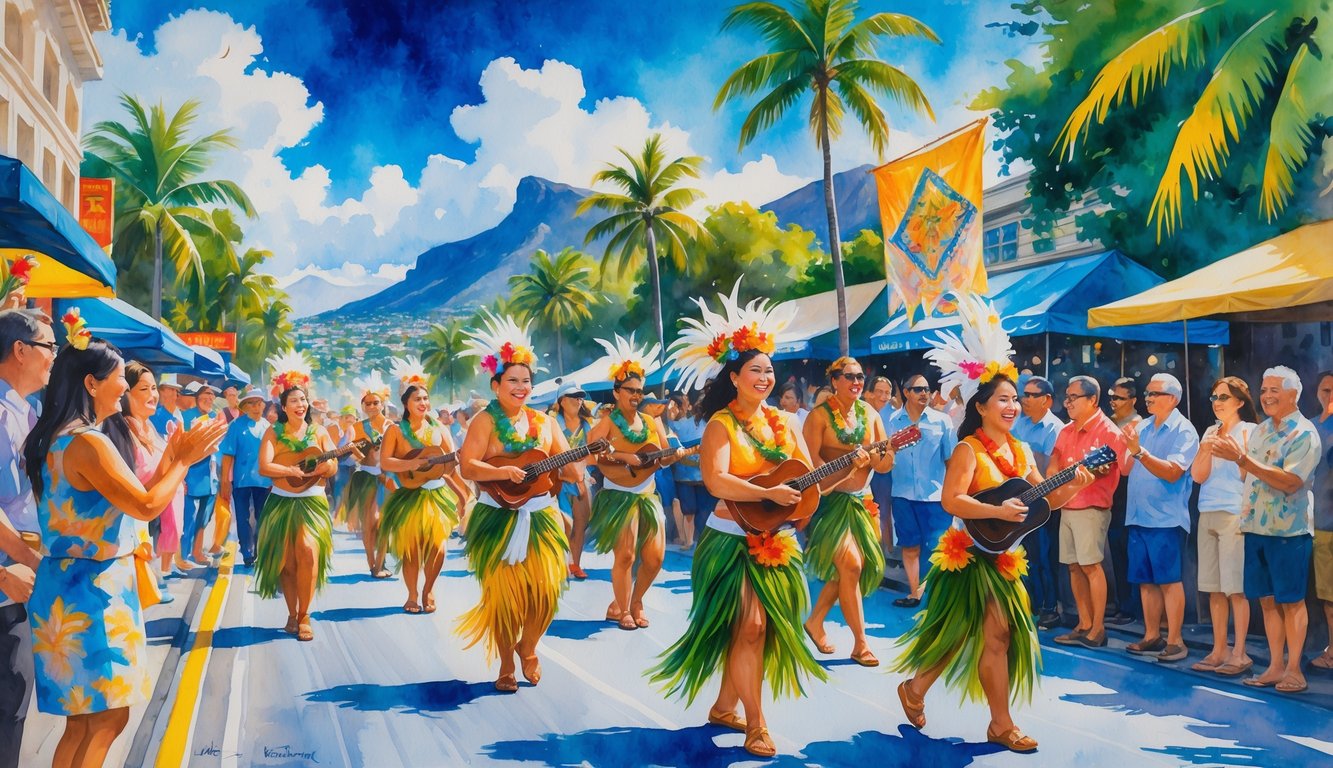
Oahu’s cherished traditions bring the island’s history and multicultural roots to life.
Every year, locals and visitors join together for colorful parades, special ceremonies, and community moments.
King Kamehameha Floral Parade
The King Kamehameha Floral Parade is one of my favorite events on Oahu.
It happens every June and honors King Kamehameha I, the founder and first ruler of the Hawaiian Kingdom.
The parade features vibrant floral floats, riders on horseback, and traditional Hawaiian music.
I love seeing the beautiful gowns and uniforms of the royal court, along with bright flower leis everywhere.
Floats decorated with local flowers roll down the streets of Honolulu.
Hula dancers and marching bands follow, each group sharing a part of Hawaiian culture.
The parade route usually leads to Kapiolani Park, where the celebration continues with cultural demonstrations and food.
You can find more about what makes this parade special at Oahu’s parade events.
Prince Kuhio Day
March 26 is Prince Kuhio Day, a public holiday honoring Prince Jonah Kūhiō Kalanianaʻole.
He helped preserve Hawaiian culture and pushed for better rights for Native Hawaiians.
On this day, Oahu comes alive with parades, canoe races, and hula shows.
Special ceremonies, history talks, and craft fairs take place across the island.
Many people gather at Prince Kuhio’s birthplace or at Prince Kuhio Beach in Waikiki.
Music and speeches celebrate his legacy and what he did for Hawaii.
It is a joyful and respectful event focused on community, family, and culture.
For me, Prince Kuhio Day strengthens my connection to the island’s history and people.
Lei Day Celebration
Every year on May 1, Lei Day Celebration covers Oahu with the colors and scents of fresh leis.
This holiday celebrates both the art of lei-making and the spirit of aloha.
I always look forward to contests where lei artists show off their skills using plumeria, orchid, ti leaf, kukui nut, and more.
There are hula performances, music, and a lei queen crowning ceremony.
Parks like Kapiolani Park feel full of joy and excitement.
I find food stands and craft booths where I can try making my own lei or watch cultural demonstrations.
For locals and visitors, Lei Day is a great way to experience Hawaiian culture and kindness.
See more about Lei Day’s traditions at Oahu’s cultural event guide.
Lantern Floating Hawaii
At sunset on Memorial Day, Lantern Floating Hawaii happens at Ala Moana Beach Park.
I join thousands of people from the island and around the world to remember loved ones and hope for peace.
The ceremony is peaceful and moving, with music, chanting, and a sea of light.
People float lanterns, each carrying a handwritten message, across the water.
The sight of hundreds of glowing lanterns is stunning.
It gives me time to reflect and feel close to others around me, even if we don’t speak the same language.
This event honors culture, memory, and community.
Everyone is welcome to participate and share in the moment.
Live Music and Performance Events
I always look forward to live music and traditional performances on Oahu.
The island’s events let me enjoy Hawaiian culture through song, dance, and gatherings.
Ukulele Festival
Every summer, I attend the Ukulele Festival at Waikiki Beach.
The festival brings together hundreds of ukulele players of all ages, from keiki (children) to seasoned masters.
Local bands and school groups play songs that mix classic Hawaiian hits with modern tunes.
I can watch performances on a main stage for free.
Food vendors and craft booths create a relaxed, family-friendly atmosphere.
Special guests often join, sharing techniques and stories about the ukulele’s place in Hawaiian music.
Workshops are available for anyone who wants to learn simple chords or improve their playing.
The event keeps the ukulele tradition alive for new generations and is a highlight of Oahu’s summer events calendar.
For specific dates, I check the official Oahu Events Calendar.
Hula Performances
Hula dancing is a big part of Oahu’s cultural scene.
I often visit Waikiki Beach at sunset to watch free hula shows.
Groups called halaus, made up of students and experienced dancers, perform both ancient (kahiko) and modern (auana) styles.
Live singers and musicians play ukulele, guitar, or traditional drums to set the mood.
Dancers wear bright costumes and use hand motions to tell stories about Hawaiian legends, the land, and the ocean.
These performances happen several nights a week.
Each group brings something special to the stage.
I find it’s a great way to learn about Hawaiian history and the meaning behind every dance and chant.
Up-to-date schedules are listed on sites like Best of Oahu.
Luaus and Cultural Shows
When I want a full evening of entertainment, I attend one of Oahu’s many luaus.
A luau includes a buffet with roasted pig (kalua pork), poi, fresh fruits, and local desserts.
Before dinner, I can join craft activities or lei-making and watch coconut husking demonstrations.
After dark, the main show begins with hula and Polynesian dances.
Performers re-create dances and songs from several island cultures, adding live music and costumes.
The energy grows as fire knife dancers spin and throw flaming sticks, which always impresses me.
Luaus on Oahu range from large resort venues to smaller, more intimate gatherings.
Each celebration blends delicious food with live cultural performances.
Listings for luaus and nightly shows are easy to find on Tripadvisor’s upcoming concerts and shows.
Unique Food and Culinary Experiences
Oahu is home to some of the most delicious and surprising food festivals in Hawaii.
I get to taste tropical flavors, experience fun local traditions, and try specialty foods you won’t find anywhere else.
Mango Jam Honolulu
Mango Jam Honolulu is a summer festival that centers around Hawaii’s famous mangoes. Each year, downtown Honolulu hosts the event, bringing together farmers, chefs, and local businesses.
I enjoy watching cooking demos where experts show creative mango recipes, from tangy salsas to unique desserts. Food stalls serve fresh mango smoothies, jam, and savory dishes with mango.
Live music, hula performances, and kids’ activities create a festive vibe. Craft vendors display handmade goods too.
If I want to celebrate the mango harvest and try dishes I can’t find in regular restaurants or farmers markets, Mango Jam Honolulu is one of my top picks.
Waikiki Spam Jam
Waikiki Spam Jam is a street festival dedicated to Spam, a staple food in Hawaii. Organizers shut down parts of Kalakaua Avenue in Waikiki to make room for food booths, live music, and entertainment.
I always look forward to tasting new takes on Spam, like Spam musubi, tacos, fried rice, and Spam sliders. Many local restaurants set up booths, so I can try special festival-only dishes.
Besides food, arts, crafts, and Spam-related souvenirs fill the festival. The event is fun for all ages and celebrates Hawaii’s love for this canned meat.
If I want to taste how the islands have made Spam their own, Waikiki Spam Jam is a must-visit.
Hawaiʻi Food and Wine Festival
The Hawaiʻi Food and Wine Festival brings together top chefs, winemakers, and mixologists from Hawaii and beyond. Luxury resorts and scenic outdoor venues across Oahu host the events.
I can try tastings from gourmet food stations, sample local produce, and watch chef demonstrations. Guests also pour wine pairings and mix signature cocktails with Hawaiian fruits and ingredients.
The festival highlights the best of Hawaii’s culinary scene, from fresh seafood to unique island-grown foods. If I am interested in meeting chefs or learning about Hawaiian food trends, the Hawaiʻi Food and Wine Festival is an amazing experience.
Sports and Outdoor Cultural Events
Oahu welcomes people from all around the world for big races and worldwide surf competitions. These events highlight the island’s natural beauty and let me meet locals and other visitors while staying active.
Honolulu Marathon
The Honolulu Marathon happens every December and ranks as one of the largest marathons in the United States. I always see runners from many countries join, making the streets of Honolulu lively and colorful.
The route runs from Ala Moana Boulevard, through downtown Honolulu, and along Waikiki Beach. There is no time limit, so both serious athletes and first-timers can finish at their own pace.
Local cheer squads, musicians, and volunteers line the course, cheering every runner on. Down the stretch, Diamond Head’s views are a highlight.
For me, cheering from the sidelines is just as fun as running. More about this and other Oahu sports competitions is on this Oahu events calendar.
Great Aloha Run
Each February, the Great Aloha Run gathers thousands of runners and walkers for an 8.15-mile journey. The course starts at Aloha Tower in downtown Honolulu and ends at the Aloha Stadium.
Along the way, I see school groups, military units, and community clubs all moving together. This run is special to me because it raises money for local charities and brings the community closer.
Families, friends, and visitors join in, sharing encouragement and smiles. Live music and cheer zones make the course feel energetic and welcoming.
Vans Triple Crown of Surfing
Every winter on the North Shore, organizers hold the Vans Triple Crown of Surfing, a series of three surf competitions. I get to watch the world’s top surfers tackle famous breaks at Haleiwa, Sunset Beach, and the legendary Banzai Pipeline.
Waves often reach heights that seem unreal, and the skill on display is impressive. Spectators gather on the beach, some with binoculars, others with cameras, all hoping to catch a perfect ride.
For me, the event feels like pure excitement mixed with local surf culture. Food trucks, surf shops, and laid-back vibes fill the area.
Learn more about this and other Oahu events at this guide to Oahu festivals and competitions.
Seasonal and Holiday Celebrations
Oahu hosts wonderful annual events that bring people together for music, fun, and local traditions. I find these celebrations capture the island spirit and offer something special for everyone.
Honolulu City Lights
When December comes, I look forward to the annual Honolulu City Lights festival at Honolulu Hale. The area glows with huge displays, twinkling lights, and cheerful holiday characters.
There’s always a tall Christmas tree outside the main building. I love strolling through the grounds to see the larger-than-life Shaka Santa and Mrs. Claus statues.
Families gather for photos and listen to live music. There are also rides for kids, food trucks, an ornament competition, and craft booths.
The official tree lighting and electric light parade at the start of December marks the beginning of the holiday season on Oahu. More details and event updates are on the Honolulu Magazine’s holiday guide.
4th of July Celebrations
The 4th of July is packed with celebrations across Oahu. I enjoy the fireworks at Ala Moana Beach Park, which are among the largest on the island.
People arrive early to picnic, swim, and save the best viewing spots. You can also find parades, live concerts, and special events at places like Pearl Harbor and Turtle Bay.
Some hotels hold their own celebrations with themed menus or family-friendly games. In the evening, the skies light up as people watch fireworks along the coast.
The energy is upbeat, and everyone shares the patriotic spirit.
Christmas Events on Oahu
Christmas on Oahu has its own local flair. Many hotels and shopping centers put up festive decorations, but I especially like the unique island touches—Santa sometimes arrives by canoe instead of a sleigh!
Besides Honolulu City Lights, events like craft fairs, holiday light shows, and concerts fill December. Some churches and community groups offer live nativity scenes or musical performances.
Families might visit the holiday celebration at Ward Village for hot cocoa, music, and fun activities. Every year, I notice how the mix of traditions brings everyone together, making the season feel warm even without snow.
Art, Pop Culture, and Community Gatherings
I love discovering the special events on Oahu that bring local culture, art, and community together. These gatherings highlight Oahu’s cultural diversity and creative spirit in unique ways.
Kawaii Kon
Kawaii Kon is a large anime and pop culture convention that takes place every year in Honolulu. I always find it exciting because it attracts fans of Japanese animation, comics, video games, and cosplay from across Hawaii.
The event lasts three days and features special guests from the anime industry, voice actors, and artists. There are panels, autograph sessions, and workshops.
Costume contests and cosplay gatherings fill the halls with color and energy. Kawaii Kon is also known for its artist alley and vendors.
I can meet local artists, buy rare merchandise, and even find imported Japanese snacks. The friendly, welcoming atmosphere at Kawaii Kon lets everyone feel like they belong, no matter what part of pop culture they love.
- Highlights:
- Costume Contests
- Panels & Workshops
- Artist Alley
- Merchandise Booths
Check ticket info and event dates at the official Kawaii Kon website.
Ohana Festival
The Ohana Festival is one of my favorite events to celebrate Hawaiian culture and community. Held in early January at Moanalua Gardens, it brings families together with food, live entertainment, and cultural demonstrations.
There are traditional Japanese and Hawaiian performances, including taiko drumming, hula dancing, and ukulele music. The festival also features local food booths, craft demonstrations, and cultural displays showing the history of Hawaii’s diverse communities.
Admission is usually free. I enjoy exploring the booths with friends.
The event supports the Japanese Cultural Center of Hawaii, helping preserve local traditions and promote cultural understanding.
- Activities:
- Live Performances
- Cultural Exhibits
- Hands-on Workshops
- Local Food Vendors
I can find more details and schedules for the Ohana Festival by visiting local Oahu events calendars.
Chinatown Cultural Events
Chinatown in Honolulu is a vibrant center for arts, food, and cultural diversity. I always look forward to the events here, especially around Lunar New Year, when the streets fill with lion dances, firecrackers, and food stalls.
The First Friday Art Walk is another highlight. On the first Friday of each month, I visit local galleries, artist studios, and music venues, all open to the community.
Shops and restaurants offer specials, making this an ideal night out with friends. Other special events in Chinatown include street festivals, art markets, and cultural showcases that reflect the area’s rich history and diversity.
It’s easy to find announcements for these happenings on local event pages.
- Popular Events:
- Lunar New Year Celebrations
- First Friday Art Walk
- Night Markets
- Art Exhibits
Experiencing Culture in Iconic Oahu Locations
I love exploring O‘ahu’s cultural side, especially in its most famous landscapes. Each spot has its own traditions and events that make every visit special.
These places turn a day at the park or the beach into a true Hawaiian experience filled with music, food, and community.
Kapiolani Park Events
Kapiolani Park sits near Waikiki and hosts some of the biggest community gatherings in O‘ahu. Every year, I look forward to Lei Day in May.
This event features colorful lei-making contests, live hula shows, and music under shady trees. Cultural festivals like the Honolulu Marathon Finish Festival also take place here.
People dance, eat local foods, and share Hawaiian crafts. I like how open spaces let families picnic and watch performances together.
On weekends, local artists sell handmade jewelry, ceramics, and fresh flowers at the craft fairs. The park also welcomes food festivals serving poke, malasadas, and shave ice.
It’s easy to meet new friends and learn about traditions at events like the King Kamehameha Day Parade. Horses, floats, and people in royal costumes travel through the Avenue near the park.
If you want details on unique festivals, you can check out this guide to Oahu cultural events.
Waikiki Beach Festivities
Waikiki Beach isn’t just for surfing. I always enjoy the weekly hula shows at sunset right on the sand.
A big crowd gathers by the Duke Kahanamoku statue as dancers and musicians perform classic Hawaiian songs. The beach comes alive during the annual Waikiki Hoolaulea.
This huge block party features multiple stages, food stalls, and lots of local music. I never miss the Outrigger Canoe Races, which highlight one of Hawaii’s most exciting sports.
Visitors can join lei-making classes. On Fridays, fireworks light up the sky.
I also recommend joining a beachside yoga or ukulele lesson. These activities blend relaxation with tradition.
The Royal Hawaiian Hotel hosts lei workshops open to guests and visitors. It’s a fun way to learn a hands-on skill in Waikiki.
Ala Moana Beach Park Gatherings
Ala Moana Beach Park has a relaxed feel but still offers many celebrations. Each July, the park becomes a popular spot for bon dance festivals, part of the Japanese Obon tradition.
I join the circle, dance under lanterns, and taste mochi treats during the summer. The park also hosts the Lantern Floating Ceremony on Memorial Day.
Thousands of families honor loved ones by setting lanterns afloat on calm waters. This event blends Hawaiian and Japanese customs, creating a peaceful evening.
Food trucks line up during weekend events, offering everything from garlic shrimp plates to tropical smoothies. Local musicians play at the pavilions, so I can relax on the sand while listening to ukulele or slack-key guitar.
These gatherings turn a normal beach visit into a celebration of O‘ahu’s mixed cultures. You can discover more about event timings and themes on the Oahu Events Calendar.
Diamond Head Cultural Activities
Diamond Head is best known as a hiking spot. It’s also a place for cultural experiences.
Early mornings, I sometimes see hula groups rehearsing at the base. They bring tradition to this historic crater.
During a few weekends each year, local guides lead storytelling walks. They explain Hawaiian legends tied to this ancient volcano.
I enjoy hearing creation stories and learning about plants that once fed old villages here. Art shows sometimes pop up at the edge of the park.
These shows feature painting, sculpture, and photography inspired by Diamond Head’s scenery. Outdoor yoga sessions often include Hawaiian chants, connecting movement and history.
After a morning hike, I stop at local coffee stands. You can chat with artisans and musicians there.
For more inspiration about nearby experiences, the Polynesian Cultural Center also showcases day trips and village reenactments.
Tips for Attending Oahu’s Cultural Events
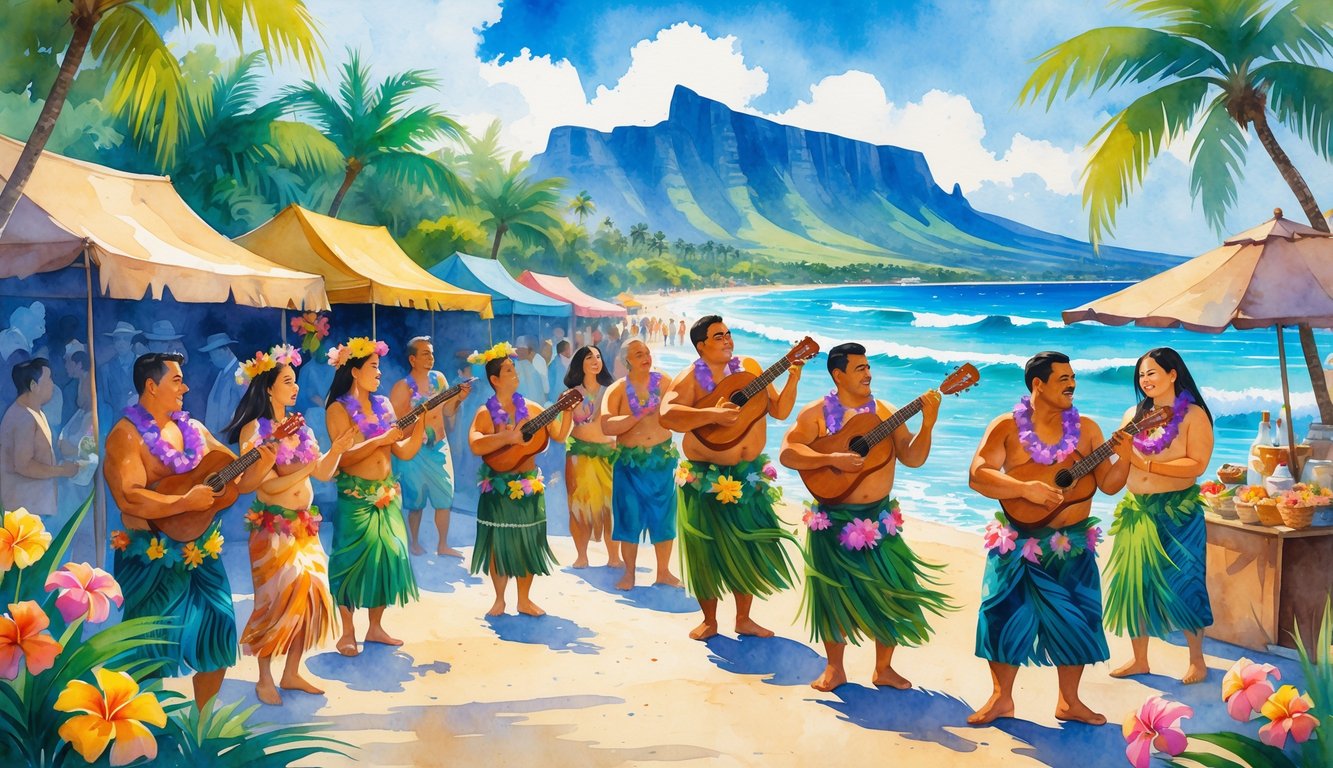
Planning ahead helps me get the most out of Oahu’s festivals, music shows, or historic traditions. Some events are easier to enjoy if I know the season, event type, and parking details before I visit.
Best Time to Visit for Events
Oahu hosts many of its biggest cultural events in the spring and fall. The Honolulu Festival usually happens in March and features parades, dance, and arts from across the Pacific.
In October, I experience the Hawaii Food & Wine Festival, which brings together chefs and tastings from around the island. Summertime events include the Pan-Pacific Festival, filled with music and hula performances.
The weather is pleasant year-round, but spring and fall usually have fewer tourists. I find smaller crowds at festival locations during these seasons.
If I’m interested in specific Honolulu events, like parades or concerts, I check local calendars online for the latest dates. Some months, like December, have extra holiday celebrations such as Christmas parades and tree lightings.
Many events are free or low-cost, but some require tickets, especially food festivals or special concerts. Buying tickets ahead of time can save money and help skip long lines.
I also try to arrive early to get a good spot, especially at outdoor shows and parades.
Understanding Event Types
Oahu’s cultural events come in different styles: traditional, modern, and interactive. Luaus are a favorite if I want to see hula, fire dancers, and try Hawaiian food.
Many luaus offer hands-on workshops like lei-making or ukulele lessons. Street festivals such as the Honolulu Festival or parades let me mingle, watch performances, and enjoy local food trucks.
Stage shows focus on hula, music, or chants and usually happen at cultural centers or hotels. Food-focused events, like the Hawaii Food & Wine Festival, feature international chefs, tastings, and special dinners.
For history buffs, there are guided tours, museum exhibits, and visits to ancient fishponds for a deeper look at island heritage. When I join these events, I always check for age restrictions or dress codes.
Outdoor events usually recommend hats, sunscreen, and water. For indoor concerts or special dinners, a casual but neat outfit works well.
Parking and Accessibility
Parking can be one of the biggest challenges during popular Oahu cultural events, especially in Honolulu. Downtown areas and beach parks fill up fast when events like parades or festivals happen.
I use public lots or parking structures, which usually charge between $5 and $15 for all-day parking. For bigger Honolulu events, free parking is sometimes available at shuttle lots, with buses taking me to the main festival site.
I check event websites for parking maps and directions or use ride-share apps if parking costs are too high. Some hotel events validate parking, which saves money if I eat or shop there.
Accessibility varies by location. Major festivals in city parks or convention centers have wheelchair access and restrooms.
Outdoor or beach events usually have ramps, but I bring my own seating for comfort. If I need help or have special needs, I call the event’s info line before arriving.
For family-friendly events, I look for stroller paths and shaded rest stops. Planning parking ahead of time helps me enjoy Oahu’s lively cultural scene without the stress of searching for a space.
Embracing Oahu’s Cultural Diversity
When I walk around Oahu, I see cultures blending and coming together every day. The island is home to many heritages, making each event feel special.
Hawaiian culture is at the heart of many festivals. For example, Lei Day in May fills the streets with hula, lei making, and parades honoring local traditions.
In June, the King Kamehameha Parade celebrates history with floral floats, horses, and royal courts. I love watching families gather and cheer as music fills the air.
You can read more about these celebrations at Oahu cultural events. I’ve also attended the Ukulele Festival, which showcases local musicians and supports arts education.
There’s something amazing about hearing music unique to Hawaii while everyone comes together. You can find more about this festival at Oahu’s popular festivals.
Here’s a snapshot of annual events I enjoy:
| Event | Time of Year | Highlights |
|---|---|---|
| Lei Day | May | Hula shows, lei making |
| King Kamehameha Parade | June | Floats, live music, history |
| Ukulele Festival | July | Music, arts, local culture |
Polynesian Cultural Center and Year-Round Experiences
When I want to experience different island cultures in one visit, I go to the Polynesian Cultural Center.
The center sits on Oahu’s North Shore and covers over 40 acres.
It features six island villages, each showing a unique culture: Fiji, Samoa, Tonga, Tahiti, Aotearoa (New Zealand), and Hawai‘i.
I love watching the cultural performances here.
Each village hosts live shows, music, and dances.
Some of the best acts include fire knife dancing, Hawaiian hula, and Samoan cooking.
Local performers run every show and share their skills and stories with excitement.
You can do more than just watch.
I like joining hands-on workshops, such as lei making or learning basic hula moves.
You can also take canoe rides and attend daily presentations about each tradition.
Special events happen throughout the year.
Some of my favorites are Hā: Breath of Life, a nighttime show with hundreds of performers, and cultural festivals that highlight food, crafts, and holidays.
The Polynesian Cultural Center keeps the schedule fresh and interesting.
If you plan to visit, check the calendar for activities and performances.
Every season offers something new to enjoy.


