When I visited Hawaii, I discovered that exploring the islands doesn’t have to harm the planet. The best eco-friendly tours in Hawaii let me enjoy the state’s beauty while protecting its land, oceans, and wildlife.

From snorkeling with sea turtles to hiking rainforests, I found options for every traveler who wants to make a positive impact.
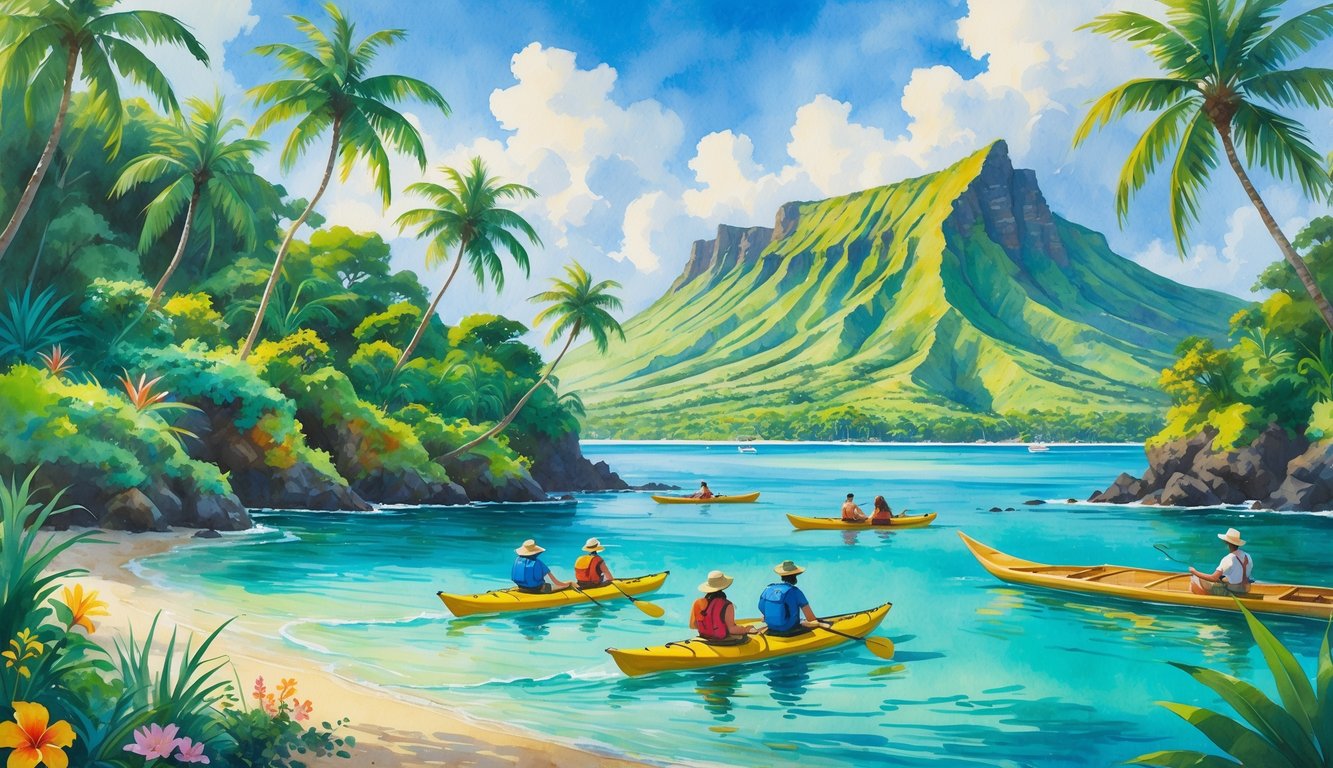
Sustainable travel in Hawaii means choosing activities that respect nature and the local culture. I saw many tours certified by local organizations for their green practices and commitment to conservation.
If you’re interested in eco-friendly travel, you’ll find a wide range of tours, retreats, and nature escapes that are both fun and responsible, like those featured in this guide to Hawaii eco tours.
These tours helped me connect with Hawaii on a deeper level. I learned about unique plants, animals, and cultural traditions while leaving a light footprint.
What Makes a Tour Eco-Friendly in Hawaii
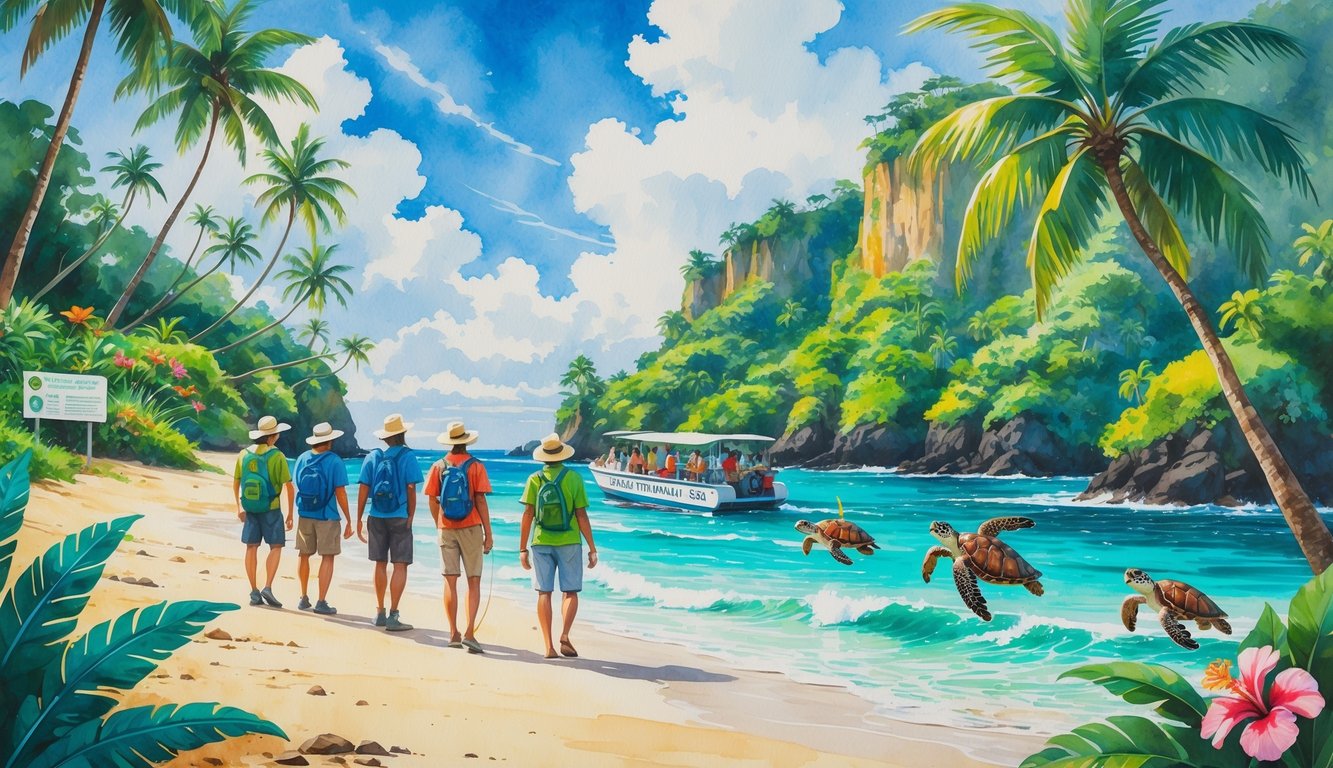
Eco-friendly tours in Hawaii follow a few important values. They focus on caring for Hawaii’s unique environment and supporting local people.
Principles of Sustainable Tourism
For me, sustainability forms the foundation of an eco-friendly tour. This means reducing harm to the land, water, and wildlife.
Tour providers in Hawaii often use small groups to lower their impact. They stick to marked trails to protect fragile ecosystems.
Responsible travel also means picking activities that don’t disturb animals or plants. Guides show visitors how to avoid spreading invasive species.
Some tours use electric vehicles or biofuel to cut pollution. Many eco tours follow strict guidelines that match Hawaii’s sustainability goals, such as limiting waste and using reusable items.
Before I book a tour, I look for certifications or signs that show a commitment to sustainable tourism. Some tours involve local conservationists or cultural practitioners to make sure the experience respects local traditions.
Supporting Local Communities
Supporting local communities is key to eco-friendly travel in Hawaii. I prefer tours owned or operated by residents instead of large outside companies.
This choice helps Hawaiian families and small businesses thrive. Many tours partner with local farmers, artists, and guides, giving visitors a real taste of Hawaiian culture.
Some tours include visits to taro farms, craft workshops, or markets. These experiences feel more authentic and help preserve local traditions.
Eco-friendly tours often provide jobs and training in conservation and culture. This means more residents can work in ways that protect their home.
If you want trip ideas focused on culture and people, you can check out suggestions for authentic eco-tourism experiences in Hawaii.
Environmental Conservation and Protection
I see that real eco-friendly tours in Hawaii care deeply about the environment. Many tours choose locations that need help, such as restoring native forests, cleaning beaches, or protecting coral reefs.
Tour guides explain how local wildlife and plants face threats. They show ways we can help.
Some tours get visitors involved in activities like planting native trees or removing marine debris. These hands-on activities teach respectful travel habits and make a positive impact.
Tours focused on conservation avoid single-use plastics and encourage safe wildlife viewing. Guides always ask guests to leave places better than they found them.
You can find eco tours focused on nature and conservation by searching Hawaii’s eco-friendly tour options.
Top Eco-Friendly Tour Destinations Across the Hawaiian Islands
Hawaii has many eco-friendly tours that focus on conservation, local culture, and the natural beauty of each island. I found activities on Maui, Oahu, the Big Island, and Kauai that protect the environment while letting me enjoy the islands in an earth-friendly way.
Eco Tours on Maui
On Maui, I hike quiet forest trails and swim in clear waterfall pools. I can also join a small group for a guided snorkel at a coral reef.
Some tours highlight organic farms, where I taste local fruit and learn about crops like taro. Others help me spot endangered animals such as the Hawaiian monk seal or native forest birds.
Maui Eco Retreat is a favorite for eco-tourists. This retreat runs on solar power, supports native plants, and teaches guests about sustainable travel.
Guides share tips on how to respect nature, like staying on marked paths and cleaning up after myself. You can see more about eco-friendly retreats and activities on Maui.
Oahu’s Sustainable Experiences
In Oahu, many eco tours teach me about Hawaiian history and nature. I can paddleboard on calm rivers or take walking tours in botanical gardens.
Some tours invite me to help local farmers on a taro farm tour. Guided hikes to scenic mountain lookouts focus on protecting wildlife habitats.
Kayak tours in Kaneohe Bay let me see coral gardens and learn about reef care. Some eco tours organize beach clean-ups or remove invasive plants, which helps native species.
Guides explain how my visit can have a positive impact. They make it easy to understand the importance of conservation.
Responsible Travel on the Big Island
The Big Island, or Hawaiʻi Island, offers many eco activities because of its different climates. I can visit volcanic parks and jungles, go birdwatching, or join small group tours to see waterfalls and lava fields.
Eco-lodges often use solar power and have swimming holes and wildlife nearby. Many tours explain how volcanic activity shapes the island and why rare plants need protection.
Farm visits let me taste local fruit and coffee. Guides encourage me to reuse water bottles, avoid plastic, and leave no trace.
Eco Adventures on Kauai
On Kauai, river kayak and farm tours are popular. I can learn about kalo (taro) history while seeing farming in the Hanalei Valley.
Guided hikes explore remote areas with native plants and birds. Many tours support reforestation and wildlife recovery.
The island is known for its quiet beaches and green landscapes. Eco tours work with local groups to keep parks and trails clean.
Sustainable snorkel and dive tours teach ocean conservation. Kauai’s eco-tourism experiences offer hands-on ways to care for the land and sea.
Nature and Wildlife-Focused Eco Tours
I love exploring Hawaii’s natural beauty and learning about the plants and animals living on these islands. There are many ways to see unique wildlife, walk through forests, and spot endangered species while supporting eco-friendly practices.
Hiking Trails and Guided Nature Walks
When I hike in Hawaii, I often see native birds and rare plants. Local guides lead small-group hikes through rainforests, craters, and volcano slopes.
These guided tours help me learn about the island’s ecosystem. Some tours, like Hawaii Nature Tours, take me on routes such as Diamond Head Crater or hidden rainforest paths.
Guides point out important features and explain how protecting these spaces keeps native plants and animals safe. I appreciate tours that follow “leave-no-trace” rules.
These rules help keep trails clean and healthy for future visitors and wildlife. Many hikes work with conservation groups to protect Hawaii’s habitats.
Whale-Watching and Marine Life Excursions
Watching humpback whales up close is a special experience. Every winter, thousands of whales migrate to Hawaiian waters.
Guides run whale-watching tours and know how to spot whales without disturbing them. On these trips, I often see dolphins, sea turtles, and colorful fish.
Responsible tours limit the number of boats and keep a safe distance from animals. Many operators use electric or fuel-efficient boats and teach guests about marine conservation.
I learn about how pollution and boat traffic affect Hawaii’s sea life and what we can do to help. Some tours support local marine rescue and research programs.
Bird-Watching Tours and Endangered Species Experiences
Hawaii is home to birds found nowhere else. I enjoy bird-watching tours that search for rare honeycreepers, native owls, and endangered waterbirds.
Guides provide binoculars and spotting scopes to help me see these shy creatures. Many tours visit places managed for conservation, such as wildlife refuges or protected forests.
During these outings, I learn about efforts to protect endangered species and restore habitats. Guides often explain how introduced predators and habitat loss threaten native birds.
Supporting these eco-tours helps both the birds and the organizations working to keep them safe. Some tours give part of their profits to Hawai’i’s nature conservancy projects.
For more options, I check out eco tours in Hawaii that highlight sustainable and wildlife-friendly experiences.
Cultural and Educational Eco Experiences
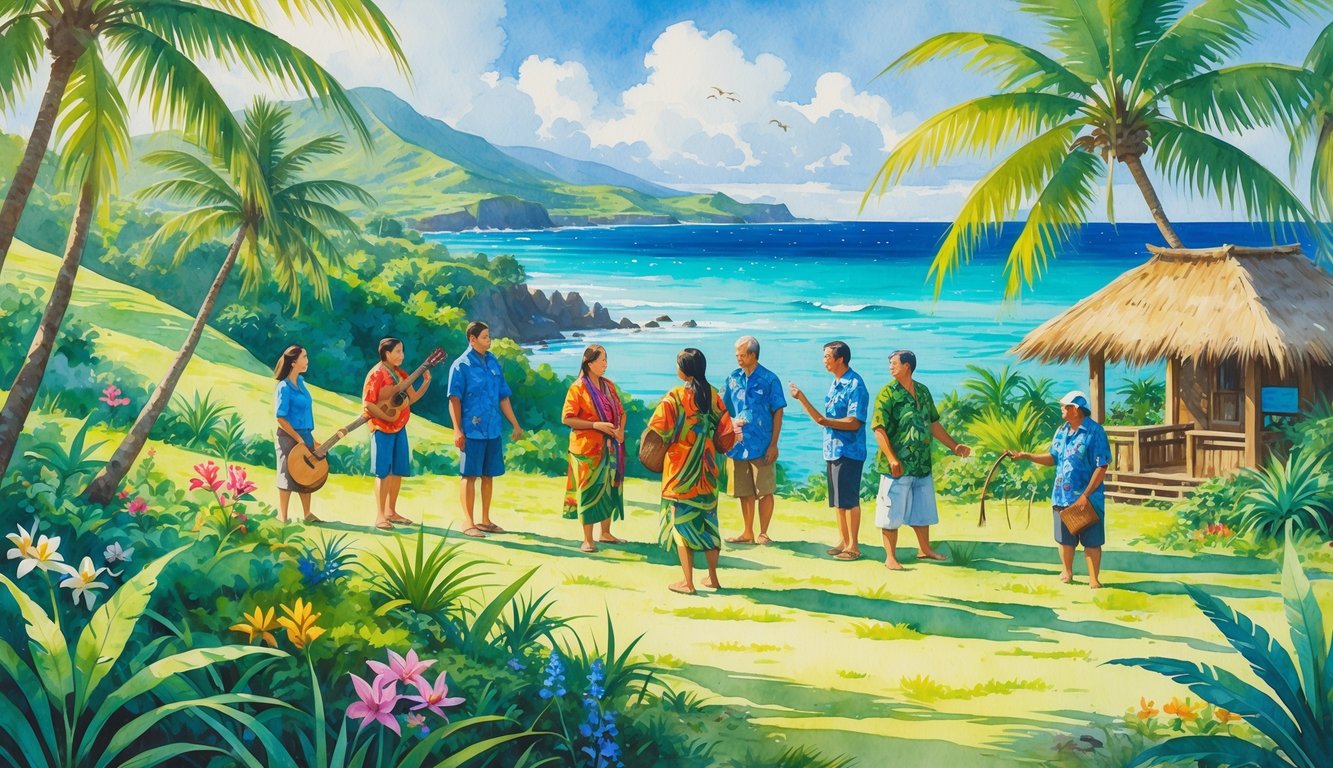
I love learning about Hawaii’s unique culture, farming traditions, and natural preserves. These experiences help me understand the land and the people.
Learning Hawaiian Heritage and Local Culture
When I join an eco tour focused on Hawaiian heritage, I see the islands through the eyes of local people. Guides share stories, legends, and songs from ancient Hawaii.
I’ve joined workshops to learn crafts like lei making, poi pounding, and hula. Several eco tours are certified by organizations like the Hawaiian Ecotourism Association, which means they respect native customs and the environment.
I also find guided walks at cultural sites, such as heiau (temples) or restored fishponds, especially meaningful. These tours let me ask questions and connect with the community in a respectful way.
More information about certified eco tours in Hawaii is at Go Hawaii Eco Tourism.
Agricultural and Permaculture Tours
I explore working farms and permaculture sites on the islands. These places show me how sustainable agriculture shapes the land.
When I tour cacao and coffee farms, local farmers demonstrate how they grow crops with respect for the environment. I learn about composting, soil care, and water management through hands-on experiences.
Some tours let me plant trees, pick fruit, or taste fresh, local produce. Many farms are family-run and use permaculture methods to reduce waste and support the ecosystem.
Guided trips through rural areas highlight ancient Hawaiian food systems and native plants. Modern farmers show how they pair tradition with innovation.
You can find more details about farm and eco village tours at Ecovillage Tours Hawaii.
Botanical Gardens and Conservation Sites
I always enjoy visiting botanical gardens in Hawaii. These gardens display a wide variety of native and rare plants, such as the koa tree.
Trails make it easy for me to explore at my own pace. Most conservation areas offer guided tours.
During these tours, I learn about research efforts and local conservation projects that restore native habitats. Many gardens also teach about invasive species that threaten Hawaii’s biodiversity.
Some visits include hands-on activities like tree planting, so I can give back to the land. Botanical sites often have educational exhibits and special programs for visitors.
I especially enjoy experiences that focus on restoring endangered forests. These visits help me appreciate the balance of Hawaii’s unique ecosystems.
Eco-Friendly Activities for Adventure Seekers
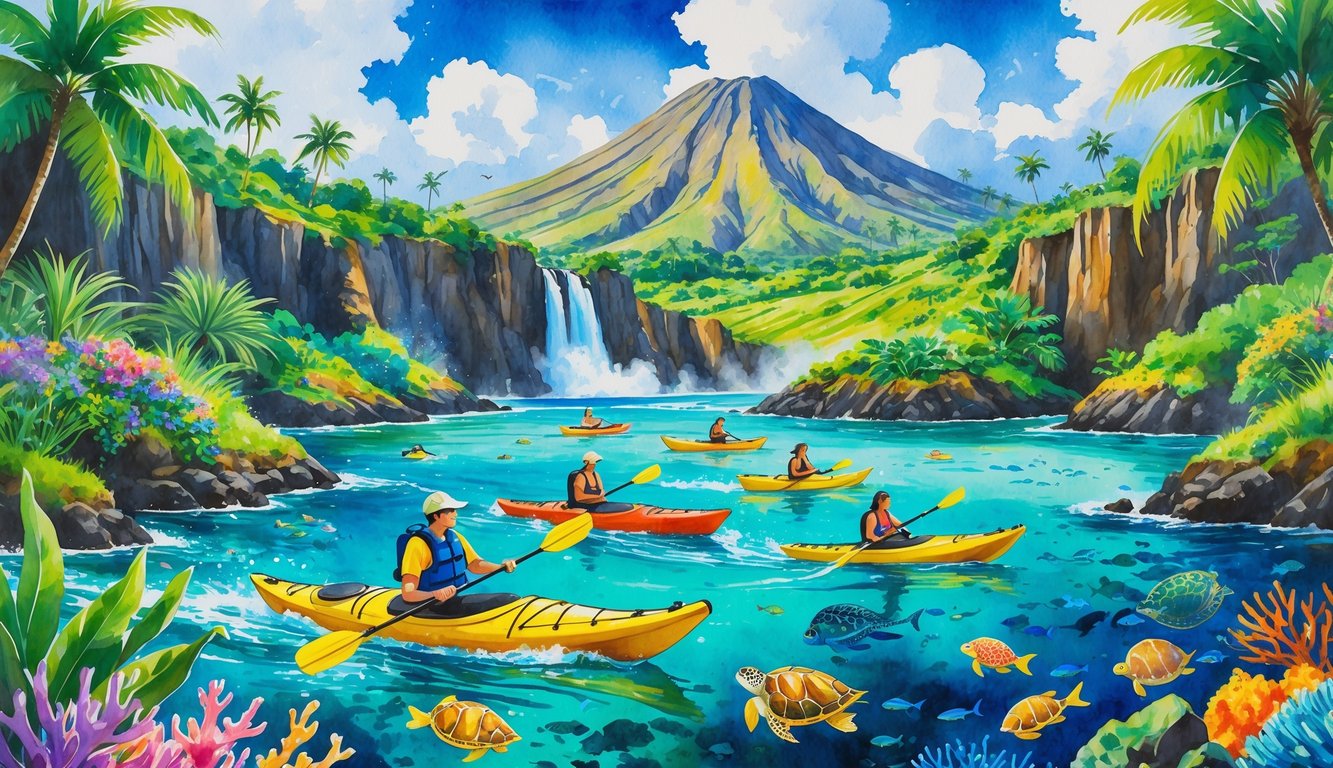
When I want adventure in Hawaii, I choose activities that protect nature and support local communities. I pay attention to how my choices impact the land and water.
Cycling and Off-the-Grid Experiences
Cycling is one of my favorite ways to see Hawaii. Riding a bike lets me cover a lot of ground while creating almost no pollution.
Popular routes go through fields, forests, and towns, letting me find hidden places that cars can’t reach. Some islands have bike rental shops with electric or manual bikes, so I can pick what fits my trip.
Going off-the-grid helps me connect with nature. I book eco-lodges or cabins that use solar power and rainwater systems.
These places often offer small group tours, which protect wildlife and teach about conservation. Exploring on my own or with a green-minded guide helps keep trails clean and minimizes disturbance to wildlife.
Snorkeling, Beaches, and Marine Conservation
Snorkeling at sites like Molokini Crater lets me see bright coral reefs and many kinds of fish. I always wear reef-safe sunscreen to protect the corals.
Some tours use battery-powered boats to reduce pollution near the shore. On Hawaiian beaches, I follow signs and avoid walking on reefs.
Many tour guides teach about marine life and how conservation protects animals like sea turtles and tropical fish. I use eco-friendly gear and join clean-up events to help the local environment while enjoying the water.
For more ideas, I check out eco-friendly activities in Hawaii before planning my trip.
Must-Visit Eco-Friendly Sites and Attractions
Hawaii offers many tours that protect nature and let me explore its unique landscapes. These sites show how locals care for the environment and support sustainable travel.
Kilauea and Hawaii Volcanoes National Park
Visiting Kilauea is always memorable for me. This active volcano is a highlight in Hawaii Volcanoes National Park.
The park has miles of hiking trails where I see volcanic craters, lush rainforests, and old lava flows. Park guides explain how to stay on marked paths and respect nature.
These steps help protect rare plants and native wildlife. I also notice the park uses refillable water stations and composting toilets to reduce waste.
Some tours share local Hawaiian stories, teaching me about Pele, the volcano goddess. Since Mauna Loa is nearby, I sometimes spot both volcanoes on clear days.
Haleakalā and Other Natural Wonders
Watching the sunrise on top of Haleakalā is worth waking up early. This giant shield volcano towers above Maui and is home to rare silversword plants and native birds.
Park rangers explain what makes this ecosystem special and delicate. Guided tours at Haleakalā keep group sizes small to limit impact.
Biking and hiking tours use well-kept trails and pack out all trash. Many guides offer tips about protecting endangered species found only on Maui.
Other Maui eco sites, like the lush forests of Kamakou Preserve on Moloka‘i, show how each island has unique habitats. I always stay on marked paths and view wildflowers or birds from a distance to protect them.
Atlantis Submarine Tours
I explore Hawaii’s underwater world without disturbing the reefs by choosing Atlantis Submarine tours. These electric-powered submarines let me see colorful fish, turtles, and shipwrecks without getting wet.
The tours use battery power instead of fuel to keep their impact low. Guides explain the importance of coral reefs and how I can help protect them.
I watch sea life from the submarine windows and avoid touching or feeding animals. These tours also support local marine research.
By choosing careful routes, they avoid harming or stressing marine animals. This way, I join an adventure that benefits the ocean. For more eco-friendly ideas, destinations like the Kohala Coast offer snorkeling in protected reefs and sustainable activities.
Eco-Friendly Accommodations and Stays
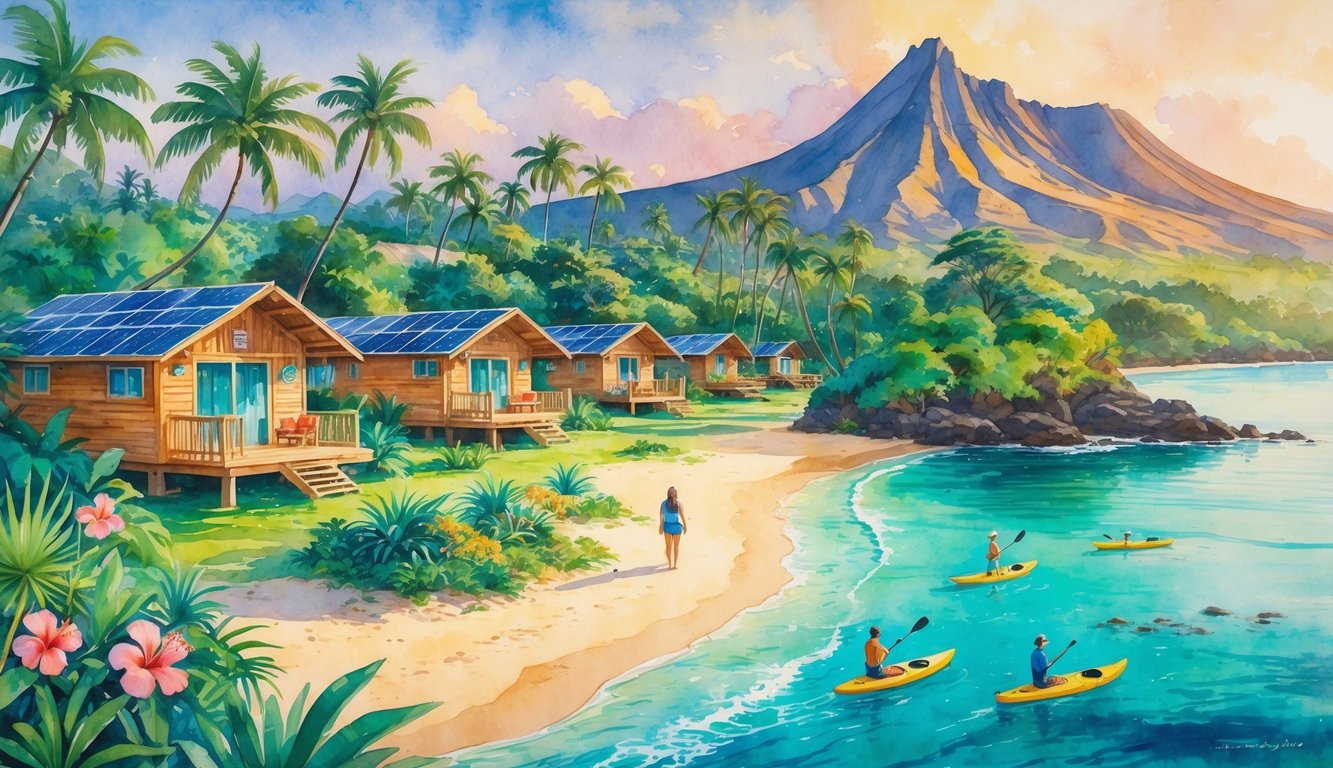
During my travels in Hawaii, I find many ways to stay green while enjoying the islands. I discover options from luxury resorts to rustic cabins, offering something for every eco-conscious traveler.
Eco-Lodges and Eco-Resorts in Hawaii
Staying at an eco-lodge or eco-resort helps me reduce my impact on the environment. Top-rated eco-resorts in Hawaii use renewable energy, source organic foods, and run programs to protect local wildlife.
I appreciate features like solar panels, rainwater collection, and eco-friendly building materials. Resorts such as the Four Seasons Resort Hualalai blend luxury with sustainability, including water conservation and waste reduction.
Many places, like the best eco-resorts and eco-lodges in Hawaii, offer ocean views, hiking trails, and private swimming holes.
Here’s a quick look at features I often see at these eco retreats:
| Feature | Description |
|---|---|
| Renewable Energy | Solar or wind powered |
| Local Food Sourcing | Farm-to-table dining |
| Wildlife Protection | Conservation or education efforts |
| Sustainable Materials | Eco-friendly architecture |
Maui Eco Retreat and Notable Retreats
I recommend the Maui Eco Retreat for those who want comfort, sustainability, and access to Maui’s natural beauty. Rooms and cabins use local wood and natural materials, and the retreat is set up for minimal environmental impact.
The retreat offers yoga classes, guided hikes, and workshops about local plants and wildlife. It connects guests with Hawaii’s culture while keeping its footprint light.
Other notable eco-friendly retreats in Hawaii encourage visitors to join eco-tours. I find this a great way to learn and explore without harming the land.
Amenities I usually find include:
- Organic gardens and fruit trees
- Composting and recycling stations
- Energy-saving lighting throughout the property
Off-the-Grid and Sustainable Lodging
For a deeper eco experience, I choose off-the-grid lodging options. Many properties run on solar power and collect their own rainwater.
This type of stay helps me disconnect from modern distractions and enjoy the islands’ natural beauty. I have stayed in cabins and small cottages between places like Waipi‘o Valley and Volcanoes National Park.
These off-the-grid accommodations often include swimming holes, forest trails, and simple but comfortable designs. Wildlife is usually nearby, and nights are peaceful and quiet.
Tips for staying off-grid:
- Bring a flashlight or headlamp
- Expect limited Wi-Fi
- Be prepared to cook with simple appliances or a grill
Supporting Local Businesses and Guides
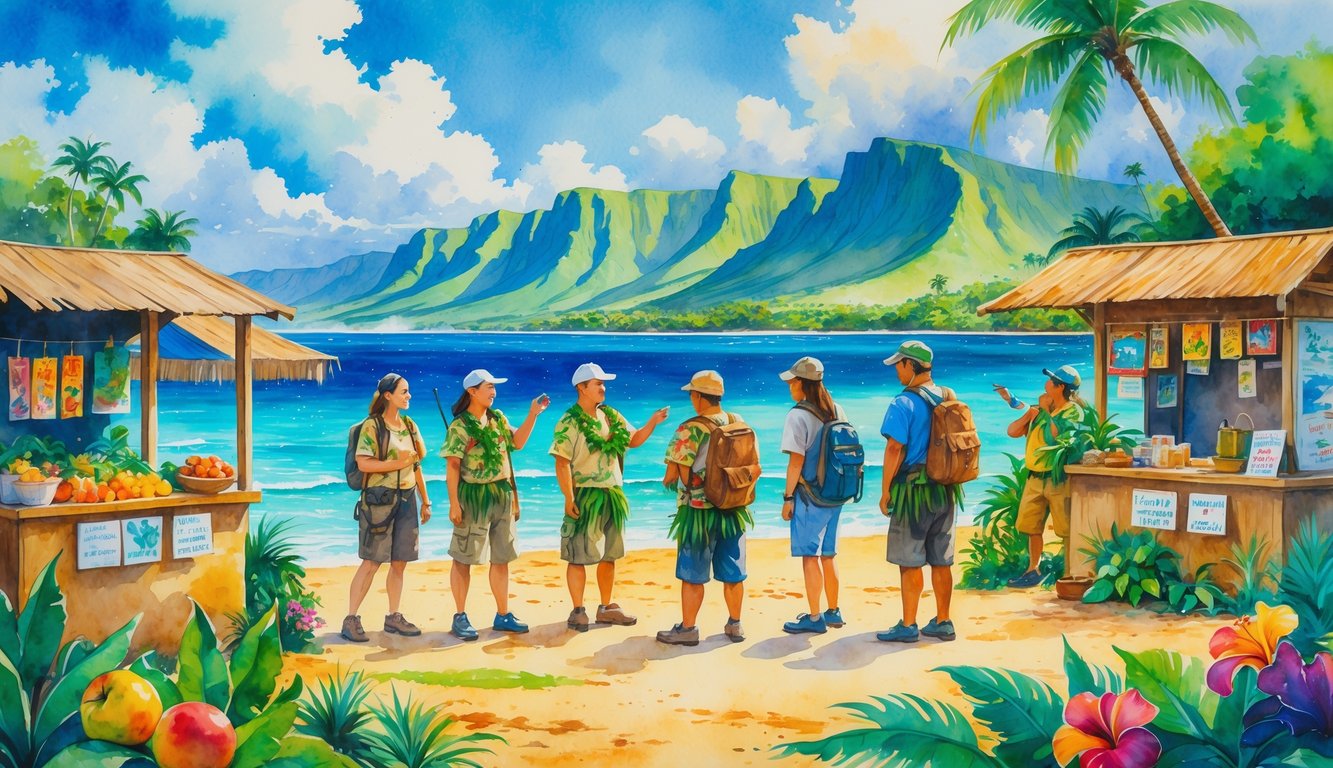
When I travel in Hawaii, I see that my choices make a big difference. Booking eco tours and hiring local guides help protect nature and support the community.
Choosing Responsible Tour Guides
I always look for tour guides who follow sustainable practices. A good eco tour guide cares for the land and explains the importance of conservation during each trip.
Some things I check for before booking:
- Local Knowledge: Guides from Hawaii usually know the area best and share insights about wildlife, history, and culture.
- Certifications: Responsible guides often have certification from organizations such as the Hawaii Eco-Tourism Association. This assures me they follow eco-friendly rules.
- Small Group Sizes: Small groups help avoid damage to the land and offer a personal experience.
- Education: The best eco tours teach me how to preserve Hawaii’s environment, such as cleaning my shoes before and after a hike to prevent spreading seeds and disease.
You can find more details on Go Hawaii’s eco-tourism guide.
Empowering Local Businesses Through Eco Tourism
I support local businesses to give back directly to Hawaii’s communities. When I choose Hawaii eco tours run by companies like Skyline Eco-Adventures or other local operators, I help keep money in the islands.
- Buying Local: Many eco-friendly tours partner with family-run shops or restaurants. I get to try locally grown food or handmade gifts instead of imported products.
- Hiring Residents: Companies hire guides from Hawaii, especially those who grew up on the islands. This provides jobs and shares local knowledge.
- Giving Back: Some tours, like voluntourism experiences, let me help with conservation work while I learn about unique Hawaiian plants and animals. I support conservation in a hands-on way and learn at the same time.
Conservation and Tree-Planting Tours
I join hands-on conservation tours to support Hawaii’s natural beauty. These tours let me help preserve native forests and learn about Hawaiian plants.
Hawaiian Legacy Tours and Tree-Planting Experiences
I can go on a tree-planting excursion with Hawaiian Legacy Tours. On this tour, I plant a native koa tree, which helps restore the ecosystem and supports local wildlife.
The tours usually take place in Oahu’s first Hawaiian Legacy Forest, surrounded by mountain trails and beautiful views. My experience starts with a short hike or horseback ride.
Guides explain why native forests matter and show how each tree planted makes a difference. Some tours give me a certificate with the GPS location of my tree so I can track its growth.
Tips for Responsible and Sustainable Travel in Hawaii

I care about the impact my travels have, especially in fragile places like Hawaii. Simple actions, using renewable energy, and respecting local life help protect the environment and people here.
Best Practices for Eco-Friendly Travel
When I visit Hawaii, I try to leave things as I found them. I walk only on marked trails and avoid disturbing plants or wildlife.
I use reef-safe sunscreen to protect marine life. I always bring a reusable water bottle and shopping bag.
I support businesses that care for the land. I look for local tours that limit group sizes and follow conservation rules.
Reading sustainable travel tips for Hawaii helps me know what to avoid, like single-use plastics or products made from endangered resources.
Here’s what I do to live these values:
- Avoid disposable items as much as possible
- Choose certified eco-friendly activities
- Respect local customs and protected places
- Join beach cleanups or support conservation efforts
Using Renewable Energy and Reducing Your Footprint
When I plan my trip, I look for hotels that use solar power or have LEED certification. I choose places that use renewable energy to lower my carbon footprint.
Energy use from fossil fuels can damage the air and fragile island ecosystems. To help, I use public buses, rent bikes, or walk when possible.
If I rent a car, I pick a hybrid or electric model. Many areas now have charging stations that support renewable energy.
I also turn off lights and air conditioning when I leave my room, even in hotels that use green energy. These small choices help protect the islands for future travelers.