
When I travel to Hawaii, I want to enjoy great food while also making choices that help the environment.

Many of the best sustainable dining options in Hawaii use fresh, local produce and seafood to create delicious meals that support both the land and the community.
From farm-to-table restaurants to cafes focused on green practices, I have many ways to eat well and feel good about it.

I love that Hawaii’s chefs make it easy to find eco-friendly dining.
Spots like Monkeypod Kitchen, Basalt, and Heavenly Island Lifestyle focus on using ingredients grown right on the islands.
Some restaurants show their commitment to protecting marine life by earning ocean-friendly certifications.
What Makes Dining Sustainable in Hawaii?

Sustainable dining in Hawaii means making choices that help both the environment and the local community.
I’ve learned that these decisions affect resources, the land, and the food on my plate.
Defining Sustainable Dining
When I talk about sustainable dining, I mean restaurants and cafes that go beyond serving tasty food.
These places focus on eco-friendly practices, like reducing waste, recycling, and using biodegradable packaging.
They avoid single-use plastics, which helps keep Hawaii’s shores and ocean waters cleaner.
I often see farm-to-table menus where restaurants get their food directly from Hawaii’s farmers and ranchers.
This lowers the carbon footprint because there’s less need for long-distance shipping.
Plus, the food is usually fresher.
Some restaurants save water by using efficient dishwashers and only serving water when guests ask.
Others compost food scraps or donate leftovers to local farms.
Here’s a quick list of common sustainable practices I look for:
- Composting and recycling
- Using energy-efficient appliances
- Serving seasonal produce
- Reducing single-use items
- Supporting local farmers
Environmental Impact and Conservation
Hawaii’s natural beauty inspires me to eat sustainably.
Restaurant choices can help protect or harm the environment.
For example, using local produce cuts down on fuel used in transportation, which helps limit greenhouse gas emissions.
That means a smaller carbon footprint for each meal.
Eco-friendly restaurants often use less energy by switching to LED lighting or using solar panels.
Water conservation is important because fresh water is limited on the islands.
Some dining spots earn eco-certifications by meeting strict rules about energy use and waste management.
Hawai‘i’s ocean-friendly certified restaurants show their commitment to these sustainable actions and to protecting marine life.
Importance of Local Sourcing
Buying local is at the heart of sustainability in Hawaii.
When I eat at a restaurant that uses local ingredients, I help support small farmers, fishers, and ranchers.
This keeps money in the community and helps preserve the island’s unique food culture.
Local sourcing also reduces packaging waste and pollution from shipping.
Chefs in Hawaii often work with farmers to plan menus around what’s in season.
That means less food waste and healthier meals.
The farm-to-table movement in Hawaii continues to grow.
These places serve fresher vegetables, tropical fruits, and local seafood, which taste great and are better for the planet.
By focusing on homegrown foods, restaurants respect the environment and help maintain island agricultural traditions.
Farm-to-Table Movement in the Islands
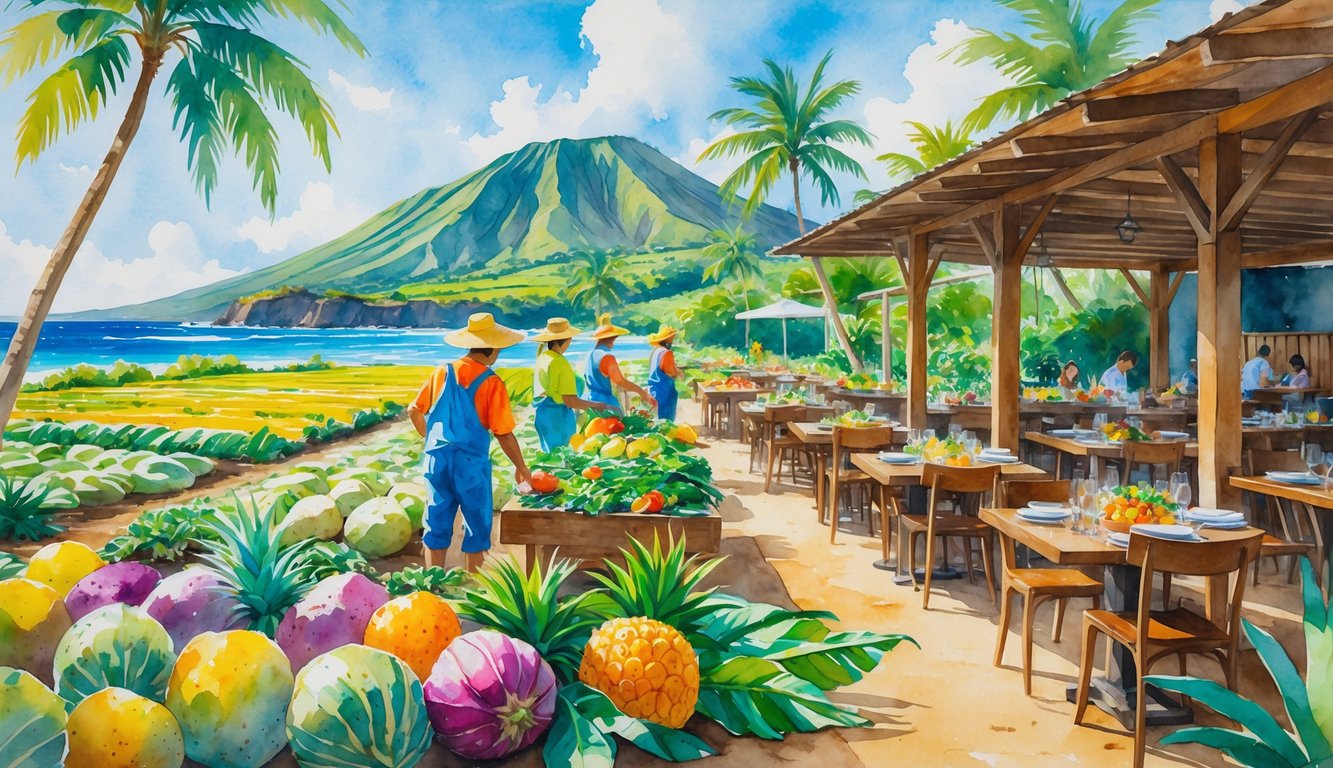
Hawaii’s farm-to-table movement connects fresh, local foods with island dining.
Many restaurants work directly with farmers and use seasonal and organic produce to create sustainable, delicious meals.
Local Farmers and Producers
When I dine out in Hawaii, I notice that many ingredients come straight from local farms.
These farmers use methods that respect the land and often rely on sustainable agriculture.
Some local farms grow taro, sweet potatoes, and tropical fruits.
Others raise free-range animals or catch wild seafood.
Their hard work keeps the supply of local ingredients steady and fresh.
Here are a few ways local farmers help the farm-to-table movement:
- Supply restaurants with daily harvests
- Use fewer chemicals and more natural farming methods
- Build relationships with chefs
By supporting these local producers, I help preserve Hawaii’s food culture.
Seasonal and Organic Produce
Farm-to-table restaurants often highlight what’s in season.
That means the menu changes often to feature the freshest local produce.
I enjoy seeing organic baby greens, mangoes, avocados, papayas, and other unique island crops on my plate.
Farms use organic growing practices to reduce chemicals in the soil and water.
This makes the food safer and keeps the land healthier for future generations.
Here’s a sample of popular seasonal ingredients in Hawaii:
| Season | Popular Produce |
|---|---|
| Winter | Citrus, greens |
| Spring | Strawberries, herbs |
| Summer | Pineapple, mango |
| Fall | Sweet potatoes, taro |
Eating with the seasons creates a close connection between the farm, the kitchen, and me as a diner.
Farm-to-Table Restaurants
Some of the best meals I’ve had in Hawaii come from restaurants dedicated to local sourcing and sustainability.
These places serve dishes made with ingredients that come directly from nearby farms, ranches, and fisheries.
Farm-to-table dining covers everything from casual cafés to upscale spots.
Some restaurants partner with farmers on special tasting menus.
Others have their own gardens behind the kitchen.
The Big Island is known for standout farm-to-table dining experiences that showcase local flavor and seasonality.
These restaurants make it easy for me to see exactly where my food comes from.
By choosing them, I support both local businesses and a healthier, more sustainable food system.
Sustainable Seafood Choices
When I eat out in Hawaii, I care about where my seafood comes from and how it’s caught.
Picking the right seafood helps protect marine life and supports local businesses.
Fresh Fish and Responsible Sourcing
I always look for restaurants that offer fresh, local fish such as ahi (yellowfin tuna), opah, or onaga.
Local fishermen often catch these fish using traditional, low-impact methods like handline fishing or pole-and-line.
Buying seafood from responsible sources helps keep fish populations healthy and protects marine ecosystems from overfishing.
Some restaurants tell me exactly where their fish came from and when it was caught, which builds trust.
Restaurants across Hawaii form partnerships with local fishers and use seasonal menus to feature the freshest catches.
This practice reduces the need for imports and cuts down on the carbon footprint of my meal.
Choosing responsibly sourced seafood means I’m supporting both local jobs and the environment.
For more on supporting local fisheries, see how restaurants are embracing responsible sourcing in Hawaii.
Ocean Friendly Restaurants
When picking a place to eat, I look for ocean friendly restaurants that make sustainability a priority.
These places usually offer menus that highlight sustainable seafood options, avoid overfished species, and work with trusted suppliers.
Some top-rated ocean friendly restaurants in Honolulu include Monkeypod Kitchen, Fete, and Basalt.
They use local ingredients and follow eco-friendly practices.
I can find a helpful list of sustainable restaurants in Honolulu on Yelp’s sustainable restaurant guide.
Many of these restaurants also educate diners about the importance of choosing sustainable seafood and host events during Hawaii Seafood Month.
They might display seafood sustainability certifications on their menus, making it easy to spot good choices.
Seafood Watch Guidelines
When I’m unsure about which seafood is best for the ocean, I check the Seafood Watch guidelines from the Monterey Bay Aquarium.
This program rates fish and shellfish based on sustainability and helps me pick the safest, most ocean-friendly options.
Seafood Watch sorts seafood into three color-coded lists: Best Choices (green), Good Alternatives (yellow), and seafood to Avoid (red).
Choosing seafood that falls under Best Choices helps support healthy marine ecosystems.
Many Hawaiian restaurants use these guidelines to plan their menus and inform customers.
If a restaurant follows recommendations from programs like Seafood Watch, I feel confident that I’m making a positive impact with my meal.
Traditional Hawaiian Foods and Cultural Heritage

Hawaii’s food scene is shaped by its deep cultural roots and traditions, as well as ingredients that thrive in its island climate.
Local dishes blend Hawaiian customs, Asian influences, and fresh flavors in unique ways.
Culinary Heritage and Local Cuisine
When I think of Hawaii’s culinary heritage, I see a mix of old and new.
People brought their own food customs when they came to the islands, and that shaped what’s now called Hawaiian local food.
Today, I can enjoy a plate lunch with rice, macaroni salad, and meats like teriyaki beef or kalua pork, all on the same plate.
Asian Hawaiian food plays a big part in local cuisine.
Japanese, Chinese, Korean, Filipino, and Portuguese cooking styles all add new tastes and cooking methods.
I often see these influences in dishes like saimin, which is a noodle soup inspired by Japanese ramen.
Hawaii Regional Cuisine grew out of these traditions in the 1990s.
Local chefs started using fresh island ingredients to create new dishes that celebrate Hawaii’s diverse culinary heritage.
The focus stays on fresh flavors and local produce.
Traditional Hawaiian Ingredients
Taro is at the heart of many traditional foods.
I notice it’s most commonly used to make poi, a smooth, purple paste with a mild taste.
Other important ingredients include sweet potato, fish like ahi and aku, and seaweed (limu).
Many of these ingredients still come from local farmers and fishers today.
Fruits such as pineapple, mango, and guava add natural sweetness to both savory and sweet dishes.
In the local markets, I often see bundles of leafy greens, such as taro leaves and ti leaves, used in steaming and wrapping foods.
These traditional ingredients are key to maintaining sustainable food practices in Hawaii.
Protein sources such as pork and chicken are often slow-cooked or steamed to keep them tender.
Many dishes highlight fresh island fish, which are central to both traditional and modern recipes.
Iconic Dishes and Their Origins
I think everyone should try a few key Hawaiian dishes. Poi uses taro and appears at almost every Hawaiian celebration.
Loco moco offers a filling meal with rice, a hamburger patty, fried egg, and brown gravy. This dish shows how Hawaiian local food blends international roots.
Poke is another popular choice. Chefs mix raw fish, usually ahi tuna, with soy sauce, onion, and seaweed.
Poke bowls now appear around the world. In Hawaii, they connect closely to the ocean and local traditions.
For dessert or a refreshing treat, I always look for Hawaiian shave ice. Toppings include tropical syrups and sometimes condensed milk, making it a sweet way to cool off.
Many of these iconic dishes blend Hawaiian, Asian, and modern influences. This mix makes the islands’ food scene unique.
Eco-Friendly Dining Practices
While searching for the best sustainable dining in Hawaii, I see how important eco-friendly habits are for both restaurants and diners. Simple changes like cutting waste, composting leftovers, recycling, and using reusable containers make a real difference.
Waste Reduction and Composting
Many Hawaii restaurants focus on waste reduction by controlling portions and planning menus carefully. This approach helps keep extra food out of the trash.
When food is left over, kitchens often join local composting programs. They turn organic waste—like fruit peels and coffee grounds—into compost instead of sending it to landfills.
Some restaurants create their own compost for onsite gardens or work with local farms. Farm-to-table restaurants on the islands support these efforts to keep their operations sustainable.
Choosing these places means I support good food and a greener planet. For more on waste and composting, farm-to-table spots on the Big Island share their experiences.
Recycling and Proper Disposal
Good recycling habits are key in the fight against pollution. In Hawaii, I notice that sustainable restaurants sort trash into recycling and waste bins.
They teach staff and inform customers about proper disposal. This ensures plastics, glass, and paper get processed correctly instead of mixing with trash or polluting beaches.
Some groups offer guidelines and support to help restaurants recycle. Ocean-friendly certified eateries on Oahu follow proper recycling practices.
These efforts stop single-use plastics from entering the ocean and keep the islands beautiful.
Reusable and Sustainable Containers
Single-use plastics add a lot to Hawaii’s waste and harm the ocean. Many eco-friendly restaurants offer reusable foodware or use plant-based packaging.
When I dine in, I see real plates, cups, and utensils instead of disposables. For takeout, I look for compostable boxes made from sugarcane or recycled paper.
Some places even encourage me to bring my own container. These choices mean less plastic trash and a healthier environment.
Many certified ocean-friendly restaurants lead the way, making it easy to enjoy a meal while protecting Hawaii’s natural beauty.
Top Sustainable Restaurants in Honolulu and Waikiki

I found many restaurants in Honolulu and Waikiki that focus on farm-to-table cooking and sustainable seafood. It’s easy to eat well while supporting local farmers, fishermen, and eco-friendly practices.
Must-Try Farm-to-Table Dining Experiences
Many restaurants serve dishes made with ingredients from local farms. Places like Fête and Kapa Hale show what fresh, locally grown produce and island meats can do for a meal.
Their menus change with the seasons, so everything tastes fresh and supports Hawaii’s farmers. natuRe Waikiki stands out for its “closed-loop” system, where they re-use, recycle, and cut waste as much as possible.
They highlight Hawaiian flavors and use organic produce, supporting both sustainability and the local economy. Basalt in Waikiki is also known for eco-friendly dining.
Their focus on local ingredients helps limit food miles and ensures fresh flavors in every dish. The variety makes it easy to find something delicious while being part of a more sustainable food movement.
Best Ocean Friendly and Sustainable Seafood Spots
Seafood is a big part of dining in Honolulu and Waikiki. At restaurants like 53 By The Sea and Roy’s Waikiki, I enjoy ocean-friendly fish and shellfish that are caught or farmed in ways that help protect reefs and fish populations.
Roy’s Waikiki uses local catch, often featuring fish like Hawaiian ahi or opakapaka. Their team works with trusted fishers who follow strict sustainability rules.
Monkeypod Kitchen also stands out for its sustainable seafood menu and support for local fishermen. The staff happily shares which seafood is both fresh and responsibly sourced each day.
That makes it easy for me to choose dishes that are better for the ocean.
The Role of Food Trucks and Casual Dining
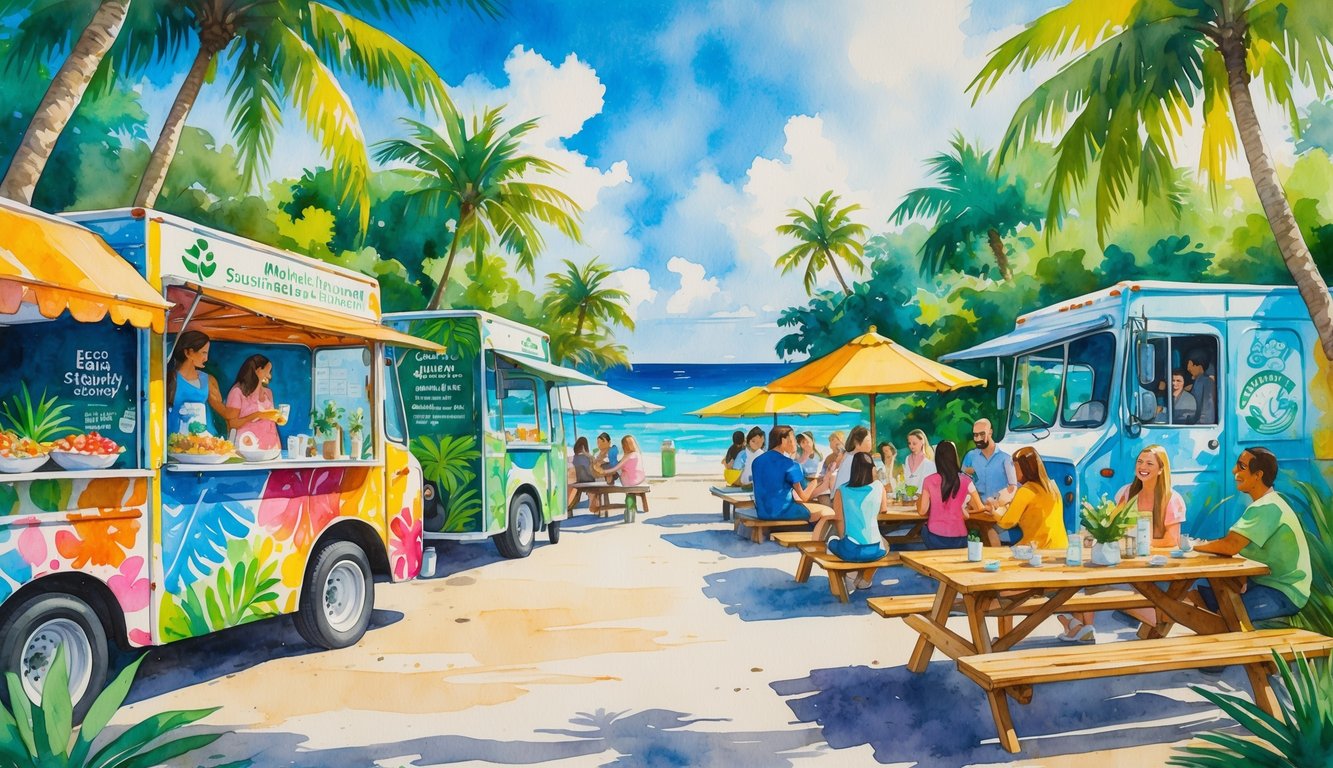
Food trucks and casual restaurants give me easy ways to enjoy sustainable meals in Hawaii. These options often use local foods, eco-friendly packaging, and support the community.
Local Food Trucks Supporting Sustainability
I notice many food trucks in Hawaii focus on fresh, local ingredients. Many get their produce, fish, and meats from nearby farms and fishers.
This supports small businesses and cuts down on food transportation, helping the environment. For example, I see trucks use biodegradable packaging and offer plant-based menu items to reduce waste and carbon footprint.
Some food trucks fight food waste by preparing small batches each day and using parts of foods that would usually get thrown away. This keeps their business green and their food tasting fresh.
Some food trucks now lead the way in sustainable dining and efforts to fight food waste. Many of my favorite stops even post signs about where their ingredients come from.
That transparency makes me trust and support these small businesses.
Casual and Quick Sustainable Food Choices
When I want something quick but still care about my impact, I look for casual dining spots that focus on sustainability. Many of these restaurants in Hawaii highlight menus full of local foods.
They use fresh pineapples, taro, fresh fish, and greens grown on the islands. This keeps my meals healthy and helps the local economy grow.
Many casual restaurants and food trucks use energy-efficient cooking gear and reduce single-use plastics. Some only offer compostable utensils or skip plastic straws.
Several budget-friendly options for sustainable dining, like farmers’ markets and local food trucks, let me eat well without spending too much.
Here are some sustainable practices I’ve noticed:
- Using seasonal ingredients
- Serving on compostable plates
- Recycling cooking oil
- Limiting food waste
These details make it easier for me to enjoy a good meal while supporting a healthier environment in Hawaii.
Vegan and Vegetarian Sustainable Options
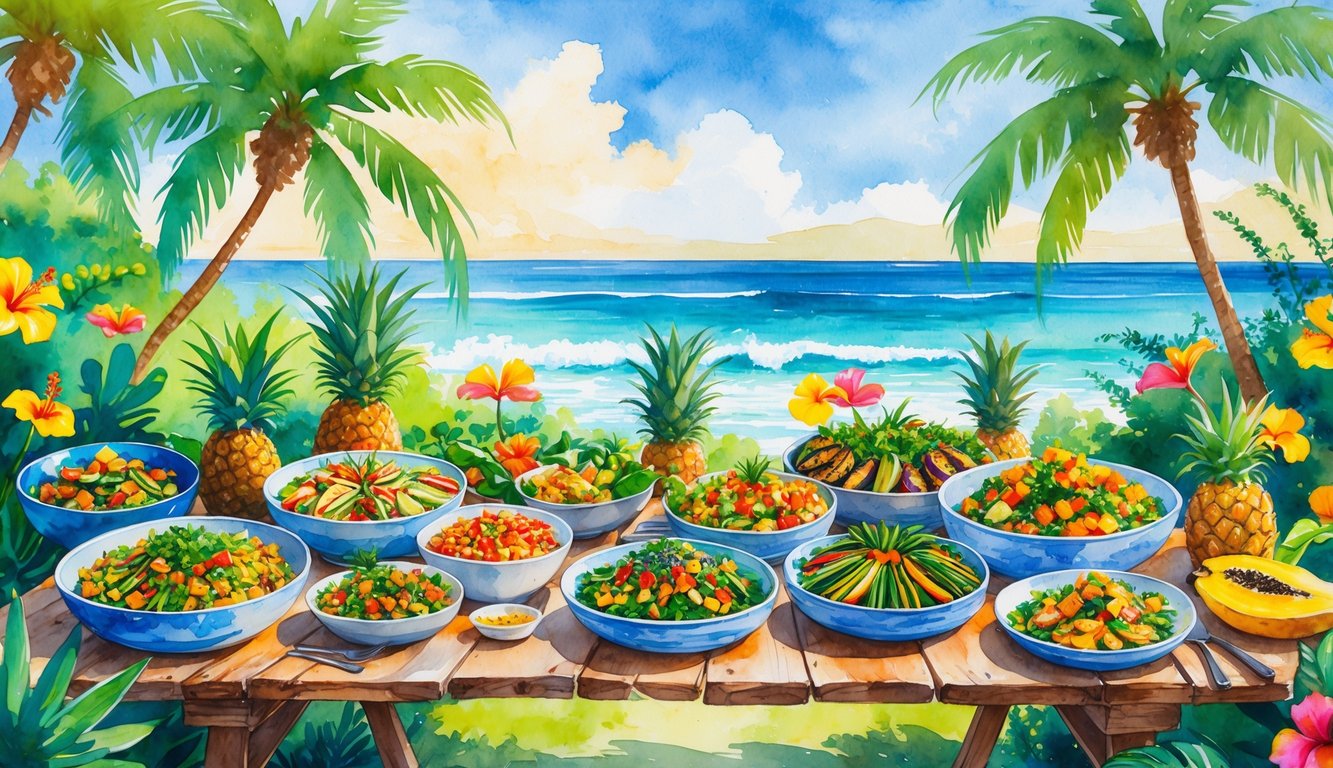
Hawaii’s plant-based dining scene offers tasty choices and supports local farmers and earth-friendly practices. Many kitchens use seasonal fruits and vegetables, giving every meal fresh flavors and a smaller carbon footprint.
Plant-Based Menus
When I visit Oahu or Maui, I see creative menus filled with vegan and vegetarian meals. These dishes use ingredients like taro, sweet potato, papaya, and sea vegetables.
Places like buffets in Honolulu offer a wide variety of options for anyone interested in plant-based eating. Some restaurants focus fully on vegan meals, while others have marked vegan options next to traditional dishes.
Many of these menus borrow ideas from Japanese, Filipino, and other Asian cuisines. This blend creates meals that are exciting and satisfying.
For a list of the best places to eat veggie or vegan in Hawaii, I check guides like this collection of top vegetarian restaurants and find new spots each time I visit.
Local Produce in Vegetarian Cuisine
Many chefs in Hawaii build their vegetarian dishes around fresh, local produce. The farm-to-table approach helps reduce food miles and supports family farms.
At almost every spot, I see salads with local greens, stir-fries with Big Island mushrooms, and smoothie bowls topped with freshly picked fruit. When I ask about the menu, staff often talk about working with farmers on the same island.
Some places use only organic or in-season vegetables to keep meals as eco-friendly as possible. Supporting these local menus not only tastes good, but every bite helps build a stronger, more sustainable community.
Several guides highlight how plant-based restaurants use Hawaii’s fresh fruits and vegetables, bringing out the full range of island flavors in every meal.
Fine Dining and Fusion Cuisine

When I look for refined meals in Hawaii, I find many restaurants blending high-end service with eco-friendly values. Innovative chefs focus on quality ingredients, cultural mixes, and thoughtful wine pairings to make each meal special.
Sustainable Practices in Upscale Restaurants
Many of Hawaii’s upscale restaurants make sustainability a priority. I see places working closely with local farmers and fishers to keep menus fresh and the environment in mind.
Monkeypod Kitchen champions local produce and reduces waste at every step. Luxury spots like Canoe House and Peter Merriman’s restaurants lead the way for sustainable fine dining.
They highlight a farm-to-table approach, avoid overfished seafood, and use reusable or biodegradable packaging when possible. When I dine at these places, I know my meal helps local communities and cuts the carbon footprint.
Many restaurants now share their green practices on their websites or menus, making it simple for me to support businesses that care about the earth.
Fusion and Contemporary Flavors
Hawaii’s fine dining scene shines with fusion and contemporary flavors that reflect its multicultural heritage. Japanese, American, and French techniques mix with tropical ingredients to create unique tastes in every dish.
I always look forward to creative meals at places like Fete and Basalt in Honolulu. Chefs there serve brunch specials such as taro pancakes or offer fresh fish with Japanese miso and local greens.
Asian and European cooking methods blend with island ingredients to bring new flavors. Fusion restaurants capture the diversity of Hawaii’s cultures, as seen in many top-rated fusion restaurants in Honolulu.
I recommend booking reservations in advance for popular fusion spots. These restaurants fill up fast, especially on weekends.
Wine and Beverage Pairings
A quality wine or craft beverage lifts a meal to a new level. In Hawaii, many upscale restaurants offer curated wine lists with international and local options.
I enjoy asking for wine pairings that enhance fusion flavors, like a crisp Sauvignon Blanc with poke or a bold red with smoked pork. Craft cocktails are another highlight, with many places mixing drinks using island-grown fruits such as pineapples or passionfruit.
Cocktail menus often match the chef’s dishes, making each pairing feel intentional. Some restaurants host weekend brunches with thoughtful beverage menus, including sparkling wines or creative non-alcoholic options.
I pay attention to wine and drink recommendations to make each dining experience more memorable. These pairings add an extra layer to the meal.
Supporting Sustainable Agriculture Through Local Markets
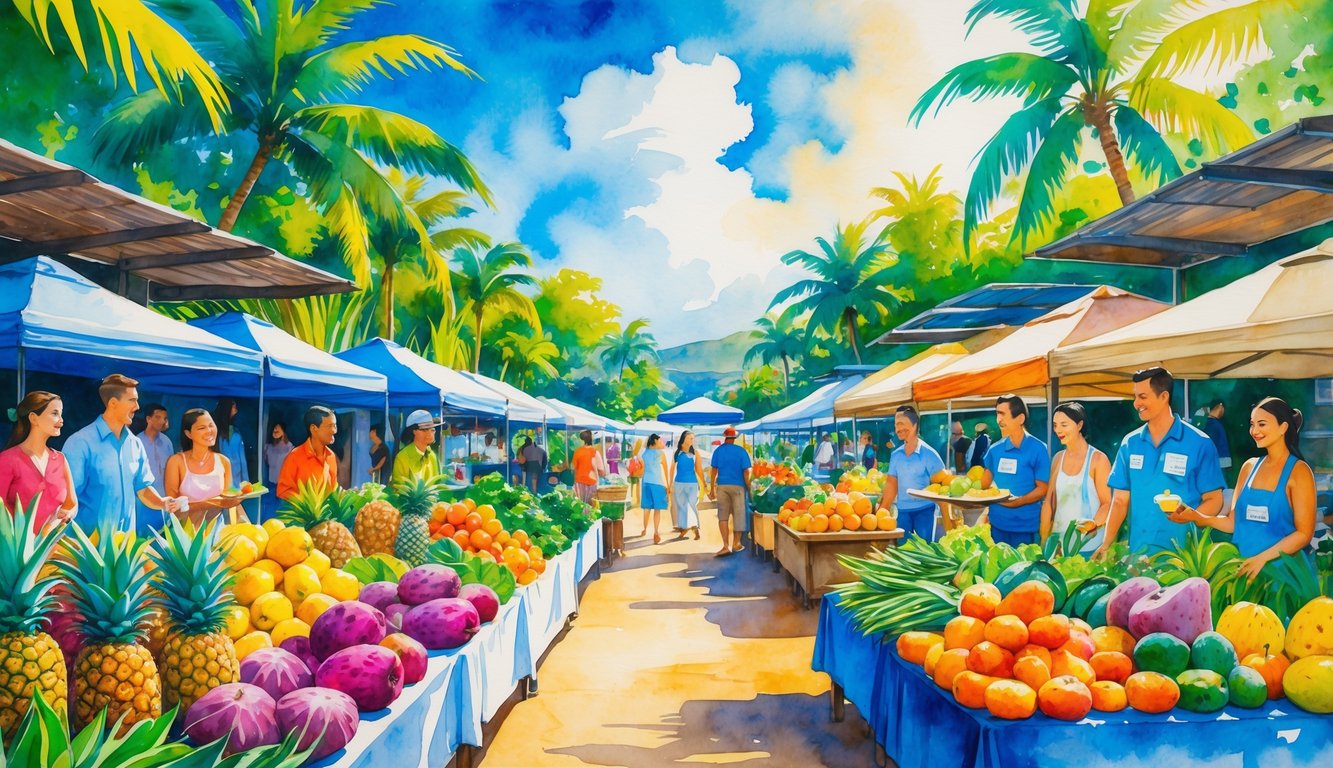
I buy from local farmers to get fresher ingredients and support the island’s sustainable agriculture efforts. Meeting local growers and choosing produce grown nearby lets me make choices that help Hawaii’s environment and economy.
Farmers Markets Across Hawaii
When I visit farmers markets in Hawaii, I see a big selection of seasonal fruits, leafy greens, root vegetables, and homemade items like honey or jams. These markets pop up in towns big and small, from Honolulu’s lively stands to Hilo’s open-air gatherings.
I talk directly to farmers about their growing practices. Many use organic methods or follow sustainable agriculture practices that protect the land and water.
Some markets let me try foods not found in grocery stores, like purple sweet potatoes or unique papayas. There’s often live music and fresh food to enjoy right at the market.
Shopping here supports local families and reduces the need for long-distance shipping. This helps cut Hawaii’s carbon footprint.
Benefits of shopping at farmers markets:
- Access to fresher and tastier produce
- Direct support for local farmers and artisans
- Better understanding of growing seasons in Hawaii
- Lower transportation emissions
Choosing Local Foods for Home Dining
At home, I cook with local foods from farmers markets and small grocery stores that stock Hawaii-grown produce. Local fruits and vegetables are easy to spot because they’re often labeled with the farm’s name or the area where they were grown.
Buying local produce helps me build trust with farmers and learn about their sustainable techniques. Supporting these growers strengthens Hawaii’s community connections and keeps money in the local economy.
I often plan meals around what’s in season, using apple bananas for smoothies or taro for poi. Eating this way encourages me to try new recipes with foods that don’t have to be shipped far.
Local foods usually last longer because they reach my kitchen soon after harvest.
How to Make Sustainable Food Choices in Hawaii
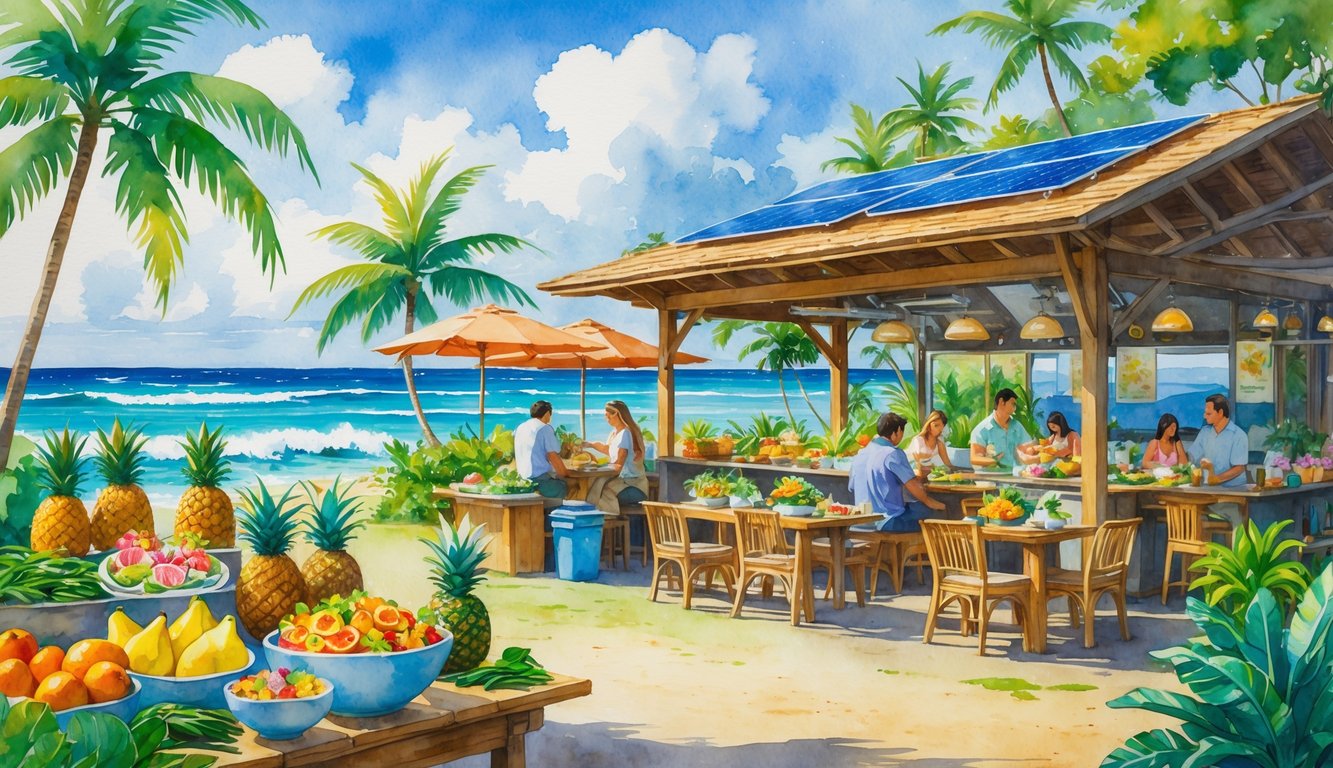
I focus on mindful eating when I visit Hawaii. By choosing local foods and reducing waste, I help protect the environment and support Hawaiian communities.
Tips for Visitors and Locals
I check out farmers’ markets and buy fresh, seasonal produce. Local farms often use less packaging and transportation, so my food choices create less waste and support small businesses.
Many restaurants in Hawaii highlight sustainable choices on their menus. They serve locally sourced seafood or organic veggies, so I look for these options when dining out.
Some places are known for their eco-friendly approach, like several sustainable restaurants in Honolulu. Eating at food trucks also supports local economies and offers affordable, eco-friendly meals.
I avoid single-use plastics by bringing my own reusable utensils and water bottle.
Quick Tips:
- Buy local fruits and seafood
- Choose restaurants with local menus
- Use reusable containers and utensils
- Avoid foods with lots of packaging
Reducing Your Carbon Footprint When Dining Out
I try to walk or take public transport instead of driving to restaurants. This lowers my carbon footprint.
Dining outdoors uses less energy because it reduces air conditioning needs. Choosing dishes made with island-grown ingredients cuts down on emissions from shipping food long distances.
I avoid buffets with lots of leftovers and order only what I know I’ll eat. If I have food left, I bring it home in a reusable container to prevent waste.
Simple Actions to Help:
- Walk or bike to restaurants
- Support businesses powered by solar energy
- Order only what I can finish
- Take leftovers home sustainably
Influential Organizations and Movements Shaping Hawaii’s Sustainable Dining Scene

Groups like the Surfrider Foundation and the Monterey Bay Aquarium play major roles in making dining in Hawaii better for the planet. They guide restaurants and communities on seafood choices, waste reduction, and ocean health.
Surfrider Foundation Initiatives
I have seen the Surfrider Foundation work hard to protect Hawaii’s coasts and support eco-friendly restaurants. Their Ocean Friendly Restaurants program lets local spots show their commitment to reducing plastic and following good environmental practices.
This program sets strict standards. Restaurants must stop using foam containers, only offer straws upon request, and support proper recycling.
More than 600 restaurants across Hawaii have taken action to reduce their impact on the land and ocean. The Surfrider Foundation also hosts beach cleanups and educational events that bring together chefs, owners, and customers.
Their ongoing work encourages everyone to care for the islands and protect natural resources for future generations.
The Impact of Monterey Bay Aquarium
The Monterey Bay Aquarium helps me find restaurants that offer seafood choices safe for the environment. Their Seafood Watch program gives up-to-date guidance to chefs and diners about which fish are caught or farmed using sustainable methods.
Many Hawaii restaurants follow Seafood Watch recommendations. They use green, yellow, and red ratings to decide which fish species to serve.
This keeps overfished or endangered marine life off the menu and promotes fishing that protects ocean habitats. Restaurant owners and chefs use the Seafood Watch app and printed guides to make responsible buying decisions.
This tool helps Hawaii’s food scene move toward options that are better for the ocean and local communities.
The Future of Sustainable Dining in Hawaii

Sustainable dining in Hawaii keeps growing as new ideas take shape and locals team up with restaurants. These changes protect natural resources and support the community while keeping food fresh and unique.
Innovative Approaches and Trends
Many restaurants in Hawaii now use eco-friendly practices that lower waste and use less energy. More places ban single-use plastics, choose compostable containers, and reduce food waste with better planning and food donation programs.
Some chefs use native plants and ingredients, making menus that match the seasons and support local farmers. Farm-to-table dining has become a big movement, letting me enjoy fresh island flavors while helping the environment.
At spots like Fête in Honolulu, chefs win awards for their focus on local and sustainable food.
Ocean-friendly certified restaurants are on the rise, offering local seafood caught in responsible ways. Some brewpubs make their own condiments and add local beer to recipes, showing creativity and care for the islands.
Many restaurants now list their sustainability practices on their menus or websites to highlight these changes.
Community Involvement and Local Partnerships
Sustainable dining in Hawaii relies on teamwork between chefs, farmers, and fishers. Restaurants form strong relationships with local producers, so ingredients stay fresh and the local economy grows.
Many places join programs that support Hawaiian values like aloha ʻāina (love of the land) and mālama ʻāina (caring for the land). They support conservation, avoid overfished species, and teach guests about native foods and farming traditions.
Some restaurants sponsor events or partner with schools to teach kids about healthy, local eating. Community gardens and co-ops help smaller farms sell produce to restaurants.
For more on how restaurants are giving back, check out this guide to sustainable dining in Hawaii.


