
When I think about a trip to Hawaii, the warm sun and blue skies come to mind.

Hawaii has a tropical climate, so it stays warm all year. The hottest months in Hawaii are usually from May to October, with August being the peak.
If you want sunny weather and beach days, this is when you’ll find the highest temperatures.
During these months, temperatures can reach the high 80s or low 90s Fahrenheit.
The ocean feels great, and the days are long—perfect for swimming, snorkeling, or just relaxing by the water.
Summer in Hawaii brings out bright colors, lush greenery, and clear skies.
Even though it gets hot, the ocean breeze helps keep things comfortable.
Whether I’m hiking a volcano or enjoying a sunset, knowing what to expect from the weather helps me plan a great vacation.
Understanding Hawaii’s Climate
Hawaii has warm weather year-round, but different patterns shape how hot it feels across the islands.
Learning about the tropical climate and trade winds helps me know what to expect during the hottest months.
Tropical Climate Overview
Hawaii’s tropical climate means steady temperatures all year.
The National Weather Service says it stays warm with only small changes between seasons.
The hottest months are July, August, and September.
Daytime highs often reach around 86–88°F (30–31°C), especially in lower coastal areas.
Humidity feels higher, so it can seem warmer than the actual temperature.
Nighttime temperatures by the coast rarely drop below 70°F (21°C), making evenings mild.
Mountains and valleys can be cooler, but most tourist spots stay comfortable.
Rain falls more often in winter.
From late spring through early fall, especially in August, the islands have their driest and warmest days.
That’s why August is generally the hottest month in Hawaii.
Trade Winds and Their Impact
Trade winds help shape Hawaii’s climate.
These winds blow from the northeast most of the year and bring a steady breeze to the coasts.
When trade winds are strong, the air feels lighter, and humidity is less noticeable.
Beaches and oceanfront spots stay comfortable, even on hot days.
If the trade winds slow down or stop during summer, it can feel hotter and stickier.
When the winds fade, the heat feels stronger, especially in cities with more concrete and less shade.
The National Weather Service gives updates about trade wind patterns so I can plan my day.
When Are the Hottest Months in Hawaii?
Hawaii stays warm all year, but some months feel especially hot and humid.
Summer Months in Hawaii
The hottest months in Hawaii are the summer stretch from June through September.
These months bring more sunshine, less rain, and warmer nights.
The islands feel busiest, and many travelers come for the weather and beaches.
During June, July, August, and September, daytime highs often reach the mid to upper 80s (°F), and sometimes low 90s, especially on drier coasts.
Nights cool down a little, but it often stays warm and humid, so shorts and tank tops are comfortable even after dark.
School summer vacations in the U.S. bring more visitors, especially in July and August.
These are the peak travel months for families, so beaches and attractions can be busier.
The ocean is inviting, and conditions are great for swimming, surfing, and snorkeling.
Temperature by Month
Here’s a table showing the average temperatures by month in Honolulu:
| Month | Average High (°F) | Average Low (°F) |
|---|---|---|
| June | 87 | 74 |
| July | 88 | 75 |
| August | 89 | 75 |
| September | 89 | 75 |
The difference between June and August is only a few degrees, but even a small rise can make days feel much hotter.
The highest averages usually happen between July and September.
If I want to avoid the hottest times, I plan outdoor activities in the evenings or early mornings.
Air conditioning helps, since many older hotels and rentals may not have it, and the heat indoors can feel stuffy.
Warmest Month and Hottest Months
August often stands out as the warmest month.
Average daytime highs reach close to 89°F, and the peak heat can last into early September.
July and September are only a bit cooler than August, so all three months are known for steady warmth.
In places like Kona or Lahaina, daytime highs can reach into the 90s.
The water is also at its warmest, which makes swimming and water sports even better.
It’s important to wear sun protection and stay hydrated.
Many locals and visitors take breaks in the shade or go to the beach early and late to avoid the hottest part of the day.
Monthly Breakdown: What to Expect
Summer is the warmest season in Hawaii.
Temperatures in June, July, and August often feel similar.
Days are mostly sunny, and the ocean is inviting.
The main differences come from crowds and seasonal events.
June in Hawaii
When I visit Hawaii in June, the weather is comfortably warm.
Daily highs usually reach the mid- to high-80s °F (around 29-31°C).
Trade winds help keep things cool, so I rarely feel stifled by the heat.
Humidity is present but not as strong as later in the summer.
Rain is rare in June, especially along the coasts.
That means beach days and outdoor activities are easy to plan.
The ocean is calm, making it a great time for swimming, snorkeling, and paddle boarding.
Surf on north shores is smaller, so beginners like me can try lessons with less worry.
Crowds in June are a bit lighter since summer school vacations have just started.
I also enjoy local cultural events such as the King Kamehameha Day parade.
July in Hawaii
July is one of the hottest months in Hawaii.
Daytime highs often hit the upper 80s °F, sometimes reaching the low 90s°F (32°C).
The heat feels stronger than in June, and humidity is higher.
I remind myself to wear sunscreen and drink plenty of water.
Rainfall stays low, making July ideal for outdoor adventures.
The ocean is warm, and the water temperature is about 80°F (27°C).
Snorkeling, sailing, and beach lounging are popular during this time.
With the fourth of July, I often see fireworks and special events around the islands.
Beaches and resorts are busier in July because of peak summer vacations.
This can mean higher prices and more families traveling.
I try to book early if I want good deals or quiet spots.
August in Hawaii
August feels just as hot, if not a little hotter, than July.
High temperatures often reach the mid- to upper-80s °F, with nights staying warm at around 75°F (24°C).
Humidity peaks in August, making the air feel thick at times, especially if there is little breeze.
The ocean is at its warmest, sometimes reaching up to 82°F (28°C).
Calm ocean conditions make watersports very appealing.
I take advantage of swimming, paddle boarding, and evening walks along the beach.
August is busy and popular for family trips and last-minute summer getaways before school starts again.
It is a good time to look for festivals and outdoor concerts.
Planning ahead helps, since popular tours can fill quickly and accommodations may cost more.
Island Weather Variations
Hawaii has many microclimates, so each island feels a little different.
The weather can change if I go from coastlines to mountains or from one side of an island to the other.
Oahu: Honolulu and North Shore
When I’m in Honolulu, I see that it is usually warm and sunny, especially in July and August.
Temperatures often reach the mid-80s °F (about 29°C), and rain is rare in summer.
The southern beaches, like Waikiki, often have gentle breezes that help me cool off after a swim.
On the North Shore of Oahu, I notice cooler ocean breezes and sometimes more cloud cover, especially outside of summer.
During the hottest months, it still gets warm, but the waves are smaller, so this part of Oahu is less famous for surfing in summer.
Rain is more likely here in winter.
Here’s a quick table showing the difference:
| Location | Summer Highs | Rainfall (inches) |
|---|---|---|
| Honolulu | 85°F | Low |
| North Shore | 83°F | Moderate |
Big Island: Hilo, Kona, and Volcanoes National Park
The Big Island is very diverse.
In Kailua-Kona, the west coast is hot, sunny, and dry for most of the year.
Summer days usually reach 85°F (29°C) or more, and rain is rare.
Beaches here are perfect for sunbathing or snorkeling.
Hilo, on the east side, feels very different.
Hilo is one of the rainiest cities in Hawaii, so I usually bring a raincoat.
Even in the hottest months, rain can fall almost daily.
Temperatures in Hilo stay closer to 80°F (27°C), but all the moisture makes it feel humid.
When I visit Volcanoes National Park, the climate can change fast.
Higher elevations near Mauna Loa or Mauna Kea feel cooler, and temperatures can drop below 70°F (21°C), especially early or late in the day.
Weather can switch between sunny, rainy, and foggy in a single afternoon.
Maui: Haleakala and Coastal Regions
Maui’s coastal areas like Kihei or Lahaina stay sunny and dry. That’s why many people choose these regions for summer vacations.
Daytime highs in July and August often reach 88°F (31°C). I notice very little rain during this time.
When I drive up to Haleakala National Park, the weather changes quickly. The air becomes cooler and thinner at higher elevations.
Temperatures at the summit can drop to near 50°F (10°C) at sunrise. I always bring a jacket for this reason.
On the way up, I pass through several microclimates. The lower slopes are lush, while the upper areas are much drier.
Here’s a quick breakdown:
- Coastal Maui: hot, dry, and sunny
- Upcountry/Haleakala: cooler, with possible fog and wind
Kauai: Beach and Mountain Climates
Kauai has both lush rainforests and dry, sunny spots. On the south shore, like Poipu, summers bring daytime highs near 85°F (29°C) with little rain.
This makes the beaches perfect for relaxing and swimming. The north shore, such as Hanalei, stays wetter and greener.
Even in hot months, rain showers can appear, but they usually pass quickly. The air feels fresh, and the mountains look especially colorful.
Kauai’s center has tall peaks, including Mount Waialeale. Mist and heavy rain are very common near the island’s mountains.
Mount Waialeale ranks among the wettest spots on Earth. When I hike inland, I always prepare for rain and slippery trails.
Ocean Temperatures and Beach Activities
During Hawaii’s hottest months, the ocean feels warm and inviting. Water sports, swimming, and beach relaxation are at their best with comfortable water temperatures and lively beach scenes.
Swimming and Snorkeling Conditions
In summer, ocean temperatures usually stay between 78°F and 82°F. I can swim for hours without feeling cold, making summer ideal for water lovers.
Snorkeling is excellent during these months. Warm water brings colorful fish closer to shore, and calm conditions make it easy to spot sea turtles and coral reefs.
Early mornings often have the clearest water before the wind picks up. Popular spots like Hanauma Bay and Waikiki get busy, but quieter beaches are easy to find on other islands.
I use reef-safe sunscreen to help protect Hawaii’s marine life.
Surfing in Hawaii During the Hottest Months
From June through August, waves on most south-facing beaches stay steady and gentle. These conditions are perfect for beginners.
North Shore waves are smaller in summer, making lessons safer and more fun for those starting out. Many surf schools offer classes for all skill levels.
Equipment rentals are easy to find near top spots. Warm ocean temperatures mean wetsuits aren’t needed.
Surfing festivals and competitions often happen in the summer. I check the local calendar if I want to watch or join an event.
Festivals and Events During the Hottest Months
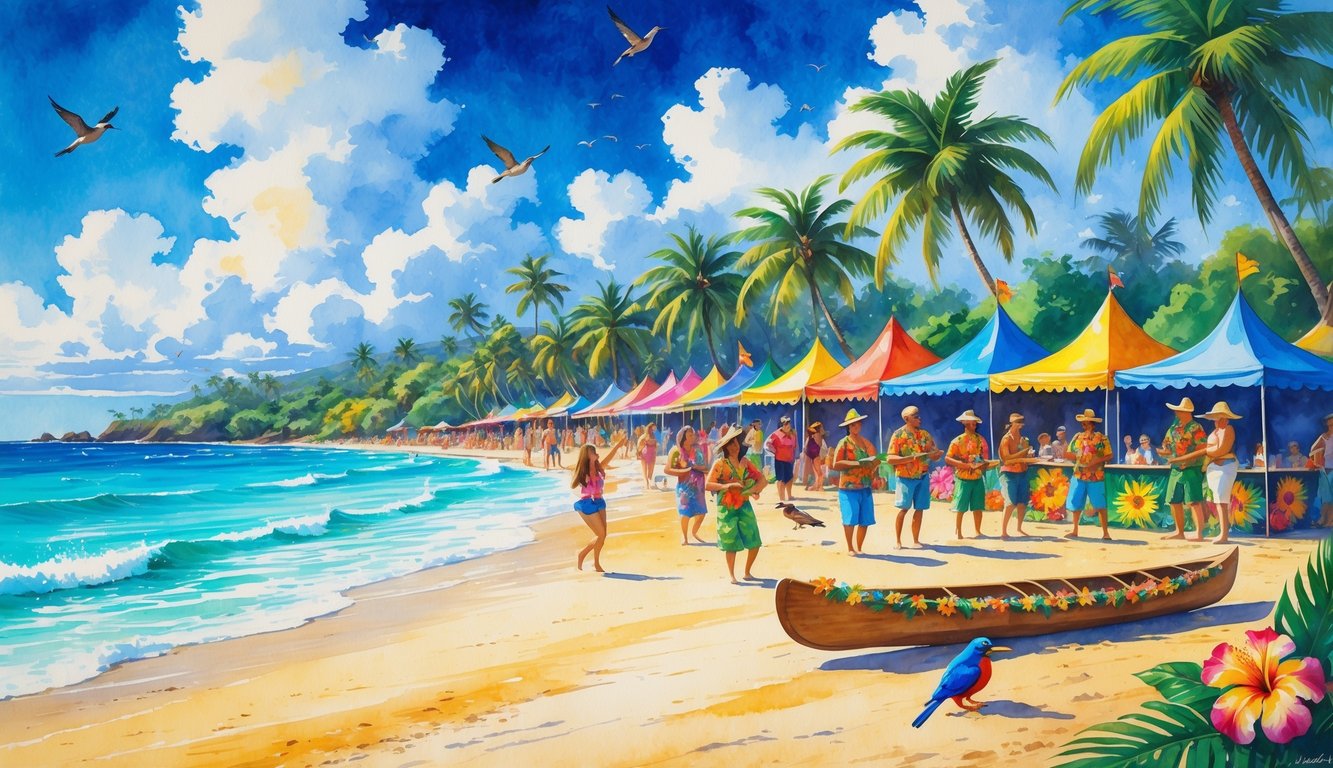
Hawaii’s peak summer months bring many lively festivals and cultural celebrations. Locals and visitors gather to enjoy music, dance, food, and art.
Summer Celebrations and Cultural Events
One of the most celebrated days in early summer is King Kamehameha Day on June 11. Colorful parades feature hula dancers, decorated floats, and the draping of flower leis on King Kamehameha statues.
The King Kamehameha Celebration honors Hawaiian history and unification. Lei Day on May 1 is another highlight.
The Lei Day Celebration starts the month with music, hula, and lei-making contests. People wear and exchange leis to show friendship and aloha spirit.
July is a great time to catch the Prince Lot Hula Festival. Different hālau (hula schools) perform, focusing on non-competitive hula and keeping traditions alive.
Music, Food, and Film Festivals
The hottest months also bring opportunities to enjoy local and international flavors. The Waikiki Spam Jam in late April or early May is a fun street festival with creative Spam dishes and live performances.
Fans of craft beer can visit the Kona Brewers Festival in March, with tastings and pop-up events extending into warmer months. Film lovers can attend the Hawaii International Film Festival, which sometimes offers summer screenings.
Coffee enthusiasts will appreciate the Kona Coffee Cultural Festival. While the main event is in November, summer previews and tastings take place at local farms.
You can read more about summer festivals at Best Time to Visit Hawaii and Hawaii Travel Spot.
Outdoor Activities Beyond the Beach
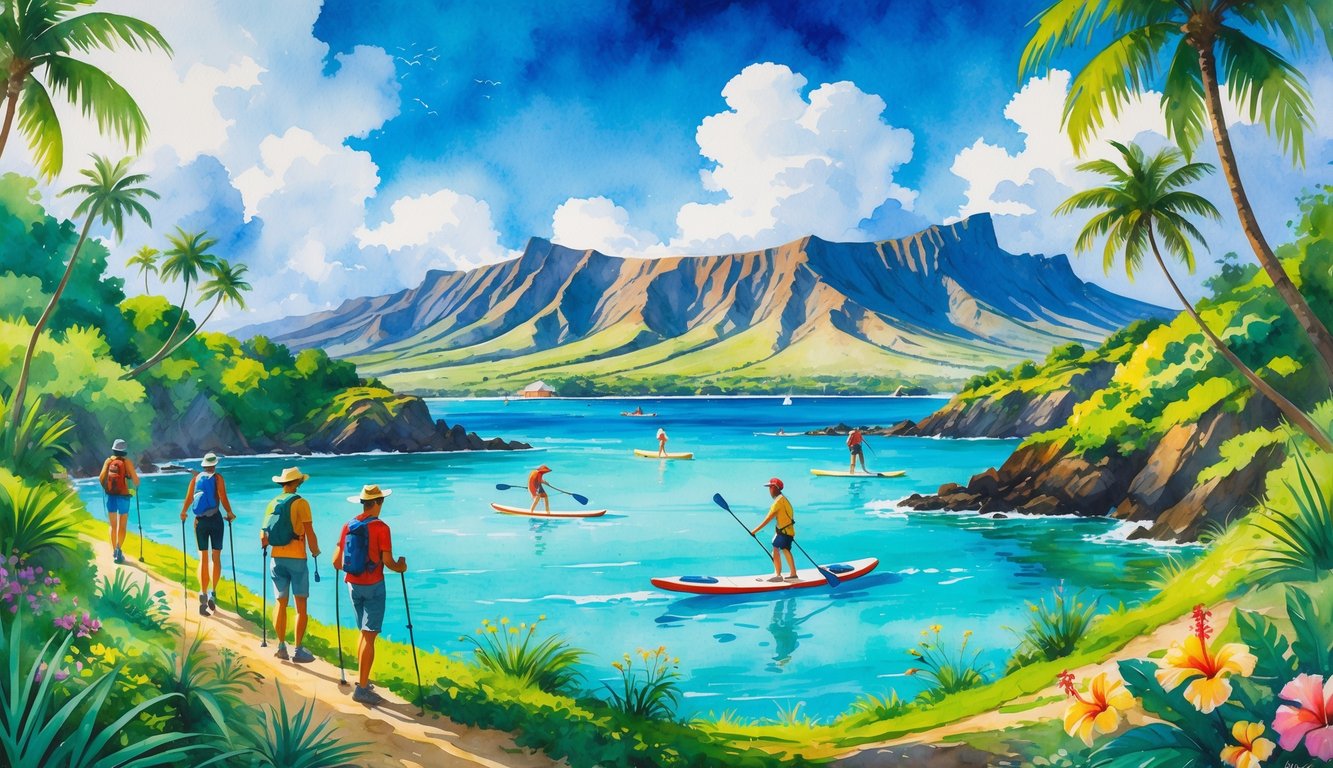
Hawaii’s hottest months are perfect for trying new activities away from the sand. I get to explore green landscapes, see rare wildlife, and experience Hawaii’s volcanic features up close.
Hiking and Exploring Volcanoes
Summer weather helps me plan hikes more easily. Trails are usually drier between June and August, so I can enjoy clear views from higher elevations.
Some of my favorite hiking spots are inside Hawaii Volcanoes National Park. I can walk on trails near Kīlauea and Mauna Loa, two of the world’s most active volcanoes.
I bring extra water and sun protection because lava fields reflect heat. Sunset and early morning hikes feel cooler and are often less crowded.
Mauna Kea is also an impressive place to visit. Even though it’s hot at sea level, the summit can be cold.
I check for road closures and altitude warnings before heading up. Sunrise or stargazing on Mauna Kea is unforgettable.
Hiking safety tips I follow:
- Stay on marked trails
- Carry enough water
- Wear sturdy shoes
- Watch out for loose rocks
Wildlife and Nature Experiences
During the summer, I see more birds and insects on the trails. Along forest paths, I hear native honeycreepers and spot bright-colored plants.
In higher elevations like Mauna Kea and parts of Mauna Loa, I look for rare birds such as the Hawaiian hawk or ‘io. I enjoy visiting botanical gardens early in the day to avoid the heat.
Some gardens offer shaded picnic spots and great views. If I want to see native plants and unique insects, I head up to volcanic slopes.
Guided tours in Hawaii Volcanoes National Park walk through rainforest areas or lava tubes. Many tours share stories about the area’s history, geology, and native species, making each hike a learning adventure.
Travel Tips for Visiting Hawaii in the Hottest Months
When I travel to Hawaii during the hotter summer months, I plan ahead for warmer weather, bigger crowds, and special local experiences. Packing right and knowing what to expect help me enjoy my Hawaiian getaway.
What to Pack and Prepare
I bring lightweight, breathable clothes made from cotton or linen. Sun protection is a must, so I pack reef-safe sunscreen, a wide-brim hat, and sunglasses.
I also carry a reusable water bottle to stay hydrated, since outdoor activities can get hot quickly. Sandals or water shoes work well for the beach, while sneakers are best for hikes.
I keep a light rain jacket in my bag, as some areas can see quick showers, even in summer.
Here’s a quick list I like to use:
| Essentials | Nice-to-Have |
|---|---|
| Sunscreen | Bug repellent |
| Hat & sunglasses | Swim goggles |
| Water bottle | Small backpack |
| Swimsuit | Rash guard |
| Light clothing | Camera |
I check the weather for the island I’m visiting because conditions can vary a lot. It’s easy to get sunburned in Hawaii, so I reapply sunscreen often.
Dealing with Crowds and Peak Season
Summer is one of the busiest times for Hawaii travel. June to August usually means higher prices and more tourists, especially at popular beaches and resorts.
I book flights and hotels as early as possible to get better deals. Many families visit on summer vacation, so I aim for early morning or late evening outings for attractions like Diamond Head or Hanauma Bay to avoid crowds.
If I want a more relaxed trip, I travel during the shoulder season, such as late spring or early fall, which has fewer visitors and lower prices. If summer is my only option, I choose less crowded beaches or local spots recommended by residents.
Alternative Experiences
To get the most out of my Hawaiian getaway, I look for activities away from the busiest places. I enjoy exploring upcountry farms, hiking shaded forest trails, or taking day trips to quieter small towns.
I visit local farmers’ markets in the morning for fresh fruit and handmade goods. Many cultural festivals take place in summer, giving me a chance to learn about Hawaiian traditions.
Snorkeling early in the day helps me avoid both crowds and the hottest sun. For a unique experience, I like night swimming with manta rays or attending an outdoor luau in the evening when it’s cooler.
Comparing Hottest and Coldest Months
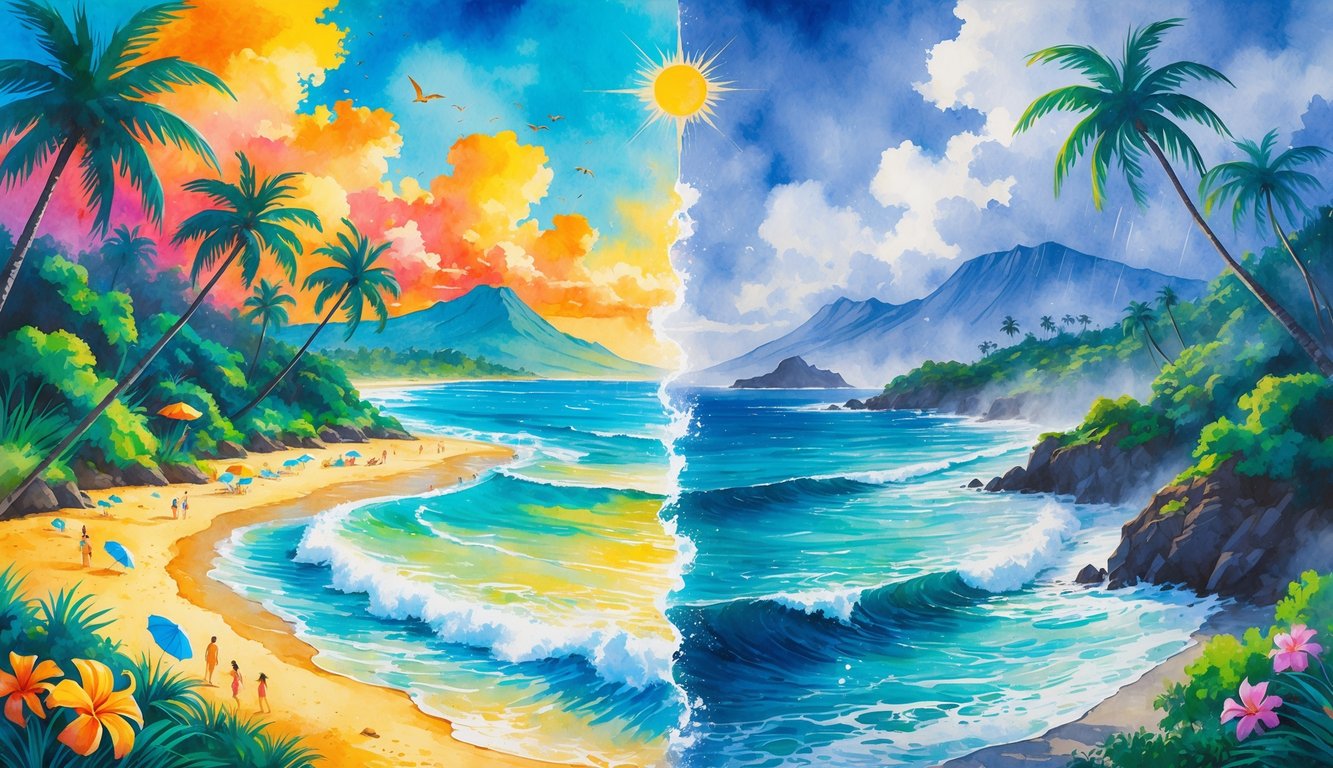
Hawaii’s temperatures stay mild through most of the year. There are still clear differences between the coolest winter months and the warmest summer to early fall months.
These changes affect everything from what to wear to the types of activities I enjoy most.
January in Hawaii
January is often the coldest month in Hawaii. Daytime highs average around 79°F (26°C), while nighttime lows drop to about 65°F (18°C).
In the early mornings and late evenings, I feel a noticeable chill, especially near the ocean. Rain falls more often, making January one of the wetter months.
Cloudy days happen more frequently, but it rarely feels cold by mainland standards. I find a light jacket or sweater helpful, especially after sunset.
Beaches and parks stay open, and they aren’t as crowded as in the summer. I enjoy quieter hikes and fewer people at popular spots.
Swimming is still possible, though the ocean can feel chilly after a while.
February in Hawaii
February feels a lot like January, but it’s usually a little warmer as spring approaches. Daily highs reach about 81°F (27°C), and lows are around 66°F (19°C).
Most days, I can wear shorts and T-shirts comfortably. Rain continues in February, keeping it among Hawaii’s rainier months.
I bring an umbrella or rain jacket if I plan to be outside all day. February is a great time to visit if I want to avoid crowds, since many other places are still cold.
Many travelers come to Hawaii in February to escape winter weather and enjoy mild temperatures. Rain showers are often brief, with the sun returning soon after.
For more details, check out February climate facts at Thrifty Traveler.
April in Hawaii
April brings warmer, drier weather to Hawaii. Daytime highs usually reach 83°F (28°C), and nights stay comfortable, rarely dropping below 68°F (20°C).
I notice longer, sunnier days with less rain than in winter. Spring flowers bloom, and the landscape looks green and fresh.
Outdoor activities like hiking, snorkeling, and visiting waterfalls become more pleasant, since afternoon showers are less common. I can pack lighter clothes and leave heavy jackets at home.
With fewer tourists than in summer, April offers a peaceful atmosphere and plenty of sunshine. The water temperature rises, making swimming more enjoyable without the intense heat of summer.
October in Hawaii
October stays hot in Hawaii and is part of the island’s warmest period. Highs reach about 86°F (30°C), and nights are mild at around 72°F (22°C).
Humidity can be high, so I stay cool with hats and plenty of water. Ocean conditions are ideal for swimming, surfing, and snorkeling.
Rain starts to pick up again, but most days remain bright and sunny. Quick showers often pass fast.
After the summer, tourist numbers drop, so popular destinations feel less crowded. Locals favor October, as the beaches stay warm and there’s more space to relax.
For a detailed look at Hawaii’s temperature changes, see the monthly weather averages.
Other Notable Times and Events
Hawaii offers more than just hot summer days. Special times make travel easier on the wallet, and festivals add a fun twist to a visit.
Shoulder Seasons and Off-Peak Travel
I like visiting Hawaii during the shoulder seasons—April, May, September, and October. During these months, the weather stays warm and pleasant, usually between 75°F and 85°F.
Hotel rates are lower, and the islands feel less crowded compared to summer and winter. This quieter vibe lets me enjoy beaches, hiking, and sightseeing with shorter wait times.
Restaurants and shops feel more relaxed. These months are considered off-peak travel periods, so I get more value for my money.
Whale watching is another highlight from November to May. Humpback whales appear off the coasts, especially near Maui.
I’ve seen whales breaching, making it an unforgettable experience. The best months for whale watching are January through March.
Fall and Winter Festivals
Fall and winter bring lively festivals and events across the islands. I enjoy the Merrie Monarch Festival in April, famous for its hula competitions.
The Waimea Cherry Blossom Heritage Festival in February is perfect for seeing cherry trees in bloom and tasting local foods. The Hawaii International Film Festival happens in November and showcases new movies and local culture.
December brings the popular Honolulu Marathon, where runners from around the world race along beautiful coastlines. If I want a quieter activity, I go whale watching during these months.
The annual Maui Whale Festival in late February and early March celebrates humpback whales with music, parades, and art shows. Exploring these festivals lets me experience Hawaii’s unique traditions and natural wonders.
Hawaii’s Unique Seasonal Experiences
During Hawaii’s hottest months, special events and cultural moments take place. These experiences give me a closer look at local traditions, especially in the summer.
Hawaiian Culture in the Summer
I love how summer brings more festivals and cultural events to Hawaii.
For example, Lei Day happens on May 1st and marks the start of the season. Locals and visitors make and wear colorful flower leis.
People enjoy Hawaiian music and watch hula performances. Neighborhood parks and schools often host celebrations with dance contests and lei-making lessons.
In June, July, and August, warm evenings bring more outdoor concerts and food events. Night markets offer local dishes like poke and shave ice.
If I visit during these months, I experience unique Hawaiian culture in the summer up close. Friendly crowds and activities highlight the islands’ traditions.


