
Living on the Hawaiian Islands, I see how volcanic ash shapes daily life for many communities.

Volcanic ash from eruptions damages homes, impacts health, covers farmland, and disrupts almost every part of life in Hawai`i.
It’s not just a dusting on the ground—ash can harm breathing, irritate eyes, and get into the water people drink.
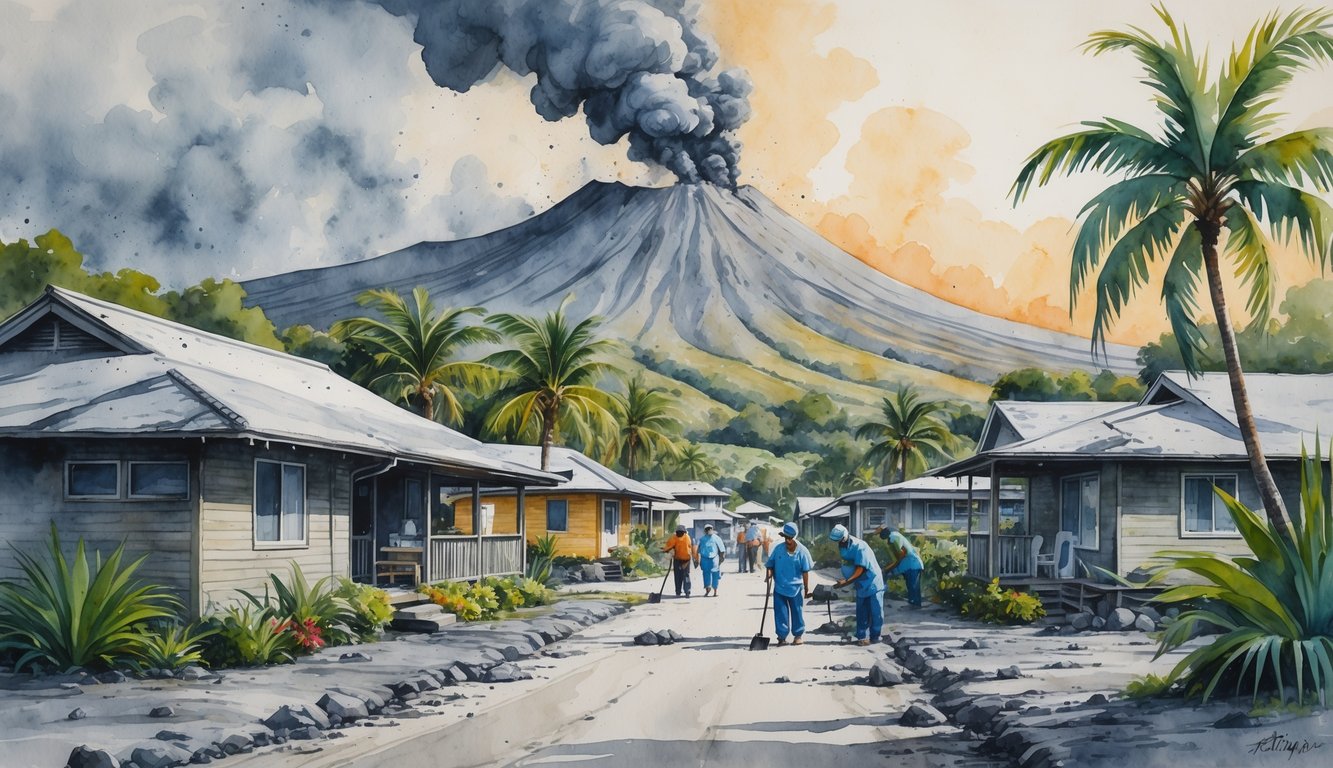
I care about how my neighbors and I handle these challenges.
When ash falls, it causes real problems, like making roads slippery and affecting the food we grow.
If you want to know how volcanic ash changes things for families and the environment in Hawai`i, you’re in the right place.
Understanding Volcanic Ash and Eruptions
When I think about Hawaii and its volcanoes, I picture powerful eruptions and the unique types of volcanic ash they create.
Knowing what volcanic ash is, how it forms, and what makes Hawaiian volcanoes stand out helps me understand the real effects on local people.
What Is Volcanic Ash?
Volcanic ash contains tiny, sharp rock, mineral, and volcanic glass fragments.
Unlike the soft ash from burning wood, volcanic ash is hard, gritty, and does not dissolve in water.
These particles are almost always less than 2 millimeters across.
The texture can feel sandy or powdery, depending on how fine the ash is.
Ash can travel far from the eruption site, carried by wind and falling over towns and nature.
Other important facts:
- Volcanic ash is a kind of tephra, a term for all rock material blown out by a volcano, no matter the size.
- The hard, rough particles are tough on people, homes, cars, and even clean water supplies.
- In Hawaii, volcanic ash is a common result of eruptions and is very different from normal dirt or dust.
To learn more about the physical make-up of volcanic ash, visit the National Geographic resource on volcanic ash.
How Volcanic Eruptions Produce Ash
Volcanoes erupt when magma—molten rock under the Earth’s surface—rises and pushes out through cracks in the Earth.
As magma escapes, it sometimes mixes with gases and blasts pieces of rock and glass into the air.
These particles become volcanic ash.
Explosive eruptions produce the most ash because pressure inside the volcano builds up quickly and then releases with great force.
The ash cloud rises high and spreads over large areas.
The wind carries the ash and it settles down over land as it cools.
While lava flows move slower and stay closer to the volcano, ash affects areas much farther away.
You can find more about how volcanic ash forms during eruptions at the USGS page on volcanic ash and tephra.
Key Features of Hawaiian Volcanoes
Hawaii has some of the world’s most famous volcanoes, like Kīlauea and Mauna Loa.
These are called shield volcanoes because of their broad, gentle slopes shaped by slow-moving lava flows.
Shield volcanoes usually erupt less explosively than other types, but they still create volcanic ash and gases that affect the air and land.
Hawaiian eruptions often send lava out in long streams, but sometimes intense volcanic activity produces bursts of ash and pyroclastic surges.
A big part of Hawaiian eruptions is the steady flow of lava, which changes the land and sometimes cuts off roads or damages property.
Ash and volcanic gases can travel farther and affect air quality for both people and plants.
For more information on the behavior and impact of Hawaiian volcanoes, check the Hawaiian Volcano Observatory’s tephra questions page.
Major Eruptions and Affected Areas
Hawai‘i is home to some of the world’s most active volcanoes.
When eruptions happen, volcanic ash quickly affects communities, disrupts daily life, and poses risks to health and property.
Mauna Loa and Kīlauea Eruptions
Mauna Loa and Kīlauea are the two largest and most active volcanoes on the Island of Hawai‘i.
The USGS Hawaiian Volcano Observatory closely monitors both.
Mauna Loa’s eruptions produce large ash clouds and fine ash that can reach distant areas.
Kīlauea, especially active since the 1980s, sends lava and ash through rift zones to various communities.
During the 2018 Kīlauea eruption, ash plumes rose over 30,000 feet and drifted miles away.
The ash causes breathing problems and makes roads and buildings slippery.
Volcanic ash isn’t soft like wood ash.
It’s hard, gritty, and doesn’t dissolve in water.
This clogs water catchment systems and damages vehicle engines, often leading to costly repairs.
For more details about the makeup and hazards of volcanic ash, visit this overview on human and environmental impacts of volcanic ash.
Impact Zones in Hawai‘i
Some communities face higher risk for ashfall because they sit near eruptive vents or downwind from the volcanoes.
Hilo, Pāhoa, and Kalapana often face heavy volcanic fallout, especially when winds shift during an eruption.
Ash can travel across the island, affecting towns even many miles from the volcano.
Ash fallout disrupts water supplies, covers crops, and can cause power outages by coating power lines.
Local schools and businesses sometimes close, and residents are urged to stay indoors.
Fine volcanic ash in the air is especially irritating to the eyes and lungs.
The USGS provides warnings so people know when to take safety steps.
To learn about how far-reaching and frequent ashfall can be, see this page about widespread volcanic hazards in Hawaii.
Historical Examples of Ash Fallout
Several eruptions in Hawai‘i’s history brought major ashfall.
During the 1935 Mauna Loa eruption, ash and cinders traveled far from the vent and landed on nearby coffee farms and homes.
The 1790 eruption of Kīlauea Volcano was even more dramatic.
Ash layers from that event cover large areas of Hawai‘i island.
People living near rift zones, like Kalapana and lower Puna, often find fields and homes coated with layers of fine, gray ash.
Local reports describe how ashfall affects daily chores, crop growth, and sometimes keeps families indoors for days.
For more detail on how ash fallout affects people and property, the National Weather Service explains how volcanic ash impacts communities near volcanoes.
Environmental Effects of Volcanic Ash
Volcanic ash quickly changes the air, soil, and water in my community.
It does not dissolve in water, is sharp and gritty, and affects the land and people in ways many don’t expect.
Impacts on Air Quality and Volcanic Smog
When ash enters the air, it brings tiny pieces of rock, volcanic glass, and minerals.
These particles are rough and hard, which makes breathing harder for me and the people around me.
Ash clouds block sunlight and make the air look gray or even black during a heavy eruption.
Volcanic gas, especially sulfur dioxide, escapes with the ash.
When it mixes with air, it forms volcanic smog, or vog.
In Hawaii, vog is a big problem because trade winds push it from the Big Island to other islands.
Vog can make my eyes and throat sore and cause coughing.
Ash and vog create serious health concerns for people with asthma or other lung diseases.
Schools and sports may shut down during high ash days.
The U.S. Geological Survey provides helpful info about volcanic ash and its impact on air quality.
Ash-Induced Acid Rain and Vog
When sulfur dioxide and other gases mix with moisture in the air, they create acid rain.
This rain can burn plant leaves and change how clean my drinking water tastes.
The acid also damages crops, making it harder for farmers to grow food.
Vog is a foggy mix of ash and gases.
It can lower the pH of both rain and soil, making water sources acidic.
Acid rain can corrode metal buildings, tools, and cars in my town.
This pollution can also kill fish and other wildlife in local streams.
For me, the damage to plants and water systems means less food from gardens and more repairs for metal pipes and buildings.
You can read more about how volcanic ash and gas emissions lead to acid rain and vog.
Ashfall Effects on Soil and Water
Ash leaves a rough, gritty layer on soil right after it falls.
This layer can block sunlight, slow plant growth, and fill up storm drains.
Sometimes, plant leaves get covered in ash and stop growing well.
Some ash particles change the pH and nutrients in the soil, making it harder for certain plants to survive.
Water systems need cleaning after ashfall.
Ash in drinking water supplies makes water taste bad and clogs filters.
Streams and reservoirs sometimes fill up with ash, which hurts fish and other animals.
Over time, the ash can add minerals that help the soil, but at first, it often harms gardens, farms, and local parks.
I rely on updates from local agriculture groups, which describe how volcanic ash can impact soil and water after eruptions.
Health and Safety Risks to Communities
Living near a volcano in Hawaii means dealing with health risks from ash emissions and volcanic gases.
Ashfall, especially, can lead to both short-term discomfort and long-term health concerns for many people.
Respiratory Health and Skin Irritation
When a volcano erupts, tiny ash particles and gases like sulfur dioxide fill the air. Breathing in these particles can make my throat scratchy and my eyes sting.
People with asthma or other breathing problems have a harder time during eruptions.
Main health risks from volcanic ash include:
- Coughing and sore throat
- Shortness of breath
- Wheezing, especially in kids and older adults
Sulfur dioxide and other gases can create a haze called “vog.” This haze can make my chest feel heavy and cause headaches.
Direct contact with ash can cause skin irritation, rashes, and itchy eyes. I wear long sleeves, use protective masks, and rinse ash off my skin to help protect myself.
The National Weather Service says even light ashfall can affect people far from the volcano.
Risks for Vulnerable Populations
Volcanic ash and gases put certain groups at higher risk. I worry about young children, the elderly, and people with health problems during eruptions because they may have serious reactions.
Those with heart or lung diseases should stay indoors when ash levels are high. Expecting mothers should also take extra care, as ash and gases can affect unborn babies.
According to the CDC, the main vulnerable populations include:
| Group | Extra Precautions |
|---|---|
| Asthma Patients | Use inhalers, avoid outdoor air |
| Elderly | Stay indoors, check on neighbors |
| Young Children | Play indoors, wash hands, wear masks |
| Pregnant Women | Reduce exposure, consult doctors |
Having masks ready and keeping windows closed can lower health risks for these groups. Even people who are usually healthy can feel the effects, but vulnerable groups need to be extra careful during and after an ashfall event.
For more, the CDC shares advice on health effects of volcanic air pollution and ways to manage these risks.
Impacts on Infrastructure and Daily Life
When volcanic ash falls in Hawaii, it causes problems for buildings, roads, and daily services. The ash leads to costly and time-consuming maintenance work that affects many people.
Damage to Buildings and Utilities
Volcanic ash can cause roofs and gutters to collapse under heavy debris. Ashfall acts like fine sand and clogs air filters, damages equipment, and scratches surfaces.
When ash gets inside, appliances and electronics break down more easily. Ash can short-circuit power lines, block water pumps, and harm sewage systems.
Limited visibility from ash clouds makes driving dangerous. This can disrupt mail, food deliveries, and emergency services.
For more details, see the discussion of ashfall hazards and infrastructure.
Wet ash is heavier than dry ash, so storms make infrastructure damage worse.
Infrastructure Maintenance and Cleanup Challenges
Cleaning up volcanic ash is difficult. Fine ash spreads easily and clogs storm drains and air conditioning units.
Local crews may need days or weeks to clear roads and public spaces. This slows daily commutes and business operations.
Special equipment is needed because regular brooms or leaf blowers stir ash into the air. Road crews often use water trucks and vacuums for safe removal.
Workers face health risks, so they must wear masks and protective gear. Fine ash particles can irritate lungs and eyes.
A table of cleanup issues:
| Problem | Impact | Solution |
|---|---|---|
| Clogged Drains | Flooding | Vacuums, flushing lines |
| Air Filter Failure | Engine and HVAC damage | Frequent replacement |
| Dust Clouds | Poor air quality, health problems | Protective gear |
Communities must stay alert for more ash even after an eruption ends. Maintenance teams remain busy and resources can get stretched.
Find more on the cleanup process at the USGS page on volcanic ash mitigation.
Effects on Ecosystems and the Environment
Living in Hawaii, I see how volcanic ash changes the environment. Natural habitats and things we use daily, like farms and water, can be deeply affected when ash falls.
Disruption of Natural Habitats
When volcanic ash lands, it covers forests, grasslands, and beaches. This blocks sunlight and smothers plants.
Birds and insects struggle to find food after their habitats are buried. Native plants with shallow roots may not survive under layers of ash.
Fresh ash creates a rough layer that’s hard for seeds to grow in. Rain can wash ash into streams, muddying the water and harming fish.
Wildlife may become stressed and move away or disappear for years. Some species recover, but others do not.
Over time, nutrients in ash can help new plants grow. This affects how entire ecosystems recover.
Learn more about these effects on ecosystems and biodiversity.
Consequences for Agriculture and Water Systems
Volcanic ash can cover crops, making it hard for them to get enough light and water. Ashfall leads to poor harvests because leaves are coated in gritty dust that damages plant tissue.
This hurts local food supplies and the economy. Ash changes the soil’s pH, making it too acidic or alkaline for some crops.
Farmers often need to test soil nutrients after heavy ashfall and may need to add fertilizers. When ash settles in rivers and rainwater tanks, it reduces water clarity and can carry harmful minerals, affecting drinking water.
Learn more about the effects of volcanic ash on water and soil.
Ash mixed with rain creates thick, sticky mud that clogs irrigation ditches and water pipes. Cleaning up this mess takes time and resources.
Impact on Tourism and Local Economies
Volcanic ash changes how people visit Hawaiʻi and how local businesses make money. The ash affects transportation, parks, and visitor activities.
Travel Disruptions and Closures
When volcanic ash is in the air, airlines cancel or delay flights into and out of Hawaiʻi. Ash clouds cause visibility problems and can damage plane engines.
Airports close for hours or days to keep travelers safe. Roads and highways near volcanoes close, making it hard for tourists to reach popular sites.
National parks sometimes shut down during eruptions to protect visitors. Businesses near closed attractions see fewer customers.
This means fewer tour bookings, empty hotels, and canceled activities. Some visitors avoid Hawaiʻi when eruptions are in the news, even if only one part of the island is affected.
These disruptions can affect other islands since overall tourism might go down. For more, see how volcanic activity has affected travel and closures in Hawaiʻi.
Economic Challenges and Recovery
Tourism is a big part of Hawaiʻi’s economy. When eruptions and ash close tourist spots, many workers lose income.
Hotel staff, tour guides, drivers, and restaurant workers may work fewer hours or lose jobs. The local economy and businesses suffer during major eruptions.
Local shops and farmers also face problems. Volcanic ash can harm crops and reduce food production.
Some areas get new land covered by lava, making it useless for farming. Recovery can take months or years.
Preparedness, Evacuation, and Mitigation Measures
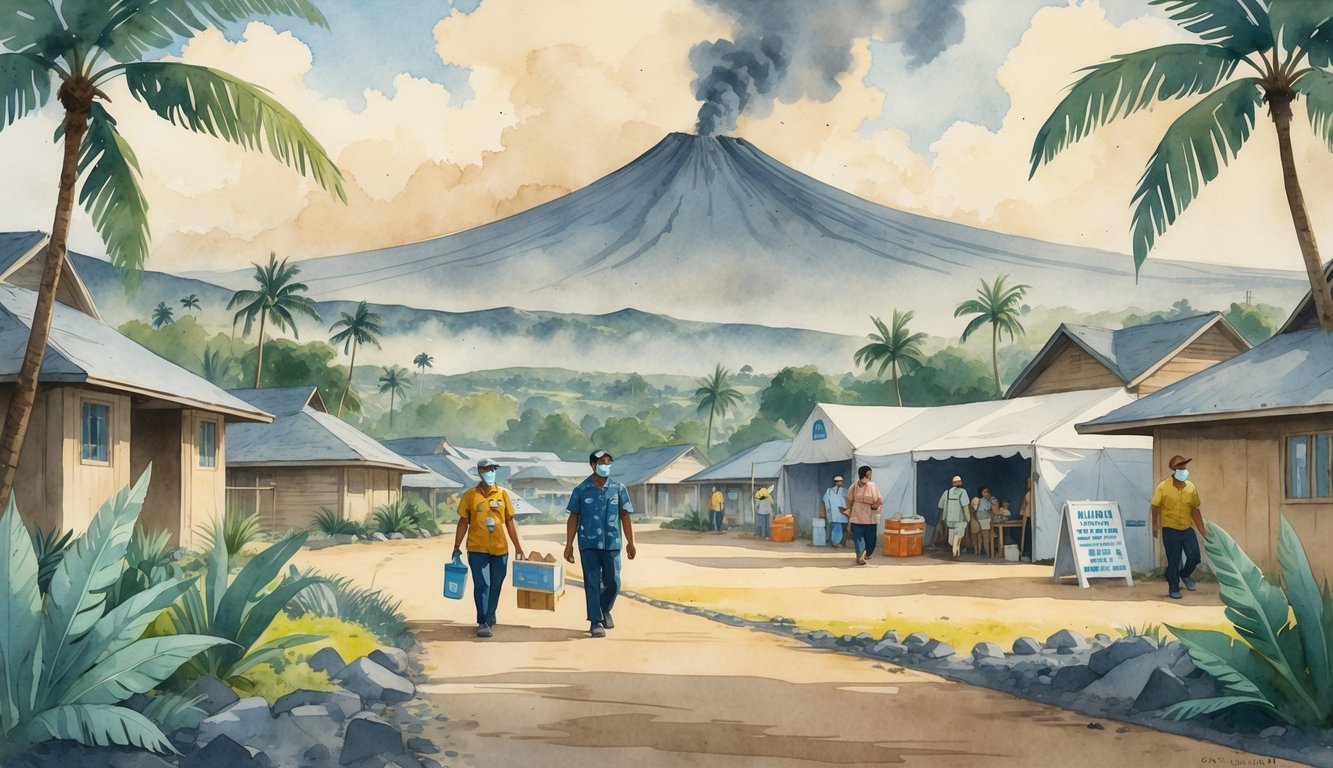
When volcanoes threaten Hawaii, I need to know where the danger zones are and how to respond if an ash cloud is coming. Accurate maps, clear plans, and informed actions help keep people safe.
Hazard-Zone Maps and Monitoring
I use hazard-zone maps to see which areas are most at risk from ash, lava flows, and other hazards. Experts at the Hawaiian Volcano Observatory and public agencies create these maps.
The maps show which neighborhoods and roads could be hit hard if an eruption happens nearby. Real-time monitoring gives me and my neighbors quick alerts if the volcano’s activity changes.
Scientists use equipment like seismographs and gas sensors to watch the volcano 24/7. They share data with the public in updates.
Staying up to date with news and alerts is important for safety and planning.
Community Evacuation Procedures
Well-practiced evacuation plans help everyone know what to do when the alert comes. I pack an emergency bag with essentials: food, water, masks, and important papers.
At school and work, we have drills so I know the best routes out if we need to leave fast. Local officials give step-by-step instructions when eruptions are likely.
Sometimes, I need to follow evacuation orders to avoid breathing ash or blocking emergency workers. Volcanic ash can cause breathing problems and destroy roads, so it’s risky to stay behind.
Groups like the Office of Public Health Preparedness and the U.S. Geological Survey share information about impacts and how to prepare.
Research, Monitoring, and Future Outlook
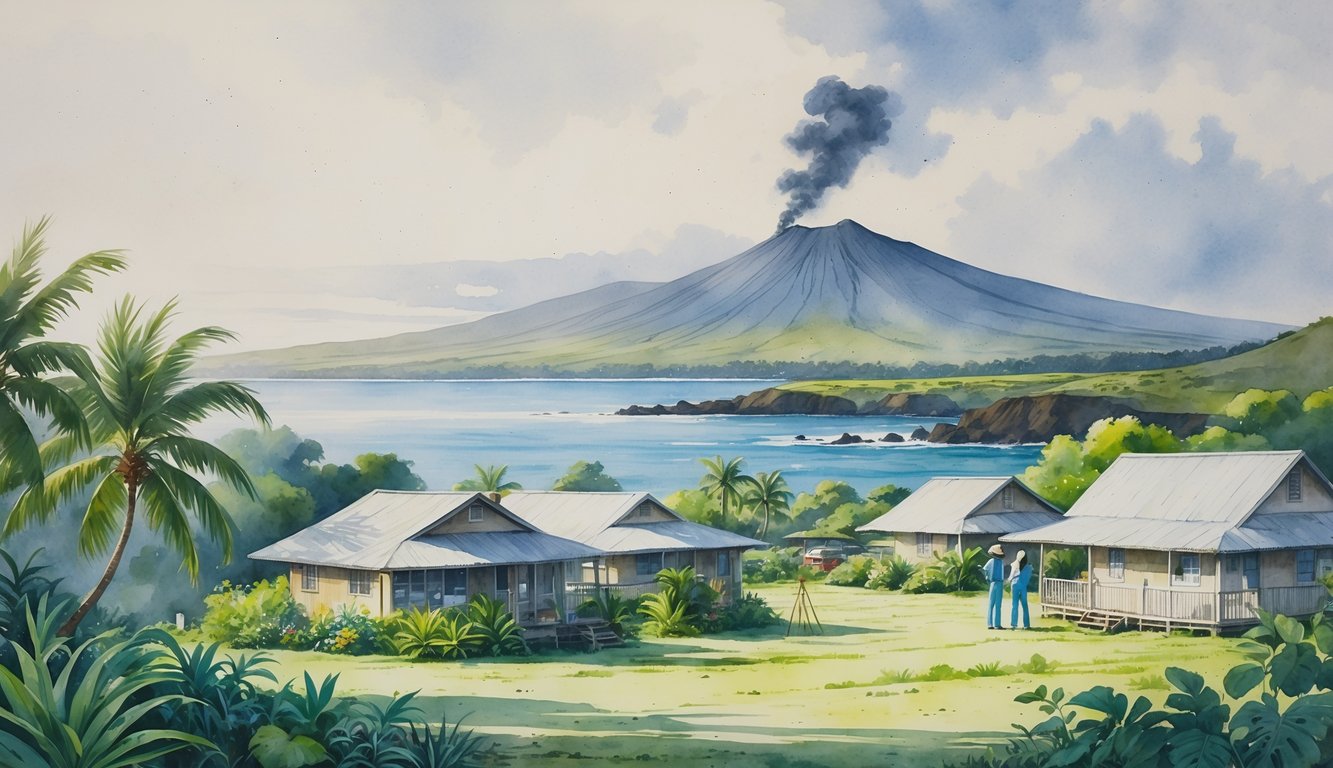
When I think about volcanic ash in Hawaii, I know that staying informed and ready is very important. Scientists use many tools and compare different volcanoes around the world to learn more about dangers and safety for local communities.
Role of the Hawaiian Volcano Observatory
The USGS Hawaiian Volcano Observatory (HVO) closely watches volcanic activity in Hawaii. I rely on their updates to know if an eruption might happen soon.
The HVO tracks earthquakes, volcanic gases, and lava flows. HVO staff collect ash samples and share warnings with the public when levels are high.
They work with emergency agencies to plan evacuations. They deliver alerts through clear messages.
Their research helps protect residents and visitors from air quality problems and possible ash fall. The observatory uses real-time monitoring stations on and near volcanoes.
These sensors help them spot changes quickly. Science teams also study long-term patterns to understand how volcanic ash affects life and health in Hawaii.
Advances in Volcanic Ash Monitoring Technology
New technology helps scientists track changes in volcanic behavior and ash movement. They use sensors, high-speed cameras, and drones to observe eruptions and falling ash.
These tools provide timely information about ash clouds and their paths. Satellites track ash clouds high in the sky.
This technology improves safety for airplanes and people downwind of the volcano. Remote sensing and atmospheric modeling help scientists give early warnings and make better predictions for public safety.
More accurate forecasts now help schools, airports, and hospitals prepare before ash causes problems. Ash sampling and standardized testing methods help researchers understand health risks better.
Experts use daily ash samples to see how eruptions change over time and how long ash risks may last. You can read more about tracking ash changes at Volcanic ash is critical to tracking changes in eruption behavior.
Comparisons With Volcanoes Worldwide
I have noticed that Hawaii’s volcanoes, such as Kīlauea and Mauna Loa, aren’t exactly the same as others like Mount St. Helens. Comparing them helps us understand their differences and similarities.
In the Pacific Northwest, the 1980 Mount St. Helens eruption sent a much more explosive ash cloud into the sky. The ash traveled far and caused problems several states away.
In Hawaii, eruptions usually have less force. However, ash and gases can still move and affect distant communities.
Research teams use lessons from volcanoes like Mount St. Helens to improve safety in Hawaii. They combine data from different volcanoes to plan for health risks and better warnings for future eruptions.
Volcano observatories around the world share technology and strategies. This cooperation helps protect people from ash, earthquakes, and tsunamis linked to eruptions.


