
When I visit Hawaii, I want my trip to be as beautiful for the planet as it is for me. The top eco-friendly hotels in Hawaii let me enjoy the islands’ beauty while making choices that protect the land, water, and wildlife.

Staying at a green hotel feels good and helps Hawaii stay vibrant for future generations.
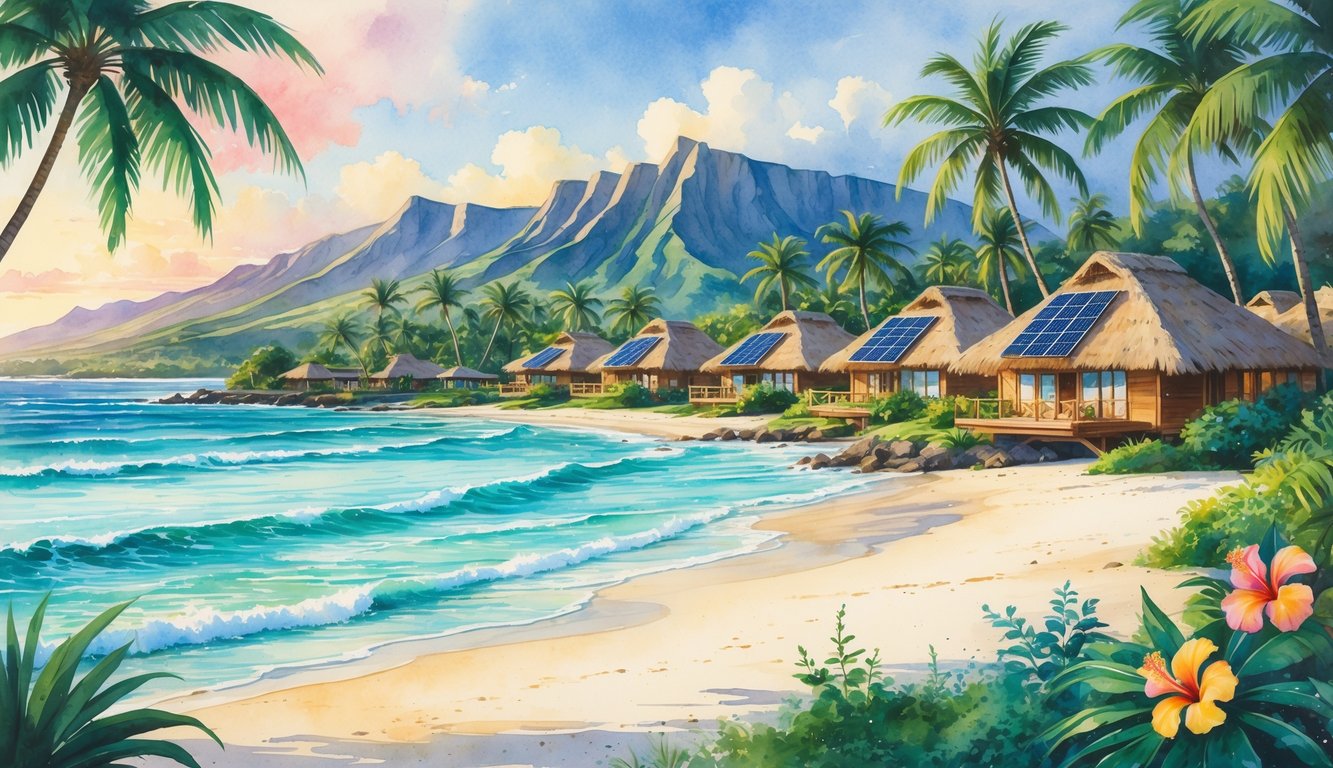
These resorts use solar energy, serve local food, and take real steps to reduce waste. Some hotels work with the community and offer activities that teach me about Hawaiian nature and culture.
My search for the best places led me to amazing options, from rainforests on the Big Island to beaches on Oahu.
If you’re ready to relax in paradise and make a positive impact, check out my favorite picks for eco-friendly hotels in Hawaii that prove you don’t have to sacrifice comfort for sustainability.
What Makes a Hotel Eco-Friendly?
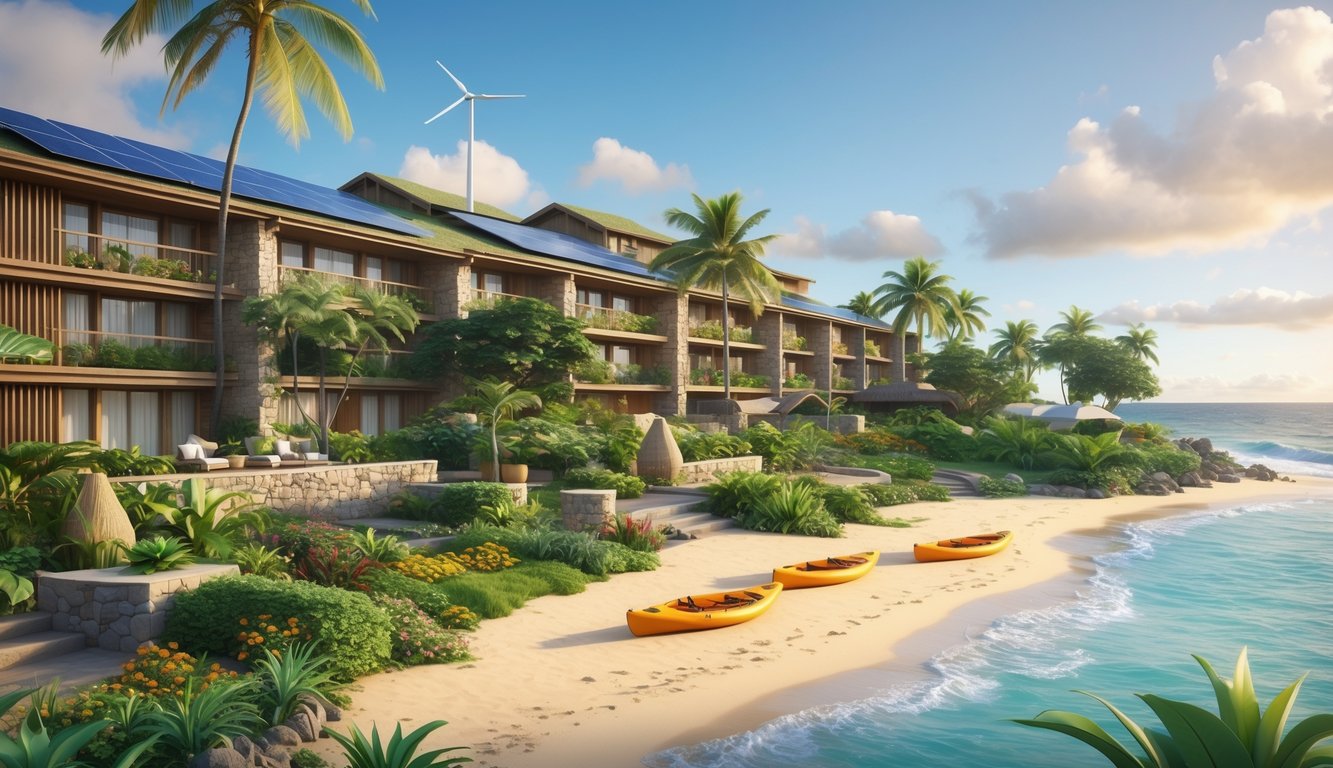
Eco-friendly hotels do more than make “green” claims. I look for real steps that lower their carbon footprint, such as using renewable energy and smart waste management.
It’s not just about appearances. The hotel’s design, energy use, and daily choices protect the local environment.
Sustainable Building Materials
I pay close attention to how a hotel is built. The best eco-friendly hotels use sustainable building materials like bamboo, reclaimed wood, or recycled steel.
These choices reduce damage to forests and cut pollution from manufacturing. Some buildings have LEED certification, which means they meet strict standards for energy saving and environmental responsibility.
Using local materials supports nearby businesses and lowers pollution from shipping. Green roofs, natural paints, and non-toxic adhesives also make these hotels safer for guests and the planet.
The Volcano Eco Retreat in Hawaii, for example, uses bamboo construction and local, eco-certified building supplies.
Renewable and Solar Energy Implementation
Clean energy matters a lot to me. Hotels that use solar panels or renewable energy reduce their use of fossil fuels and help fight climate change.
Solar panels power lights, water heaters, and sometimes entire hotel wings. Some resorts even use their own wind turbines.
By switching to renewable sources, hotels generate most or all of their electricity on-site. Some properties let guests tour their solar fields or share real-time energy savings data.
Energy-efficient lighting, heating, and cooling systems further cut energy use. These efforts lower greenhouse gas emissions and make each stay less dependent on non-renewable sources.
Water Conservation Practices
In Hawaii, water is precious. I look for smart water conservation features like low-flow toilets, showerheads, and faucets.
Some hotels collect and filter rainwater for gardens or laundry. Landscaping also makes a difference.
Many properties choose native or drought-resistant plants, which need less water and care. Irrigation systems often use sensors to avoid wasting water after rain.
Some hotels treat and reuse “greywater” from sinks or laundry for watering their grounds. These steps help keep local ecosystems healthy and support sustainable tourism.
Waste Management and Recycling
Effective waste management and recycling set great eco-hotels apart. I appreciate hotels that provide compost bins in rooms or public areas, making it easy to separate food scraps from trash.
Many hotels avoid single-use plastics by offering refillable bottles, glass pitchers, or bulk bathroom amenities. Recycling stations throughout the property help sort plastic, paper, and metal for proper pickup.
Back-of-house crews compost food waste and partner with local farms to keep scraps out of landfills. Some properties post stats about how many tons they divert from dumps each year, showing their eco-friendly dedication.
Benefits of Choosing Eco-Friendly Hotels in Hawaii

When I stay at an eco-friendly hotel in Hawaii, I help protect the islands’ natural beauty and unique wildlife. My trip supports sustainable travel and responsible tourism, making every visit better for the environment and the local community.
Reducing Environmental Impact
Choosing eco-friendly hotels lets me cut down on my carbon footprint. Many green hotels in Hawaii use solar or wind energy, energy-efficient lighting, and limit single-use plastics.
Water-saving devices, like low-flow showerheads and toilets, are common in these places. Some properties use rainwater catchment systems and compost their organic waste.
By picking a hotel that recycles and uses renewable energy, I make a positive difference for the island’s land and oceans. The careful design and daily operations reduce pollution and preserve resources.
Simple choices, like reusing towels or choosing eco-friendly transportation, help me reduce waste on my trip.
Supporting Local Conservation Efforts
Eco-friendly hotels often work closely with local conservation groups to protect Hawaii’s wildlife and natural habitats. Some hotels sponsor programs to save native plants, restore beaches, or protect coral reefs.
Many properties take action with reforestation projects or support efforts to limit invasive species. When I choose these hotels, I contribute to on-the-ground conservation.
Some eco-resorts invite guests to join activities like planting native trees or participating in beach cleanups. These hotels often educate guests about Hawaii’s unique biodiversity.
Staff may lead guided hikes to teach me about native birds or offer talks about protecting fragile ecosystems. This makes my travel experience meaningful and educational.
Promoting Sustainable Living While Traveling
Staying at a sustainable hotel shows me how easy it is to live in a more environmentally friendly way, even while traveling. Hotels in Hawaii often source food from local farms, offer organic menu options, and use eco-friendly bath products.
These steps limit long-distance shipping, cut down on emissions, and support local farmers. Some resorts make it easy for me to recycle, compost, or refill water bottles.
I also get the chance to learn about renewable energy and sustainable building materials. Being surrounded by responsible travel practices reminds me that my choices matter.
By supporting sustainable tourism, I help set an example for others visiting Hawaii. For more on how these stays work, check out this list of the top eco-friendly resorts in Hawaii and their green initiatives.
Top Eco-Friendly Hotels in Hawaii
I search for eco-friendly accommodations that stand out for real sustainability, beautiful locations, and unique experiences. Both resorts below use green building practices, renewable energy, local food, and conservation efforts to lessen their impact on the islands.
Hawaii Island Retreat
When I want a true escape, Hawaii Island Retreat offers a peaceful, eco-luxury setting on the Big Island’s north Kohala coast. The property focuses on conservation with solar power, rainwater catchment, and organic gardens.
The retreat grows much of its own produce, which ends up in delicious farm-to-table dishes. Guest rooms and yurts use natural materials and are spaced for privacy.
There are hiking trails, yoga spaces, and a saltwater pool, along with quiet spots to meditate. Wildlife and native plants fill the surrounding forest and meadows, keeping me close to nature.
Hawaii Island Retreat supports the local community with green jobs and cultural experiences. As one of the best eco-resorts in Hawaii, it’s perfect for relaxation and learning more about sustainability—more info at this eco-lodge in Hawaii.
Maui Eco Retreat
My stay at Maui Eco Retreat feels like stepping into a nature sanctuary. Located on Maui’s lush north shore, this eco-lodge uses renewable energy, solar hot water, and strict waste reduction.
Landscaped gardens grow tropical fruit and flowers I can enjoy. Many of the buildings use local bamboo and reclaimed wood.
Activities here let me reconnect with nature, including guided rainforest hikes and yoga outdoors. Each guest space is designed with airflow and breezes to cut down on energy use.
Quiet and privacy are key, surrounded by natural streams and views of the Pacific. The retreat offers classes on permaculture, meditation, and Hawaiian cultural traditions.
With these touches, Maui Eco Retreat stands out as one of the top eco-lodges in Hawaii, mixing sustainability with comfort—you can see more at the best eco-friendly resorts in Hawaii.
Best Eco-Resorts in Maui

Maui is home to eco-resorts that protect the environment and support local businesses. I’ve found properties that use renewable energy, serve local food, and make it easy to explore nature.
Fairmont Kea Lani
The Fairmont Kea Lani blends luxury with genuine care for the planet. This resort uses solar power, smart irrigation, and energy-saving lights to reduce its impact on Maui’s natural resources.
They provide water refill stations, which helps cut back on single-use plastic bottles. The on-site restaurants use fresh, locally sourced ingredients, so every meal supports Hawaiian farmers and reduces shipping.
If I want to learn more, the hotel runs programs about Hawaiian culture and the ecosystem. Kids get their own eco-activities, teaching them about the island’s plants and animals in a fun, hands-on way.
There’s also a community garden and bee program at the resort. The Fairmont Kea Lani is a popular choice among Maui eco-friendly hotels, and I think the mix of sustainability and comfort is hard to beat.
Local Eco-Friendly Resorts on Maui
I’ve found several local spots that put sustainability at the heart of what they do. The Maui Eco Retreat is solar powered, collects rainwater, and has its own organic garden.
This off-the-grid place lets me unplug, relax, and feel close to the land. Some other small eco-lodges use only safe cleaning products and focus on protecting Maui’s rare plants.
They often partner with local guides for quiet hiking or eco-tours, which help me see hidden waterfalls or learn about native wildlife without harming the environment. Many of these resorts serve fruit and vegetables grown nearby, supporting local agriculture and keeping everything fresh.
By booking these places, I know my stay helps both the ecosystem and small Maui businesses. I always look for accommodations with practical initiatives, like waste reduction and support for local crafts, because those efforts really matter.
Eco-Friendly Resorts on the Big Island
On the Big Island of Hawaii, I found two eco-lodges that lead in sustainability and luxury. They blend natural beauty with eco-friendly practices, giving unique ways to enjoy Hawaii responsibly.
Four Seasons Resort Hualalai
When I visited the Four Seasons Resort Hualalai, their focus on the local environment impressed me right away. The resort uses solar energy, maintains native gardens, and supports local farms by featuring fresh, organic produce in their restaurants.
The resort sits right by the beach, surrounded by lava rock and greenery. They run a water recycling system that helps reduce water waste across the property.
Some rooms and villas use sustainable materials. The resort offers eco-tours where I learned about Hawaiian wildlife and culture.
I joined activities like snorkeling in protected waters and guided nature walks. These made it easy to explore responsibly.
Key eco-friendly features:
- Solar power and recycled water systems
- Organic, locally sourced food
- Conservation-focused tours and activities
Learn more about eco-resorts on the Big Island
Volcano Eco Retreat
At Volcano Eco Retreat, I enjoyed a peaceful escape in the rainforest near Hawaii Volcanoes National Park. The retreat uses bamboo and salvaged wood, showing strong green building practices.
Solar panels provide all the power, and rain catchment supplies the water. I noticed they cut down on waste with composting toilets and eco-friendly cleaning products.
The retreat grows many breakfast ingredients in its on-site organic garden. My stay included easy access to hiking and bird-watching, with chances to see native plants and wildlife.
Every detail minimizes impact and preserves the quiet beauty of the forest.
Sustainability highlights:
- Solar energy and rainwater catchment
- Composting and eco-friendly supplies
- Natural setting with rainforest views
Check out more about eco-lodges like Volcano Eco Retreat
Sustainable Resorts on Oahu and Kauai
When I travel and want to help the planet, I look for hotels that use less energy, reduce waste, and support their local communities. Eco-friendly resorts in Hawaii make it easy for me to relax and still care for the environment.
Turtle Bay Resort
I found that Turtle Bay Resort on Oahu truly commits to sustainability. The hotel uses solar panels to cut down on electricity from non-renewable sources.
Each room has smart technology to control air conditioning, saving energy when I’m not there. Locally sourced and organic food is a big part of their menu, letting me taste Hawaii while supporting island farmers.
The resort runs its own recycling program and encourages guests to recycle. I also like that they work to reduce single-use plastics.
They protect the land and ocean around their property. I can spot native wildlife from the walking trails.
For more details on what makes Turtle Bay unique among eco-friendly resorts in Hawaii, this is my go-to place on Oahu.
Luxury Eco-Friendly Accommodations

When I look for luxury eco-friendly accommodations in Hawaii, I want comfort and style but also want to support hotels that care for the environment. These places offer premium amenities and focus on sustainability with energy-efficient systems, eco-luxury programs, and careful conservation.
Mauna Kea Beach Hotel
Mauna Kea Beach Hotel blends luxury with a strong commitment to the environment. Along the sunny Kohala Coast, the hotel uses energy-efficient lighting and water conservation systems.
The property sources much of its food from local farms, reducing shipping emissions and supporting island sustainability. They protect and manage their beach to help native wildlife like sea turtles thrive.
I enjoy their large outdoor pool or walk on the white-sand beach, both kept clean without harsh chemicals. The rooms use natural ventilation and smart climate control, staying comfortable without wasting energy.
The hotel offers guest programs on local conservation and Hawaiian culture. For more info, see this Mauna Kea Beach Hotel eco-luxury overview.
The Fairmont Orchid
The Fairmont Orchid offers an eco-luxury experience and award-winning spa facilities. The resort sits on 32 acres with lush gardens and a peaceful lagoon.
The Fairmont uses solar power, recycles water in landscaping, and avoids single-use plastics. Their spa uses organic, locally sourced products.
The outdoor pool and common spaces use energy-saving technologies. The resort invests in coral reef preservation and native plant restoration programs.
Whenever I dine on-site, I see menus highlight local seafood and produce, cutting down the hotel’s carbon footprint. Fairmont Orchid’s sustainability details can be found in this eco-friendly resort guide.
Westin Hapuna Beach Resort
Westin Hapuna Beach Resort takes sustainability seriously with energy-saving designs and water reuse systems in all their luxury accommodations. They use LED lighting, climate-smart landscaping, and refillable bottles in each room.
Their beachfront is protected to help native species and prevent erosion. The infinity-edge outdoor pool uses saltwater systems, which means fewer chemicals and a better swimming experience.
I find recycling stations everywhere, making it easy to reduce waste during my stay. Westin’s dining options highlight organic and locally sourced food.
The resort partners with local conservation groups to educate guests about the environment and Hawaiian culture. Learn more at this list of green hotels in Hawaii.
Key Eco-Friendly Practices in Hawaii’s Hotels
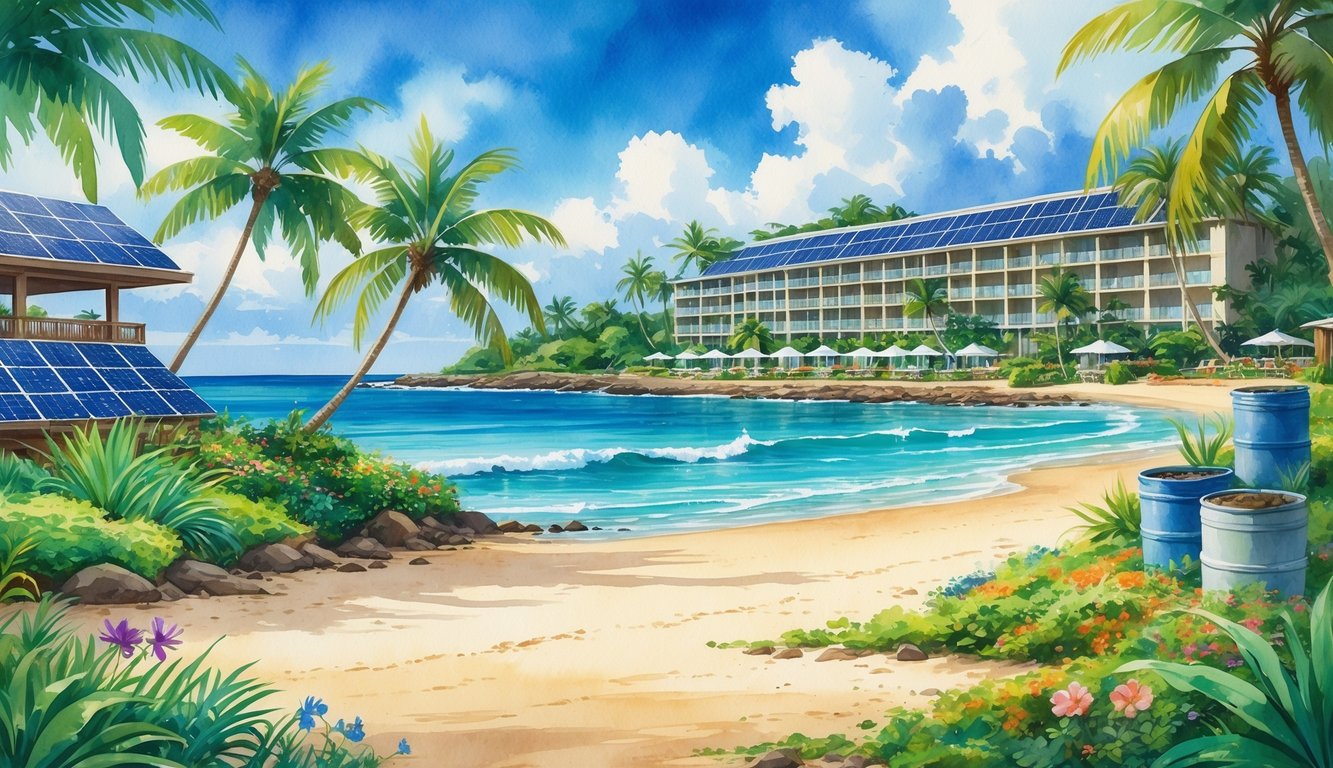
Many hotels in Hawaii work hard to protect the islands’ natural resources. They focus on saving water and growing their own organic food to give guests a greener stay.
Rainwater Harvesting and Water Efficiency
Water is precious in Hawaii, especially on smaller islands. Many eco-friendly hotels use rainwater harvesting systems to catch and store rain.
These systems reduce the need for groundwater and municipal water. Rainwater gets filtered and used for watering gardens, flushing toilets, or laundry.
Some resorts use low-flow fixtures and efficient irrigation. These changes save water and money while lowering the impact on local supplies.
By adopting water-saving habits and new technology, places like the Four Seasons Resort Hualalai and other top hotels make sure to use water wisely.
Common water-saving practices I’ve seen:
- Rain barrels and cisterns
- Drip irrigation in landscapes
- Water-efficient bathrooms
Organic Gardens and Local Produce
I love to see hotels with organic gardens. Many of the best sustainable hotels in Hawaii grow their own fruit, vegetables, and herbs right on-site.
Guests can enjoy meals made from the freshest organic produce. These gardens reduce the distance food travels and lower the carbon footprint.
Hotels that focus on organic ingredients avoid harmful chemicals and pesticides, keeping the local soil and water cleaner. Restaurants in these resorts often feature farm-to-table menus and dishes using garden produce.
The Surfjack Hotel stands out for its focus on locally-sourced food. Some places run cooking classes or garden tours, letting guests learn about growing and preparing organic food.
Popular organic garden features:
- Edible landscapes and herb beds
- Composting food waste back into the garden
- Serving seasonal menus with organic ingredients
Immersive Eco-Tourism Experiences
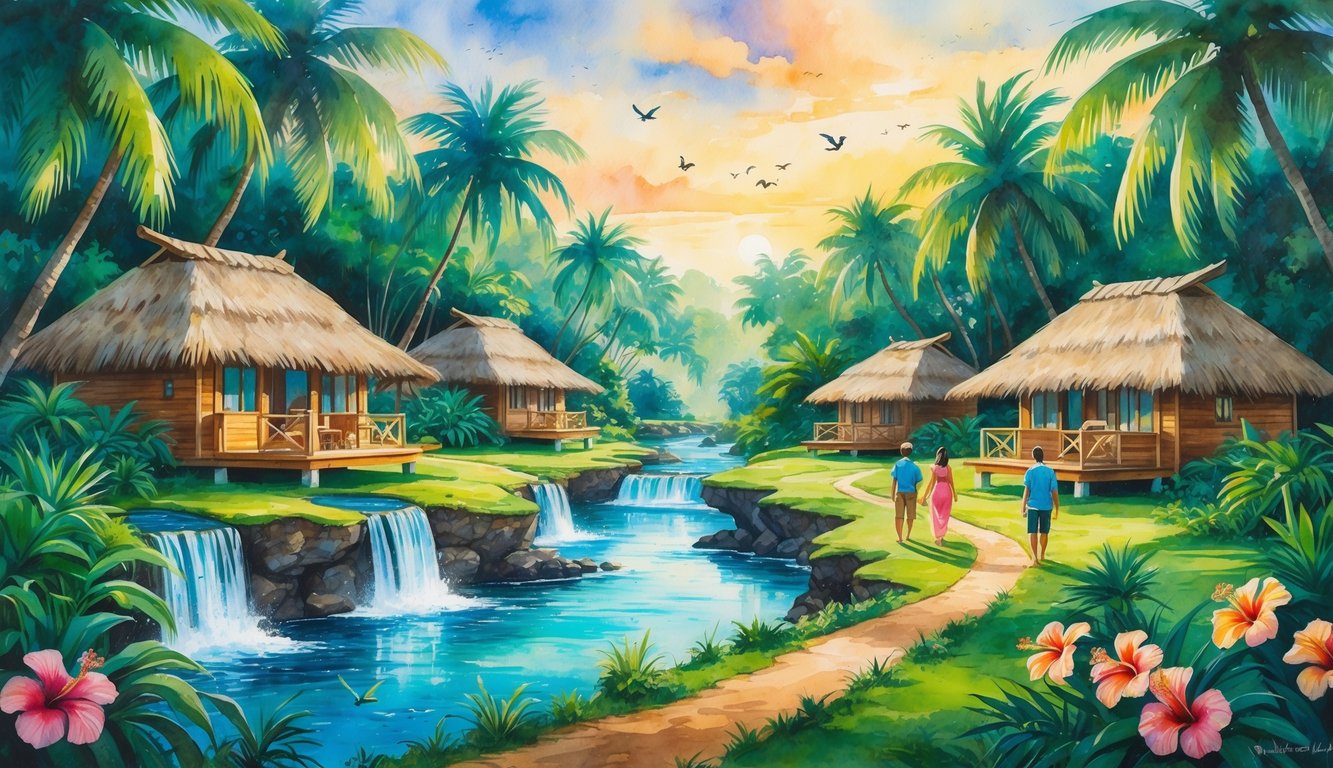
When I stay at an eco-friendly hotel in Hawaii, I don’t just relax—I get the chance to explore, protect, and learn. These experiences make my trip special and help me understand the islands better.
Wildlife Conservation and Biodiversity Protection
Many eco-resorts support native wildlife and preserve local biodiversity. I joined volunteer programs where guests help plant native trees or remove invasive species.
Some hotels work with nonprofits to save endangered sea turtles and rare birds. Guided nature walks let me spot native plants, birds, and insects up close.
Hotel gardens often use local, drought-resistant greenery. At eco lodges in Hawaii, I learned about traditional farming and forest restoration projects.
Eco-Tours and Outdoor Activities
I enjoy that eco-friendly hotels offer unique ways to explore the outdoors. Guided hikes through volcano parks, waterfall swims, and snorkeling trips are common.
Local guides share tips on how to protect the environment while exploring. Some trips use solar-powered boats, and others offer off-the-grid experiences like visiting organic farms or learning about sustainable fishing.
Hotels often provide a table listing available eco-tours, including hike length, difficulty, and wildlife I might see. For example:
| Tour Name | Activity | Wildlife Spotted |
|---|---|---|
| Rainforest Walk | Guided hike | Native birds, insects |
| Coastal Snorkel | Underwater tour | Colorful fish, turtles |
| Waterfall Swim | Short hike, swim | Native plants |
These activities make every day of my trip both adventurous and meaningful.
Yoga Studios and Wellness Retreats
I recharge in natural settings at Hawaii’s eco-friendly hotels. Many hotels offer on-site yoga studios with daily classes and beautiful outdoor views.
Practicing yoga outside or in a bamboo pavilion helps me connect with the island’s peaceful atmosphere. Some hotels also have spa facilities that use organic and locally sourced products.
I often book a massage or meditation session after a busy day of hiking. Places like Maui Eco Retreat combine yoga, wellness, and sustainability, offering outdoor showers and scenic relaxation areas.
They support my well-being in harmony with nature. For more about these experiences, check offerings at eco resorts in Hawaii.
Culturally Responsible and Sustainable Travel
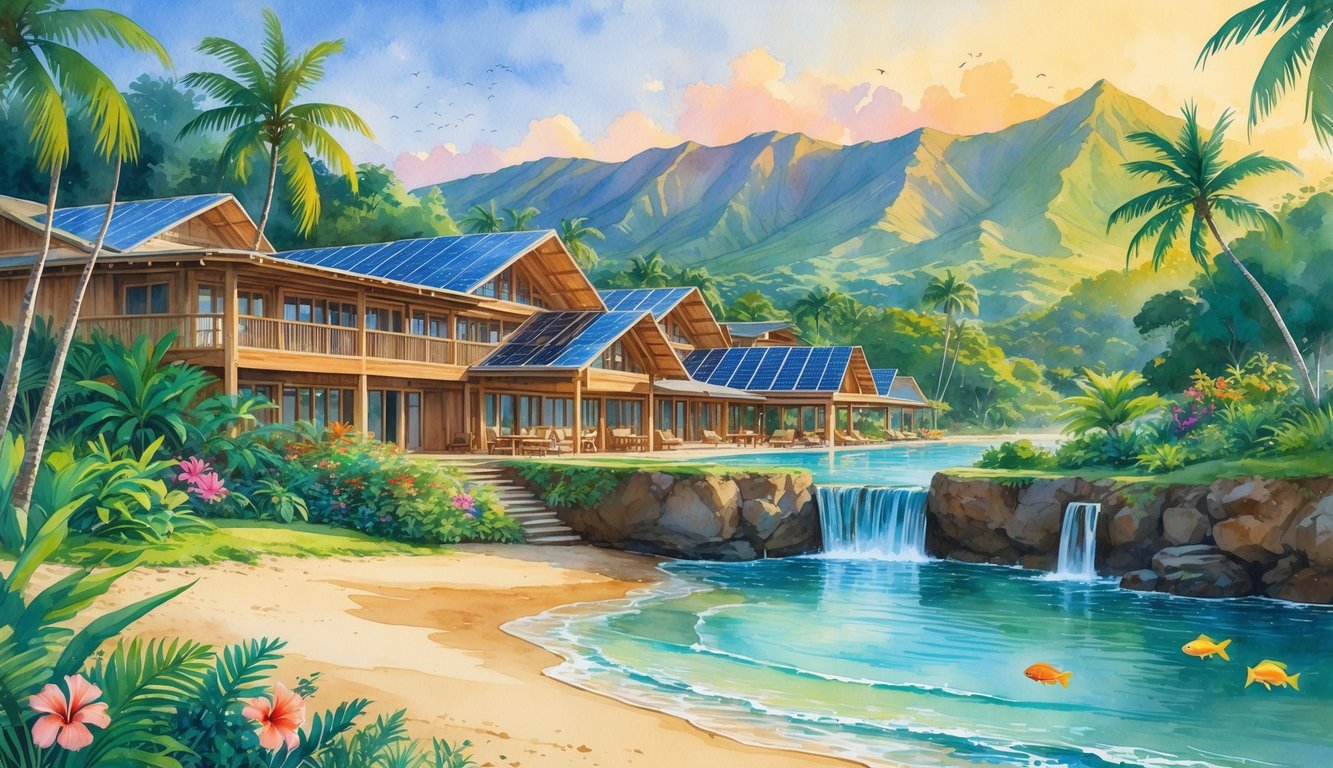
When I look for eco-friendly hotels in Hawaii, I care about more than solar panels or recycling bins. Supporting local communities, respecting Hawaiian culture, and protecting native plants all make my Hawaiian vacation feel right.
Supporting Local Businesses and Communities
I try to book stays that give back to the island. Many eco-resorts partner with local farmers, fishers, and craftspeople for food, decor, and activities.
When I eat fresh fruit at breakfast or see art from local artists around the hotel, I know my money helps Hawaiian families and small businesses. Some resorts offer tours led by local guides or support nearby non-profits through donations and volunteer opportunities.
Many eco-lodges hire local staff, which helps keep jobs on the islands. Choosing locally owned hotels and experiences helps the community thrive and lets me feel connected to the real Hawaii.
Celebrating Hawaiian Culture and Traditions
Respecting Hawaiian culture is important to me when I travel. A culturally responsible hotel connects me with traditional Hawaiian practices and stories.
Some resorts invite guests to join lei-making workshops or learn hula dancing in a respectful, educational setting. Many hotels host weekly luaus or music performances that highlight Hawaiian history and beliefs.
Local people often teach these experiences and explain the meaning behind each song, dance, and craft. I appreciate when hotels include the Hawaiian language on signs and let guests know about cultural protocols like caring for the land, or malama ‘aina..
Incorporating Native Plants and Landscaping
I always notice when a resort uses native Hawaiian plants in its gardens and landscaping.
Sustainable hotels choose to grow local plants because these plants use less water, support local wildlife, and protect Hawaii’s environment.
Some of the most eco-friendly resorts create gardens with ohia lehua, kukui, maile, and hibiscus—plants important to Hawaiian culture and history.
These gardens look beautiful and educate visitors with signs that share plant names and their uses in Hawaiian life.
Choosing native plants helps stop the spread of non-native species.
This protects Hawaii’s delicate ecosystems.
On my Hawaii travel adventures, I see how these practices show respect for local culture.
They help keep the islands unique and healthy for the future.
Many eco-resorts highlighted at Hawaii’s eco-friendly resorts focus on landscaping with native plants.


