
Surfing in Hawaii excites many people, and for good reason. The Hawaiian Islands offer some of the best surf spots in the world, with waves for both beginners and experts.

You can find mellow beach breaks or legendary big waves, so every surfer has something to enjoy here.
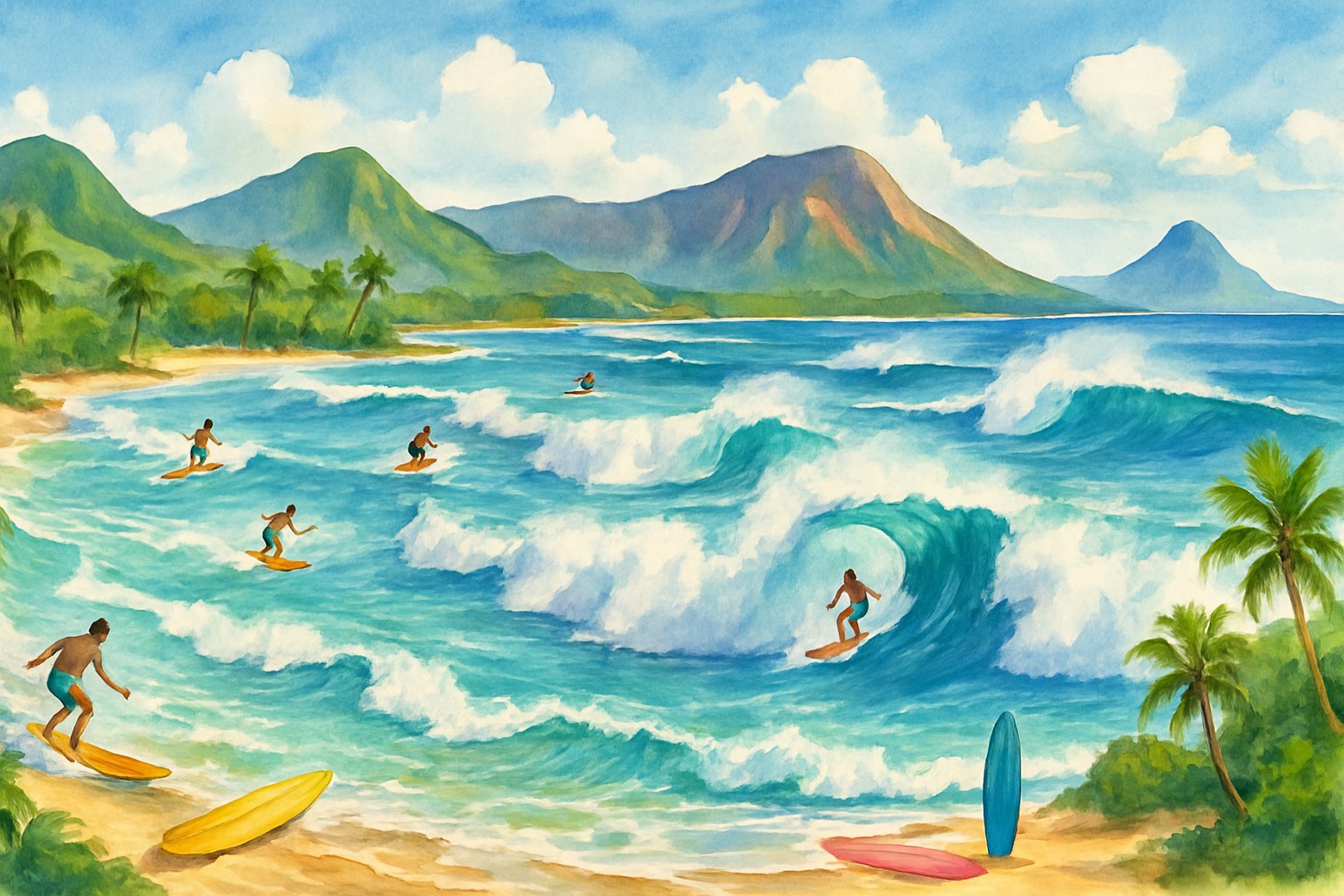
When I explored the top surfing spots across Hawaii, I found that each island has its own special places to catch a wave.
Oahu’s North Shore is famous, but Maui, Kauai, and the Big Island also offer great surf destinations.
If you’re planning a trip or just curious, you’ll want to know where to find the best waves in the islands.
Let me show you my favorite surf spots, from easy beaches for beginners to famous breaks that challenge even the best.
Get ready to explore the beauty and excitement of surfing in Hawaii.
Why Surfing in Hawaii is Unique
Surfing in Hawaii stands out for its deep cultural roots, historic legends, and the variety of world-famous surf breaks.
Every wave carries a unique story, from ancient traditions to modern competitions.
Cultural Heritage of He’e Nalu
Heʻe nalu, the Hawaiian name for surfing, has shaped island life for hundreds of years.
For Native Hawaiians, surfing was more than a sport—it was a spiritual practice and a way to connect with the ocean.
People used handmade wooden boards, sometimes carved from koa or ulu trees.
Chiefs and royalty surfed alongside commoners, and people often called it the “sport of kings.”
Today, surfers still show respect for the water and for each other.
Knowing I am part of such an old tradition makes each session feel special.
You can read more about Hawaii’s rich surfing tradition at Surfing in Hawaiʻi – The Sport of Kings.
Legend of Duke Kahanamoku
Every surfer should know the name Duke Kahanamoku.
He was born in Honolulu in 1890 and helped shape modern surfing.
Duke won Olympic gold medals as a swimmer for the United States and later introduced surfing to places like California and Australia.
Duke’s surfing skills were legendary, but I am most inspired by how he shared aloha, the Hawaiian spirit of kindness, with the world.
Statues and yearly surf competitions across Hawaii honor him.
When I paddle out in Waikiki, I remember Duke’s example and values.
For more about legendary Hawaiian surf culture, check out this guide on surfing in Hawaii.
Wave Sliding and Surf Breaks
Hawaiians first called surfing “wave sliding,” riding waves while standing or lying down.
Today, we call it surfing, and Hawaii is famous for its powerful and beautiful surf breaks.
Each island offers top surf spots.
Oahu’s Banzai Pipeline features giant barrels.
Maui’s Jaws can see waves over 60 feet tall.
Gentle breaks in places like Waikiki are perfect for beginners and longboarders.
The variety means I can always find a spot that matches my level and mood.
See a list of the best 10 waves in Hawaii here for famous breaks and what makes each one unique.
Understanding Surfing Conditions Across the Islands
When I plan a surfing trip in Hawaii, I check water temperature, wave size, and the types of beaches each island has.
These factors help me choose the right gear, stay comfortable, and surf safely.
They also make every island’s experience unique.
Water Temperature and Climate
The water around the Hawaiian Islands stays warm and welcoming most of the year.
Ocean temperatures usually range from 75°F to 82°F (24°C–28°C).
In winter, I sometimes wear a thin wetsuit top.
In summer, I usually need only swim trunks or a rash guard.
Hawaii’s tropical climate brings warm air, mild winds, and steady sunshine.
The warmest months, from June to October, feel best for long surf sessions.
North shores can feel cooler in winter with extra wind and rain, but I rarely need heavy gear.
Seasonal Swell Patterns
Hawaii’s famous swells come from its location in the open Pacific Ocean.
Winter is big wave season on the north and west shores of Oahu, Kauai, and Maui.
These spots, like Pipeline and Waimea Bay, attract expert surfers with waves that often reach 15 to 30 feet or more.
In summer, the south shores get more waves, bringing smaller, smoother sets perfect for learning.
The best time for big waves is November to March.
June through September is best for gentle rollers.
I always check forecasts before heading out because surf size can change quickly.
Beaches like Waikiki and Launiupoko are much calmer in summer compared to wild winter swells at Sunset Beach.
Types of Waves and Beaches
Each island has unique wave breaks and beach layouts.
Hawaii offers everything from gentle, sandy-bottom breaks for beginners to powerful reef breaks for experienced surfers.
Beginner-friendly spots like Waikiki and Kihei Cove have soft, rolling waves that are great for learning.
Advanced surfers head to reef breaks such as Pipeline, Sunset Beach, and Jaws.
These breaks have steep, fast waves over shallow reefs, creating dramatic rides.
My favorite mellow days happen on long, gentle waves at places like Canoes or Kahalu’u, where sandy beaches and smaller swells make for relaxed sessions.
For a detailed list, I check resources like the best surf spots in Hawaii.
Oahu: Famous Surfing Beaches
Oahu features some of the most legendary surfing spots in the world.
These beaches offer a range of wave types, beautiful scenery, and a unique surf culture that draws people from everywhere.
North Shore of Oahu
When I think of Oahu’s North Shore, I picture long stretches of golden sand and clear water.
This area is famous for big winter swells that create challenging waves for expert surfers.
In summer, the waves shrink, making it a great place for beginners to try smaller surf.
Locals and visitors come here during surf competitions to watch top athletes ride the waves.
The North Shore is often called the heart of the surfing world because so many famous spots are close together.
Along the seven-mile miracle, I can find everything from fast barrels to rolling waves for practicing new skills.
The small towns on the North Shore let me experience Hawaiian culture and great food.
From friendly people to surf shops and food trucks, there’s always a laid-back vibe.
This spot is a must-visit for any surfer in Hawaii.
For more information on this area, visit the list of best surfing locations in Oahu.
Pipeline at Ehukai Beach
Pipeline, or Banzai Pipeline, sits at Ehukai Beach and is famous for its powerful, hollow waves.
When I’m on the sand here, I see why it’s one of the most challenging surf spots.
The waves break over a shallow reef, creating perfect tubes that need skill and timing to ride.
Pipeline draws expert surfers from around the world each winter during surf contests.
Watching a surfer drop into a huge barrel here is unforgettable.
This spot is dangerous for beginners because the reef is sharp and the currents are strong.
Even if I don’t surf, the energy from the crowd and the view of surfers make Pipeline exciting.
Some of the biggest events of the surfing season happen here.
Read more about Pipeline as one of Hawaii’s top surf waves.
Waimea Bay
Waimea Bay is known for giant winter waves that can reach over 30 feet high.
When the surf is up, only big wave surfers paddle out, while crowds gather on the beach to watch.
I’m amazed by the skill and courage needed to ride waves this massive.
In summer, Waimea Bay becomes a calm place for swimming and relaxing.
During peak surf season, it transforms into a stage for world-famous contests.
Waimea Bay is important in surfing history for starting big wave riding in the 1950s and 60s.
The bay’s dramatic cliffs and wide sandy beach match the excitement in the water.
This spot is special for both watching and the unique challenge it gives legendary surfers.
Sunset Beach
Sunset Beach stretches for about two miles and is another iconic surf spot on Oahu’s North Shore.
I love coming here because the waves change shape and size with the seasons.
In winter, the surf can be fierce and powerful, attracting pro surfers and competitions.
The beach is wide, with plenty of space to watch or relax.
Sunset’s waves break in several sections, letting skilled surfers show off different moves.
Sometimes, professionals train here before big contests at other spots.
If I’m not surfing, Sunset Beach is a great place to walk, watch the sunset, and enjoy the peaceful vibes.
The beach is also famous for its role in world’s best surf competitions.
Everyone can experience Hawaii’s surf culture up close here.
Maui: Iconic Surf Breaks
Maui is home to some of the most well-known surf beaches in Hawaii.
Each spot has its own unique vibe, from expert-only reefs to beaches where both surfers and windsurfers enjoy the waves.
Honolua Bay
Honolua Bay sits on the northwestern coast of Maui. This world-class surf break is famous for its long, clean right-hand waves.
The wave quality here can be stunning, especially during the winter when swells come from the north. I love how the bay sits in a natural amphitheater, making it easy to watch talented surfers.
When conditions line up, Honolua Bay delivers multiple sections perfect for carving and long rides. The takeoff can be tough, and the crowd often includes skilled locals.
There is no sandy entry. The bottom is rocky and sometimes slippery, so booties help.
Besides surfing, the bay’s clear water and vibrant coral attract snorkelers when the surf is down. Out of all places on Maui, Honolua Bay has the best wave on the island.
Only experienced surfers should paddle out during bigger swells.
Kapalua
Kapalua, just south of Honolua, feels different from the dramatic reef setups elsewhere on Maui. The beach is small and crescent-shaped, with white sand and clear water.
Kapalua works well for beginners or anyone wanting mellow waves. The surf here isn’t as consistent or powerful as other north shore breaks.
During small swells, the waves remain gentle and forgiving. It’s a peaceful place to practice paddling and pop-ups.
Lifeguards watch over the area, which gives peace of mind. Kapalua is a family-friendly spot, and many people learn to surf or paddleboard here.
Windsurfers visit on windy days, though they usually prefer nearby bays with stronger winds. The scenery is beautiful, with palm trees and resorts in the background.
Kanaha Beach Park
Kanaha Beach Park sits east of Kahului, near the airport. It’s one of the largest beach parks on the island.
Kanaha stands out for its fun surf and great windsurfing conditions. Trade winds blow here almost every day, attracting windsurfers from all over.
Kanaha has several wave zones. The inside is good for beginners, with softer rolling waves and lots of space.
The outer reefs get bigger, so advanced surfers find strong lefts and rights. On a good day, surfers enjoy long rides and open faces perfect for turns.
Facilities include plenty of parking, picnic tables, and bathrooms. I always appreciate the relaxed vibe and friendly crowd.
The mix of surfers, paddleboarders, and windsurfers makes Kanaha lively without feeling too crowded. For lessons or gear rental, several shops are nearby, making it easy for first-timers to get started at Kanaha Beach Park.
Surfing Adventures on Kauai
Kauai has beaches with waves for both beginners and advanced surfers. This island also offers other fun activities like snorkeling near the shore after a surf session.
Best Surfing Spots in Kauai
Some of my favorite surfing spots on Kauai include Hanalei Bay, Shipwreck Beach, and Keālia Beach. Hanalei Bay stands out for its long sandy stretch and waves that suit different skill levels.
In the winter, Hanalei Bay often has bigger waves that challenge advanced surfers. In the summer, the surf is gentler, which is perfect for beginners or anyone who wants to practice.
Shipwreck Beach is on the south shore. The waves here can get strong, especially when the swell comes in.
I caution beginners to watch the conditions, but experienced surfers will find it exciting. Keālia Beach on the east coast is wide and usually has consistent waves.
There’s plenty of room for everyone to spread out and enjoy the surf. These beaches are popular with both locals and visitors looking for reliable surf.
Find more about these locations at top surfing spots in Kauai.
Mixing Surfing With Snorkeling
After catching a few waves, I like to check out the underwater life. Kauai is known for clear water and colorful fish near the reefs.
At Hanalei Bay, calm spots near the pier are good for snorkeling. I often spot turtles and many different fish.
Sometimes I visit Anini Beach because its fringing reef keeps the waves small. This makes snorkeling safe and easy after surfing.
Families often paddle out, surf a little, and then slip on fins and masks. Mixing surfing and snorkeling helps me make the most of a day at the beach, especially on Kauai where both the surf and reefs are close to shore.
Exploring Big Island’s Surf Scene
The Big Island offers a mix of surf spots, from gentle waves for beginners to challenging breaks for seasoned surfers. Its coastline features unique surf conditions with stunning views and inviting beaches.
Big Island Surf Breaks
I find the Big Island’s waves less crowded, making it a good choice for a relaxed session. Kahaluʻu Bay is my favorite for mellow swells, perfect for practicing without pressure.
During winter months, Honoliʻi Beach comes alive with bigger sets that attract experienced surfers. Some breaks, like Banyans near Kona, offer consistent surf and a fun local vibe.
Pine Trees is a spot where I’ve met friendly wave riders, and it’s known for long rides and a variety of peaks. The island’s southern spots, like Pohoiki, also have unique breaks, though I always check the latest conditions since volcanic activity sometimes changes the shoreline.
Here’s a list of popular surf breaks I’ve enjoyed:
- Kahaluʻu Bay
- Honoliʻi Beach Park
- Banyans
- Pine Trees
- Pohoiki
For more information about Big Island surf spots, check out this guide to Big Island surf breaks.
Noteworthy Beaches and Surf Schools
Some beaches are especially good for learning, and I often see beginners taking surf lessons at Kahaluʻu Beach Park. This spot has gentle waves, soft sand, and easy access to rental shops.
If you’re around Kona, you can visit shops like Kahaluʻu Bay Surf & Sea for equipment and surf tips. Anaehoʻomalu Bay (A-Bay) is another spot with a friendly atmosphere and smaller waves.
When I tried lessons there, instructors focused on safety and technique, making it great for all ages. On the Hilo side, Honoliʻi is popular with advanced surfers, but instructors are often nearby for those looking to improve.
Look for local surf schools that offer small class sizes and personalized coaching. Many lessons on the Big Island include board rentals and a rash guard, making it simpler for travelers.
A great resource for surf schools and lesson spots is this page on Big Island surf lessons and beaches.
Top Surfing Beaches for All Skill Levels
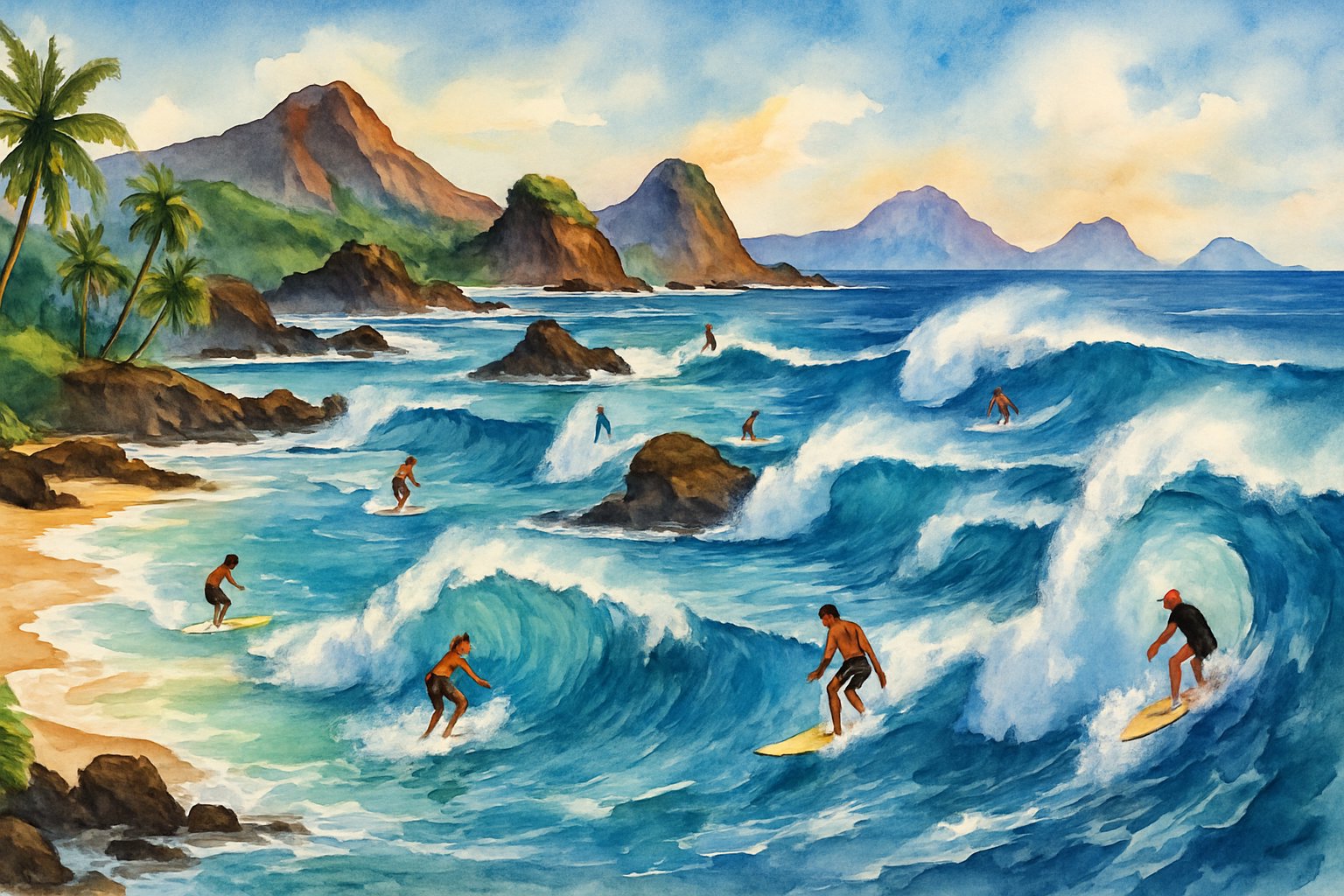
Hawaii has beaches for everyone. Some areas have steady waves for learners, while others offer real tests for skilled riders.
Longboarders also find plenty of smooth breaks to enjoy.
Intermediate Surfers’ Hotspots
Once I felt comfortable with the basics, I looked for beaches with challenging but safe conditions. Kalama Beach Park on Maui stands out for me.
The waves here are consistent and not too big, which is perfect for practicing turns. The water gets busy, so I learned how to watch out for other surfers.
Canoes in Waikiki is another top choice. The gentle waves are forgiving, yet there’s enough action to keep things interesting.
This area has plenty of surf schools nearby if I need help. I also recommend Kihei Cove on Maui for building confidence.
The shallow reef and easy take-offs make it easier to learn new skills.
Challenges for Advanced Surfers
When I want to test my limits, Hawaii offers some demanding spots. Pipeline on Oahu’s North Shore is legendary for its giant barrels and fast-breaking waves.
I only paddle out here if I’m sure of my skills—it can be dangerous, even for experts. Waimea Bay impresses me with its massive winter swells.
The waves can rise over 20 feet and break powerfully. I always check conditions, bring the right board, and never surf alone at Waimea.
Freight Trains in Ma’alaea is sometimes called the world’s fastest wave. It’s only for experienced surfers when it breaks.
The ride is fast, and wipeouts can be rough. Surfers looking for a challenge should try Pipeline or Waimea Bay during the big swell seasons.
Popular Longboard Locations
Longboarding feels best on slow, rolling waves. Canoes beach in Waikiki is famous for this.
The gentle break gives me time to walk the board and practice new moves. The scenic backdrop adds to the fun.
Beach parks like Kalama and Kihei Cove on Maui are also great for longboarders. Their mellow waves make them local favorites, especially for beginners and anyone looking to cruise.
I love visiting Kalapaki Beach on Kauai. The small, soft waves are ideal for long rides.
Each of these spots lets me focus more on style and less on power, making every session relaxing and fun.
Beyond Surfing: Island Activities and Conservation
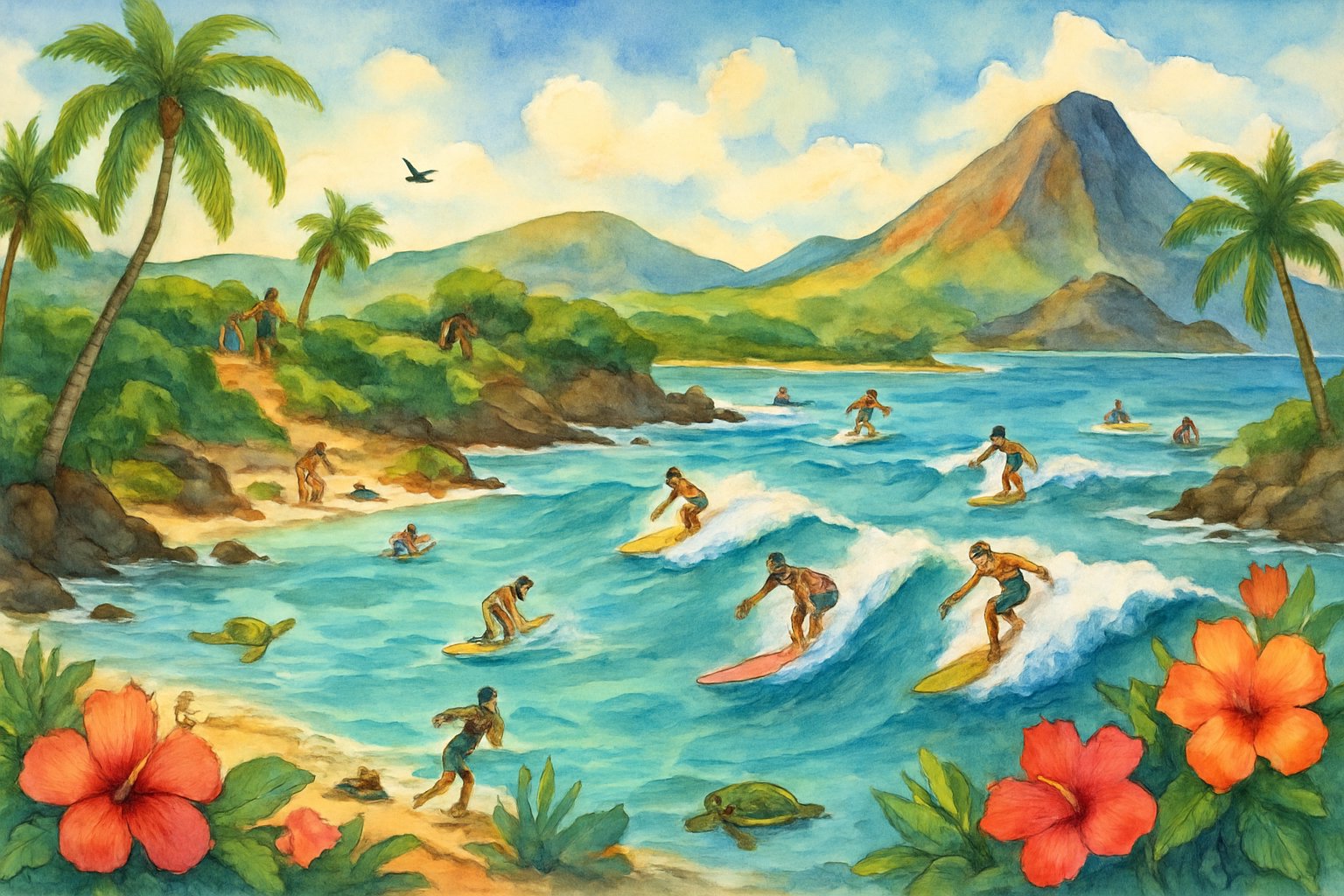
After catching waves, I like to explore how Hawaii protects its seas, the charm of its small towns, and exciting water sports. These activities help me learn more about the islands and their natural beauty.
Protecting Hawaii’s Marine Ecosystems
I see efforts everywhere to keep Hawaii’s ocean healthy. Conservation programs protect coral reefs and sea life, and I follow their tips.
I avoid stepping on coral and use reef-safe sunscreen to help reduce harm. Local groups clean beaches and support rescue efforts for sea turtles and seals.
Volunteering with clean-up teams or choosing eco-friendly boat tours makes me feel good about my trip. Signs at surf spots remind me that simple actions, like keeping plastic out of the water, matter.
Sometimes I join guided snorkeling tours that teach visitors about native species, fishing rules, and ongoing projects. To learn more about marine protection, I look up local guidelines or join events with marine conservation groups.
Beachside Towns: Lahaina, Honolulu, Ka’anapali
I often visit nearby towns full of life and history after spending time at the beach. Lahaina once served as the capital of the Hawaiian Kingdom.
Shops and museums line Front Street. I visit art galleries or try local seafood.
In Honolulu, the Waikiki area mixes city energy with old Hawaiian culture. I walk along the beachside paths.
I check out street markets for snacks and souvenirs. Ka’anapali feels quieter but is popular for its long boardwalk.
Many people enjoy sunset spots and beachfront cafés in Ka’anapali. I find food trucks and small stores that offer local flavors.
I meet friendly people in these towns. Each place has a unique vibe.
Water Sports and Windsurfing
Surfing is just one of many water sports in Hawaii.
I often see windsurfers riding waves along Maui’s north shore, especially near beaches like Ho’okipa.
Strong winds and steady surf attract windsurfing fans to this spot.
Kayaking and stand-up paddleboarding are also popular.
I find it easy to rent boards or book lessons at beach rental shops.
Sometimes, I join guided tours to see hidden coves or spot turtles.
On windy days, I watch beginner windsurfing classes.
Instructors teach people of all ages, and I enjoy seeing their progress.
Trying new water sports lets me explore more of the coastline and meet other ocean lovers.


