
Hawaii’s Big Island offers more variety than any other island in Hawaii. You’ll find active volcanoes and quiet beaches, blending natural beauty with rich cultural history.

The top things to do on the Big Island let you see its unique landscapes, wildlife, and traditions in just one trip.
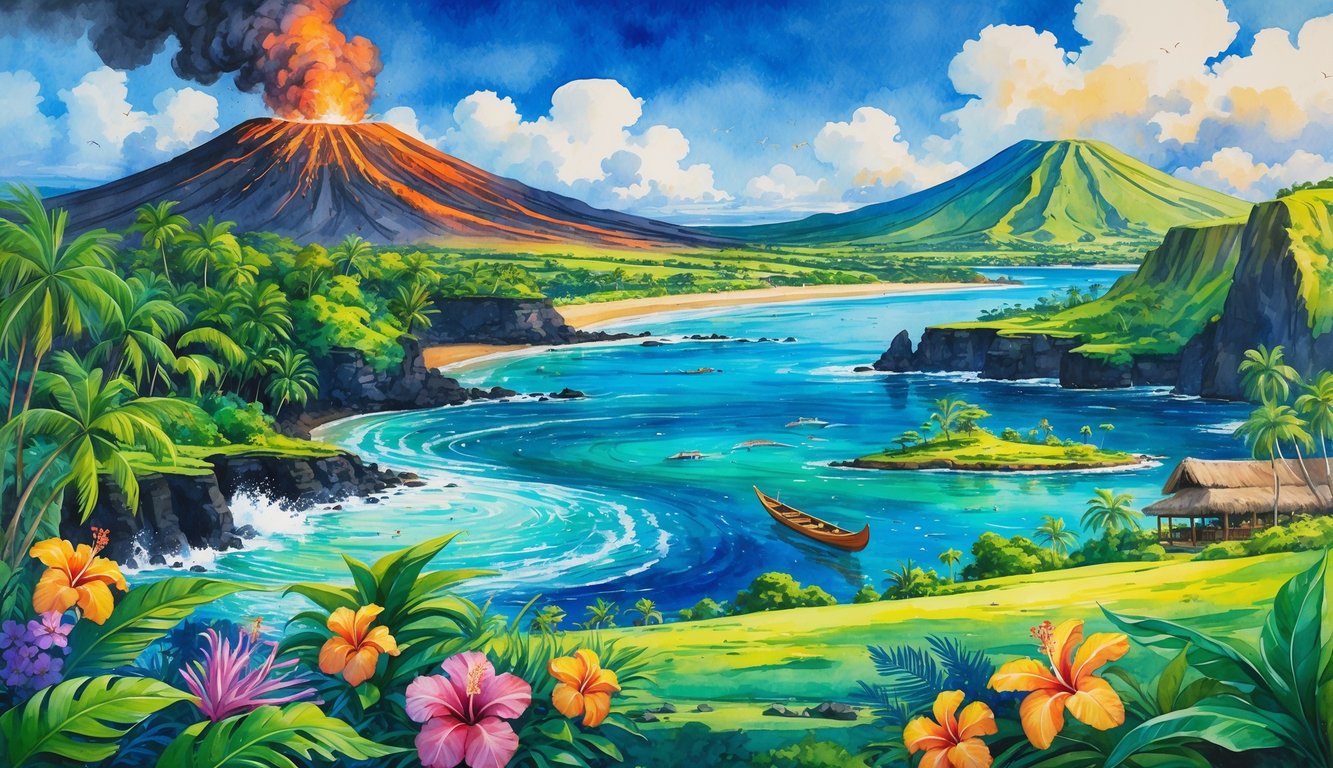
You can stand on the rim of a crater at Hawai‘i Volcanoes National Park. Snorkel with manta rays off the Kona Coast or walk through rainforests to hidden waterfalls.
The island’s black, white, and green sand beaches show how diverse its shores are. Explore historic towns, taste fresh island food, and learn about Hawaiian culture through music, dance, and local markets.
Experience Hawaii Volcanoes National Park
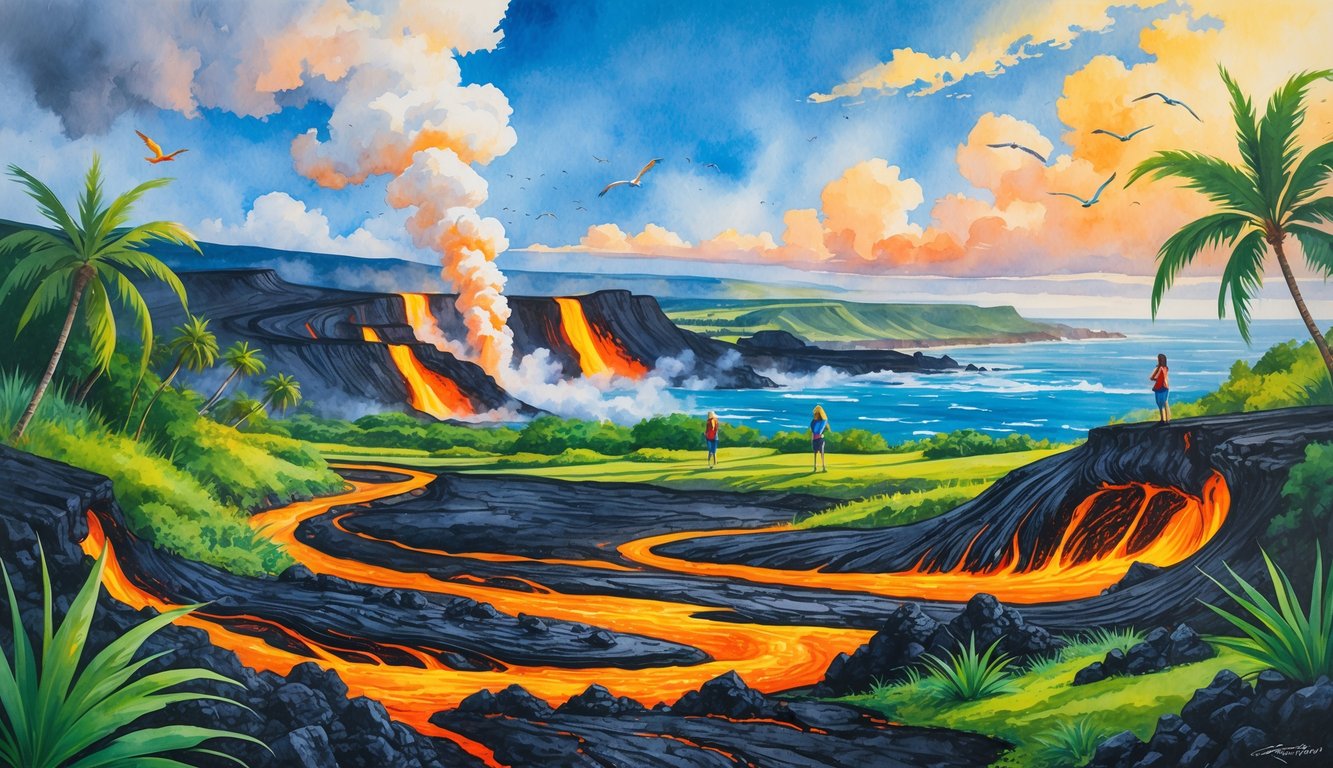
Hawai‘i Volcanoes National Park gives you rare access to two of the world’s most famous volcanoes. You’ll see craters, lava tubes, and land shaped by centuries of volcanic activity.
Visit Kilauea and Mauna Loa
Kīlauea is one of the most active volcanoes on Earth. Mauna Loa is the largest volcano by volume.
Both volcanoes sit within the park and have shaped much of the island’s landscape. Kīlauea’s summit area has a large caldera and sometimes a visible lava lake.
Mauna Loa last erupted in 2022 and offers vast lava fields to explore. The National Park Service updates safety information and access details for both volcanoes.
Check conditions before you arrive, as volcanic activity can change quickly.
Explore Crater Rim Drive and Jaggar Museum
Crater Rim Drive circles Kīlauea’s summit caldera for 11 miles. It passes scenic overlooks, steam vents, and trailheads.
You can see major features without long hikes. The Jaggar Museum (currently closed for repairs) once offered exhibits on volcanic science.
Even though the building is closed, nearby viewing areas still provide excellent views of the caldera and Halemaʻumaʻu Crater.
Key stops along Crater Rim Drive include:
| Stop | Feature | Notes |
|---|---|---|
| Steam Vents | Hot steam rising from the ground | Short walk from parking |
| Kīlauea Overlook | View into the caldera | Best for photography |
| Devastation Trail | Easy paved trail | Shows 1959 eruption impact |
Walk Through Thurston Lava Tube
Thurston Lava Tube, or Nāhuku, is a tunnel formed by flowing lava. Lava cooled on the surface, but molten rock kept moving underneath, leaving a hollow passage.
Lights make the tube safe to explore. A short loop trail through rainforest leads you to the entrance.
You can walk through the tube in about 15 minutes. Morning visits are less crowded and cooler.
The lush vegetation around the entrance contrasts with the black volcanic rock.
Witness Volcanic Activity and Lava Flows
Many visitors come to see active lava flows, but this depends on current volcanic conditions. When lava is present, you may see it from designated viewing areas or on guided tours.
The National Park Service updates viewing information daily. Always follow safety rules and never leave marked trails or approach lava without a guide.
Sometimes, you can see glowing lava after dark from certain overlooks. Even when lava isn’t visible, steam vents, sulfur deposits, and fresh lava rock show signs of ongoing volcanic activity.
For more details, visit the Hawai‘i Volcanoes National Park guide.
Discover Iconic Big Island Beaches and Marine Life
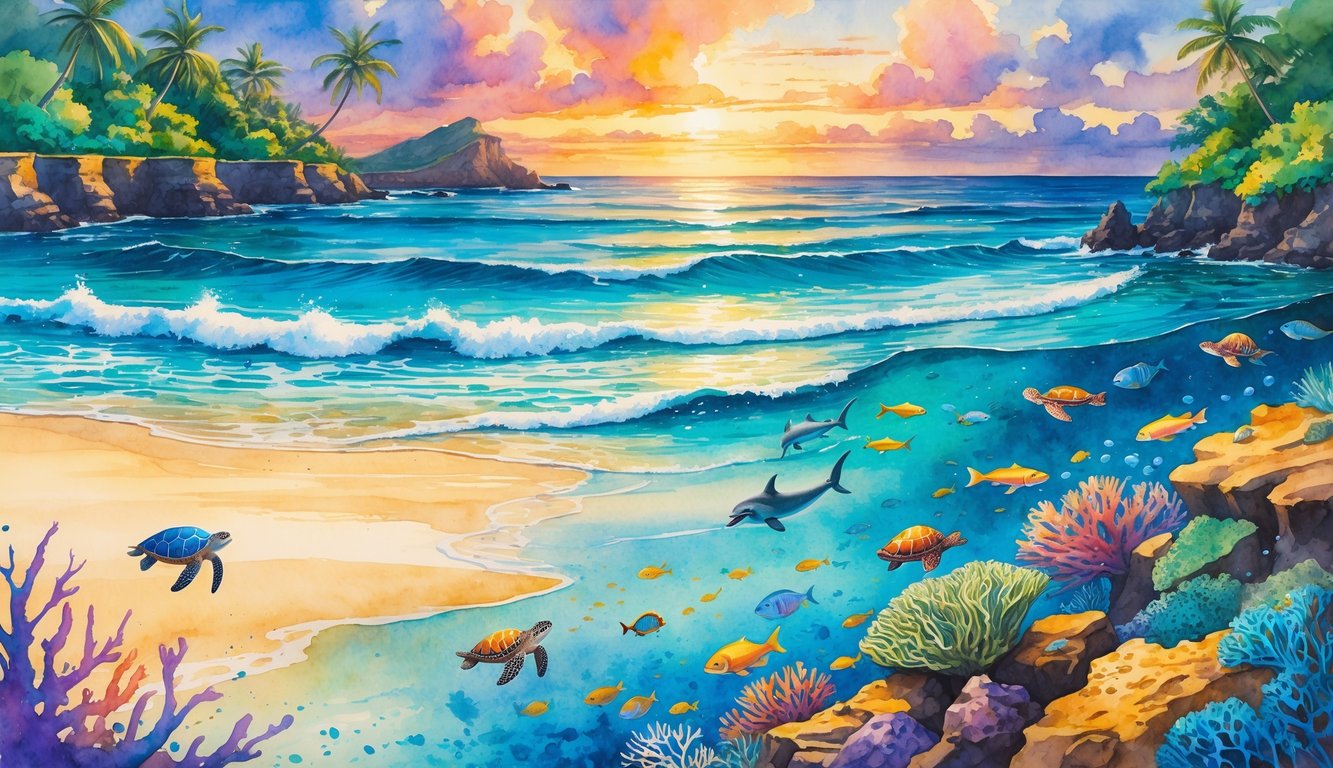
The Big Island features white, black, and green sand beaches. You’ll find calm places to swim, scenic spots for photos, and world-class snorkeling.
Relax at Hapuna Beach and White Sand Beaches
Hapuna Beach is one of the island’s largest white sand beaches. Its wide shoreline and gentle slope make it ideal for swimming in summer.
Families like Hapuna for its lifeguards, picnic areas, and restrooms. In winter, stronger waves attract bodyboarders but can be unsafe for new swimmers.
Nearby, Mauna Kea Beach and Spencer Beach Park offer clear water and soft sand. These are great for relaxing or short coastal walks.
Arrive early, as parking fills up quickly. For more information, see this island beach guide.
Visit Punaluʻu Black Sand Beach
Punaluʻu is one of Hawaii’s best-known black sand beaches. The dark sand comes from volcanic basalt, created when lava meets the ocean.
You’ll often see honu (Hawaiian green sea turtles) resting on the shore. Stay at least 10 feet away to protect them and follow local rules.
Swimming here can be tough due to strong currents and rocks, so most people visit for the scenery and wildlife. Picnic tables and shaded areas make it a good lunch stop.
Learn more about Punaluʻu and other black sand beaches on the Big Island.
Snorkel at Kealakekua Bay
Kealakekua Bay is a marine life conservation district known for clear water and coral reefs. It is one of the best snorkeling spots on the island.
You can see colorful reef fish, coral, and sometimes spinner dolphins. The Captain Cook Monument stands nearby, reachable by kayak, boat tour, or a steep hike.
Since the bay is protected, avoid touching coral or disturbing marine animals. Guided tours help you access the area safely and learn about its history.
For more, see the top activities on the Big Island.
Swim with Manta Rays and Spinner Dolphins
The Kona coast is one of the few places where you can join a manta ray night dive or snorkel. Lights in the water attract plankton, which brings manta rays close to snorkelers and divers.
Daytime boat tours visit areas where spinner dolphins often appear. These dolphins are famous for their spins above the water.
Swimming with dolphins is regulated, so tours follow rules to keep both people and animals safe. Book these experiences through licensed operators who provide gear, safety tips, and information about the animals.
You’ll need swimming skills and comfort in open water. Find manta ray and dolphin tours in the Big Island activity guide.
Explore Waterfalls, Valleys, and Rainforests
The Big Island has dramatic waterfalls, green valleys, and rainforests shaped by volcanic activity. You can see tall cascades, hike into valleys, and drive along scenic coastal roads lined with lush plants.
See Akaka Falls and Rainbow Falls
Akaka Falls drops 442 feet into a gorge surrounded by tropical plants. A short paved loop trail leads through bamboo and wild ginger.
The walk is less than a mile and easy for most visitors. Rainbow Falls sits in Hilo and is easy to reach by car.
It stands on the Wailuku River and often has rainbows in the mist on sunny mornings. Akaka Falls offers a nature walk, while Rainbow Falls is perfect for a quick stop and photo.
Hike Waipio Valley and Pololu Valley
Waipio Valley features steep cliffs, taro fields, and a black sand beach. The road into the valley is very steep and requires a 4WD vehicle or a guided tour.
Many people choose to hike down, which takes about 30–45 minutes each way. At the bottom, you can walk along the beach or explore trails deeper into the valley.
The lookout above offers great views if you prefer not to hike. Pololu Valley, at the island’s northern tip, has a shorter but steep trail to a black sand beach.
The trail is about half a mile each way and passes through ironwood trees before reaching the shore.
Drive the Hamakua Coast
The Hamakua Coast stretches between Hilo and Waipio Valley. You’ll see ocean cliffs, waterfalls, and rainforest scenery.
The route includes scenic pullouts and small towns such as Honokaa. Highlights include Umauma Falls and the Hawaii Tropical Bioreserve & Garden.
The garden has walking paths through dense tropical plants and ocean viewpoints. You can combine this drive with stops at Akaka Falls and other nearby attractions.
The road is paved and easy to drive, making it a good day trip.
Discover Lush Rainforests and Wailuku River State Park
Wailuku River State Park is home to Rainbow Falls and the Boiling Pots, pools and cascades formed by lava rock. Rainforest surrounds the area, with native plants and frequent rain showers keeping it green.
You can walk short paths to viewpoints. The park is close to downtown Hilo, so it’s easy to visit before or after other activities.
Rainforests also line parts of the Hamakua Coast and the slopes of Mauna Kea. These areas provide habitat for native birds and plants, and offer shaded trails for walking and photos.
Immerse Yourself in Hawaiian Culture and Local Experiences
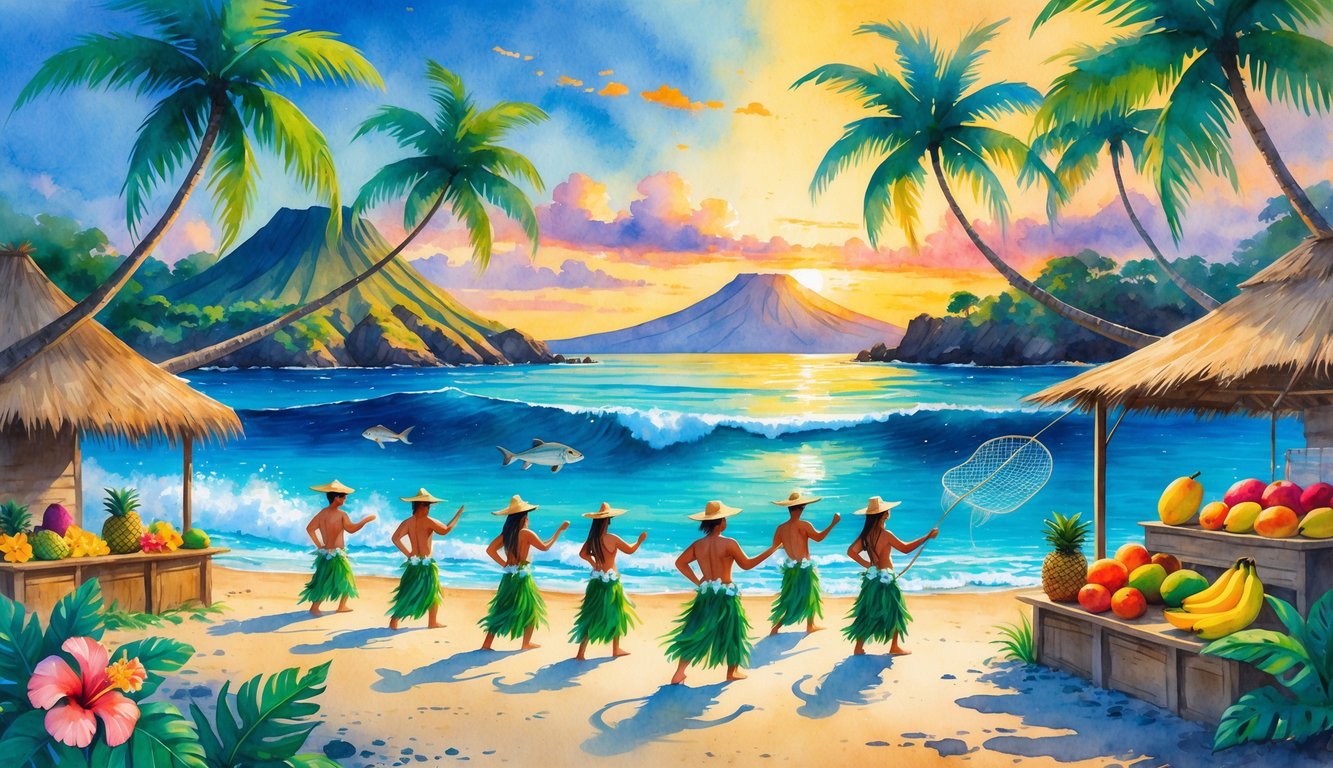
Travelers can explore sacred historical sites and taste world-famous coffee where it is grown. You can also observe the stars from one of the world’s best astronomical locations.
The island’s history, nature, and daily life come alive through these activities. Each one offers a direct connection to Hawaiian culture.
Visit Puʻuhonua o Honaunau National Historical Park
South Kona is home to Puʻuhonua o Honaunau National Historical Park. This site once served as a place of refuge for people who broke ancient Hawaiian laws, called kapu.
Those who reached this sanctuary avoided punishment by completing certain rituals. You can walk past reconstructed temples, wooden kii (carved images), and ancient fishponds.
Lava rock walls mark the boundaries of the refuge. The shoreline features tidepools and sea turtles.
Interpretive signs explain the site’s history and cultural meaning. Rangers share stories about the traditions that shaped life here.
You can explore the grounds to learn about Hawaiian governance, religion, and survival. For more details, visit the Puʻuhonua o Honaunau National Historical Park website.
Tour a Kona Coffee Farm
The slopes of South Kona and North Kohala grow some of the world’s most sought-after coffee. Guided Kona coffee farm tours show how beans go from tree to cup.
You can walk through rows of coffee trees and learn about harvesting. Many farms let you see how beans are processed and roasted.
Tastings are often available, so you can compare light, medium, and dark roasts. Some tours include gardens with tropical fruits or cacao.
Meeting the farmers gives insight into the challenges of growing coffee. For options, see this list of Kona coffee farm tours.
Stargaze at Mauna Kea
Mauna Kea rises nearly 14,000 feet and offers some of the best stargazing in the world. The summit’s high altitude and low light pollution provide clear night skies.
Most visitors stop at the 9,200-foot Onizuka Visitor Information Station to adjust to the altitude. Here, staff set up telescopes for public viewing and explain constellations and planets.
Temperatures drop quickly, so bring warm clothing. Many tours to the summit include sunset views above the clouds and stargazing sessions.
Learn more about visiting responsibly at this Mauna Kea guide.
Explore Hilo and Kailua-Kona
Hilo, on the island’s east side, features lush gardens, waterfalls, and cultural sites. The Lyman Museum displays exhibits on Hawaiian history and natural science.
Visitors can explore local markets nearby. You can also taste fresh tropical fruit.
On the west side, Kailua-Kona offers sunny beaches and historic landmarks. You will also find oceanfront dining here.
Many people use the town as a base for snorkeling trips and luaus. The Island Breeze Luau showcases hula and traditional Hawaiian food.
If you drive between the two towns via Highway 270 along the Kohala Coast, you will see rugged cliffs and ancient petroglyphs. You can also discover hidden coves along this route.


