
Maui’s Upcountry shows a quieter side of the island, far from the busy resort areas. Rolling green hills, cool breezes, and open pastures stretch across the slopes of Haleakalā.

Small towns, working farms, and wide views come together here to create a slower pace of island life.
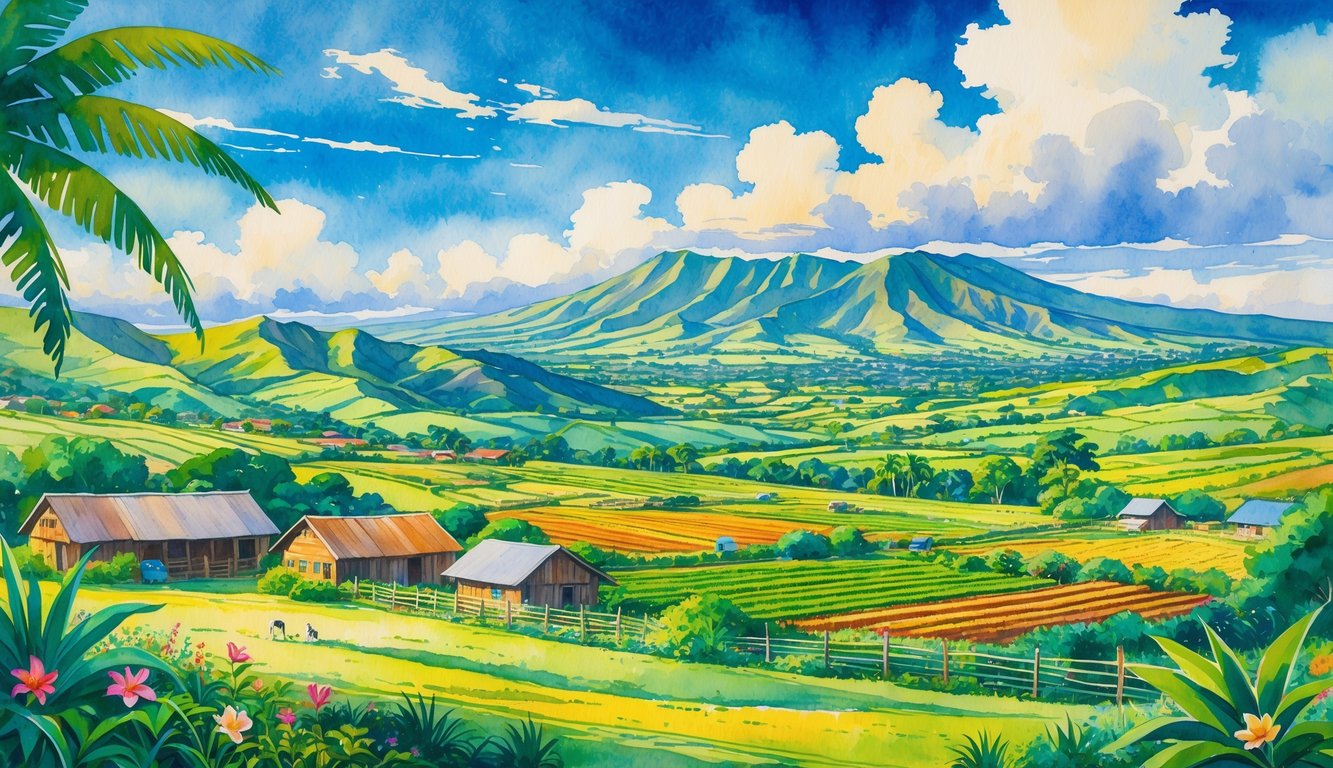
Makawao’s paniolo heritage and the fragrant fields at the Ali‘i Kula Lavender Farm each offer unique experiences. Visitors can taste fresh produce, sip local wines, and walk through colorful gardens.
The area’s volcanic soil and cooler climate support agriculture and outdoor activities.
Travelers who visit Upcountry often feel far from Maui’s beaches. Scenic drives reveal sweeping ocean views, and Haleakalā National Park offers trails and sunrise vistas.
It’s a place to slow down and see Maui from a new perspective.
Exploring Upcountry Maui: Location, Towns, and History
Upcountry Maui sits on the slopes of Haleakalā. Fertile volcanic soil supports farms, ranches, and gardens.
The area combines rural landscapes with small-town charm. Residents maintain strong ties to Hawaiian traditions.
Where Is Upcountry Maui?
Upcountry Maui stretches across the western slopes of Haleakalā, the massive dormant volcano on the island’s east side. This elevated region overlooks Maui’s central valley and has cooler temperatures than the coast.
Makawao, Kula, Pukalani, and Haiku are some of the small communities here. The area features rolling pastures, botanical gardens, and agricultural lands that grow vegetables, flowers, and specialty crops.
Many people explore Upcountry by car, following scenic roads with ocean and mountain views. Its location also gives easy access to Haleakalā National Park, making it a popular stop before or after a trip to the summit.
Makawao: Artistic Cowboy Town
Makawao is famous for its paniolo, or Hawaiian cowboy, heritage. In the 1800s, vaqueros from Mexico taught local cowboys their skills.
Today, Makawao blends ranching traditions with a vibrant arts scene. The main street has galleries, boutiques, and cafes in historic plantation-style buildings.
The Makawao Rodeo draws riders from across Hawaii every summer. Visitors can watch glassblowers, browse local crafts, or enjoy pastries from well-known bakeries.
Makawao’s mix of Western and Hawaiian culture gives the town a distinct personality.
Kula: Agricultural Heartland
Kula stands out for its fertile farmland and open landscapes. The volcanic soil and cooler air help farmers grow onions, lettuce, strawberries, and protea flowers.
Many Kula farms welcome visitors for tours and tastings. Lavender fields, goat dairies, and organic gardens are popular stops.
The historic Ulupalakua Ranch produces Maui wine here. From Kula’s hillsides, travelers see both Maui’s north and south shores.
Its location on the slopes of Haleakalā makes Kula a quiet place to stay with easy access to main attractions.
Pukalani and Haiku: Local Life and Hidden Gems
Pukalani, meaning “heavenly gate,” serves as a residential hub for many residents. The town offers local shops, parks, and golf courses.
Haiku, farther north, is lush and green due to higher rainfall. Tropical flower farms, fruit stands, and small eateries dot the area.
People who want a laid-back, less touristy atmosphere often choose Haiku. Both Pukalani and Haiku provide good bases for exploring waterfalls, hiking trails, and botanical gardens.
They offer a quieter alternative to Maui’s busy resort areas while keeping plenty of local flavor.
Farms and Agritourism Experiences
Visitors can explore working farms and taste fresh island-grown produce. Local agriculture shapes daily life in Upcountry Maui.
These experiences combine scenic views with hands-on activities. Travelers connect directly with the land and the people who care for it.
Maui Gold Pineapple Farm Tours
The Maui Gold Pineapple Farm in Haliʻimaile offers guided tours of its pineapple fields and production facility. Guests see how Maui Gold pineapples grow, from planting to harvest.
Tours include a tasting session with fresh-cut pineapple right in the field. Many visitors take home a pineapple.
Staff explain the history of pineapple farming in Hawaii and the move toward sustainable practices. For details, visit the Maui Gold Pineapple Farm Tours page.
Surfing Goat Dairy Adventures
Surfing Goat Dairy in Kula is known for playful goats and award-winning cheeses. Guests can take a farm tour, feed the goats, and learn how goat milk becomes creamy chèvre and feta.
Children enjoy petting the goats. Adults can sample cheese flights in the tasting area.
Some tours let visitors try milking a goat with staff supervision. The dairy also sells fresh cheese, truffles, and goat milk soaps in its gift shop.
Kula Country Farms and Local Markets
Kula Country Farms grows strawberries, pumpkins, and seasonal vegetables on the slopes of Haleakalā. The farm stand offers fresh produce, jams, baked goods, and locally made crafts.
In spring, strawberry picking is a favorite activity. In fall, the pumpkin patch draws families for seasonal events.
Nearby, the Upcountry Farmers Market offers a wide range of produce, flowers, and prepared foods from local growers. It’s a good place to find fresh herbs, tropical fruits, and Maui-made treats.
Ulupalakua Ranch and Pineapple Plantation
Ulupalakua Ranch covers thousands of acres of pasture and rolling hills. Visitors can stop at the Ulupalakua Ranch Store for burgers made with ranch-raised beef or lamb.
Across the road, MauiWine produces pineapple wine and grape varietals. Tastings often include a tour of the historic estate grounds and wine cellar.
The ranch preserves the area’s pineapple plantation history while focusing on cattle ranching today. Visitors enjoy ranch life, wine tasting, and scenic views.
Gardens, Lavender Fields, and Scenic Views
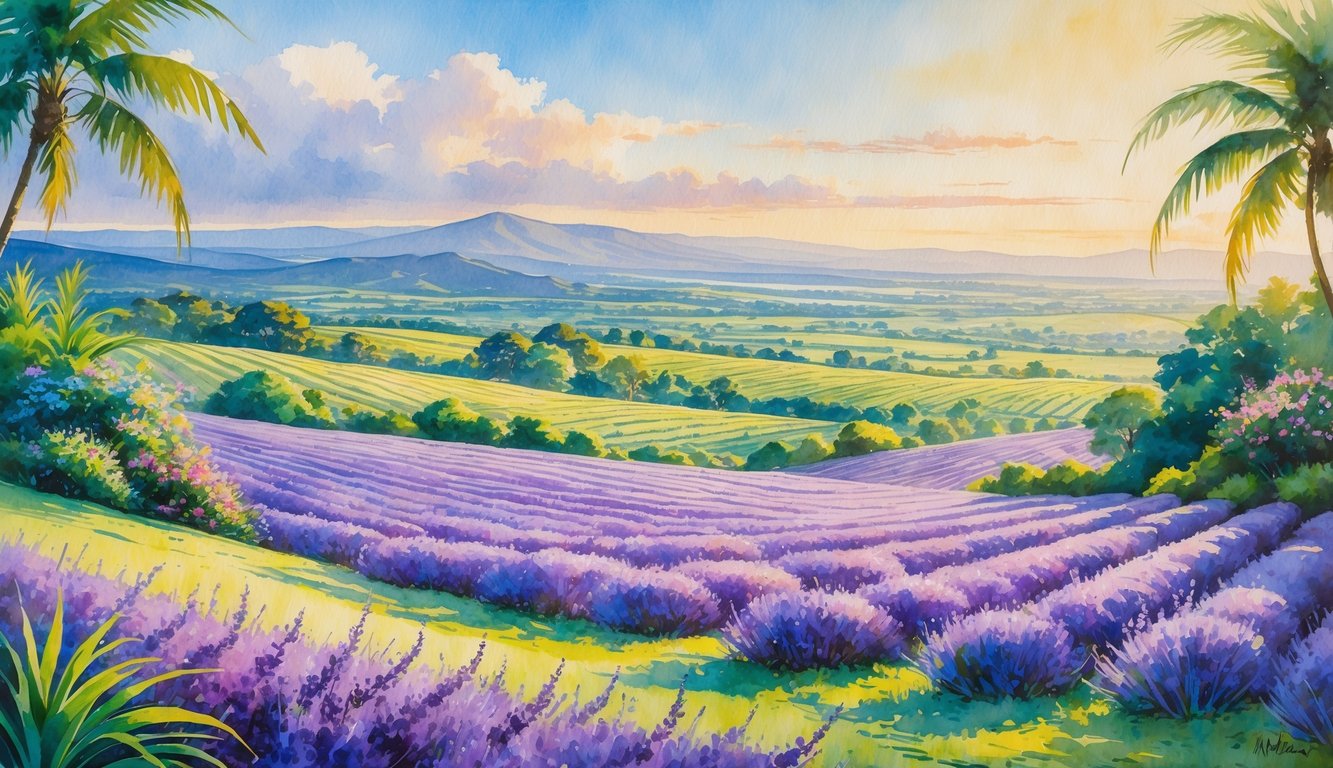
In Maui’s upland region, travelers can explore colorful gardens and fragrant herb fields. Winding roads offer wide open views.
The cooler climate and volcanic soil help plants thrive here. Visitors see unique flowers, trees, and crops not found along the coast.
Ali’i Kula Lavender Farm
The Ali’i Kula Lavender Farm sits at about 4,000 feet on the slopes of Haleakalā. The farm covers 13.5 acres with more than 50,000 lavender plants and other tropical and Mediterranean species.
Guests walk through terraced gardens filled with color and scent. The higher elevation brings cooler air and sweeping views of Maui’s central valley and coastlines.
The farm sells lavender tea, lotions, and culinary seasonings. Workshops and guided tours show how lavender grows and is harvested in Hawaii’s climate.
Kula Botanical Garden
The Kula Botanical Garden spans eight acres and features native Hawaiian plants and exotic species from around the world. Its Upcountry location benefits from volcanic soil and steady trade winds.
Paths wind through orchids, proteas, and bromeliads. Small ponds, rock formations, and a carved tiki display add interest to the landscape.
The garden has a bird sanctuary and koi pond, making it a pleasant stop for families. Visitors can explore shaded areas and open flower beds at their own pace.
Panoramic Drives and Volcanic Landscapes
Roads through Upcountry Maui, such as Kula Highway, offer stretches of open scenery. Drivers pass rolling pastures, jacaranda trees, and see both the West Maui Mountains and the Pacific Ocean.
On clear days, people can see the island’s central valley and the blue water reaching toward neighboring islands. Pullouts along the way let travelers stop for photos without blocking traffic.
The volcanic slopes of Haleakalā show red and black rock formations and fertile farmland. In fall, crops like pumpkins and sunflowers add color to the drive.
Haleakala National Park and Outdoor Activities
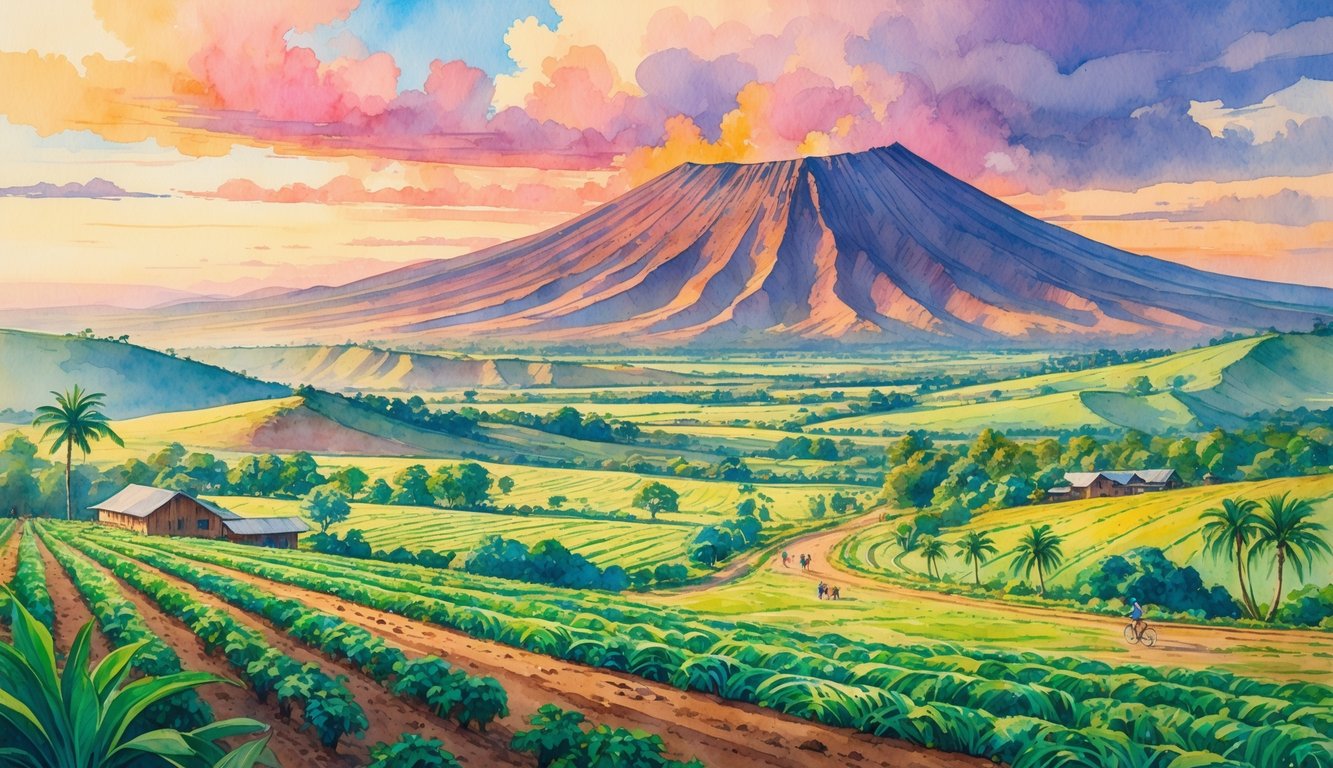
Haleakala National Park features high-altitude landscapes, rare native plants, and wide-open skies. Visitors can explore volcanic terrain, enjoy scenic drives, and join outdoor activities that highlight the park’s unique environment.
Haleakala Sunrise and Summit Tours
Many travelers choose the Haleakala sunrise tour, which starts before dawn and reaches the 10,023-foot summit for sunrise. Temperatures can be near freezing, so warm clothing is important.
From the summit, the view stretches across Maui and, on clear days, to nearby islands. Tour operators provide transportation, park entry, and share information about the volcano’s history and geology.
Those who drive themselves need a reservation through the National Park Service, as sunrise spots are limited. The summit area also has short trails and overlooks for exploring after sunrise.
Hiking and Biking Adventures
Haleakala offers trails for both casual walkers and experienced hikers. Popular routes include the Sliding Sands Trail, which goes down into the crater.
The Halemau’u Trail features many switchbacks and scenic views. Hikers should prepare for changing weather.
Bring plenty of water, as the volcanic terrain has little shade. The thin air at higher elevations can make it harder to hike.
Guides lead some biking tours that start near the summit. Riders then go down toward the lower slopes.
These rides pass through Upcountry Maui ranchlands and small towns. You can enjoy mountain scenery and experience local culture along the way.
Stargazing and Nature Exploration
At night, Haleakala offers some of Maui’s best stargazing. The high elevation and low light pollution let you see constellations, planets, and the Milky Way clearly.
Rangers and local astronomy groups sometimes host evening programs. They bring telescopes and star maps for visitors to use.
You can also enjoy stargazing on your own. Bring warm layers, as temperatures drop quickly after sunset.
Nature lovers can find native plants like the Haleakala silversword, which grows only in this region. Birdwatchers may see species such as the nēnē, Hawaii’s state bird, along the park’s trails and overlooks.
The park’s habitats range from alpine desert to lush forest. This variety makes Haleakala a great place for outdoor exploration.


