
Every spring, I look forward to the Merrie Monarch Festival, the biggest hula competition and cultural celebration in Hawaii.

This festival brings the traditions, music, and stories of the islands to life. Thousands of people travel to Hilo to experience Hawaiian culture at its best.
Whether you love dance, local art, or want to learn about island traditions, this event has something for everyone.
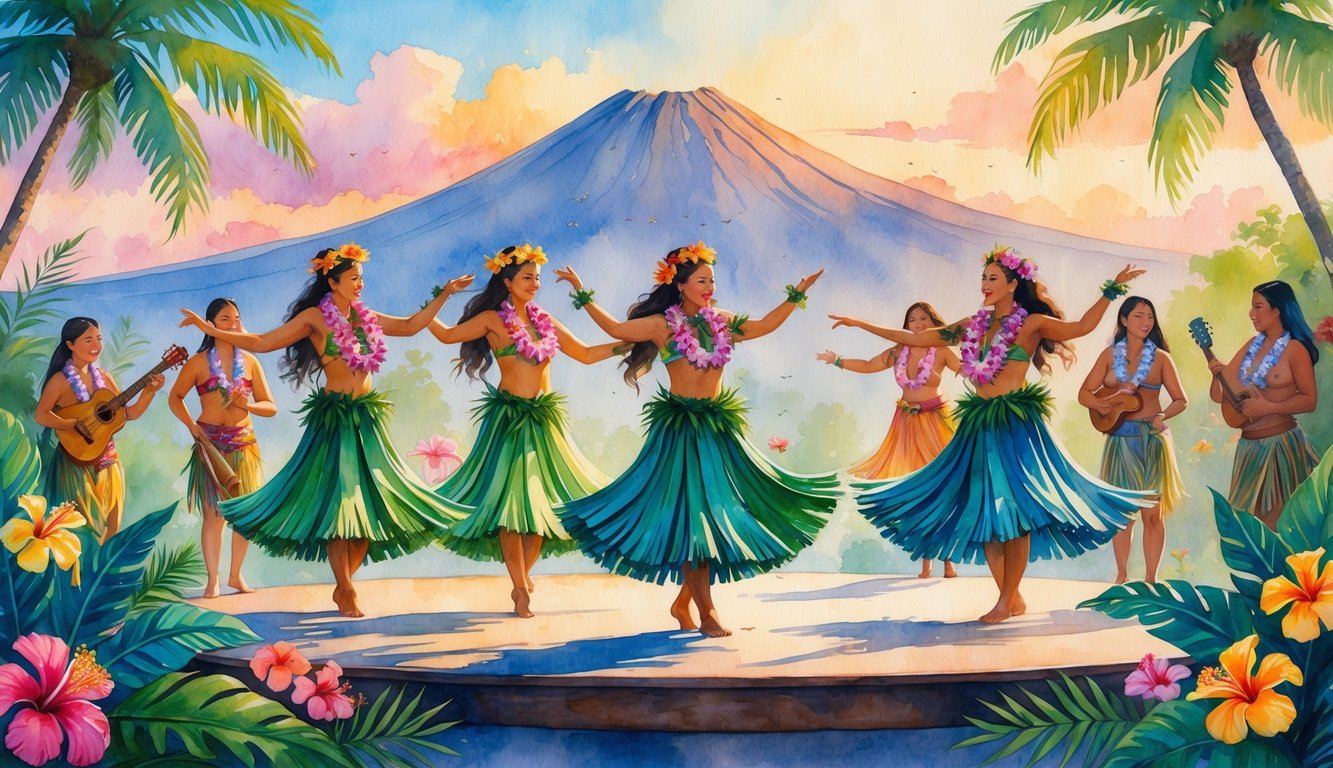
During Merrie Monarch week, the whole town feels different.
Parades fill the streets, craft fairs appear, and live performances happen everywhere.
If you can’t attend the main hula competition, you can still enjoy the excitement by watching the festival livestream online.
I am always amazed at how the Merrie Monarch Festival brings people together to honor Hawaii’s past.
If you want to join in or learn what makes this event special, you’re in the right place.
History and Significance of the Merrie Monarch Festival
The Merrie Monarch Festival celebrates Hawaiian culture by sharing and reviving traditional hula.
It also honors King Kalākaua, who helped protect and preserve Hawaiian customs and arts.
Origins and Inspiration
The Merrie Monarch Festival began in Hilo, Hawaii, in 1964.
Local leaders started it to help the area’s economy and tourism after a tidal wave caused damage.
They named the festival after King David Kalākaua, known as the “Merrie Monarch” for his love of music and fun.
The festival soon became more than an economic event.
It turned into a celebration of Hawaiian tradition, especially hula.
For generations, hula has been a way to tell stories and keep history alive through dance and chant.
Organizers created the festival to help these traditions stay strong for future generations.
Today, the festival is a well-known Hawaiian cultural event.
Visitors from around the world come to see performances, competitions, and displays of Hawaiian artistry.
You can read more about its beginnings on the official history of the Merrie Monarch Festival.
King Kalākaua’s Legacy
King Kalākaua, called the “Merrie Monarch,” did more than rule—he protected Hawaiian culture.
I respect how he worked to restore pride in Hawaiian identity during tough times.
Past rulers and missionaries discouraged hula, but Kalākaua brought it back to public life.
He supported hula performances at royal courts and public festivals.
The king’s passion for the arts inspired the festival’s focus on music, dance, and cultural preservation.
Each year, people at the event portray the royal court, including the roles of king and queen.
This tradition keeps his spirit alive for everyone who attends.
You can learn more about his influence at Hawaii.com’s Merrie Monarch history.
Evolution Over the Years
The Merrie Monarch Festival has grown a lot since it began.
Early events were small and focused on local entertainers.
In 1978, the competition moved to the larger Edith Kanakaʻole Multi-Purpose Stadium.
Now, the festival lasts a week and includes art fairs, parades, and a major hula competition.
Every year, more hālau (hula schools) participate, bringing in new generations of dancers and teachers.
During the COVID-19 pandemic, the festival adapted by reducing audience sizes and adding safety measures.
Its ability to change over time has helped it last as a celebration of Hawaiian heritage.
You can learn more about these changes at this detailed festival history.
Festival Dates, Location, and Schedule
The Merrie Monarch Festival is an important event for Hawaiian culture and the art of hula.
Every year, it brings dancers, artists, and visitors to Hilo on the Big Island.
2025 Merrie Monarch Festival Dates
In 2025, the Merrie Monarch Festival will happen in early spring, right after Easter.
This tradition honors both the cultural and spiritual roots of Hawaii.
The festival usually takes place during the first full week after Easter Sunday.
For 2025, Easter is on April 20, so the festival is expected from April 20 to April 26.
Organizers announce the exact dates in advance, and events last all week.
You can enjoy hula competitions, arts fairs, and parades.
Festival days can be busy, so I recommend checking the event schedule before visiting.
For updates, visit the official festival website.
Events in Hilo on the Big Island
Hilo, on the east side of the Big Island, is the center of the Merrie Monarch Festival.
The town hosts unique events that celebrate Hawaiian traditions and bring people together.
During the week, I can watch hula performances, workshops, food vendors, cultural demonstrations, and a grand parade through downtown Hilo.
The festival is also known for its craft fairs, where local artists display Hawaiian kapa, lauhala weaving, and featherwork.
Some events, like the hula competition, require tickets.
Many others—like craft fairs and demonstrations—are free and open to the public.
A detailed schedule and list of public events are available at Merrie Monarch Festival events in Hilo.
Venues and Facilities
Organizers hold most of the festival’s big events at the Afook-Chinen Civic Auditorium and the Edith Kanakaʻole Multi-Purpose Stadium in Hilo.
These venues can hold large crowds and are where the main hula competitions take place.
The Afook-Chinen Civic Auditorium hosts arts and crafts fairs.
It is close to Hilo’s downtown and has plenty of parking.
The Edith Kanakaʻole Multi-Purpose Stadium is famous for the major hula contests and cultural showcases.
Both venues are accessible, and volunteers help guests find their way.
You can find more details about locations and accessibility at the official site for the festival’s venues.
The Art of Hula
Hula is a deep part of Hawaiian culture.
I see it as a living art, full of emotion, history, and meaning.
There are two main styles, and each has its own rhythm, purpose, and look.
The people who teach and perform hula keep this tradition alive.
Hula Kahiko (Ancient Hula)
Hula Kahiko is an ancient form with strong movements, chants, and traditional Hawaiian instruments like the pahu (drum) and ‘uli‘uli (rattles).
The dances tell stories from Hawaiian legends or honor gods, chiefs, and nature.
Performers wear costumes made from kapa (bark cloth) or ti leaves.
Each detail, from posture to hand signs, shows respect and helps pass down history.
In Hula Kahiko, timing and group unity are very important.
The chanter’s voice and the drum’s beat guide everyone.
During the Merrie Monarch Festival, a Hula Kahiko performance feels like stepping back in time.
The mood is serious, and dancers show pride in sharing these stories.
You can read more about ancient hula at the official site of the Merrie Monarch Festival.
Hula ‘Auana (Modern Hula)
Hula ‘Auana is a modern form that blends new music styles with graceful movement.
Guitars, ukuleles, and singing in English or Hawaiian are common.
In Hula ‘Auana, I see flowing motions and often brighter costumes.
This style tells stories about love, nature, or daily life.
The dance steps need skill and practice, but the feeling is lighter and more creative.
Costumes may include colorful dresses, flower leis, and polished accessories.
Hula ‘Auana is popular at celebrations and community events.
It is a great way for people of all backgrounds to enjoy Hawaiian dance and music.
For more on modern hula at the festival, see this guide to the Merrie Monarch Festival.
Kumu Hula and Hālau
Kumu hula, or hula teachers, and hālau, which are hula schools or groups, are at the heart of hula.
The kumu hula teaches techniques, chants, and traditions.
They must know Hawaiian language, music, and culture.
A hālau is more than a class.
It feels like a family, where everyone practices together and supports each other.
Students look to their kumu for guidance and correction.
Some hālau focus on Kahiko, others on ‘Auana, and many teach both.
During the festival, hālau from across Hawaii and other countries come to perform.
They honor their teachers and represent their communities.
The close bond between kumu hula and students shapes every performance.
The official event site explains how important these roles are to the festival.
Hula Competition and Performances
Every year at the Merrie Monarch Festival, dancers from all over Hawaii come to compete.
Performances highlight both ancient and modern hula styles and show the dedication of each hālau and dancer.
Miss Aloha Hula
Miss Aloha Hula is one of the most watched parts of the festival. Each contestant performs solo in front of judges and a huge audience.
The dancers show both kahiko (traditional) and ‘auana (modern) styles. They demonstrate their knowledge of hula, language, and culture.
Each woman expresses her unique interpretation through chanting, movement, and storytelling. Dancers prepare for months, focusing on technique, grace, and storytelling.
Winning this title is a high honor and a dream for many young hula dancers. After an evening of memorable routines, the judges announce the winner.
You can read more about this segment at the official Merrie Monarch site.
Group Competitions
Group competitions gather entire halau to perform in categories for both women and men. These include hula kahiko (ancient) and hula ‘auana (modern) group dances.
Each halau selects chants, dances, and costumes that reflect their unique style and history. Judges watch how well the group moves together, their energy, and the story behind their choreography.
The group kahiko features drumming, chanting, and synchronized movement that transform the stage. The ‘auana portion uses modern melodies and instruments, allowing creativity and lively expression.
Scores from both nights decide the overall winners. For more, see details at this guide.
Ho’ike Exhibition Night
Ho’ike is an exhibition night, not a competition. Local and international groups perform on stage, celebrating hula and other cultural dances.
The performances are free, and people fill the stadium to enjoy the show. Ho’ike gives dancers of all ages and styles a chance to share their art without pressure.
You’ll see colorful costumes, creative choreography, and smiling faces everywhere. Sometimes, visiting groups from Japan and other places perform, showing how hula has traveled far beyond Hawaii.
This night is a joyful, inclusive celebration. You can find more information at their official page.
Music and Musical Traditions
Music shapes the Merrie Monarch Festival. It sets the mood and supports each hula performance.
The sounds of traditional Hawaiian music, special instruments, and the connection to hula create an unforgettable experience.
Traditional Hawaiian Music
Traditional Hawaiian music plays a big role in the festival. It uses rhythmic chanting called oli and melodic songs called mele.
Many songs tell stories of Hawaii’s history, places, and people. The melodies often flow with the dancers’ movements.
Sometimes the music is fast and upbeat. Other times, it is soft and slow, matching the emotion of the hula.
Each song has a purpose and meaning. I enjoy discovering these as I watch each performance.
Hawaiian music at the festival blends old chants with instruments passed down for generations. Drumming and singing together show how music and dance are deeply linked in Hawaiian culture.
Hawaiian Instruments
Hawaiian instruments give the festival its special sound. The most important is the pahu, a tall wooden drum.
It creates deep, strong beats, especially during ancient hula known as kahiko. Another key instrument is the ipu, a gourd percussion instrument.
It can be made from one or two gourds tied together. The ipu gives a hollow, rhythmic sound.
Other traditional instruments like the uli uli (feathered gourd rattles) drive the dance’s rhythm. In modern hula, I often hear the sweet strumming of the ukulele and guitar.
These add smooth melodies and softness to the music. The blend of old and new instruments captures the spirit of both past and present.
You can read more about these instruments.
Role of Music in Hula
Music is as important as movement in hula. Each beat guides the dancers’ steps.
The pahu’s steady rhythm sets the pace for ancient hula. The ukulele and guitar bring a lighter mood to modern styles.
The connection between music and hula turns every dance into a story. Lyrics and rhythm tell tales about love, myths, or the land itself.
As I listen and watch, I notice how music and dance flow together. Music helps dancers express ideas and emotions through graceful motions.
To explore further, you can view a complete guide that covers music’s role in the festival.
Cultural Experiences and Hawaiian Traditions
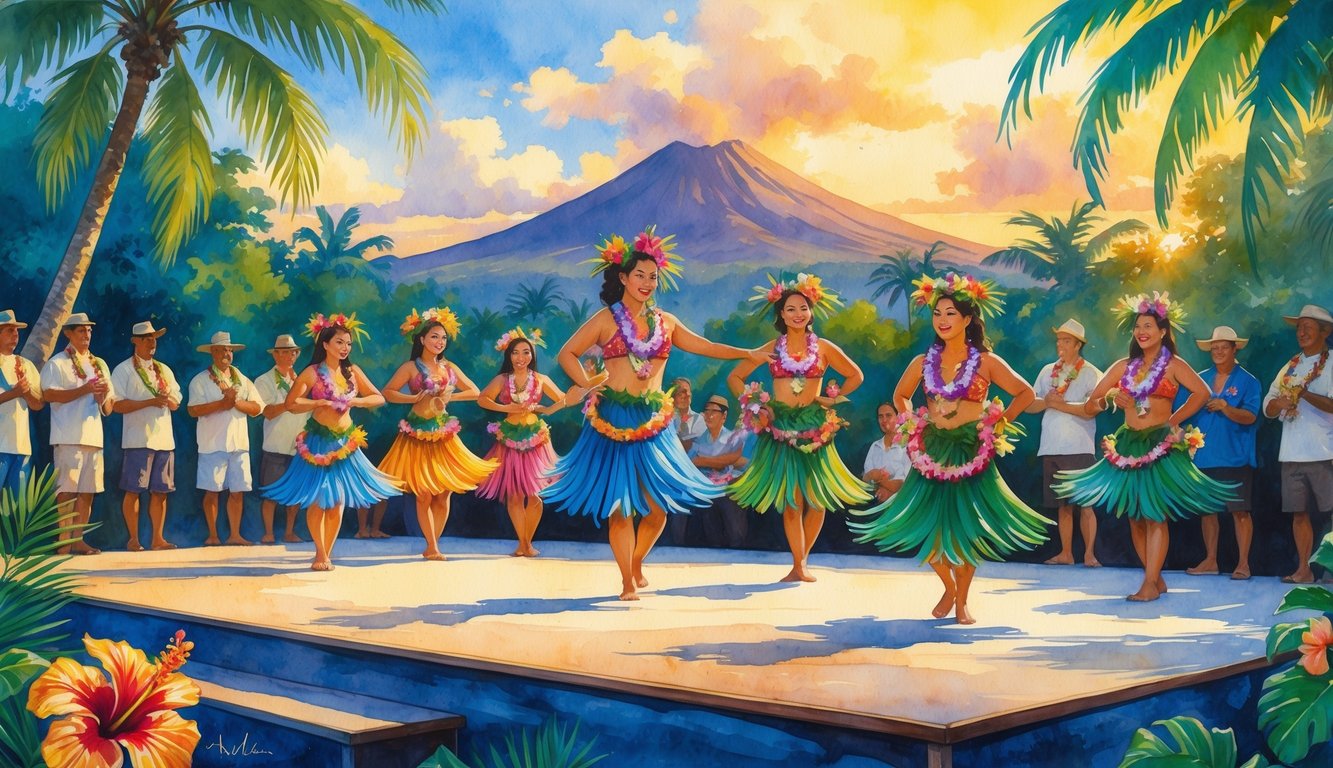
The Merrie Monarch Festival gives me a chance to connect with traditions that have shaped Hawaiian life for centuries. By joining, I experience the welcoming aloha spirit and authentic customs.
Aloha Spirit and Customs
When I visit the festival, I feel the aloha spirit everywhere. People greet me warmly, and their actions remind me that aloha means more than just hello.
It stands for love, kindness, and respect for everyone. I see this in customs like sharing leis or greeting each other with a smile.
Dancers wear traditional clothes and perform hula, telling stories through movement and chant. Every gesture and outfit—like flower crowns or feather leis—has meaning.
These traditions show how Hawaiian values are passed down and celebrated. Attendees often follow local etiquette, such as removing shoes before entering homes or being invited to join in group activities.
Learn more about the festival’s customs and traditions.
Cultural Exchange and Workshops
One of my favorite parts is finding a workshop. The festival usually offers hands-on experiences where I can learn skills like lei making, hula basics, or traditional arts such as feather work and wood carving.
Local experts lead these workshops and allow small groups to ask questions or try activities directly. I also enjoy meeting people from around the world who come to share and learn together.
This creates a cultural exchange where stories and skills are traded. These moments help me gain a deeper respect for Hawaiian traditions.
Everyone, from first-time visitors to lifelong residents, can join in activities that go beyond watching performances. For a quick guide on this unique cultural experience, check out this guide to Hawaii’s Merrie Monarch Festival.
Royal Court and Merrie Monarch Royal Parade
Every April, Hilo comes alive with events celebrating Hawaiian culture and history. The Royal Court and Royal Parade highlight the pageantry and meaning behind the Merrie Monarch Festival.
Royal Court Traditions
I love watching the Royal Court, which honors King David Kalākaua, the “Merrie Monarch.” Each member represents Hawaiian royalty with special roles, like king, queen, princes, and princesses.
They wear traditional cloaks, helmets, and regalia that reflect the dignity of the monarchy. The Royal Court appears in many festival events.
Their rituals, such as the presentation of ho’okupu (gifts), show deep respect for Hawaiian customs. Protocols are carefully followed, from the way they dress to the chants and processions.
These traditions help keep Hawaiian royal history alive today. People can meet the Royal Court at various events during the week, including craft fairs and hula competitions.
These appearances make the festival feel authentic and give a personal touch to the celebration. For more details about how the royal court is chosen and what they do, Big Island Itineraries explains the tradition.
Merrie Monarch Royal Parade
The Merrie Monarch Royal Parade is a highlight of the festival. It usually takes place in downtown Hilo on Saturday morning and features floats, musicians, dancers, and decorated vehicles.
The Royal Court rides through in full traditional Hawaiian dress. People line the streets to see groups from schools, hālau (hula groups), local businesses, and community organizations.
Marching bands and performers bring lots of energy. Colorful floats show off Hawaiian stories and creativity.
The Royal Parade connects everyone to Hawaiian history and celebrates pride in the culture. You can see ancient traditions alongside modern touches in one lively event.
More information about the parade is posted on the official Merrie Monarch Festival website.
Hawaiian Arts, Crafts, and Local Cuisine
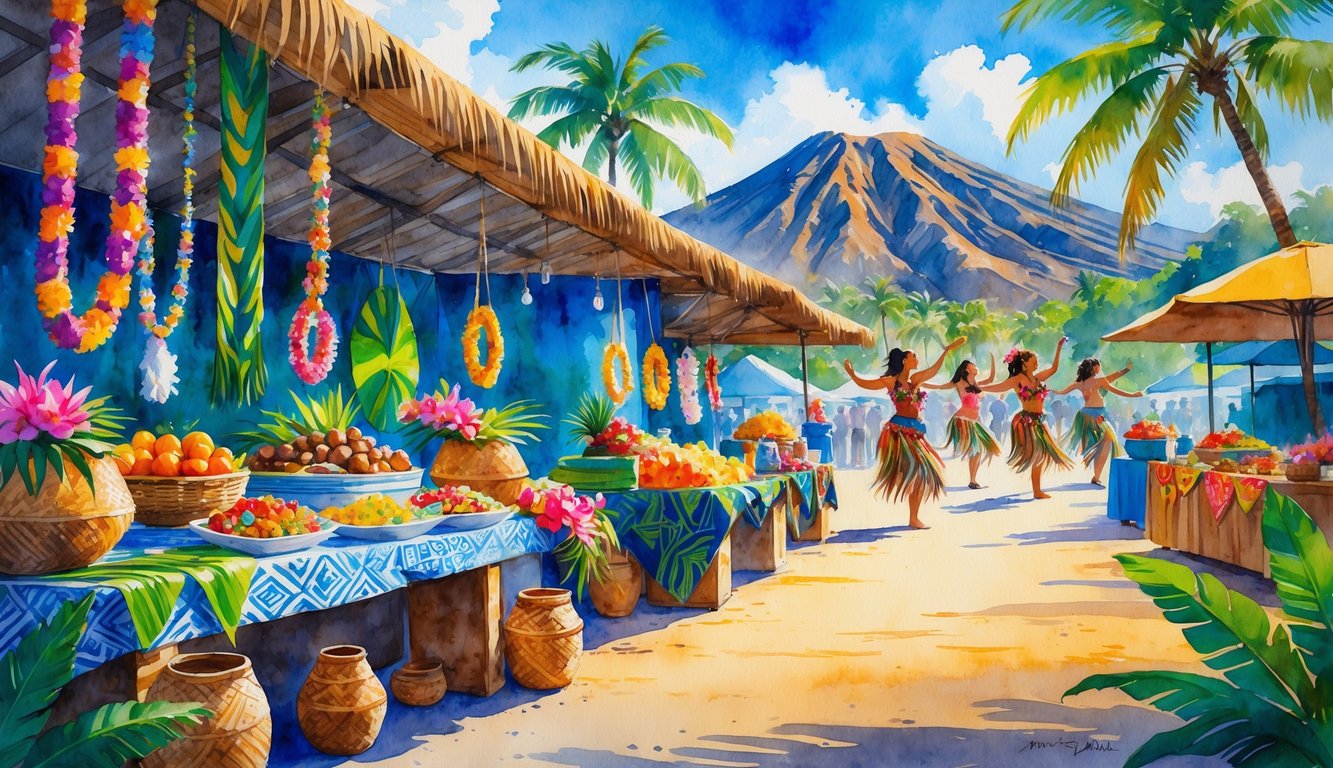
Every year at the Merrie Monarch Festival, I see an amazing display of Hawaiian creativity and tradition. From beautiful art pieces and handmade crafts to tasty foods like poi and poke, this celebration is a true feast for all my senses.
Hawaiian Arts Fair and Crafts
The festival hosts a large Hawaiian arts and crafts fair that’s open to everyone. Over 150 local artisans and crafters set up booths with an incredible variety of items.
I find hand-woven baskets, bright featherwork, and wood carvings that showcase skills passed down through generations. Many of the artists are happy to answer questions and show how traditional crafts are made.
I always notice the care that goes into each piece—from the weaving of mats to the delicate jewelry and vibrant lauhala hats. For those interested in unique gifts, the Merrie Monarch Hawaiian Arts and Crafts Fair is a fantastic place to shop.
The event gives me a deeper respect for Hawaii’s cultural heritage and crafts that sustain local communities.
Local Art and Artists
The festival is a chance for local artists to share their work with visitors from around the world. I have met painters, sculptors, and photographers who take inspiration from the island’s landscapes, history, and myths.
Many artists use traditional Hawaiian themes in modern ways, blending old techniques with new ideas. Their artwork often reflects daily life in Hawaii, cultural stories, and the island’s natural beauty.
Some artists work with natural materials found in Hawaii, such as koa wood, shells, and lava rock. These materials give their creations a strong sense of place.
I enjoy seeing how local art connects people to Hawaii’s past while also expressing what life is like on the islands today.
Traditional Foods: Poi and Poke
No trip to the Merrie Monarch Festival feels complete to me without trying some traditional Hawaiian foods.
At the festival, food stalls offer local favorites.
Poi is a staple. People make it by pounding taro root until it has a smooth texture and a mild, earthy taste.
Most people eat poi with other dishes.
Another must-try is poke, a dish I look forward to every year.
Vendors usually make poke with cubed raw fish, such as ahi tuna, and toss it with soy sauce, sesame oil, onions, and sometimes seaweed or avocado.
The flavors are fresh and bold.
Many vendors also sell other Hawaiian treats.
I always find something new to taste.
For more on festival food and craft vendors, check out the Hawaii Arts, Crafts & Food Festival, which takes place during Merrie Monarch Week and showcases the best the islands offer.
Tourism and Community Impact
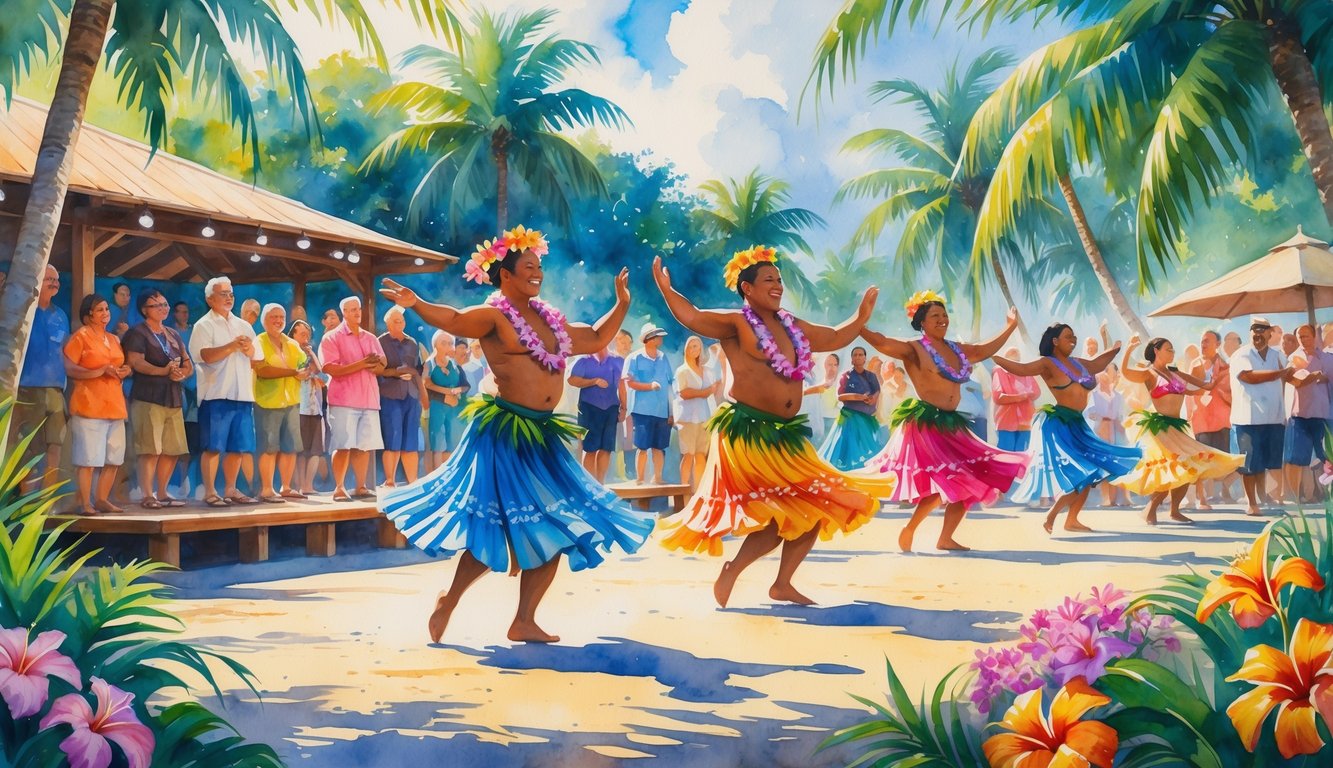
Every spring, I see visitors from around the world come to Hilo for the Merrie Monarch Festival’s celebration of Hawaiian culture.
The event supports local tourism and brings the community together to preserve traditions.
Festival Tourism
When the Merrie Monarch Festival takes place, hotels and restaurants fill up quickly.
Visitors want to experience authentic hula shows, parades, and craft fairs.
Many visitors stay for several days, which helps small businesses and tour guides.
People get excited to watch hālau hula (hula schools) compete live.
Tickets often sell out early.
Besides dance competitions, arts and crafts markets pop up where I can see and buy handmade Hawaiian items.
Local tour companies create special packages for festival week.
This makes it easy for travelers like me to plan a trip.
Tourism during this festival boosts the local economy and highlights Hawaiian culture.
Events like the Merrie Monarch attract many people to Hawaii in April, as guides about the Merrie Monarch Festival explain.
Community Involvement and Support
To me, the most special part of the festival is how the community comes together. Local families, artists, and students organize events and perform dances.
The festival teaches and preserves hula, which is a core part of Hawaiian identity. I see workshops that teach everything from lei making to traditional chants.
Volunteers and cultural practitioners share knowledge and skills with both locals and tourists. Community members help keep traditions alive for the next generation.
The festival offers scholarships and opportunities for young people interested in Hawaiian arts. These efforts build pride and connection among everyone involved.


