
Kona’s sunny slopes and rich volcanic soil create one of the most distinctive coffee-growing regions in the world. Visitors can walk through rows of glossy coffee trees, see cherries ripen on the branch, and watch the process that turns them into the smooth, aromatic brew that made this region famous.

A Kona coffee farm tour gives you the chance to taste fresh 100% Kona coffee right where it’s grown.
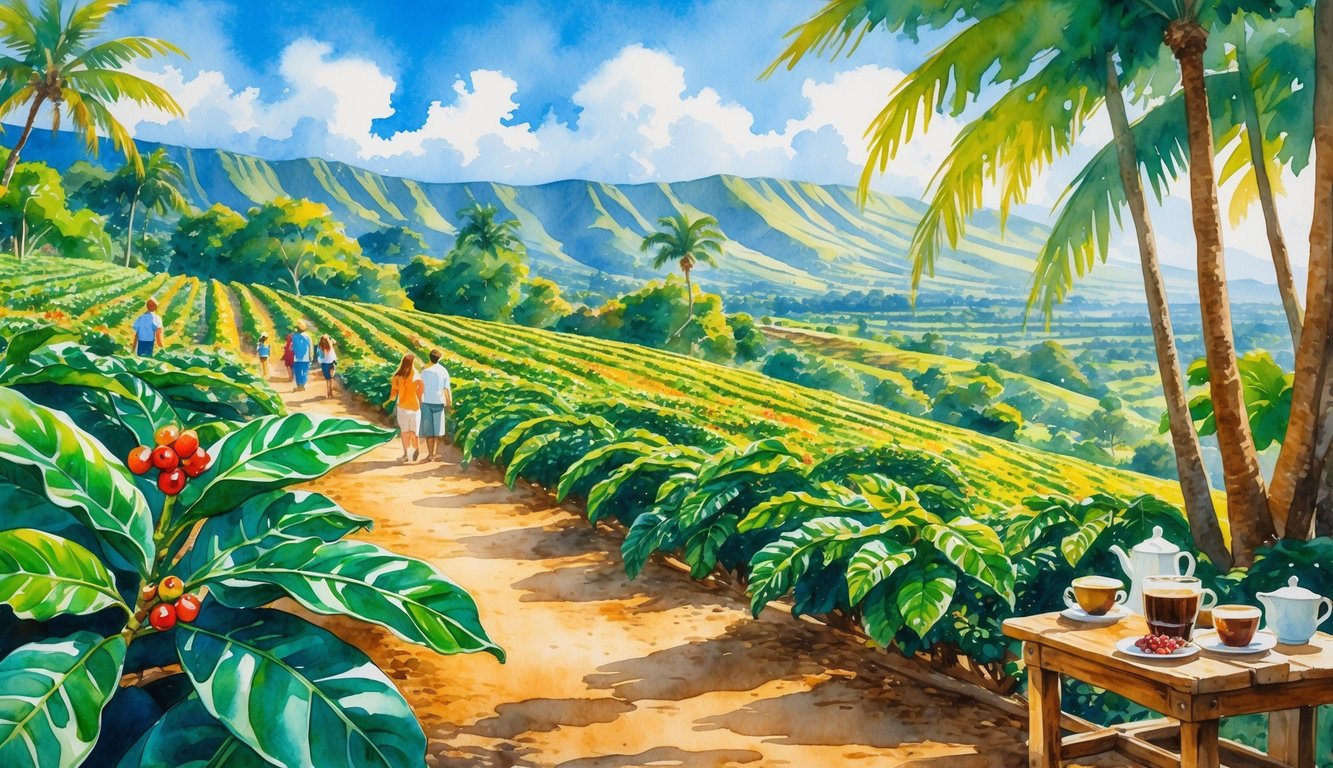
Each farm, from small family plots to well-known estates, has its own story and style. Some offer free guided walks and tastings like the award-winning Greenwell Farms.
Others provide immersive experiences that include rides through the hillsides, hands-on harvesting, or sampling other local products.
Touring these farms is more than just sipping coffee. You connect with the land, meet the growers, and learn how climate and tradition shape every cup.
Whether you want a quick stop or a half-day adventure, the Big Island’s coffee country invites exploration at your own pace.
Kona Coffee Farms and Their Unique Appeal
Kona coffee grows only on the slopes of Hualālai and Mauna Loa in Hawaii’s Kona District. The region’s volcanic soil, mild temperatures, and steady rainfall create ideal growing conditions.
These conditions shape the distinct flavor profile of Kona coffee. Touring these farms offers both an educational and sensory experience.
What Makes Kona Coffee Special
Kona coffee is famous for its smooth, well-balanced taste with low acidity. Many beans have subtle notes of chocolate, nut, or fruit.
These flavors develop because of the region’s unique microclimate and mineral-rich volcanic soil.
Farmers in Kona hand-pick coffee cherries to harvest only ripe fruit. This method takes more time but keeps quality high.
They often sun-dry the beans and roast them in small batches. This process preserves the natural flavor and aroma.
Some farms, like Greenwell Farms, offer tastings so visitors can compare different roast levels.
The History of Coffee Farming in Kona
Coffee first arrived in Hawaii in the early 1800s. Samuel Ruggles brought it to Kona in 1828.
The region’s climate quickly proved ideal for coffee cultivation. In the late 19th century, many Japanese immigrants worked on Kona coffee farms.
Over time, they leased land and started their own small family operations. By the mid-20th century, Kona coffee had built a reputation for quality.
Today, most farms remain family-owned. Many still use traditional growing and processing methods passed down for generations.
Overview of Hawaiian Coffee Farms
Hawaiian coffee farms vary in size, style, and offerings. Some are large estates with modern equipment.
Others are small plots worked by just a few people. In Kona, visitors can find farms that offer free tours, like those at Greenwell Farms.
Paid experiences with guided tastings are also available. Many tours include walking through coffee fields, learning about processing steps, and sampling fresh brews.
Outside of Kona, other Hawaiian coffee regions—such as Ka‘u and Maui—also produce high-quality beans. Kona coffee remains the most famous, thanks to its distinct growing conditions and long tradition of careful cultivation.
Exploring Kona Coffee Farm Tours
On Hawaii’s Big Island, visitors can walk through working coffee orchards, see beans at different stages of growth, and taste fresh brews made on-site. Many farms combine history, agriculture, and tasting in a single visit.
Types of Farm Tours Available
Kona coffee farm tours range from short, free tastings to in-depth, guided experiences. Some farms, like Hala Tree, offer complimentary tours that focus on the basics of growing and roasting.
Others provide paid packages that include brewing classes or roasting workshops. Self-guided tours let visitors explore at their own pace.
These usually include informational signs and tasting stations. Guided walking tours often cover orchard visits, processing facilities, and roasting rooms.
Some farms run driving tours across larger estates, such as Buddha’s Cup, with stops for fruit picking or sampling other local products. Private tours are available for small groups who want more time with a guide.
Popular Kona Coffee Farm Tour Experiences
Greenwell Farms welcomes many visitors and offers daily tours and tastings of its award-winning 100% Kona Coffee. Guests can walk through the orchards, learn about harvesting, and watch roasting demonstrations.
The Kona Coffee Living History Farm shows what life was like for coffee farmers in the early 1900s. Costumed interpreters demonstrate traditional farming techniques and tools.
Mountain Thunder Coffee Plantation sits higher on the slopes and gives visitors cooler weather. Guests can see shade-grown coffee production and taste rare varietals.
Booking Tips and What to Expect
Most Kona coffee farm tours run year-round, but harvest season (August to January) is the best time to see active picking and processing. Some farms require reservations, especially for private or specialty tours.
Others welcome walk-ins. Prices vary widely.
Free tours often include tastings but may not go into as much detail. Paid tours can range from $10 to $50 per person, depending on length and activities.
Visitors should wear comfortable shoes for walking on uneven ground. Sunscreen, hats, and water are recommended, as many tours take place outdoors.
Some farms also have gift shops selling fresh beans and brewing equipment.
Top Kona Coffee Farms for Tours and Tastings
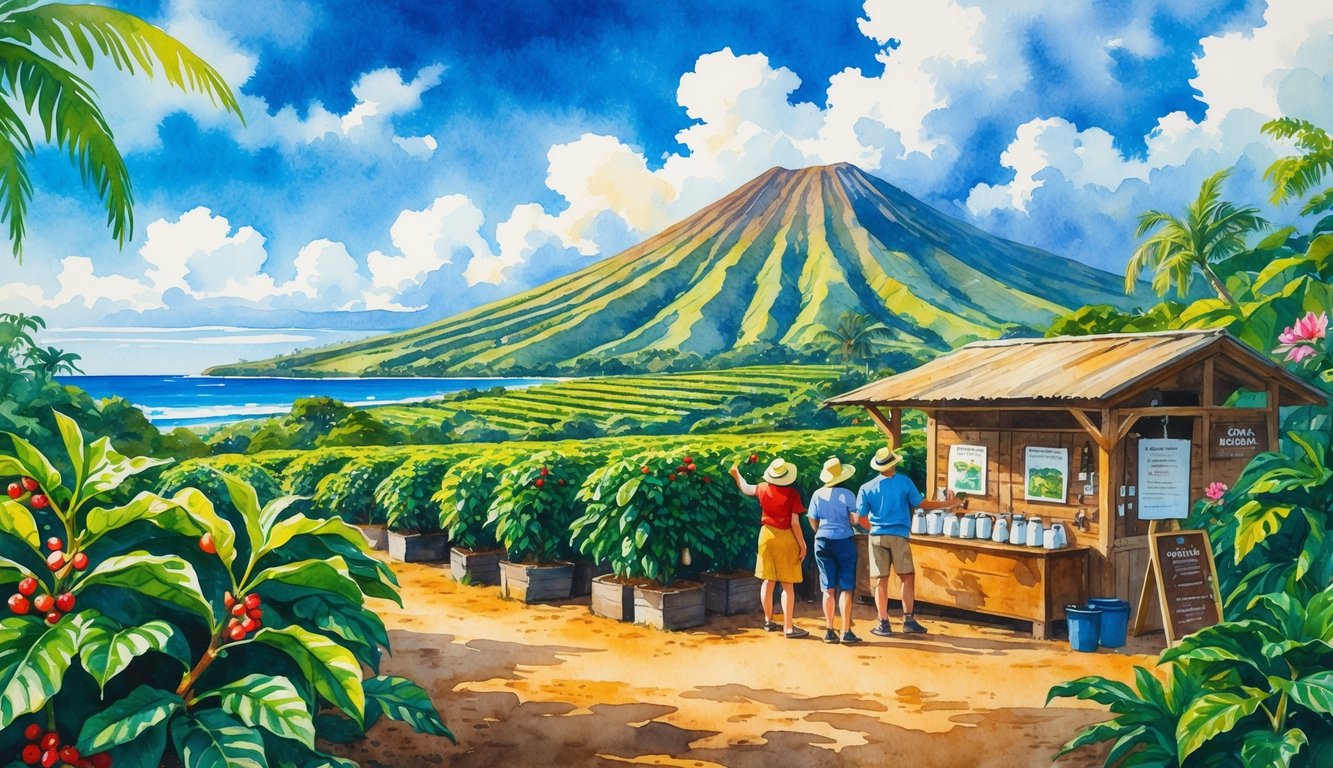
In Kona, visitors can explore working coffee plantations, learn about growing and roasting, and enjoy fresh brews right where they are made. Many farms also share local history, sustainable farming practices, and hands-on tasting sessions.
Greenwell Farms
Greenwell Farms is one of the oldest and largest coffee producers in Kona. Founded in the 1850s, it operates on a historic Kona coffee plantation that still grows, processes, and roasts beans on-site.
They offer free guided tours daily from 9 a.m. to 3 p.m. Guests can walk through the orchards, see coffee trees at different growth stages, and visit the processing facilities.
The tour ends with a tasting area where visitors can sample several roasts, including classic 100% Kona coffee and flavored options.
For more details on their schedule and offerings, see the Greenwell Farms tour information.
Hula Daddy Kona Coffee
Hula Daddy Kona Coffee is known for small-batch, high-quality beans that often win coffee tasting awards. The farm focuses on careful cultivation and hand-picking to keep flavor consistent.
Tours here are more intimate, with smaller groups and personal attention from guides. Visitors can see the roasting room, learn about quality grading, and watch brewing demonstrations.
The tasting session often includes comparisons between different roast levels. Guests learn how roasting affects flavor.
Details about their award-winning approach can be found in the Hula Daddy Coffee profile.
Heavenly Hawaiian Coffee Farms
Heavenly Hawaiian Coffee Farms sits on the slopes of the Big Island with views of the Kona coast. Its elevation and volcanic soil create ideal growing conditions for rich, smooth coffee.
Tours include a walk through the coffee fields, explanations of the harvest process, and a look at how beans are dried and roasted. Guests can also learn about the farm’s sustainability practices.
The tasting portion offers freshly brewed coffee along with tips on brewing at home for the best flavor.
You can explore more about their scenic location and offerings through the Heavenly Hawaiian Coffee Farms guide.
Enhancing Your Kona Coffee Experience
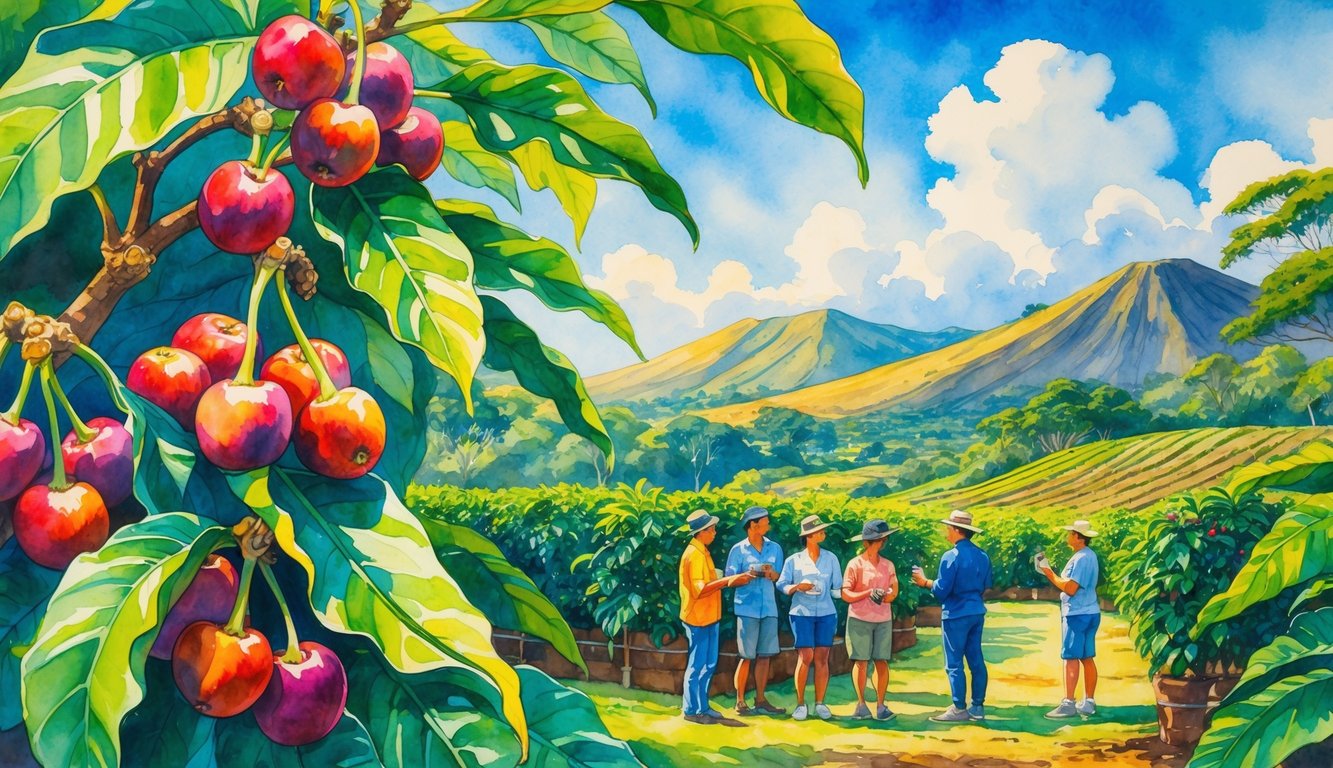
Visitors can deepen their appreciation of Kona coffee by learning how it is roasted and brewed, tasting it with fresh island foods, and pairing a farm visit with nearby attractions. These activities help them connect with the region’s culture while enjoying Hawaii’s landscapes and flavors.
Coffee Roasting and Brewing Workshops
Many farms let guests take part in small roasting sessions. At places like Kona Joe, visitors can roast a set amount of beans to their preferred level.
They see how temperature and time affect flavor and aroma. Brewing workshops often cover pour-over, French press, and drip methods.
Instructors explain grind size, water temperature, and brewing time. Guests taste the differences between roasts and methods to find their favorite.
Some farms also teach how to store beans to keep them fresh longer. Learning these skills helps travelers recreate the same flavors at home.
Pairing Coffee with Local Flavors
Kona coffee pairs well with many Hawaiian foods. Farms like Kona Earth may serve it with homemade banana bread or tropical fruits like papaya and mango.
Pairing sessions often highlight how acidity, sweetness, and bitterness in coffee interact with food. For example:
| Coffee Roast | Suggested Pairing | Why It Works |
|---|---|---|
| Light Roast | Fresh pineapple | Balances bright acidity |
| Medium Roast | Banana bread | Complements nutty notes |
| Dark Roast | Dark chocolate | Matches bold, bitter flavors |
These tastings help visitors understand flavor profiles and how to match them with meals or desserts.
Combining Coffee Tours with Island Attractions
Kona coffee farms sit close to many scenic spots. Travelers can visit a farm in the morning.
In the afternoon, they can explore Hawai‘i Volcanoes National Park. This plan offers both taste and adventure in one day.
Some farms are near beaches or historic towns like Kailua-Kona. Others are along routes with ocean views or hiking trails.
Tour companies sometimes offer packages with transportation between farms and attractions. These packages help visitors see more of the island without planning each stop on their own.


