
When I think about the Hawaiian Islands, Molokai always stands out for its quiet beauty and untouched landscapes. There’s something special about driving along the coast or through the hills here, where green mountains meet the clear blue sea with hardly anyone else in sight.

Molokai offers some of the best scenic drives in Hawaii. Travelers can see the island’s wild side at their own pace.
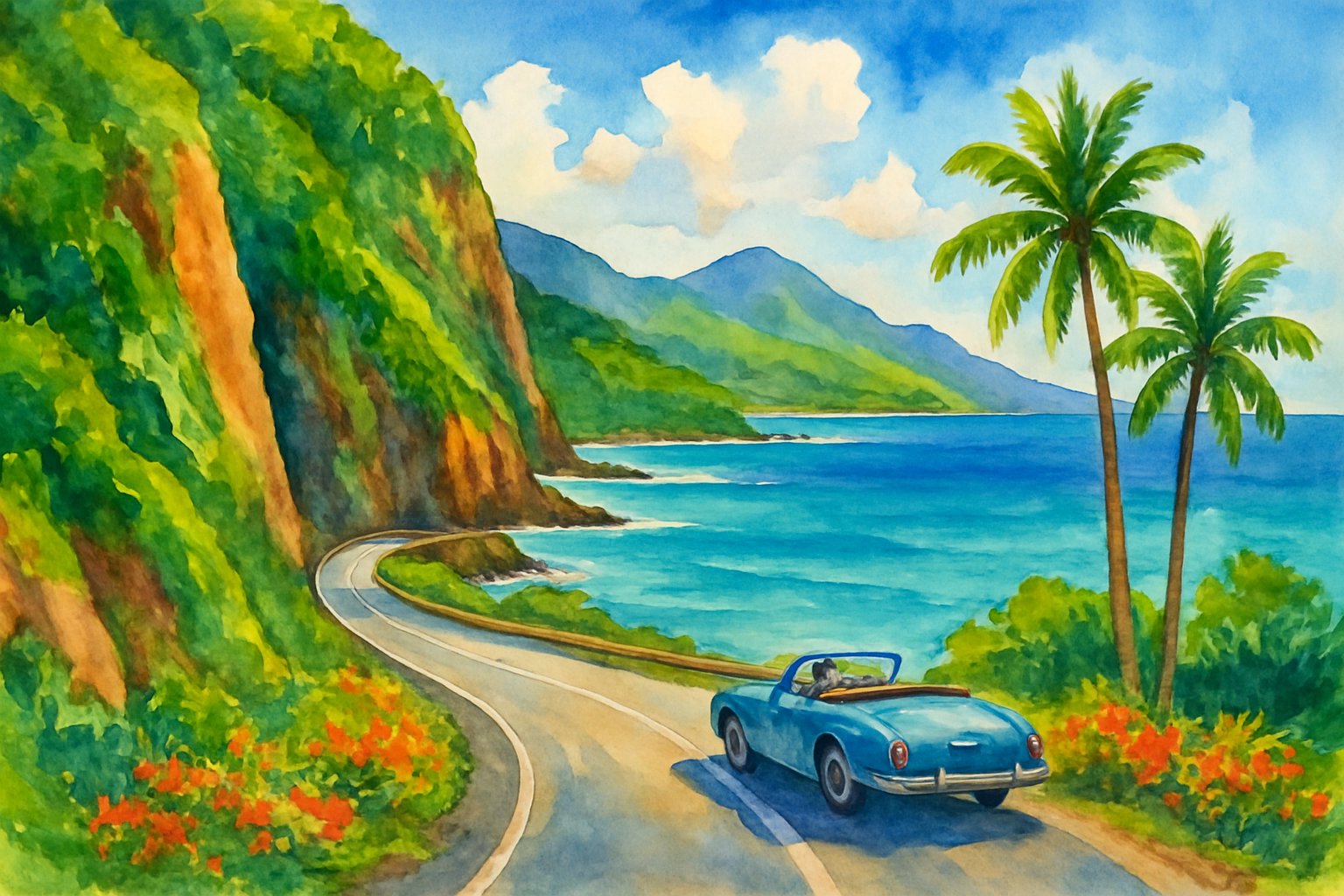
On my last vacation, I found that Kamehameha V Highway is a real highlight. The road led me past rugged coastlines, peaceful beaches, and to the entrance of Halawa Valley, one of the island’s most famous spots.
Each mile brought something worth stopping for, whether it was a sweeping lookout or a quiet stretch of sand. If you want to explore beyond tourist hotspots, Molokai’s scenic roads have a lot to offer.
If you want to see what makes this island unique, take the time to discover the best scenic drives on Molokai. There’s no rush here—just the steady pace of island life and unforgettable views.
Overview of Molokai’s Scenic Drives
Molokai has quiet roads, stunning scenery, and a relaxing pace. I’ve made some of my best vacation memories just driving through the island’s quieter routes and stopping at overlooks and hidden beaches.
Why Explore Molokai by Car
When I drive through Molokai, I can see its natural beauty at my own pace. The island doesn’t have big highways, but instead has winding roads that hug the coastline and pass through valleys and small towns.
Taking a car lets me reach places tour buses skip, like the lush Halawa Valley or remote east end beaches. A scenic drive means I can pull over for photos or explore lookout spots that aren’t always listed on maps.
Since public buses are limited, I find that a car is the best way to see quiet stretches of shoreline or scenic overlooks. This flexibility makes the adventure feel more personal and less rushed.
Planning Your Route
Molokai is easy to get around because there are only a few main roads. My favorite drive is along the Kamehameha V Highway, which runs east from Kaunakakai to Halawa Valley.
This drive follows the coast for about 28 miles, weaving past beaches, forests, and small stores. I plan a few must-see stops, such as ancient Hawaiian fishponds or scenic lookouts.
The road has curves and narrow spots, so I check my map and estimate how long each leg will take. Cell service can be spotty, so I download maps or bring a paper copy.
There aren’t many gas stations outside Kaunakakai, so I always fill up before heading out. For detailed route ideas and stops, I use guides like this Molokai Halawa Valley scenic drive guide.
Car Rental and Transportation Tips
Renting a car on Molokai is easy, but options are more limited than on other Hawaiian islands. I book my rental car a few weeks in advance, especially during busy vacation seasons.
The main rental agencies are near the airport or in Kaunakakai. Most cars are simple and practical; I don’t need four-wheel drive unless I plan to visit very remote spots.
I always drive slowly, since Molokai’s roads can be narrow and locals appreciate when visitors respect speed limits. If I don’t rent a car, getting around is tough.
Taxis and rideshare options are few, and public transportation does not reach many scenic spots. For full freedom to explore, I find that having my own rental car is the best way to see all of Molokai’s quiet beauty.
Exploring the Stunning Eastern Coast
The eastern coast of Molokai is one of my favorite areas to drive. The peaceful scenery and old Hawaii feel make it special.
I find winding roads, quiet beaches, lush valleys, and waterfalls that show off the best of Molokai’s nature.
Halawa Valley Drive
When I start my drive along the eastern side of the island, the journey to Halawa Valley always stands out. Highway 450 hugs the coastline and gives constant views of the blue ocean and green hills.
Each turn feels more remote, with fewer cars and more birdsong. I see tall coconut palms and old churches as I head toward the end of the road.
Eventually, I reach Halawa Valley, one of the oldest settled places in Hawaii. The valley is famous for its taro fields, peaceful streams, and the sound of waterfalls in the distance.
For anyone wanting a true scenic journey, the road to Halawa Beach Park is as serene as it gets.
Beaches Along the East Shore
Driving the eastern coast, I often stop at quiet beaches that don’t get crowded. Many of these spots are easy to miss, so I slow down and look for small parking areas or paths off the road.
Some beaches have soft white sand, while others are lined with dark lava rocks. Murphy’s Beach (Kumimi Beach) is a favorite, perfect for calm swimming and snorkeling.
I also find sandy places where locals picnic or fish. Each beach offers a peaceful spot to swim, read, or simply enjoy a beautiful part of the island.
Waterfalls and Nature Stops
This part of Molokai has several waterfalls and lush lookouts, especially if I hike into Halawa Valley. The most popular trail leads to Moaʻula and Hīpuapua Falls, surrounded by tropical plants and tall trees.
I see clear rivers, bright flowers, and many birds along the trail. The waterfalls are tall and flow year-round.
If I don’t want to hike, I still enjoy stopping at small streams and roadside lookouts. This coast feels untouched and always offers a new place to stop and take in the views.
West End Highlights
I love exploring Molokai’s west end because it’s full of quiet roads, wide beaches, and history. My favorite stops mix local culture and some of the best places to see the sunset or walk along the shore.
Kaunakakai to Papohaku Beach Road
Starting from Kaunakakai, I take the westbound highway that passes small neighborhoods, dry countryside, and kiawe forests. The road is peaceful, with very little traffic.
Papohaku Beach is one of my main destinations here. It’s one of Hawaii’s widest white sand beaches, stretching nearly three miles.
The open space and soft sand are perfect for walking, picnics, or enjoying the ocean breeze. Along the way, I spot ocean views and sometimes see people fishing or families gathering for the weekend.
There aren’t many shops or restaurants here, so I always pack snacks and drinks. The beach rarely gets crowded, even on sunny days.
For more about this scenic route, check Molokai’s best scenic drives.
Sunset Viewing Spots
I never miss a sunset when I’m on Molokai’s west end. Some of the best spots are Kaulapapa Lookout and Papohaku Beach.
The sky lights up in orange, pink, and red as the sun dips toward the horizon. Papohaku Beach is my top pick for sunset walks.
Its wide stretch of sand gives an open view, so I can watch the changing colors without any crowds. Kepuhi Beach is another spot I visit for a peaceful and secluded sunset.
I bring a beach chair and a light jacket, so I can sit comfortably and watch the evening light. The sunsets here feel extra special because there’s so much space and hardly any noise besides the waves.
Historic Sugar Mill Route
The old sugar mill on the west end reminds me of Molokai’s past. From Kaunakakai, I head toward Maunaloa and see fields that once grew sugarcane.
The road follows some of the original routes farmers used decades ago. The mill stands as a landmark, showing local farm life before tourism grew on the island.
While I can’t tour the inside now, the structure is still impressive. I like to imagine the workers and families who lived here when the mill was still in use.
Nearby, I sometimes see old equipment or abandoned buildings, which make for interesting photos. This drive gives me a sense of Molokai’s history and the hardworking people who shaped it.
For more about scenic drives and Molokai landmarks, check this travel guide.
Central Molokai Drives and Attractions
Driving through Central Molokai gives me a close look at its everyday life, history, and local culture. On this drive, I find both lively towns and places full of stories from the island’s past.
Kaunakakai Town Tour
When I visit Kaunakakai, the largest town on Molokai, I notice its small-town charm right away. The main street, Ala Malama Avenue, has local shops, cafes, and markets.
Kanemitsu Bakery is famous for its hot bread, and I always stop there in the evening. Saturday mornings are great for the farmers market, where I try fresh island produce and meet local residents.
I like to walk by the harbor to see the boats and enjoy the view of Lanai island across the channel. A drive around town passes old churches like the historic Grace Episcopal Church.
I also spot colorful murals painted by local artists. Street signs and markers share Molokai’s history and unique character, making me feel connected to the island.
Cultural and Historical Landmarks
Central Molokai reflects deep roots in Hawaiian culture and history. I start by visiting the Molokai Museum and Cultural Center, which displays artifacts from native Hawaiian life and the sugar mill era.
I often stop at the Kapuāiwa Coconut Grove, an old royal coconut grove planted in the 1860s. Walking under the tall palms, I imagine what life was like during King Kamehameha V’s time.
Driving farther, I find Kalaupapa Lookout. From here, I look across the sea cliffs to the former leprosy settlement below.
The lookout helps me appreciate both the land’s beauty and its hard past.
Kalaupapa Peninsula Scenic Drive
Driving to the Kalaupapa Peninsula gives me amazing views and a chance to learn about the island’s past. The route features high cliffs, lush landscapes, and places that tell the story of people who lived here.
Kalaupapa Overlook
My favorite stop is the Kalaupapa Overlook, which I reach by following the Kalae Highway. This lookout gives me a clear view of the remote Kalaupapa Peninsula, with green grasslands and dramatic mountains all around.
When I get out of the car, I see steep cliffs dropping to the ocean. The lookout shows me how isolated this place is.
Locals and visitors say it’s a must-see for photographers or anyone who loves natural beauty. I like that there is plenty of parking and easy walking paths.
Signs share information about Kalaupapa and its history, making the visit educational. For more about this drive, I check out this Molokai scenic drive resource.
Mule Ride Experience
From the lookout, I learn there’s more to do than just admire the view. The famous mule ride down to Kalaupapa gives me an adventurous way to experience the cliffs and forest up close.
Guides lead me and other riders along a narrow, winding path with switchbacks and steep drop-offs. Each mule feels steady and sure-footed, so even beginners like me feel safe.
The trip down lasts about an hour and lets me enjoy the sights, sounds, and fresh air. It’s a great mix of excitement and calm.
Only a few people can enter the area each day because the park is protected. I need to be at least 16 years old, and a guide must join me.
Shared stories during the ride make the experience richer. Details on booking and options are easy to find when I plan ahead.
Learn more about the mule ride experience.
History of Hansen’s Disease Settlement
Kalaupapa holds a unique place in Hawaiian history because it once served as a settlement for people with Hansen’s disease (leprosy). From the late 1800s to the 1960s, officials forced residents to live here, separated from their families and the rest of the island.
As I read the signs at the overlook or listen to guides, I learn about the daily lives and struggles of these residents. Important figures like Father Damien helped make the settlement more bearable.
Visitors treat the area with respect. For many, it’s not just a beautiful spot—it’s a place where families remember loved ones and honor their strength.
More background is available at Kalaupapa National Historical Park.
Outdoor Adventures Along the Drives
Molokai’s scenic drives offer much more than beautiful views from the car. I can stop to enjoy hiking, see native wildlife, relax on hidden beaches, and take in natural attractions that make each drive memorable.
Best Hiking Tours on Molokai
My favorite way to explore Molokai’s rugged landscapes is by joining a guided hiking tour. Local tours take me through the lush Hālawa Valley, a place filled with waterfalls, tropical plants, and peaceful surroundings.
The hike to Moaʻula and Hīpuapua Falls stands out as both beautiful and accessible. I get the chance to experience some of the island’s most impressive scenery up close.
Guided tours also teach me about Hawaiian history and culture as I walk. Along the way, I pass ancient ruins, taro patches, and sometimes catch a glimpse of hidden beaches.
If I want a quieter experience, I join a private or small group tour. Some tours combine adventure with relaxing at the beach, offering short hikes to viewpoints with sweeping looks over cliffs and the bright blue ocean.
I can book these activities with local companies like Molokai Outdoors which provide driving and hiking tour options.
Wildlife and Nature Observation
Each time I drive Molokai’s scenic routes, I look for native plants, rare birds, and marine life. Molokai is known for its peaceful coastline and rural nature, making wildlife observation rewarding.
I often see Hawaiian monk seals sunbathing on quiet beaches and seabirds flying above dramatic sea cliffs. I bring binoculars to spot different bird species from lookouts or while walking easy trails near the drive.
Wetlands and coastal areas sometimes host native waterbirds like the Hawaiian stilt. During certain seasons, I can even spot migrating whales from some vantage points.
Beaches near the drives are also great for tide pooling. I sometimes come across green sea turtles in shallow waters.
I always keep a good distance and avoid disturbing animals to respect their natural habitat. For more information on places ideal for nature watching, I check out the Molokai scenic drives highlights and guides that list beaches, lookouts, and key attractions along the main routes.
Cultural Experiences and Local Flavor
While driving through Molokai, I get to see more than just pretty scenery. I also find rich Hawaiian traditions and taste flavors unique to this island.
Traditional Hawaiian Culture
When I visit Molokai’s small towns, I notice the pride in local culture. The island is known for its strong connection to ancient Hawaiian ways.
Historic areas like Hālawa Valley show me old taro farms and ancient temples. Local guides share stories about legends, sacred sites, and the meaning behind different plants and symbols.
Sometimes I find festivals or small gatherings where people play ukulele, perform hula, or demonstrate how to pound poi from taro. It’s easy to join a workshop or just watch, learning how important respect for the land and sea is here.
The spirit of aloha isn’t just a saying—on Molokai, it feels real and alive in daily life.
Local Cuisine and Markets
Eating on Molokai gives me a real taste of the islands. Farm stands on the road sell papayas, bananas, and sweet pineapples.
At the Saturday farmers market in Kaunakakai, I sample local foods like coconut candy, fresh-baked bread, and plate lunches with kalua pork and rice.
Some small eateries serve lau lau, poke, and other Hawaiian classics made from local ingredients. It’s common to chat with locals about how the food is grown or caught.
Seafood lovers will enjoy options like grilled fish or tako (octopus) poke. Trying homegrown, homemade food turns my drive into a real cultural adventure.
For a full experience, I also visit local businesses featured in guides like Frommer’s Favorite Experiences in Molokai for unique island flavors.
Nearby Island Scenic Drives for Comparison
Each Hawaiian island offers its own version of a scenic adventure. The best drives highlight unique landscapes, local sights, and peaceful views of the South Pacific.
Maui’s Road to Hana
When I think about famous scenic drives, Maui’s Road to Hana always comes to mind. This winding route covers about 64 miles and takes me through lush rainforests, waterfalls, and coastal cliffs.
The narrow turns and one-lane bridges make the drive exciting but also slow. There are over 600 hairpin turns along the way.
I like to stop at roadside fruit stands and small towns, such as Paia and Hana. Highlights include Twin Falls, Wai’anapanapa State Park, and the black sand beaches.
It is popular for photography and exploring hidden beaches. For more information, USA Today covers it in their article, “10 Best Scenic Drives in Hawaii” at their Maui Road to Hana section.
Oahu’s Coastal Routes
Oahu’s coastal roads offer ocean views mixed with mountain scenery. I like to start with the drive around Kamehameha Highway on the North Shore.
This route passes by surf spots like Waimea Bay and Sunset Beach. The drive continues around the windward side toward Kaneohe and Kailua.
Some of the best lookouts are at the Nuuanu Pali and Makapu’u. I always stop at the beaches along the way for a swim or picnic.
Driving through Honolulu, I take Tantalus Drive and Round Top Drive for forest views and city overlooks. These roads are recommended on Reddit’s guide to scenic drives.
Kauai Scenic Journeys
Driving on Kauai feels like entering a different world. Route 560 along the North Shore is my favorite.
This road goes past Hanalei Bay and through small towns. There are lots of taro fields, waterfalls, and green mountains.
The road is narrow in many places. I like to explore lookouts near the Napali Coast and stop for photos near each one.
Sometimes, I drive down to Waimea Canyon for views of the “Grand Canyon of the Pacific.” Kauai’s scenery is popular with photographers.
For recommendations, check out the scenic drives in Kauai feature from USA Today.
Mauna Kea and Mauna Loa Routes
On the Big Island, I like to drive up the saddle road between Mauna Kea and Mauna Loa.
This route lets me see two of Hawaii’s tallest volcanoes.
The landscape changes quickly from rainforests to lava fields.
I always stop at the Mauna Kea Visitor Information Station to look at the stars at night.
The Mauna Loa Road offers another interesting drive.
It twists through fields of old lava and rare plants.
If you want a unique adventure, you can visit this less crowded area for huge, open views.
For more details, check out Amy Fillinger’s guide on the best scenic drives in Hawaii for tips on exploring these volcanic routes.


