
Stand on the sand at Ehukai Beach Park on a big January morning and you’ll hear Pipeline before you see it. The sound arrives as a low boom you feel in your chest, then a wave stands up out of nowhere, throws a wide-open barrel, and detonates on reef that sits only a few feet under the surface.
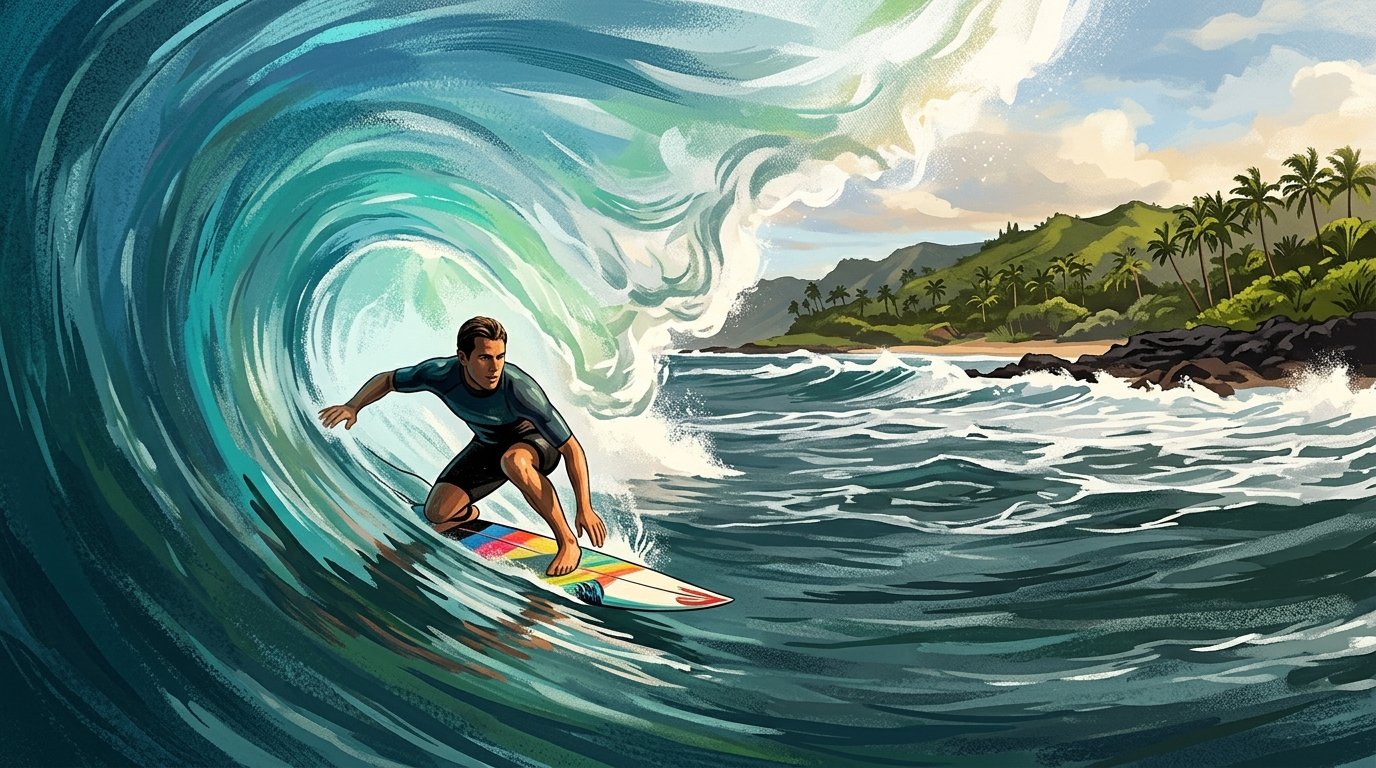
The Banzai Pipeline sits off Ehukai Beach Park in Pupukea, on the North Shore of Oahu, right along Kamehameha Highway. It’s a reef break, meaning waves jack up fast when deep-ocean swell hits a shallow lava shelf. Pipeline is an expert-only wave with a fatality record, so most visitors get far more out of watching it from the beach than paddling out.
The spectacle is free, and it’s one of the best shows in Hawaii. Pipeline surfing draws the world’s top professionals every winter, and from November through February you can park on Kamehameha Highway and watch heats, free surfs, and contests unfold about 100 yards offshore.
Read on to learn how the reef shapes those barrels, which swell and wind combinations turn it on, how to check conditions before you drive out, and exactly where to stand once you arrive.
How the Reef Creates Pipeline’s Barrels
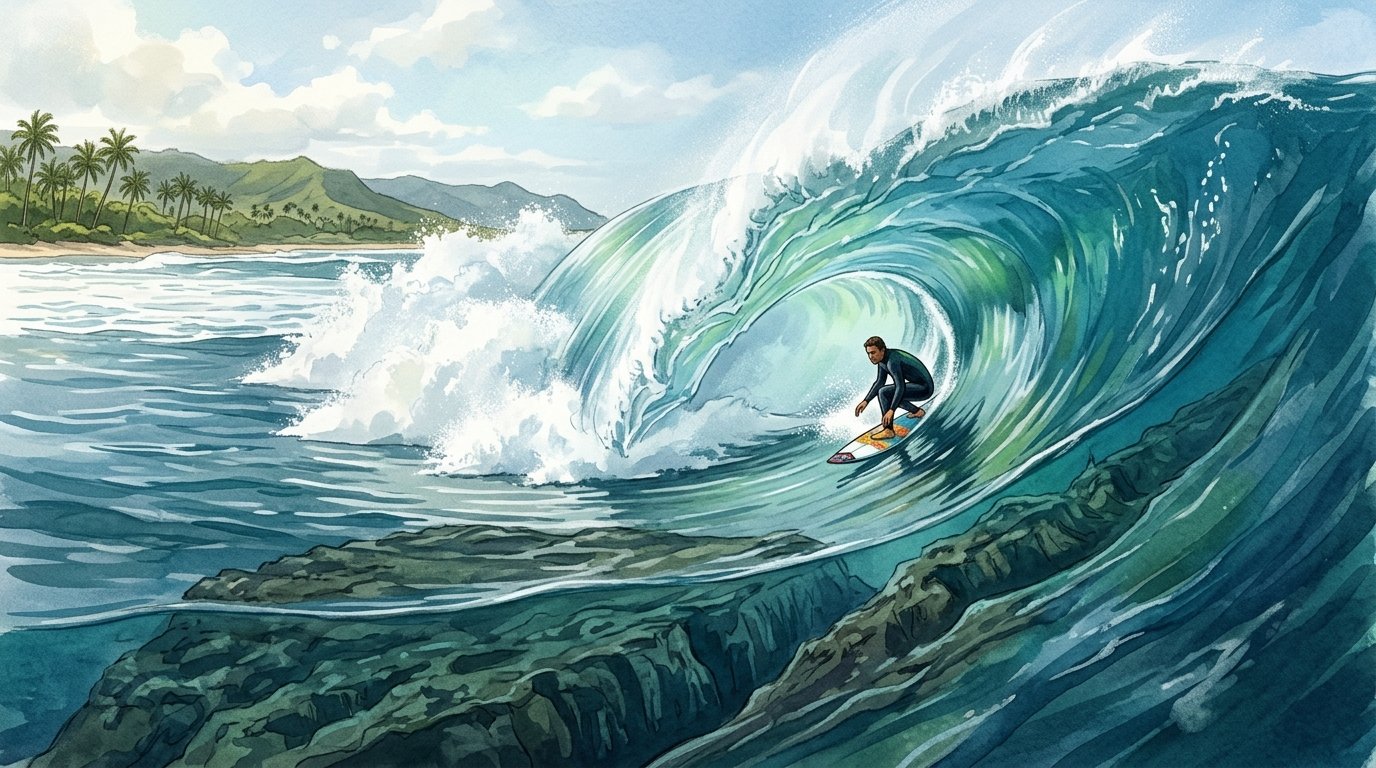
Pipeline’s shape comes entirely from the lava reef under it: a flat tabletop shelf with caves and jagged spires, arranged in three tiers at increasing depth. Swell energy trips over each shelf, which lets one spot produce a perfect hollow left, a hollow right, and a giant outer-reef wave depending on size and direction.
First Reef and the Classic Left
First Reef is the wave in every photo. It breaks left, from a beach watcher’s view, right to left, over the shallowest shelf. It’s the most surfed and most photographed section of the pipeline surf break.
The reef here is mostly solid lava with small caves under the takeoff zone. Those caves create boils on the wave face, and experienced surfers use them as visual markers to line up the peak.
The caverns also trap air. When the lip throws, that pocket of air pops out the front of the wave, helping create Pipeline’s heavy, thumping sound.
Why Backdoor Breaks Right
When a north swell hits the reef straight on, the peak turns into an A-frame. Pipeline peels left while Backdoor peels right off the same peak at the same time.
Backdoor is a shorter, faster hollow right that runs toward Off the Wall. It breaks over an especially shallow section of rocks, which produces many spectacular barrels and injuries.
When Second Reef and Third Reef Activate
Once surf pushes past roughly 12 feet Hawaiian, Second Reef starts breaking farther out in deeper water, according to Wikipedia’s account of the break. Those waves carry longer walls and more size, and they often feed straight into First Reef.
At extreme size, Third Reef lights up even farther outside with true big-wave faces. Greg Noll was the first to ride Second and Third Reef, back in 1964.
Off the Wall and Nearby Reef Breaks
Off the Wall sits just down the beach to the east, another shallow, fast right that has earned its own reputation for danger. It shares the same sand-and-reef system, so a strong west swell that scours sand off the shelf improves both.
Sand is the wild card. When sand piles onto the reef, waves get unpredictable and close out instead of peeling.
Up the coast, other North Shore reef breaks like Rocky Point, Sunset Beach, and Waimea Bay handle the same ocean swells with different shapes and consequences.
When Are the Best Conditions for a Rideable Swell?
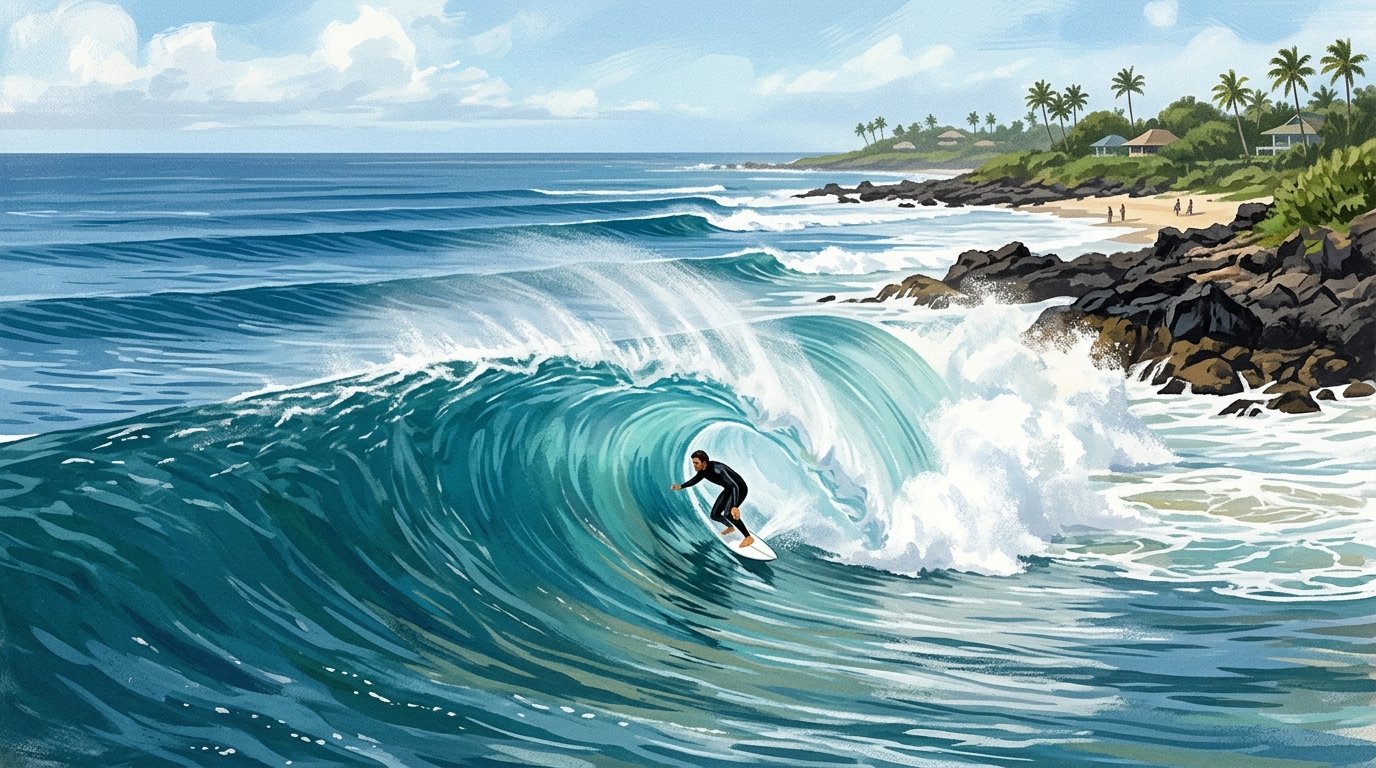
Winter is Pipeline’s season. The most consistent clean waves arrive between November and February on WNW-NW and north swells paired with light offshore or east-southeast winds. When those three factors line up, the peak stands tall, holds its shape, and barrels.
Why Winter and January Produce the Most Consistent Surf
North Pacific storms generate the swells that make Pipe work, and those storms fire hardest from late fall through early spring. January and February rate highest for wave consistency at Pipeline in historical conditions data, which is also why the biggest contests land in that window.
Summer is a different beach entirely. Ehukai often goes flat and calm from May through September, which surprises first-time visitors who show up expecting barrels in July.
If you’re planning a trip around swell, our guide to the best time for surfing in Hawaii covers how the seasons flip between shores.
Reading WNW-NW and North Swells
Northwest swell in the 300 to 340 degree band is the sweet spot. A straight north swell squares up the reef and creates that A-frame peak with Backdoor running right.
A strong west swell does maintenance work: it clears sand off the reef, and a north swell after that produces the cleanest barreling waves. Longer periods, 14 seconds and up, mean more power reaches the shallow reef.
Wind, Tide, and the Shape of the Peak
Offshore winds from the east-southeast hold the lip up and groom the face. Onshore trades put bumps on the wall and make the barrel close out early.
Lower tides make the wave hollower and the reef meaner. Higher tides soften the ledge but can make it fat and less likely to tube.
How to Check Today’s Surf Report Before You Go
Check the surf report the morning of, then check the cams. Surfline’s Pipeline surf guide runs a live cam with wave height, wind speed, tide, a surf rating, and swell and wind history you can scroll back through.
Two habits help. Watch the cam for a full ten minutes to see set size, then compare it against the North Shore Lifeguard Association’s posted warnings and flags before you commit to the drive.
Who Should Surf Pipe and How to Stay Safer
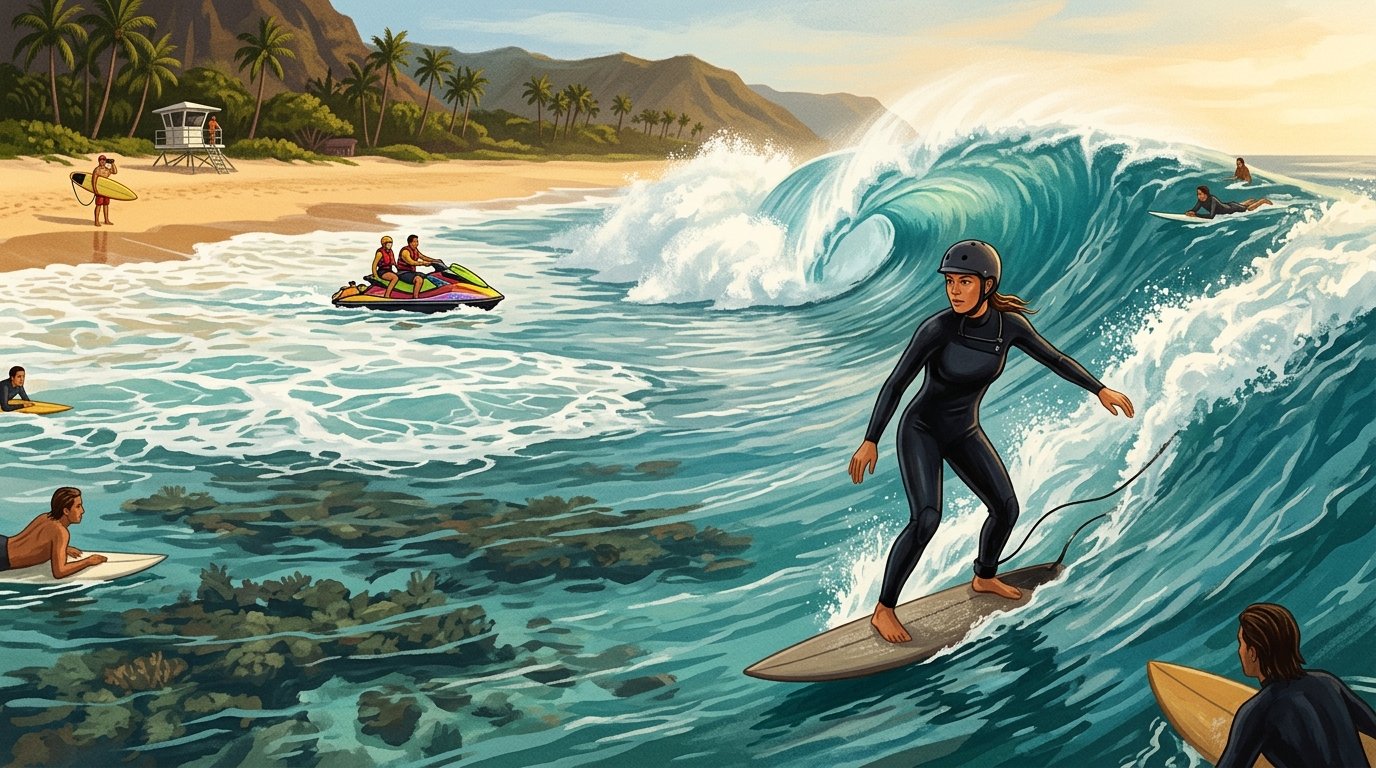
Surfing Pipeline belongs to advanced surfers with real reef experience, strong breath-hold, and hours of watching the lineup first. Numerous surfers and photographers have died here, and the shallow lava shelf punishes small mistakes at high speed.
Why Pipeline Is an Advanced-Only Lineup
The average wave at Pipe runs around 9 feet and can reach 20 feet. That’s Hawaiian scale, so faces are far taller than the numbers suggest.
Takeoffs are steep and late. You drop into a moving ledge with reef roughly a body length below you, and there’s no soft landing.
Big wave surfing skills help but don’t transfer automatically. Pipeline demands precision positioning more than raw courage.
The Shallow Reef, Hold-Downs, and Crowded Peaks
Wipeouts here send surfers into caverns and lava spires. Hold-downs come with turbulence that spins you, and a second wave often lands before you surface.
Crowds compound everything. On a good winter day dozens of professional surfers, photographers, bodyboarders, and bodysurfers share one peak, and collisions cause as many injuries as the reef.
If you’re hurt, raise one hand and stay still so lifeguards can spot you.
Local Etiquette and Right-of-Way
Pipeline runs on a pecking order earned over years. Locals and regulars sit deepest and get priority, and paddling around them is the fastest way to end a session badly.
Practical rules that hold at Pipe:
- Sit wide of the peak your first several sessions and observe
- Never drop in, and never paddle into someone’s line to “block”
- Give bodysurfers and bodyboarders room; Mike Stewart built a legendary career on this exact wave
- Say hello, be patient, and take one wave before expecting another
When Watching From Shore Is the Right Call
Skip the paddle out if you haven’t surfed heavy reef breaks, if the surf is over 6 feet Hawaiian, or if the lineup is already packed. Watching costs nothing and teaches you how the peak shifts.
Beginners on Oahu do better starting with surf lessons in gentler water at Waikiki or Haleiwa before ever considering the North Shore in winter.
Pipeline’s History, Contests, and Spectator Experience
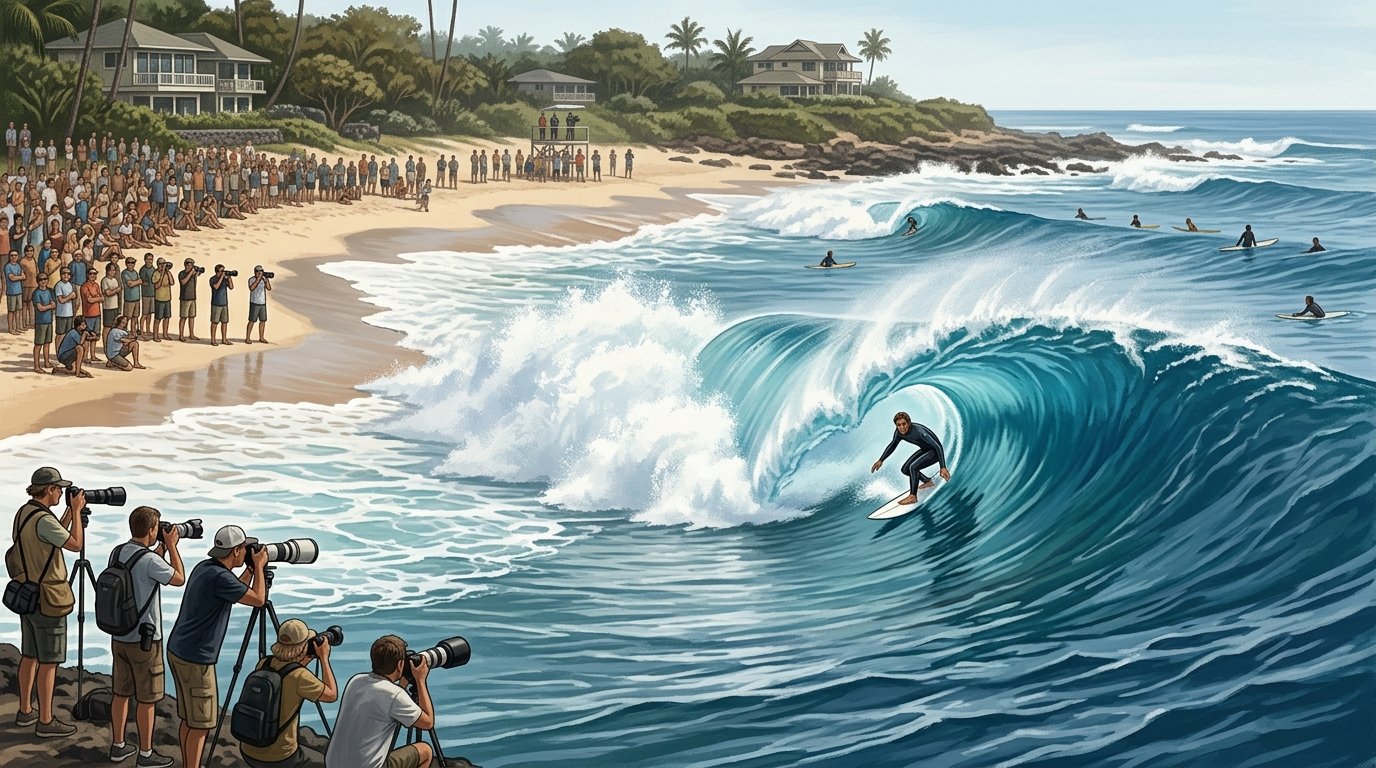
Pipeline got its name in December 1961 and became surfing’s most important stage within a decade. Today it hosts the sport’s biggest events, and Ehukai Beach Park gives spectators a front-row view from dry sand.
From Phil Edwards and Bruce Brown to a Global Icon
In December 1961, filmmaker Bruce Brown was driving up Kamehameha Highway with Phil Edwards and Mike Diffenderfer. Brown stopped to film Edwards riding the then-unnamed break, and Diffenderfer suggested naming it after the underground pipeline construction project alongside the road.
The name debuted in Brown’s film Surfing Hollow Days. Two years later, The Chantays’ instrumental hit “Pipeline” carried it worldwide.
In 1964, John Peck and Dick Catri became among the first surfers shown from inside the tube in a published film.
The Surfers Who Redefined the Lineup
Butch Van Artsdalen was the original “Mr. Pipeline,” charging when boards and leashes were primitive. Gerry Lopez then made it look effortless in the 1970s, standing tall and calm inside barrels that terrified everyone else.
Tom Carroll’s 1991 backhand snap under the lip still gets replayed. Kelly Slater, Andy Irons, and John John Florence each built championships partly on their Pipe performances.
Joyce Hoffman was the first woman to surf it. Moana Jones Wong earned the nickname “Queen of Pipeline,” and in 2024 Molly Picklum became the first woman to score a perfect 10 there.
Pipe Masters and Other Major Events
The Pipe Masters is the headline event, and men’s elite professional surfing has competed here since 1971. The World Surf League didn’t run an elite women’s event at Pipeline until 2020, and the women’s tour has held a Pipe event every season since.
Other fixtures include the Volcom Pipe Pro, the Da Hui Backdoor Shootout, bodyboarding’s IBA Pipeline Pro, and the Pipeline Bodysurfing Classic. Surfers also submit clips to the Wave of the Winter contest all season.
Our roundup of surf competitions worth watching in Hawaii covers dates and locations across the islands.
How to Watch at Ehukai Beach Park
Park at Ehukai Beach Park off Kamehameha Highway and walk straight to the sand. The wave breaks about 100 meters offshore, so a phone camera won’t do it justice, but your eyes will.
Arrive before 8 a.m. on contest days. Lot spaces fill fast, and shoulder parking along the highway gets ticketed.
Bring water, reef-safe sunscreen, and a towel. Stay behind the lifeguards’ marked areas, keep out of the water when red flags are up, and never turn your back on the shorebreak. Haleiwa, about 20 minutes west, has food and shave ice for after. Flights into Dillingham Airfield and Kaneohe Bay MCAF handle small aircraft, but visitors drive in from Honolulu.
Combine the trip with North Shore beaches, turtles, and small-town stops to make a full day of it.
Respecting the Wave Makes the Visit Better
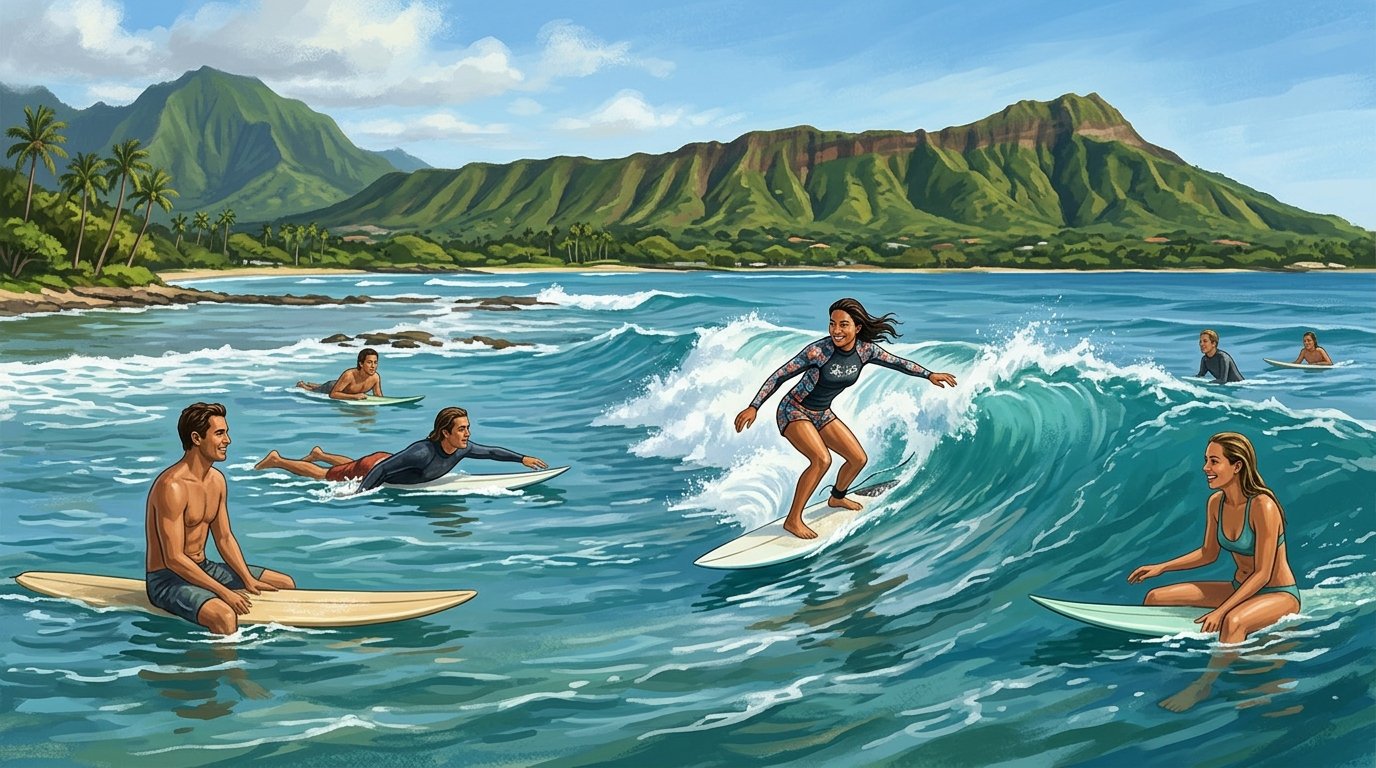
Pipeline rewards patience, whether you’re in the water or on the sand. The three-tiered reef off Ehukai Beach Park turns winter WNW-NW and north swells into hollow barrels. Offshore east-southeast winds groom the face, while low tide sharpens the ledge over lava that sits dangerously close to the surface.
Advanced surfers who know reef breaks and understand the local pecking order should surf here. Everyone else can watch from Ehukai Beach Park during a January swell and enjoy the same thrill without the risk.
Check the cam and surf report the morning you go. Arrive early for parking on Kamehameha Highway, and give the lifeguards and the lineup room to work. These steps help keep North Shore surf enjoyable for you and everyone around you on Oahu.
Frequently Asked Questions

Where is the Banzai Pipeline on Oahu?
The Banzai Pipeline breaks off Ehukai Beach Park in Pupukea, on the North Shore of Oahu, along Kamehameha Highway. It’s roughly a 35-mile drive from Waikiki, and the wave itself breaks about 100 meters offshore over a shallow reef.
Can anyone surf the Banzai Pipeline?
No. Pipeline is for advanced and professional surfers with reef break experience because the lava shelf sits close to the surface and hold-downs are severe. Multiple surfers and photographers have died here, and even elite riders get injured.
What is the best time of year to surf Pipeline?
Winter, roughly November through February, brings the best conditions, with January and February producing the most consistent surf. North Pacific storms send WNW-NW and north swells during those months, and summer at Ehukai is frequently flat.
How can I check Pipeline surf conditions today?
Use a live surf cam and surf report that shows wave height, wind speed, tide, and swell history before you drive out. Surfline runs a Pipeline cam with a surf rating, and the North Shore Lifeguard Association posts flags and warnings on the beach.
Where can I watch surfers at the Banzai Pipeline?
Ehukai Beach Park offers the best free viewing from the sand in front of the break. Park in the lot off Kamehameha Highway, arrive early during contest season, and stay in the areas lifeguards mark as safe.


