
Just a few miles off the coast of Maui, Molokini Crater rises from the sea. This crescent-shaped volcanic formation offers some of the clearest water in Hawaii.

Molokini is one of the best spots in the islands to see vibrant coral reefs, colorful fish, and calm conditions perfect for snorkeling. Its unique shape shelters the inside waters from strong currents. This makes it a safe and enjoyable place for all skill levels.
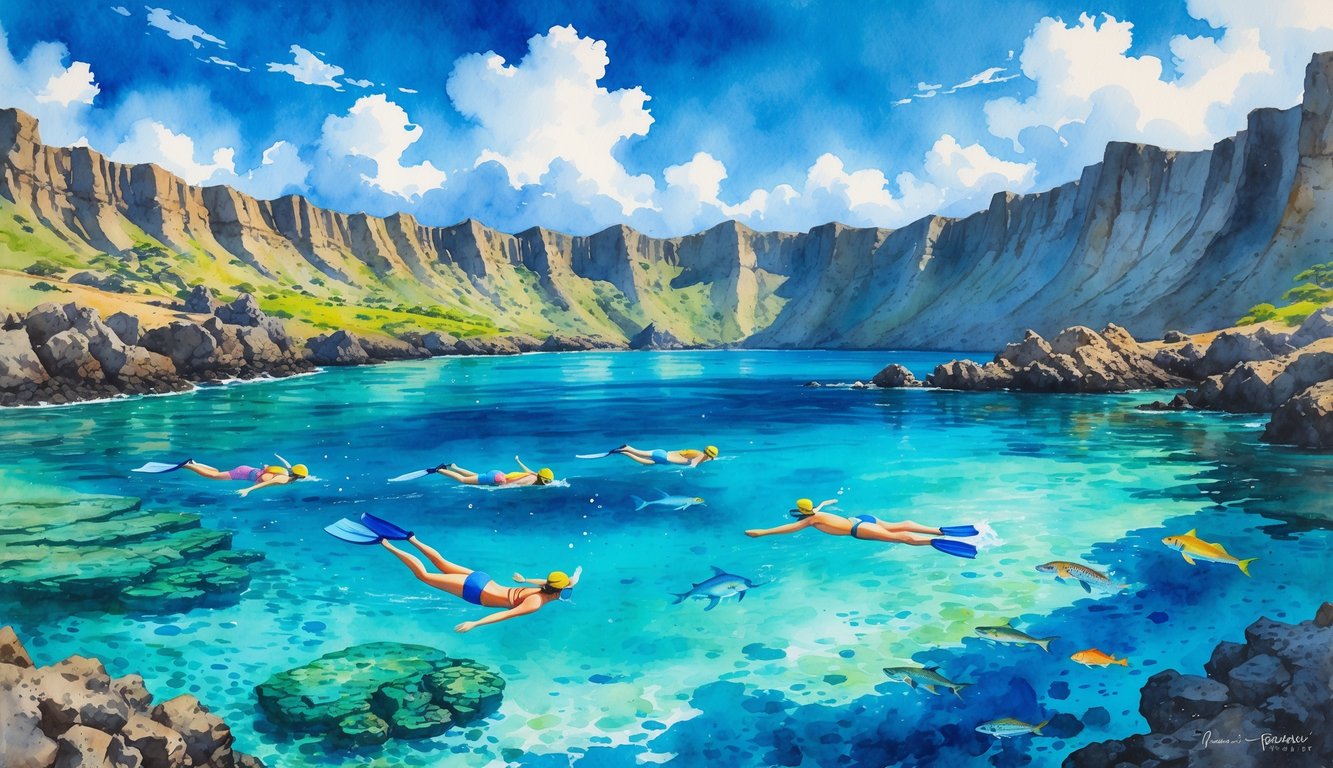
Guided tours bring many visitors to Molokini, since boats are the only way to reach the crater. Once visitors arrive, they can spot parrotfish, butterflyfish, and sometimes sea turtles gliding through the reef.
The calm visibility often stretches over 100 feet. This gives snorkelers a clear view of marine life in its natural habitat.
Travelers can explore how to get to Molokini Crater and what to expect before booking. With the right timing and preparation, snorkeling here can become a highlight of any Maui visit.
Why Snorkeling at Molokini Crater Is Special
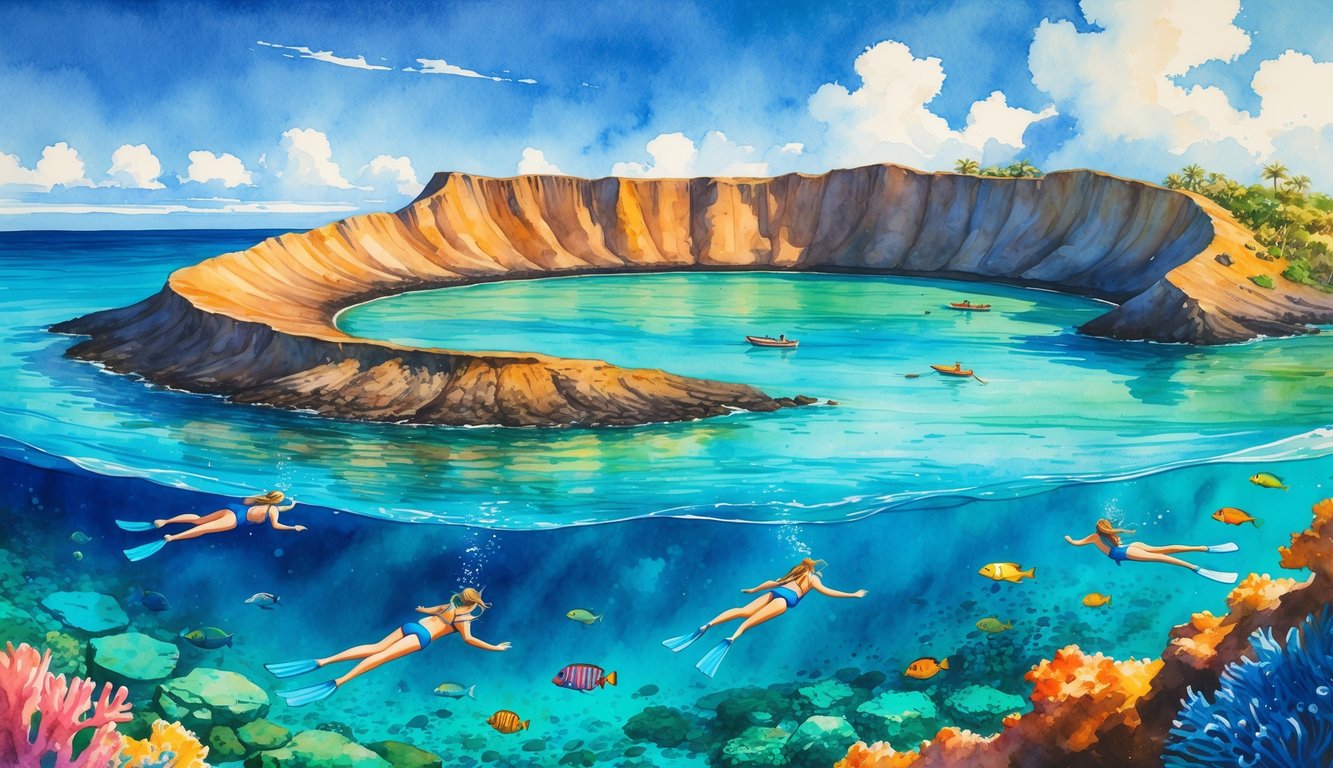
Molokini Crater combines natural beauty with a protected marine habitat. Visitors can explore a volcanic formation, enjoy exceptional underwater visibility, and see a wide range of fish and coral in a healthy reef environment.
Strict protections help keep the area’s waters and marine life thriving.
Unique Geological Features
Molokini is a crescent-shaped volcanic caldera about three miles off Maui’s southwest coast. A volcanic eruption formed it roughly 230,000 years ago.
Today, only part of the crater rises above water. This shape creates a natural barrier from waves and currents on the inside, making snorkeling safer and calmer.
The outer wall drops steeply into deeper ocean, attracting different marine species. The crater’s location in open ocean means coastal runoff affects it less.
This helps keep the water clear and supports healthy coral growth. Snorkelers can explore both shallow reefs and deep walls in one trip.
Crystal-Clear Waters and Visibility
Molokini is famous for crystal-clear waters, with visibility often reaching 100 to 150 feet. Snorkelers can see details of coral formations and fish from the surface.
The crater’s slopes lack sand, so the water stays clear. Its distance from shore also means less sediment and pollutants.
Clear water makes underwater photography easier. Snorkelers also feel more comfortable when they can clearly see their surroundings and spot marine life from a distance.
Vibrant Marine Life
Molokini’s reef supports over 250 species of fish, many unique to Hawaiian waters. Snorkelers often see parrotfish, butterflyfish, yellow tang, and Moorish idol.
Green sea turtles sometimes pass through, though they appear more often at nearby Turtle Town. The reef also hosts eels, octopus, and small reef sharks.
The mix of shallow, sunlit reef and deeper, cooler waters along the outer wall creates a variety of habitats. Both tropical reef fish and pelagic species visit the area.
Marine Life Conservation District
Molokini Crater is a designated Marine Life Conservation District. Fishing, collecting, and damaging coral are strictly prohibited.
These rules help the reef stay healthy and allow fish populations to remain stable. Tour operators follow guidelines to limit environmental impact.
Boats anchor in specific areas. Visitors are encouraged to use reef-safe sunscreen to protect coral.
How to Plan Your Molokini Snorkeling Adventure
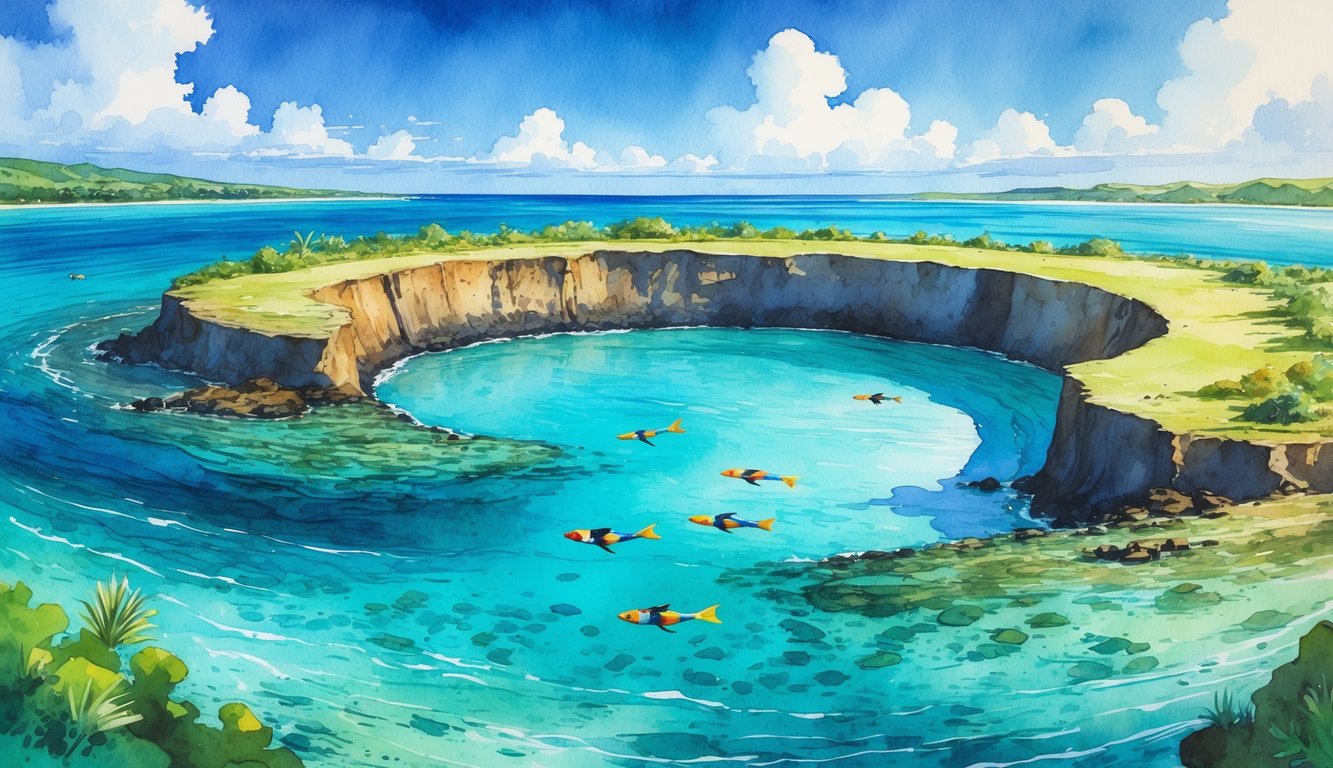
Visitors can book guided boat tours from nearby Maui harbors to explore Molokini’s clear waters. Factors like tour type, weather, and departure location can affect the experience.
Choosing the Right Snorkeling Tour
Most Molokini snorkeling trips use boats to access the crater. Tours often include gear, safety briefings, and sometimes extra stops like Turtle Town.
Travelers can choose between half-day and full-day tours. Half-day trips focus on Molokini, while full-day tours may include multiple snorkel sites.
Some operators offer small-group tours for a quieter experience. Others run larger boats with more amenities.
Comparing options from reputable companies in this Molokini snorkeling guide can help travelers find the right style and budget.
Best Time to Visit
Morning is usually the best time for Molokini snorkeling. Winds are lighter and the water is calmer, which improves visibility.
The dry season from April to October often brings sunnier days and more predictable weather. Winter months can still be good if the seas are calm.
Booking early morning tours increases the chance of calmer seas and fewer crowds. Many visitors find that a 7:00–8:00 a.m. departure provides the clearest water and the most comfortable ride.
Departure Points and Accessibility
Most Molokini boat tours leave from Maalaea Harbor or Kihei Boat Ramp. Maalaea Harbor is a central location between Lahaina and Kihei, making it convenient for many hotels.
Kihei departures are closer to Molokini, so the boat ride is shorter. This helps travelers who are prone to seasickness.
Tour operators provide clear directions and parking information. Some offer hotel pickup in resort areas.
Checking departure details before booking helps travelers arrive on time and avoid last-minute stress. For more details, visitors can review guides like this overview of Molokini snorkeling trips.
What to Expect on Your Snorkeling Tour
Tour participants receive clear instructions, well-maintained gear, and guidance from experienced crew members. Many trips also include visits to nearby spots with unique marine life, such as green sea turtles.
Snorkeling Gear and Equipment
Most Molokini tours provide essential snorkeling gear, including a mask, snorkel, and fins. Operators help each person get a proper fit before leaving the harbor.
Some tours offer extras like wetsuits or optical masks for glasses wearers. Equipment is cleaned and sanitized between uses.
Guests should check if gear is included in the ticket price. Some tours rent or sell items like underwater cameras or upgraded fins.
For more details, see this Molokini snorkeling guide.
Safety Briefings and Flotation Devices
Before entering the water, crew members give a safety briefing. They explain how to use the gear, where to swim, and how to signal for help.
Flotation devices such as life vests, pool noodles, or inflatable belts are available. These help beginners stay afloat and conserve energy.
Guides also explain how to get back on the boat and point out boundaries to keep snorkelers safe. Tours follow local regulations to protect both visitors and marine life.
Snorkeling Techniques for Beginners
Beginners learn to breathe through the snorkel without lifting their heads. Guides encourage practice in shallow water before heading to deeper areas.
A slow, steady kick with fins helps avoid stirring up sediment or startling fish. Relaxing the arms at the sides reduces drag.
Guides may show how to clear water from the snorkel and adjust the mask to prevent leaks. These tips help make snorkeling more comfortable, especially for first-timers.
Exploring Turtle Town
Many Molokini tours also stop at Turtle Town, a coastal area known for Hawaiian green sea turtles. The site has calm waters and rocky reefs that attract these protected animals.
Visitors often see turtles grazing on algae along the reef. Guides remind guests to keep a respectful distance and never touch the turtles.
Some tours combine Molokini and Turtle Town into a half-day trip, giving snorkelers a chance to experience both coral reef habitats and encounters with marine wildlife. Learn more about combined trips in this Molokini and Turtle Town tour overview.
Tips for a Responsible and Enjoyable Experience
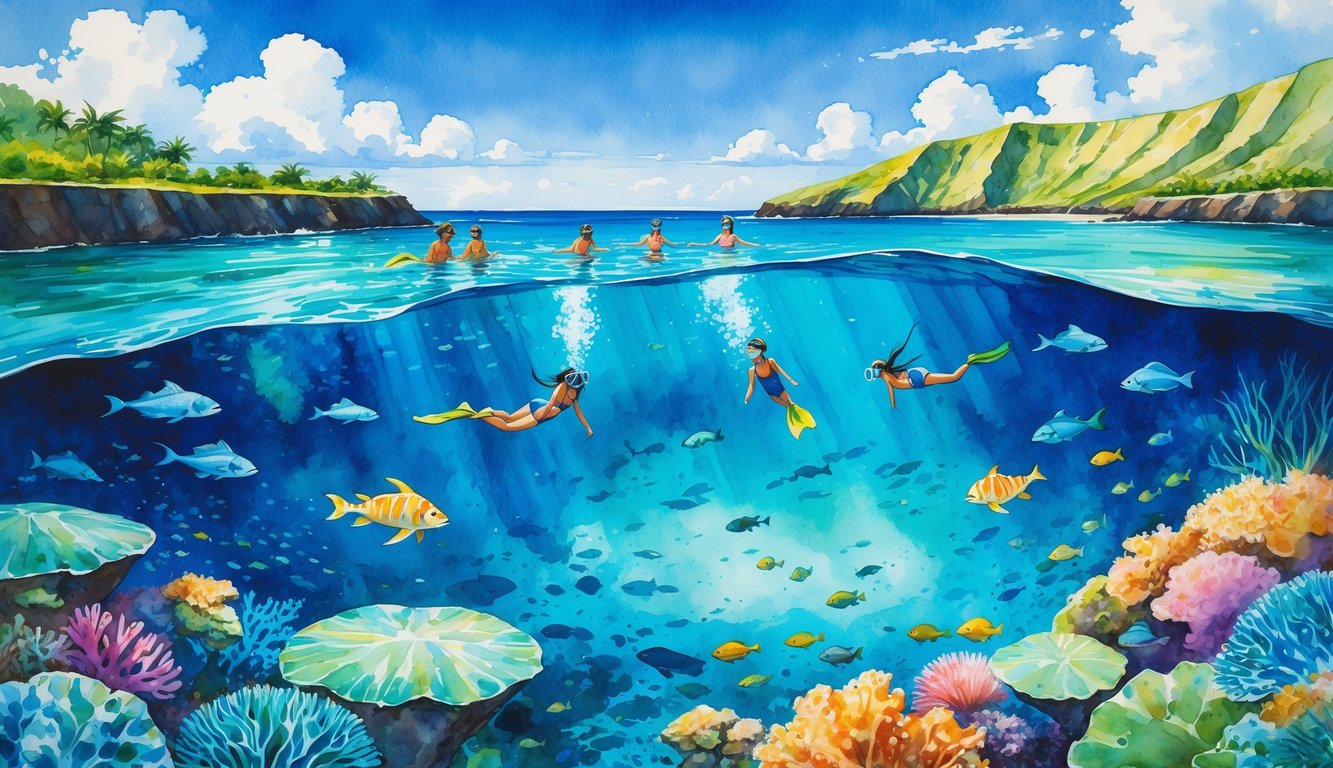
Visitors can help keep Molokini’s waters clear and its reefs healthy by making small but important choices. Simple actions like wearing the right sunscreen, avoiding contact with coral, and respecting marine life protect the area for future snorkelers.
Protecting the Marine Environment
Molokini Crater is home to coral reefs and many fish species. Touching coral can damage its surface and harm the tiny animals that build it.
Swimmers should keep a safe distance from the reef and avoid standing on it. Feeding fish changes their natural behavior and can affect the reef’s balance.
Tour operators remind guests not to bring food into the water. Boats anchor in designated spots to prevent damage to the seafloor.
Choosing a licensed tour helps ensure these rules are followed. Visitors can also learn about the reef’s ecosystem before arriving to better recognize and respect sensitive areas.
Quick Reminders:
- Do not touch or step on coral.
- Avoid feeding fish.
- Book tours that follow reef protection guidelines.
Using Reef-Safe Sunscreen
Many sunscreens contain chemicals like oxybenzone and octinoxate, which can harm coral reefs. Reef-safe sunscreen uses mineral-based ingredients such as zinc oxide or titanium dioxide.
These minerals do not dissolve into the water like chemical sunscreens. Applying sunscreen at least 15 minutes before entering the water helps it absorb into the skin and reduces the amount that washes off.
Wearing a rash guard or swim shirt can reduce the need for sunscreen and provide extra sun protection. Hawaii law bans certain harmful sunscreen ingredients, so shops near Maui often sell reef-safe options.
Visitors can check labels for “reef-safe” or “reef-friendly” before buying.
Better Choices Include:
| Type | Active Ingredient | Reef Impact |
|---|---|---|
| Mineral | Zinc Oxide | Low |
| Mineral | Titanium Dioxide | Low |
Photography and Memories
Underwater photography helps people remember a trip without taking anything from the reef. Photographers should avoid chasing or cornering fish for a shot.
Chasing fish can stress marine life and change their behavior. Use a floating strap on cameras to prevent dropping them on coral.
Snorkelers should keep fins away from the reef when taking pictures. Many tours offer professional photos, so visitors can focus on swimming.
This option also lowers the risk of damaging equipment or the environment. Keep a respectful distance and move slowly to capture clear, natural images while protecting marine life.


