
When I first visited Hawaii, I noticed how each season brought new sights for my camera. Winter gives powerful waves and dramatic skies, while summer shows off calm seas and bright colors.

I quickly learned that timing matters if I want the perfect photo.
In winter, I head to Oahu’s North Shore for big surf photos or catch beautiful sunsets on clear days. Summer is my favorite for underwater shots and exploring green landscapes in bright sunshine.
These changing scenes make Hawaii a dream spot for photographers.
Each visit brings new inspiration. The weather, wildlife, and festivals keep my camera busy.
If you want to know the best times to plan your own photo adventure, this guide will help.
Understanding Hawaii’s Unique Climate for Photography
Living in Hawaii, I see how the islands offer many different climates. From coastal sunshine to mountain mists, knowing the weather details helps me plan my shoots.
Seasonal Weather Patterns
Hawaii has two main seasons: a dry season (April to October) and a wet season (November to March). In the dry summer months, I find clear skies and steady sunlight, especially on the leeward sides.
These months are great for wide ocean views and golden sunsets.
Winter brings more rain, mainly on the northern and eastern shores. If I want vibrant green landscapes and waterfalls, I go out during this time.
Quick downpours happen often but usually clear fast, leaving fresh, crisp light. These weather changes also affect humidity, wind, and cloud cover.
I match my photography plans to the weather to get both stormy and sunny scenes.
Effect of Humidity on Images
The Pacific Ocean surrounds Hawaii, so humidity stays high all year. My camera lens fogs up easily when I move from air conditioning to outdoors.
To prevent this, I let my gear warm up before shooting or use silica gel packs in my bag.
High humidity can make the air look softer, especially in the morning or late afternoon. Sometimes I use this haze for a dreamy mood.
When I want clear shots, I go out at midday or after the trade winds blow through.
I always protect my camera from salt and moisture. Wiping my lens and camera body often saves me trouble in Hawaii’s humid, salty air.
Lighting Differences Throughout the Year
Lighting in Hawaii shifts with the seasons. In summer, the sun rises early and sets late, giving a longer golden hour.
This is perfect for warm portraits and landscapes. In winter, days are shorter and the sun stays lower, which creates deeper shadows and striking light.
Clouds can change the lighting quickly, especially near mountains. On clear days, midday sun can wash out colors.
On cloudy or overcast days, I get soft, even light that’s great for close-ups. I always check sunrise and sunset times and use sun-tracking apps to plan my shoots.
Spring: Vibrant Colors and Blossoming Landscapes
Spring in Hawaii brings lush greenery, blooming flowers, and crisp mornings. I love how this season lets me capture colorful scenes and striking skies across Oahu, Big Island, Maui, and Kauai.
Floral Blooms Across the Islands
When spring arrives, the landscapes fill with color. On Oahu, I spot cherry blossoms and rainbow shower trees along the streets.
Kauai and Maui have wild ginger, hibiscus, and plumeria in gardens and hiking trails.
The Big Island’s jacaranda trees turn roadsides purple in Upcountry areas. I enjoy walking through botanical gardens because every path is lined with new blossoms and tropical scents.
I bring a macro lens to focus on details like dew drops on petals and orchid patterns. Early mornings are best, with fresh flowers and soft light.
This is also a good time to see butterflies and birds visiting the blossoms.
Many gardens and parks are free or low-cost, so I can visit several in one day. Local guides help me find the best times for specific flowers.
Ideal Conditions for Sunrise and Sunset Shots
Spring weather in Hawaii is mild, with cooler mornings and evenings. This creates clear views for sunrise and sunset photos, especially on Maui’s Haleakalā volcano or Oahu’s beaches.
I like heading out before dawn to catch pink and gold light over the ocean. Scattered clouds often make for dramatic color and soft light.
Spring sunsets are vibrant, with less haze than in summer. On the Big Island, Pu’uhonua o Hōnaunau National Historical Park is great for sunset shots with tide pools and palm silhouettes.
On Kauai, Hanalei Bay offers wide views as the sun dips behind the mountains.
I use a tripod and slow shutter speeds at low light for silky water effects. I also check tide and weather apps before heading out.
Summer: Golden Beaches and Lively Events
Summer in Hawaii means bright sun, warm sand, and endless activities. This season gives me many chances to photograph exciting moments by the water, busy beaches, and beautiful ocean views.
Capturing Iconic Beaches in Peak Season
In summer, Hawaii’s beaches are full of life. Waikiki Beach is busy with swimmers, surfers, and families.
Early morning is quieter, perfect for sunrise photos before the crowds arrive.
The North Shore, known in winter for huge waves, is calm in summer. I like to capture its clear blue water and lush greenery under the bright sky.
Maui’s golden beaches shine now, especially around Kaanapali and Wailea.
Crowds add energy to photos, but for wide, open shots, I visit early or late in the day. Sunsets and sunrises at any beach give beautiful colors and shadows.
Vibrant Ocean Activities and Snorkeling
Summer brings calm water along most coasts, making it the best time for water sports. I often see groups snorkeling or paddling close to shore, especially on Maui and at Waikiki.
Warm, clear water lets me photograph underwater life like tropical fish and sea turtles.
Canoe races, surf lessons, and paddleboarding fill the frame with action and color. I set a fast shutter speed to freeze movement or use burst mode for quick events.
Snorkeling is best when the sun is high and rays light up coral from above.
Tips for Managing High Sun and Crowds
Summer sunlight can be harsh. I use a lens hood and polarizing filter to cut glare off the ocean and get deeper blue skies.
Midday is best for underwater photos because the light makes colors pop. For portraits or softer scenes, I stick to early morning or late afternoon.
To avoid crowds, I look for less traveled spots or shoot from higher up, like a pier or balcony. Starting early or staying late helps me capture peaceful scenes.
Fall: Dramatic Skies and Softer Light
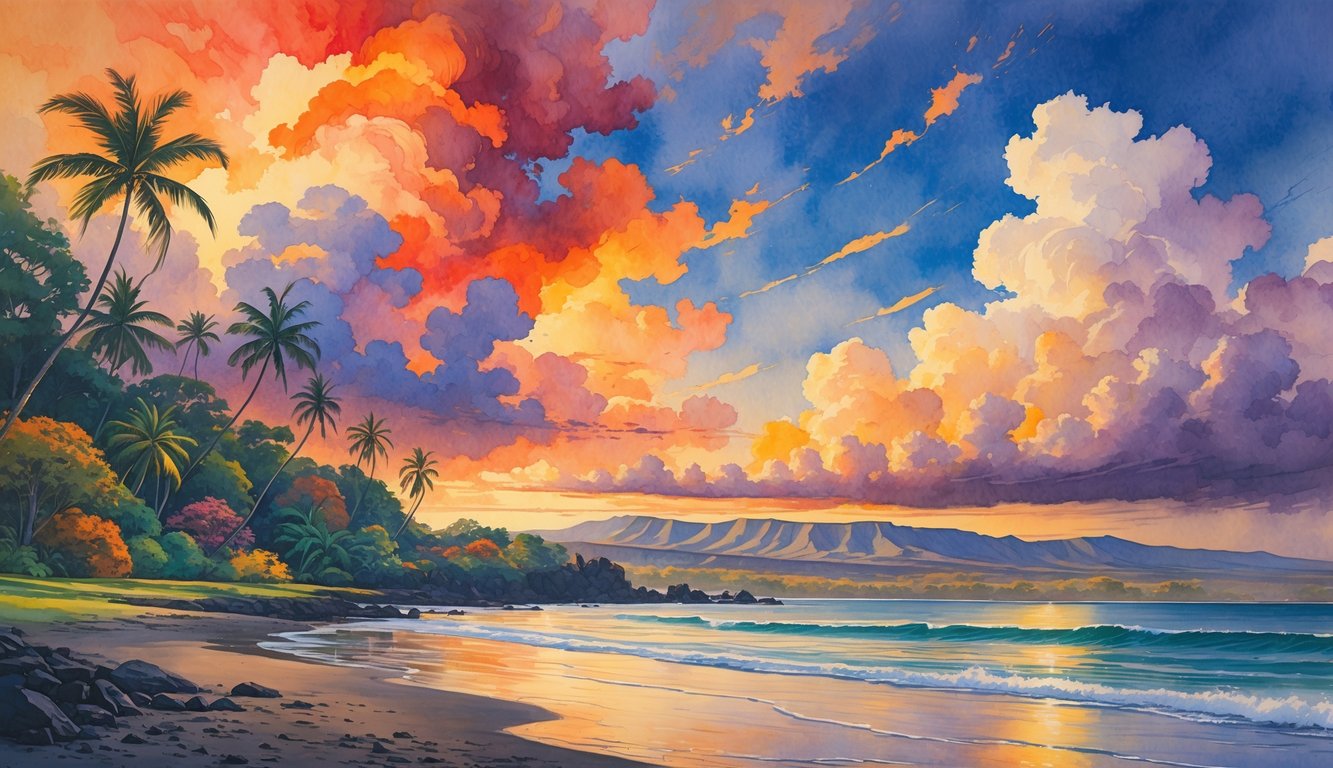
I look forward to fall in Hawaii because the skies turn dramatic and the light softens. This creates vivid scenes, crisp sunsets, and clear air—perfect for capturing unique landscapes and colors.
Bulk of Color Changes in Landscapes
Fall in Hawaii isn’t like New England, but the changes are still clear. Grasses on Oahu’s slopes turn golden brown, especially around the Waianae mountains.
Rainfall slows down and the land dries, showing patterns of yellow grass and red earth.
I enjoy photographing upcountry fields on Lanai at this time. Flowering shrubs and trees near Honolulu shift to deeper greens and reds as the season changes.
At higher elevations like Tantalus or the Pali Lookout, I spot these colors more clearly, especially as morning mist lifts.
Best Sunset Photography Spots
In the fall, sunsets in Hawaii become more colorful and vivid. Lower humidity makes the sky clearer, letting me capture stronger pinks, reds, and golds as the sun dips below the horizon.
Some of my favorite spots for fall sunset photos are the west side beaches of Oahu, like Yokohama Bay and Ko Olina. On Lanai, I get sweeping views of the setting sun at Hulopoe Beach, with dramatic rock formations in the foreground.
Near Honolulu, Magic Island and Ala Moana Beach Park are great for cityscape sunsets with Diamond Head in silhouette. I use a polarizing filter to enhance colors and reduce glare on ocean waves.
Many experienced photographers taught me to use this filter, which makes fall colors pop and sunsets more lively. For more tips, I check guides like these fall photography tips.
Less Humidity, Clear Skies
In Hawaii, fall brings a welcome drop in humidity. The air feels drier and visibility improves, especially in the mornings and evenings.
The sky often appears a richer blue, making background landscapes stand out in photos. These conditions help me shoot crisp, sharp images, even when the light fades late in the day.
With less moisture in the air, clouds look more defined and dramatic. This is ideal for wide landscape images, or for showing the contrast between sky and land.
Less haze lets city lights in Honolulu shine more brightly during twilight shots. If I want maximum clarity and color, I wait for these fall evenings.
Winter: Unique Opportunities and Fewer Crowds
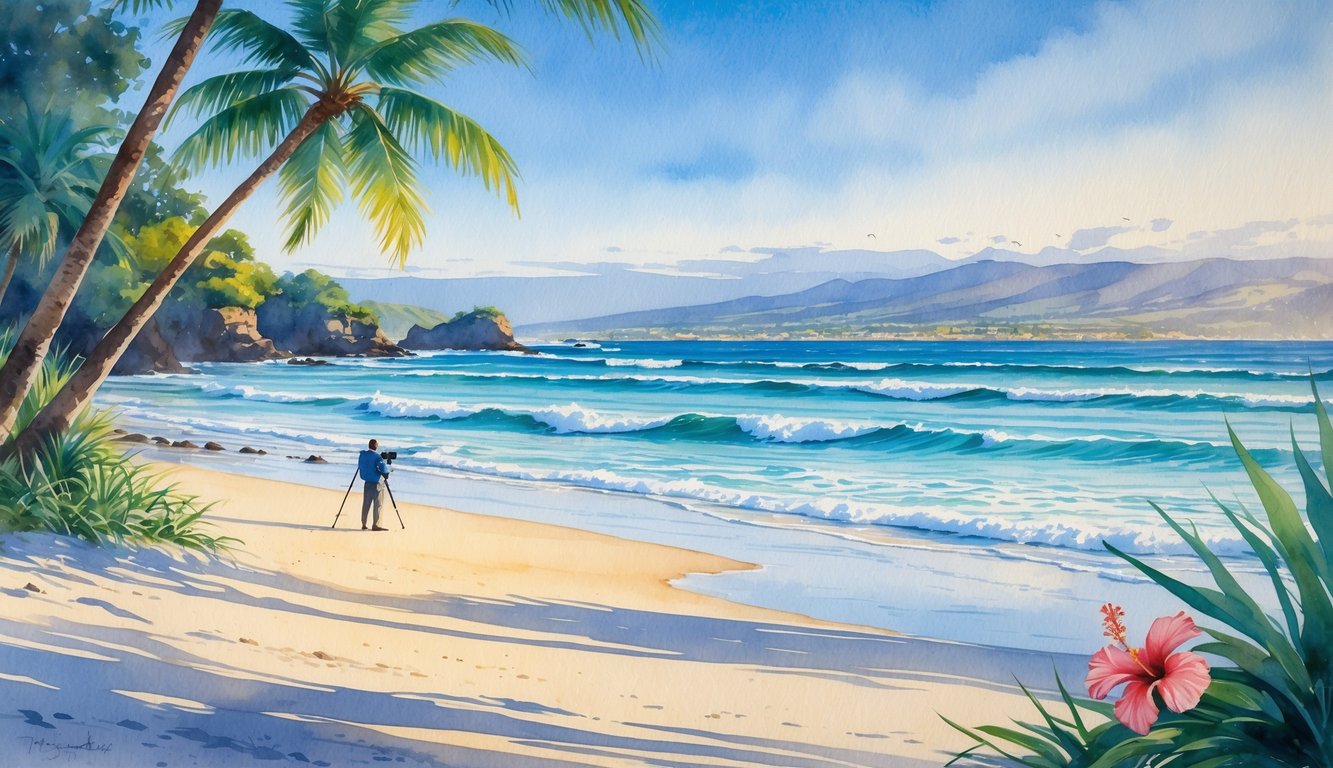
Winter in Hawaii brings powerful waves, great weather for cultural trips, and beautiful wildlife sightings. I see fewer tourists, making my photography sessions more peaceful and relaxed.
Capturing Big Waves on North Shore
Every winter, I visit the North Shore of Oahu to photograph huge waves. The surf is world-famous, with swells often reaching 30 feet or higher.
I find dramatic scenes at Waimea Bay, Sunset Beach, and Banzai Pipeline. Early mornings and late afternoons offer the best light.
I use a fast shutter speed to freeze crashing waves and capture surfers in action. Telephoto lenses help me stay back from the water but still get close shots.
I also focus on the landscape—mist rising from the sea, dramatic clouds, and rocky coastlines. Local surf competitions, like the Vans Triple Crown, give me a chance to document both athletes and the excitement onshore.
Exploring Cultural and Historical Sites
With cooler temperatures and less humidity, winter is a comfortable time to explore cultural sites across the islands. Popular places like Pearl Harbor are less crowded, so I have more space and time for thoughtful shots.
The soft winter light adds mood to photos of memorials, old churches, and historic buildings in downtown Honolulu. On the Big Island, sites such as Pu’uhonua o Honaunau National Historical Park stand out because the softer sun highlights the stones and carvings.
I take close-ups of artifacts or wide shots that include dramatic Hawaiian landscapes. Visiting early in the morning or on weekdays gives me quieter surroundings, making my photos feel more personal.
Winter Wildlife and Scenic Vistas
Winter is the season when humpback whales visit Hawaii’s coastline. I love catching sight of them breaching or tail-slapping against the ocean’s surface.
Whale-watching boats leave from Maui, Oahu, and the Big Island, giving me good angles for action shots. The lush, green scenery after winter rains makes for vibrant landscape photos.
I often see rainbows and mist over valleys like Waipiʻo and Pololū, especially in the early morning. Cooler temperatures make it easier to hike and reach lookout points.
I bring a wide-angle lens for panoramic views, especially when photographing snow atop Mauna Kea. Wildlife is more active too—from seabirds along cliffs to monk seals on quiet beaches.
Island-Specific Photo Hotspots
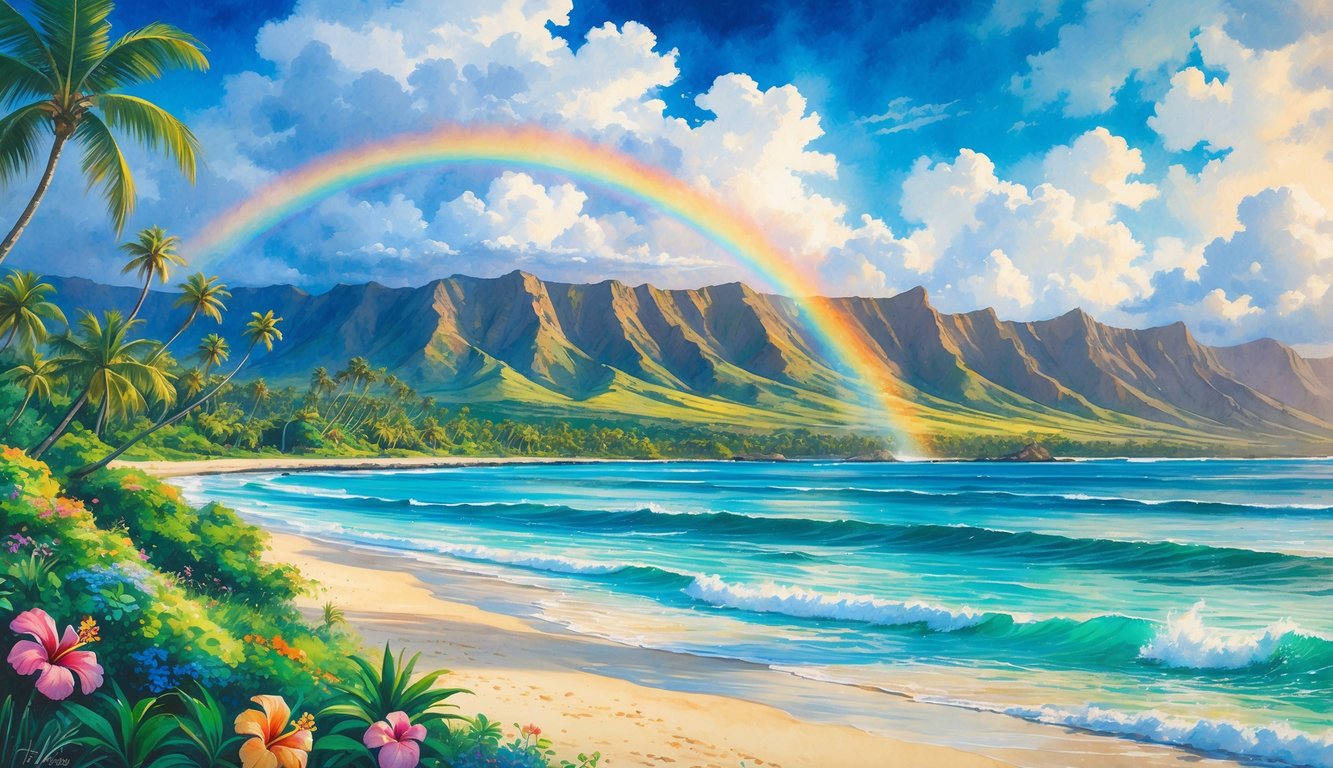
Each Hawaiian island has standout locations for photographers. From city skylines to black sand beaches, the scenery shifts with every destination.
Oahu: City Life and Iconic Views
On Oahu, I find endless variety for my camera. Honolulu’s skyline, with Diamond Head in the background, mixes modern city life with natural beauty.
Waikiki Beach is a favorite spot, especially at sunrise or sunset when golden light hits the sand and buildings. For classic photos, I go to the top of Diamond Head.
Tantalus Lookout shows off the city, ocean, and mountains all at once. The North Shore gives me peaceful beaches and powerful waves, especially in winter.
For cultural shots, I visit places like the Byodo-In Temple or Iolani Palace. The mix of history, scenery, and energy makes Oahu one of the most photogenic islands.
Maui: Volcanic Landscapes and Waterfalls
Maui’s landscape grabs my attention every time. The top of Haleakalā volcano is unforgettable—at sunrise, light spills across the cloud layer below.
I love exploring the Road to Hana. Every stop feels different.
Standout places for photography include Wailua Falls, the black sand at Waiʻānapanapa State Park, and lush bamboo forests. I use a wide-angle lens here because the waterfalls and ocean cliffs are so dramatic.
At ʻĪao Valley, I find soft morning light and mist rolling over tall peaks. Upcountry Maui has farms and open views that show a quieter side of the island.
Beach sunsets at Makena and Wailea give me vibrant skies almost every night.
Kauai: Lush Nature and Secluded Beaches
On Kauai, I see some of Hawaii’s greenest and wildest places. The Nā Pali Coast is my top pick for dramatic cliffs and deep valleys.
I can capture this view from a boat, a helicopter ride, or the Kalalau Trail if I’m up for a long hike. Wailua Falls and Hanalei Bay always fill my memory card because of the soft light and stunning backgrounds.
Clouds often drift through the mountains at sunrise and add texture to every shot. Secret Beach, Lumaha‘i Beach, and the taro fields of Hanalei are quieter spots where I find peace and unique photos.
At Waimea Canyon, called the “Grand Canyon of the Pacific,” bright red rocks stand out against green valleys and make great landscape images.
Big Island: Diverse Terrains
The Big Island offers the widest range of scenes to photograph. Volcanoes National Park is at the top of my list because I can find volcanic craters, steam vents, and sometimes even glowing lava.
The black sand at Punaluʻu Beach, the green sands of Papakōlea, and the white shores at Hapuna each give a different mood. I love capturing these dramatic contrasts in a single day.
I always make time to visit Mauna Kea for sunset and star photography. Highland pastures, thick rainforests, and the rugged Pololū and Waipiʻo valleys are favorites for landscape shots.
During the right season, I sometimes see humpback whales off the coast, adding excitement to coastal photos, as suggested in this guide to Big Island photo locations.
Social Media Tips and Sharing Your Hawaii Photography
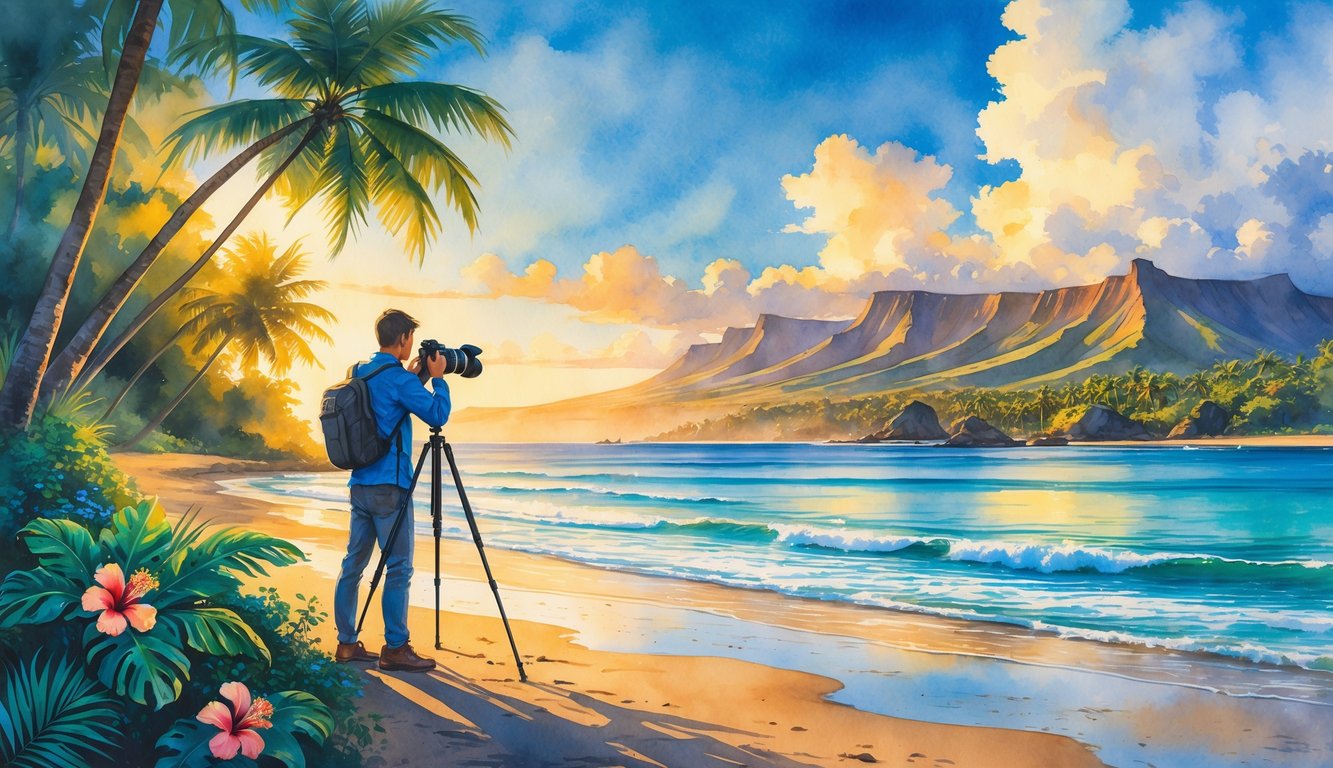
When I post my Hawaii photos online, I want to showcase their full beauty and reach the right audience. Using smart posting times, strong portfolio choices, and highlighting Hawaii’s local features helps my images stand out.
Building an Engaging Portfolio
I create a portfolio that tells a story about Hawaii. My feed looks stronger when I include a mix of scene types—lush landscapes, colorful sunsets, and close-ups of unique wildlife or flowers.
I avoid posting too many similar shots in a row. To improve visual flow, I lay out my photos in a sequence using rows or grids.
For example:
| Scene Type | Example |
|---|---|
| Beach Sunset | Golden hour waves |
| Rainforest | Ferns and waterfalls |
| Local Wildlife | Sea turtles, birds |
I keep my editing style consistent so my followers recognize my work. Bright colors, balanced contrast, and clear focus are popular choices for Hawaii images.
For extra engagement, I use relevant hashtags like #HawaiiPhotography or #ExploreHawaii.
Best Times to Post Hawaii Images
Posting my Hawaii photos at the right time helps more people see them. The best times are usually in the evening and early morning when most users are active.
Here’s what works for me:
- Evening (7-9 PM local time): This catches people as they relax and browse.
- Morning (7-9 AM local time): People often check their feeds before work or school.
- Weekends: Engagement tends to be higher on Saturdays and Sundays.
If I’m targeting an audience outside Hawaii, I adjust my posting schedule to their time zones. Using analytics tools, I watch which posts perform well and try to repeat those patterns.
Sharing behind-the-scenes shots or stories during daylight hours adds a personal touch.
Highlighting Local Culture and Landscapes
I go beyond just pretty scenery by showing unique aspects of Hawaii’s culture. I feature traditional foods, local markets, festivals, and art—such as photos of hula dancing, lei making, or canoe paddling.
When I photograph landscapes, I include iconic features like palm trees, lava rocks, and ocean waves. I use a polarizing filter to make the bright blue skies and clear water stand out.
I respect local customs and ask permission before taking close-up photos of people or cultural activities. In captions, I share short facts or personal stories about the location.


