
I love planning trips to the Hawaiian Islands, but avoiding crowds can be tricky.

If you want a peaceful escape and more relaxing beaches, timing matters a lot.
The best time to visit Hawaii for fewer crowds is during the months of September, October, January, and February.
During these months, Hawaii travel slows down, and the islands feel more laid-back than during the busy summer or holiday seasons.
When I skip the busiest weeks, my vacations become easier and more enjoyable.
After the winter holidays and at the end of summer, Hawaii tourism drops, so flights and hotels often cost less.
You can learn more about when crowds are lowest and why these months matter by checking out this guide on the best time to visit Hawaii for fewer crowds.
Understanding Hawaii’s Crowd Patterns
Visiting Hawaii feels different depending on when I go.
Some months are packed with travelers, while others are much quieter, which changes prices, availability, and the overall vibe.
Knowing when crowds swell or thin out helps me pick the best time for a peaceful trip and possibly save money too.
Peak Seasons and High Tourist Times
Summer (June-August) and winter holidays (mid-December through early January) are the busiest times for Hawaii tourism.
Families travel during school breaks, so resorts, flights, and attractions fill up quickly.
Spring break in March and April is another busy period.
Beaches get crowded and prices for hotels and activities usually go up.
Popular spots like Waikiki Beach and the Road to Hana become much busier during these times.
When I visit during a peak time, I book flights and hotels several months in advance.
The Benefits of Traveling During Shoulder Season
The “shoulder seasons” in Hawaii are April-May and September-October.
During these months, fewer tourists visit, and hotel and flight prices drop, making them the best time to visit Hawaii for fewer crowds and better deals.
The weather stays pleasant, with warm days and light breezes.
Activities like snorkeling, hiking, and sightseeing are less crowded, so I can enjoy them without waiting in long lines.
Hawaii travel during the shoulder season lets me experience more authentic local culture.
Festivals and events may be smaller, but there’s less rush, and it’s easier to get reservations at restaurants or spots on tours.
The Quietest Months to Visit Hawaii
If I want the smallest crowds, I visit Hawaii in mid-to-late fall (late October through early December) and early spring (January to early March, after the New Year’s holidays).
These months fall between busy seasons, so hotel rates and airfare are often at their lowest, making them some of the cheapest times to visit Hawaii.
The beaches and trails are emptier, and there’s a more laid-back feeling everywhere I go.
The weather can be a little rainier, especially on the windward sides of the islands, but it rarely ruins my plans.
For travelers who want peace and space, these off-peak months are a great choice.
Monthly Guide: Fewer Crowds Throughout the Year
Hawaii is popular year-round, but when I plan my trip at the right time, I enjoy quieter beaches, open restaurants, and less waiting in line.
The timing can make a big difference whether I’m visiting Oahu, Maui, Kauai, or the Big Island.
Best Months for Tranquil Island Experiences
When I want the calmest vibe, I visit during the shoulder seasons—mainly April, May, September, and October.
These months bring fewer crowds, better hotel prices, and a peaceful pace.
September often stands out as the best month to visit Hawaii for crowd-free beaches and pleasant weather.
Resorts and attractions have more availability during these times.
That means it’s easier to enjoy activities like snorkeling or hiking without big groups.
Here’s how the shoulder months usually look:
| Month | Crowds | Weather | Prices |
|---|---|---|---|
| April | Low | Warm, mild | Lower |
| May | Low | Warm, dry | Lower |
| September | Very Low | Sunny, less rain | Lowest |
| October | Low | Warm, some rain | Good |
If I want to avoid tour buses and busy streets, these months rarely let me down.
Visiting Hawaii in Spring
Spring in Hawaii—especially April and May—feels relaxed and comfortable.
Island temperatures stay warm, but there’s less humidity.
Hotels and flights are usually more affordable, and beaches are quiet.
I love visiting Oahu and Maui in spring because outdoor spots like Hanauma Bay and the Road to Hana aren’t packed with visitors.
Hiking paths on Kauai and the Big Island also have fewer people, making these months great for nature lovers.
The water is still clear for snorkeling, and many local festivals pop up during this time, giving me a taste of island culture without the crowds.
Quiet Fall Months in the Hawaiian Islands
September and October are some of my favorite times for peaceful trips in Hawaii.
Schools are in session, so family travel drops.
That means I get more space on beaches, hiking trails, and at popular attractions across all the islands.
September has the nicest weather with a lot of sunshine, calm waters, and almost no crowds.
In October, there’s a small chance of rain, but the temperatures stay warm.
I can explore the Big Island’s volcanoes, Maui’s beaches, and Kauai’s canyons with a sense of calm.
If I’m after a relaxing getaway without long lines or overbooked tours, fall is when I book my Hawaiian vacation.
Weather, Seasons, and Their Influence on Visitors
Hawaii’s weather patterns affect how busy the islands feel.
Rain, heat, and hurricane risk all change through the year and influence when tourists visit.
Weather in Hawaii: What to Expect
When I think of Hawaii, I picture sunny skies and gentle breezes.
Hawaii is warm year-round, with daytime highs from about 78°F (25°C) in winter to 88°F (31°C) in summer.
Nights are pleasant, usually in the 60s or low 70s (15-23°C).
The north and east sides (windward sides) usually see more showers, while the south and west (leeward sides) stay drier.
If you want more sunshine, stay on the drier side of an island.
Hawaii’s best weather months are often late spring and early fall, like April, May, September, and October.
These months have fewer tourists, comfortable temperatures, and less humidity.
If you’re seeking great weather and smaller crowds, these are good months to target for a trip, as suggested in this Hawaii travel guide.
Rainy Season in Hawaii
Hawaii’s rainy season runs from November through March.
These months see more showers and a higher chance of passing storms.
Rain usually falls in short bursts rather than lasting all day, but puddles and wet roads are common on some mornings.
The rain keeps the islands green and beautiful, but it can mean more people visiting indoor attractions and fewer days fully spent at the beach.
Areas like Hilo on the Big Island get much more rain than spots like Kona or the leeward sides of Maui and Oahu.
After a rainstorm, waterfalls become especially dramatic, and the valleys look extra lush.
For some travelers, the rainy season is still a great time if avoiding crowds is your priority.
Hotels and activities sometimes drop their prices when the weather is less predictable, as noted in this month-by-month Hawaii travel breakdown.
Hurricane Season Factors
Hawaii’s hurricane season is from June through November.
Major storms are rare, but I keep it in mind when planning a trip during these months.
Most years, the islands avoid direct hits, but hurricanes and tropical storms can bring heavy rains, strong winds, and rough ocean conditions.
Peak hurricane activity is usually in August and September.
These months can have hotter and more humid days, but hotels and flights are often cheaper compared to the busy summer months.
Local officials and hotels share safety updates if there’s any risk of a storm.
I recommend packing some extra patience and being prepared for sudden changes in plans during this time.
For many visitors, hurricane season is quiet and uneventful, but it does affect island crowds, as fewer people travel when there’s even a small risk of bad weather, which you can read more about in this detailed Hawaii travel guide.
Major Events and Festivals That Draw Crowds
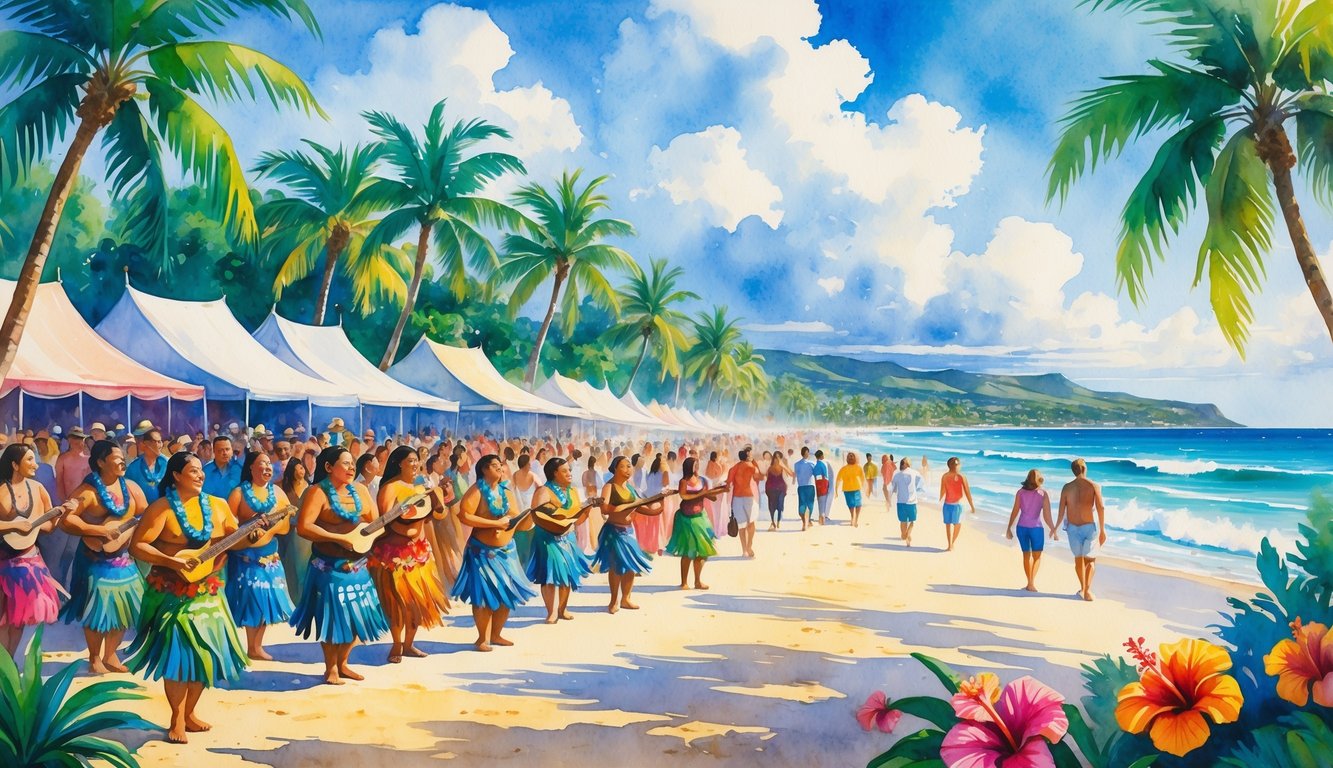
Large annual events and festivals in Hawaii attract thousands of people to the islands.
Knowing about these events helps me plan my visit to avoid the busiest weeks and find a quieter experience.
Cultural Festivals and Their Impact on Tourism
Hawaii’s cultural festivals create excitement and bring big crowds.
The Merrie Monarch Festival in Hilo is one of the most popular.
Organizers host a week-long celebration of hula and Hawaiian culture each spring, often in April.
The Prince Lot Hula Festival in Honolulu is another popular event.
This festival, held in July, focuses on traditional hula and Hawaiian music.
During these times, hotels fill up quickly and local areas get crowded.
The Kona Coffee Cultural Festival also stands out in the fall.
Coffee lovers visit Kona for tastings, parades, and farm tours.
These cultural highlights showcase Hawaii’s heritage and have a big impact on tourism and hotel prices.
Aloha Festivals and Local Celebrations
The Aloha Festivals take place statewide each September. Parades, street parties, and live performances celebrate Hawaiian culture.
Honolulu hosts the biggest event, the floral parade, where decorated floats and musicians march through Waikiki.
Lei Day happens on May 1st. People join lei-making contests, music, and hula shows across the islands.
The day is bright and lively, drawing both locals and visitors outside.
Every June 11, Hawaiians honor King Kamehameha Day. People drape leis over statues of King Kamehameha and gather for ceremonies and parades.
The King Kamehameha Celebration features hula, music, and a floral parade. Public parks and main streets fill with families and travelers during these celebrations.
Big Sporting and Surfing Events
Winter in Hawaii brings big surfing audiences. The Vans Triple Crown of Surfing happens on Oahu’s North Shore between November and December.
Top surfers from around the world compete, and fans crowd hotels and beaches.
The Ironman World Championship comes to Kona each October. Athletes and fans fill the island for this triathlon.
Kauai hosts the Waimea Town Celebration every February. This week-long event features canoe races, rodeos, and music.
These sporting events make parts of the islands lively and crowded. Traffic and hotel availability can be affected.
Best Times for Popular Activities Without Crowds
I look for quiet spots in Hawaii, even during classic activities. By timing my trip, I can see whales, swim, or surf with fewer people around.
Whale Watching in Hawaii: When to Go
Whale watching in Hawaii peaks from December to April, when humpback whales arrive from Alaska. January through March is the busiest season, and most tours run during these months.
Crowds are highest during winter holidays. For more space on the boat and better views, I go in early December or late April.
The whales still linger, but there are fewer tourists. Maui, especially the waters around Lahaina and Kaanapali, offers excellent whale sightings.
I choose early morning tours for fewer people and calmer seas. January and February usually have fewer visitors, making them good months for whale watching without big crowds.
Swimming and Beach Activities Off-Peak
Swimming in Hawaii is great all year, but beaches get crowded during summer break, winter holidays, and spring break. For more space to snorkel or relax, I visit in late spring (May) or early fall (September through October).
The water stays warm, and beaches are less packed. I avoid weekends and holiday weeks, and I go midweek for a calmer experience.
Going early in the morning or after 4 p.m. helps too. Popular beaches like Waikiki or Lanikai are much quieter during these times.
When school is in session, fewer families travel, so these periods are less crowded. Travel + Leisure also recommends off-peak times for quiet swimming and relaxation.
Surfing Without the Crowds
Surfing in Hawaii draws big crowds at spots like Waikiki, North Shore, and Hanalei Bay during winter surf competitions and summer travel seasons. For fewer people, I plan my trip just before or after the main surf season.
On the North Shore, big waves and crowds arrive November through February. For quieter surfing, I go in late October or early March.
On the south shore, summer is busy at Waikiki, so I visit in May or September. I head to the beach early in the morning or late in the afternoon.
Hawaii Guide notes that these shoulder months have smaller crowds, and booking surf lessons is easier.
Tips for Surfers:
- Arrive before 8 a.m. or after 4 p.m.
- Try beginner spots away from main resorts.
- Avoid surf competitions and holiday weekends for the calmest experience.
Island-by-Island Guide for Solitude Seekers
Escaping crowds in Hawaii is possible with the right island and timing. Some places offer peaceful beaches, quiet trails, or small towns, even during busy months.
Oahu: Finding Quiet Corners
Oahu is often busy, but I find quiet spots by looking beyond the main tourist areas. Visiting in spring or fall gives me low crowds and pleasant weather—the best time to visit Oahu.
I avoid Waikiki and visit the island’s east and north shores. I like Kailua Beach or Lanikai early in the morning.
I enjoy peaceful walks at the Byodo-In Temple or hiking the Maunawili Trail. Weekdays are less crowded than weekends.
I also explore local farmer’s markets and coffee shops in small towns like Haleiwa. These spots help me escape the tourist rush without leaving Oahu.
Maui: Peaceful Getaways
On Maui, I find quiet places by staying away from busy Lahaina or Wailea. September or May are the best times to visit Maui for solitude.
I like the upcountry town of Makawao for its calm and friendly vibe. When I drive the Road to Hana, I leave early and stay overnight to enjoy places like Wai’anapanapa State Park after day-trippers leave.
I relax at Baldwin Beach and Secret Beach, which are uncrowded in the mornings. Hiking in Haleakalā National Park is quieter at sunrise, especially on less popular trails.
Small inns and local bakeries add to the peaceful feeling.
Kauai: Escape the Crowds
Kauai’s laid-back style fits my need for solitude. I choose April, May, or September—the best times to visit Kauai for fewer visitors.
North shore beaches like Hanalei Bay and Tunnels Beach are less crowded on weekdays and in the early morning. I walk trails in Koke’e State Park for mountain views.
The south side, near Lawai and Kalaheo, has scenic drives and secret coves that most tourists skip. I stay in small vacation rentals or bed and breakfasts in Princeville or Kalaheo.
These quieter places let me enjoy Kauai’s nature without big crowds.
The Big Island: Hidden Gems
The Big Island’s size gives me space to avoid crowds, especially beyond Kona and Hilo. In September or late spring, I find these areas calmer—the best time to visit the Big Island for solitude.
I visit the Hawaii Tropical Botanical Garden on weekday mornings when it’s almost empty. Waimea offers rolling green hills and peaceful farmers’ markets.
South Point and the beaches of Papakolea and Punalu’u have stunning scenery and few visitors. I enjoy quiet moments on lesser-known trails in Volcanoes National Park.
Staying in small lodges near the park helps me appreciate Hawaii’s unique landscapes in peace.
Tips for Ensuring a Crowd-Free Hawaii Vacation
By choosing less busy times and connecting with local life, I enjoy Hawaii at my own pace. Planning my trip and each day carefully helps me avoid crowded tourist spots.
Planning Your Trip to Avoid Peak Periods
When I book my travel to Hawaii, I pick months with fewer visitors. April, May, September, and October usually have fewer tourists and better hotel deals.
I avoid holidays like Christmas, New Year’s, and spring break since those times fill up fast. I check flight and hotel prices early and use rate calendars to find the lowest fares.
This approach helps me save money and visit during the quietest weeks. Spring and fall are considered Hawaii’s off-seasons, making it easier to find empty beaches and less traffic.
Here’s what I do to keep my trip calm:
- Travel on weekdays instead of weekends
- Stay on smaller or less visited islands, like Lanai or Molokai
- Book sunrise or sunset tours to enjoy well-known spots in peace
How to Enjoy Local Culture with Fewer Tourists
I plan my days to experience Hawaiian culture beyond the usual tourist paths. I visit local farmers’ markets early in the morning before the crowds arrive.
I try community events or neighborhood festivals instead of the big attractions. I look for small family-owned restaurants and less-known hiking trails to get a real sense of Hawaiian life.
Locals often share tips about less busy beaches or hidden scenic spots when I ask politely. I remember that certain cultural spots stay quiet during weekdays or after regular tour group hours.
I visit historic sites at off-peak times to enjoy a peaceful experience and learn at my own pace.


