
Every year, I look forward to the Aloha Festivals. This unique celebration fills Hawaii with music, smiling faces, and plenty of aloha spirit.

These festivals offer more than just fun. Hawaii celebrates its largest cultural event and the only statewide festival of its kind in the United States.
Organizers began the Aloha Festivals in 1946 as “Aloha Week.” They wanted to keep Hawaiian traditions, music, and dance alive for both locals and visitors.
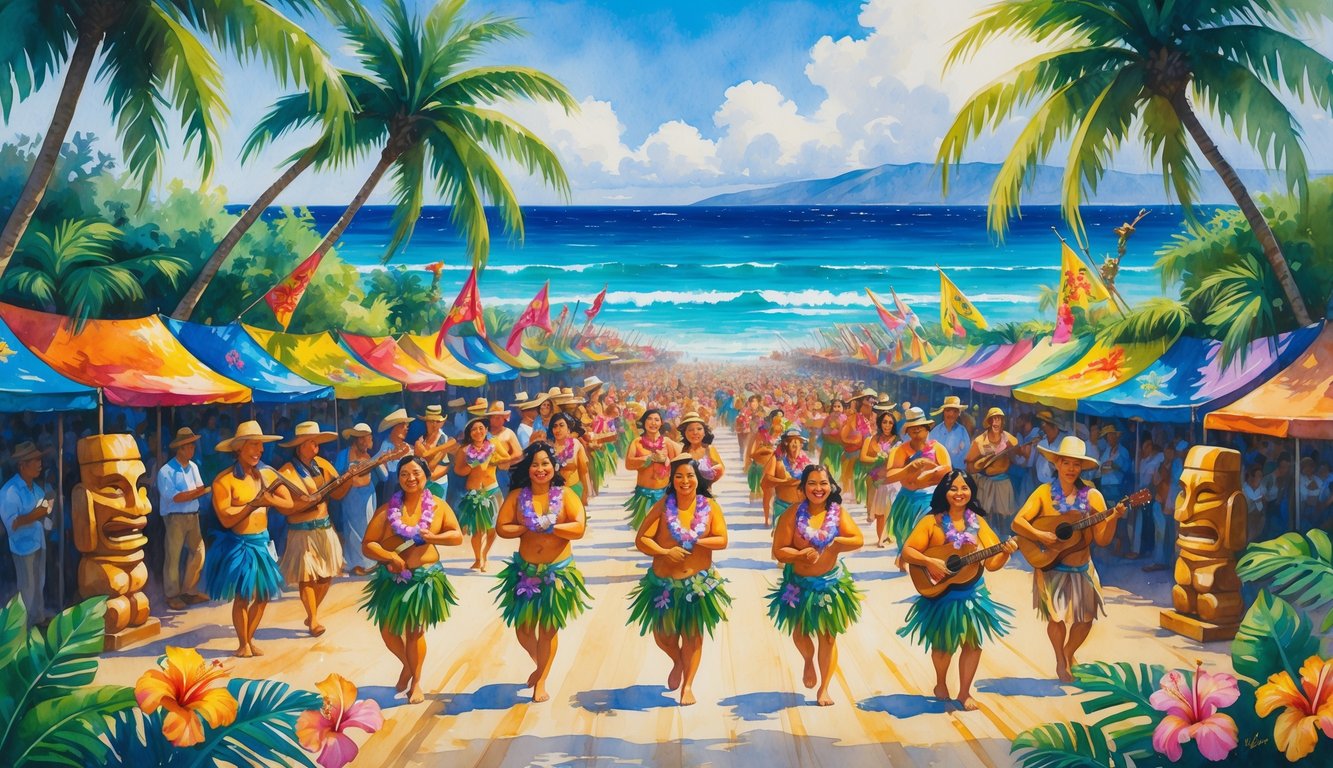
I’ve learned that ancient Hawaiian customs like the Makahiki inspired these events. Makahiki marks the New Year and brings communities together for joy and unity.
Today, the festivals feature colorful parades, lively performances, and the grand presentation of the Royal Court. I get to experience Hawaiian culture up close.
If you want to explore the roots and vibrant traditions of Hawaii, the Aloha Festivals offer a window into the heart of the islands. For more details, read this Aloha Festivals overview.
Origins of the Aloha Festivals
Aloha Festivals have deep roots in Hawaiian history and culture. The celebration honors local traditions, music, and dance while focusing on heritage and community.
Beginnings as Aloha Week
Aloha Festivals started in 1946 as “Aloha Week.” Organizers created this event to celebrate Hawaiian music, dance, and the islands’ unique customs.
A group called the Jaycees Old-timers of Hawai’i wanted to keep important traditions alive. They designed Aloha Week to bring people together through fun activities like parades, live performances, and community gatherings.
People of all ages joined in, wearing traditional clothing and participating in festive events. At the heart of Aloha Week was a belief in sharing Hawaiian culture and values with everyone.
Aloha Week quickly became a regular highlight in Hawaii. Over time, it grew beyond a single week and turned into a statewide festival, reflecting the diversity of each island.
Historical Context in Postwar Hawaii
After World War II, Hawaii was a territory filled with hope and change. Many communities wanted to reconnect with their heritage.
Native Hawaiians especially wanted to celebrate and preserve their identity. The launch of Aloha Week happened as more people from around the world discovered Hawaii.
People moved to protect local customs so that growing tourism would not erase Hawaiian traditions. Aloha Week brought residents together to cherish their shared past and look toward the future with pride.
Founding Purpose and Vision
The main purpose behind Aloha Week was to honor Hawaiian heritage and pass down traditions to younger generations. The founders wanted both locals and visitors to feel welcome and learn about the real spirit of aloha.
Their vision included celebrating and educating. The founders used the festival to strengthen community bonds through shared history, songs, and dances.
Events like the Royal Court and ho’olaule’a in Waikiki became signature features. These events showed off the vibrancy of Hawaiian culture.
By starting this festival, the founders made sure that the meaning of aloha—kindness, unity, and respect—became a lasting part of island life. You can read more about this unique beginning here.
Cultural Significance and Heritage
Aloha Festivals help pass down the unique music, dance, and values of Native Hawaiian culture to new generations. Through parades, ceremonies, and community gatherings, I see a vivid expression of Hawaiian identity.
Celebrating Hawaiian Culture
When I attend Aloha Festivals, I see how deeply the islands’ traditions fill each event. The Royal Court, dressed in traditional Hawaiian clothing, honors the rich history of Hawaiian royalty and leadership.
Colorful parades fill the streets. Local musicians and hula dancers perform, letting me feel the heartbeat of the islands in every song and dance.
Street parties called ho‘olaule‘a bring people together with live performances, food, and crafts. These moments help me understand why these festivals are celebrated across Hawaii.
The festivals also showcase the languages, customs, and values that set Hawaii apart. They become a living museum for all who take part. Learn more about their vibrant celebrations at the Aloha Festivals website.
Aloha Spirit and Values
The heart of these festivals is the aloha spirit. For me, aloha means more than just hello or goodbye.
It represents kindness, unity, and welcoming others with respect. Every activity during the festival encourages this spirit.
Many events begin with blessings or prayers, showing deep respect for the land and ancestors. The sense of community I feel is very strong.
People help each other, share stories, and try to make everyone feel like part of the ohana (family). These values are central to Hawaii’s cultural identity.
Preservation of Native Hawaiian Traditions
Preserving native traditions was a key reason the Aloha Festivals started in 1946 as “Aloha Week.” The founders wanted to make sure that dances like hula, historical chants, and Hawaiian music would not be forgotten.
Today, these festivals help teach children and visitors about the beauty and purpose of these traditions. I often see schools, community groups, and elders working together to pass down skills and stories.
Workshops on lei-making, traditional language, and local foods are common. Because of the festival, many traditions that might have faded away now thrive and get shared with thousands every year.
The continued focus on cultural preservation sets an example for others who want to keep their own heritages alive.
Key Events and Signature Celebrations
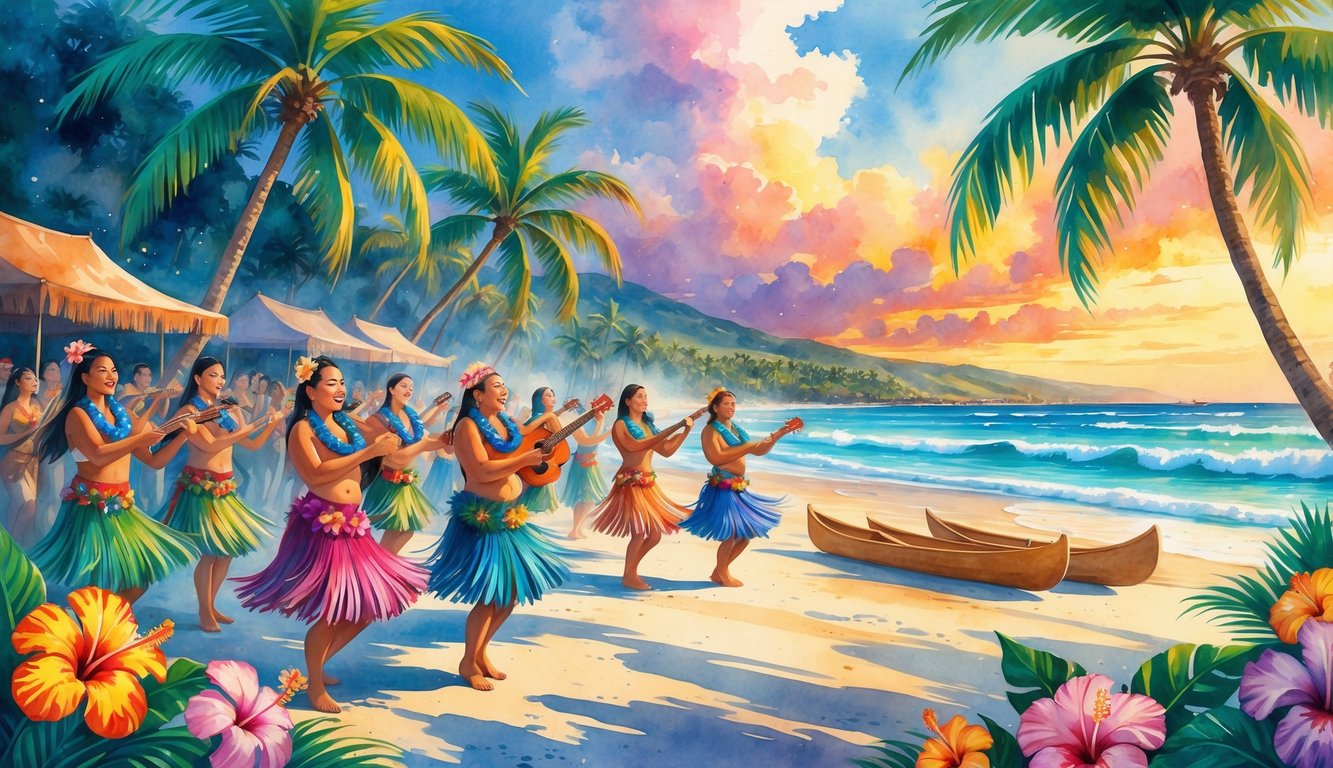
These special events highlight the unique traditions and spirit of the Aloha Festivals. Each celebration brings Hawaiian culture to the front, creating memorable experiences for everyone in Oʻahu and Honolulu.
Royal Court Investiture
The Royal Court Investiture is one of my favorite parts of the Aloha Festivals. Each year, the festival chooses a group called the Royal Court to represent Hawaiian royalty.
Their robes are colorful and elegant, modeled after the clothing of aliʻi (chiefs) from Hawaii’s past. During the ceremony, members of the court go through traditional rites.
Each person takes on a royal role, like King, Queen, Prince, or Princess. Special chants and songs add to the ceremonial feel.
I always see how important it is to keep these traditions alive. The Royal Court honors the past and brings a bit of old Hawaii into the modern day.
The court attends every major festival event. They lead processions and make public appearances across Honolulu and Oʻahu.
This tradition helps everyone—locals and visitors—connect with the long history of royalty and respect that shaped Hawaii. For more details, read about the Royal Court Investiture and other key events.
Floral Parade
The Floral Parade stands out for its bright flowers, creative floats, and upbeat music. The parade travels down Kalākaua Avenue in Waikīkī and features impressive floral arrangements on cars, floats, and even horses.
Marching bands, hula dancers, and schools join in, making it feel like a huge community party. I always notice the care put into every float and costume.
Many use native Hawaiian plants and flowers, showing respect for nature and the islands. The atmosphere is full of energy, with crowds cheering and music filling the air.
At the end, the parade finishes at Kapi‘olani Park for more celebrations. This event draws both locals and tourists, and photographers get some of their best shots during this lively parade.
For an in-depth look at this event, visit this guide to the Aloha Festivals Floral Parade.
Waikīkī Ho‘olaule‘a
The Waikīkī Ho‘olaule‘a is a huge street party that brings everyone together in the heart of Waikīkī. Kalākaua Avenue closes to cars, letting people walk freely and enjoy the celebration.
The street fills with food stalls, local crafts, and stages with live entertainment. I love the mix of traditional Hawaiian music and popular bands.
Food from all over Hawaii is everywhere—like laulau, malasadas, and poke. Cultural performances, including hula and chant, happen on several stages along the street.
Families, friends, and visitors mingle, shop, and dance together. This party is one of Oʻahu’s biggest annual gatherings and is free for everyone.
To learn more about this signature event, see the Aloha Festivals event schedule and full details.
Music, Dance, and Performance Arts
Music and dance are a huge part of the Aloha Festivals. I always notice how local traditions come to life with hula performances, live music, and competitions.
Hula Performances and Hawaiian Dance
Whenever I attend the Aloha Festivals, I see hula performances everywhere. Men and women of all ages share stories through graceful movements and traditional Hawaiian dance.
Hula is more than entertainment; it is storytelling set to chant or song called “mele.” The festivals often feature performances by different hula halau (hula schools).
Dancers wear colorful costumes, from grass skirts to fresh flower leis. I also enjoy seeing both ancient hula kahiko, which uses traditional instruments, and modern hula ‘auana with contemporary music.
These shows help everyone appreciate the history and meaning behind each dance.
Live Music and Mele
Live concerts fill the parks and beaches during Aloha Festivals. I listen to Hawaiian music performed by talented local artists and well-known musicians from across the islands.
Mele, or Hawaiian songs and chants, play a big part in the event. Stages feature bands playing slack-key guitar, ukulele, and steel guitar.
When I hear the music, I feel the energy and warmth of the community. The songs celebrate Hawaiian culture, love for the land, or local legends.
At the ho‘olaule‘a street parties, music lasts late into the evening. Everyone joins in singing and dancing.
For more about these concerts, Hawaii’s Aloha Festivals are worth exploring.
Ukulele and Falsetto Contests
One highlight for me is the ukulele and falsetto contests. The ukulele, a small guitar-like instrument, sits at the heart of Hawaiian music.
During these contests, musicians of all ages show their skill and creativity with solos and group performances. Falsetto singing contests also draw big crowds.
Male singers reach impressive high notes, honoring an old vocal style unique to Hawaii. Judges look for clarity, style, and how well each artist connects with the audience.
Winners often become well known throughout the islands. Many go on to have careers in Hawaiian music.
Contests like these keep traditional sounds alive and encourage new talent every year. More about these performances is at Aloha Festivals.
Community Involvement and Support
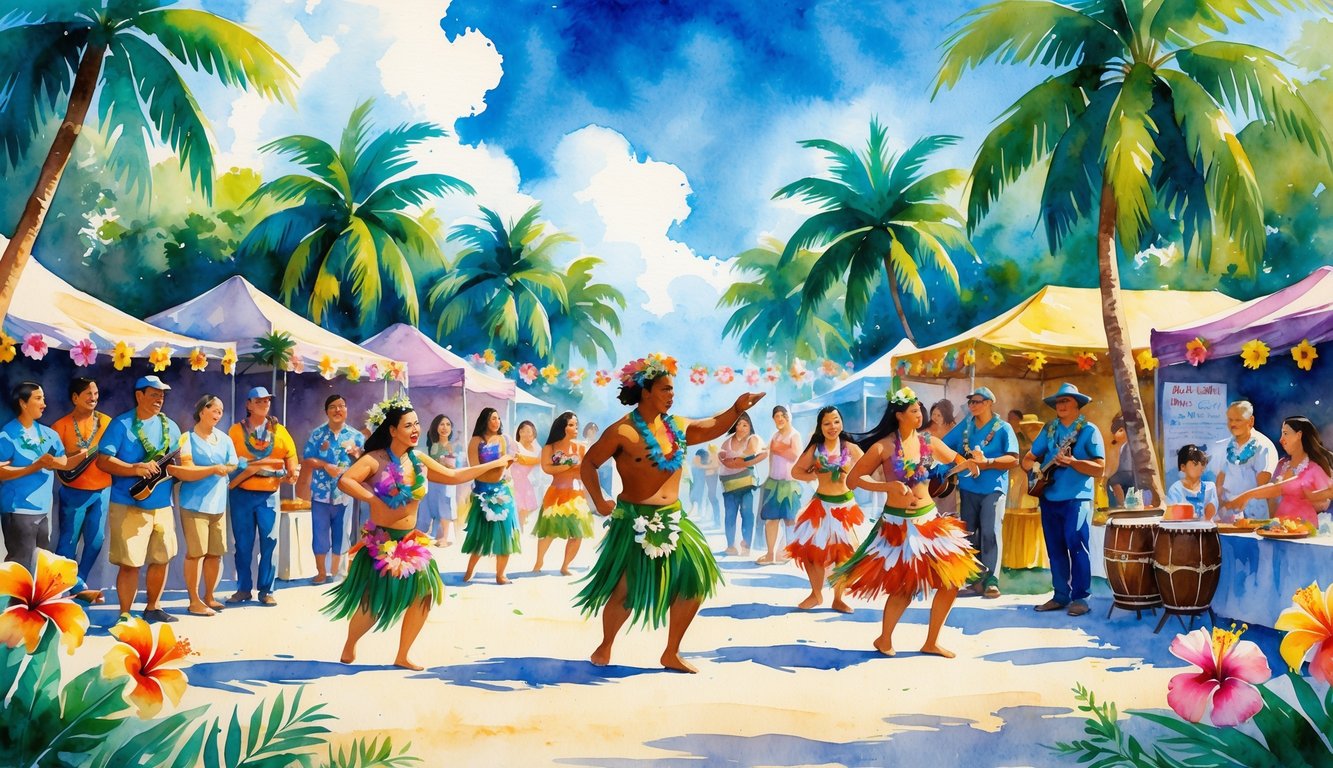
Every year, I see how the Aloha Festivals become more than just a celebration. They build real connections between people and help pass on Hawaiian culture to a new generation.
Volunteers and Community Leaders
I watch volunteers make everything possible at the Aloha Festivals. Many people from different parts of Hawaiʻi offer their time to set up, welcome guests, and guide events.
Without this community energy, the festivals would not run smoothly. Community leaders, including elders and organizers, take on big roles.
They lead parades or host major ceremonies. Their knowledge keeps the event true to tradition.
For many volunteers, this work is a way to give back. I often see the same friendly faces year after year.
These group efforts show why Aloha Festivals are recognized as a community-supported event.
- Prepare decorations
- Organize schedules
- Share history
- Welcome visitors
With such support, the festival has become the largest Hawaiian cultural celebration in the U.S.
Workshops and Demonstrations
I love that the Aloha Festivals include many hands-on workshops and live demonstrations. These give me a chance to learn about Hawaiian arts, crafts, music, and food from local experts.
Workshops cover lei-making, hula dancing, traditional chanting, and Hawaiian instrument lessons. Demonstrations let me watch skilled artisans weave mats from leaves or carve wooden bowls.
Guided cooking classes feature local recipes. People of all ages join in, making these events both fun and educational.
For many, this is their first experience with techniques passed down over generations. These workshops let visitors see Hawaiian customs up close and honor the original mission to share and honor Native Hawaiian traditions.
Cultural Exchange Programs
Aloha Festivals welcome people from many places who take part in cultural exchanges. These programs invite groups from other Pacific islands or cultures to share their own dances, songs, and arts.
I watch different styles on the same stage, from Tahitian drumming to Māori haka. Hawaiian hosts often trade performances or crafts with visitors, building friendships.
These exchanges foster respect for diversity. They help strengthen community ties beyond the islands.
Organizers set up special meet-and-greet sessions, giving everyone a chance to ask questions and learn firsthand. This makes the festival an immersive experience full of fun and learning.
Parades and Festivities on the Islands
Each year, I see beautiful parades, lively street parties, and colorful celebrations across Hawaii. These events highlight the unique music, traditions, and foods that make the Aloha Festivals special.
Marching Bands and Street Parties
Marching bands fill the air with upbeat tunes as they lead the parades down busy streets. Their music gets everyone in the mood to celebrate.
Students from local schools practice for months to perform, wearing bright uniforms and playing classic Hawaiian songs. Street parties, or ho‘olaule‘a, create a friendly and open atmosphere.
These parties fill neighborhoods with food booths, games, and live entertainment. Families gather to watch performances and dance along to the bands.
Street performers and dancers join the bands, adding to the excitement. From early morning until night, people walk, sing, and celebrate along the parade route.
Pa‘u Riders, Paniolo, and Cultural Displays
During the parades, I look forward to seeing the pa‘u riders in their flowing gowns. They ride horses decorated with fresh flowers and honor Hawaiian royalty from the past.
Each pa‘u rider represents an island with special colors and leis. Paniolo, or Hawaiian cowboys, follow along, showing off skills passed down through generations.
Their horses and gear are beautifully decorated. Seeing them reminds me of Hawaii’s ranching history and strong traditions.
Cultural displays add even more to these celebrations. Hula dancers, floats covered in tropical flowers, and groups sharing native chants and songs fill the streets.
At each event, I’m amazed by how much tradition and pride everyone brings. For more, learn about the cultural history of the Aloha Festivals celebrations.
Block Parties and Food Vendors
I always look forward to the block parties at the Aloha Festivals. Whole streets close down, and tents fill the area with a wide variety of local food.
From fresh poke bowls to sweet malasadas, the food vendors offer a taste of classic Hawaiian dishes and new flavors. People wait in line for roasted pork, shaved ice, and plate lunches.
The smells of grilled meats and tropical fruits fill the air. Sitting with friends at picnic tables or exploring every booth, I notice how food brings people together.
Block parties often include cooking demonstrations and contests. For more about these lively block parties and food vendors, see detailed guides to Aloha Festivals.
Expanding Across the Hawaiian Islands
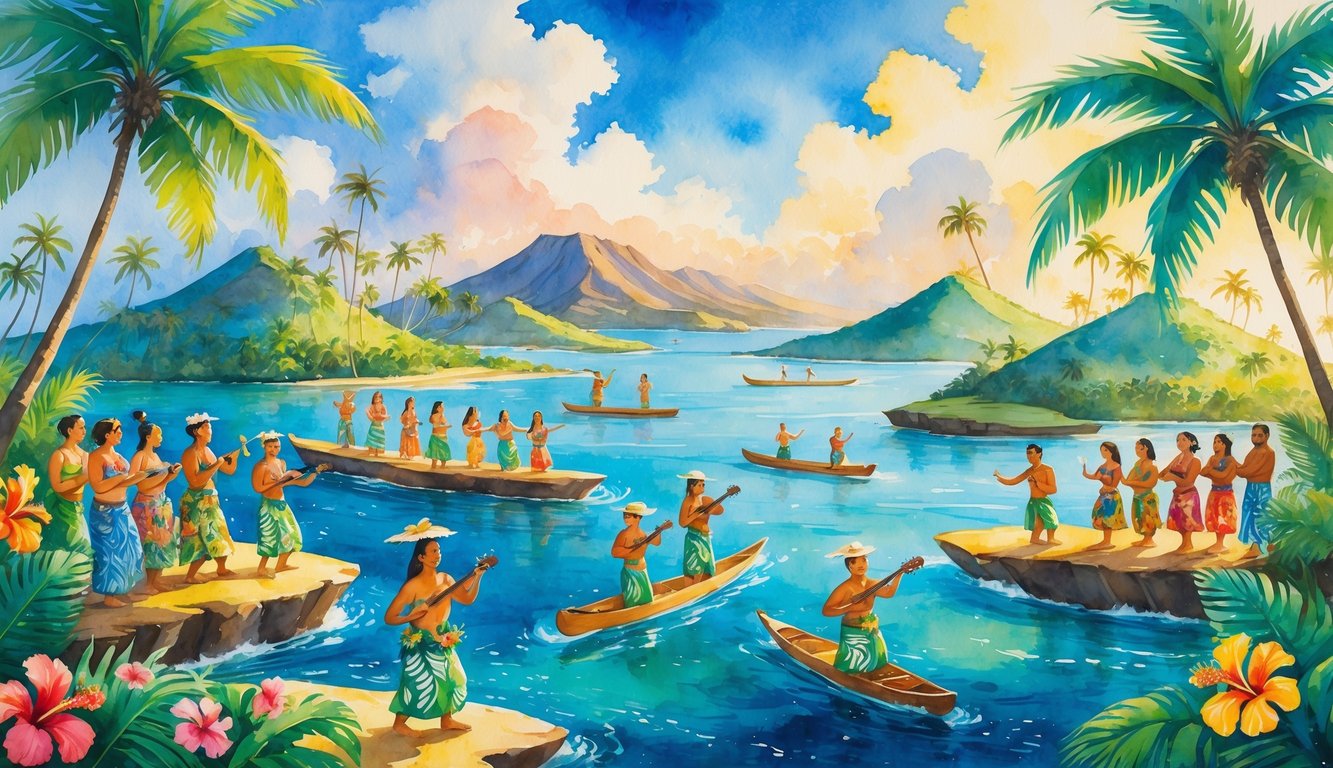
Aloha Festivals started on Oʻahu, but soon grew to include events on every major Hawaiian island. Each island brings its own style, customs, and events.
Neighbor Island Events
When Aloha Festivals expanded off Oʻahu, each Hawaiian Island quickly embraced the festivities in its own way. Kauaʻi, Maui, Molokaʻi, Lānaʻi, and the Island of Hawaiʻi developed unique events reflecting local pride.
The expansion was more than just copying Honolulu’s parades. Each island found ways to honor its history and people.
Maui created its own Festivals of Aloha, lasting through September and October. On Molokaʻi, the Festival of Aloha honors paniolo (Hawaiian cowboy) traditions.
Community parades, torch-lighting ceremonies, and local entertainment now happen all over the islands. Seeing families participate in their hometowns shows how important these neighbor island events are for sharing culture.
Free concerts, traditional games, and hula performances bring old traditions into daily life. I enjoy attending events that highlight talents from each community.
Distinctive Island Traditions
Each island adds something special to the Aloha Festivals. I notice that traditions can be very different from one place to another.
In Hilo, the Festivals of Aloha include lei-making contests and canoe regattas. On Kauaʻi, floral parades and royal courts dressed in historic Hawaiian dress carry old customs forward.
Here’s a quick comparison of signature traditions:
| Island | Signature Festival Tradition |
|---|---|
| Maui | Festivals of Aloha; street parties |
| Molokaʻi | Paniolo (cowboy) tributes |
| Kauaʻi | Floral parades; royal courts |
| Big Island | Canoe regattas; hula showcases |
These differences make each festival feel fresh and personal. I can watch a hula performance on one island, then learn to make a lei on another.
This variety shows how the Aloha spirit thrives in every corner of the islands. For more, the Aloha Festivals history is a great place to look.
Royalty, Aliʻi, and Symbolism
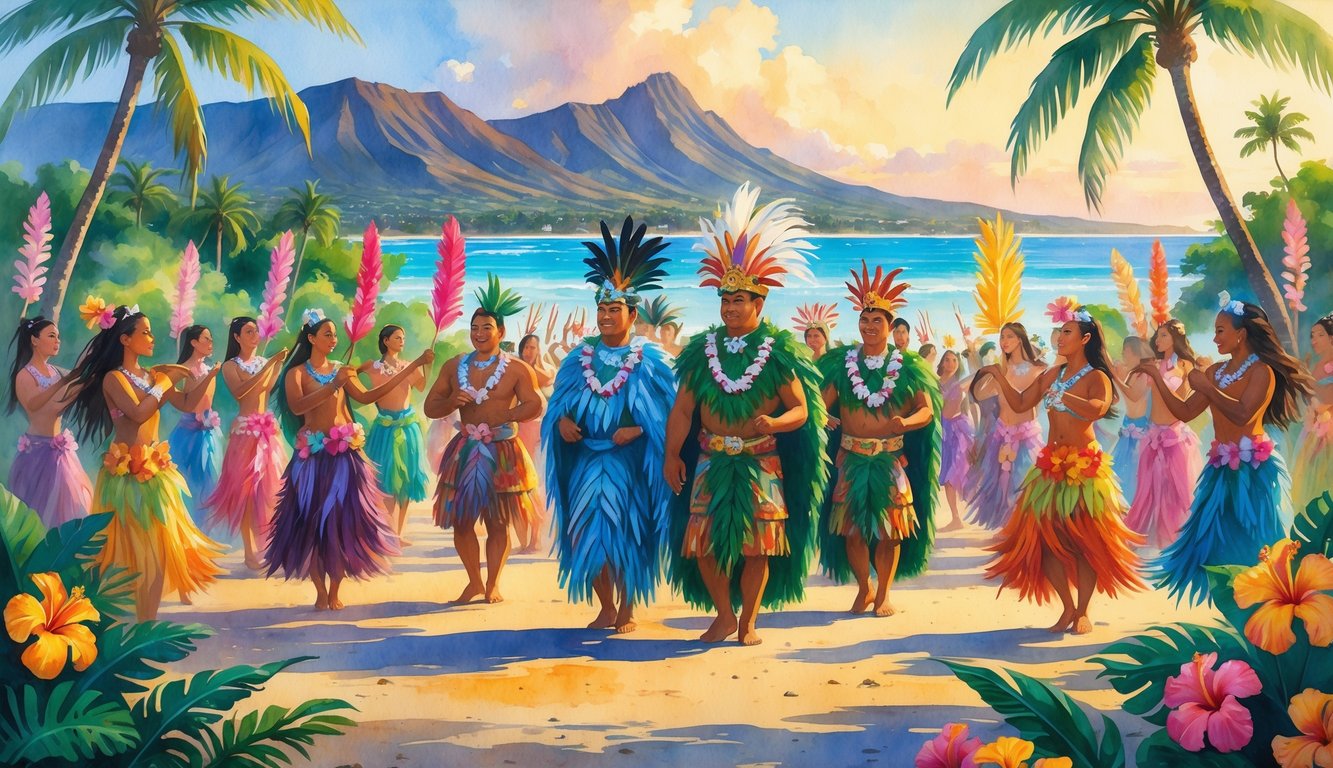
Royalty and sacred traditions stand at the heart of Aloha Festivals in Hawaiʻi. The festivals bring Hawaiian history to life through reenactments, cultural expressions, and cherished symbols.
Role of Kings, Queens, and Princes
When I think of Aloha Festivals, Hawaiian royalty stands out. Historically, the aliʻi were the nobility in Hawaiʻi, including kings, queens, and princes.
Their roles included ruling, preserving the culture, and passing down traditions. Kamehameha I united the islands, and his descendants continued to influence island events.
The festival’s royal court, led by a king and queen, honors these leaders. Modern festivals often include an investiture ceremony for the king, queen, and princes, giving them roles that mirror Hawaii’s royal customs.
Key roles in the royal court:
- Aliʻi King and Queen
- Princes and Princesses
- Royal attendants
These roles help people connect with the history and values of Hawaiʻi. For more on the aliʻi and their role, see the Cathedral of St. Andrew’s Aliʻi Heritage page.
Symbols and Ceremonies
Symbols appear everywhere during Aloha Festivals. The kāhili, a tall feathered staff, once marked the aliʻi’s status and spiritual power.
During parades and ceremonies, modern royal courts carry replicas of kāhili to honor the past. Many ceremonies, like ho‘oku‘u (the release of the royal court) and formal processions, draw from ancient Hawaiian traditions.
Flowers, chants, and music all honor the islands’ chiefs and their ancestors. These traditions show respect for both royalty and the sacred objects they treasured.
To learn about the symbolism behind kāhili, visit the section on Kāhili: Feather Standards.
Thematic Elements and Annual Highlights
Each year, the Aloha Festivals bring people together through music, dance, and stories that honor Hawaiian culture.
I see familiar traditions mixed with new ideas. The focus stays on the deeper meaning of aloha and the start of the Hawaiian year.
Annual Themes and Motifs
Every festival highlights a central theme that reflects Hawaiian values.
Themes often feature unity, family, or honoring ancestors.
Each year, a unique motif inspires the official art, parade floats, and the style of royal court costumes.
Festival displays show Hawaiian symbols like lei, kapa patterns, and colorful flowers.
Hula performances take center stage and honor the past while connecting everyone to Hawaii’s stories.
Music, chanting, and storytelling help carry on these themes.
The festival offers a chance for everyone to share in the spirit of aloha and pass down lessons from the past.
Since 1946, changing themes keep the festival fresh and true to its roots.
To learn more about these motifs, visit the official Aloha Festivals site.
Seasonal Dates and September Traditions
Aloha Festivals usually happen in September during the ancient Hawaiian season called Makahiki.
This timing marks the end of harvest and the start of the Native Hawaiian new year.
Major highlights take place every September.
I look forward to the Royal Court’s presentation, big downtown parades, and lively block parties called ho‘olaule‘a.
These events fill Waikiki’s streets with music, hula, and food.
Local families and visitors celebrate together.
September traditions help everyone feel connected to Hawai‘i’s stories.
The festival stands out as the only statewide celebration of its kind across all the Hawaiian Islands.
Find more details about these September events on the Aloha Festivals Wikipedia page.
Visitor Experience and Tourism
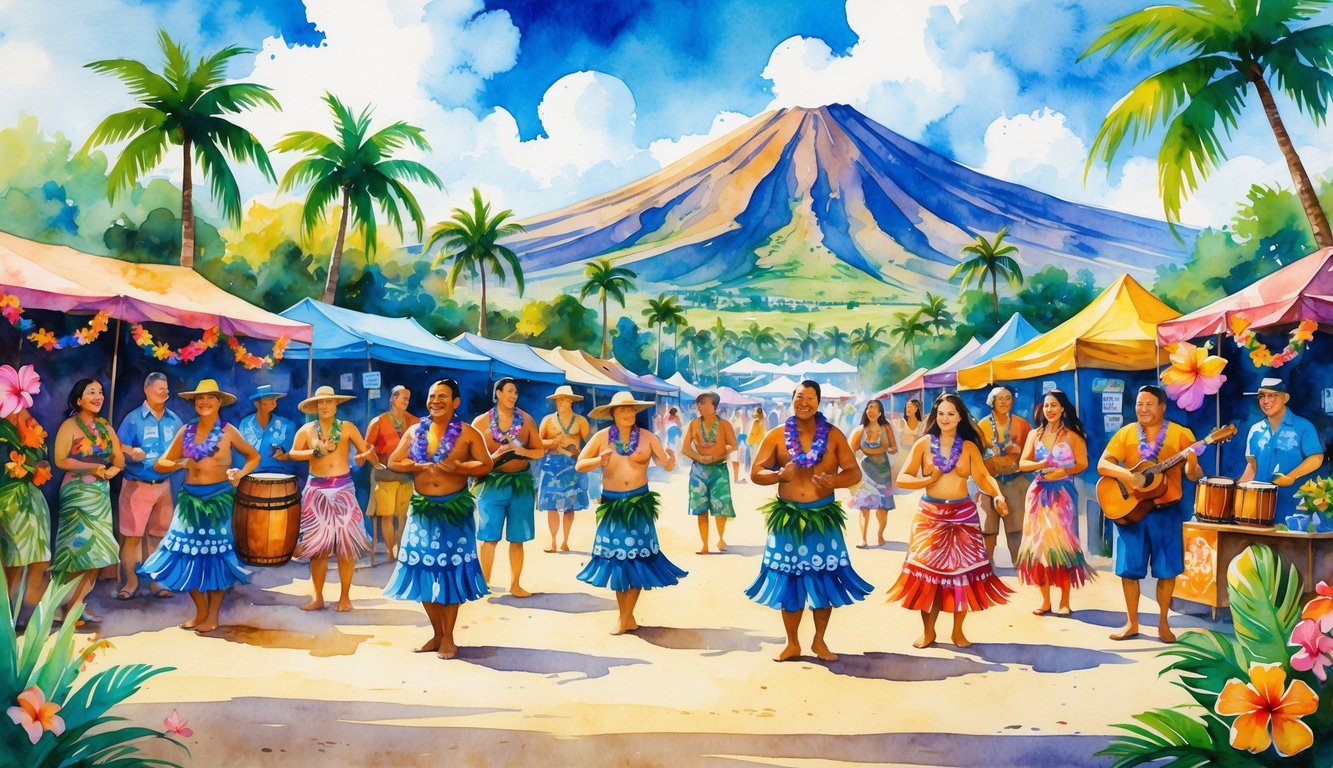
When I attend the Aloha Festivals, I notice how each event welcomes both locals and travelers.
The celebrations offer hands-on cultural events, easy parking, and ways for visitors to learn about Hawaiian traditions.
Activities for Tourists
Every year, the festivals offer vibrant parades, hula shows, and music performances.
When I walk through Waikiki and the Royal Hawaiian Center, I see groups enjoying lei-making, food stalls, and craft booths.
Traditional hula performances give everyone a look at authentic Hawaiian dance.
Many activities are free and open to the public.
I can sample local food, speak with artisans, and watch the colorful Royal Court presentations.
Street parties bring music, dance, and friendly crowds together.
Here’s a quick list of what I can usually do:
- Watch the Aloha Festivals Floral Parade
- Enjoy ho‘olaule‘a (block parties) in Waikiki
- Visit cultural workshops at the Royal Hawaiian Center
Event Parking and Accessibility
Getting to festival events is easier than I expected.
Major venues like Waikiki and the Royal Hawaiian Center offer parking, but spots fill up quickly during big events.
I try to arrive early or use public transportation.
Many events have clear signs and guides to help me find parking.
Some hotels and shopping centers offer special event parking deals.
If I need extra help with mobility, I can find accessible parking and walkways, although some street events get crowded.
Waikiki is pedestrian-friendly, so I often walk from one event to another.
Buses and shuttles are another good choice during peak festival times.
Planning ahead saves me time and makes the experience less stressful.
Cultural Immersion for Visitors
When I join the activities, I hear local music, language, and dance all around me.
I get to hear traditional mele (songs), see hula performances, and try lei-making classes.
Local experts called kumu teach me about the meaning behind each dance and chant.
Vendors at the Royal Hawaiian Center let me taste foods like poke and shave ice.
Learning directly from Native Hawaiian artists and performers feels special.
I enjoy speaking with community members and understanding their stories and customs.
These festivals began as “Aloha Week” and have grown into a way to keep traditions alive.
Every time I participate, I leave with a deeper respect for the culture and people of Hawaiʻi.
Find more background at about Aloha Festivals.
Cultural Workshops and Culinary Traditions
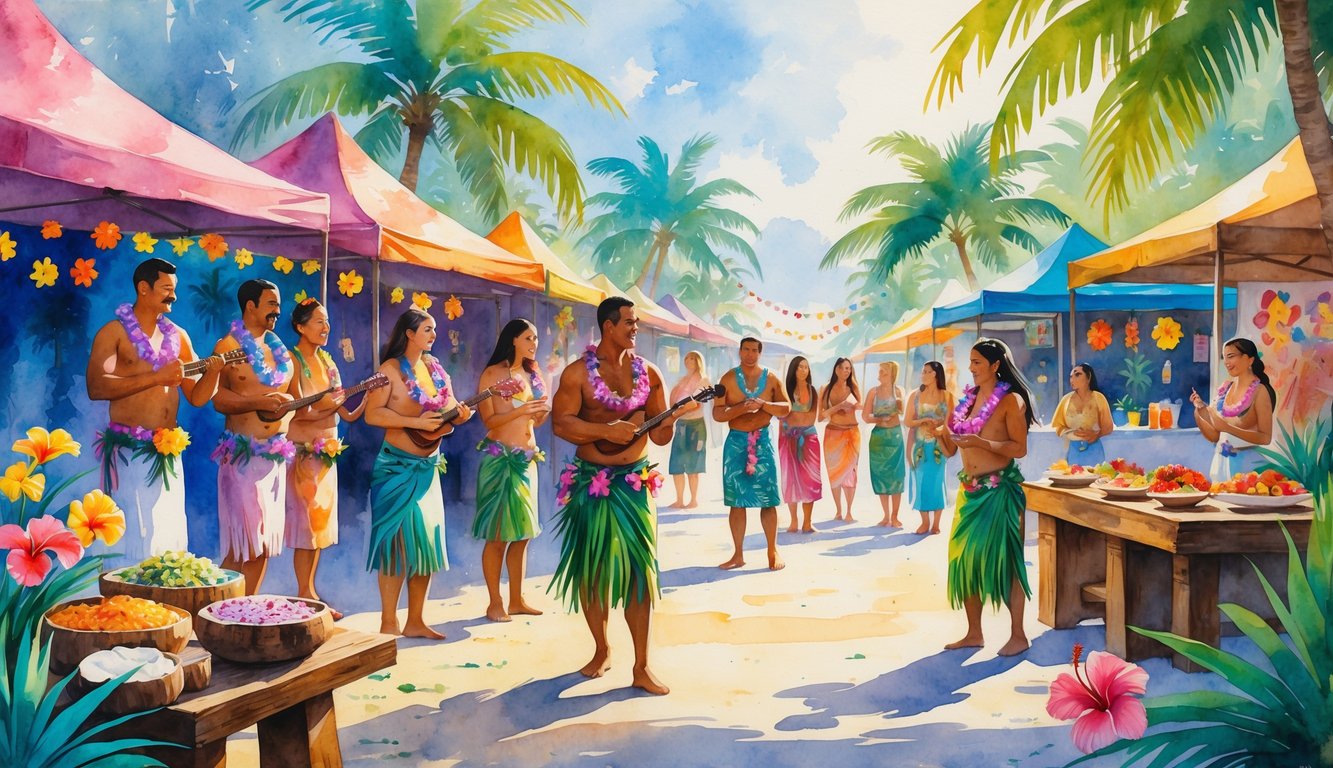
The Aloha Festivals celebrate traditions that connect people.
Making flower leis by hand and tasting local foods help me understand the spirit and skills passed down through generations.
Lei-Making Workshops
At the festivals, I always see lei-making workshops filled with families and friends.
In these workshops, I learn how to thread fresh flowers, leaves, and seeds into leis that symbolize welcome and affection.
The instructors explain the cultural meaning behind each flower and show the different patterns.
Hands-on guidance makes the experience fun, even for beginners.
There are demonstrations on the history of lei-giving and how leis are used in celebrations, greetings, and farewells.
Many festivals let me take my own handmade lei home.
The fragrant flowers remind me of the connections I made.
Local Foods and Poi
Eating at the festival is one of my favorite parts.
I try traditional Hawaiian foods, especially poi, a paste made from taro root.
Poi has a mild flavor and a unique texture.
It’s often served with dishes like laulau (pork wrapped in leaves) and lomi salmon (a tomato and salmon salad).
At culinary booths, I watch how poi is prepared, from pounding boiled taro to mixing it.
Food tents offer other Hawaiian specialties, including poke bowls and sweet treats like malasadas.
By sampling these dishes, I learn why these foods matter to local families.
For more about food experiences, I find guides like Tasting Aloha: A Guide to Unique Food Events and Festivals in Hawaii helpful.
Storytelling and Demonstrations
Storytelling is a special part of the festivals.
Skilled speakers share the history and legends of Hawaii, mixing personal stories with tales from the past.
These stories explain why certain traditions exist and how hula or lei-making developed.
I enjoy watching live demonstrations, which might include traditional dances, drumming, or craft-making.
Performers interact with the audience and invite me to try something new or ask questions.
These demonstrations show the skill and dedication needed to keep Hawaiian culture alive.
Workshops and live demos give me a firsthand look at what makes the Aloha Festivals unique.
By hearing stories and seeing traditional arts, I feel connected to the deeper meaning behind the celebration.
For more on how these traditions are shared, A Comprehensive Guide to Hawaii’s Aloha Festivals offers more details.
Continuing Legacy of the Aloha Festivals
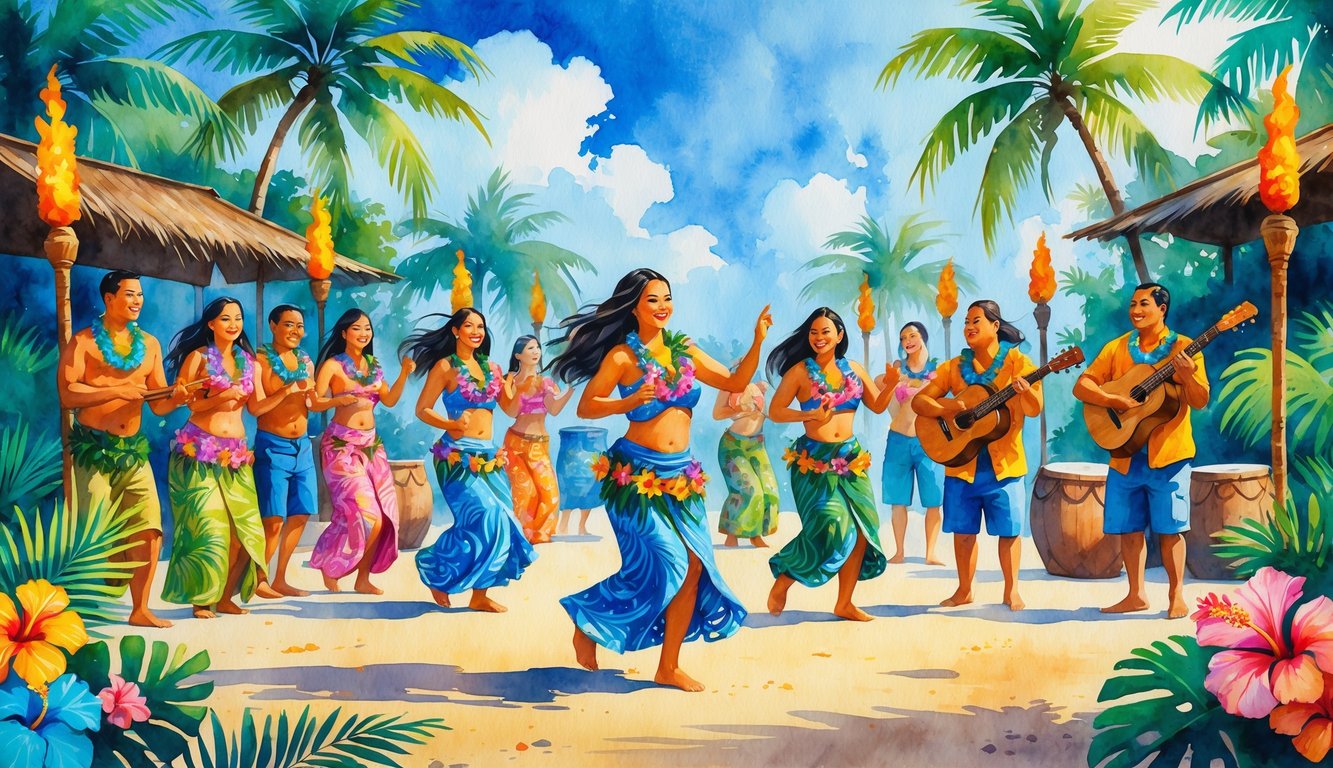
The Aloha Festivals remain important in Hawaiʻi.
Traditions stay alive through dance, music, and events that show the heart of Hawaiian culture.
This celebration also looks ahead, adjusting to new times while holding on to the past.
Ongoing Cultural Preservation
Each year, the focus on cultural preservation stays strong.
The Aloha Festivals highlight Hawaiian music, hula, food, and crafts.
These events let families and visitors experience local traditions firsthand.
During the festivals, I see the Royal Court honor the islands’ royal past.
This public display shares the importance of heritage with residents and tourists.
Schools, kumu hula (hula teachers), and community groups often join in, teaching younger kids through hands-on activities.
Main features that stand out include:
- Traditional Hawaiian performances
- Parades and the Royal Court presentation
- Demonstrations of ancient crafts and arts
Organizers work with elders to keep the culture true to its roots.
These festivals, which began as Aloha Week in 1946, still bring everyone together around Hawaiian values.
Future of the Festivals
I’m glad to see that the festivals keep growing and changing.
Organizers bring in new ideas to keep them fresh while honoring history.
Some recent festivals added workshops that teach kids how to carve, weave, or play traditional instruments.
Technology now plays a bigger part, too.
Social media and online streaming allow people from all over the world to join.
This helps more people learn about Hawaiian customs.
Younger leaders and volunteers step up to make sure the festival continues.


