
When I explore Hawaii’s past, I see how tourism has shaped its economy in surprising ways.

Tourism now serves as the largest source of private capital in Hawaii. It supports thousands of jobs and brings in billions of dollars each year.
The growth of tourism changed the islands from small, isolated communities to a destination that welcomes millions from around the world.
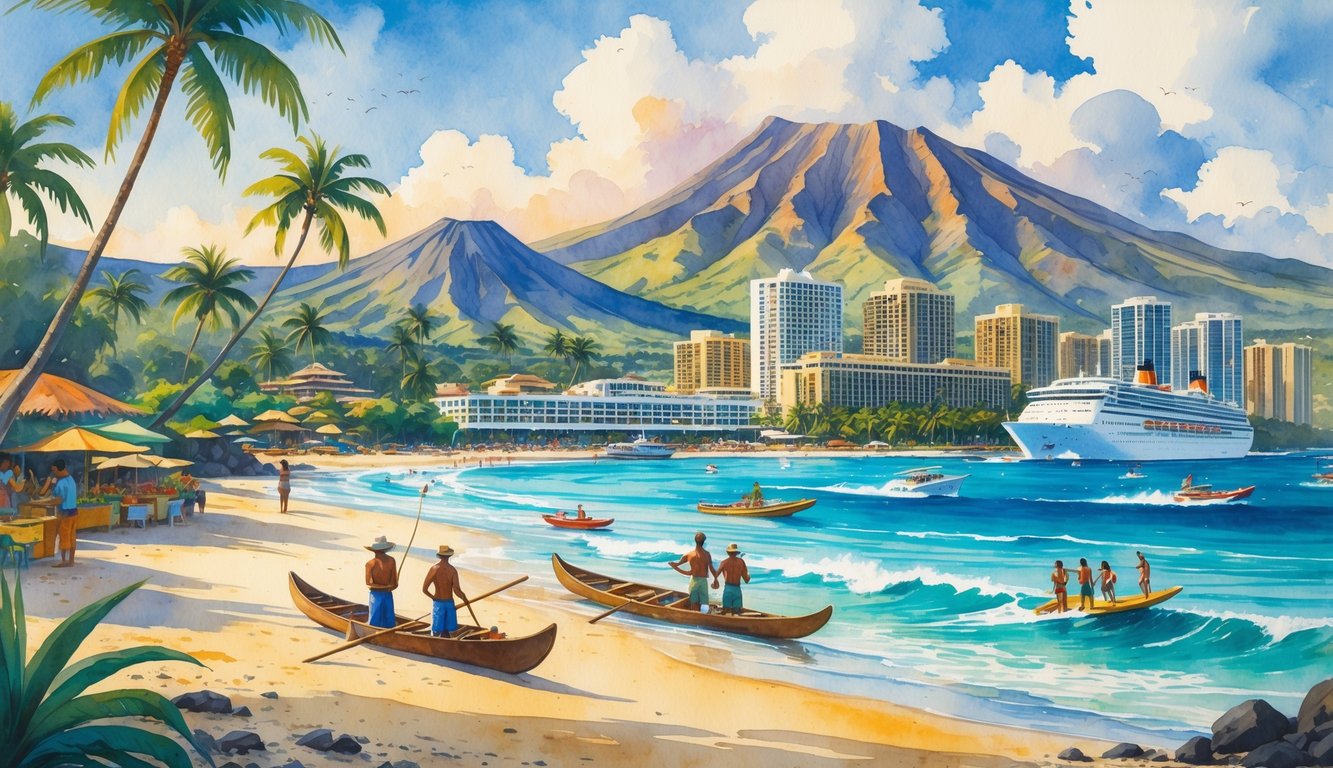
The story of tourism and Hawaii’s economy goes beyond numbers and money.
It also involves changes in local culture and daily life as visitor numbers grew.
I’ve always wondered how these changes began and what the real impacts have been, both positive and negative.
If you want to know how tourism became so important in Hawaii, or how its effects still shape life on the islands, you’re in the right place.
Let’s look back at how Hawaii’s economy became closely tied to welcoming travelers, from its early days to now.
Hawaii’s Early Tourism Era
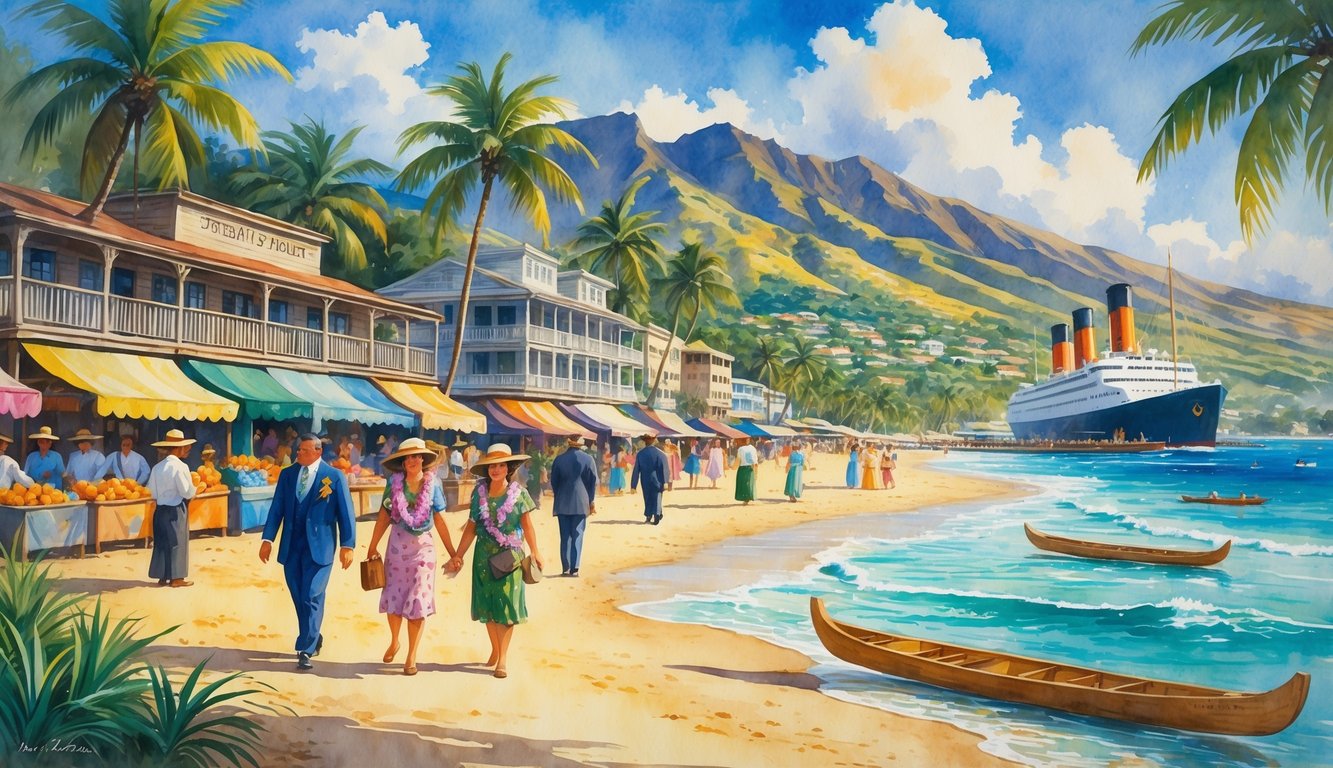
Before tours and resorts, Native Hawaiians built a thriving culture on the islands.
Foreign arrivals and colonial powers later changed economic life and cultural traditions.
Hawaii’s unique attractions soon drew visitors, setting the stage for the tourism industry.
Pre-Contact Native Hawaiian Life
Before outsiders arrived, Native Hawaiians lived in self-sustaining communities.
They created advanced systems for farming, fishing, and sharing resources.
Chiefs led the land and governed by traditional kapu laws.
Cultural heritage shaped daily life.
Art forms like hula, music, and oral storytelling connected people to each other and the land.
These traditions showed deep respect for nature and ancestors.
Most trade happened between islands, not with other countries.
Tourism did not exist.
The islands remained independent, and outsiders rarely visited.
Communities focused on working together and honoring traditions, not attracting visitors or outside commerce.
First European Arrivals and Colonialism
Captain James Cook arrived in Hawaii in 1778 as the first documented European.
After that, more ships and outsiders came to the islands.
These early contacts brought new goods and, sadly, new diseases that hurt the Native Hawaiian population.
Missionaries and traders followed.
They introduced Christianity, Western schools, and new ways of farming.
This started a shift from Native Hawaiian values to new social and economic systems.
Colonialism grew in the 1800s.
The Hawaiian monarchy struggled to keep control while foreign businesses gained land.
Big sugar and pineapple companies became powerful.
Native Hawaiians lost land and influence, which changed their culture and ways of life.
Early Attractions and Initial Interest
By the 19th century, stories about Hawaii’s volcanoes, beaches, and unique culture spread through travel magazines and newspapers.
Adventure seekers and writers described the islands’ lush landscapes and warm climate, sparking curiosity among Westerners.
The first visitors arrived by ship, often after weeks at sea.
Most were wealthy travelers, and their numbers remained small.
Some wanted to see active volcanoes or the royal palace in Honolulu, while others came for the “exotic” customs.
Early hotels appeared in the late 1800s and early 1900s.
The Moana Hotel opened in 1901 as the first luxury hotel in Waikiki.
These new buildings and organized tours showed that Hawaii was attracting not just explorers but also those seeking leisure and comfort.
The Foundation and Growth of Hawaii’s Tourism Industry
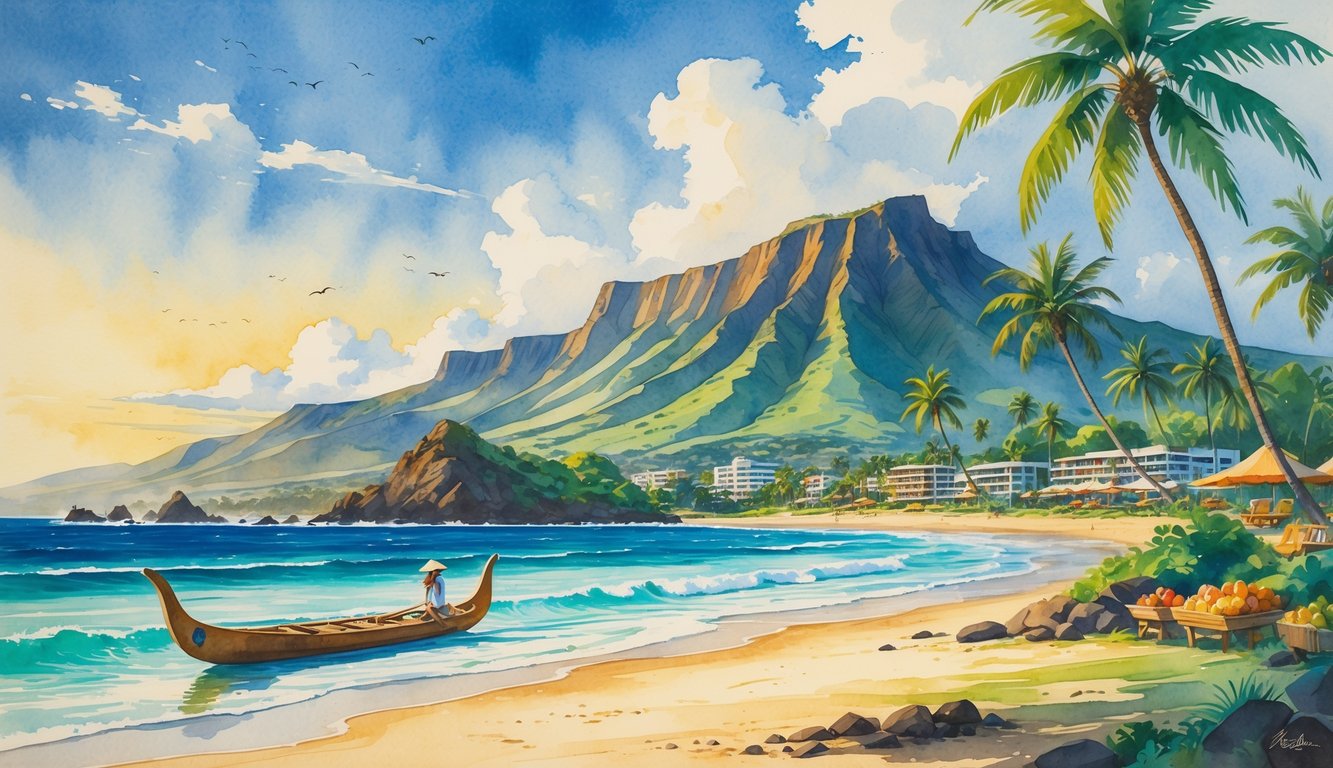
Tourism has played a big role in Hawaii’s economic growth.
Changes in laws, advances in travel, and the rise of resorts helped build a visitor industry that shapes the islands today.
Post-Statehood Tourism Boom
After Hawaii became a U.S. state in 1959, visitor numbers surged.
The new status made the islands more appealing and accessible.
Thousands of people wanted to experience Hawaii’s beaches, volcanoes, and natural beauty.
By the late 1960s and 1970s, millions of tourists arrived each year.
This growth made tourism a top industry.
New jobs appeared in hotels, restaurants, and shops.
Tourism started to account for a much larger part of Hawaii’s economy.
Today, tourism contributes about 20% to the state’s GDP.
Development of Resorts and Hotels
Developers built modern resorts and hotels, changing Hawaii’s visitor industry.
Early on, only a few hotels existed, mostly in Waikiki, but this changed quickly after 1960.
Large resorts appeared along the best beaches, such as Waikiki Beach on Oahu, Kaanapali on Maui, and the Kohala Coast on the Big Island.
They offered pools, golf courses, and easy ocean access.
These resorts gave tourists comfortable stays and encouraged more people to visit.
Local businesses and jobs grew as the hospitality sector expanded.
Role of Transportation Advancements
Air travel made it much easier to reach Hawaii.
Before regular flights, most tourists traveled by ship, which was slow and expensive.
After World War II, larger airplanes began flying between the mainland and Hawaii.
Trips became faster and more affordable for families.
The opening of Honolulu International Airport met the growing demand.
Lower fares and better flight schedules made vacations possible for more people.
Visitor numbers rose steadily, supporting resort construction and other tourism projects.
Media Influences and Iconic Destinations
Books, movies, and TV shows put Hawaii in the spotlight.
Writers like Mark Twain helped create the image of exotic, natural beauty during the 1800s.
Movies and television series—such as “Hawaii Five-O”—featured famous beaches, volcanoes, and sites like Pearl Harbor.
These places became must-see attractions for travelers.
Hawaii’s reputation grew, and new tourist destinations appeared.
More visitors arrived, hoping to see places they recognized from the media.
Economic Impact of Tourism on Hawaii
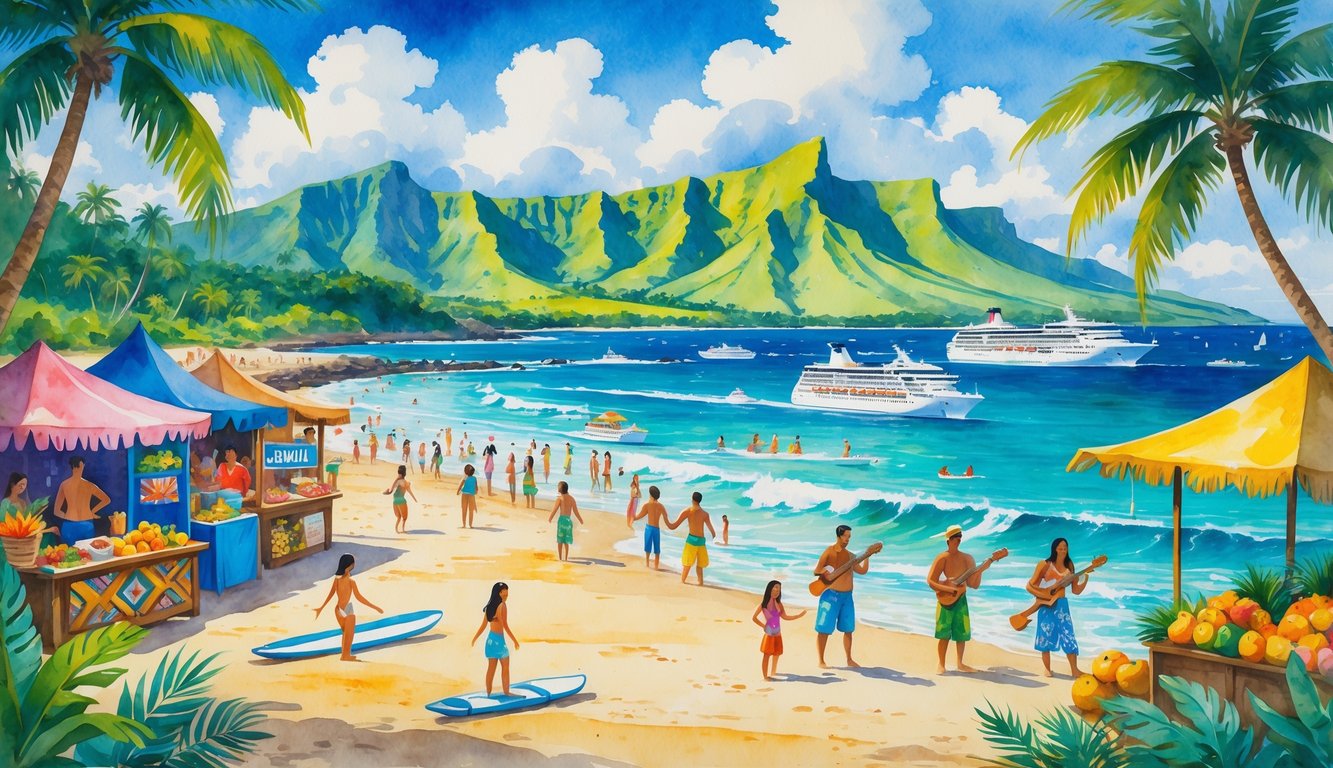
Tourism shapes how Hawaii earns money, supports jobs, and grows local businesses.
It affects the lives of many people in Hawaii, especially in hospitality and retail.
Contribution to State Economy
Tourism plays a major role in Hawaii’s economy.
In recent years, it has made up about 20% to 25% of the state’s total gross domestic product (GDP).
A big part of Hawaii’s income comes from visitors.
When tourism is strong, hotels, tour companies, restaurants, and entertainment venues get more business.
More money circulates through the islands, helping companies and residents.
The state collects revenue from visitor taxes and fees.
These funds support public services like roads, parks, and education.
Job Creation and Employment
Tourism creates many job opportunities in Hawaii.
About 216,000 jobs in the state connect to the tourism industry.
This includes jobs in hotels, restaurants, transportation, and entertainment.
Many smaller jobs, such as tour guides, shop owners, and activity planners, exist because tourists want experiences.
The ripple effect means even more people work in jobs that support businesses serving visitors.
During travel slowdowns, like the pandemic, many people in Hawaii lose jobs.
Tourism supports families across the islands.
Visitor Spending and Retail Growth
Visitor spending drives Hawaii’s economic growth.
Hundreds of thousands of visitors arrive each month.
For example, in February 2024, travelers spent about $1.66 billion.
Hotels, restaurants, local shops, and service providers benefit from this spending.
Retailers get more customers buying gifts, clothing, and souvenirs.
Even grocery stores and farmers markets see more business.
When visitors spend money, small businesses grow.
Retail sales increase, leading to more income for shop owners and employees.
Effects on Local Businesses and Communities
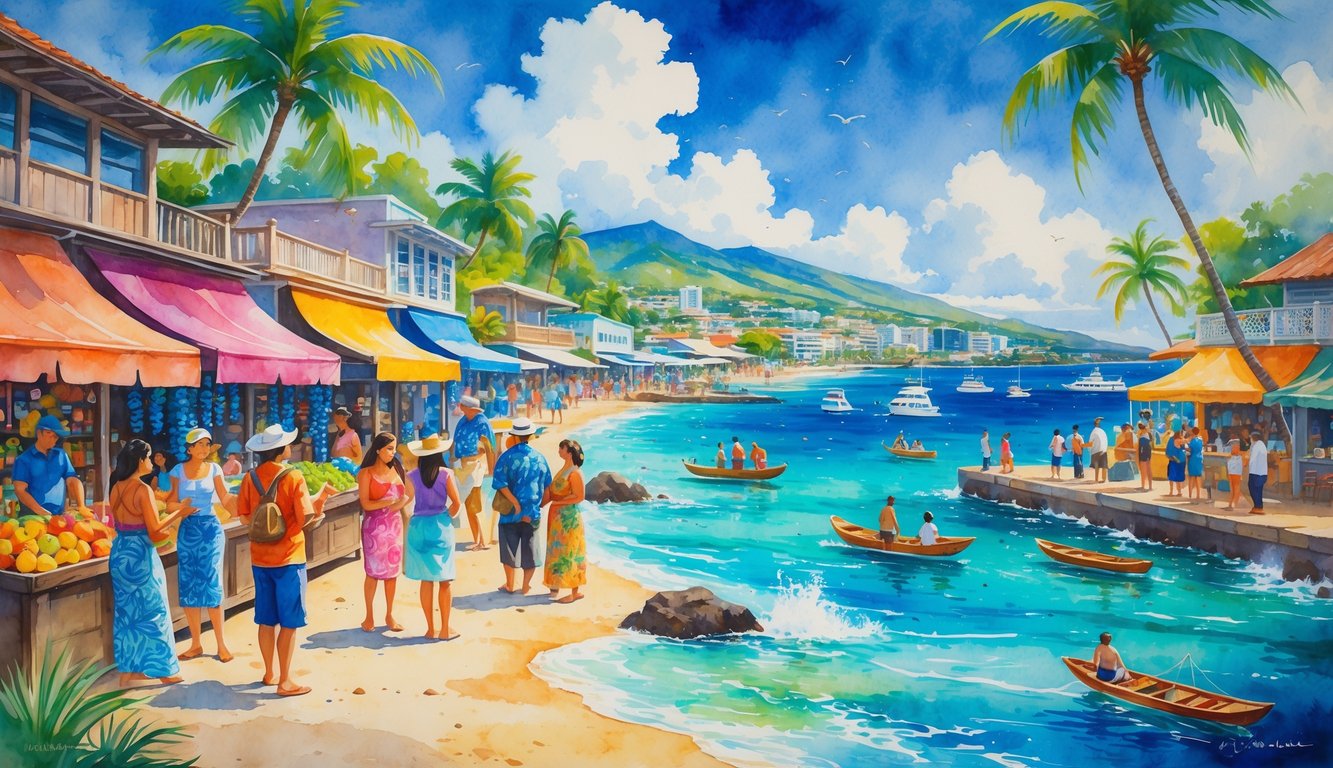
Tourism shapes how money moves through Hawaii.
It influences shops, jobs, and where people live.
Both families and business owners see benefits and challenges from tourism’s large presence.
Small Business Growth and Challenges
Many local shops and restaurants depend on visitors to stay open.
Tourists eat at local places, buy gifts, and book activities.
This gives small businesses more chances to grow.
During busy seasons, small store owners hire extra help.
This brings jobs and puts money into the local economy.
However, when visitor numbers drop, small businesses may struggle to pay bills or keep staff.
Competition with bigger chains is tough.
Tourists sometimes choose well-known brands over local options.
High demand can drive up costs for supplies, making it harder for small businesses to survive.
Some local shops close because rent costs rise, pushed higher by big business interest in tourist-heavy areas.
These changes affect neighborhood character and the mix of available businesses.
Impacts on Local Communities
Tourism brings new faces and ideas to Hawaii.
Meeting people from all over the world can be enjoyable, but sometimes local culture gets pushed aside.
Large numbers of visitors can strain public services like roads, parks, and beaches.
Crowded beaches and traffic jams often occur near popular tourist spots.
Locals might avoid certain areas because they are too busy.
Community events sometimes change dates or locations to fit tourist schedules instead of resident needs.
Positive impacts:
- More jobs
- More money for local programs
- Better public infrastructure
Concerns:
- Loss of cultural authenticity
- Too much traffic and noise
- Stress on public resources
Balancing these issues requires teamwork between government, businesses, and residents.
Housing Prices and Vacation Rentals
Vacation rentals and higher demand for places to stay cause home prices to rise.
Many homes and condos are rented to tourists instead of local families.
Local people have a harder time finding affordable housing.
Some neighbors move farther away because rents increase after more vacation rentals open.
Certain areas fill with short-term rentals, leaving fewer homes for workers, teachers, and others who keep the community running.
Higher housing prices from vacation rentals can create instability for families who want to stay in their neighborhoods.
Over time, this affects who can afford to live and work in Hawaii.
Local leaders face tough decisions in balancing tourism with the needs of residents.
Environmental and Cultural Impacts
Tourism in Hawaii brings both positive and negative changes. It helps the economy but also puts stress on the islands’ natural places and unique ways of life.
Environmental Degradation and Sustainability
Tourism boosts Hawaii’s economy, but it creates environmental challenges. Overcrowded beaches, coral reefs, and trails suffer from damaged habitats.
Litter and pollution rise when many tourists visit at once. Heavy foot traffic causes erosion in natural areas.
Sunscreen chemicals and physical contact harm coral reefs. Some beaches now require reef-safe sunscreen and limit visitors.
Local groups encourage travelers to follow rules that protect the land. Sustainable tourism has become essential.
I look for eco-friendly tours and support local efforts to keep Hawaii’s environment healthy. Educational programs and government policies help, but ongoing effort remains necessary.
Learn more about tourism’s effect at The Impact of Tourism on Hawaii’s Environment and Culture.
Preservation of Wildlife and Rainforests
Hawaii is home to plants and animals found nowhere else. Tourism threatens these species when forests are cleared for hotels or trails and when large crowds disturb animals.
Some visitors do not realize how fragile the ecosystem is. Wildlife protection groups work to educate tourists about endangered birds and native plants.
Guided hikes and tours teach sustainable ways to explore without harming rainforests or wildlife. Hawaii’s government sets up protected areas and asks visitors to stay on paths.
Lists of threatened species, like the Hawaiian honeycreeper and monk seal, show why careful action is important. Simple choices—like not touching wildlife or picking up trash—help keep these rare species safe.
For more, The Effects of Tourism in Hawaii explains these impacts.
Climate Change and Wildfires
Hawaii’s changing climate affects both locals and tourists. Rising temperatures, drought, and unpredictable weather are becoming more common.
These changes increase the risk of wildfires, which have damaged large parts of Maui and threaten rainforests. Tourism adds to the problem by raising energy use and putting stress on water supplies.
Resorts and hotels often need more resources, making it harder to manage drought and fire risk. When wildfires happen, both people and wildlife suffer.
Some hotels now use solar power and encourage water-saving habits. Local leaders and scientists work on wildfire prevention plans.
Read more about climate change and tourism’s role in Hawaii.
Tourism’s Influence on Hawaiian Culture
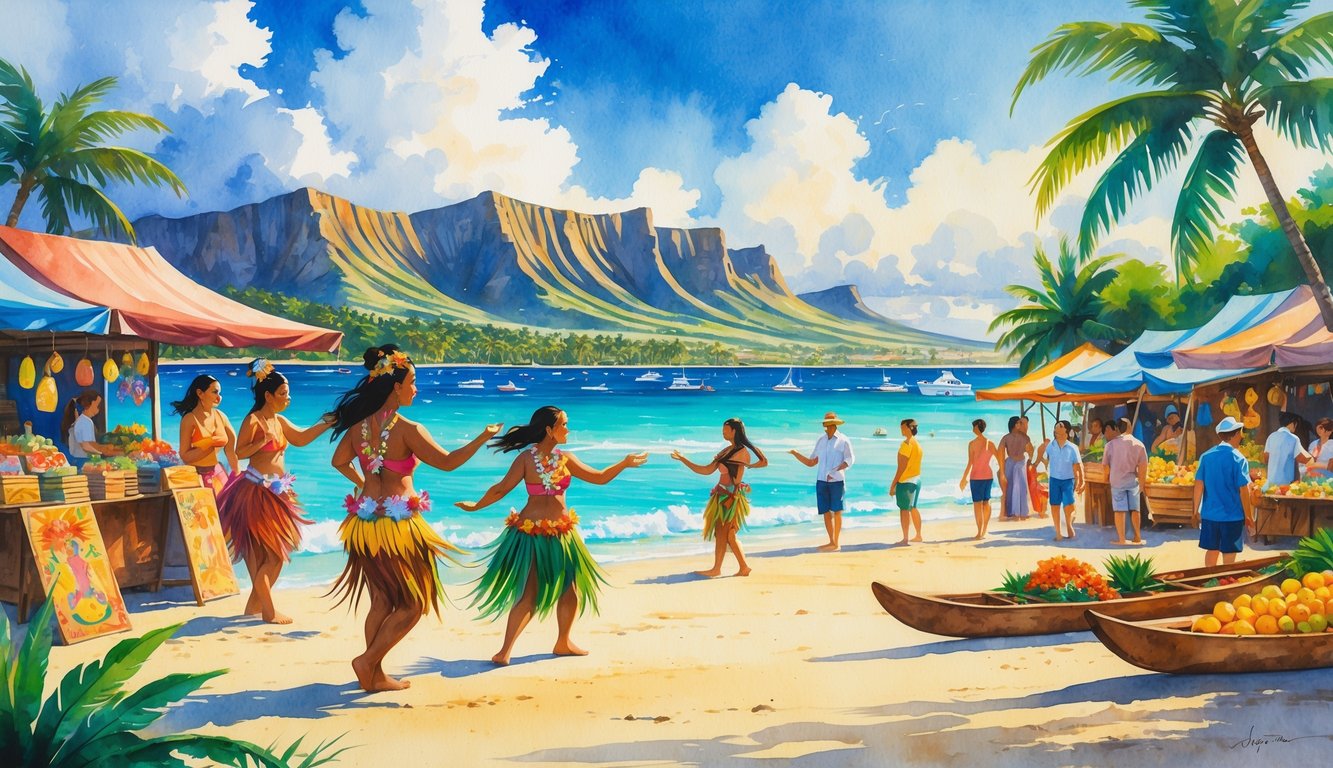
Tourism shapes how people experience Hawaii’s heritage. It brings new opportunities for cultural celebration but also creates challenges for indigenous identity and tradition.
Cultural Festivals and Traditions
Tourism has changed Hawaii’s cultural festivals. Many festivals have become larger and more frequent.
Events like hula competitions and traditional music shows attract visitors from around the world. This attention brings more funding and publicity to some traditions.
Local crafts and dances are performed for tourists, helping keep them alive. Sometimes, organizers schedule events to suit visitor calendars instead of local needs.
Tourist interest can cause some festivals and rituals to change. Performances may focus on what visitors want to see, rather than the history or meaning behind them.
This sometimes leads to traditions turning into commercial attractions.
| Positive Effects | Negative Effects |
|---|---|
| More support for events | Commercialization of customs |
| Increased awareness | Loss of deeper cultural meaning |
Impacts on Indigenous and Native Hawaiian Identity
Tourism affects how Native Hawaiians and other indigenous communities view themselves. Because tourism is a big part of the economy, some people feel pressured to adjust their identity to match tourist expectations.
Cultural loss can happen if Native Hawaiian stories and beliefs appear only as entertainment. Locals worry about myths becoming misleading advertisements or simple souvenirs, instead of true history.
Increased attention has led some people to protect cultural heritage. Programs now teach Hawaiian language and customs to young people to keep their identity strong.
Supporting these efforts helps keep the meaning behind cultural expressions alive.
Modern Trends in Hawaii’s Visitor Industry
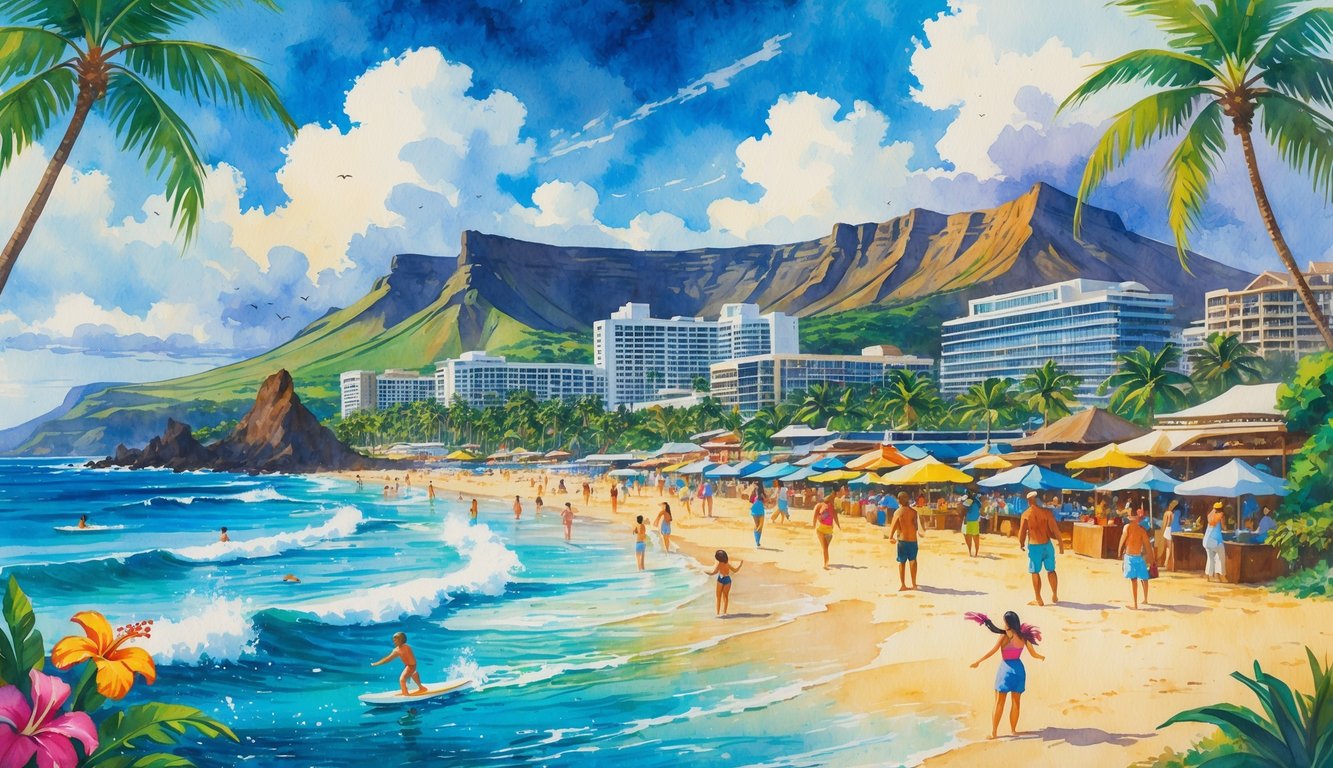
Hawaii’s tourism industry is changing. Visitor interests, reasons for travel, and the islands they visit have shifted in recent years.
Ecotourism and Sustainable Travel
More travelers now pay attention to their impact on Hawaii’s environment. Many want to explore nature and respect local ecosystems.
Ecotourism and sustainable activities, like hiking, wildlife watching, and beach cleanups, are becoming popular. Tour companies offer tours with strong conservation messages.
Guides highlight local plants and animals and show visitors how to help protect them. For example, Maui guides talk about reef-safe sunscreen to protect coral.
The government and local groups manage visitor numbers at fragile sites. This helps protect beaches and forests.
These efforts help balance tourism with caring for Hawaii’s natural treasures. Read more about Hawaii’s leadership in ecotourism.
Shift in Visitor Numbers and Demographics
Visitor patterns have changed in recent years. Domestic tourism from the U.S. mainland has grown, while international tourism has dropped.
More families and younger travelers now visit Hawaii. They look for unique experiences beyond beaches, such as culture, food, and outdoor adventures.
Visitors are spending differently. Trips may be shorter due to rising costs, and many people choose budget-friendly activities.
Travel apps and new booking habits make planning trips easier. These changing patterns affect Hawaii’s tourism economy.
Popular Hawaiian Islands and Attractions
Visitors often choose Maui, Oahu, Kauai, and the Big Island. Each island has unique attractions.
Maui is known for beaches, whale watching, and the Road to Hana. Oahu draws crowds to Waikiki, Pearl Harbor, and Diamond Head.
Kauai is famous for natural beauty and hiking trails, like the Napali Coast. The Big Island attracts travelers interested in volcanoes and black sand beaches.
| Island | Attractions |
|---|---|
| Maui | Road to Hana, whale watching |
| Oahu | Waikiki, Pearl Harbor, Diamond Head |
| Kauai | Napali Coast, Waimea Canyon |
| Big Island | Volcanoes, black sand beaches |
Many people now seek out lesser-known spots to avoid crowds. They support small, local businesses and try to travel in a responsible way.
Future Outlook for Hawaii’s Tourism Economy
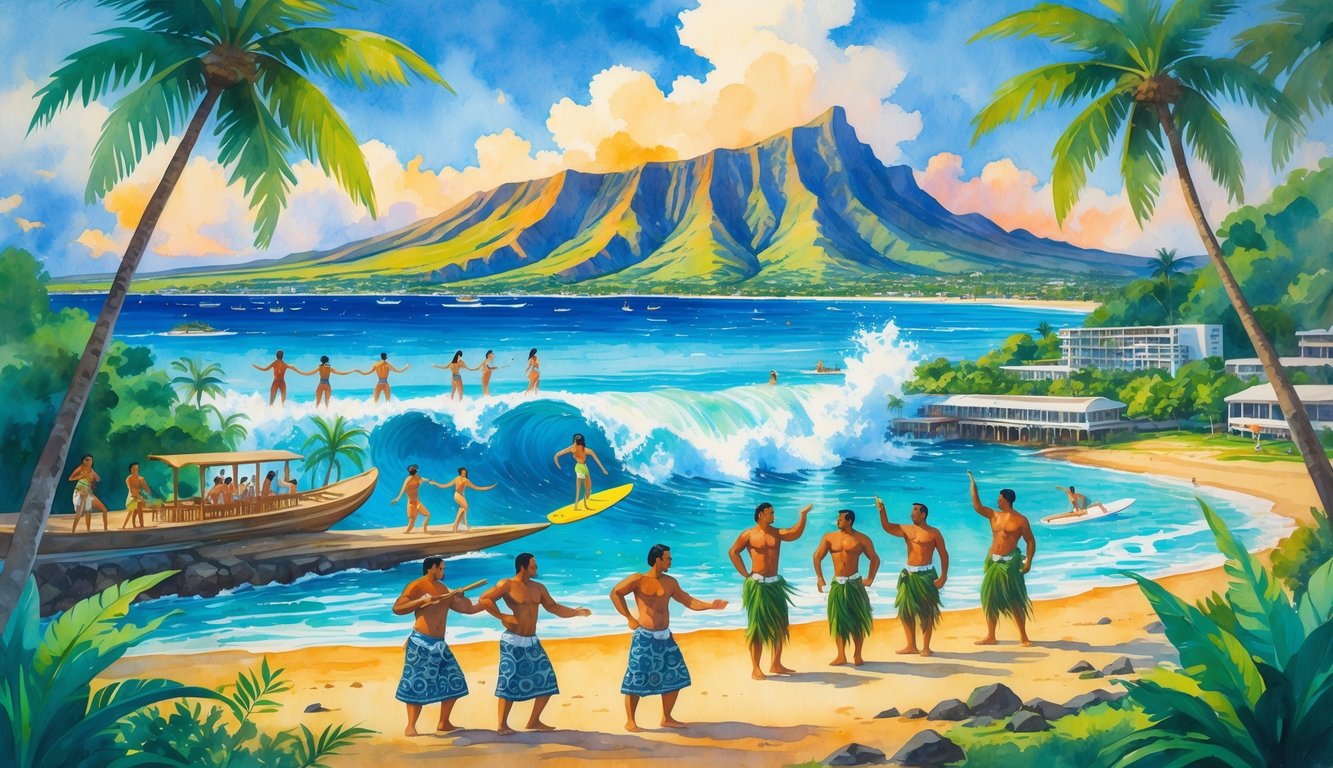
Hawaii’s tourism economy is changing as local communities, businesses, and policymakers balance growth, sustainability, and new technology.
Balancing Economic Growth with Sustainability
Hawaii’s tourism market is expected to keep growing over the next decade. Predictions show the sector could reach nearly $49 billion by 2035, growing at about 4.6% per year, according to market outlooks.
But economic growth alone will not solve Hawaii’s challenges. Local leaders and residents push for more sustainable tourism.
They want limits on visitor numbers in sensitive areas, less waste, and better infrastructure to protect natural resources. Efforts must consider the well-being of local communities as well as profit.
By balancing growth with environmental protection, Hawaii can keep its economy stable and preserve what makes the islands special.
Adaptive Strategies for Local Businesses
Small businesses like local shops, tour operators, and restaurants adapt to changes in Hawaii’s tourism industry. Many now use more locally sourced products and eco-friendly practices to attract values-driven travelers.
Here are some strategies local businesses use:
- Focusing on authentic Hawaiian culture to create memorable experiences.
- Partnering with other local enterprises to support the community.
- Adjusting menus and offerings to include more sustainable products.
By embracing innovation and working together, small businesses can build resilience and help diversify Hawaii’s economy.
Evolving Role of Technology and Global Events
Technology plays a bigger role every year in Hawaii’s tourism industry. Many companies now use online booking systems and virtual tours.
They also rely on data analytics to understand customer behavior and preferences.
Table: Key Technology Trends in Hawaii Tourism
| Technology | Impact |
|---|---|
| Online booking | Easier trip planning for visitors |
| Virtual reality tours | Immersive previews of destinations |
| Data analytics | Smarter marketing and pricing |
Global events like the COVID-19 pandemic or changes in international travel patterns can cause sudden changes in tourism demand. The industry quickly adopted health protocols and flexible booking policies to reduce risk and rebuild traveler trust.


