
Tucked along the sunny Kona Coast of Hawai‘i Island, Puʻuhonua o Hōnaunau National Historical Park lets you step into a preserved piece of Hawaiian history. This place once gave refuge to people who broke ancient laws and also served as royal grounds for powerful chiefs.

Today, people walk the same paths where history, culture, and tradition remain alive.
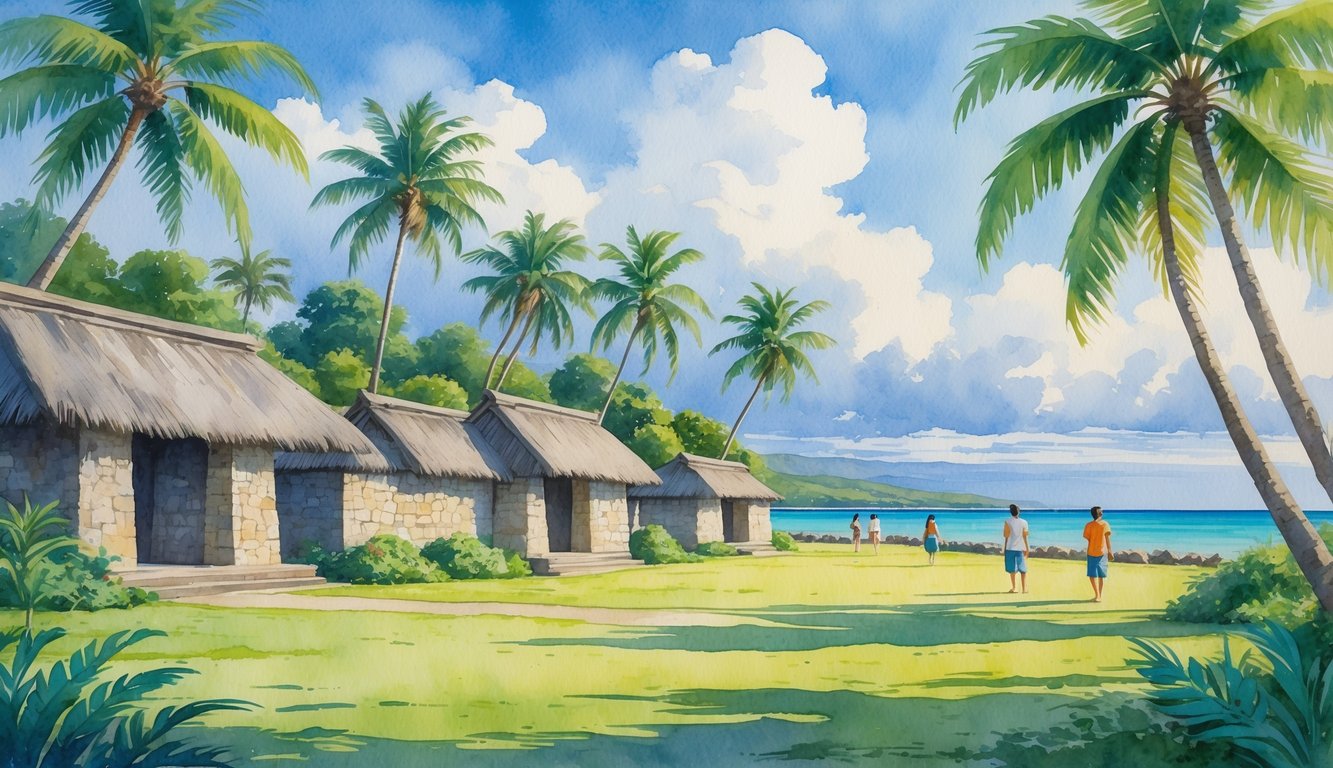
The 180-acre park protects temples, wooden carvings, and lava rock walls that share the story of Hawaiian life before Western contact. South of Kealakekua Bay, Puʻuhonua o Hōnaunau National Historical Park invites people to explore its shoreline, rebuilt structures, and cultural sites.
The park’s coastal setting creates a peaceful place for walking and learning. Many visit for its cultural importance, while others come for the natural beauty and ocean views.
Historical and Cultural Significance
This site offers a rare look into Hawaiian history, showing its role as a sanctuary for those who broke sacred laws and as a royal center for local chiefs. It reflects the traditions, political structure, and cultural changes that shaped ancient Hawaiian society.
Ancient Hawaiian Society and the Place of Refuge
In ancient Hawaiian society, strict laws called kapu controlled daily life. Breaking a kapu often meant severe punishment, sometimes even death.
The pu’uhonua, or place of refuge, gave safety to lawbreakers, defeated warriors, and others facing execution. When they reached the sanctuary, priests could absolve them through rituals.
Massive stone walls protected the refuge at Pu’uhonua o Hōnaunau National Historical Park. These walls, some 12 feet high and 18 feet thick, marked the sacred boundary.
The area also sheltered noncombatants during war. This role made the site vital to Hawaiian culture, helping people survive and restoring social balance.
Role of Chiefs and Royal Grounds
The land next to the pu’uhonua became the royal grounds for Kona’s aliʻi (chiefs). Chiefs held political meetings, religious ceremonies, and community gatherings here.
Structures like the Hale o Keawe held the bones of high-ranking chiefs, which reinforced their spiritual power. This temple stood at the heart of Hawaiian traditions, as people believed the mana (spiritual energy) of the chiefs protected the land and people.
People living around the royal grounds fished, built canoes, and crafted tools. The coastal setting provided rich marine resources for both the chiefs and the community.
The close connection between the pu’uhonua and the royal grounds shows how governance, religion, and law worked together in Hawaiian culture.
The Impact of Captain James Cook and Western Contact
Western contact began in the late 18th century when Captain James Cook arrived in the Hawaiian Islands. His arrival brought new trade goods, technologies, and diseases.
These changes disrupted traditional systems, including the kapu law structure. Over time, foreign influence and shifting political power weakened the pu’uhonua’s role.
At Hōnaunau, people dismantled the sacred Hale o Keawe in the early 19th century as Christianity spread and Hawaiian governance changed.
Exploring the Park’s Landmarks
You can see centuries-old Hawaiian structures, sacred spaces, and preserved coastal trails in the park. The area blends cultural history with natural scenery to give insight into Native Hawaiian daily life and traditions.
The Great Wall and Royal Ponds
The Great Wall stands about 10 feet high and 17 feet thick, built from lava rock without mortar. This wall once marked the boundary between the Puʻuhonua (place of refuge) and the Royal Grounds of the high chiefs.
Just beyond the wall are the Royal Ponds, also called fishponds. These stone-lined enclosures provided fresh fish for the chiefs.
The nearby Hale o Keawe is a rebuilt temple that once held the bones of Hawaiian chiefs. This sacred site is central to the park’s cultural meaning and remains a place of respect for Native Hawaiians.
You can walk along marked paths to see these features up close. Interpretive signs explain their purpose and how people built them.
Visitor Center and Educational Exhibits
The visitor center is the best place to start learning about the park. Staff members provide maps, brochures, and tips for exploring the grounds.
Inside, exhibits display tools, clothing, and artifacts from Hawaiian life before Western contact. Informational panels explain the history of the Puʻuhonua and its role in Hawaiian law and society.
A short film gives background on the Royal Grounds and cultural practices. You can also join ranger talks for deeper insight.
The center offers shaded seating, drinking water, and restrooms. It’s a convenient stop before walking the trails. Find more details on the official park website.
1871 Trail and Ki’ilae Village
The 1871 Trail follows the coastline south from the Royal Grounds. This historic path once linked villages and fishing spots along the shore.
Along the trail, you pass lava rock formations, tidepools, and old walls. The route ends at Ki’ilae Village, an abandoned Hawaiian settlement with stone house sites and terraces.
Signs along the way highlight traditional building methods and daily activities of the people who lived here. The walk is less than two miles round trip, but bring water and sun protection because there is little shade.
The trail offers a quieter experience away from the main park area. You’ll see views of the ocean and rugged lava fields.
Activities and Visitor Experience
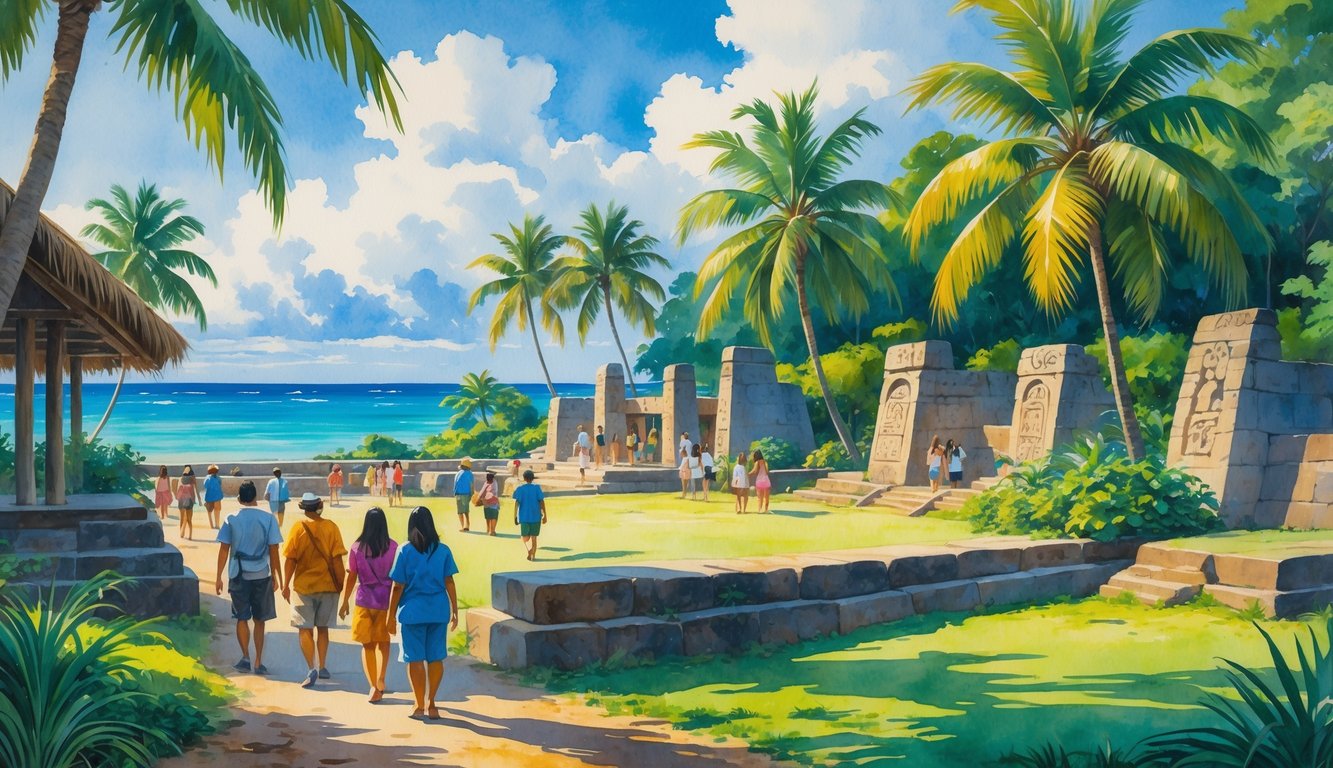
You can learn about Hawaiian traditions through hands-on cultural programs and explore the park’s coastal waters. The clear ocean and lava shoreline also let you see native wildlife up close.
Guided Tours and Cultural Demonstrations
Rangers lead guided tours that explain the history of the puʻuhonua and the royal grounds. These tours often include stops at the Great Wall, wooden images called ki‘i, and rebuilt thatched structures.
Cultural demonstrations show traditional Hawaiian practices such as canoe carving, weaving, or fishing.
You can also take a self-guided walking tour. Follow marked paths with signs that describe each site’s purpose and history.
Guided interpretation and hands-on demonstrations help connect the physical sites with their cultural meaning. Find more information on the National Park Service page for Puʻuhonua o Hōnaunau.
Snorkeling and Swimming
While the park focuses on cultural history, the nearby shoreline has calm waters popular for snorkeling. The area south of the park, known as Two Step, is a well-known entry point for swimmers and snorkelers.
The underwater landscape has coral reefs that support colorful reef fish. Clear water makes it easy to spot species like parrotfish, butterflyfish, and Moorish idols.
Swimming is best in calm weather, as ocean conditions can change quickly. Only enter the water in designated areas and watch for currents.
If you bring your own snorkel gear, you can enjoy the reef within minutes. The park’s location makes snorkeling a convenient part of your visit.
Wildlife and Marine Life Encounters
The coastal waters near the park are home to Hawaiian green sea turtles (honu), which often rest on the lava rocks or swim near shore.
Sometimes, spinner dolphins visit offshore. Early morning visitors may spot them.
The reefs support many kinds of marine life, from small schooling fish to the occasional eel. Always keep a respectful distance and never touch or feed wildlife.
Tide pools along the shore sometimes reveal crabs, sea urchins, and small fish. You can observe marine life without entering the water. These encounters add to the park’s appeal for nature lovers.
Planning Your Visit
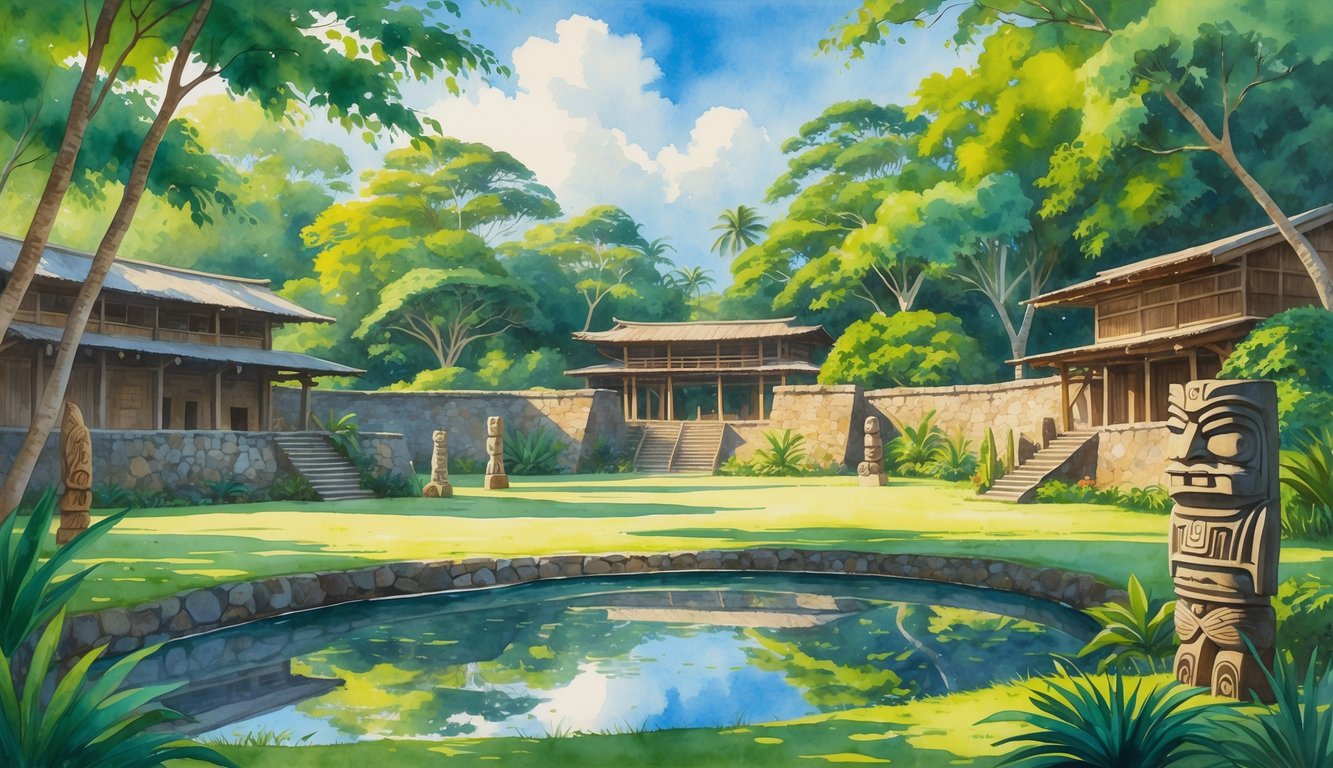
Puʻuhonua o Hōnaunau National Historical Park sits on the sunny Kona Coast of the Big Island of Hawaii. You can reach it by car or public bus and combine your trip with nearby attractions.
Getting to the Park: Directions and Transportation
The park sits about 20 miles south of Kailua-Kona along Highway 11. Drivers follow the highway to signs for Hōnaunau, then turn onto Route 160, which leads to the entrance. Parking is available on-site.
If you don’t have a car, take the Hele-On Bus from Kailua-Kona toward South Kona. The bus stop is near the park, but check schedules in advance since service can be limited.
From Hilo, the drive takes about 2.5 hours via Highway 11. Renting a car is often the most flexible option, especially if you want to explore more sites in the Kona area.
Park Hours, Fees, and Accessibility
The park usually opens daily from 8:15 a.m. to sunset. Confirm current hours on the official National Park Service page before your visit, as hours may change for holidays or maintenance.
Entrance fees are usually $20 per private vehicle, $15 for motorcycles, and $10 for walk-ins or cyclists. Passes are valid for seven days. Annual passes and America the Beautiful passes are also accepted.
The visitor center, restrooms, and main pathways are wheelchair accessible. Some coastal areas have uneven lava rock, so wear sturdy shoes. Benches are placed along the main walking route for rest stops.
Nearby Destinations and Travel Tips
Many travelers visit nearby Two Step for snorkeling just north of the park entrance. This spot has clear water and abundant marine life.
You can also stop at the Painted Church in Captain Cook, about a 10-minute drive away. Inside, you will find hand-painted biblical scenes in a small historic building.
Bring water, sunscreen, and a hat, since there is little shade. The Kona Coast is hot and sunny most of the year.
Visiting early in the morning can be more comfortable. Plan extra time to see both the park and nearby attractions without rushing.


