
Hawaii’s Big Island offers surfers a blend of popular breaks and quiet spots for all skill levels. From beginner-friendly waves at Kahaluʻu Beach Park to challenging reef breaks like Banyans, surfers can find the right spot to enjoy the island’s unique coastline.

The Big Island has fewer beaches than some other Hawaiian islands, but its surf scene is full of variety and local culture.
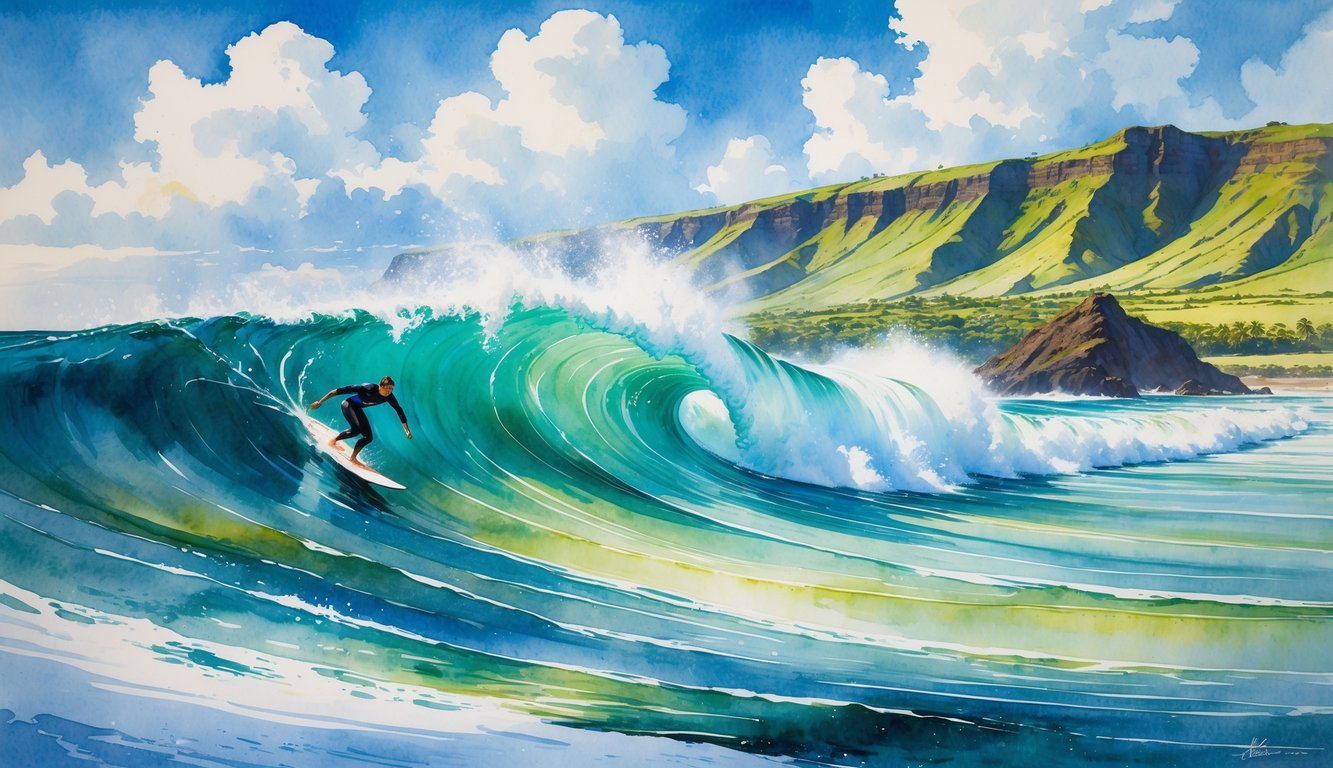
Most of the best breaks line the Kona coast, where steady swells meet warm, clear water. Some places, like Pine Trees, attract experienced surfers, while others are perfect for practice.
Each surf spot has its own personality, shaped by the season, tide, and local traditions.
Surf culture on the island reflects a deep respect for the ocean. Learning about this history and knowing where to surf can make each session more enjoyable.
Big Island Surf Culture and History
Surfing on the Big Island combines ancient traditions with a close-knit community of ocean lovers. Wave riding here is about respecting the land and sea, as well as skill in the water.
The Spirit of Surfing on the Big Island
Surfing has deep roots in Hawaiian culture, and the Big Island is part of that legacy. Early Polynesian settlers rode waves at places like Kealakekua Bay, making the island part of surfing’s birthplace.
The coastline features a mix of reef breaks, point breaks, and beach breaks. Volcanic rock formations and seasonal swells shape each spot, providing options for both beginners and advanced surfers.
Locals describe surfing as a connection between the surfer, the board, and the ocean. The relaxed pace in towns like Kona and Hilo creates a laid-back atmosphere in the lineup.
Surfers often greet each other with a smile or a nod before heading out.
Local Traditions and Etiquette
Respect is important in Big Island surfing. Newcomers should learn the unwritten rules of the lineup before catching waves.
These rules include waiting your turn, not dropping in on another surfer’s wave, and showing courtesy to those who have surfed the spot for years. Many surf spots have cultural significance and may be near sacred sites or fishing areas.
Surfers should treat these places with care, both in and out of the water. Locals often remind visitors to “leave only footprints” on the beach.
Picking up trash, avoiding coral damage, and respecting wildlife are part of the shared responsibility.
Famous Surfers and Community Events
The Big Island has produced notable surfers, such as professional big-wave rider Shane Dorian from Kailua-Kona. His achievements inspire younger generations to take up surfing.
Local surf contests, youth competitions, and charity events bring the community together. These gatherings often include live music, food, and cultural performances.
Surf schools and clubs organize beach clean-ups and safety workshops. These activities help connect residents and visitors while promoting a healthy ocean environment.
For more about popular surf spots and their culture, see this Big Island surf guide.
Best Surf Breaks on the Big Island
The Big Island features a mix of reef and beach breaks that work in different seasons. Some spots attract experienced surfers for their power, while others offer steady waves and easy access.
Banyans: Year-Round Action
Banyans sits along Ali‘i Drive in Kailua-Kona and ranks as one of the island’s most consistent surf spots. Swells from multiple directions make it work in both summer and winter.
The break offers fast, reef-bottom right and left waves that can get hollow when conditions are right. Intermediate and advanced surfers who are comfortable with shallow reefs enjoy this spot.
Surfers park along the road and paddle out over sharp coral. Using reef-safe sunscreen and booties is a good idea.
Early mornings bring lighter winds and cleaner waves, while afternoons can get choppy.
Banyans also serves as a social hub for local surfers, so visitors should follow proper surf etiquette. Crowds can be heavy during good waves, but the mood remains mostly friendly.
Honoli‘i: East Side Adventure
Honoli‘i Beach Park, north of Hilo, is the most popular surf spot on the island’s east side. North and northeast swells bring consistent waves, especially in winter.
The river mouth break offers both lefts and rights, with long rides possible on the right swell. Beginners can practice on smaller inside waves, while the outside section tests more skilled surfers.
A parking lot above the beach and a paved path make access easy. The black sand and lush cliffs create a scenic spot to surf or watch.
Honoli‘i often has onshore winds and choppy conditions in the afternoon because it’s on the windward side. Mornings usually offer cleaner waves.
The spot can get busy, especially on weekends when local surfers and bodyboarders fill the lineup.
Pine Trees: Consistent Kona Waves
Pine Trees, also called Kohanaiki Beach Park, is a popular Kona surf spot with steady waves and a relaxed vibe. Northwest swells in winter work best, but it can still produce rideable waves in summer.
Multiple peaks let surfers spread out. Both rights and lefts are available, and the sandy entry makes it easier for beginners than reef-heavy spots like Banyans.
Facilities include restrooms, showers, and shaded picnic areas, making it a good place for families. The wide, open beach offers plenty of space to set up for the day.
Pine Trees is less intense than some reef breaks, but surfers should still pay attention to currents and others in the water. On good days, longboarders, shortboarders, and stand-up paddlers all enjoy the waves.
For more details on local surf conditions and other breaks, check out this guide to surfing on the Big Island.
Other Top Surf Spots and Hidden Gems
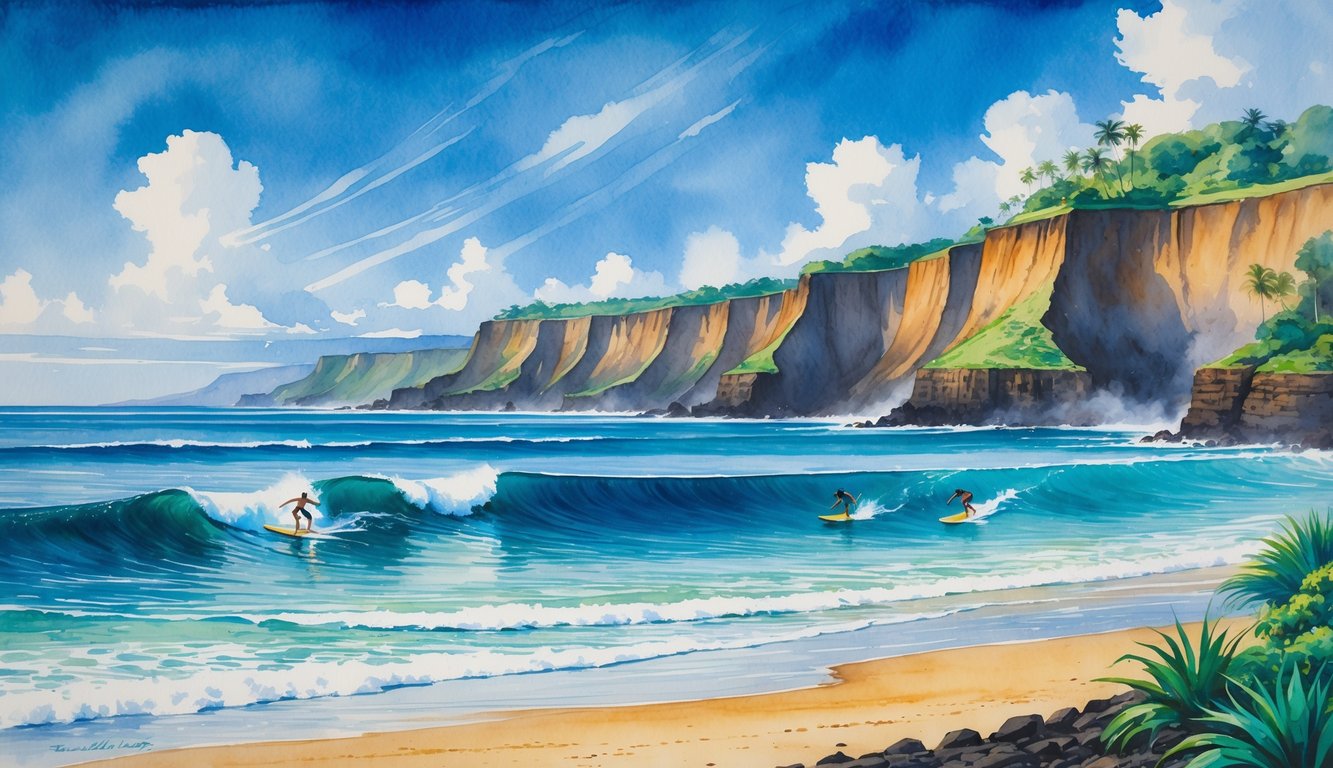
Some Big Island surf spots stand out for their unique wave shapes, reliable conditions, and local culture. These places offer experiences from challenging reef breaks to mellow beach waves, so surfers of all skill levels can enjoy the water.
Lyman’s: High-Performance Lefts
Lyman’s, just south of Kailua-Kona, is known for its long, peeling left-hand reef break. The wave works best on a solid south or southwest swell, especially in summer.
Experienced surfers come here because the takeoff can be steep and the reef is shallow. The ride allows for multiple turns, making it a favorite for shortboarders who want to practice carving.
A small shoreline path leads to the spot, and parking is limited. Visitors should respect the neighborhood and avoid blocking driveways.
For those with the right skills, Lyman’s can offer one of the most consistent and rewarding lefts on the island.
Honl’s Beach: Beginner-Friendly Fun
Honl’s Beach is a small sandy cove near downtown Kailua-Kona. It offers gentle waves in summer, making it a good spot for beginners and longboarders.
The beach has both sand and lava rock, so surfers should watch their footing when entering the water. Rental boards and lessons are often available nearby, making it easy for newcomers to try surfing.
Facilities are minimal, but the grassy area and picnic tables make it a relaxing spot between sessions. Waves are usually gentle, but bigger swells can bring conditions for intermediate riders.
Learn more about this spot in the Big Island surfing guide.
Kohanaiki Beach Park: Local Favorite
Kohanaiki Beach Park, or “Pine Trees” to locals, is a long stretch of coastline north of Kailua-Kona. Several peaks along the beach offer waves that range from mellow to challenging, depending on the swell.
Restrooms, showers, and shaded picnic areas make the park comfortable for a full day at the beach. The sandy bottom in some areas is easier on falls, while other sections have reef.
Kohanaiki is popular with local surfers, so visitors should follow surf etiquette. Early mornings often bring the cleanest waves, and trade winds can pick up by midday.
More details are available in this surfing spot overview.
Tips for an Unforgettable Surfing Experience
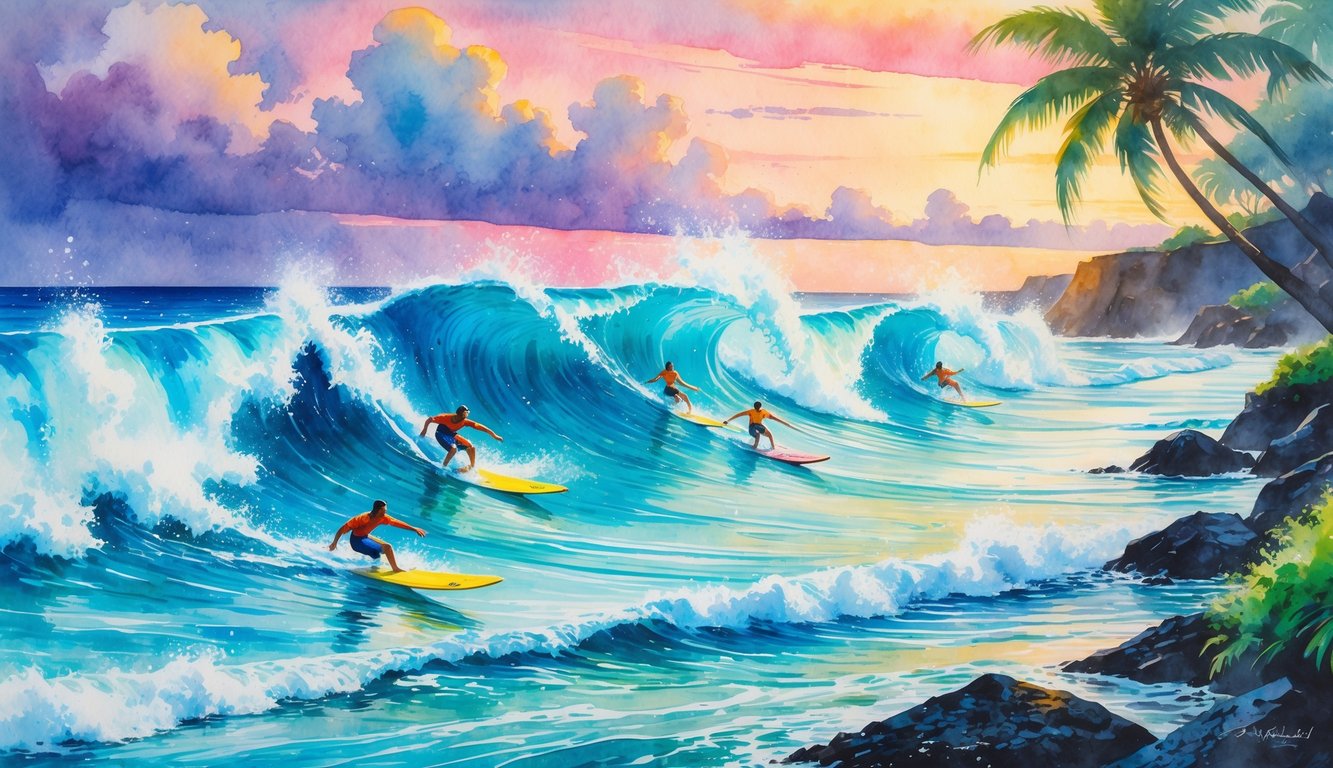
Surfing on the Big Island includes gentle beach breaks and challenging reef waves. Choosing the right spot, using proper gear, and respecting local surf etiquette help make each session safe and enjoyable.
Choosing the Right Break for Your Skill Level
The Big Island has surf spots for beginners, intermediates, and experts. New surfers often start with calmer waves at Kahaluʻu Beach Park or Pine Trees, where sandy bottoms and smaller swells make learning easier.
Intermediate surfers may prefer Honoli‘i Beach on the Hilo side, which offers consistent waves and more power without being too intense. Advanced surfers often go to reef breaks like Banyans for faster, steeper waves.
Wave size, swell direction, and wind can change conditions quickly. Beginners should avoid strong reef breaks and stick to areas with lifeguards when possible.
Checking a local surf forecast before heading out helps match your skill level to the day’s conditions.
For more detailed spot descriptions, see this guide to the best surf breaks for every skill level.
Surfboard Rentals and Lessons
Visitors without their own board can find many rental shops in Kona, Hilo, and near popular beaches. Beginners should choose soft-top longboards because they are more stable and safer in crowded areas.
Rental prices usually include a leash and wax. Some shops also offer rash guards or wetsuits to help prevent sunburn and board rash.
Certified local instructors can help beginners learn faster. Lessons cover beach safety, paddling, and tips for catching the first wave.
Many instructors teach at beginner-friendly places like Kahaluʻu Beach Park. Booking early during busy seasons helps secure the right board and lesson time.
Staying Safe and Respecting the Ocean
Hawaiian waters can be powerful, even on small days. Surfers need to handle wipeouts and control their boards.
Avoid standing on coral reefs. Respect local surf etiquette by waiting your turn and not dropping in on another surfer’s wave.
Greet locals in the lineup. Reefs, rocks, and strong currents are common on the Big Island.
Wear reef-safe sunscreen to protect your skin and marine life. Beginners should choose sandy-bottom breaks.
Avoid paddling into crowded or advanced-only spots. For more safety tips, check out this beginner’s guide to surfing in Kona.


