Every spring, Hilo, Hawaii hosts one of the most respected cultural events in the islands — the Merrie Monarch Festival. This week-long gathering honors King David Kalākaua, who revived Hawaiian traditions.

The festival celebrates hula, language, and art, keeping Hawaiian culture vibrant in the modern world.
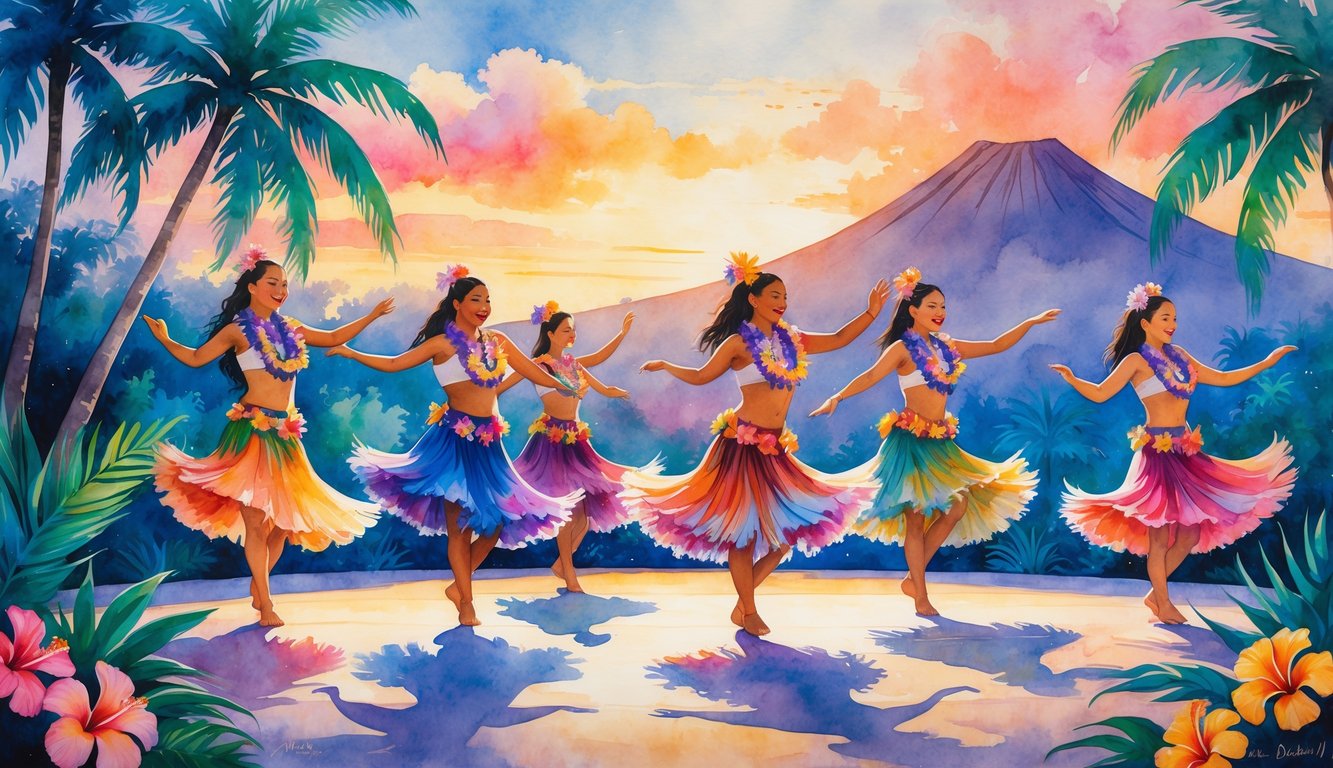
Dancers compete in world-class hula competitions, sharing stories through movement, chant, and song. The festival also includes craft fairs, workshops, and gatherings that invite locals and visitors into Hawaiian heritage.
The Cultural Significance of the Merrie Monarch Festival
The Merrie Monarch Festival preserves Hawaiian traditions, language, and artistry. Skilled dancers, musicians, and cultural practitioners gather to share knowledge passed down through generations.
Preserving Hawaiian Culture
The festival started in 1963 to honor King David Kalākaua, who supported Hawaiian arts. It has grown into a key event for cultural preservation.
The festival highlights practices like hula kahiko (ancient hula), chanting, and storytelling. These performances help keep the Hawaiian language and customs alive.
Visitors and locals experience authentic Hawaiian traditions that might otherwise fade. The festival’s focus on accuracy and respect ensures each performance reflects the values and history of the islands.
For many, attending the Merrie Monarch Festival offers a way to connect with Hawaiian roots in a setting that values heritage.
The Role of Hula in Cultural Identity
Hula stands at the center of the festival and Hawaiian identity. It is more than dance—it passes on history, genealogy, and values.
Hula kahiko preserves ancient forms, performed to chants in the Hawaiian language. Hula ʻauana, the modern style, blends tradition with contemporary music.
Both styles appear in competition and are judged on precision, authenticity, and expression. Through hula, performers tell stories of gods, chiefs, and important events.
Dancers choose movements, chants, and costumes carefully to reflect each story’s meaning. Judges use fact sheets to ensure cultural integrity and respect for the art form.
Community Engagement and Tradition
The festival relies on community effort and months of preparation. Local artisans create costumes, lei makers craft adornments, and musicians rehearse traditional chants and songs.
Thousands of visitors travel to Hilo, creating opportunities for cultural exchange. Attendees are encouraged to respect event guidelines and honor the significance of each performance, as described in festival etiquette recommendations.
By participating, the community reinforces shared traditions and values. Each year’s event strengthens the connection between generations and helps Hawaiian culture thrive.
History and Evolution of the Merrie Monarch Festival
Community leaders in Hilo started the Merrie Monarch Festival to support the local economy after natural disasters and industry decline. Over time, the festival grew into an internationally recognized event that preserves and celebrates Hawaiian culture, especially hula.
Origins and Founders
In 1963, Hilo faced economic hardship after a tsunami and the collapse of sugar plantations. Community leaders searched for ways to bring visitors and revenue to the area.
The first Merrie Monarch Festival took place in 1964, inspired by King David Kalākaua, the “Merrie Monarch,” who supported Hawaiian arts and traditions. Early festivals featured a parade, coronation, and cultural displays.
Hula was not the main focus at first. Organizers wanted to create a tourist attraction to help the local economy.
George Naʻope, a respected kumu hula (hula teacher), helped shape the festival’s cultural direction. His vision ensured the event would reflect authentic Hawaiian traditions.
Transformation and Growth
In the 1970s, organizers made hula the central focus of the festival. They introduced a hula competition, which soon became the highlight.
Dancers performed both kahiko (ancient style) and ʻauana (modern style), showcasing the full range of hula traditions. The event attracted hālau hula (hula schools) from across Hawaiʻi and beyond.
This expansion increased cultural exchange and raised performance standards. Today, the festival is a week-long celebration each spring in Hilo.
It includes craft fairs, art exhibits, and cultural workshops alongside the hula competitions.
The Hawaiian Renaissance Connection
The Merrie Monarch Festival played a major role in the Hawaiian Renaissance of the 1970s. This movement revived traditional language, music, and dance.
The festival gave younger generations a respected stage to learn and preserve hula. This helped reverse decades of cultural suppression.
By emphasizing authenticity, the festival strengthened Hawaiian identity and pride. It also increased public awareness of traditional practices.
Events like the Merrie Monarch Festival connect communities with their heritage and welcome visitors from around the world.
Key Events and Competitions
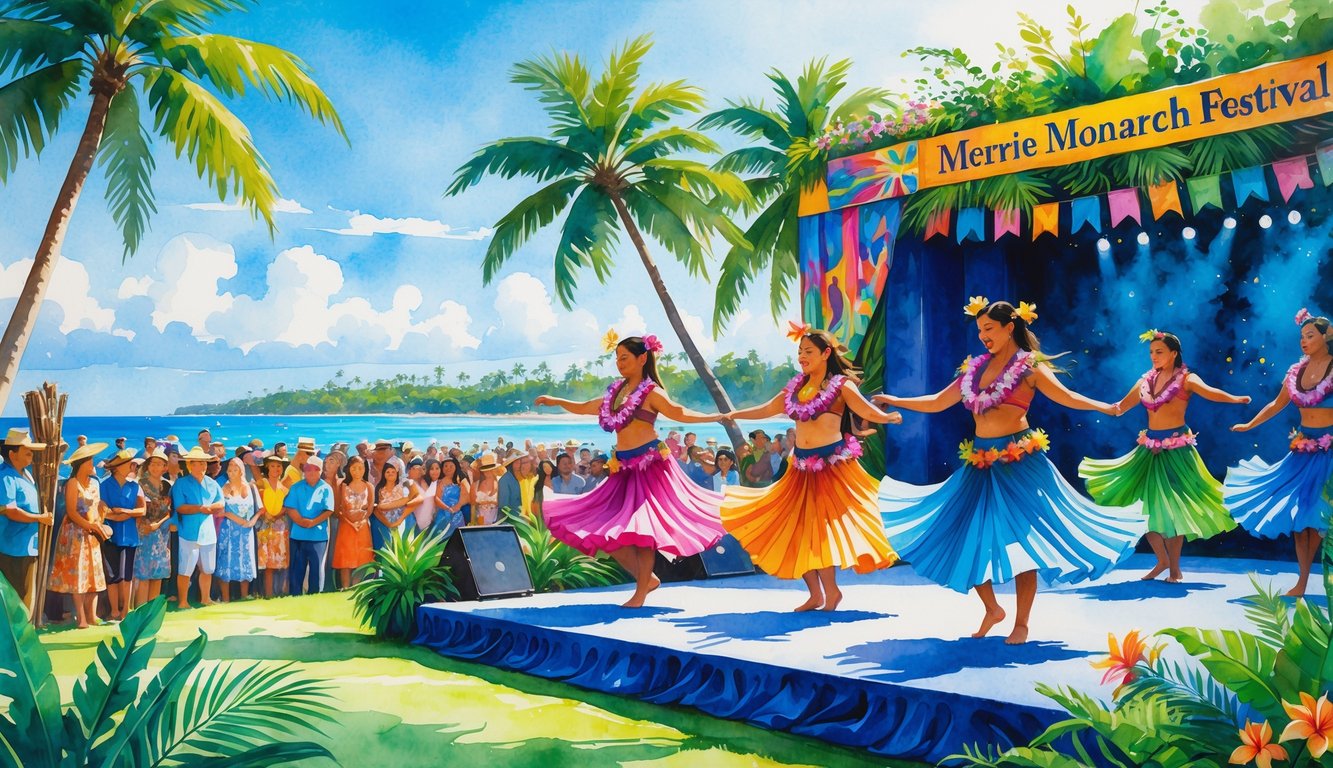
The Merrie Monarch Festival features events that showcase Hawaiian traditions through dance, song, and cultural skill. Each part of the festival helps preserve authentic practices and allows participants to demonstrate mastery.
Hula Competition Highlights
The hula competition is the festival’s centerpiece, attracting top performers from Hawaiʻi and beyond. Dancers compete in both kahiko (ancient) and ʻauana (modern) styles, judged on accuracy, expression, and cultural integrity.
Competitors wear elaborate costumes that reflect the story or chant they present. Judges evaluate precise hand gestures, footwork, and stage presence.
The competition takes place over several nights with separate performances for men and women. Audiences fill the venue early, creating a lively and respectful atmosphere.
Miss Aloha Hula
The Miss Aloha Hula title goes to the most outstanding solo female hula dancer of the year. This competition is known for its high standards.
Contestants perform both a kahiko and an ʻauana routine, often accompanied by live musicians. They must also understand the mele (songs) they present.
Winning the title can elevate a dancer’s reputation. Many past winners go on to teach or lead their own hālau.
Role of Hālau
A hālau is a hula school or group led by a kumu hula (hula teacher). These groups form the foundation of the festival’s competitions.
Each hālau trains for months or years to prepare. Training includes dance, chanting, costuming, and cultural protocol.
Hālau members travel together to Hilo and support each other during performances. Their unity and discipline are as important as their technical skill.
Music and Performance
Live music is essential to every hula performance. Musicians provide rhythm, melody, and chanting for the dancers.
In kahiko performances, traditional instruments like the ipu (gourd drum) and pahu (sharkskin drum) are common. For ʻauana, guitars and ukuleles often accompany the singing.
Dancers and musicians must coordinate closely. Timing, pitch, and expression need to align for the performance to convey its meaning.
For more details on the festival’s events and traditions, visit the Merrie Monarch Festival overview.
Enduring Impact on Hawaii and Beyond
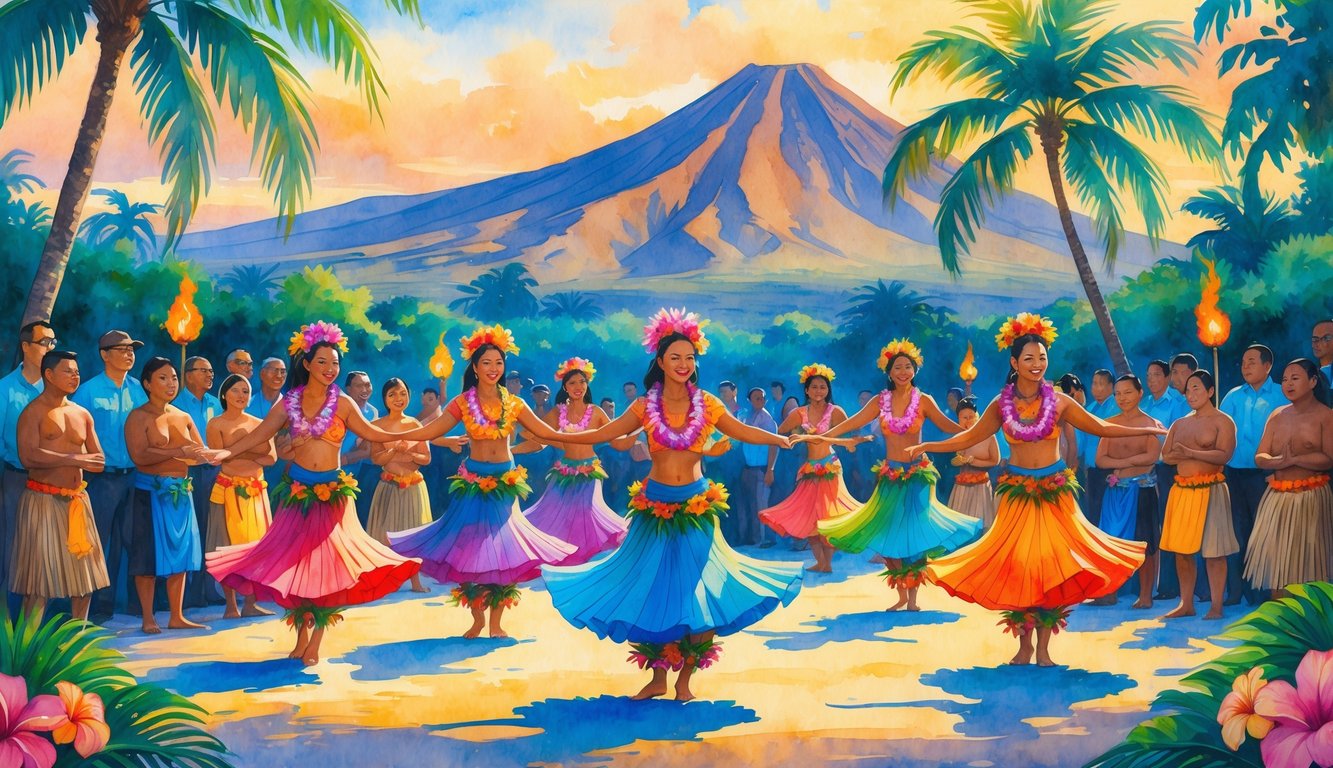
The Merrie Monarch Festival helps preserve Hawaiian culture through hula, music, and language. It also supports local communities in Hilo and draws international attention to Native Hawaiian traditions.
Influence on Hawaiian Arts
The festival provides a central stage for traditional and modern hula. Dancers perform both kahiko (ancient) and ‘auana (modern) styles, keeping hula alive for future generations.
Many hālau (hula schools) spend months refining their chants, choreography, and costumes. This dedication raises the quality and visibility of Hawaiian performing arts.
Events also highlight other cultural expressions, such as Hawaiian music, lei making, and traditional crafts. These activities help transmit skills and knowledge.
By showcasing these traditions, the festival inspires younger generations to learn and participate in cultural practices. It also offers visitors a deeper understanding of hula and related art forms.
Economic and Social Contributions
The festival draws thousands of visitors to Hilo each spring, filling hotels, restaurants, and shops. Local businesses benefit from the steady flow of tourism spending.
Vendors sell handmade goods, local foods, and cultural items, creating income for artisans and small business owners. This economic boost supports the community year-round.
Socially, the festival fosters pride among residents. Families, schools, and community groups come together to volunteer, perform, or host visitors.
These shared experiences strengthen relationships and promote cultural unity. The event also gives cultural educators a platform to share Hawaiian history and values with locals and tourists, deepening respect and understanding.
Global Recognition
Since its start in 1963, the Merrie Monarch Festival has become an internationally recognized celebration of Hawaiian culture. Television broadcasts and online streaming let audiences worldwide watch hula competitions in real time.
This exposure encourages cultural exchange. Performers from outside Hawaii travel to Hilo to participate.
Many performers return home and teach what they have learned. They help spread Hawaiian traditions far beyond the islands.
The festival stands as the most prestigious hula competition and serves as a cultural ambassador for Hawaii. It shows the richness of Hawaiian heritage and the ongoing commitment to protect and share it with the world.